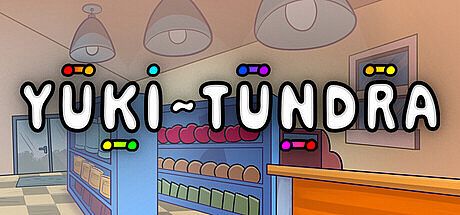




Yuki-Tundra is a strategy, indie, RPG, casual, and simulation game for PC in which players take on the role of Yuki Suzuki. The story follows a 21-year-old woman who inherits her family's struggling store after her mother's death and works to grow it into the Tundra Corporation retail empire across Japan.
Gameplay
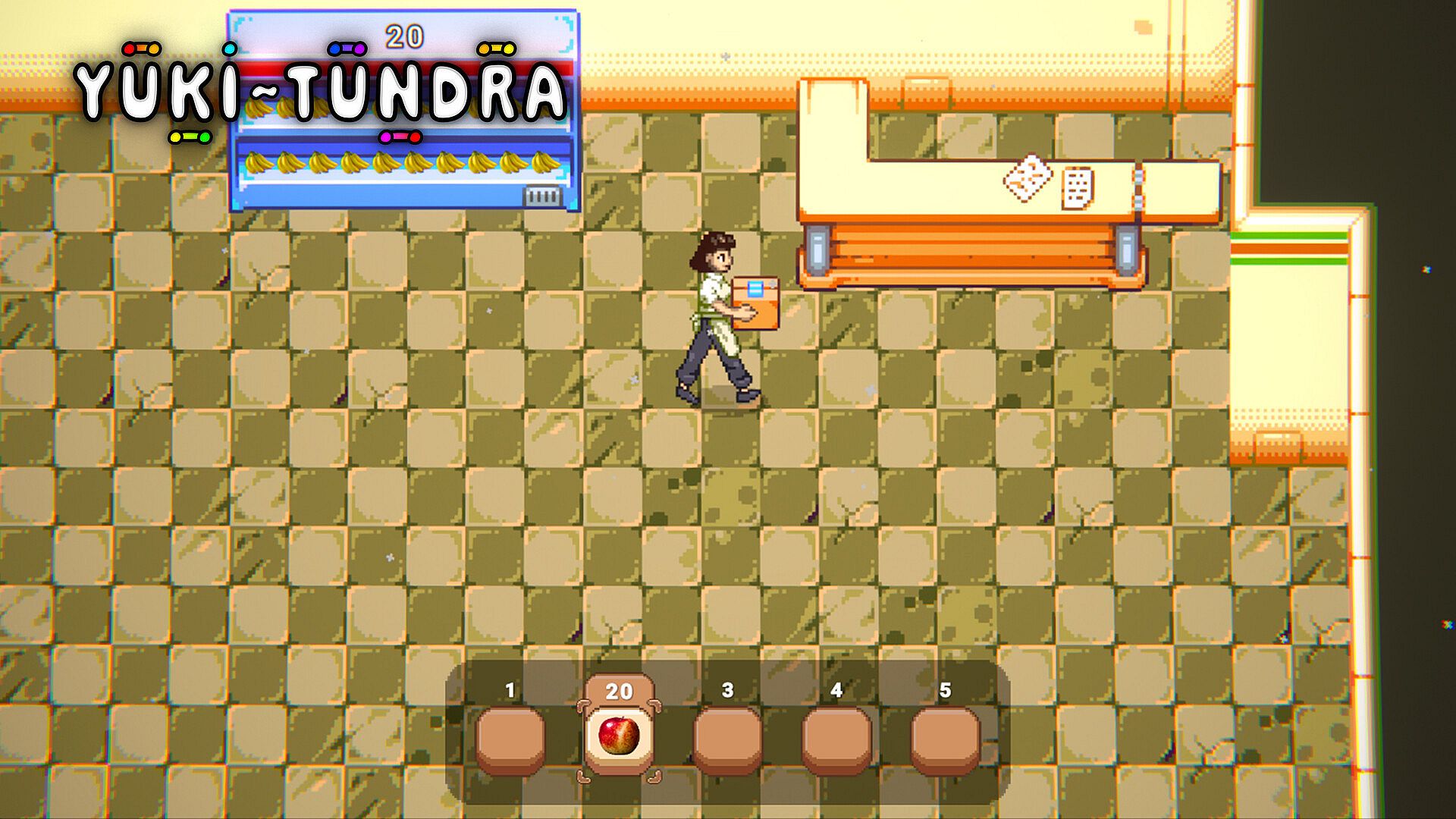
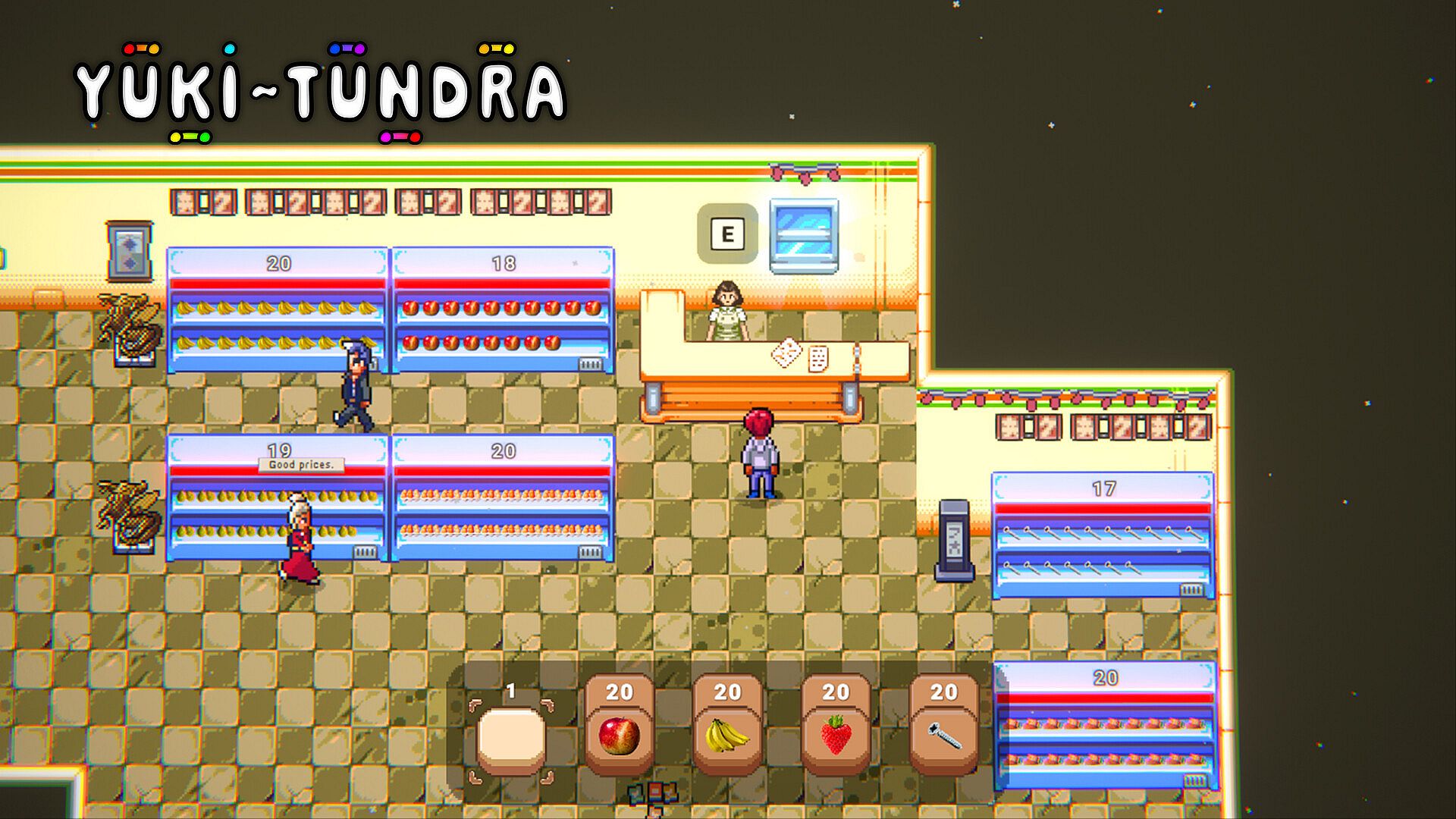
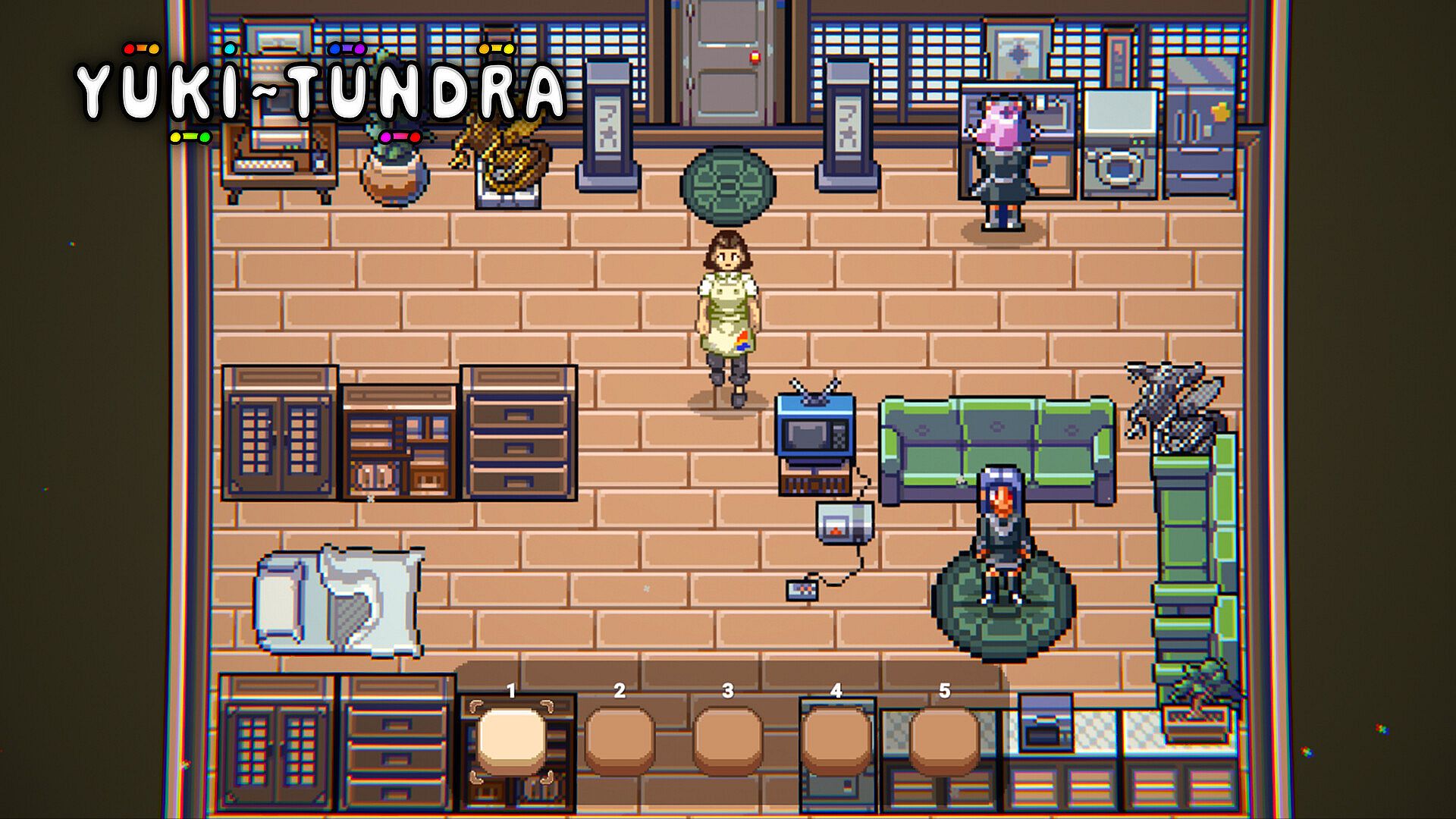
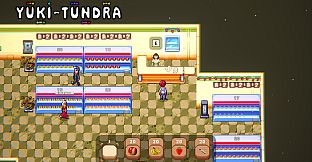
The core loop centers on retail management and gradual expansion. Players begin with a small location in Tokyo set in 2001 and handle daily operations such as ordering stock, arranging store layouts, stocking shelves, serving customers at checkout, and monitoring five-star ratings that influence reputation and rank progression. Performance milestones unlock additional stock options and story voicemails that reveal more about Yuki's personal challenges with grief and imposter syndrome.
As the business develops, customization deepens. Store layouts can be redesigned, staff hired and upgraded, and Yuki's abilities improved through unlockable perks. Customer preferences and local conditions change with each new branch, requiring adjustments to product selection and operations. Three distinct locations form the main story path, each introducing unique layouts, inventory, and operational demands.
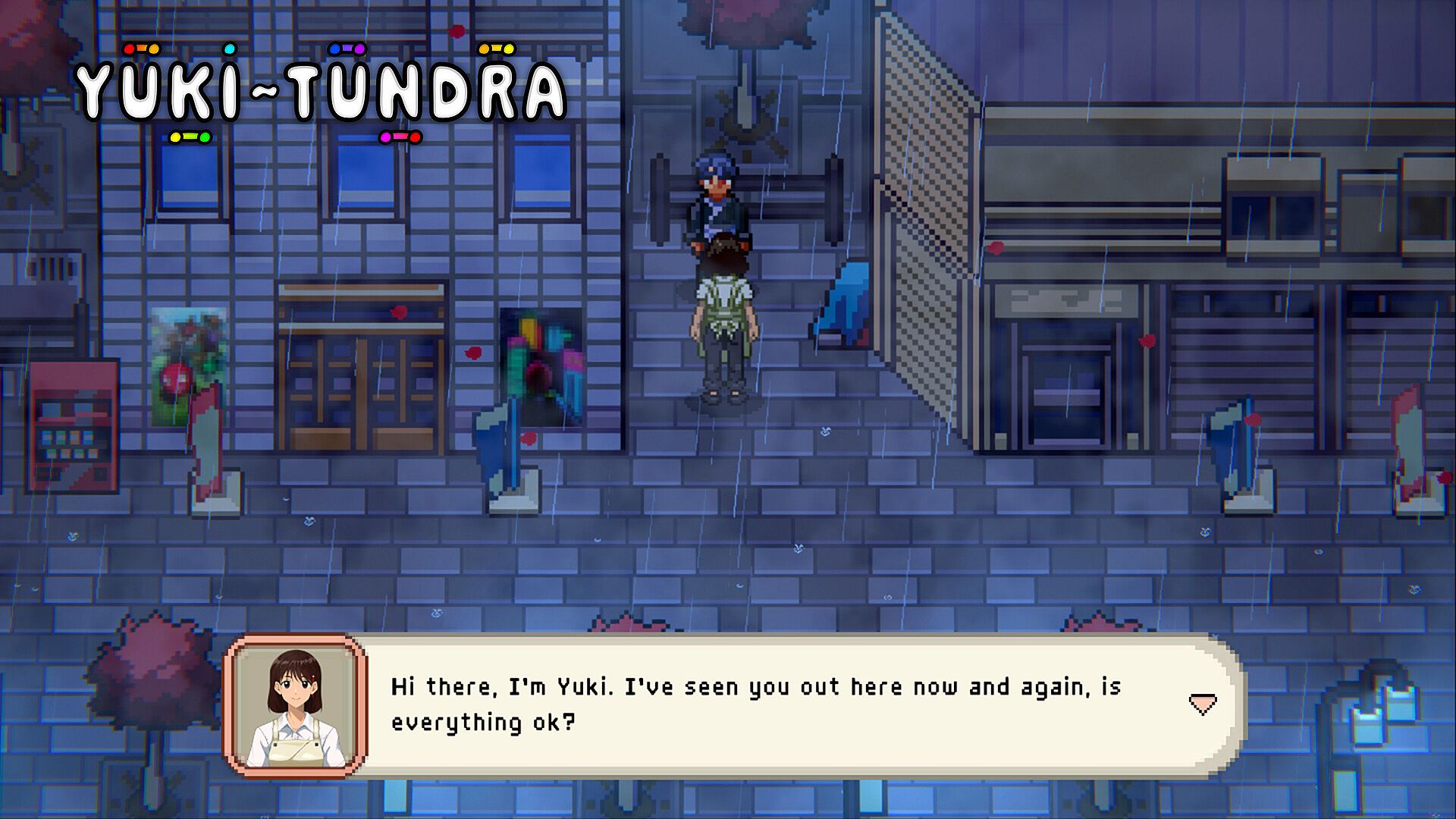
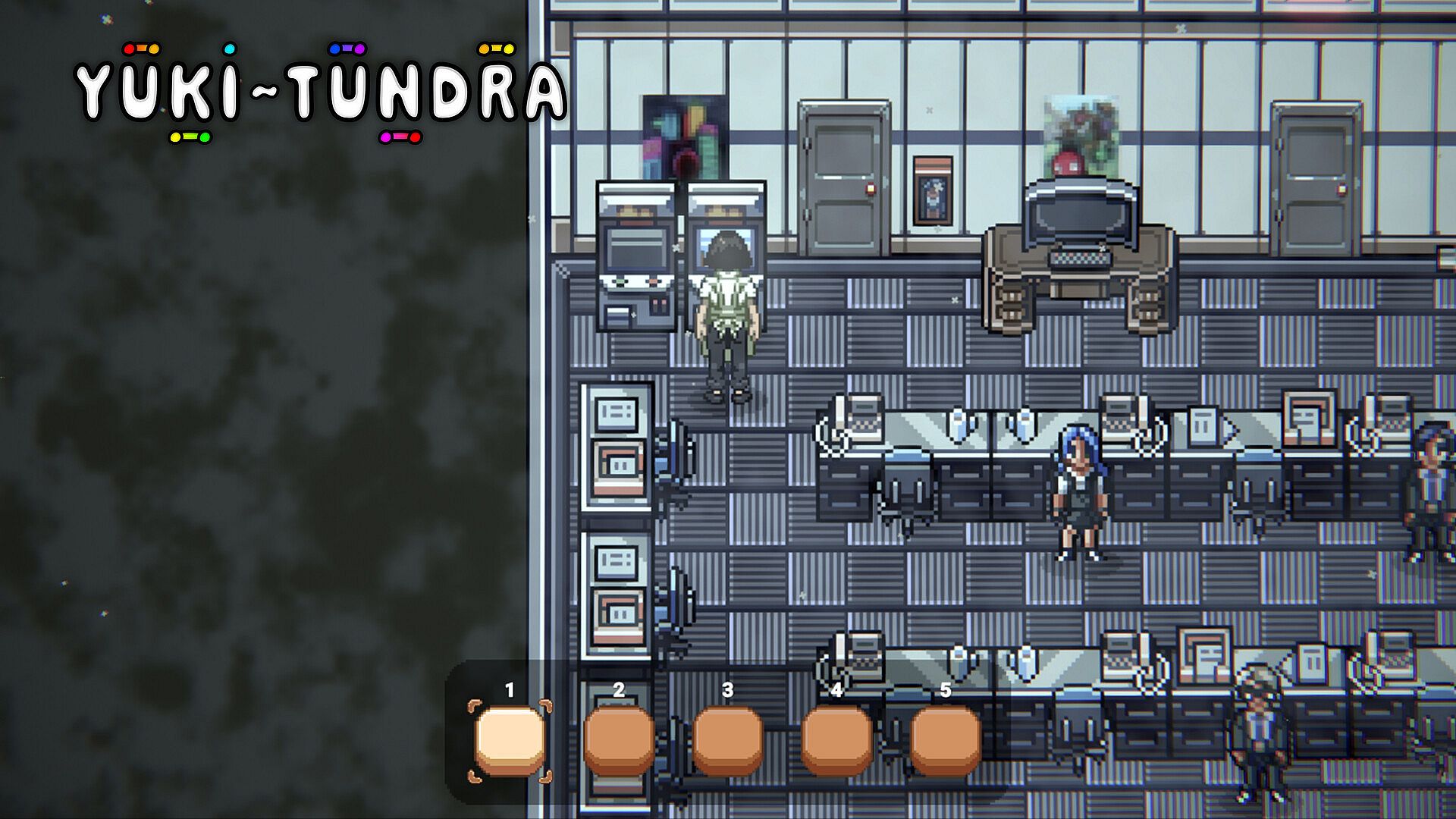
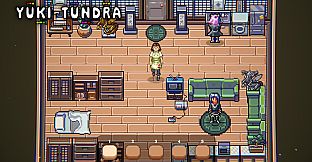
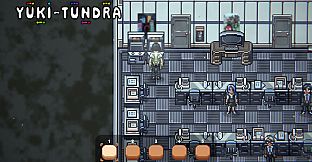
Beyond the store itself, players explore surrounding areas in each branch to interact with residents. Side activities include 15 quests per location, split between smaller favors and two larger story-driven missions. These tasks provide cash, stock, and perk points that fund permanent improvements to Yuki and store efficiency. Completing quests also grants early access to certain products and helps uncover more narrative details through character interactions.
Game Modes
Yuki-Tundra operates as a single-player experience built around a linear main story of business growth and personal reflection. Progression ties directly to store performance and reputation thresholds that open new locations and content. Side quests run parallel to the primary campaign, offering optional depth without altering the core structure.
No separate competitive or multiplayer modes exist. The focus remains on managing resources, adapting to location-specific challenges, and balancing operational tasks with narrative exploration in one continuous playthrough.
Story and Progression
The narrative unfolds through voicemails triggered by rating milestones and interactions during side quests. Yuki confronts grief and self-doubt while building the family legacy, with each new branch adding fresh characters and situations that reflect local communities. Perk points earned from quests allow lasting upgrades that streamline store management over time.
Expansion opportunities appear once reputation reaches sufficient levels, moving the business from Tokyo outward. Each site demands fresh strategies due to differing customer tastes and layouts, keeping the simulation engaging across the three main branches.
Is It Worth Playing?
Yuki-Tundra suits players who enjoy deliberate business simulation combined with light RPG progression and story elements. The emphasis on store customization, staff management, and adapting to new locations provides steady goals, while side quests and voicemail reveals add personal context without overwhelming the core loop.
Those seeking fast-paced action or multiplayer competition will find little here, as the game prioritizes methodical growth and narrative beats. Availability on PC makes it accessible for fans of casual management titles who appreciate gradual empire building tied to character development.