




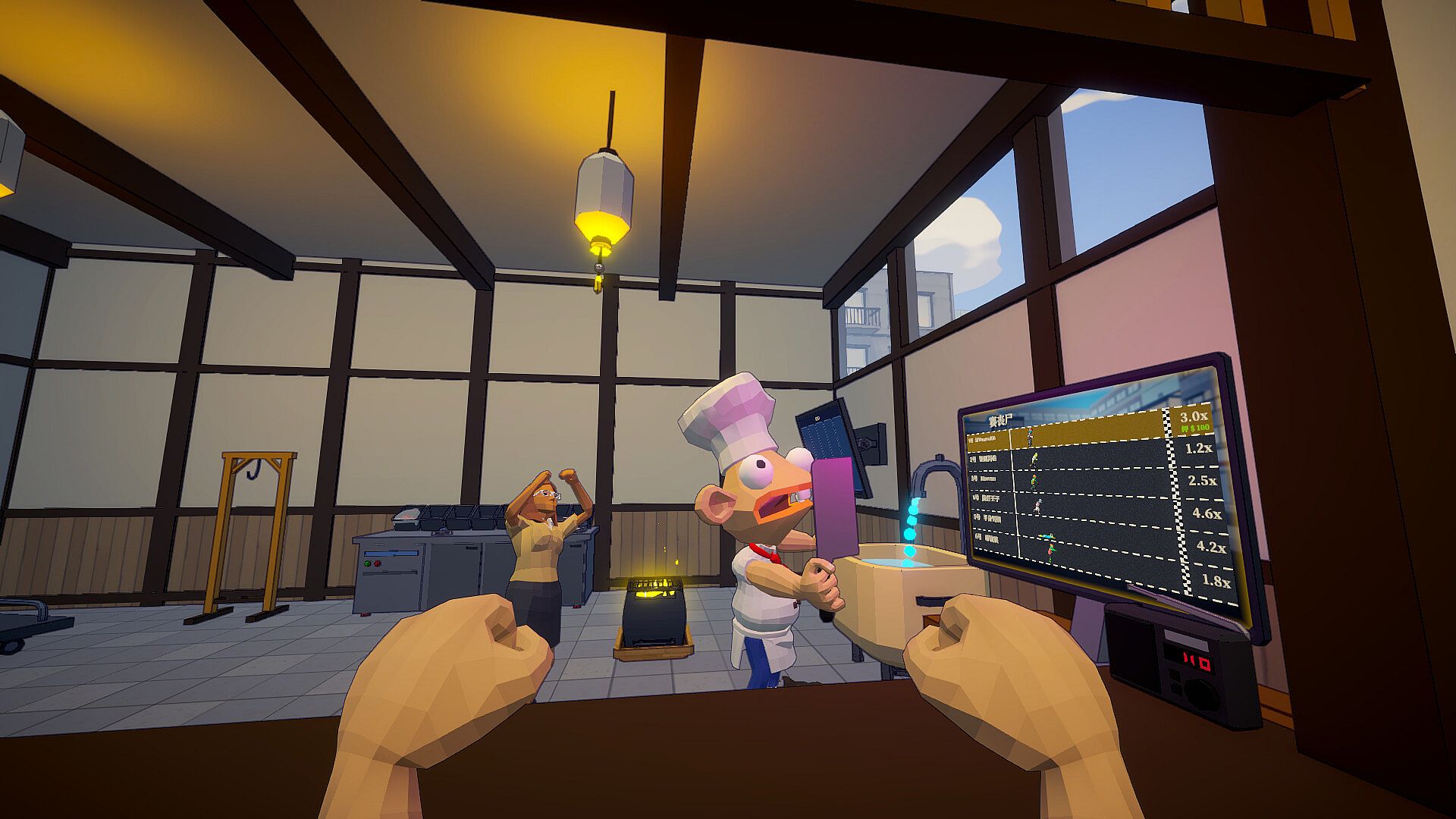
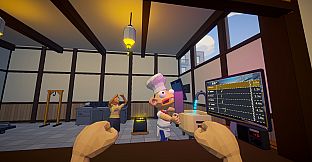
Zombie BBQ House is a strategy simulation game built around managing a post-apocalypse BBQ restaurant that serves zombie meat to a mixed crowd of survivors and disguised undead. Players handle every stage of the operation on PC, from identifying threats among customers to preparing and serving orders while keeping the place running smoothly. The core loop blends resource management, quick observation, and cooperative task division in a setting where one mistake can bring police or aggressive leftovers.
Gameplay
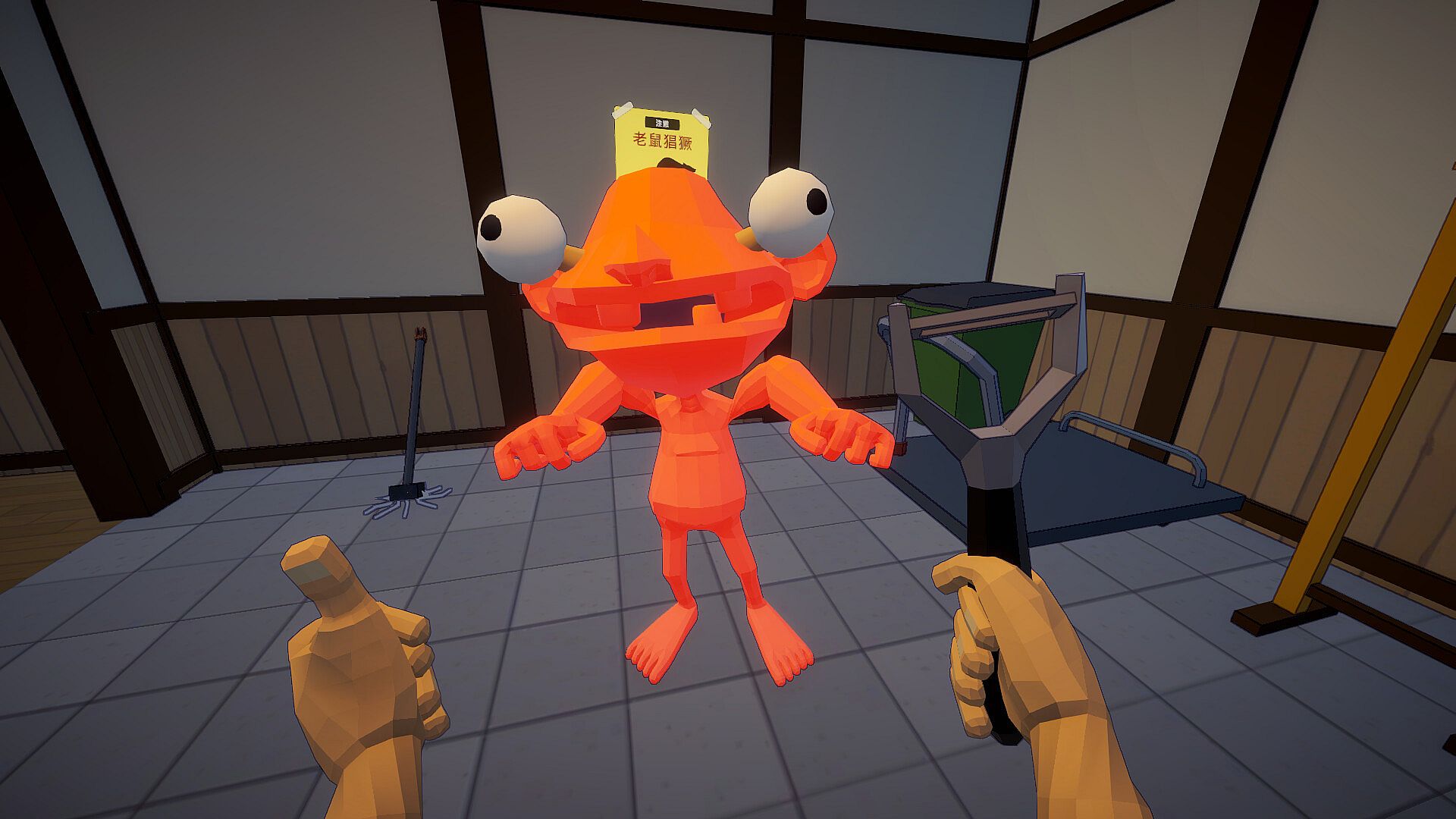
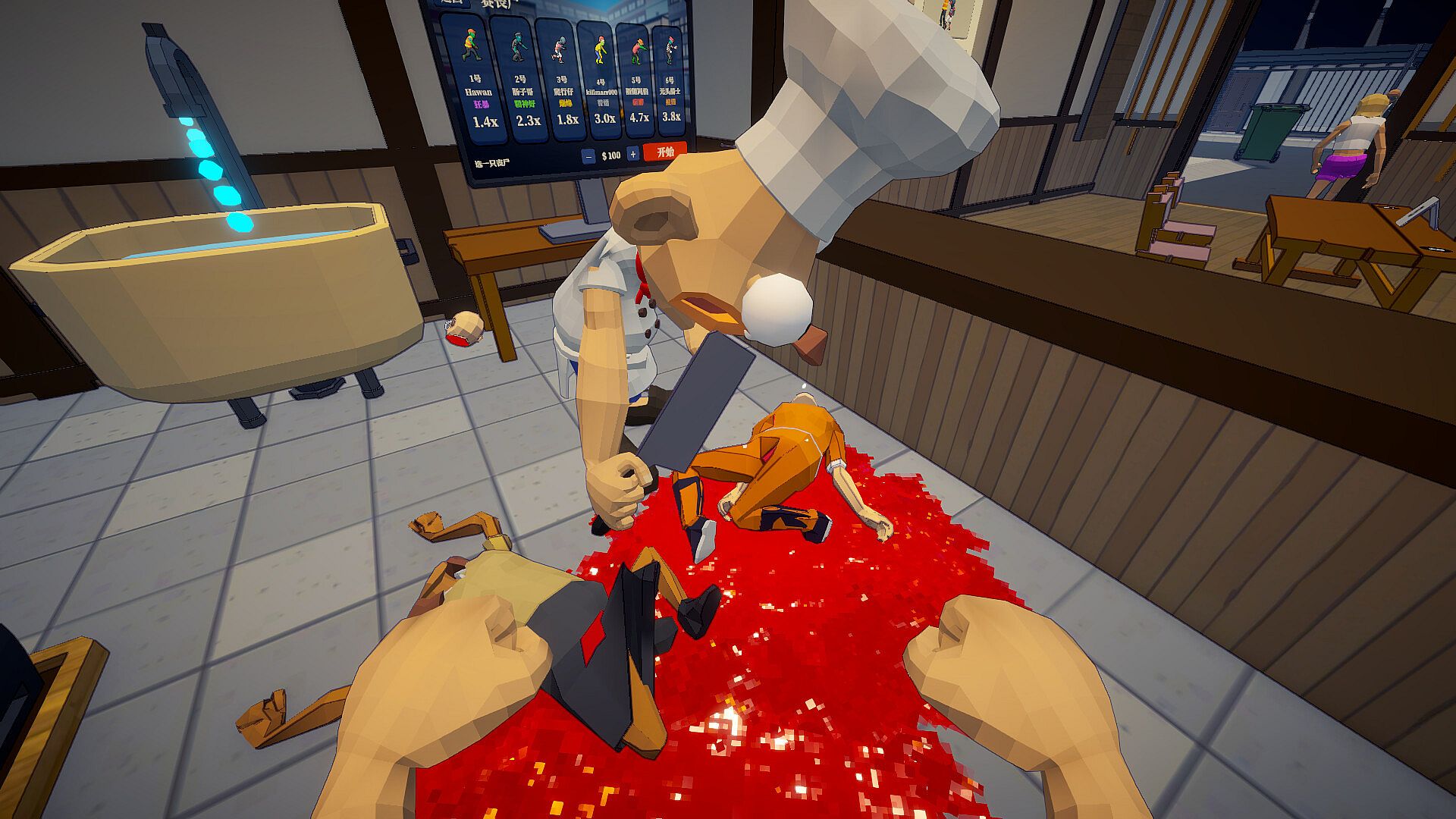
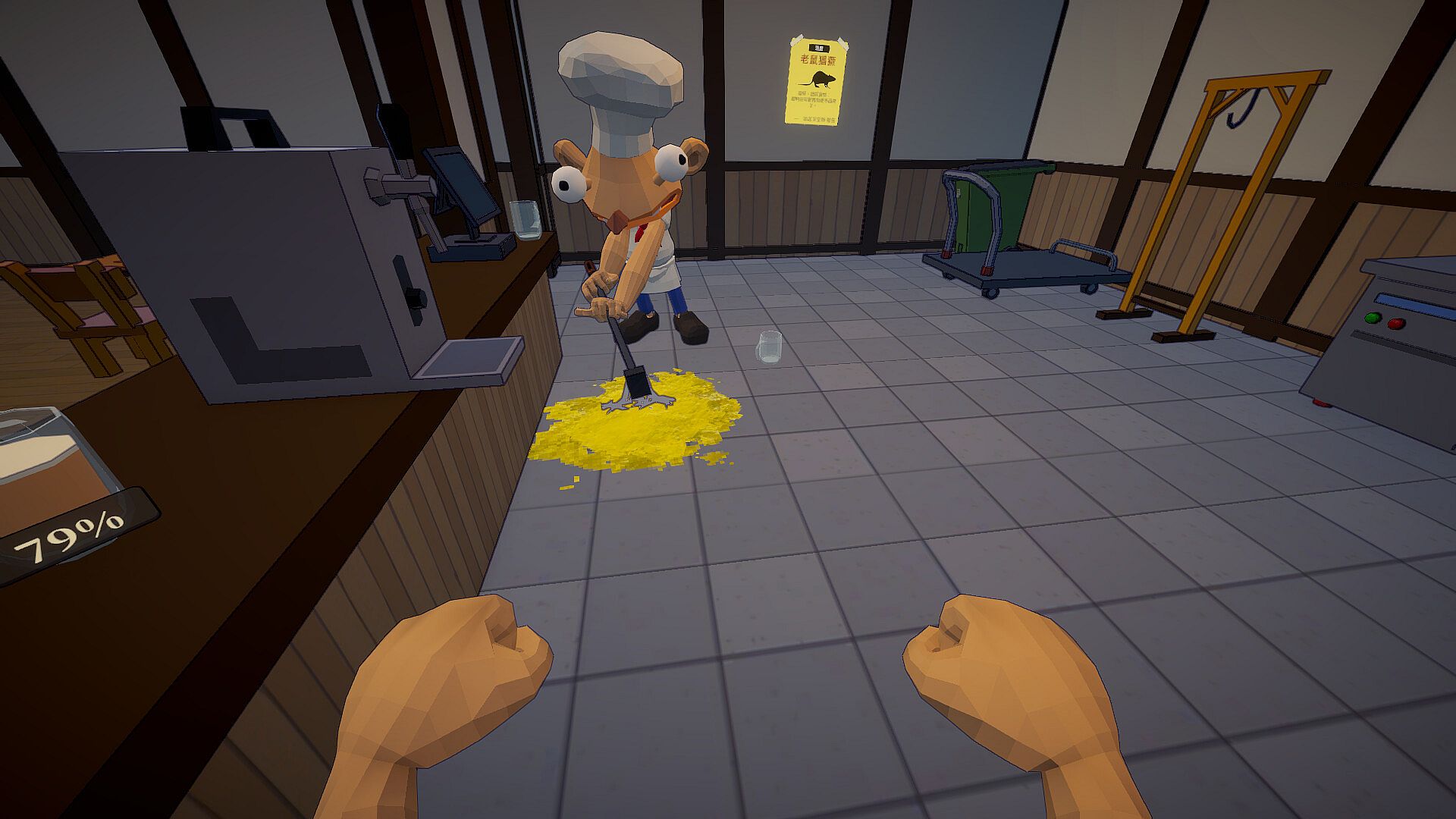
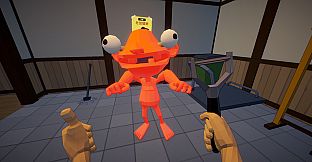
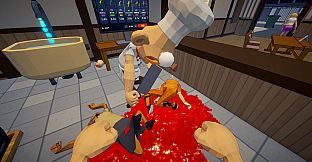
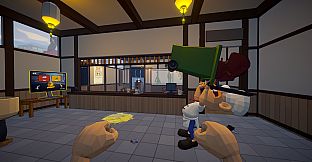
The daily routine starts with spotting disguised zombies who blend into the customer line. Observation of body shape, movement, and eye details helps separate real threats from paying customers before any action is taken. Once a zombie is confirmed, the prep process begins with hanging the body on a hook, removing clothing, and breaking it down into head, torso, arms, and legs. Larger pieces go into a grinder. Meat left on the floor attracts rats that clear it away without extra effort.
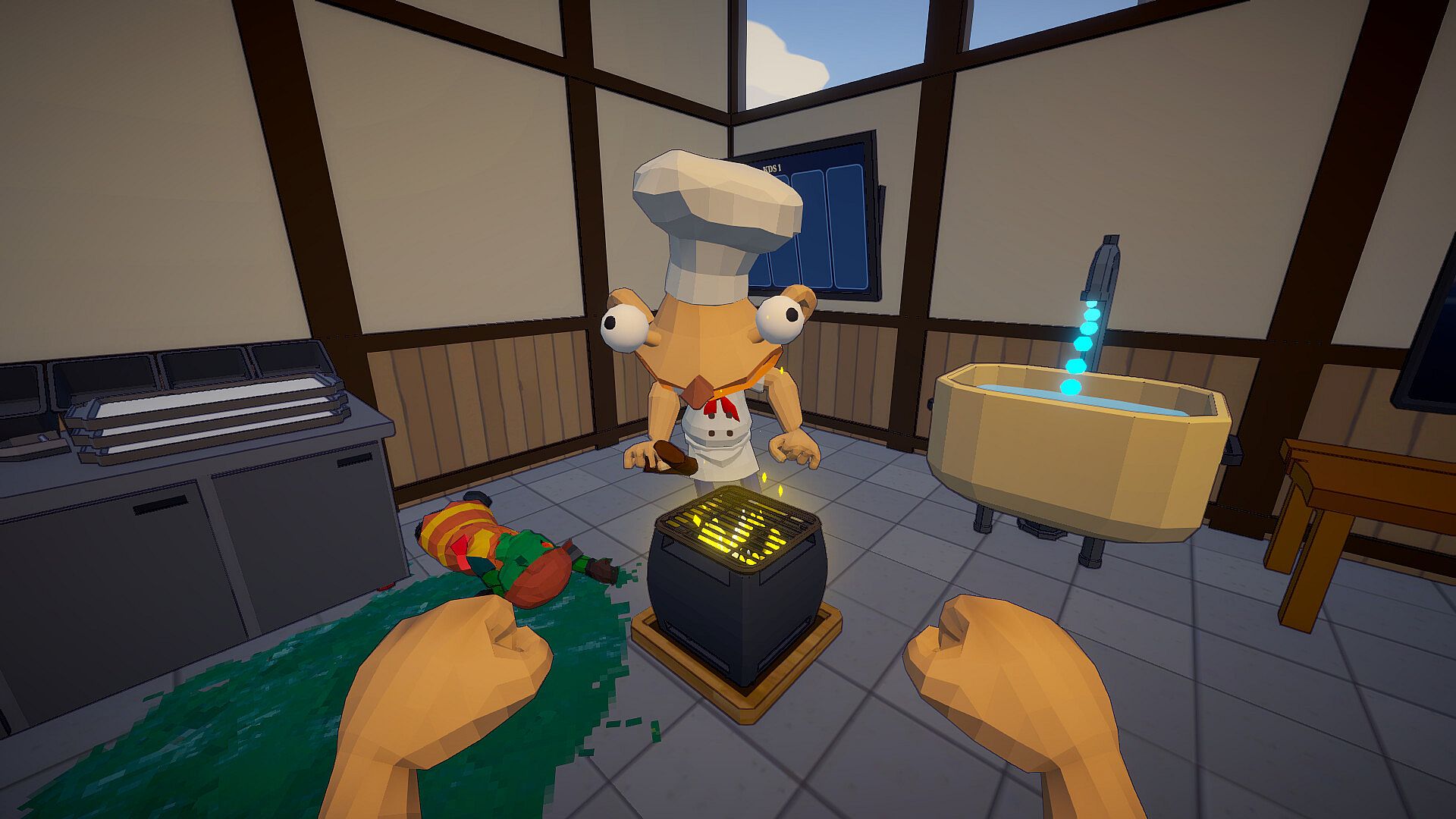
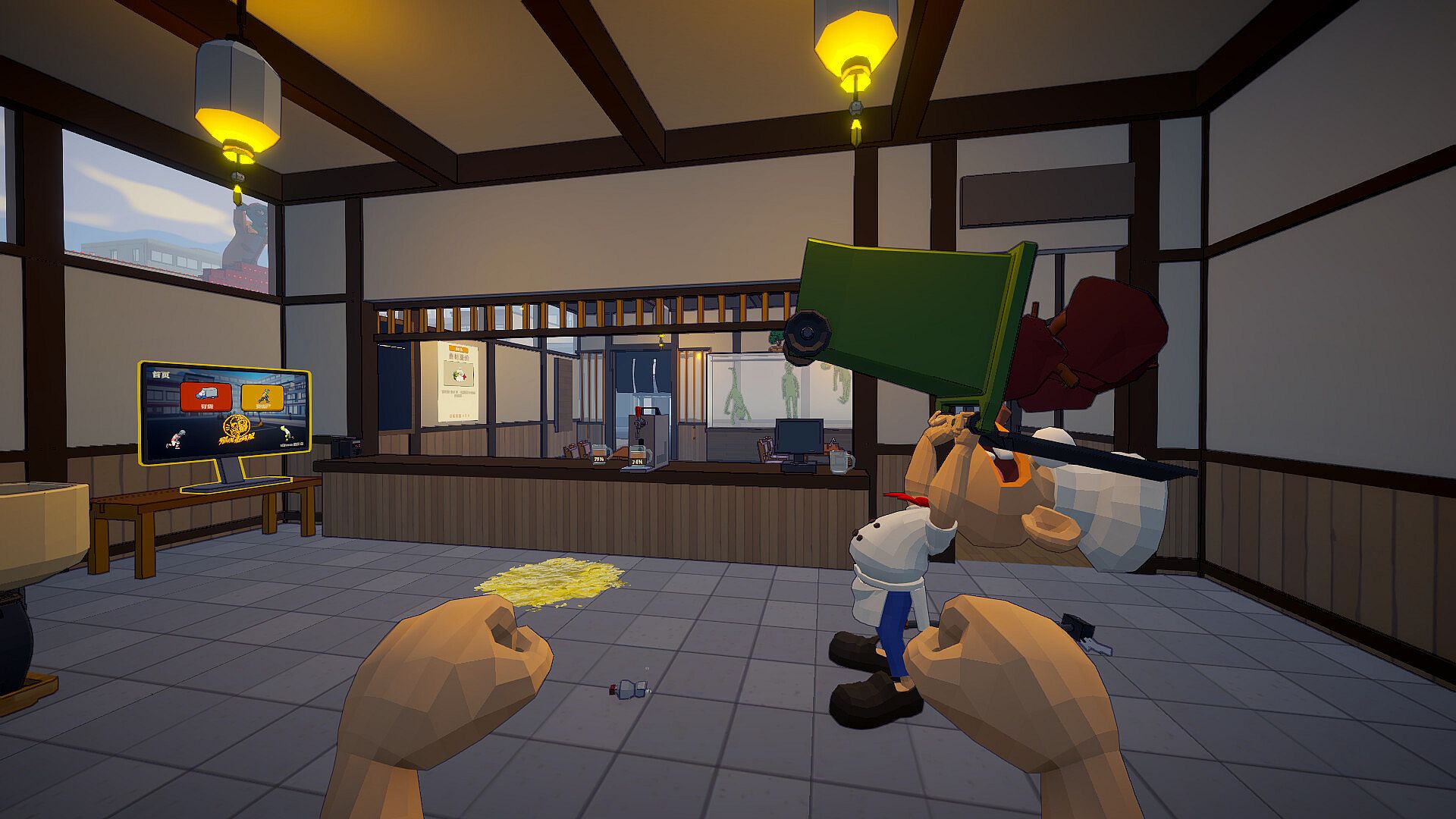
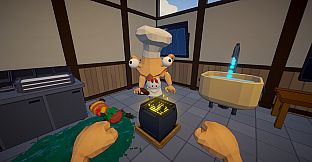
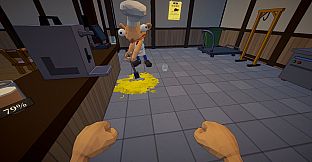
Grilling requires precise timing and seasoning. Orders specify medium on top and well-done on the bottom along with toppings such as cheese, hot sauce, or garlic. Overcooked pieces can rise and attack, forcing immediate handling. Clean-up tasks run alongside service and include washing dishes, removing trash, mopping floors, and dealing with customer vomit. These chores keep the restaurant functional and prevent penalties that could disrupt the shift.
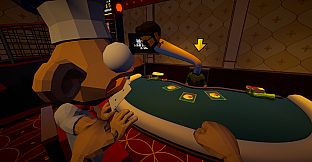
Mistakes during spotting trigger a wanted status. Resolution options include paying bail, offering an envelope to the right person, or relying on teammates to stage a breakout. The shift ends at 10 PM, after which earnings can be taken across the street to the zombie casino for additional activities.
Game Modes
Support for one to eight players emphasizes online co-op where roles are divided naturally. One player may watch the door and handle spotting, another manages butchering in the back, a third operates the grill, and others focus on mopping and general clean-up. Team coordination determines whether the night ends in profit or chaos.
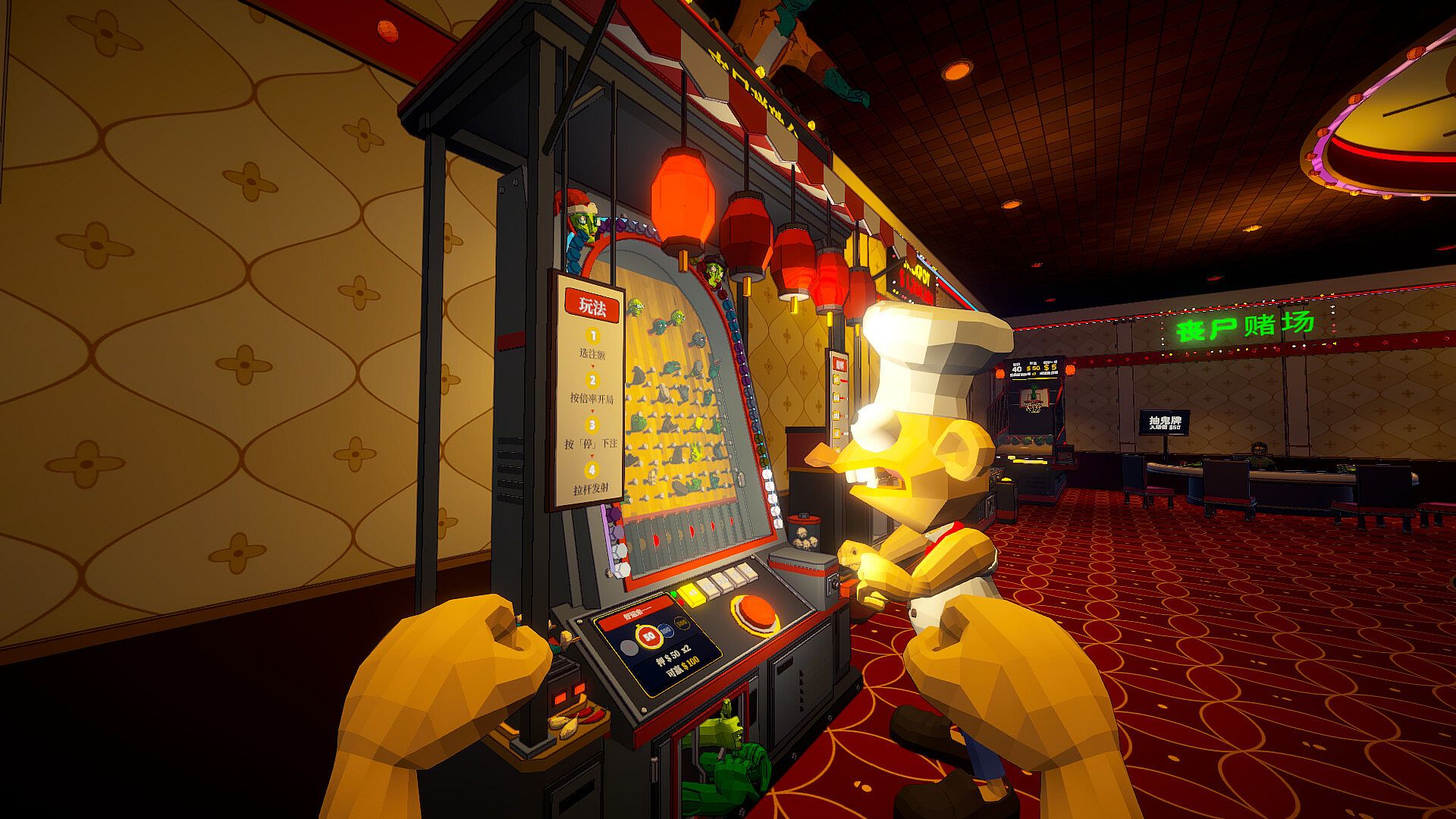
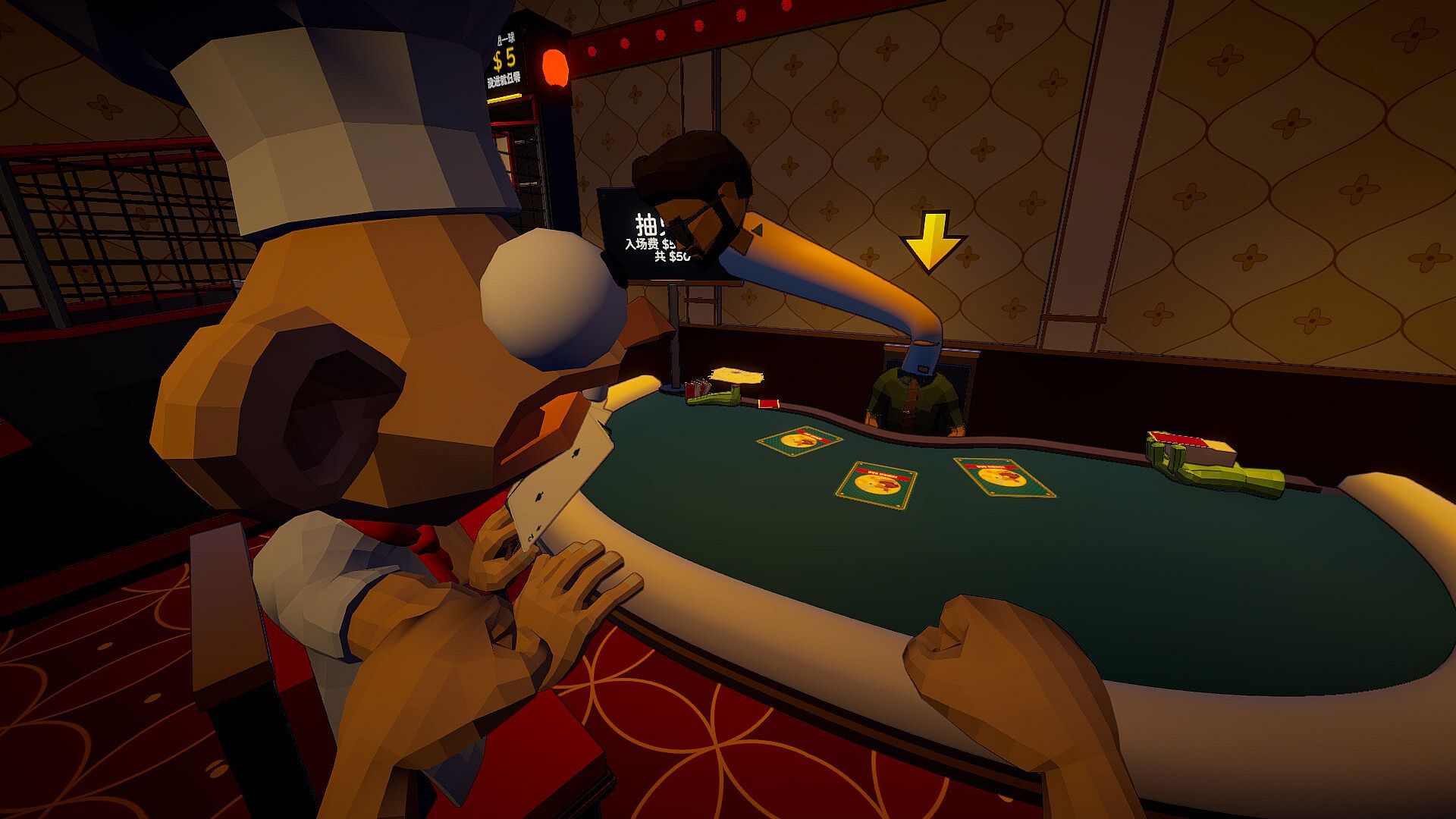
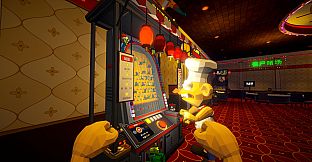
Single-player sessions allow the same full loop without assistance, though the workload increases. After closing, the casino provides a separate phase with zombie boxing, zombie racing, blackjack, and bowling. These activities serve as an outlet for daily earnings and add variety once the restaurant tasks are complete.
Core Mechanics and Progression
Success depends on balancing speed and accuracy across prep, cooking, and service. Hanging meat correctly avoids waste, while proper grilling prevents aggressive reactions. Clean-up maintains customer flow and avoids additional hazards. The police system adds tension during spotting phases, requiring players to weigh risks before acting on suspicious individuals.
Co-op scales the experience by letting players specialize. Effective division of labor keeps the restaurant running even during busy periods, while poor communication leads to dropped orders or unchecked threats. The casino phase offers a low-stakes contrast to the high-pressure restaurant work, turning daily revenue into entertainment or further risk.
Is It Worth Playing?
Zombie BBQ House targets players who enjoy cooperative management sims with a dark comedic twist. The verified systems of spotting, butchering, grilling, and clean-up create a consistent loop that rewards attention to detail and teamwork. Up to eight players can participate in the same session, making it suitable for groups that like dividing responsibilities in real time.
Because the game has not yet released, no player reviews or long-term support details are available. Those interested in the described mechanics of observation-based threat detection, precise cooking timing, and post-shift casino activities will find a focused experience built around those elements. Single-player runs test individual efficiency, while co-op highlights the contrast between strong and weak team performance.












