

























Dune: Awakening is an open world survival game with action, RPG, and adventure elements set on the desert planet of Arrakis. Players manage resources in a harsh environment while engaging in combat, crafting, and base building alongside faction politics and exploration.
Gameplay
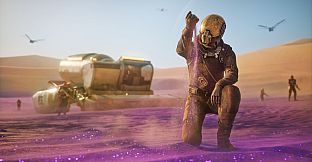
The core loop centers on survival in extreme desert conditions. Players track hydration, heat exposure, and sun damage while avoiding sandstorms and sandworms that threaten anyone lingering on open sand. Water collection relies on tools such as dew reapers and windtraps, and combat often requires extracting fluid from defeated enemies.
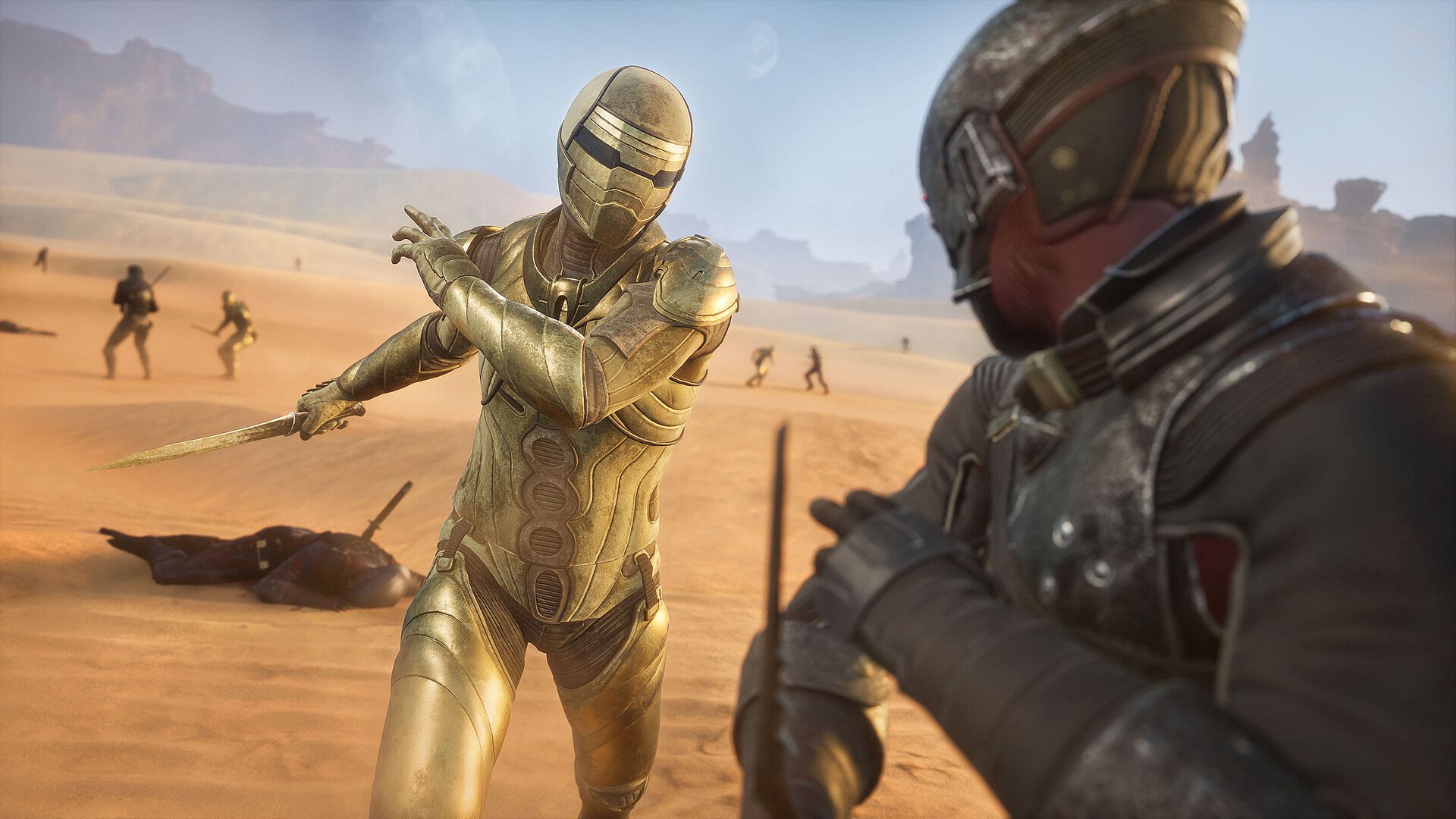
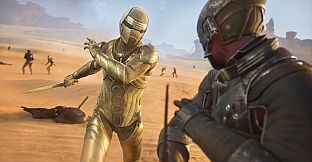
Third-person action combat mixes melee strikes, ranged weapons, and abilities drawn from Schools of the Imperium. Shields block most firearms, pushing players toward close-range blades or specialized dart weapons. Archetypes include Swordmaster for melee mastery, Trooper for firepower, Mentat for tactical information and traps, and Bene Gesserit for voice-based control effects. Players mix and match passives and actives from these schools to suit different situations.
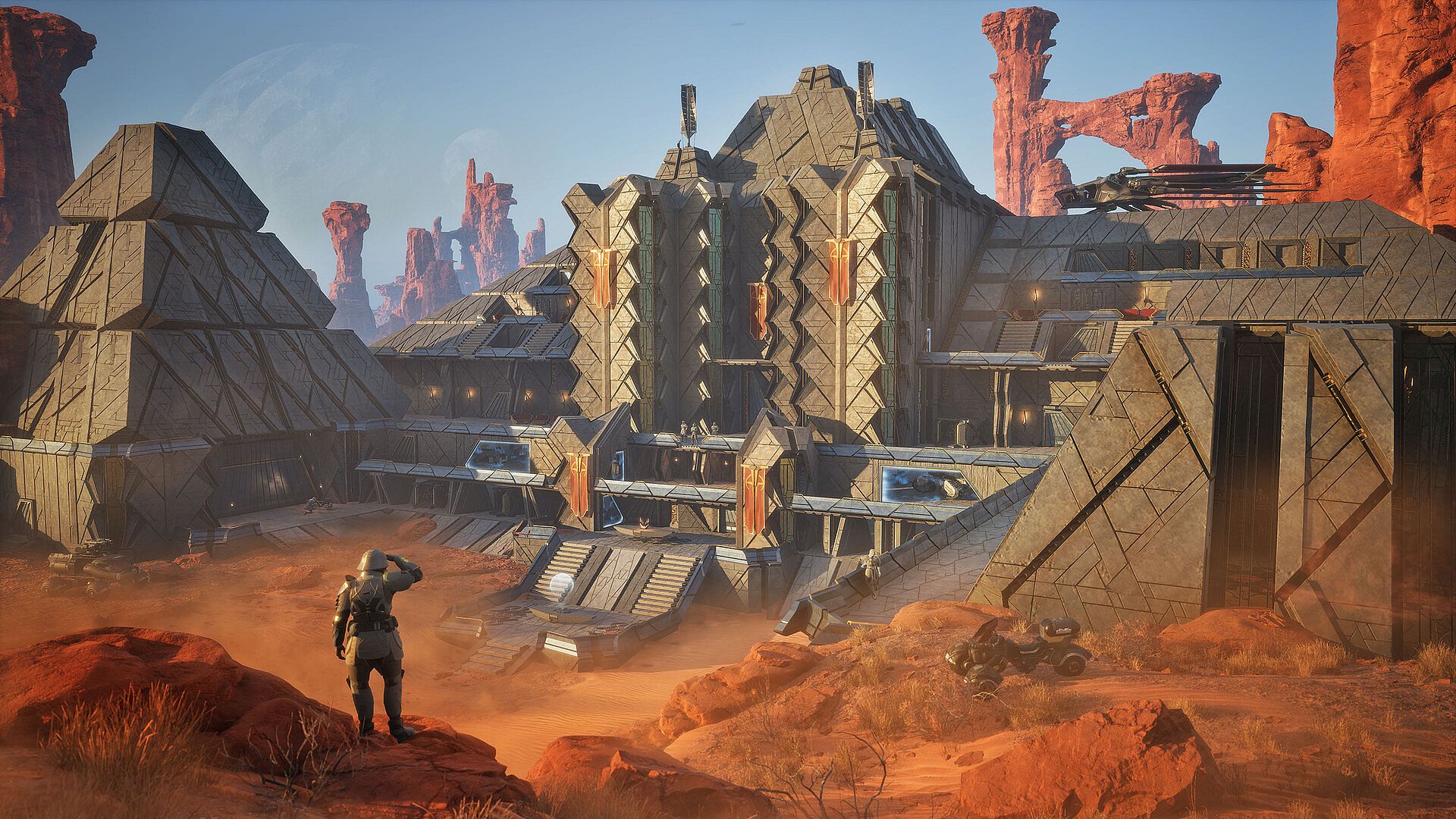
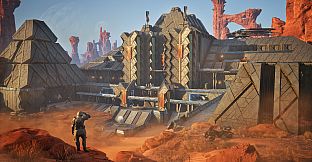
Crafting and building form another pillar. Resources gathered across biomes feed refineries and forges that produce tools, weapons, armor, and vehicles including ornithopters. Bases start small and expand into fortified structures with crafting stations and storage. Freeform climbing, grappling tools, and suspensor belts aid traversal across dunes and ruins.
- Imperial Testing Stations serve as repeatable challenge sites with bosses and loot.
- Landsraad activities drive weekly political goals and server-wide rewards.
- Faction reputation with Atreides or Harkonnen unlocks unique recipes and building options.
Game Modes
Single-player mode lets players experience the full world without other users. Difficulty settings cover harvesting rates, enemy health, crafting costs, item durability, experience gains, and environmental hazards such as sandstorms. These options can be adjusted at any time and carry over to private or self-hosted servers.
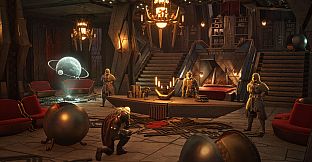
Multiplayer occurs on shared servers where Hagga Basin functions as the persistent starting area with limits on concurrent players. Social hubs like Arrakeen support trading and interaction. The Deep Desert offers larger-scale play with separate PvE and PvP instances, the latter providing higher resource yields. Guilds form for cooperative building, trade, and territory efforts through the Exchange system.
PvP remains optional after recent updates that separated conflict zones. Protected areas prevent combat, while flagged regions reward risk with better loot. The Coriolis Storm resets resource locations weekly in the Deep Desert, encouraging repeated exploration.
Factions and Progression
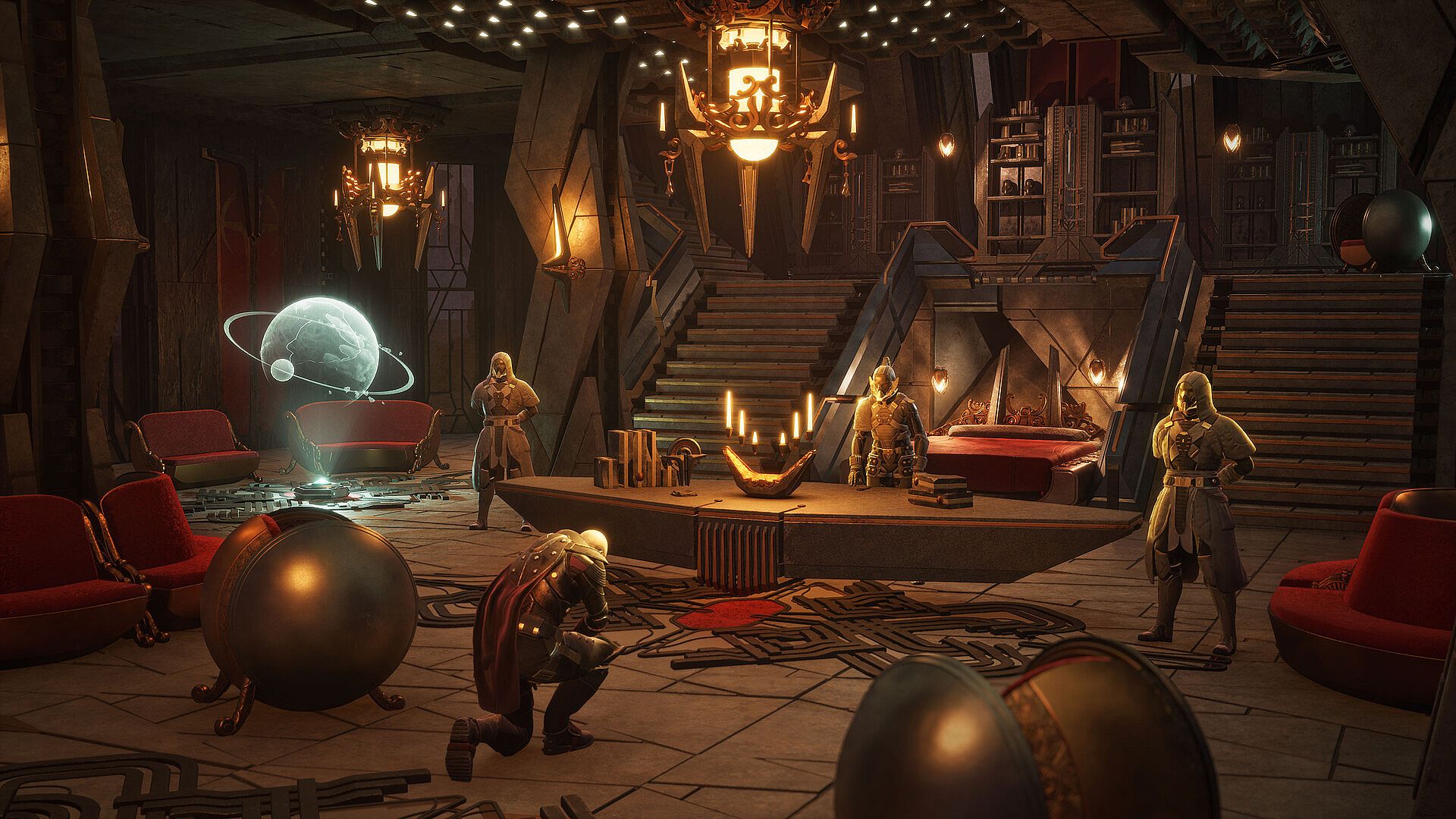
Players align with House Atreides or House Harkonnen through reputation quests that grant specialized crafting blueprints and building pieces. Atreides focus leans toward defensive and economic advantages, while Harkonnen options emphasize combat-oriented rewards. Reputation can shift once, though betrayal carries penalties.
Progression moves through survival phases into larger influence via the Landsraad council. Guilds vote on decrees that alter server conditions such as resource availability or experience bonuses. Character customization includes mentor selection that sets initial archetype skills, with free respec available later.
Is It Worth Playing?
The game maintains Mostly Positive reviews on its primary platform from tens of thousands of ratings. Ongoing updates have made PvP fully optional and introduced extensive single-player support with scalable settings. Console versions arrive with cross-play planned afterward, expanding access.
This experience suits players who enjoy detailed survival crafting, customizable combat builds, and faction-driven politics in a Dune setting. Those preferring pure solo play or low-conflict progression will find strong options after the adjustments to endgame zones. Continued content support keeps the world active for both new and returning participants.