

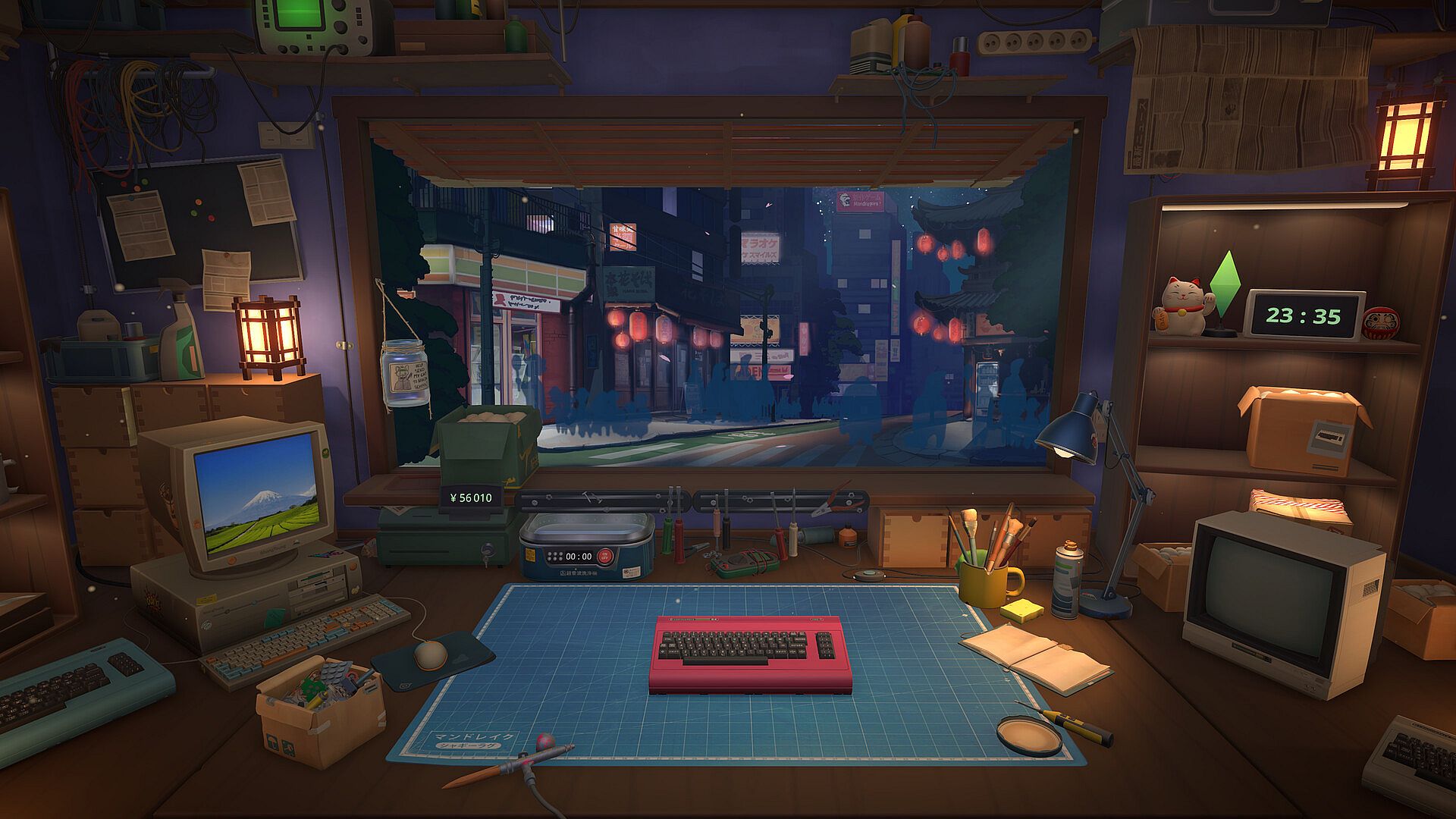
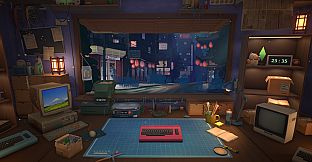
ReStory: Chill Electronics Repairs is an indie simulation game set in a modest electronics repair shop in mid-2000s Tokyo. Players take on the role of a novice shop owner who gradually builds skills through hands-on restoration work on nostalgic devices from the era. The Commodore DLC expands this experience by adding officially licensed 80s hardware and fresh narrative elements tied to the brand's legacy.
Gameplay
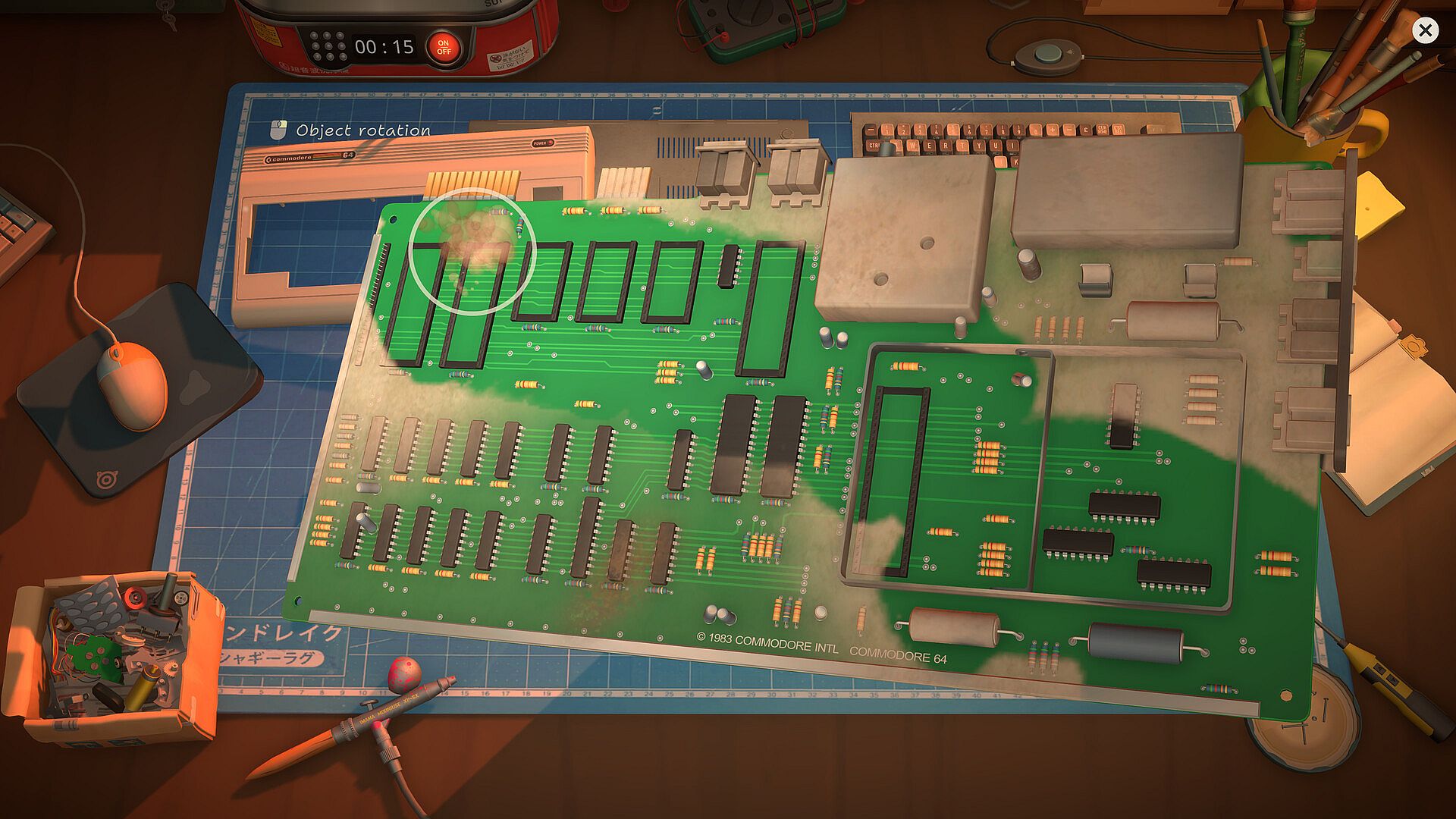
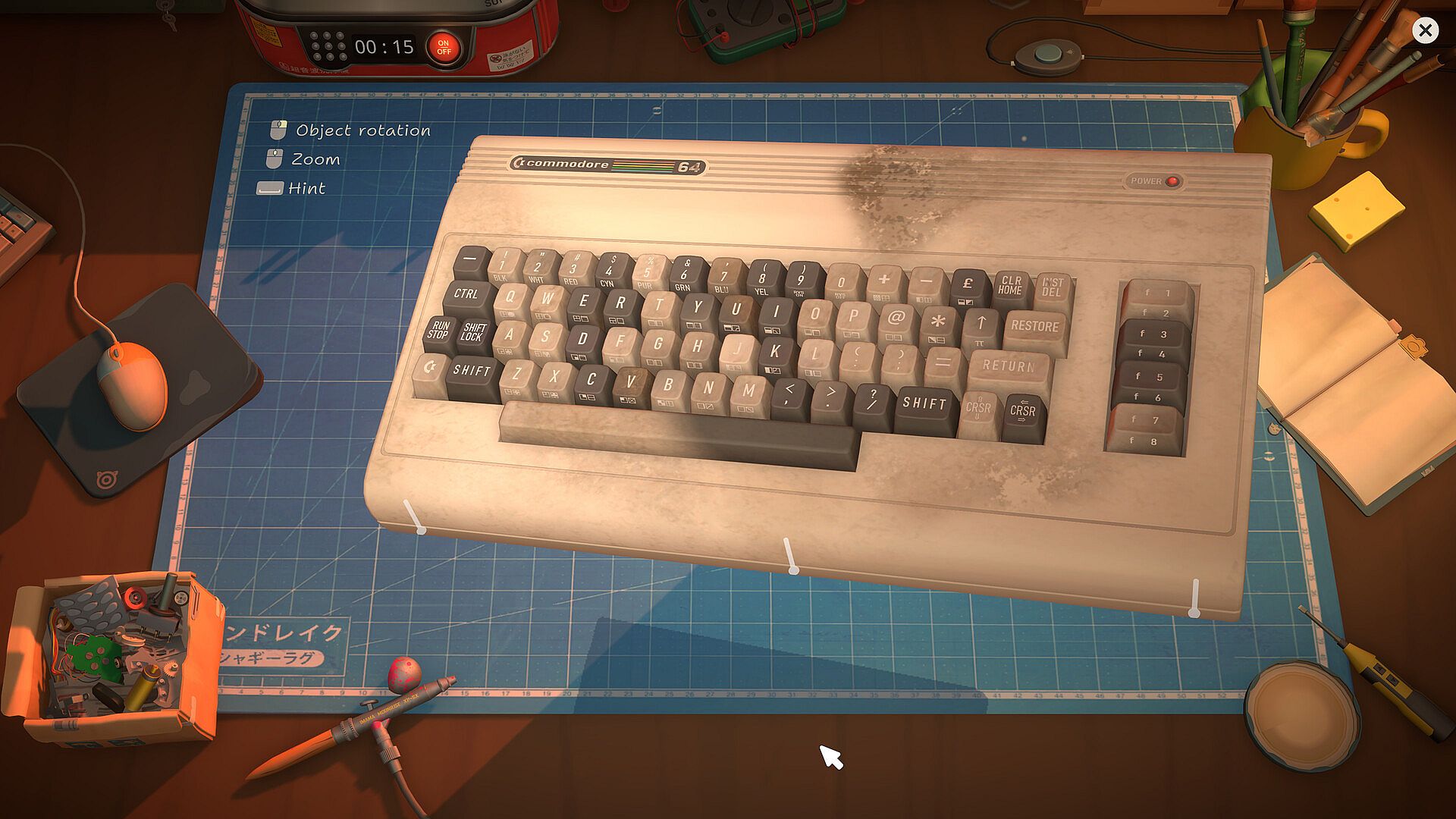
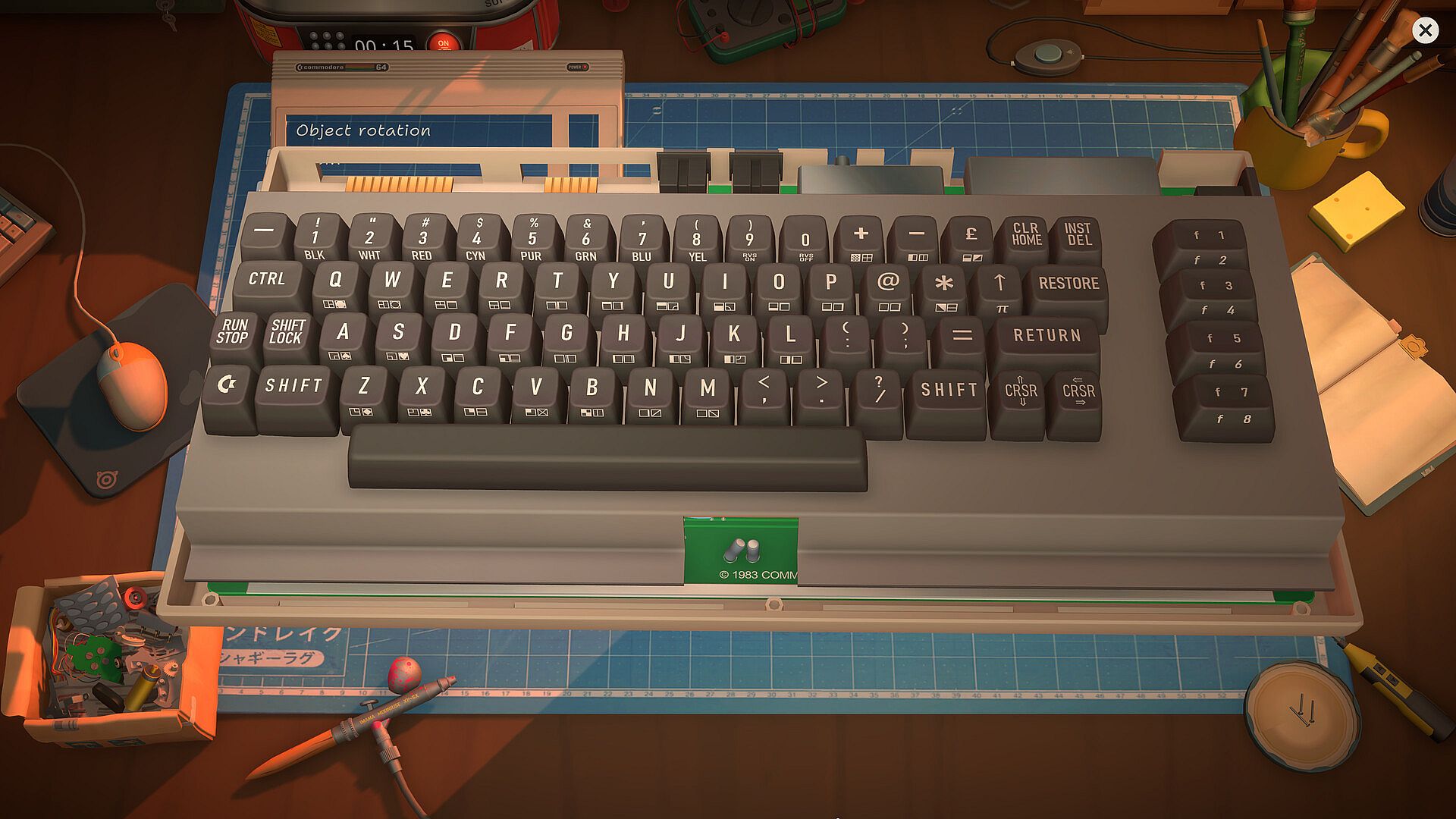
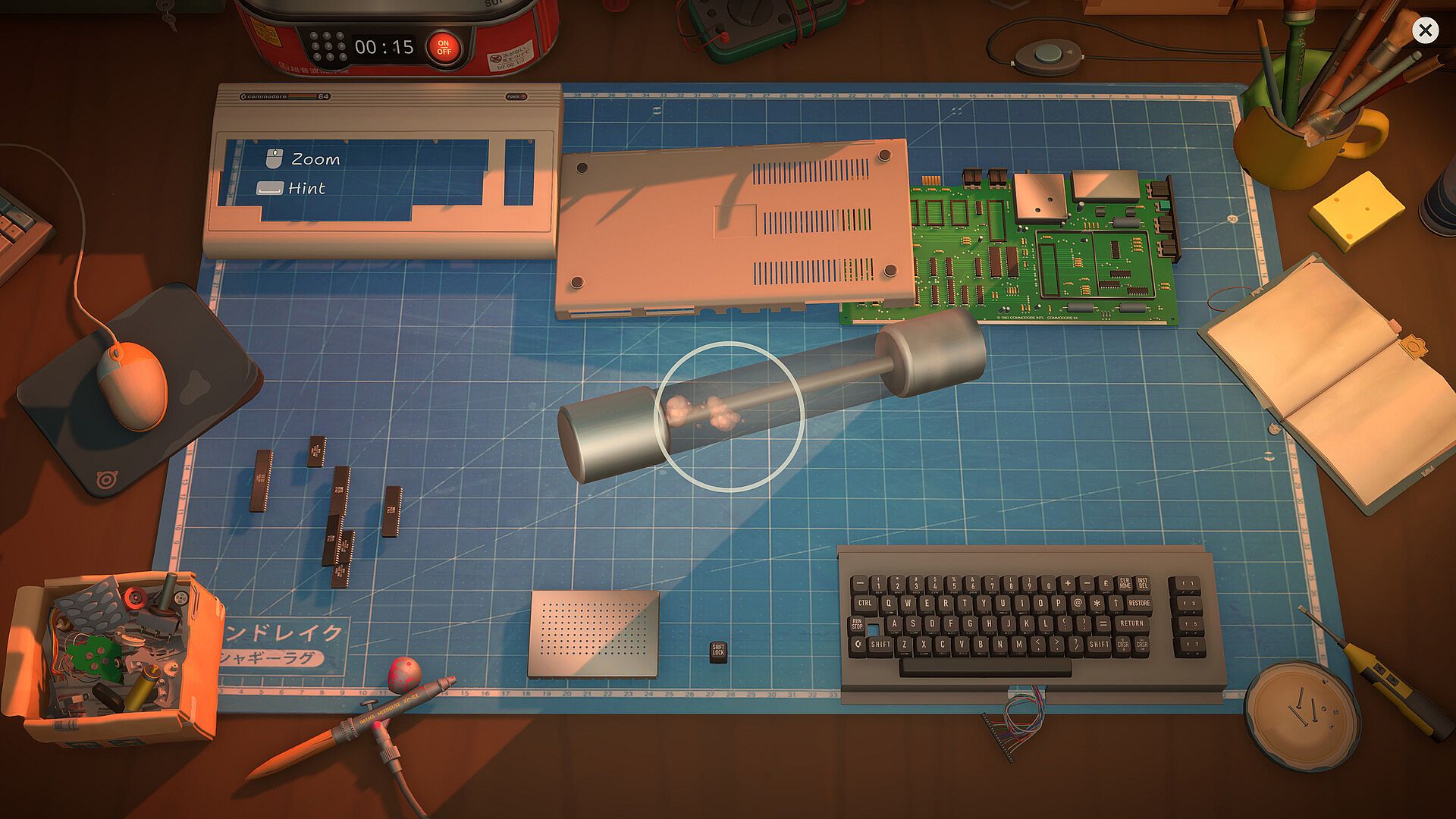
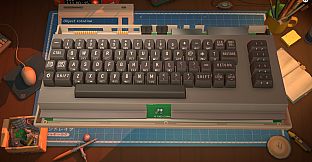
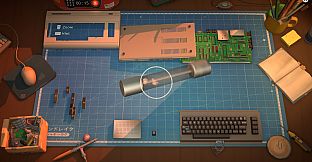
The core loop centers on receiving repair requests, diagnosing faults, and restoring devices piece by piece. A multimeter identifies issues, after which players disassemble items using a screwdriver, clean components, inspect for damage, repair or replace faulty parts, and reassemble everything in the correct order. Soldering comes into play for circuit boards, while software updates handle certain firmware problems. Care in each step influences customer reviews and overall shop reputation.
Shop management adds depth through inventory handling, where players source parts from a marketplace or by breaking down extra devices. Licenses must be purchased to unlock work on more complex electronics, and tool upgrades improve efficiency over time. Customer interactions provide story beats, with choices affecting relationships and shop events. The pace stays deliberately relaxed, limiting major story progress to one beat per in-game day.
Game Modes
The game operates entirely in singleplayer. The main campaign follows a structured storyline with customer arcs that lead to multiple endings based on how thoroughly players engage with each character. An Akiba Repair Contest serves as a timed challenge that tests assembly speed after sufficient progress. Once the primary story concludes, an endless mode opens for continued repairs and shop operations without narrative constraints.
Commodore DLC Content
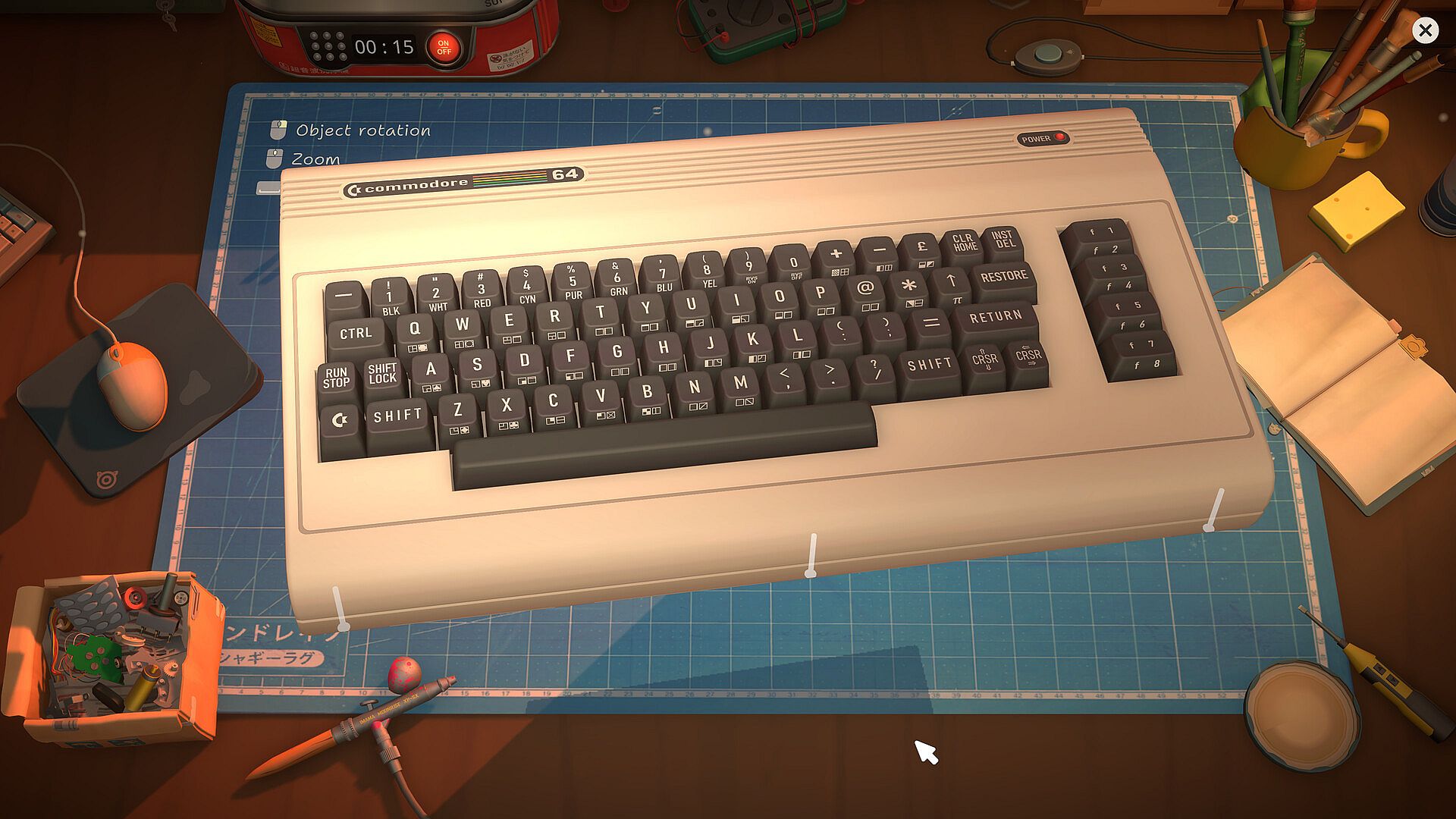
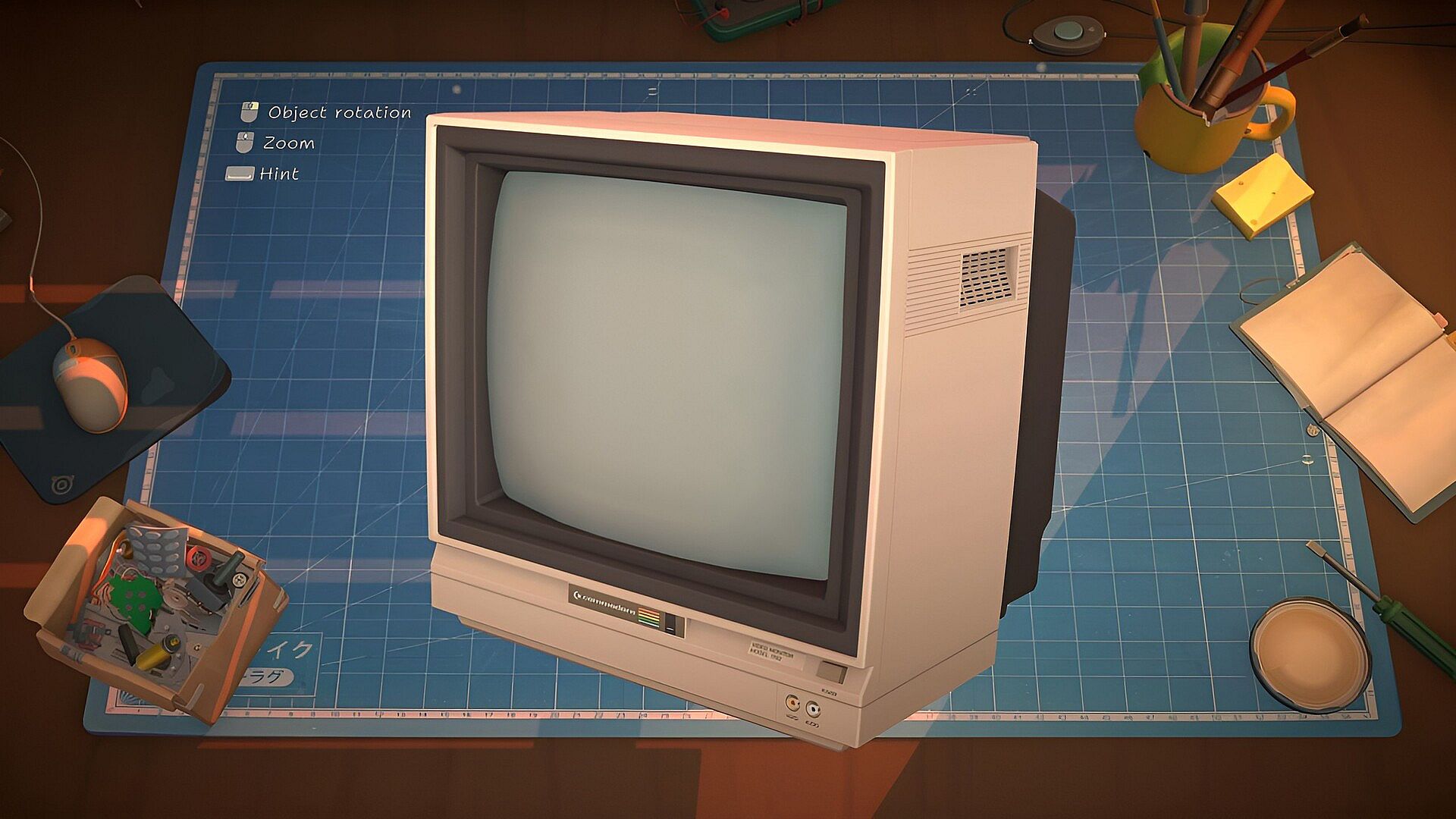
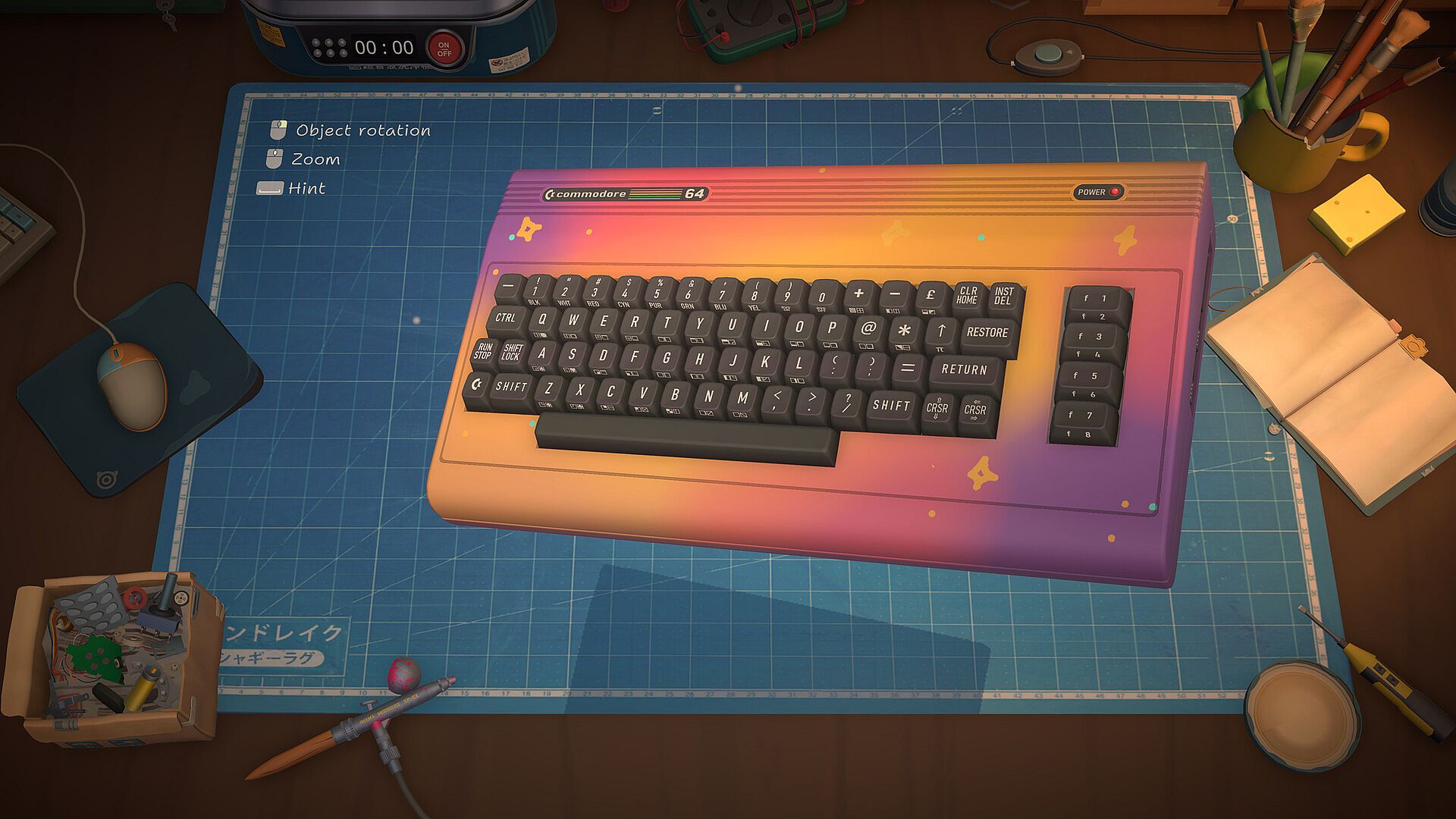
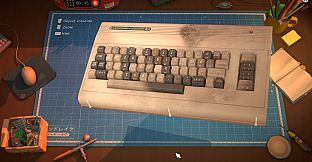
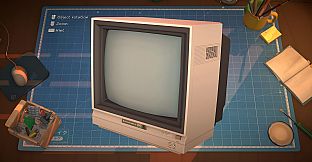
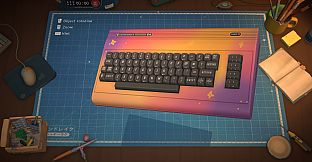
The upcoming Commodore DLC introduces a selection of iconic devices for repair, including the Commodore 64 home computer, TAC-2 joystick, 1541 floppy disk drive, CBM 2001, 1530 Datasette cassette drive, and 1702 composite video monitor. These additions bring new repair challenges rooted in classic computing hardware. Exclusive story content features new characters and a dedicated narrative arc that highlights Commodore's influence on electronics and gaming history. The expansion requires the base game and is scheduled for release in early 2027.
Is It Worth Playing?
ReStory appeals to players who enjoy methodical, tactile simulation gameplay with a strong nostalgic focus on Y2K-era technology. The repair process rewards attention to detail without strict timers, making it suitable for short or extended sessions. Customer stories add emotional layers and replay value through branching outcomes. The base game has received strong critical praise for its satisfying mechanics and atmosphere, with the Commodore DLC poised to extend that appeal for fans of retro computing. Those seeking a low-pressure experience centered on restoration and light management will find it a strong fit, while players preferring high action or competitive elements may prefer other titles. The game remains available as a one-time purchase on PC.