

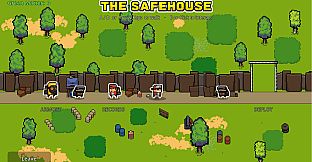
Aftergreen is a top-down zombie horde-survival roguelite that blends action, strategy, indie development, and RPG progression elements into a single-player experience on PC. Players control a lone survivor who leaves the Safehouse for a ten-floor ascent through overgrown forest arenas filled with converging undead. One life per run forces careful movement and build decisions while the Horde King waits at the end.
Gameplay
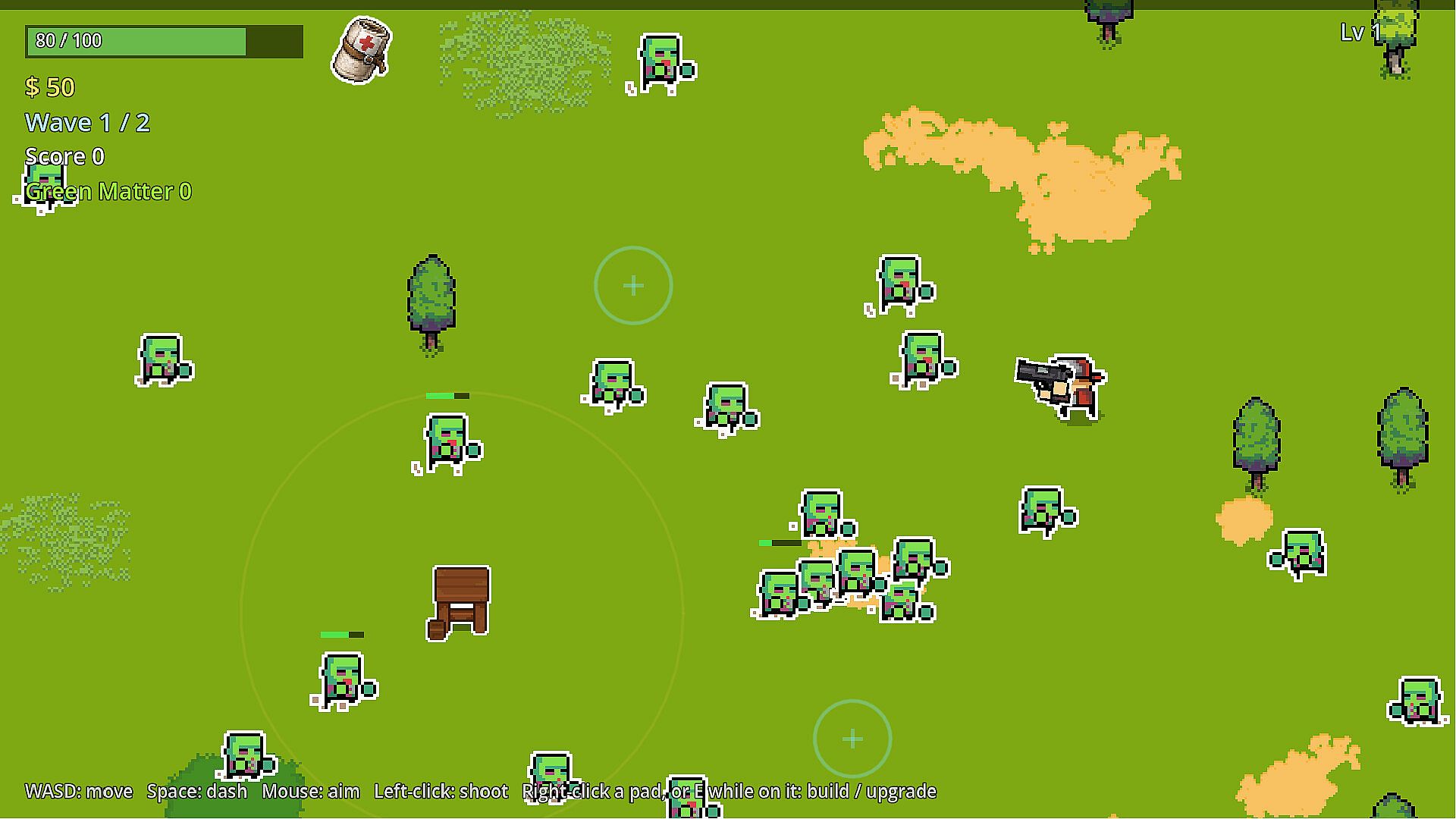
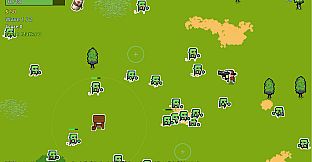
Core movement relies on WASD controls for positioning and mouse aiming to fire a single starting weapon. The Space bar triggers a five-second dash that repositions the player without granting invulnerability frames. Zombies pour in from arena edges in increasing numbers, reaching over four hundred in later encounters, and adapt by burrowing to intercept paths or form rings and pincers when the player maintains distance too effectively.
XP gems drop from every kill and fill a bar that pauses combat for three upgrade cards. These include repeatable stat increases that stack across the run, build-defining options such as Piercing Rounds, Double Shot, and Vampiric Rounds, plus one-time relic enhancements. Levels persist through the entire ascent but reset between runs, encouraging varied character development each attempt. Cash earned from fights provides an alternative path to upgrades via a trader who draws from the same pool.
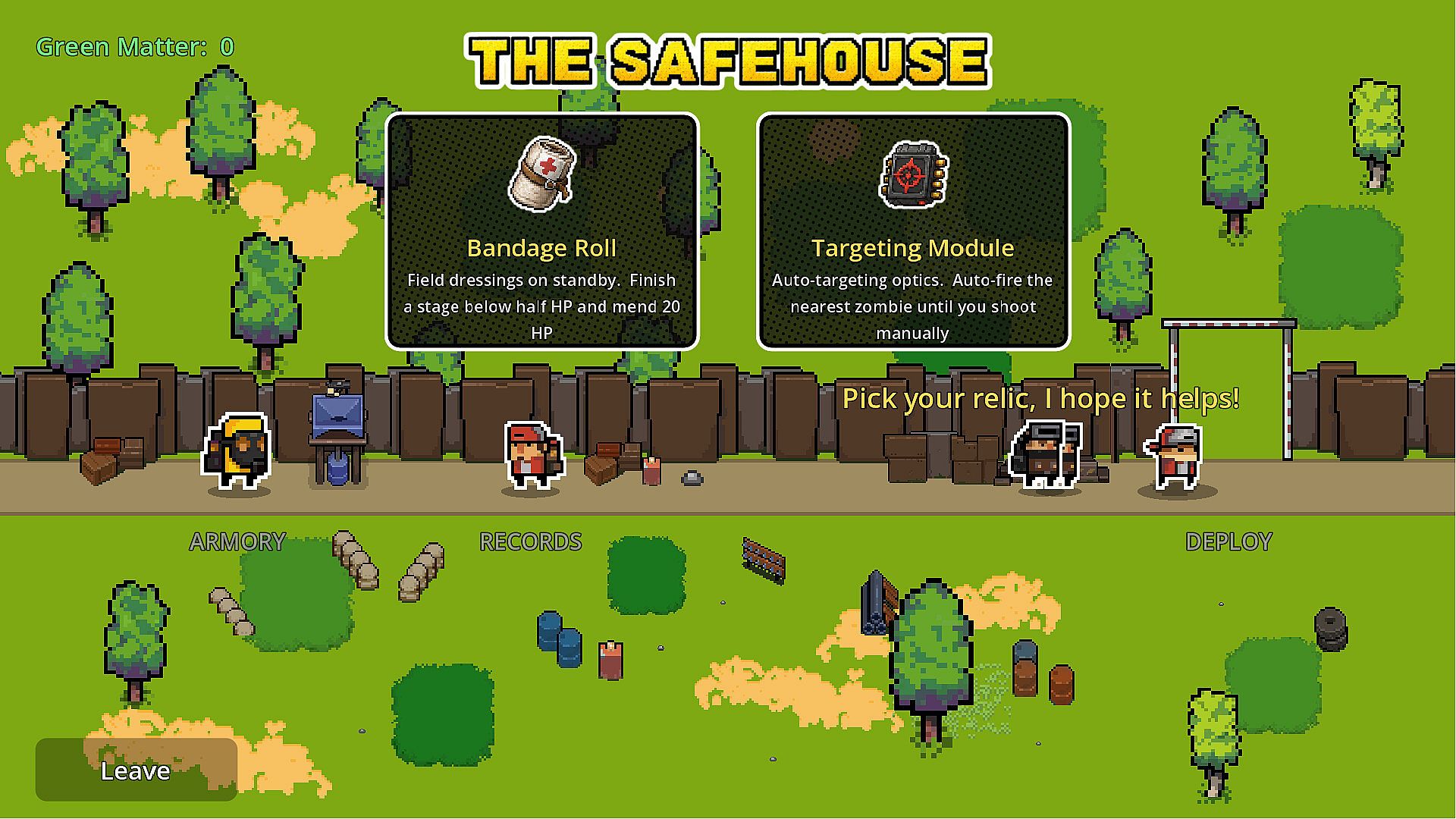
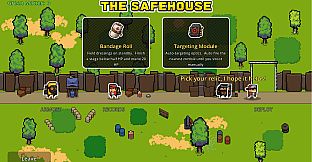
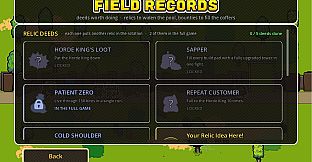
Eight build pads appear in each arena, allowing placement and three-tier upgrades of auto-turrets during active combat. Relics start each run with one handed over at the gate, offering mechanics like slowing icy bullets from Frost Rounds, reflecting damage fivefold via Spiked Collar, or deploying bots that revive once per fight or seed mines. Most relics unlock permanently through specific deeds, some only achievable by failing a run.
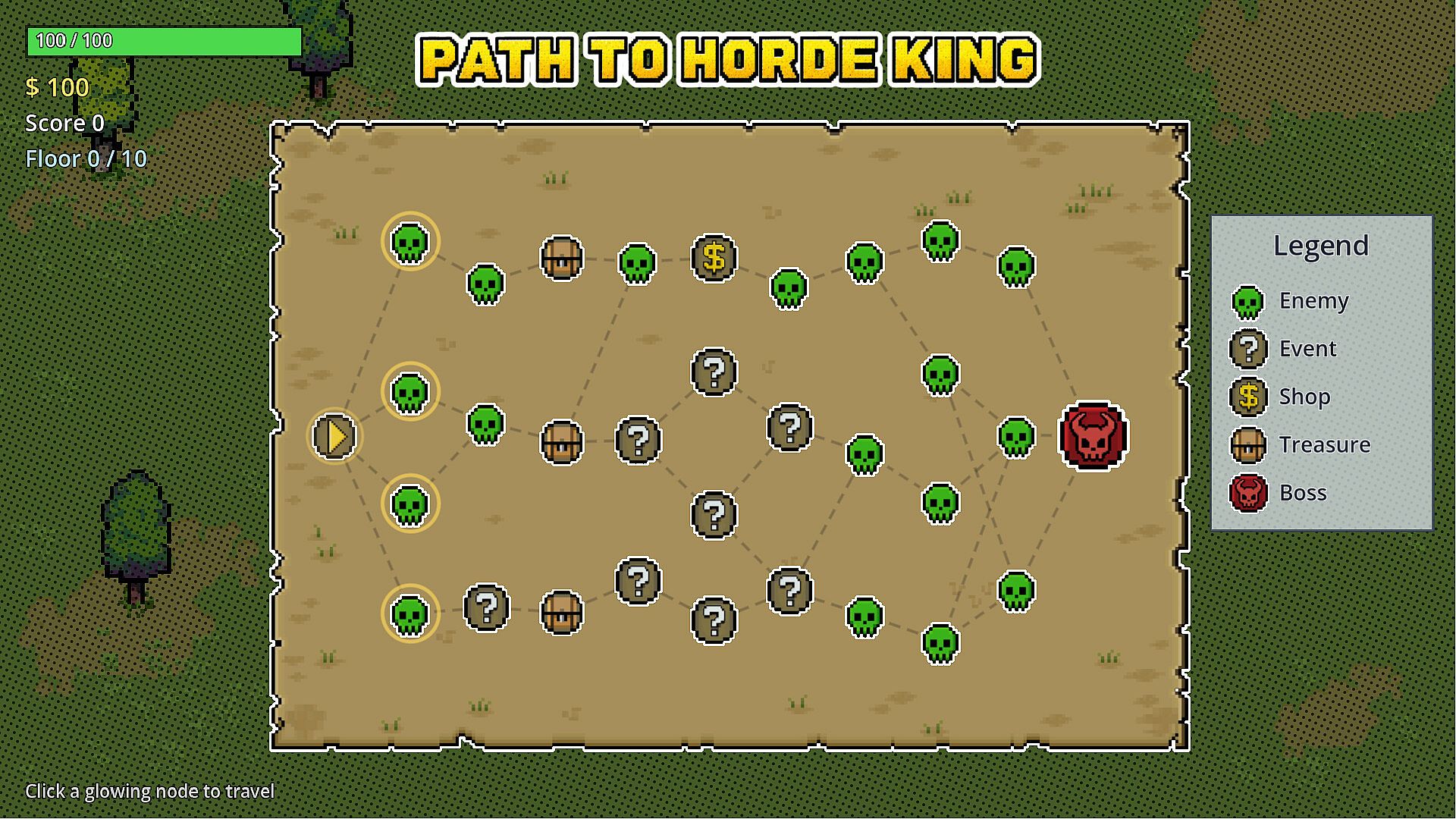
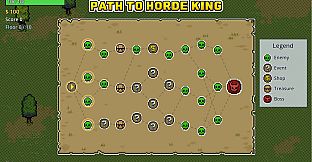
The branching map presents one node per floor across fights, traders, random encounters that exchange health or cash at advantageous rates, and guaranteed treasure vaults. Skipping combat nodes leaves the player underleveled for later floors that do not scale down in difficulty.
Game Modes
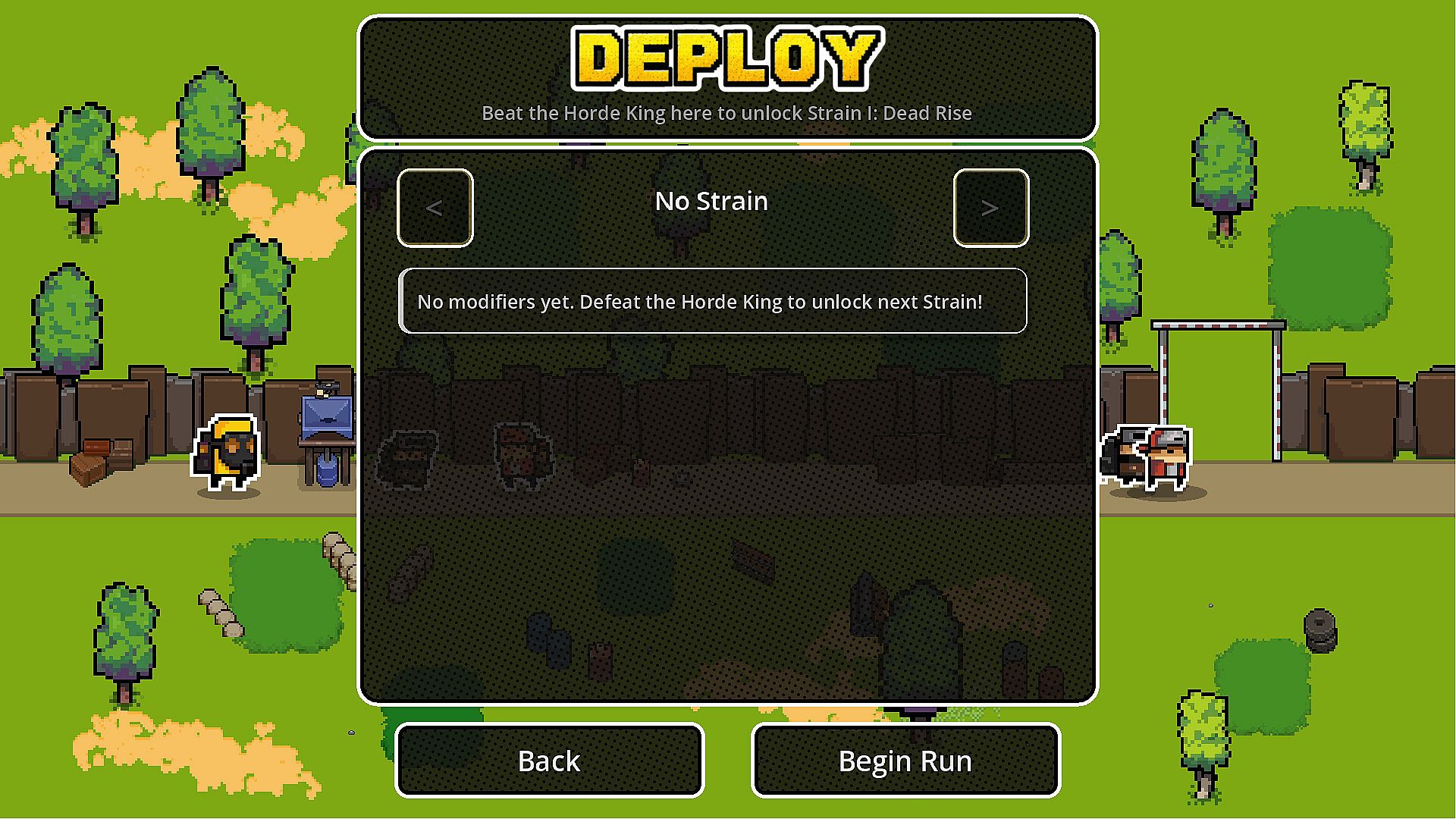
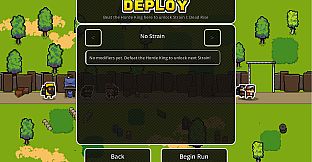
Aftergreen centers on single-player roguelite runs through a fixed ten-floor structure ending at the Horde King. No separate multiplayer or co-op options exist. The fifteen Strain tiers function as cumulative difficulty layers unlocked sequentially by defeating the boss. Each new tier stacks additional rules onto all previous ones without replacing them.
Early Strains introduce basic increases in enemy numbers and variety, including shielded heavies, ranged punchers, and squad-calling cops. Higher tiers add reanimation of fallen enemies, sprinting variants making up a third of the horde, mid-fight graveyard eruptions, night conditions without wave previews for half the encounters, downsides on two of three level-up cards, pre-raid shops and vaults, and a half-health enrage phase where the boss steals a relic each fight.
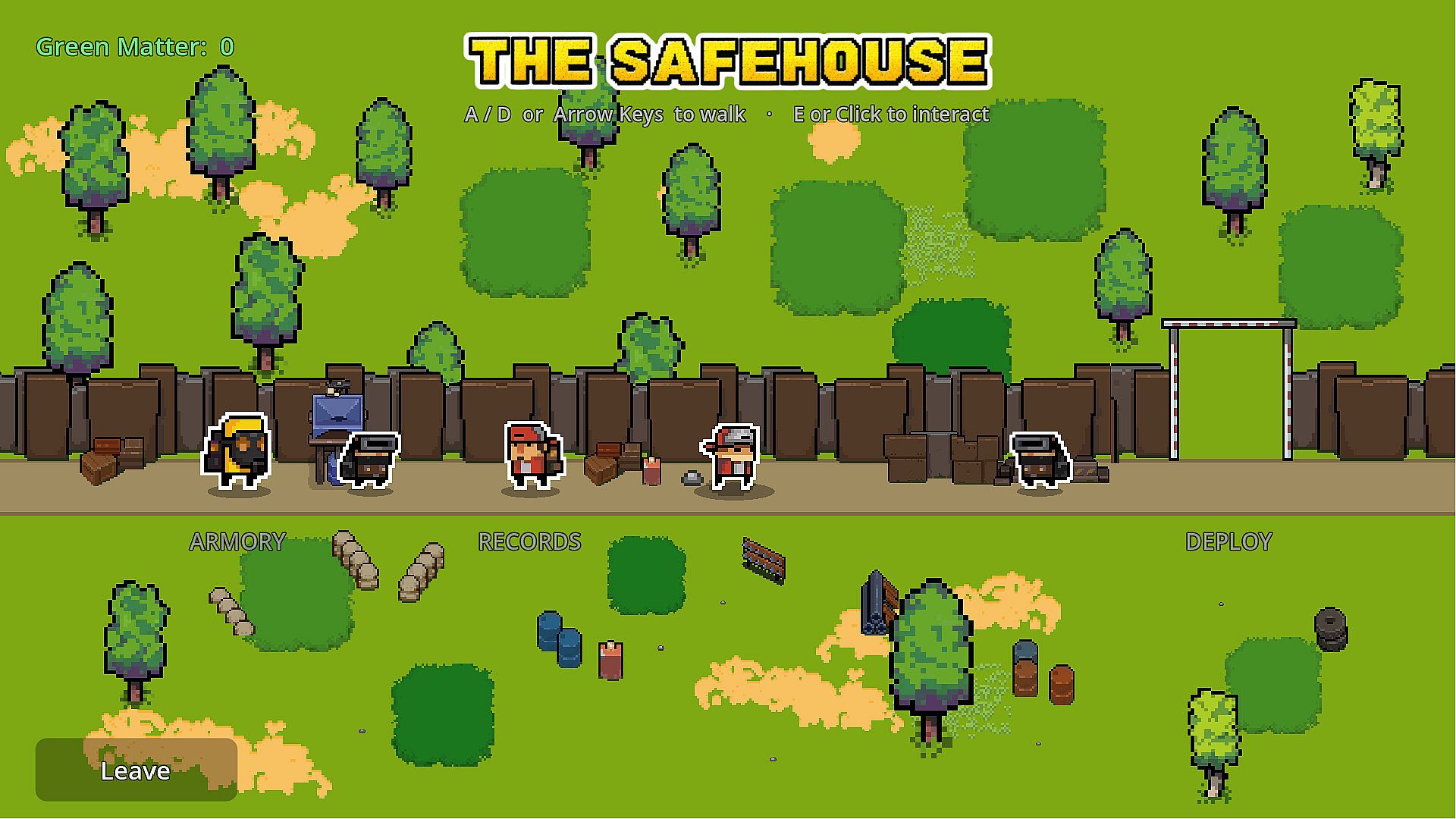
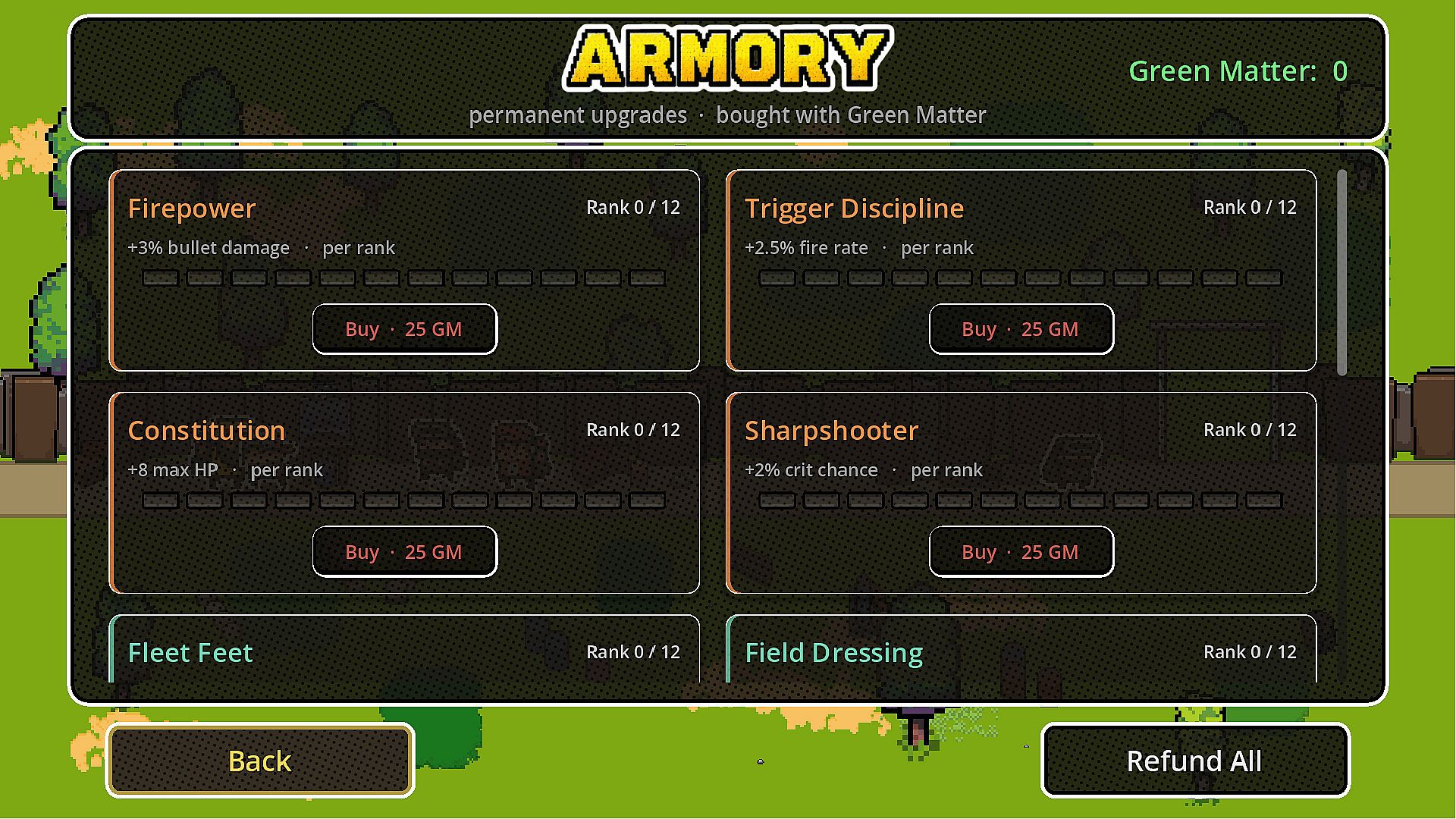
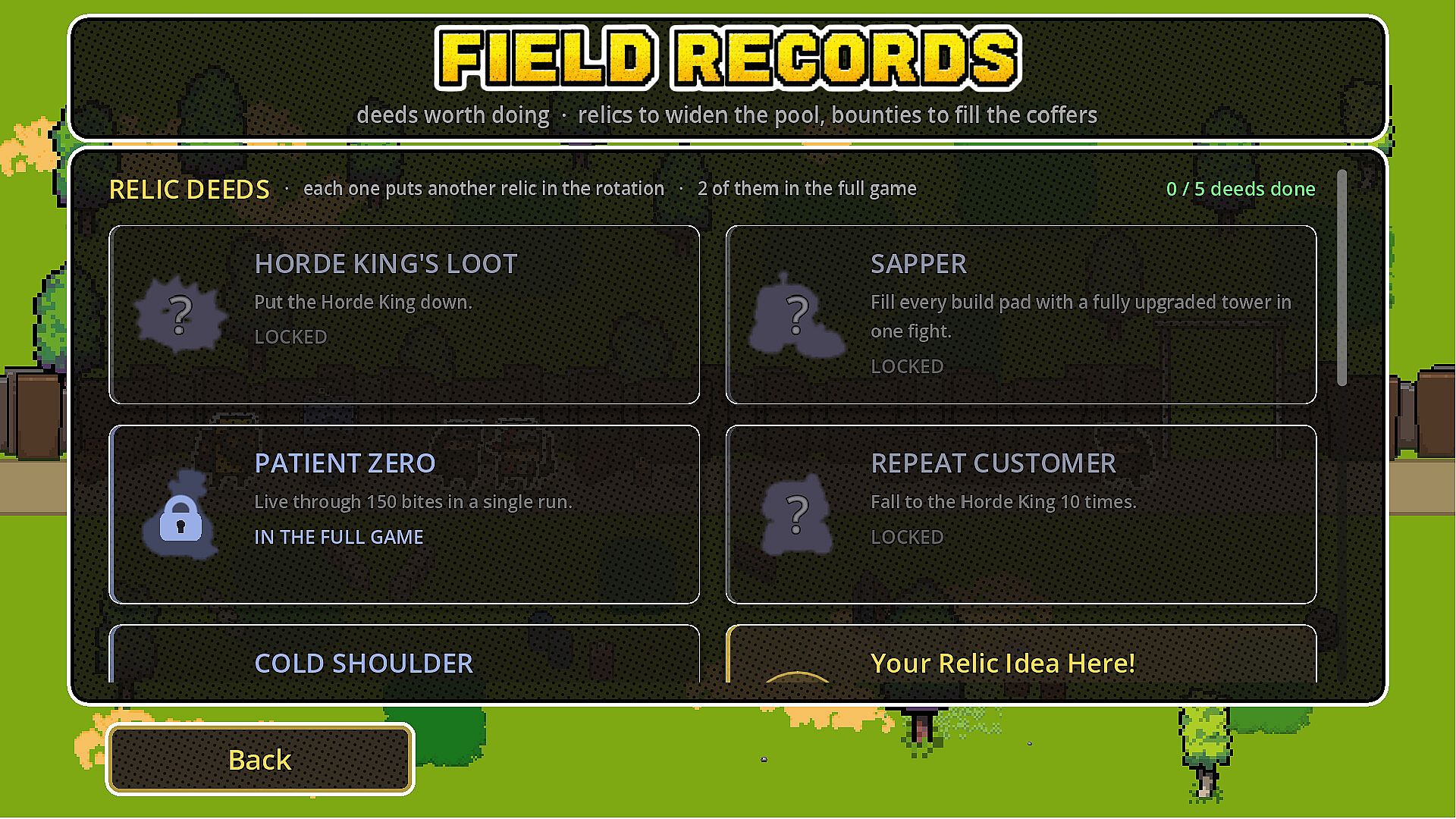
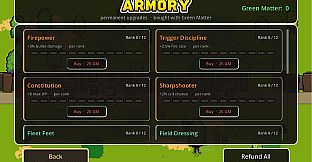
Progression between runs uses banked Green Matter to purchase permanent Armory upgrades across eleven nodes with twelve ranks each, including full respec options. Standing bounties reward first-time completions, and an Archivist ledger tracks unfinished deeds as silhouettes for ongoing goals.
Progression and Relics
Green Matter collected from successful or failed runs funds long-term upgrades that carry across all future attempts. The system emphasizes depth through repeated exposure rather than one-off wins. Relic acquisition ties directly to in-run performance and specific actions, creating a feedback loop where earned items enable the deeds needed to unlock more.
The Horde King encounter features four telegraphed attacks on independent timers: a surrounding royal guard emergence, a full-ring ground slam, a lane-locked charge, and a volley of three elites that ends early by targeting the one held in the boss fist. Health thresholds accelerate all timers, and victory releases collectible Green Matter motes into a manual chest.
Is It Worth Playing?
Aftergreen targets players who enjoy precise twin-stick horde survival combined with mid-combat decision making and roguelite risk management. The single life per run and adaptive enemy behavior reward positioning and build experimentation over raw reaction time. Permanent upgrades and Strain progression provide measurable advancement even on losses, while the branching map and relic system add strategic routing choices.
The game remains unreleased with a planned 2026 launch and currently shows no user reviews. Its compact scope, chunky pixel art style with halftone effects, and focused ten-floor structure suit sessions that reward mastery of core mechanics without requiring extensive time investment. Those drawn to indie action-strategy titles with RPG layering and escalating challenge tiers will find the described systems align closely with that preference. Availability will depend on the final release window and any post-launch support updates.