




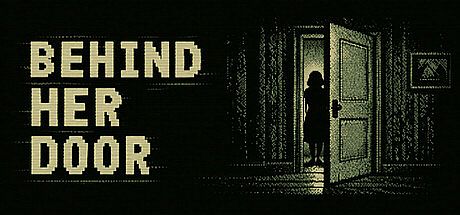


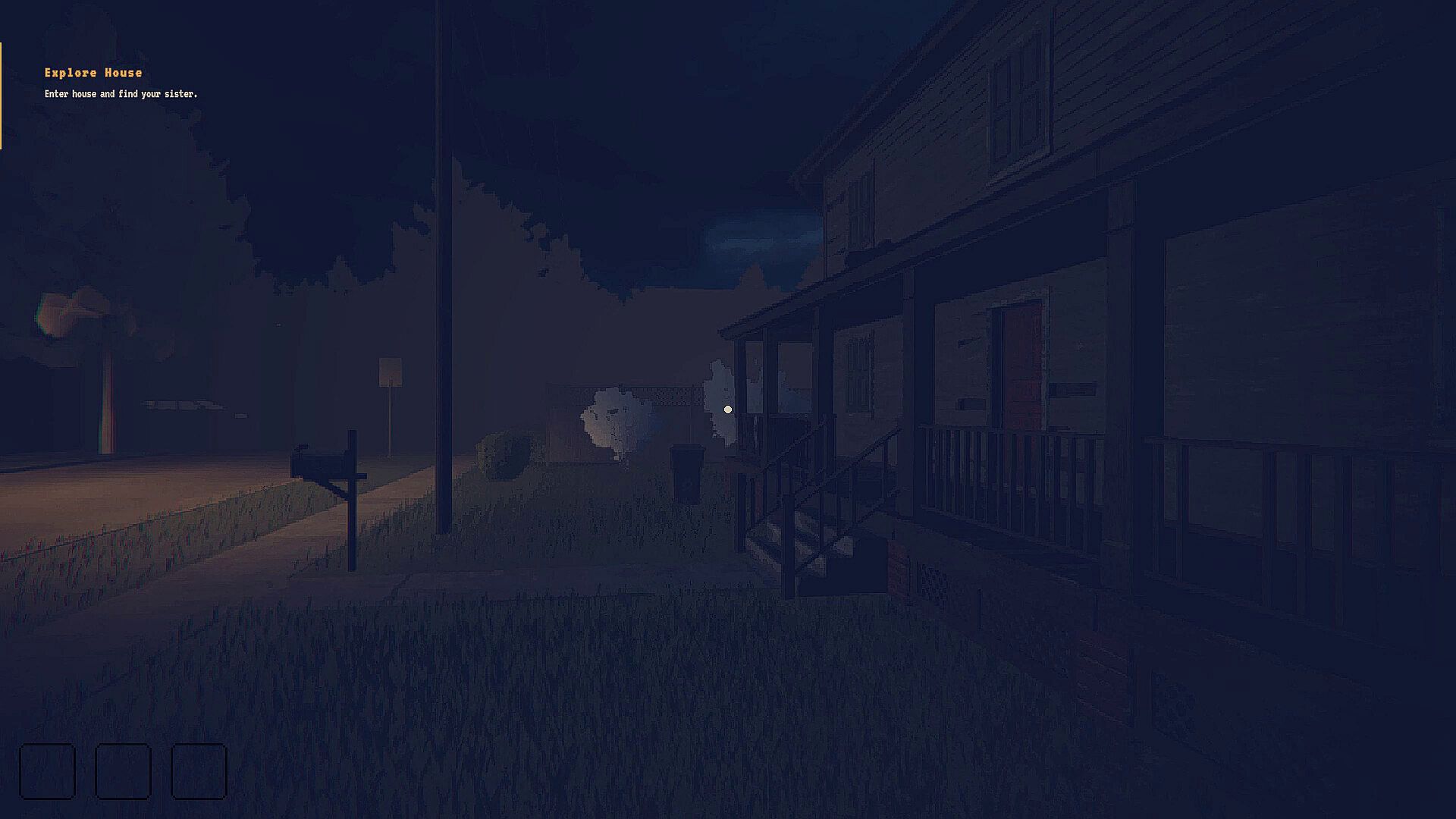
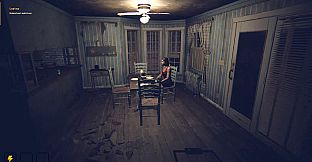
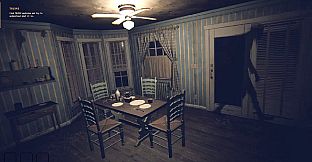
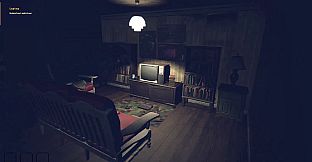
Behind Her Door is a first-person psychological horror adventure game developed as an indie title for PC. Players step into the role of a concerned sibling who arrives at their sister's house after she stops responding to calls and messages. What begins as a routine check quickly shifts into an investigation of unsettling events inside the home, where everyday spaces hide traces of something more disturbing.
Gameplay
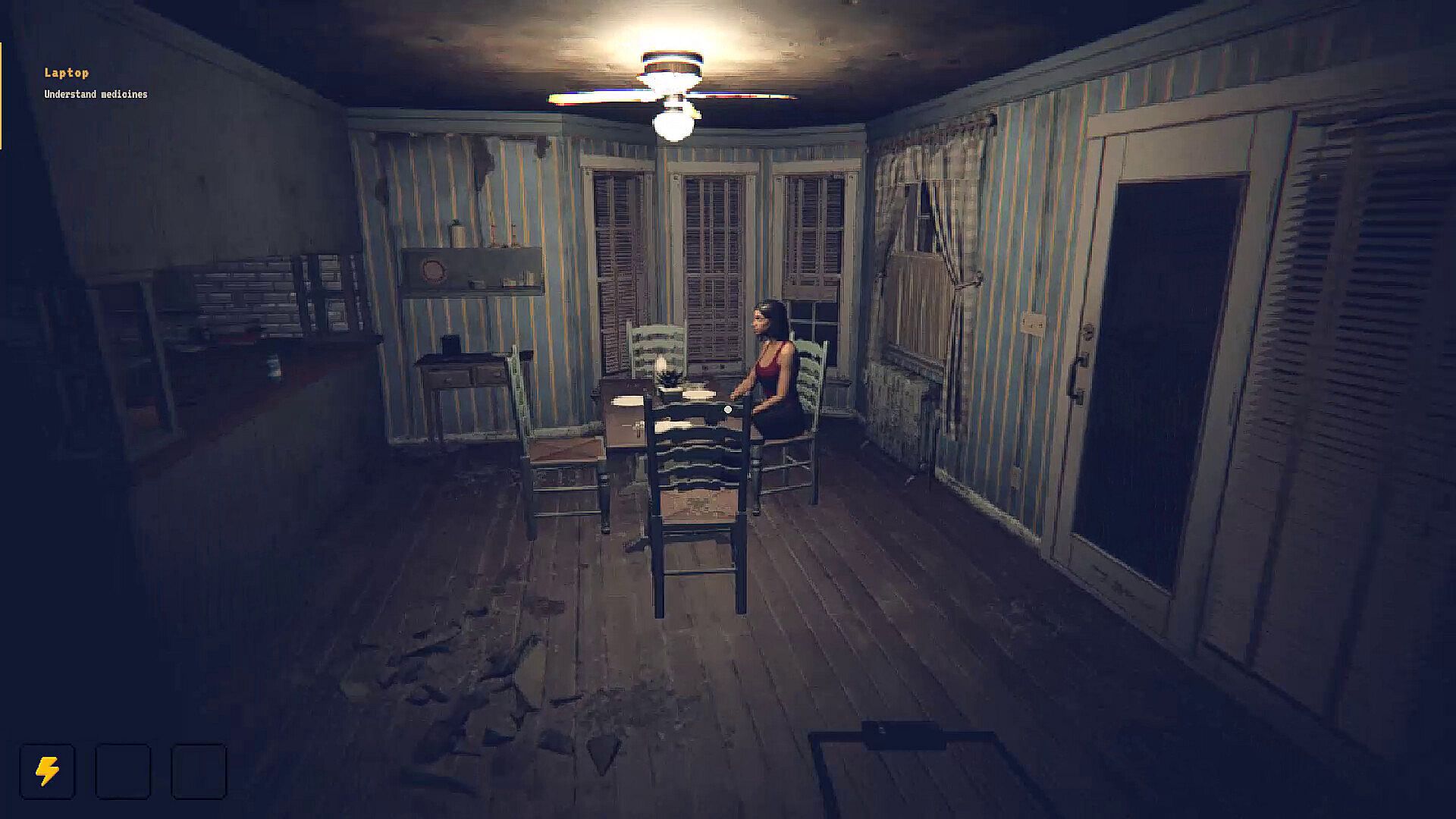
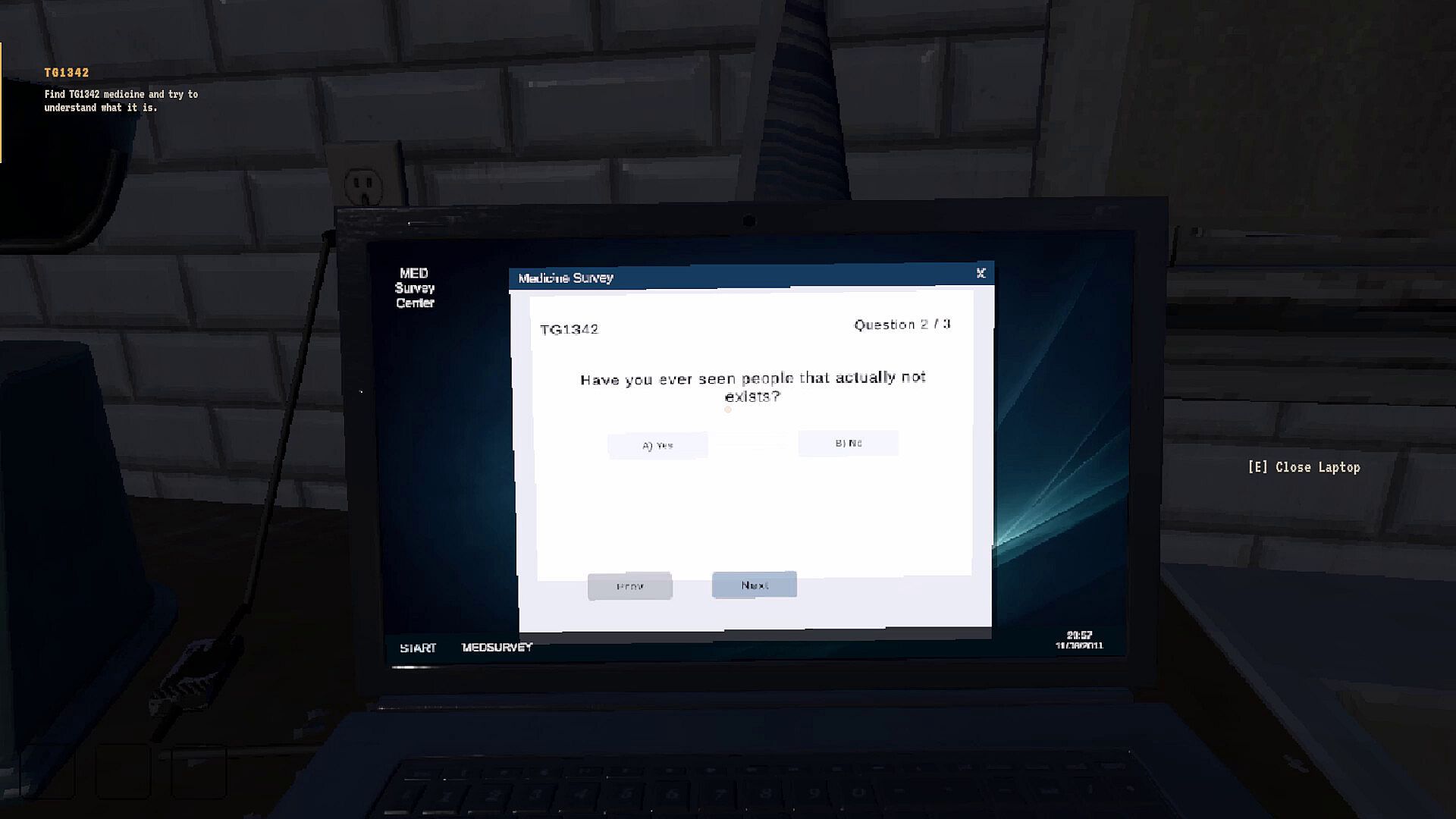
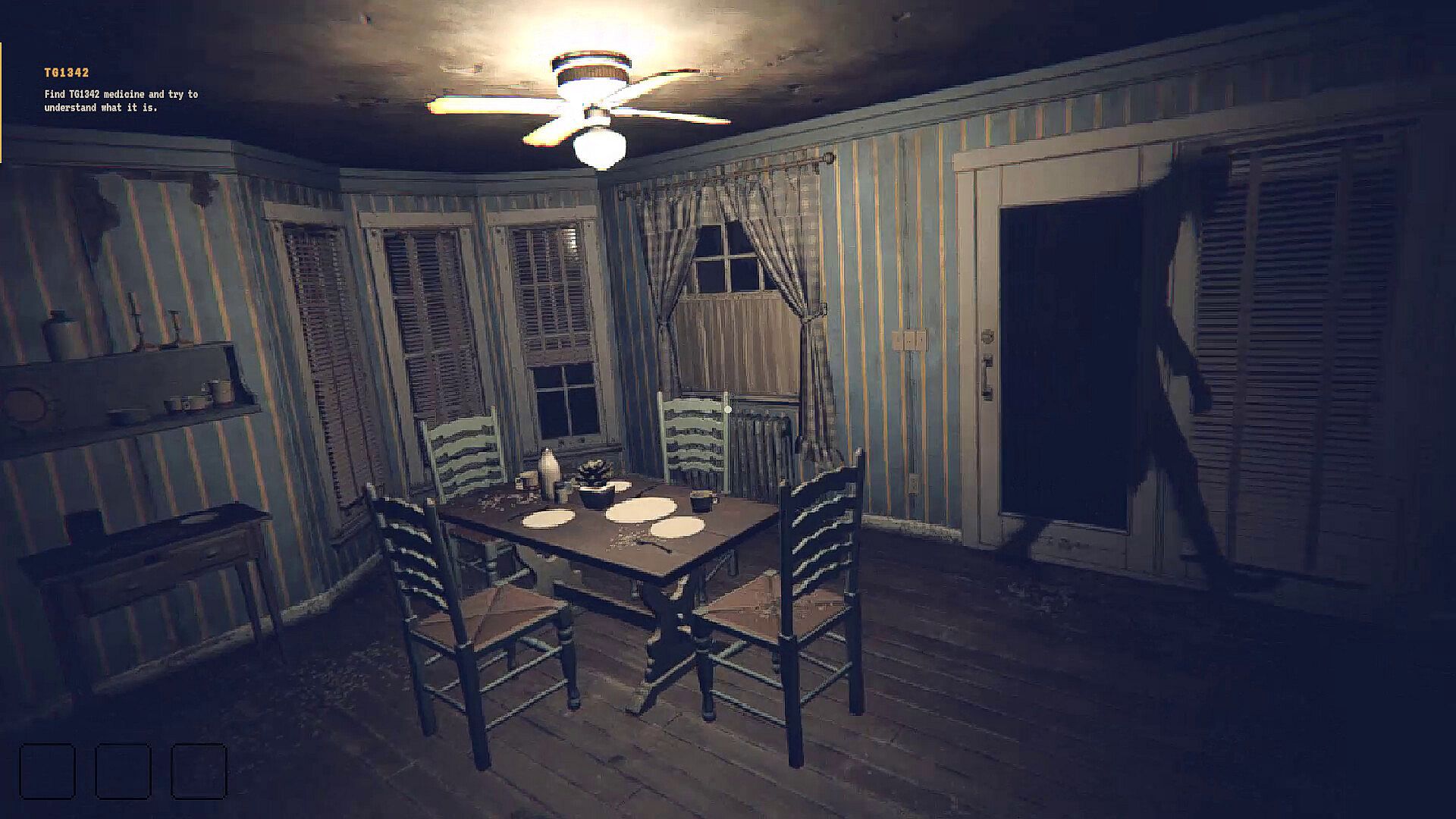
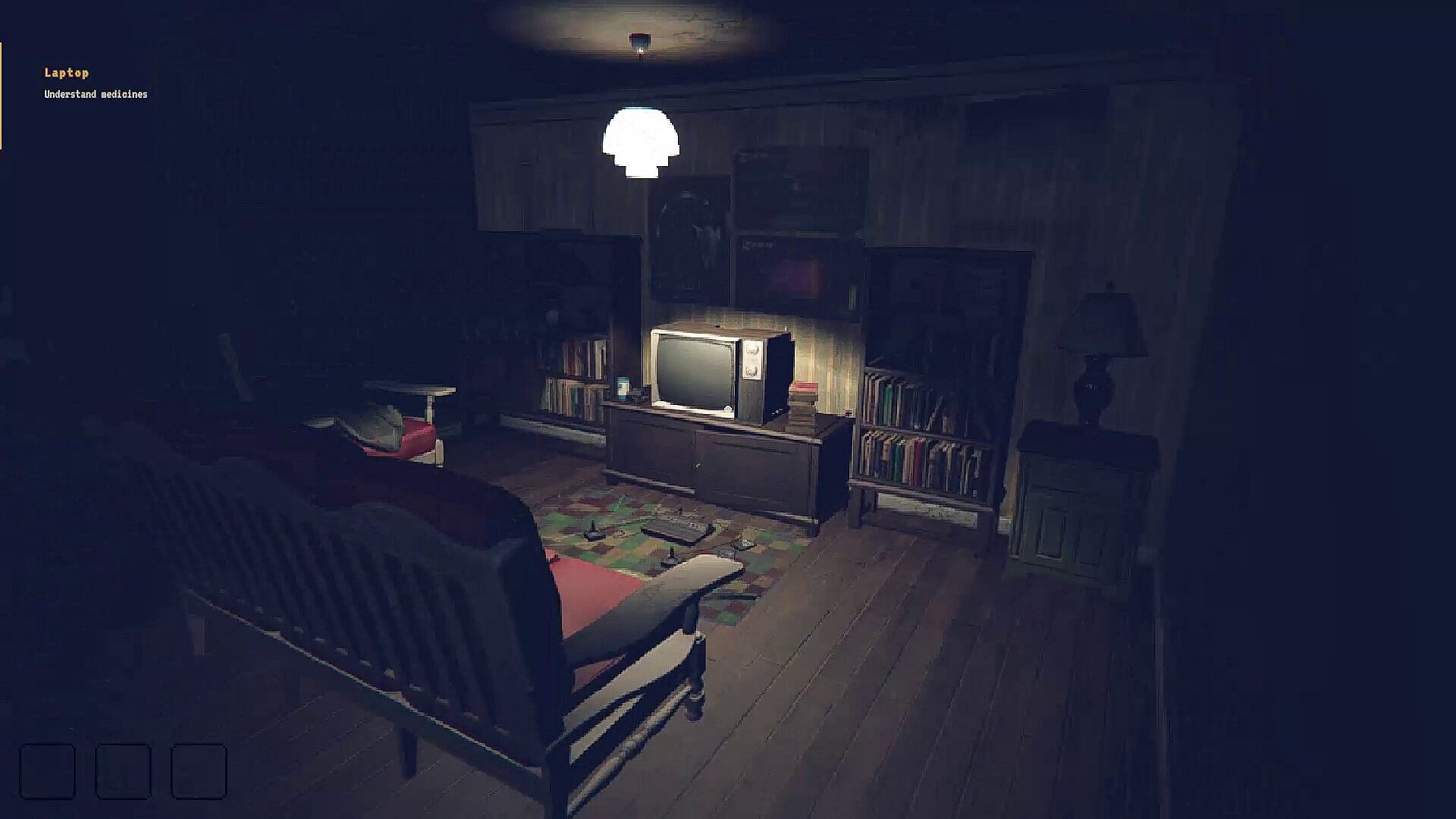
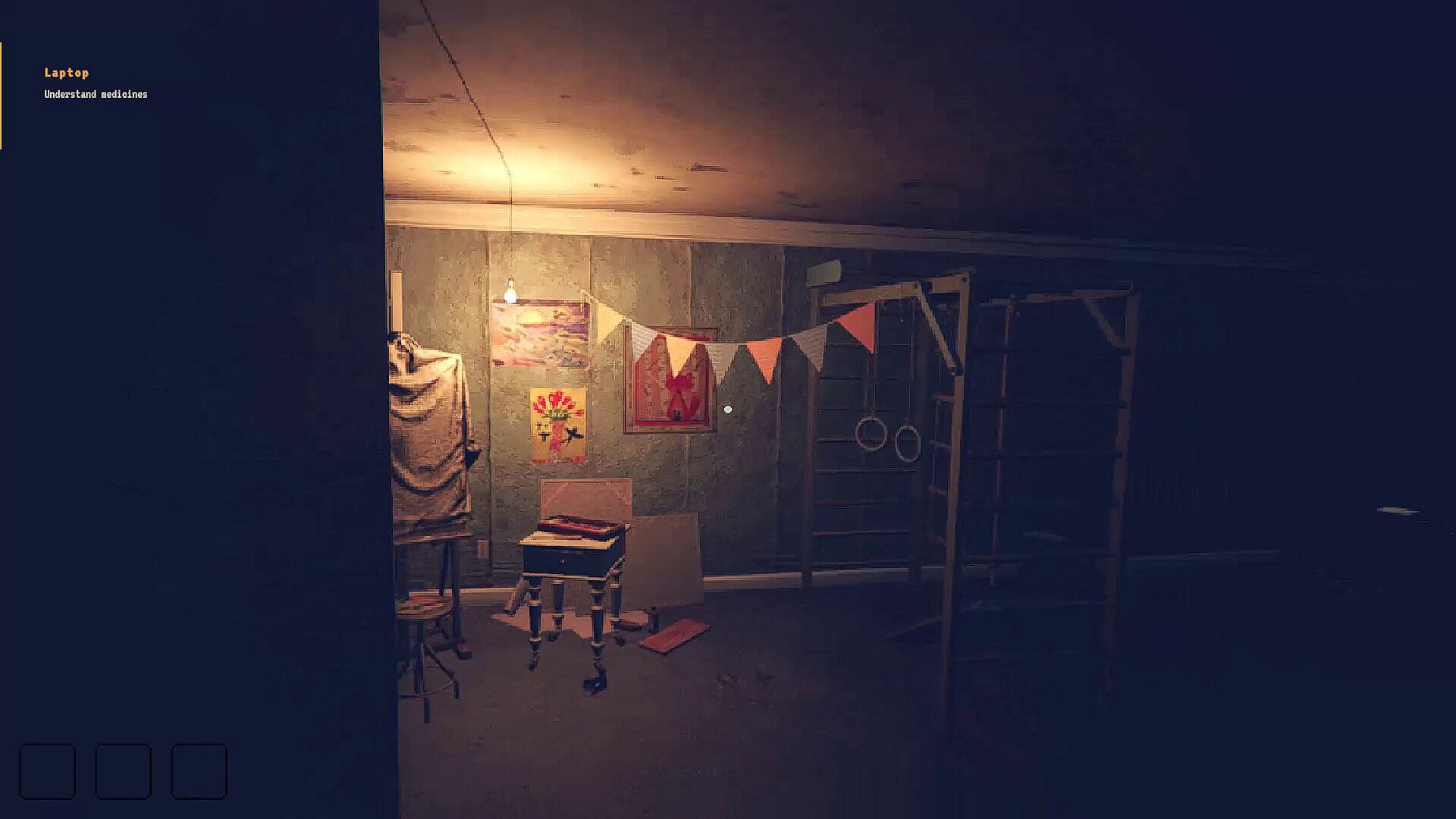
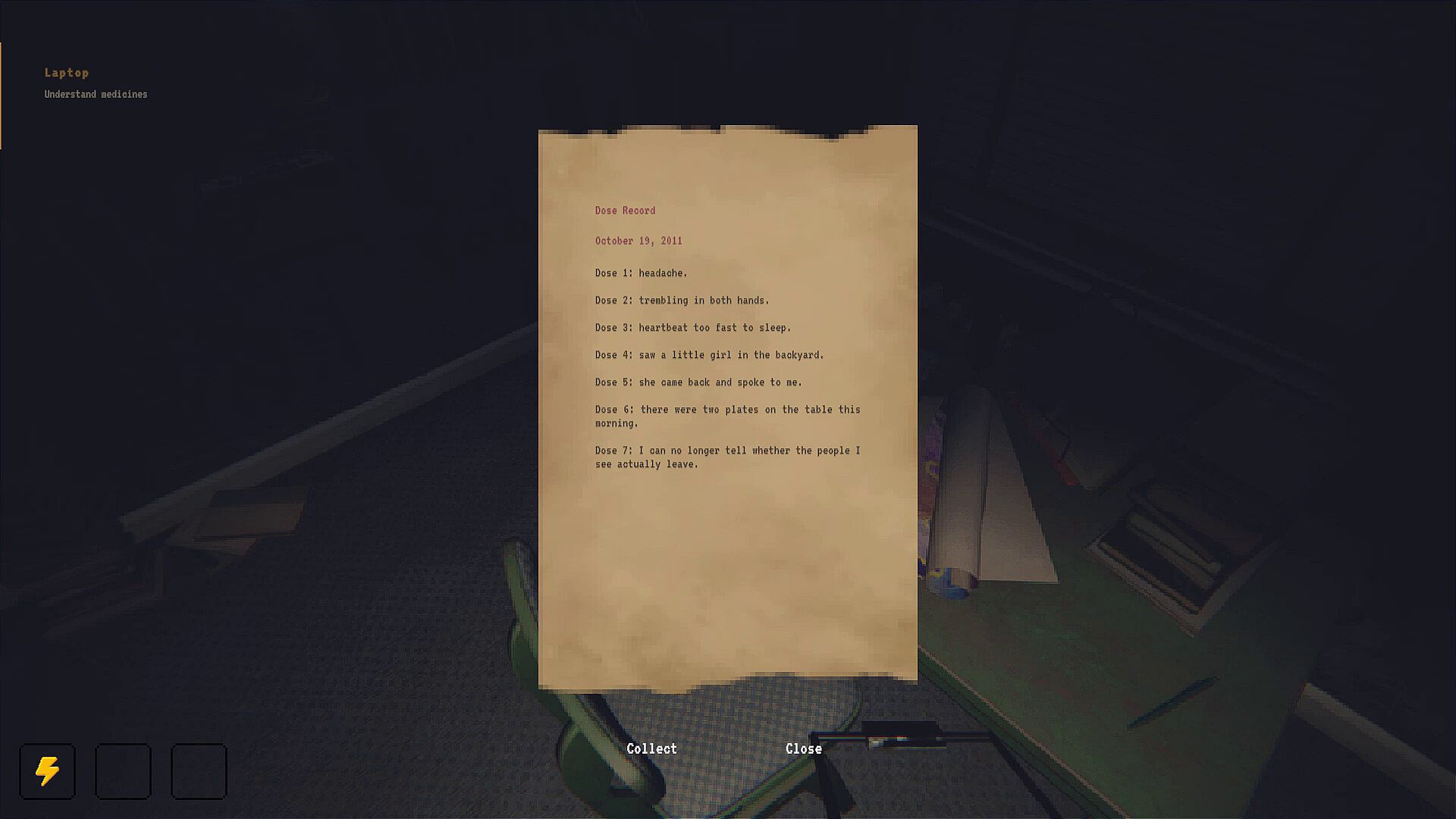
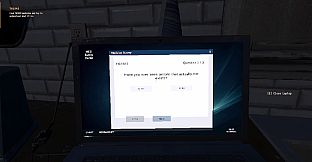
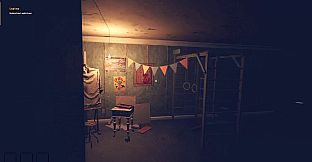
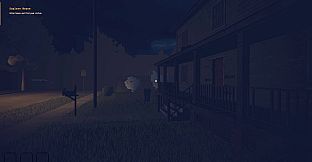
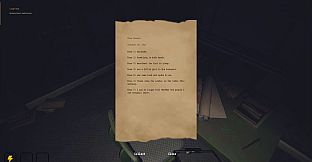
The core loop centers on methodical exploration of the house. Players move through rooms in first-person view, examining objects for clues, reading scattered notes, and checking the laptop for digital hints about recent activities. Attention to detail matters, as small items and environmental changes help piece together the sequence of events leading to the sister's disappearance. Retro-inspired visuals give the setting a familiar yet off-kilter feel, while unexplained sounds and brief glimpses of figures in hallways build constant tension without relying on constant action.
Progress comes from following physical traces left behind and questioning what appears normal at first glance. The house itself reveals layers beyond initial appearances, encouraging players to revisit spaces and reconsider earlier findings. This creates a deliberate pace focused on observation and deduction rather than combat or fast movement.
Game Modes
Behind Her Door offers a single-player narrative experience with no separate game modes or multiplayer options. The entire session unfolds as one continuous investigation, where choices in how thoroughly to search and which clues to prioritize shape the path toward answers. There are no branching campaigns, survival challenges, or competitive elements; the focus remains strictly on uncovering the mystery through exploration and evidence gathering.
Atmosphere and Tension
Sound design plays a central role in maintaining unease. Footsteps, knocks, and distant noises interrupt quiet moments, forcing players to pause and listen carefully. Fleeting figures appear only briefly in peripheral vision or across rooms, rewarding close observation of spaces that might otherwise seem empty. These elements turn routine navigation into a source of sustained pressure, where the familiar layout of a family home gradually feels less secure.
Notes and personal items provide context without overt exposition, letting players draw their own conclusions about what the sister may have encountered. The retro visual style reinforces a sense of isolation, stripping away modern polish to emphasize raw, immediate surroundings.
Is It Worth Playing?
Fans of slow-burn psychological horror and clue-driven adventures will find a focused experience here. The game suits players who enjoy piecing together stories through environmental details rather than direct confrontation. Its short, self-contained structure makes it accessible for a single sitting, though the emphasis on careful searching rewards those willing to examine every corner. Reception centers on its ability to create unease through subtle means, making it a solid choice for anyone seeking an intimate mystery without additional layers of complexity or ongoing updates.











