






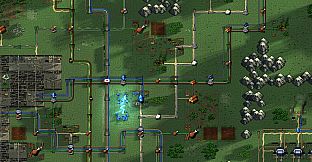
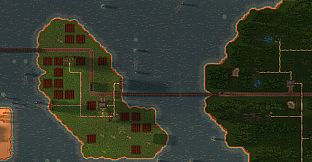
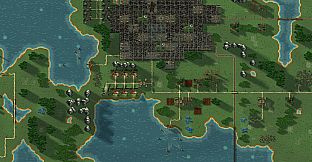
Capital City is a strategy simulation game that blends city building, resource extraction, and transport logistics inside a steampunk fantasy setting on PC. Players oversee the expansion of one of the last surviving cities by pulling raw materials from an infinite procedurally generated countryside, processing them in factories, and routing finished goods back through an evolving logistics network.
Gameplay
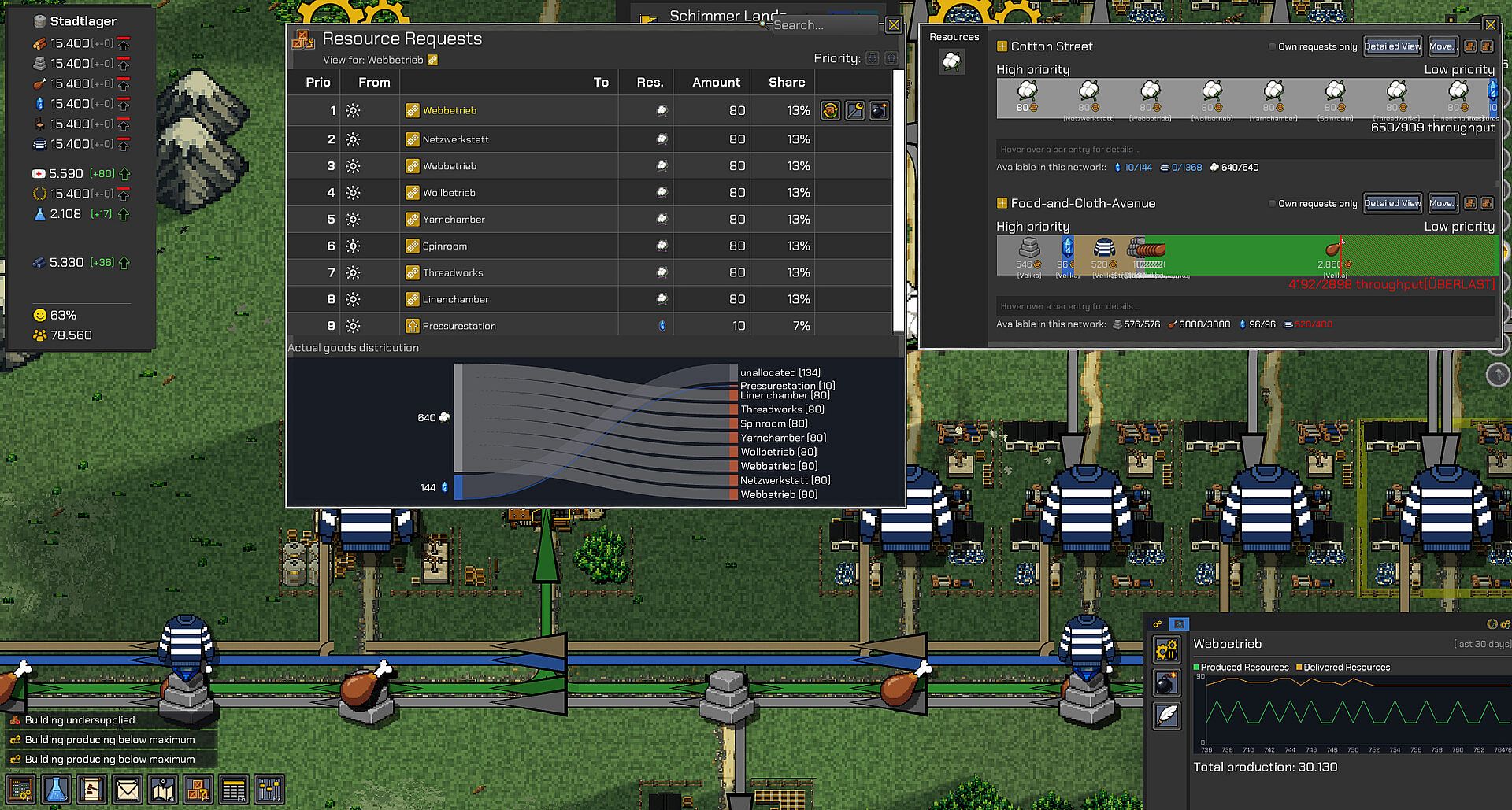
The core loop centers on balancing extraction, production, and consumption. Lumberjacks, mines, and pumps gather basic resources such as wood, stone, and food from surrounding biomes. Most materials need refinement, so players construct factories that combine inputs into higher-value goods like cloth, furniture, steel, or luxury items crafted from rarer finds including Blood Crystals, Mistberries, and Burnstone. These finished products travel along roads and railways to Capital City, where residential districts consume food and luxuries to grow the population, research districts turn materials into technological progress, and recreation or monument districts deliver bonuses at a maintenance cost.
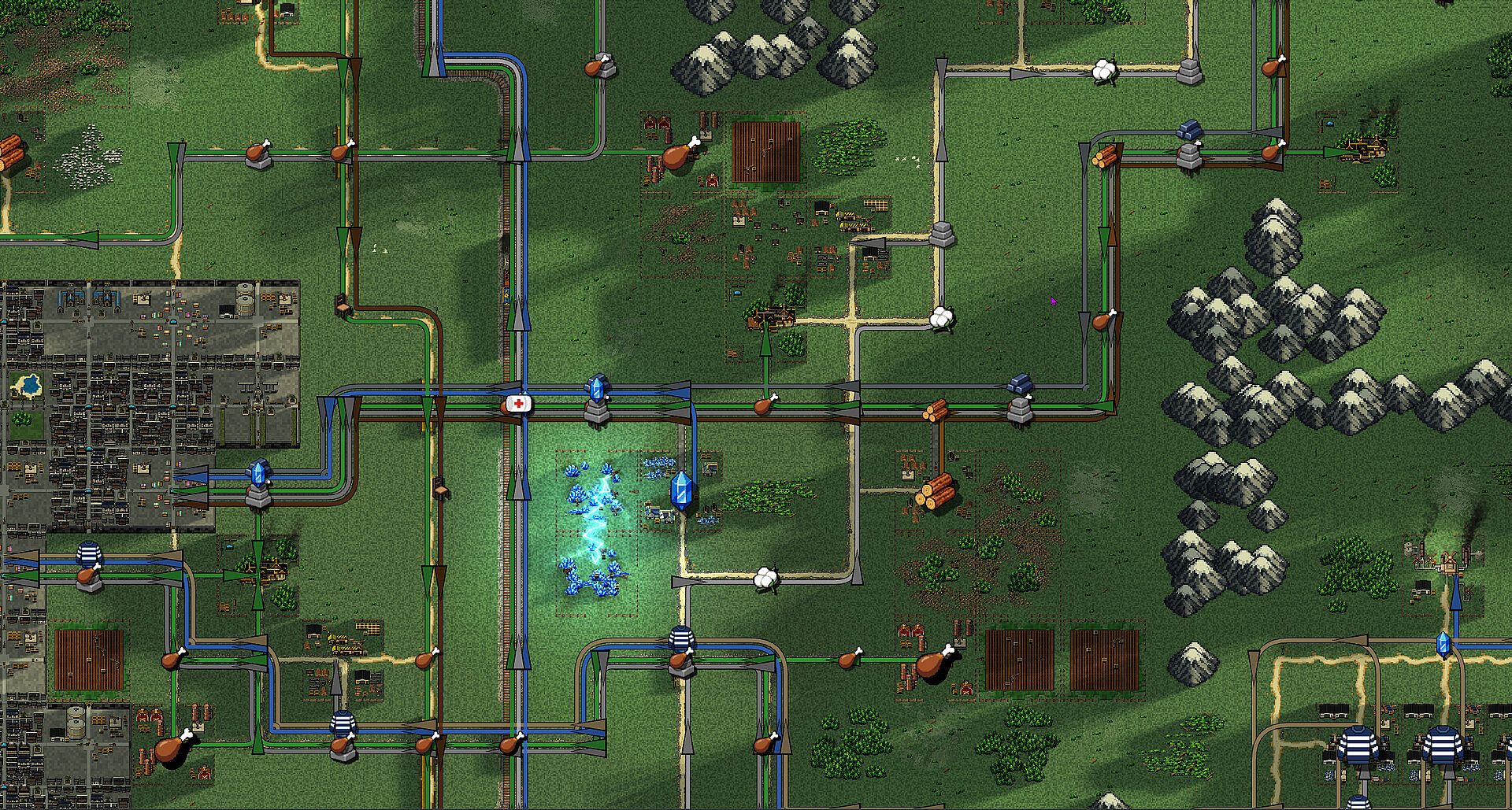
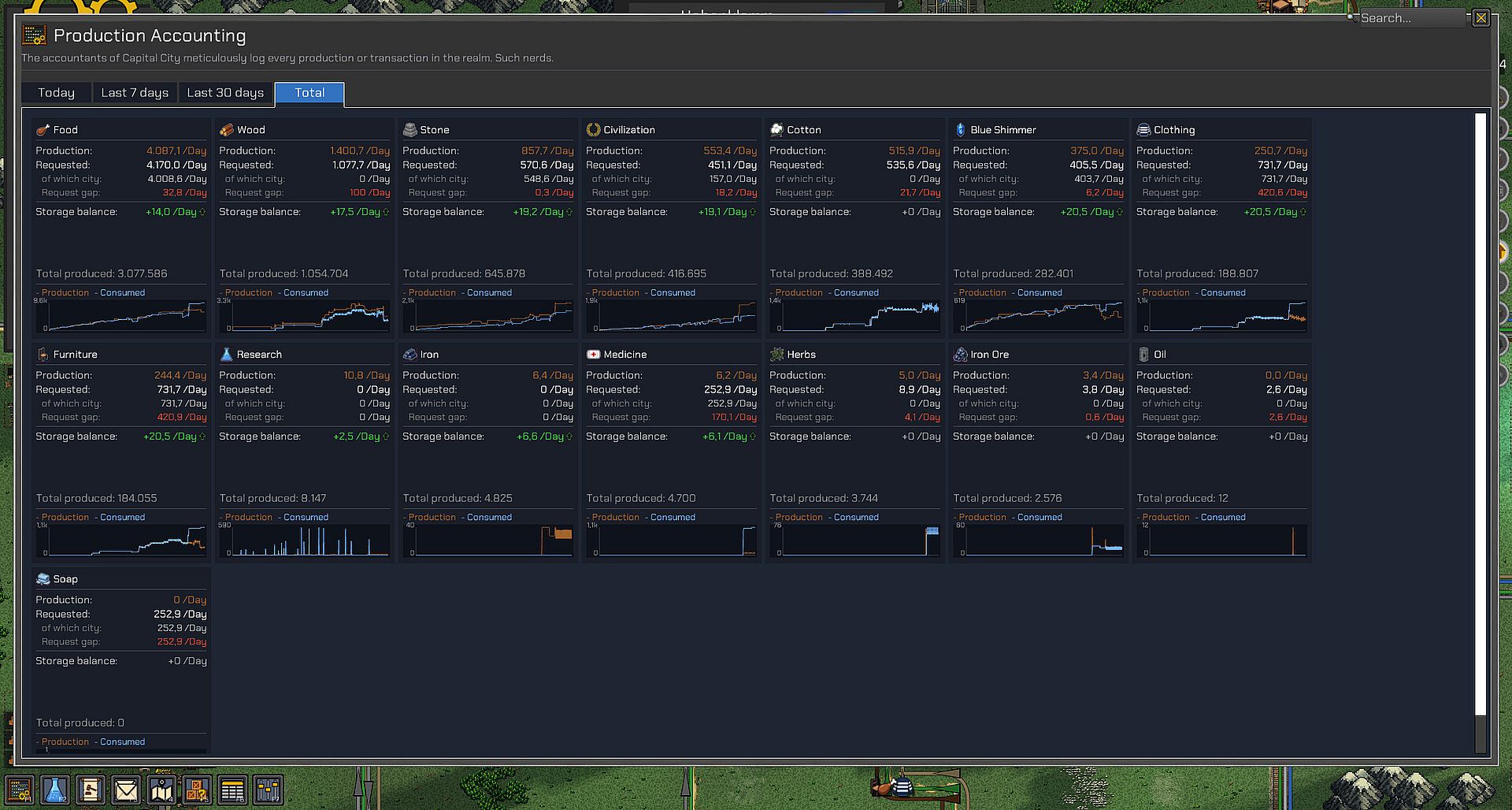
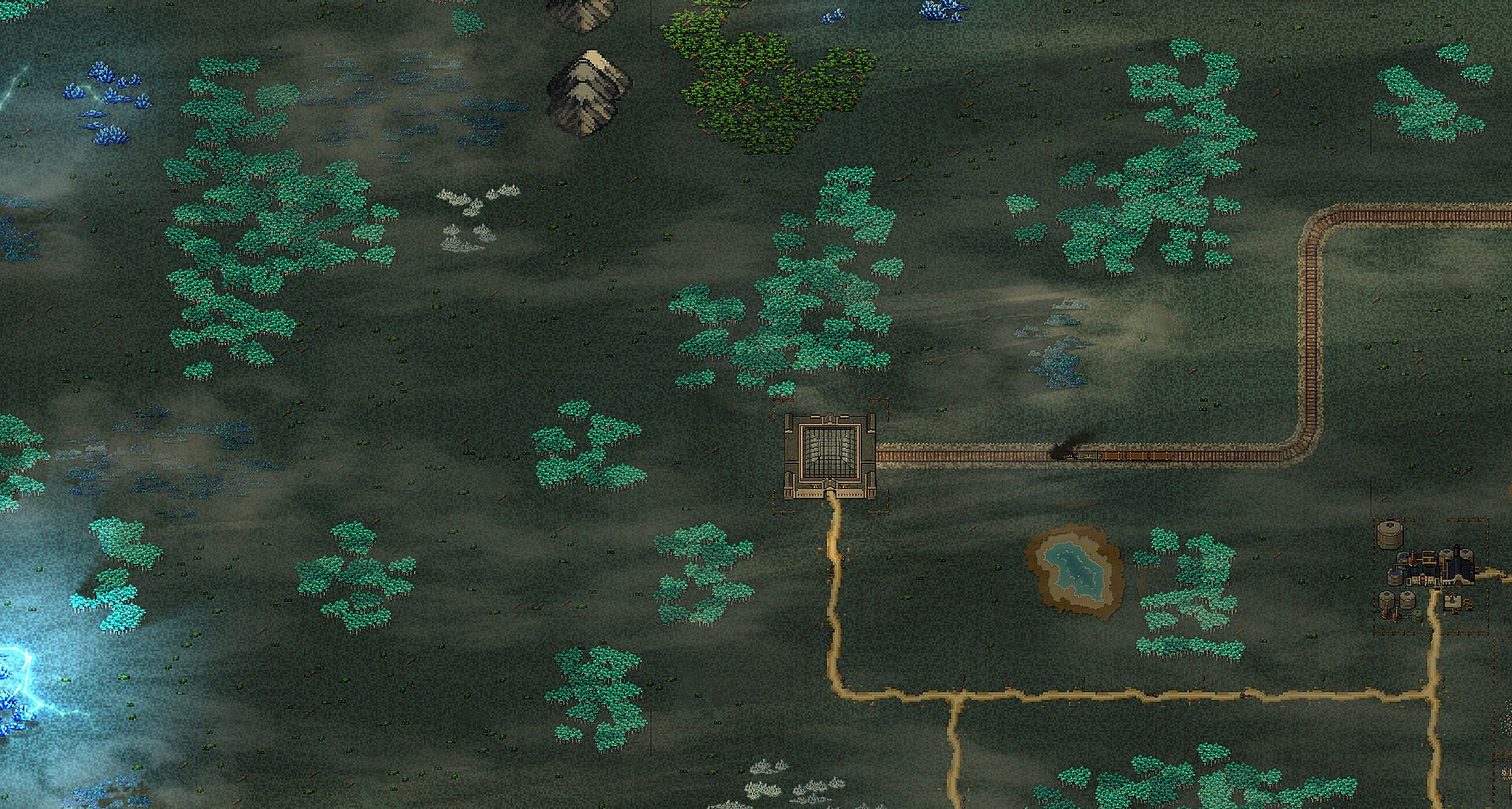
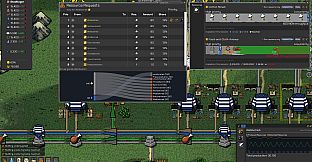
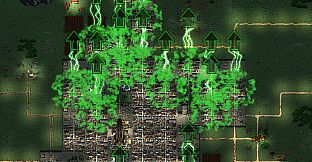
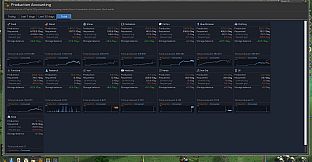
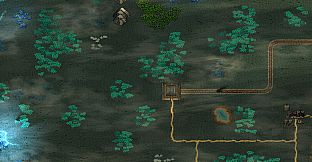
Industrial clusters form naturally when similar factories are placed near one another, improving efficiency over time. Simple dirt tracks upgrade into paved roads and double-track railways as volumes increase. A day-night cycle with dynamic lighting affects visibility, while trains and city lights provide illumination after dark. Vast statistics panels track route performance, factory output, and material flows, helping players anticipate shortages before they halt growth. Built-in editors support creation of custom events, scenarios, festivals, and policies that alter priorities mid-game.
Game Modes
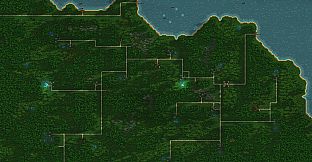
The game operates primarily as a single-player experience driven by an extensive scenario system. Scenarios introduce targeted challenges or events that shift resource availability, demand patterns, or environmental conditions, forcing adjustments to production and transport plans. No separate multiplayer or competitive modes appear in the current build. Procedural generation of the surrounding world ensures each playthrough presents fresh biomes and resource distributions once zones are unlocked through resource investment.
The City and Its Districts
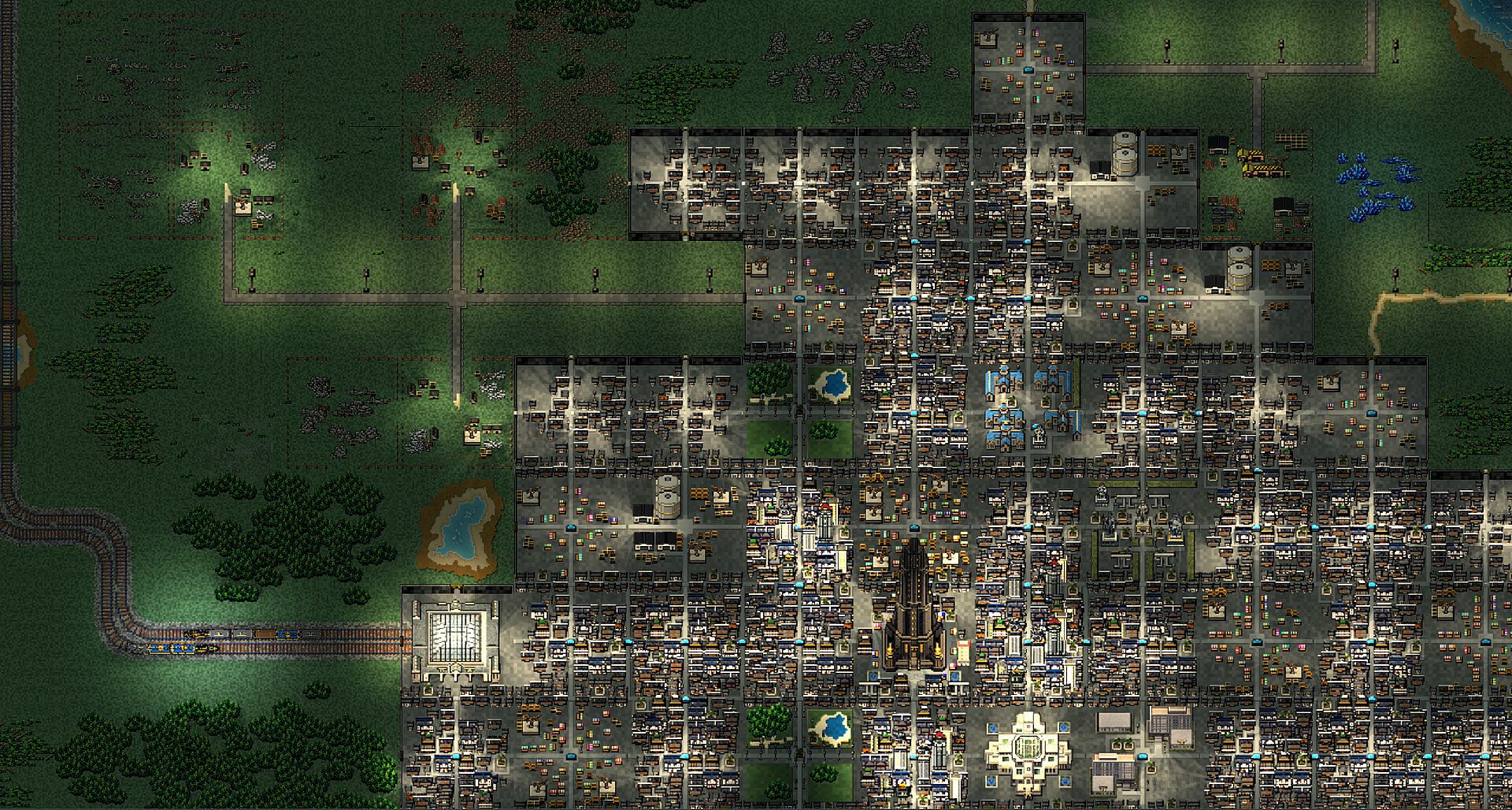
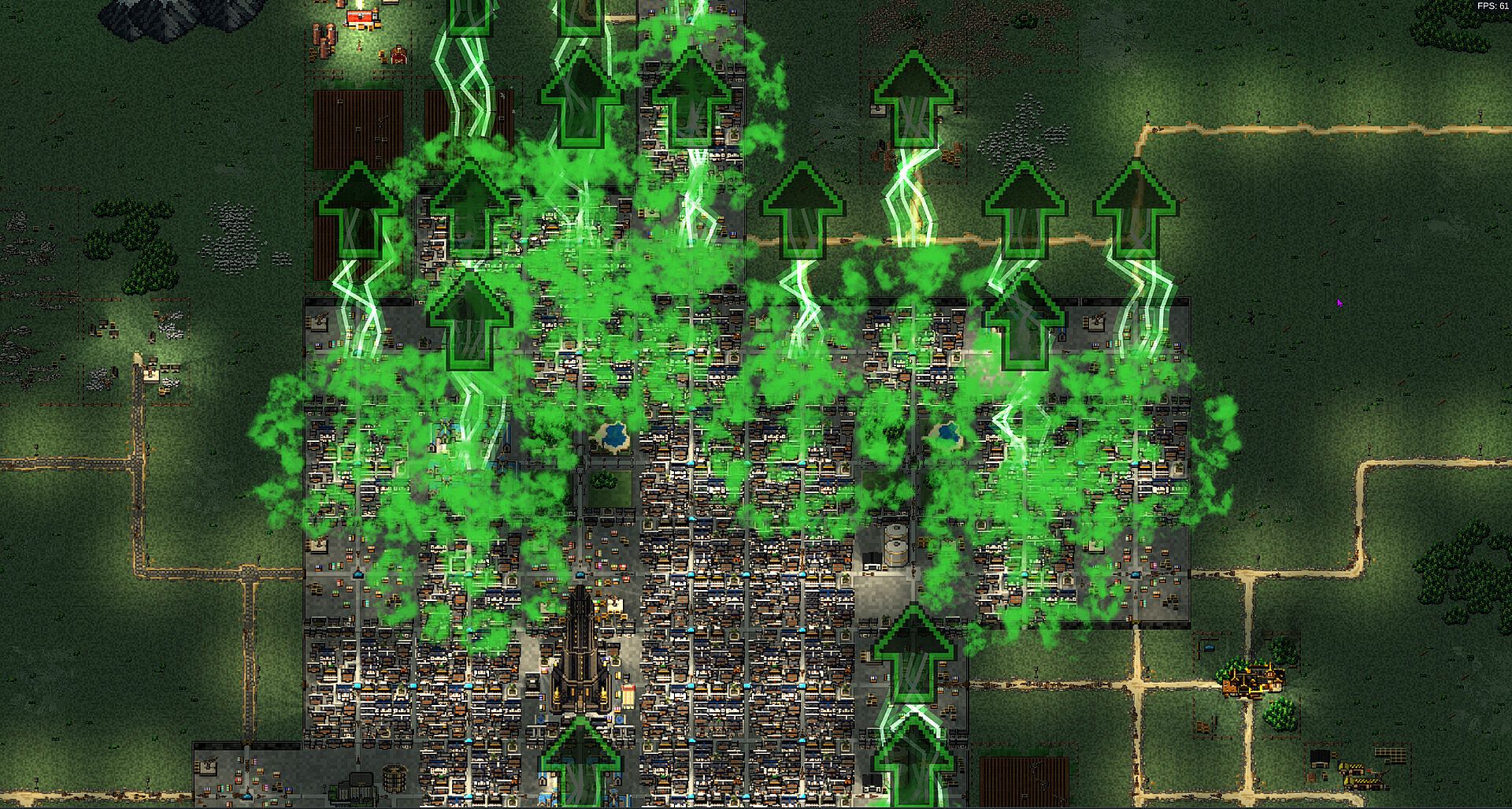
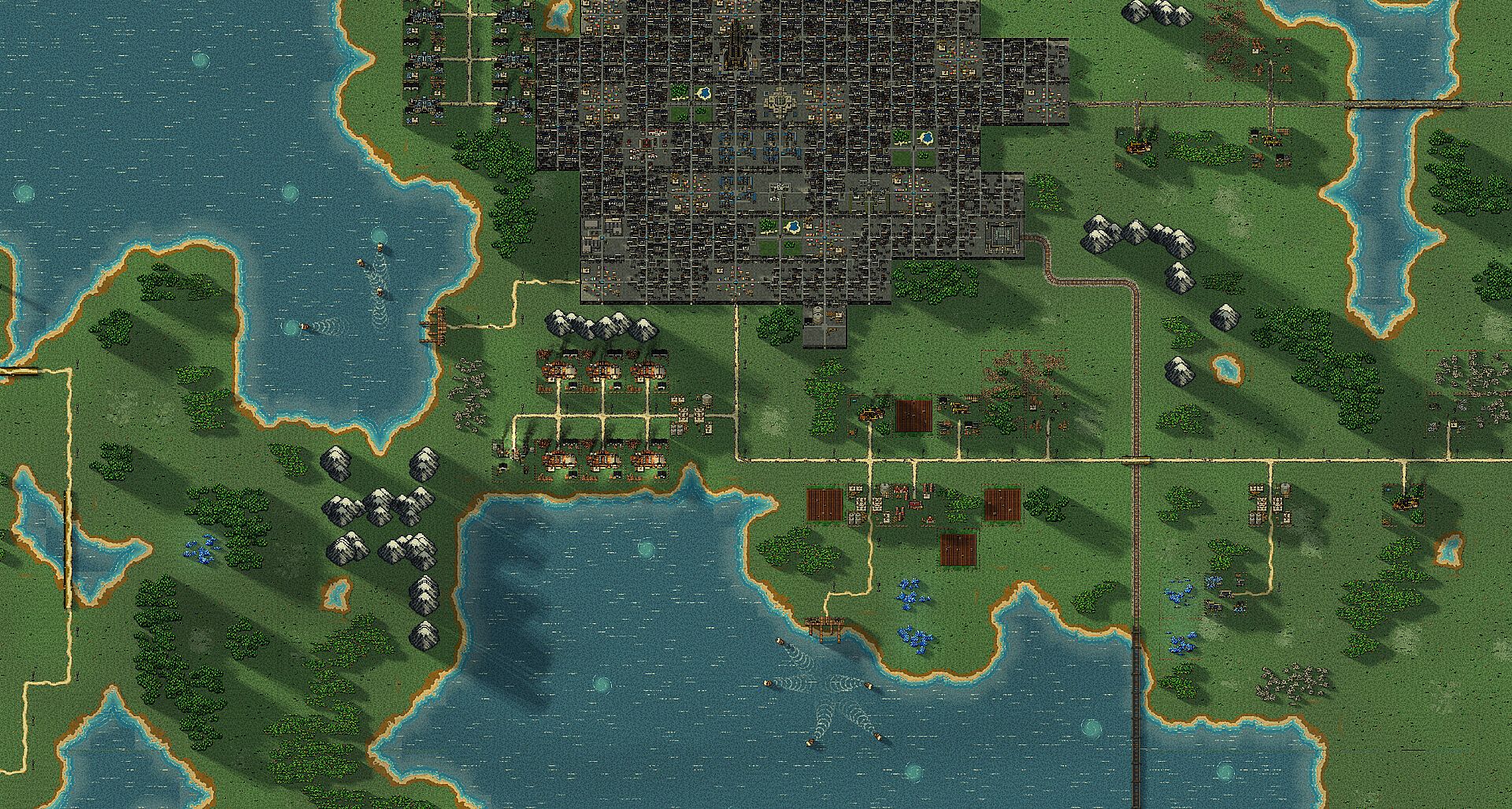
Capital City itself functions as the central hub. Residential zones supply housing and population growth when supplied with adequate food and luxury goods. Research facilities consume raw materials to unlock new technologies and production options. Recreation and monument areas provide citizen satisfaction along with gameplay bonuses. Logistics districts and train stations serve as the interface between the city and the external supply network, managing incoming deliveries and internal distribution. Expansion of these districts directly influences how much the city can grow and what new capabilities become available.
The Countryside and Industry
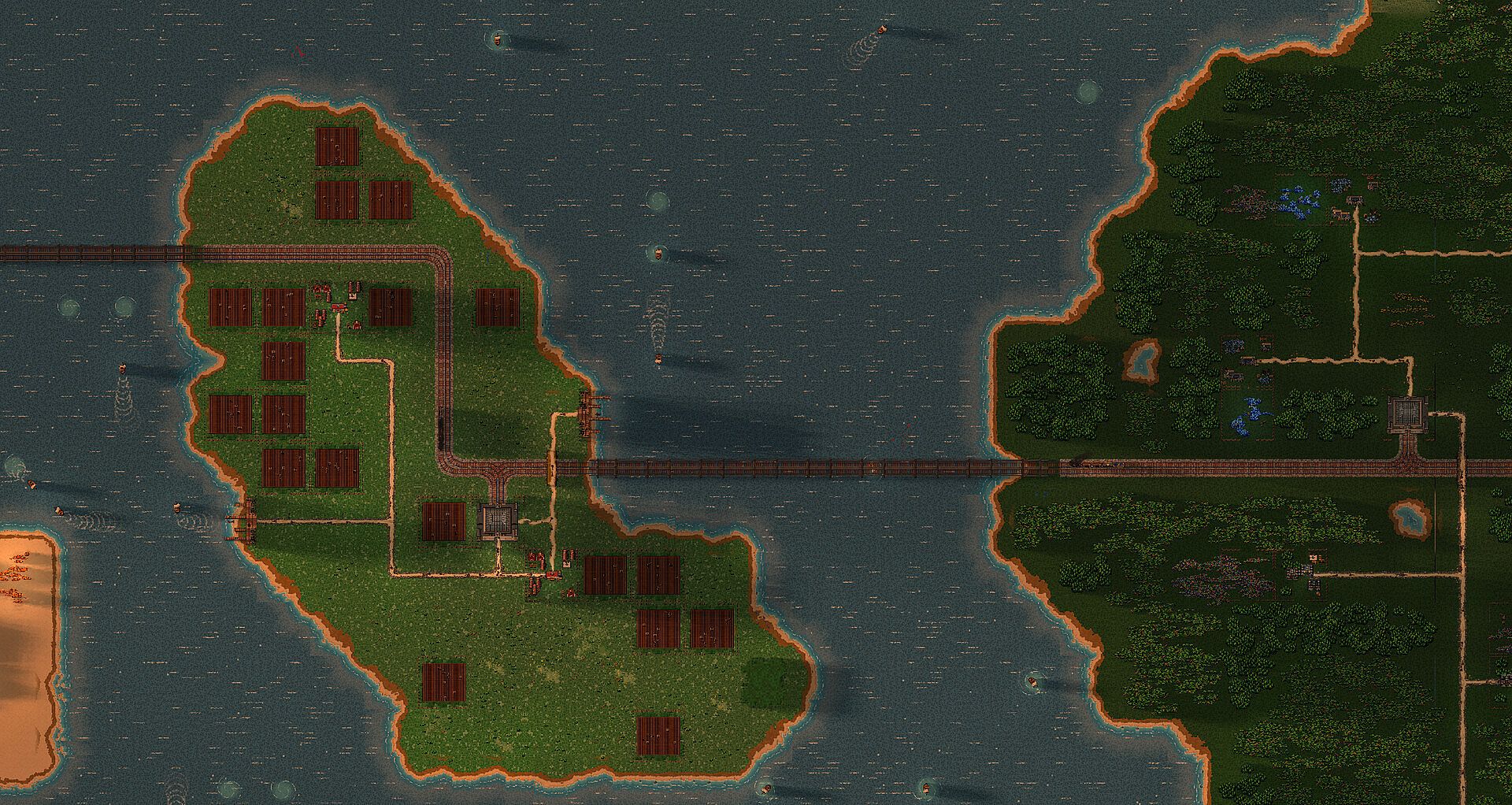
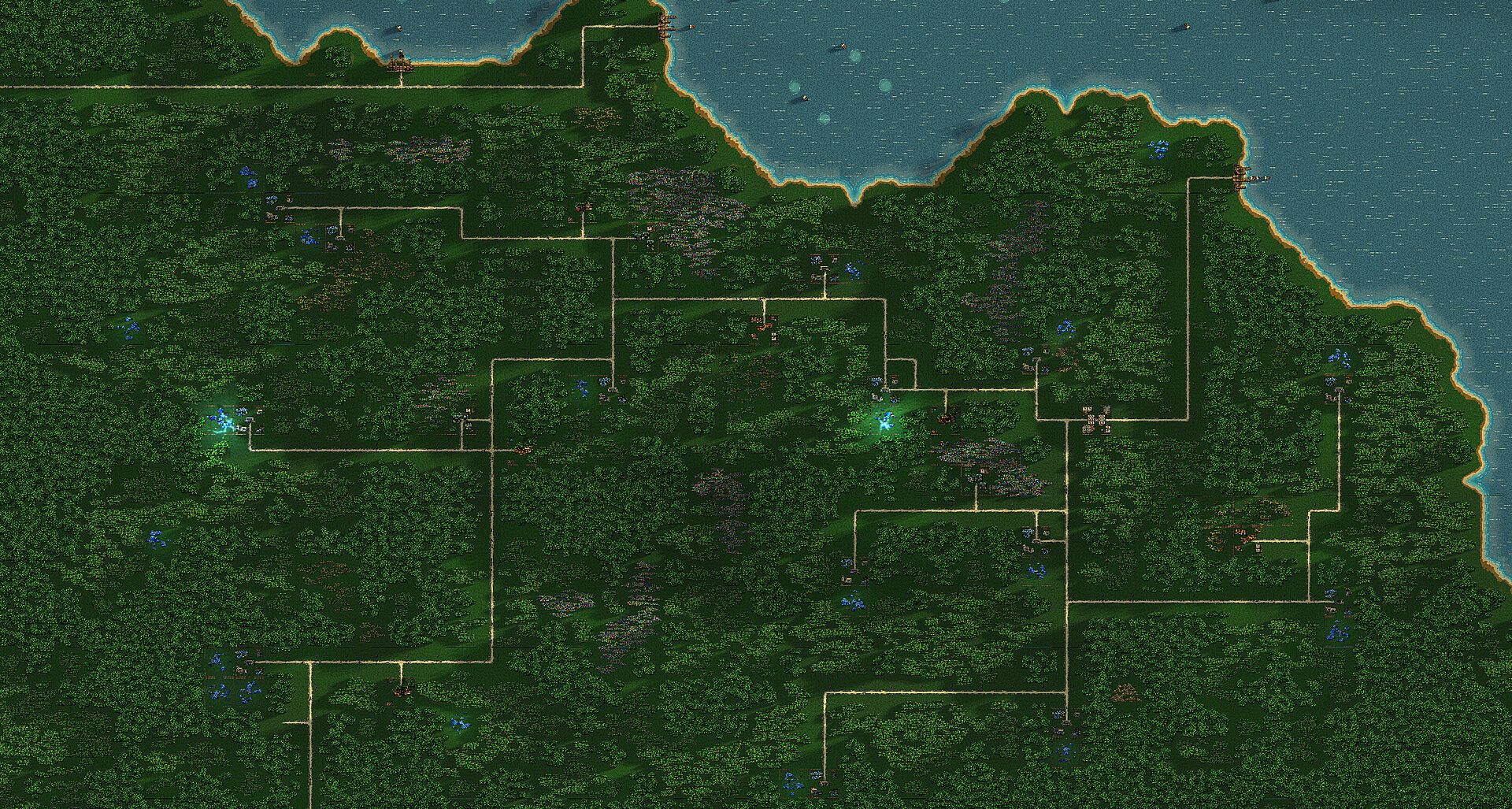
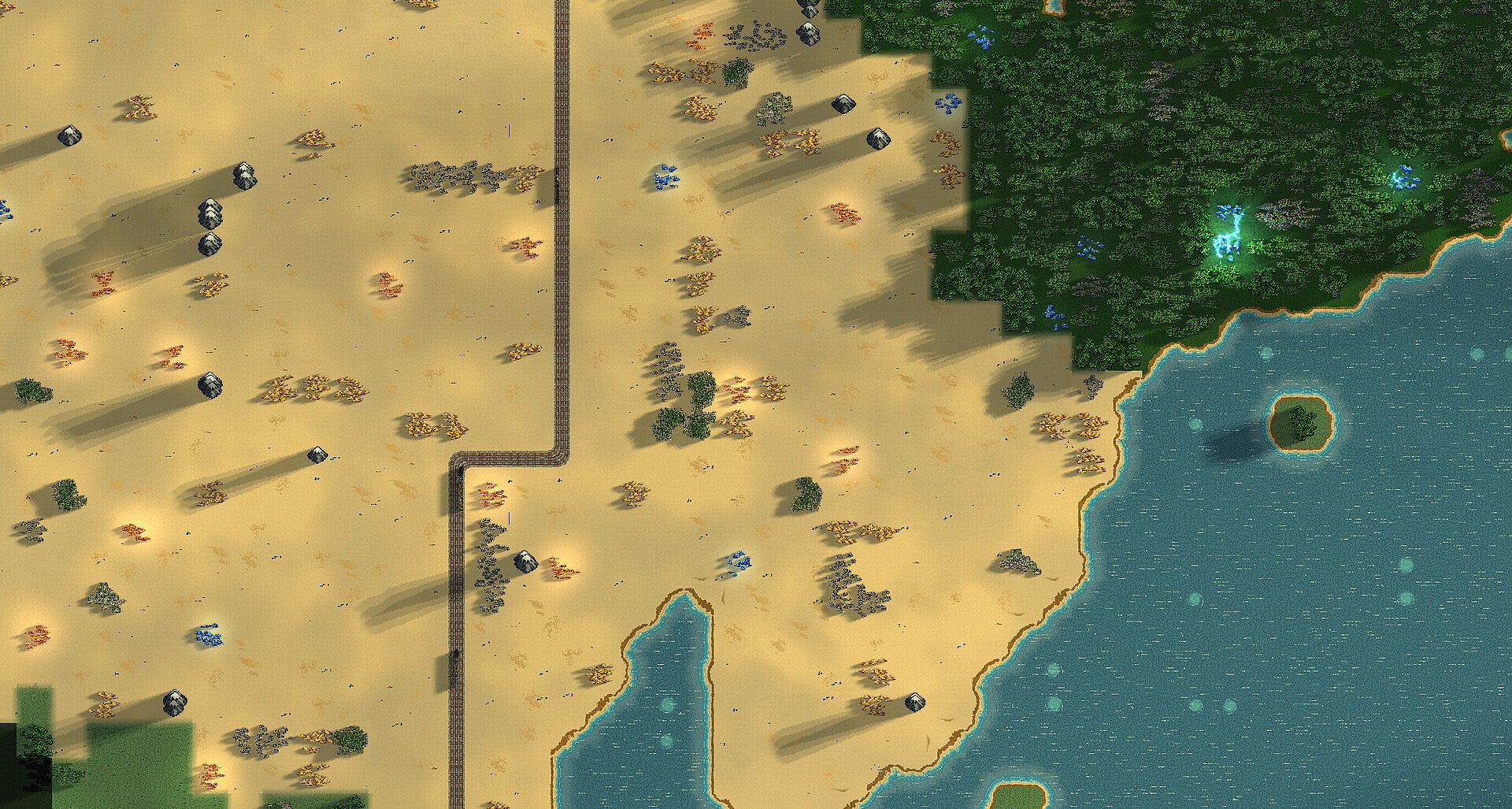
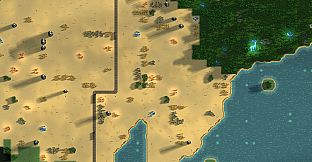
The infinite world beyond the city walls divides into unlockable zones across varied biomes, from grasslands and jungles to swamps and more exotic terrains. Early resources give way to specialized materials that support advanced manufacturing. Factories gain efficiency through clustering, and transport infrastructure scales from basic tracks to high-capacity rail lines. Players must plan routes carefully to keep raw materials flowing to processors and finished goods reaching consumers without bottlenecks.
Is It Worth Playing?
Capital City suits players who enjoy detailed resource chains, logistics planning, and long-term city growth in a single-player format. Its early-access status means the core systems of extraction, processing, and transport are present, along with scenario-driven variety and editing tools. Those drawn to steampunk aesthetics, procedural worlds, and management sims focused on industrial clustering and supply networks will find the most alignment with its design. Continued development will determine how fully the planned features expand the experience.











