

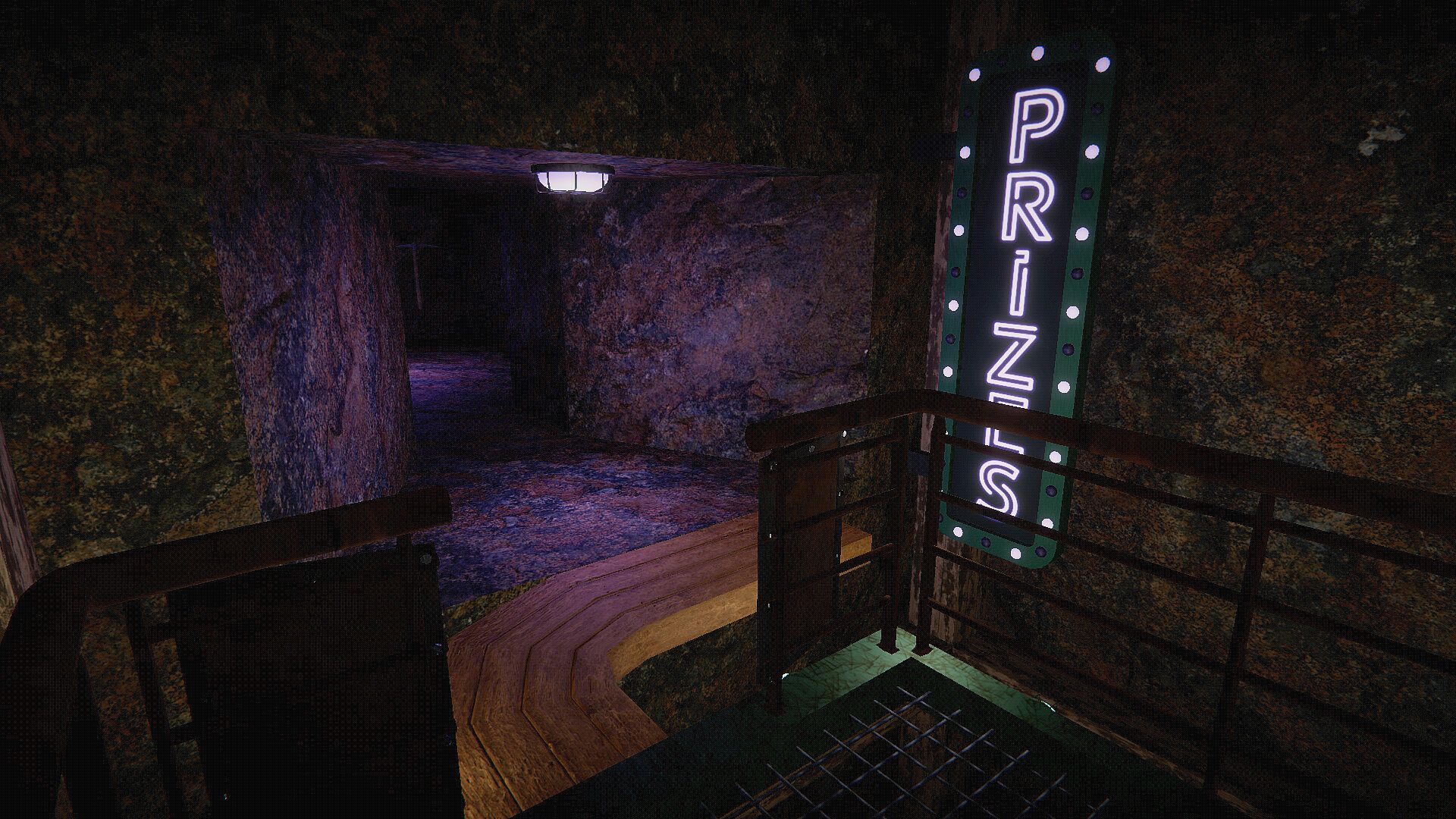
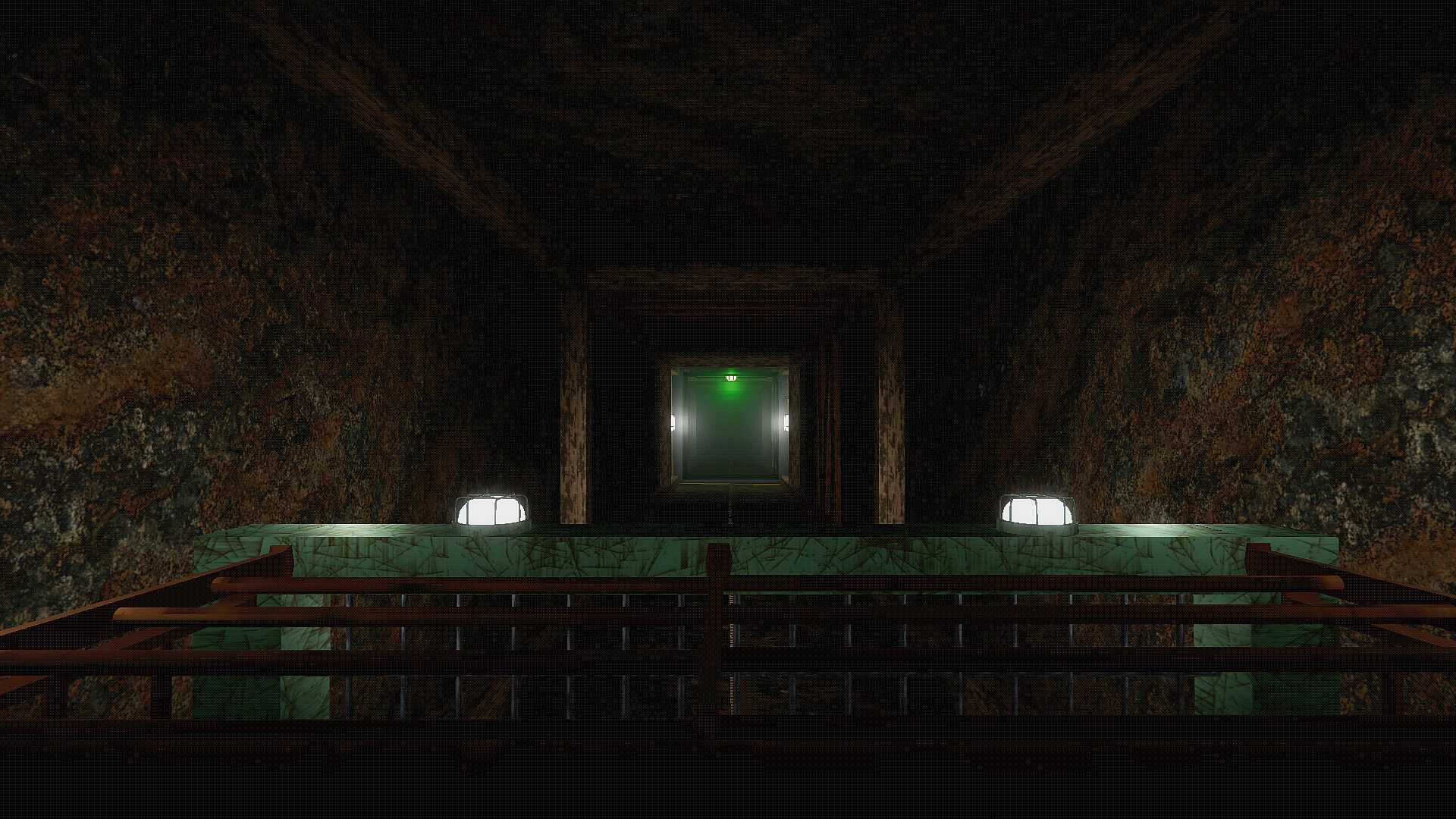
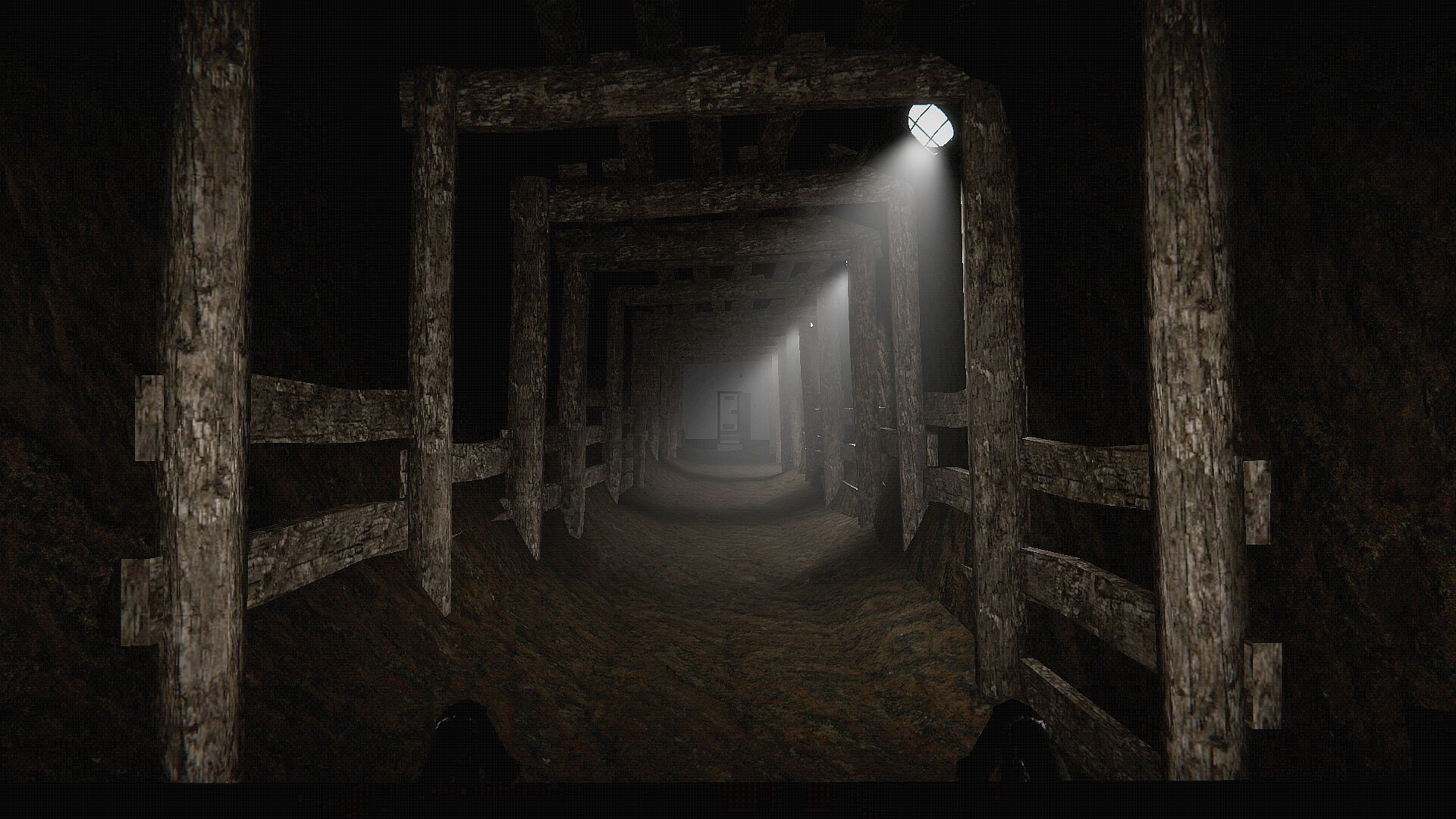
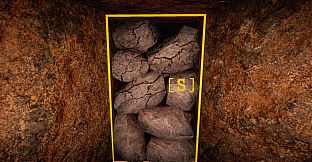
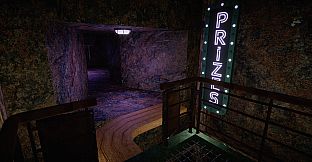
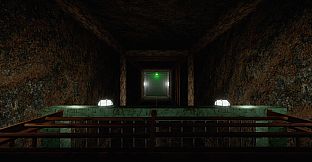
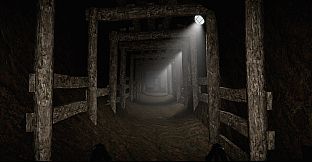
Catskill Mine: 10,000ft Below is a single-player horror adventure game developed for PC. Players take on the role of someone exploring a rundown roadside mine attraction that conceals a troubled past. The core experience centers on repeated descents into the depths, where the goal is to piece together the location's history while evading threats and finding an exit route.
Gameplay
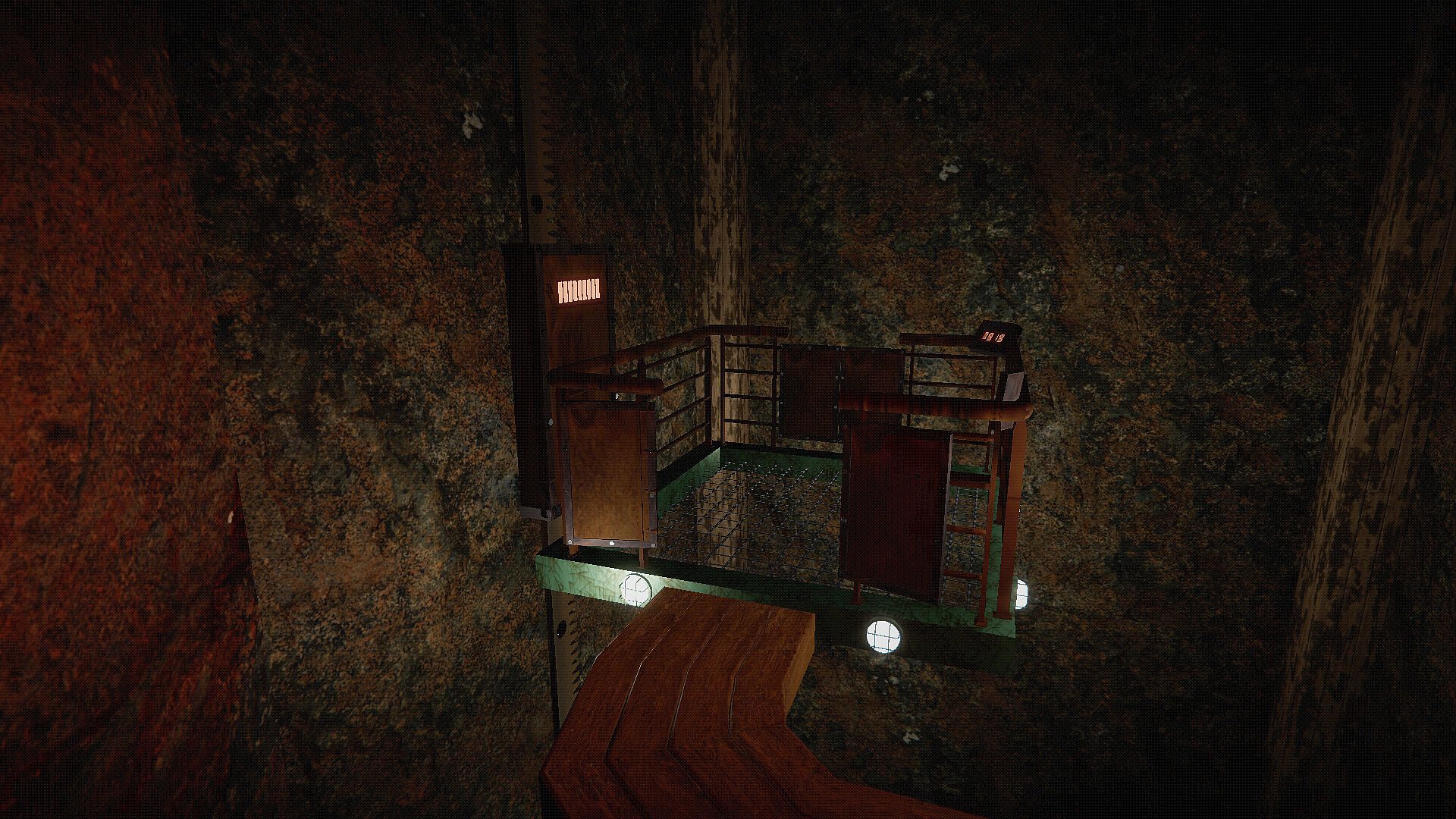
The main loop involves riding an unstable elevator that carries the player deeper with each run. Shaft conditions, obstacles, and unexpected events shift between attempts, keeping each trip distinct. Battery power serves as the central resource, powering the player's light and other safety tools. Depleting it strands the character in darkness, so decisions about when to push forward or conserve energy become critical.
A persistent stalking creature moves through the mine and adjusts its behavior based on player actions and errors. Detection relies on sound and visual cues, with tools available to manage proximity. The shop system lets players purchase upgrades and items before or during descents to improve chances of survival and progress. Audio elements such as radio transmissions, elevator mechanics, sonar pings, and periods of silence provide essential information about the environment and threats.
Each descent stays focused and short enough for multiple replays. Achievements track performance across categories like speed of completion, careful resource use, aggressive item acquisition, and overall success in escaping.
Game Modes
The game operates entirely in single-player format with no multiplayer options or separate modes listed. All activity revolves around the descent system, where players attempt successive runs to uncover more of the story and meet achievement criteria. Replayability comes from procedural changes in the environment and the need to balance risk against limited resources on each trip.
Key Mechanics and Features
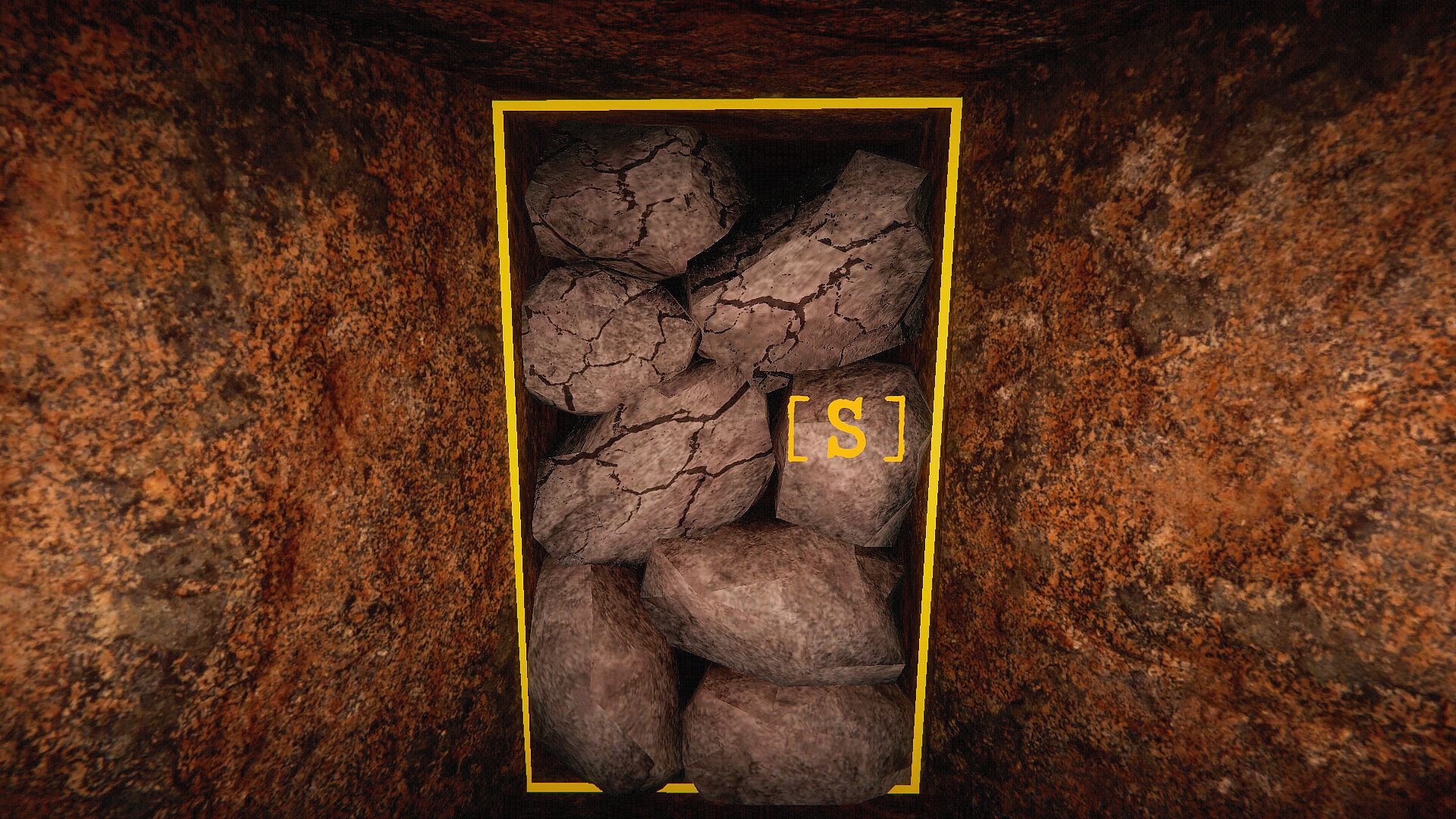
Resource management ties directly to battery life, forcing trade-offs between exploration speed and safety. Upgrades purchased through the shop can extend capabilities or provide temporary advantages against the creature. The mine itself functions as an active participant, with hazards and encounters that respond to how far the player advances or what mistakes occur. Visual and audio design emphasizes tension through controlled darkness and sudden shifts in sound.
Players must interpret indirect signals like elevator noise or sonar returns to anticipate danger. The health notice warns of flashing lights and intense visual sequences, advising caution for anyone sensitive to strobe effects or photosensitive conditions.
Is It Worth Playing?
This title suits players who enjoy compact single-player horror experiences built around resource limits, audio awareness, and repeated short sessions rather than long campaigns. The stalking creature and changing elevator runs create consistent pressure without requiring large time commitments per attempt. Achievements encourage varied playstyles across multiple descents, rewarding both cautious and bold approaches.
Because the game has only recently appeared on digital storefronts, detailed player feedback remains limited at this stage. Those drawn to atmospheric horror with mechanical tension around power and detection will find the described systems align closely with that preference. The absence of multiplayer keeps the focus narrow and personal, which matches the single-player horror label exactly.