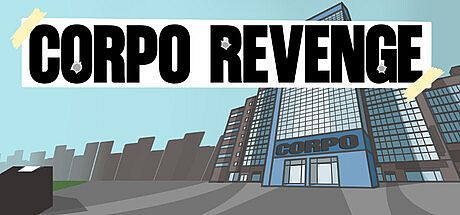



Corpo Revenge is a free to play top-down action shooter set in a corporate office environment. Players take control of Martin, a father driven by personal loss, and navigate a series of handcrafted levels to confront the CEO responsible for a harmful product. The experience emphasizes careful movement, enemy encounters, and moral decisions amid innocent bystanders.
Gameplay
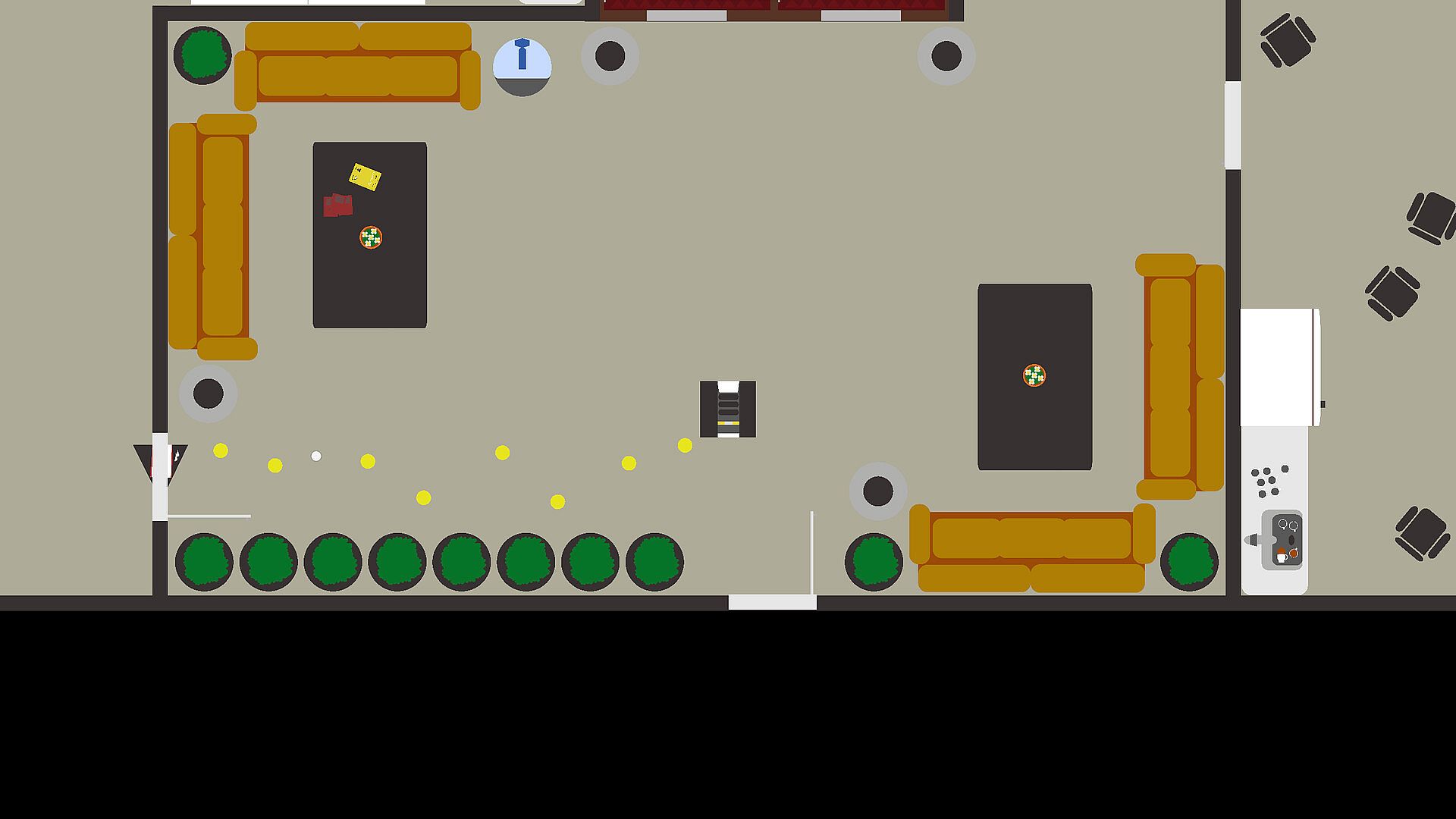
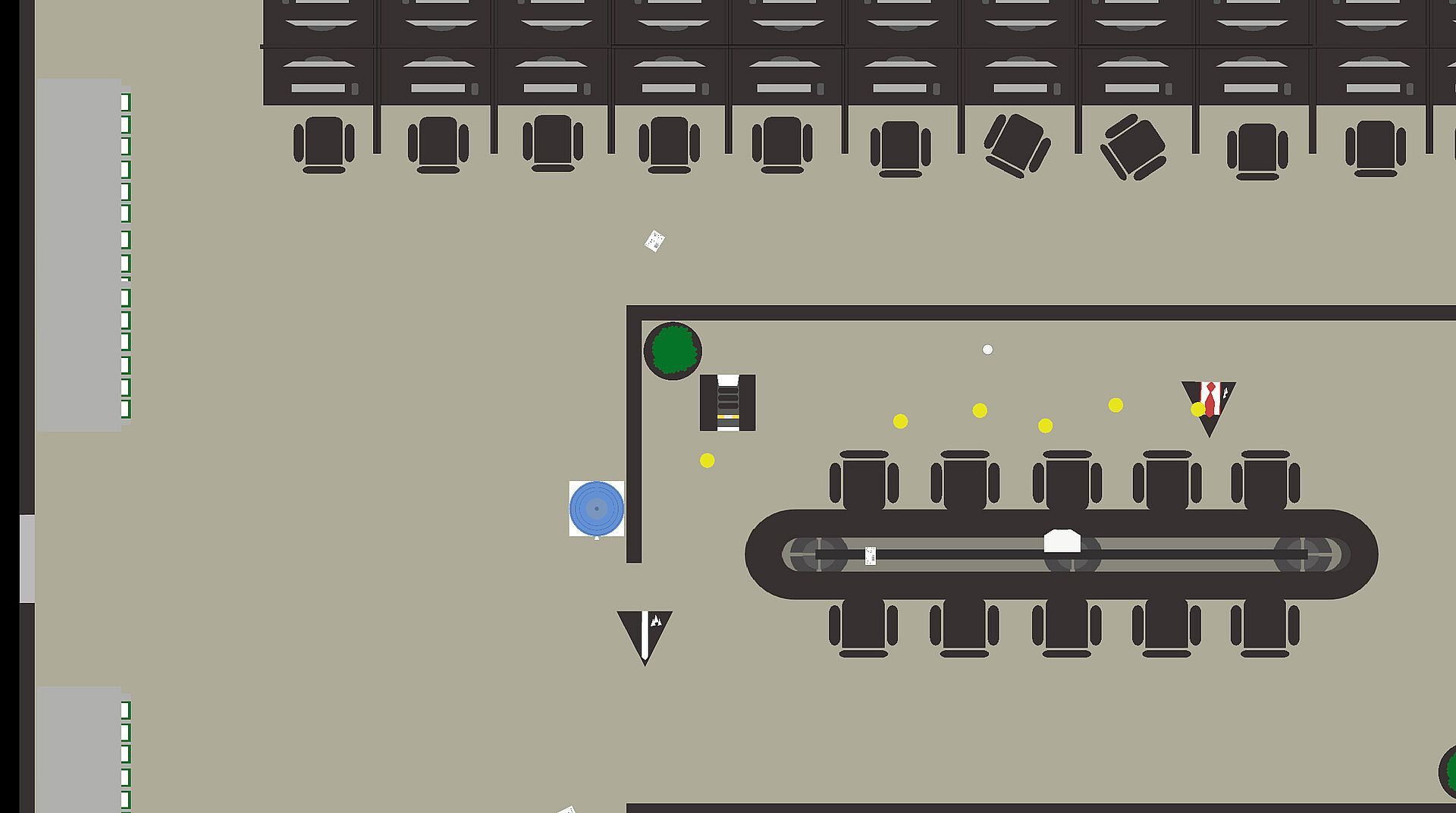
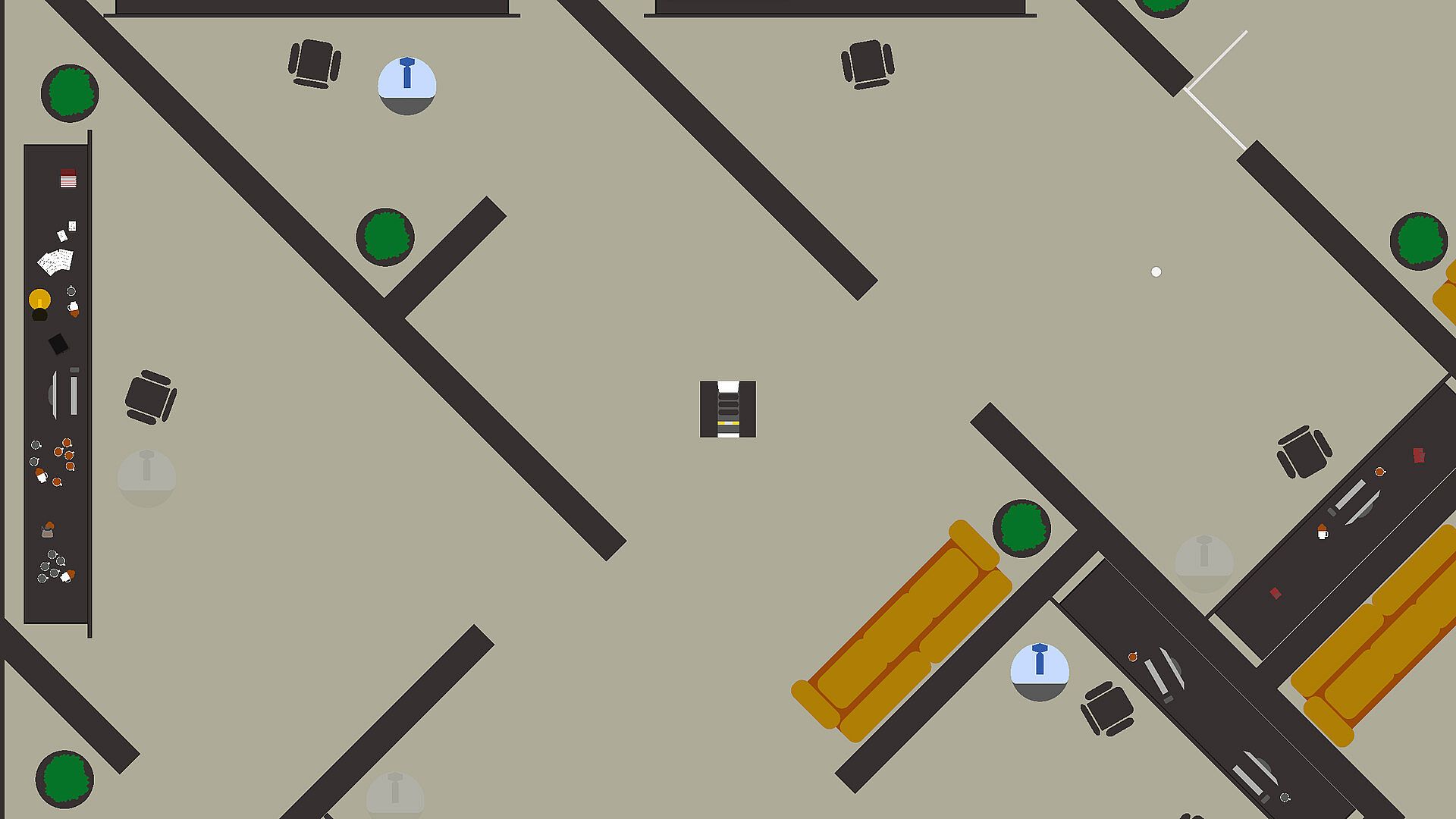
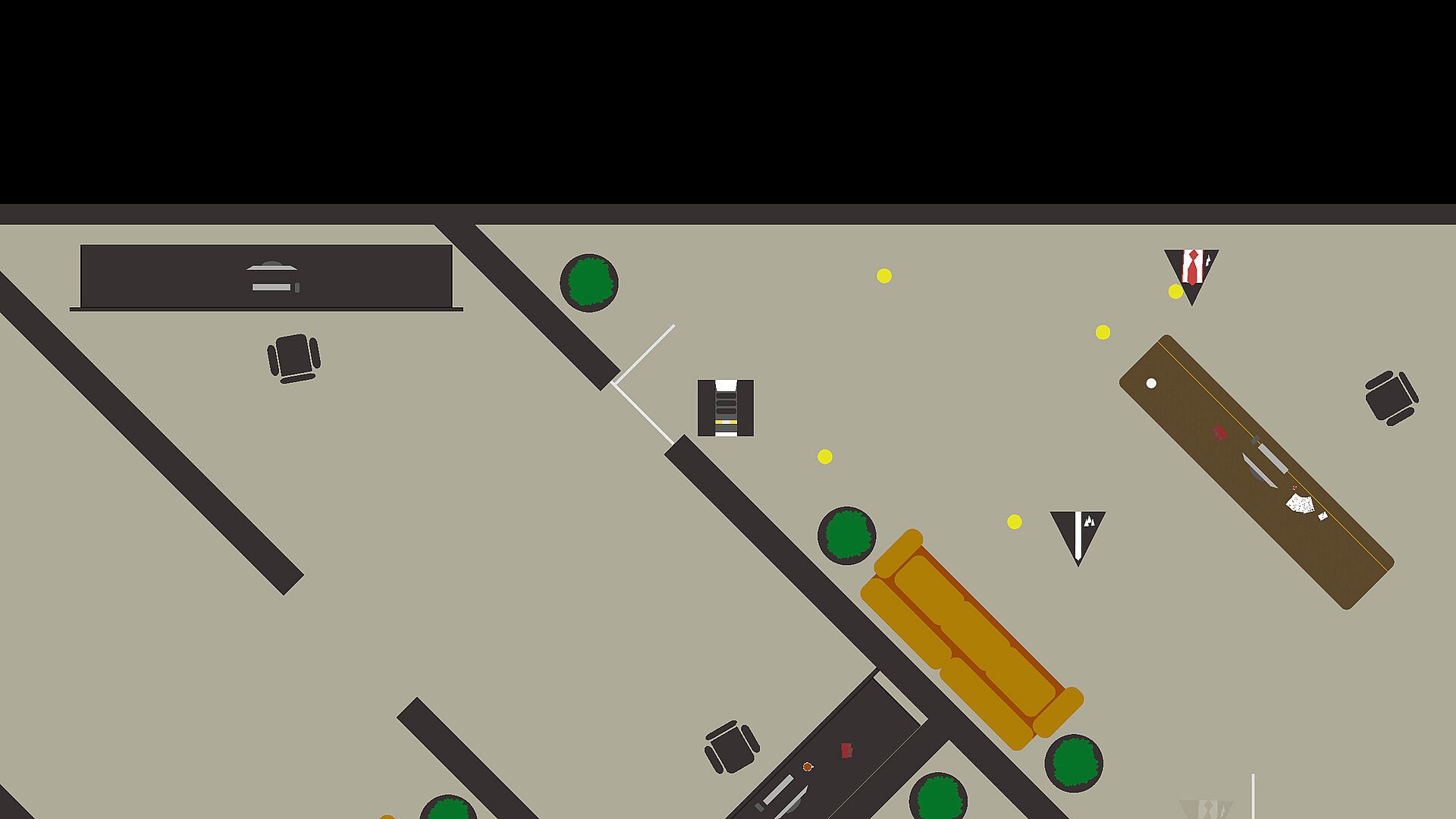
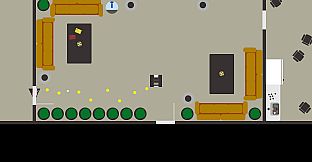
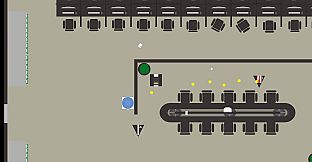
The core loop involves clearing individual floors in a top-down perspective. Each level presents a fixed office layout filled with cover points, desks, and pathways that serve as both protection and barriers. Hostile guards react in distinct ways: some charge directly for melee attacks, others seek cover before firing, and additional enemies rely on ranged gunfire. Players must eliminate threats while steering clear of office workers who attempt to flee the area.
Health operates on a single-life system. Any damage ends the attempt and forces a restart of the current floor. This structure rewards precise positioning and timing rather than repeated attempts within the same run. The office environment itself influences tactics, as players learn to use furniture and walls to break lines of sight or funnel enemies into vulnerable positions.
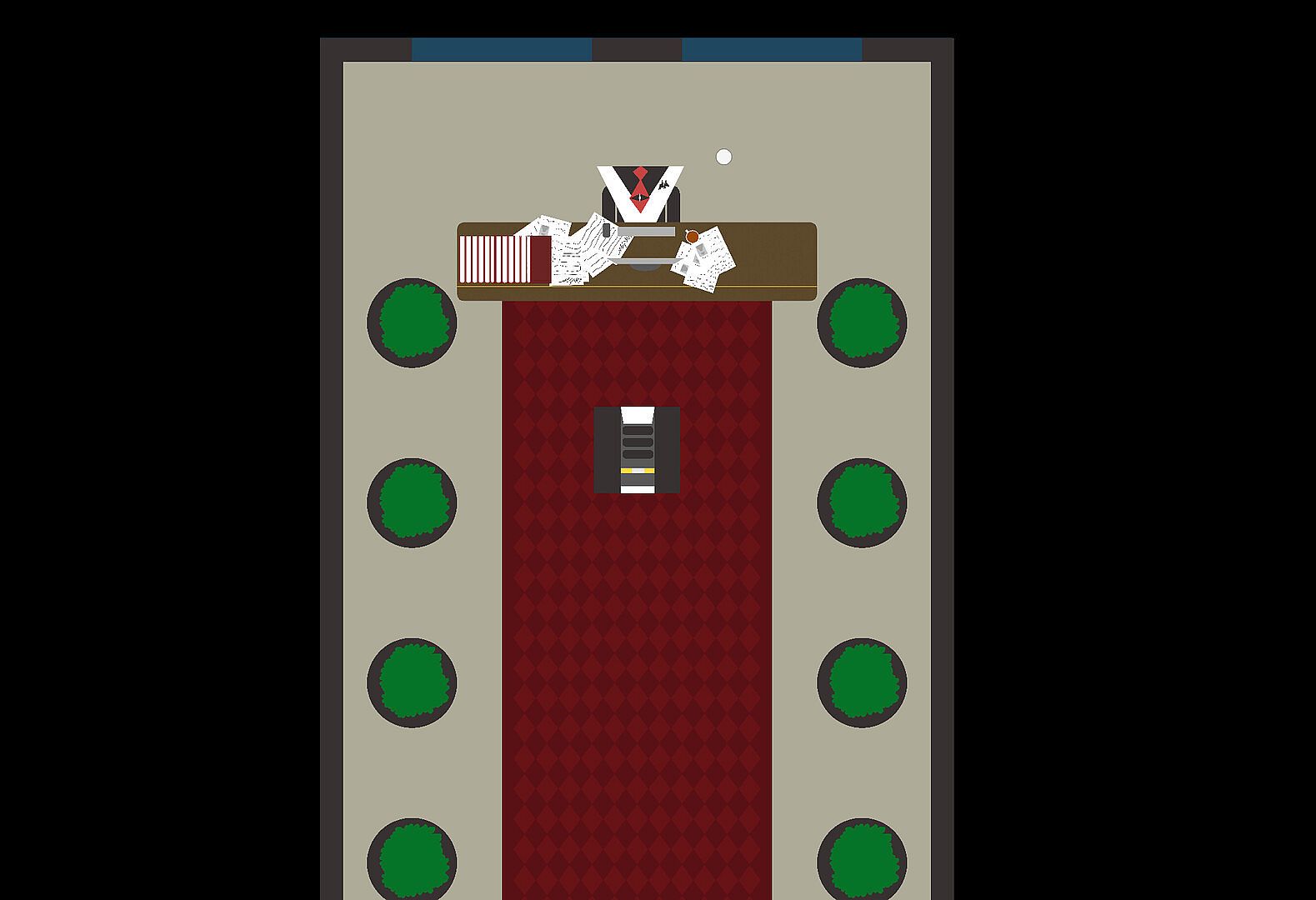
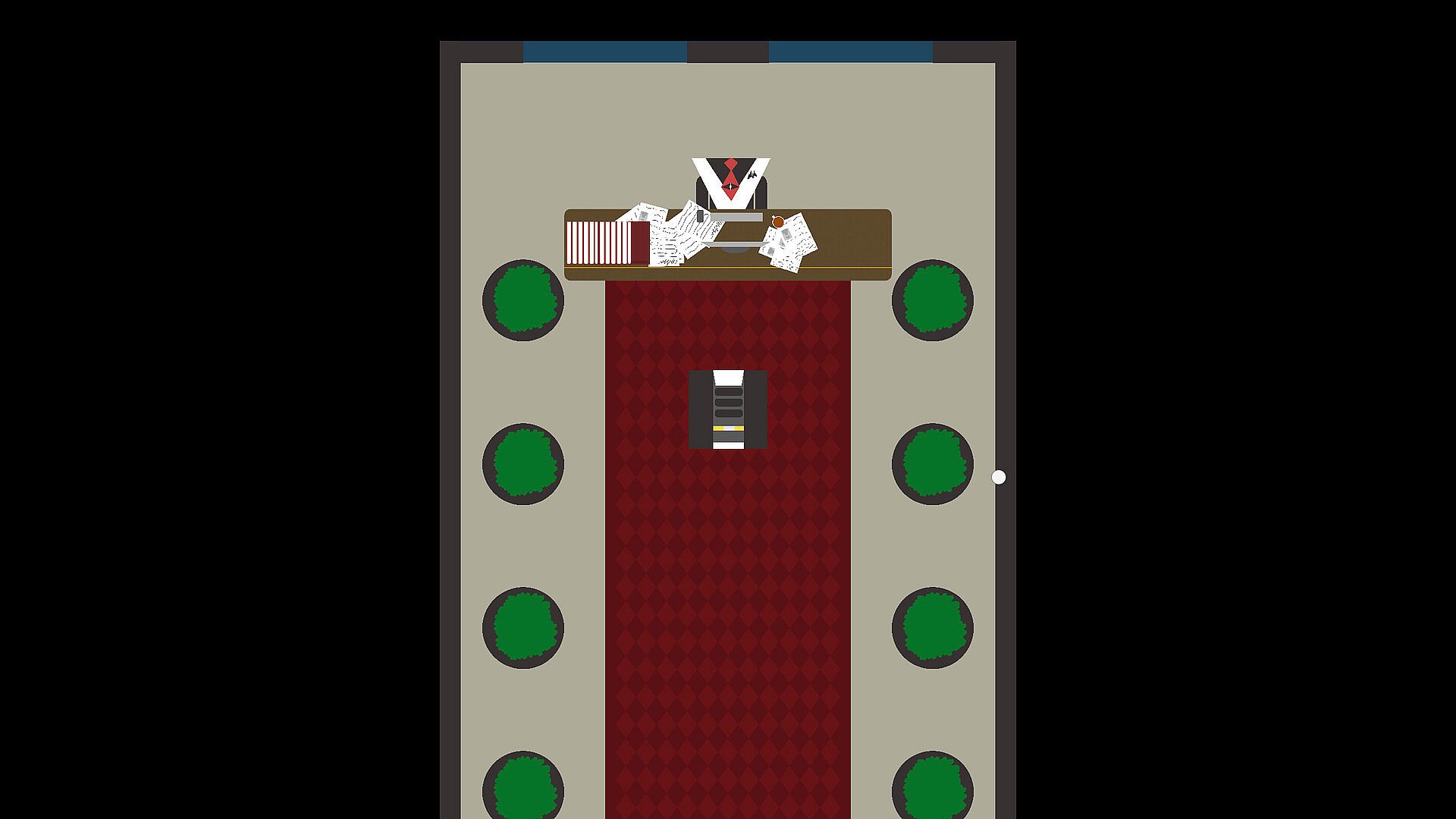
Progression requires reaching the exit door on each floor after dealing with the guards. Success advances the player upward through the building toward the final confrontation. The design keeps focus on short, intense sequences where every decision about movement and targeting carries immediate weight.
Game Modes
Corpo Revenge centers on a linear single-player campaign. Players advance floor by floor in sequence, with no separate multiplayer or competitive options available. The campaign builds toward the top of the building through repeated application of the same core mechanics across varied handcrafted layouts.
Within this structure, the only variation comes from player choices during encounters. These decisions influence the narrative outcome rather than altering the fundamental mode of play. The experience remains consistent as a solo top-down shooter focused on survival and progression through the office tower.
Story and Choices
Martin enters the building with a clear personal motive tied to the loss of his son from the corporation's energy drink. The narrative unfolds through the act of climbing floors and confronting security. Each cleared level brings the player closer to locating the CEO while revealing more about the company's practices.
Actions taken during levels affect the ending. Players decide how to handle situations involving guards and civilians, and these choices determine the final resolution once the top floor is reached. The story remains grounded in the immediate goal of stopping further harm rather than expanding into unrelated subplots.
Visual Style
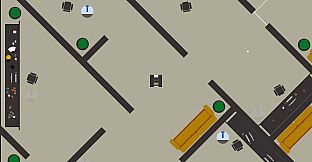
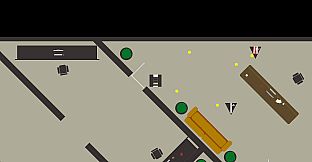
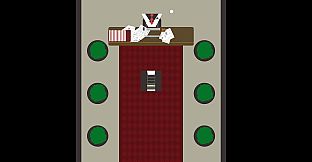
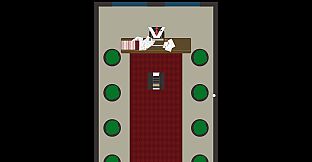
The game uses a simple shape-centric art style rendered in an office-appropriate color palette. Levels rely on clean geometric forms for walls, furniture, and characters instead of detailed textures. This approach keeps the focus on gameplay readability while maintaining a consistent corporate atmosphere across all floors.
Enemies and civilians appear as distinct silhouettes that players can quickly identify. The restrained visual design supports the one-life challenge by making spatial relationships and movement paths easy to parse at a glance.
Is It Worth Playing?
Corpo Revenge suits players who enjoy top-down shooters that prioritize careful planning and immediate consequences over power progression or open exploration. The one-life mechanic on each floor creates tension that rewards learning enemy patterns and level layouts. Because the game is free to play, it offers an accessible entry point for those interested in a short, focused campaign driven by a revenge narrative.
The choice-based ending adds replay value for players who want to experiment with different approaches to the same floors. As a student project, the title delivers a complete single-player experience without additional content layers. Those who appreciate precise top-down combat in confined spaces and stories that react to player decisions will find the mechanics and structure align closely with those preferences.