




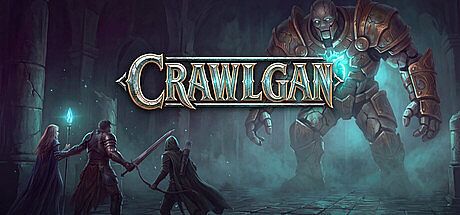


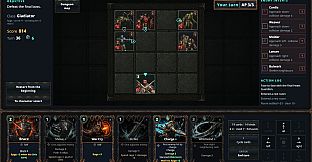
Crawlgan is a turn-based dungeon crawler and roguelike deckbuilder that blends grid-based positioning with card-driven combat on PC. Players navigate tight rooms where every decision involves both card selection and physical placement relative to enemies and hazards. The game emphasizes reading enemy intentions and adapting builds on the fly rather than relying on chance.
Gameplay
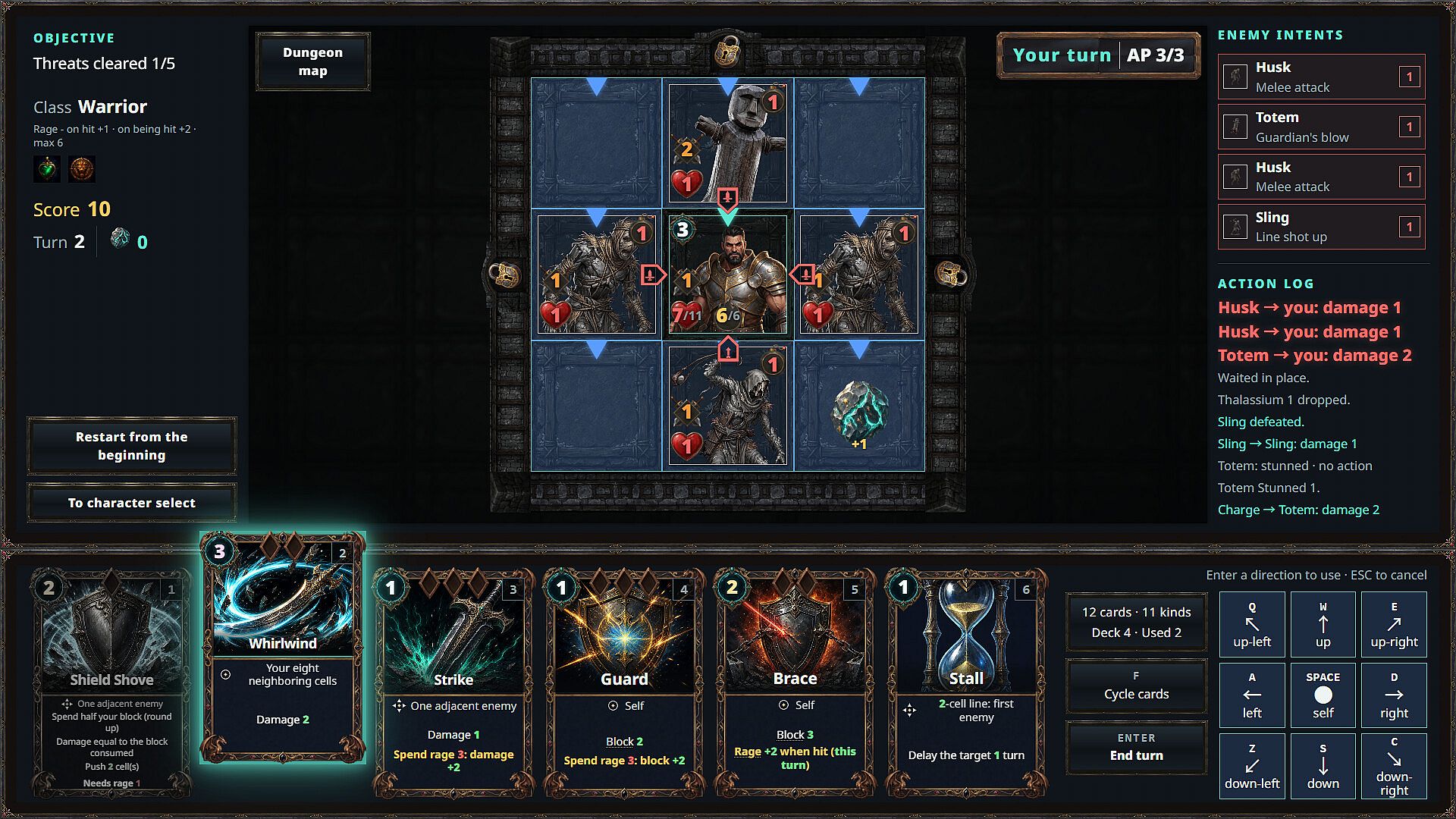
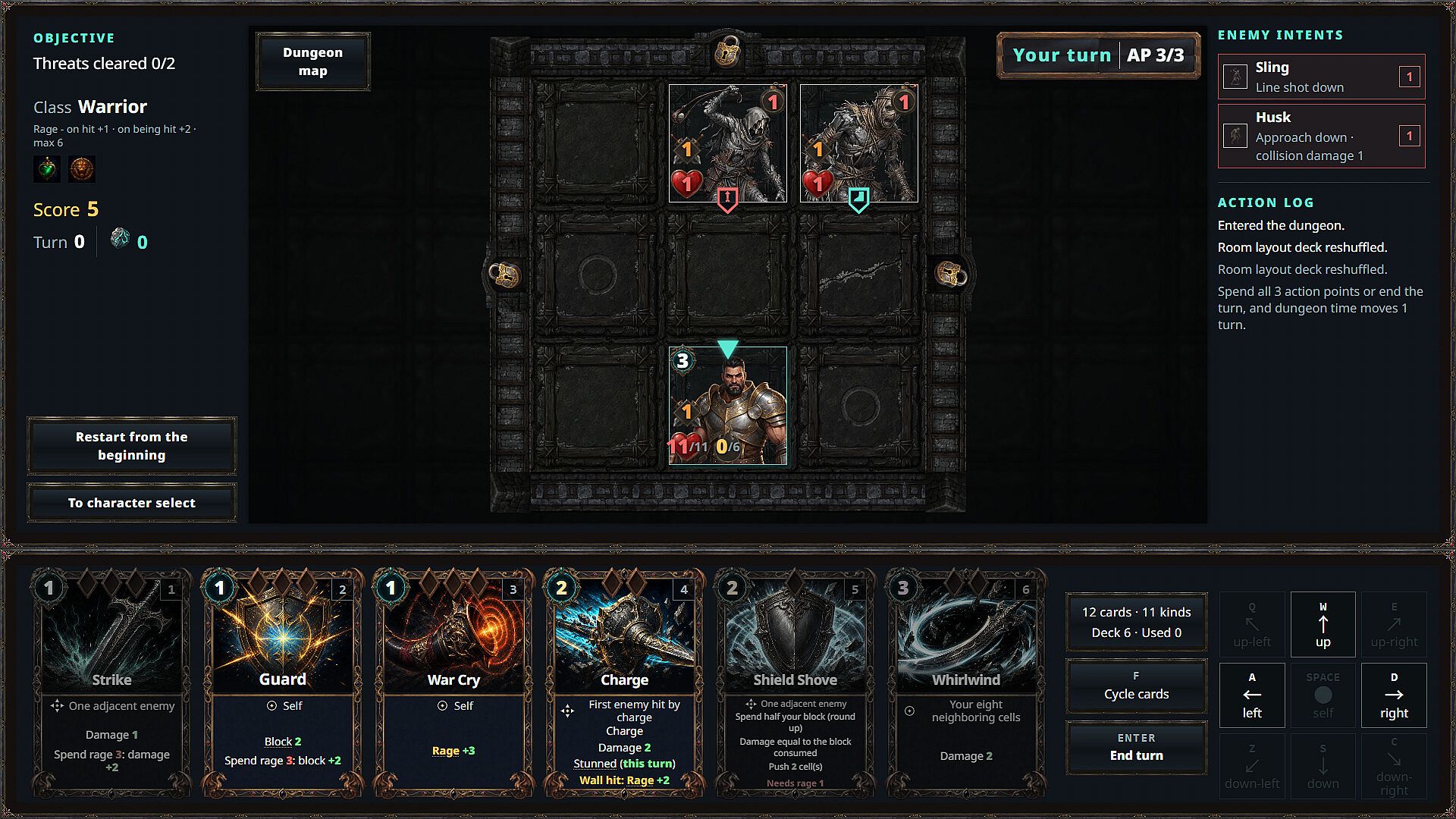
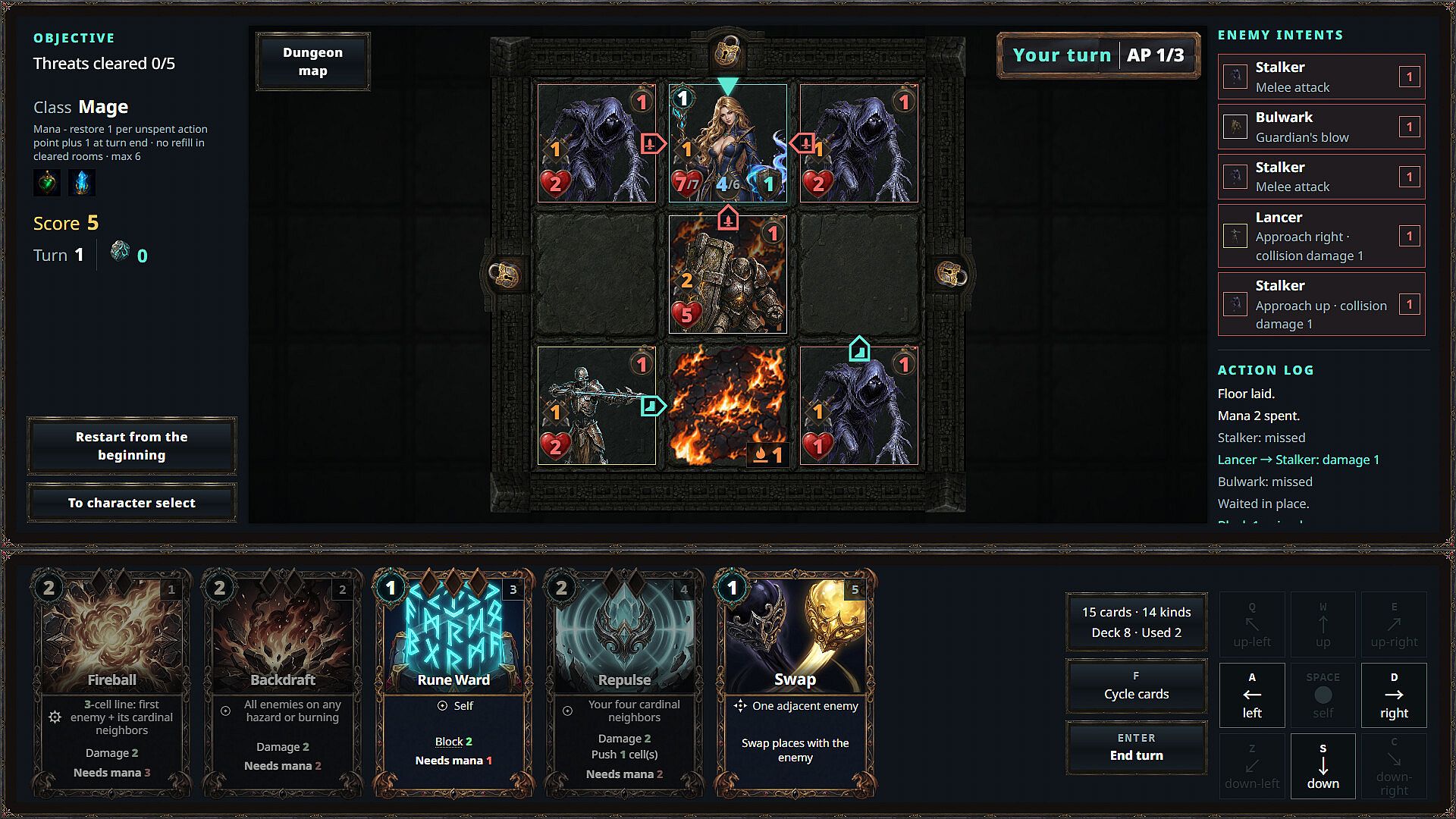
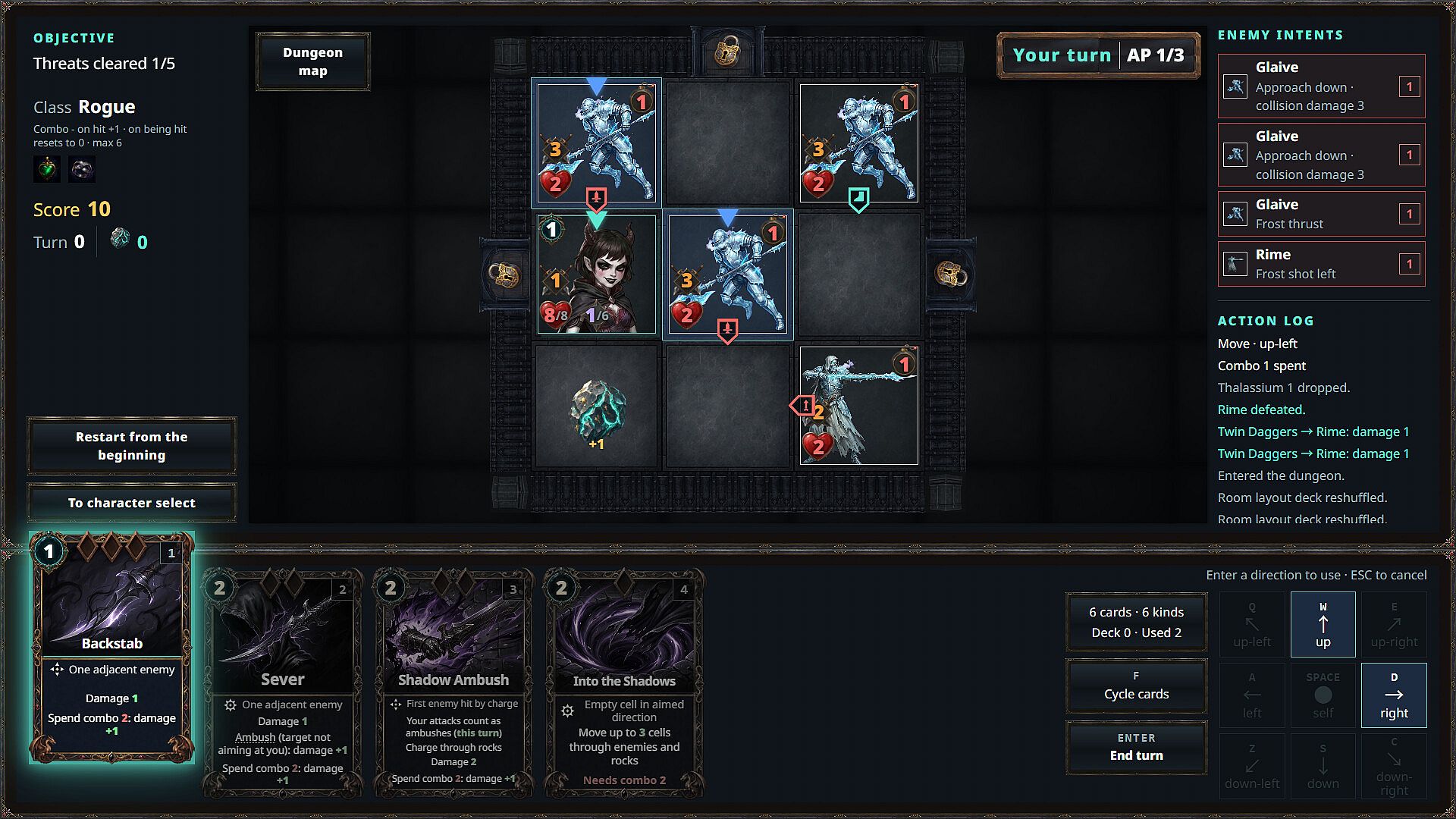
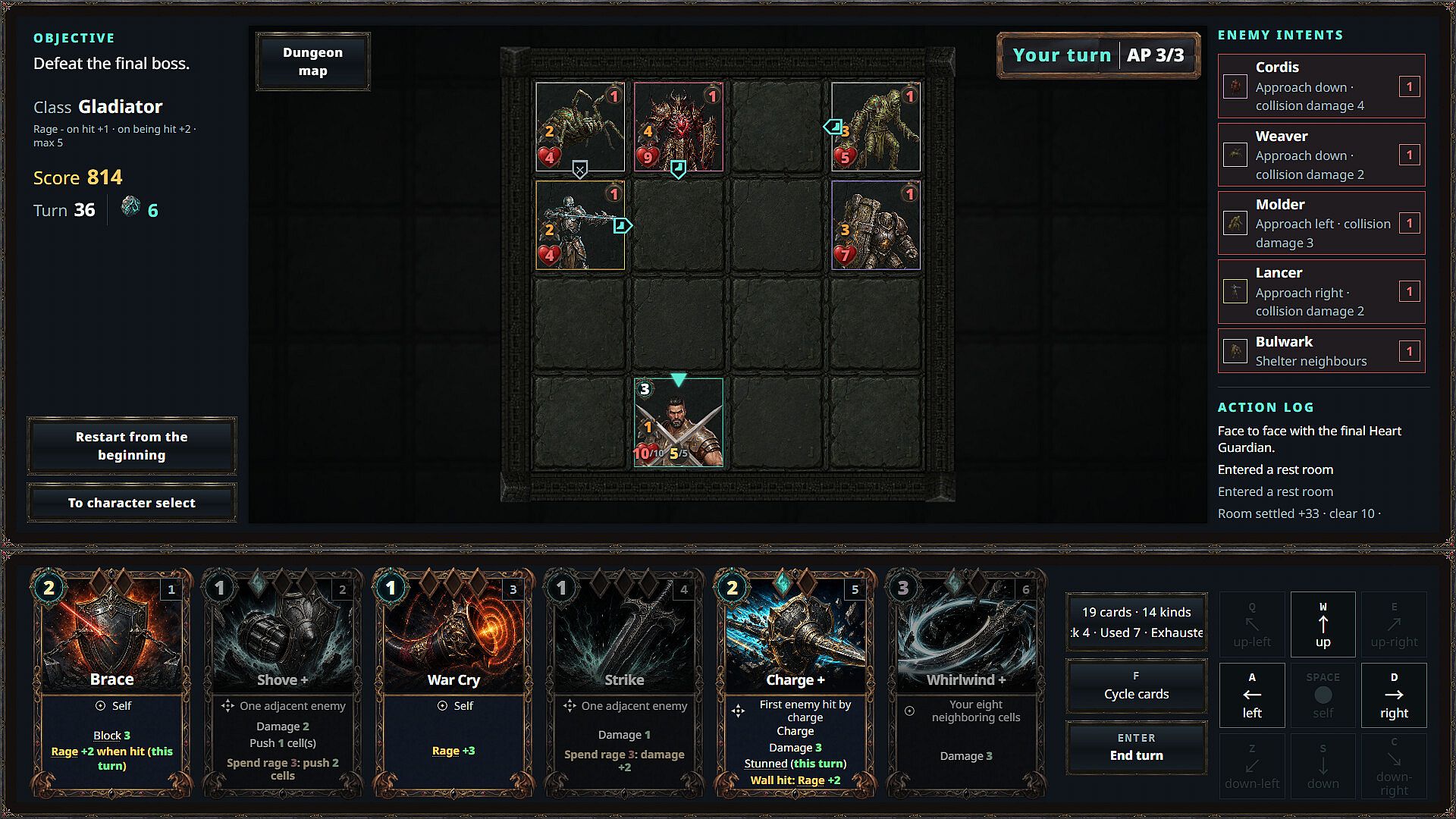
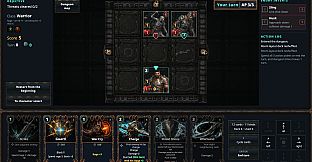
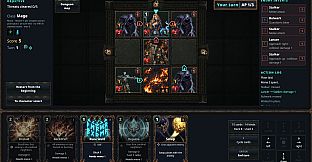
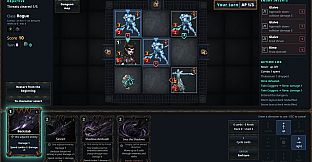
Combat unfolds on small grids where the player and monsters occupy specific cells. Each turn grants three action points that cover movement and card plays. Enemies display their upcoming actions through visible telegraphs, such as arrows indicating projectile paths, highlighted cells for charges, or markers for reinforcements. This system turns encounters into puzzles of anticipation and evasion.
Positioning alters card outcomes dramatically. A single strike card might hit one foe from the flank but multiple targets from the center. Players can push enemies onto traps, use bodies as cover against archers, or align attacks to chain effects across the room. Cards require directional input, rewarding careful movement before committing resources.
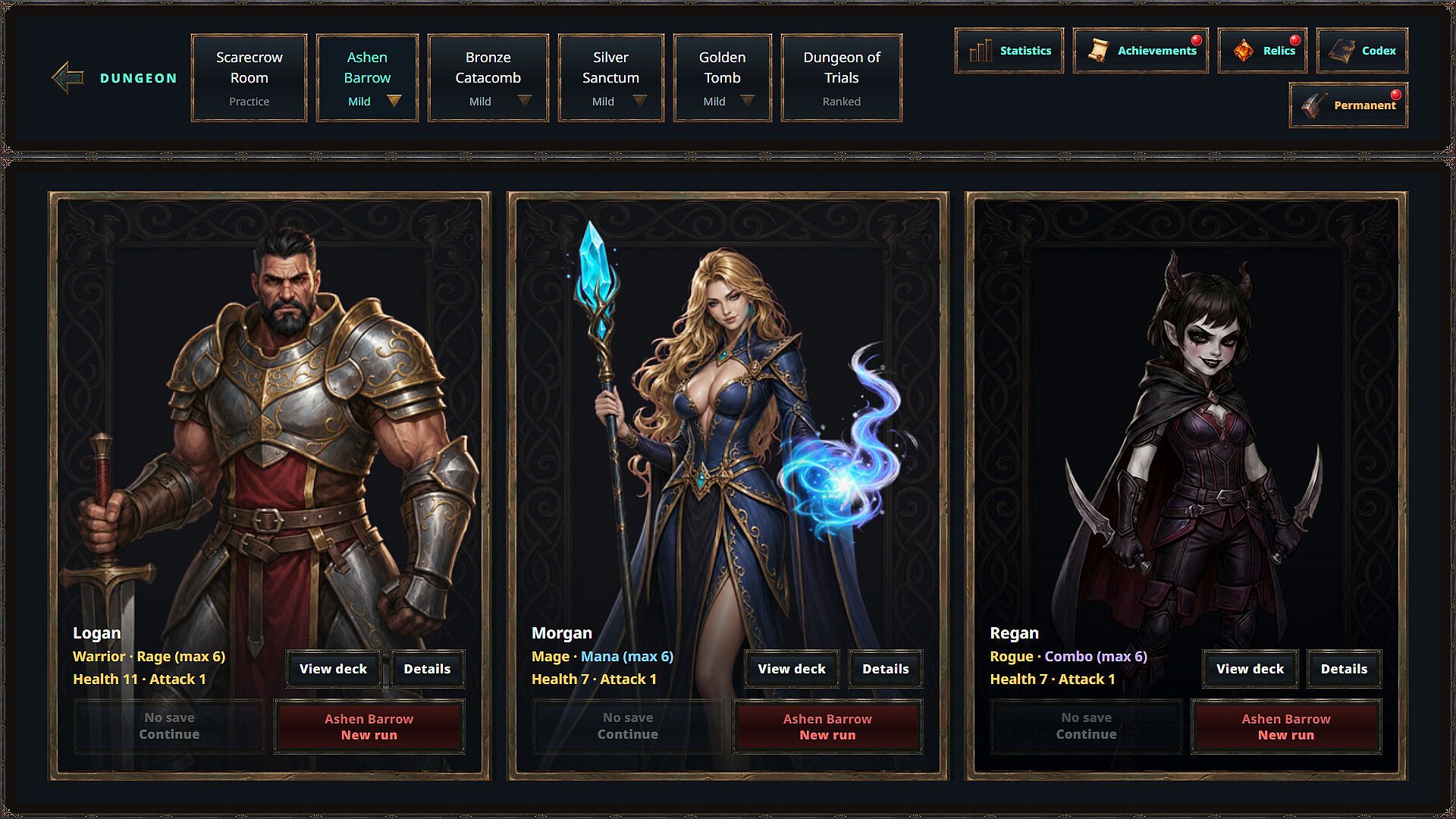
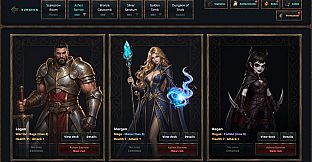
Three base classes define resource management. The Warrior builds Rage through hits taken or dealt. The Mage converts unused action points into Mana. The Rogue accumulates Combo from successive attacks but loses it when struck. These systems shape distinct playstyles from the outset.
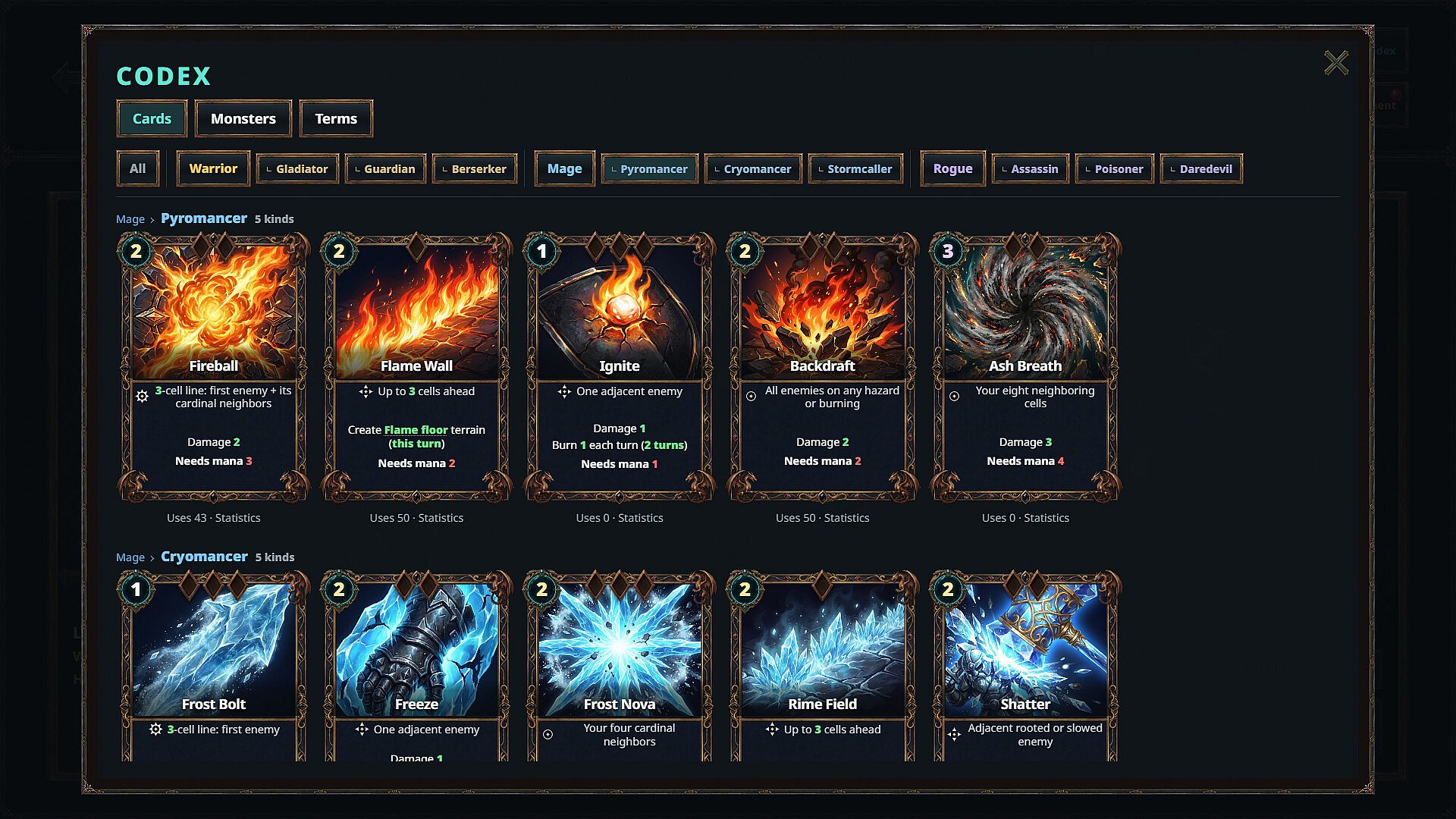
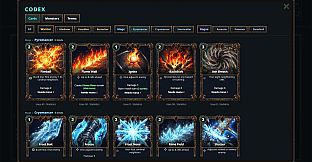
At the Altar of Calling, classes advance into specialized forms mid-run. The Warrior branches into Gladiator, Guardian, or Berserker paths. The Mage advances to Pyromancer, Cryomancer, or Stormcaller. The Rogue unlocks Assassin, Poisoner, or Daredevil options. Each advanced class introduces unique cards and visual changes, allowing runs that begin identically to diverge completely in deck composition and strategy.
Game Modes
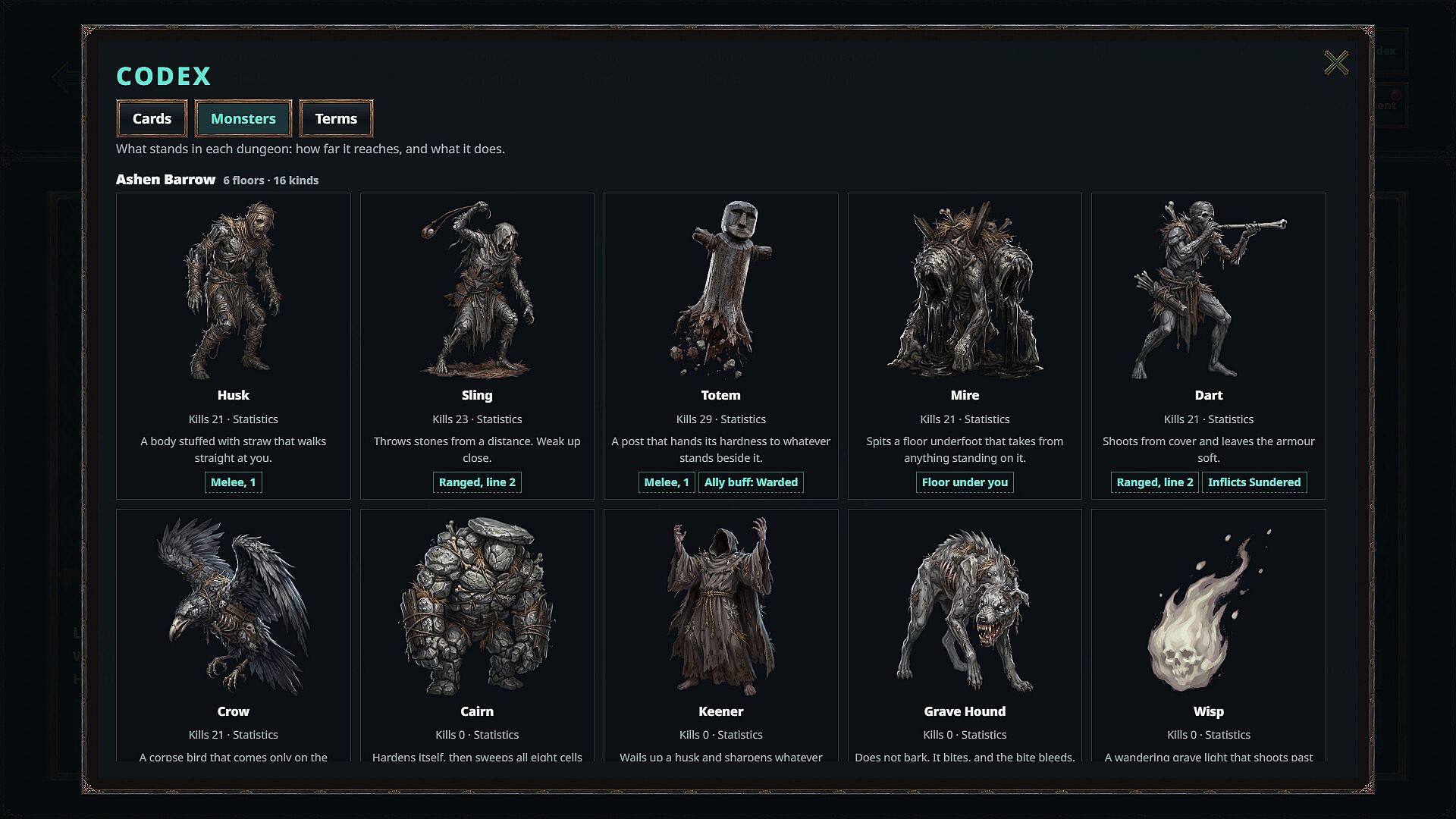
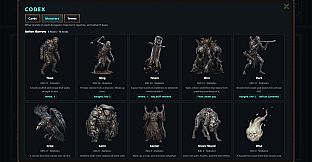
Four distinct dungeons structure progression: Ashen Barrow, Bronze Catacomb, Silver Sanctum, and Golden Tomb. Each features unique monsters, traps, and a mid-dungeon Warden encounter before the final boss. Room layouts, enemy placements, and merchant inventories generate anew each run, while cleared rooms remain accessible for backtracking via the map.
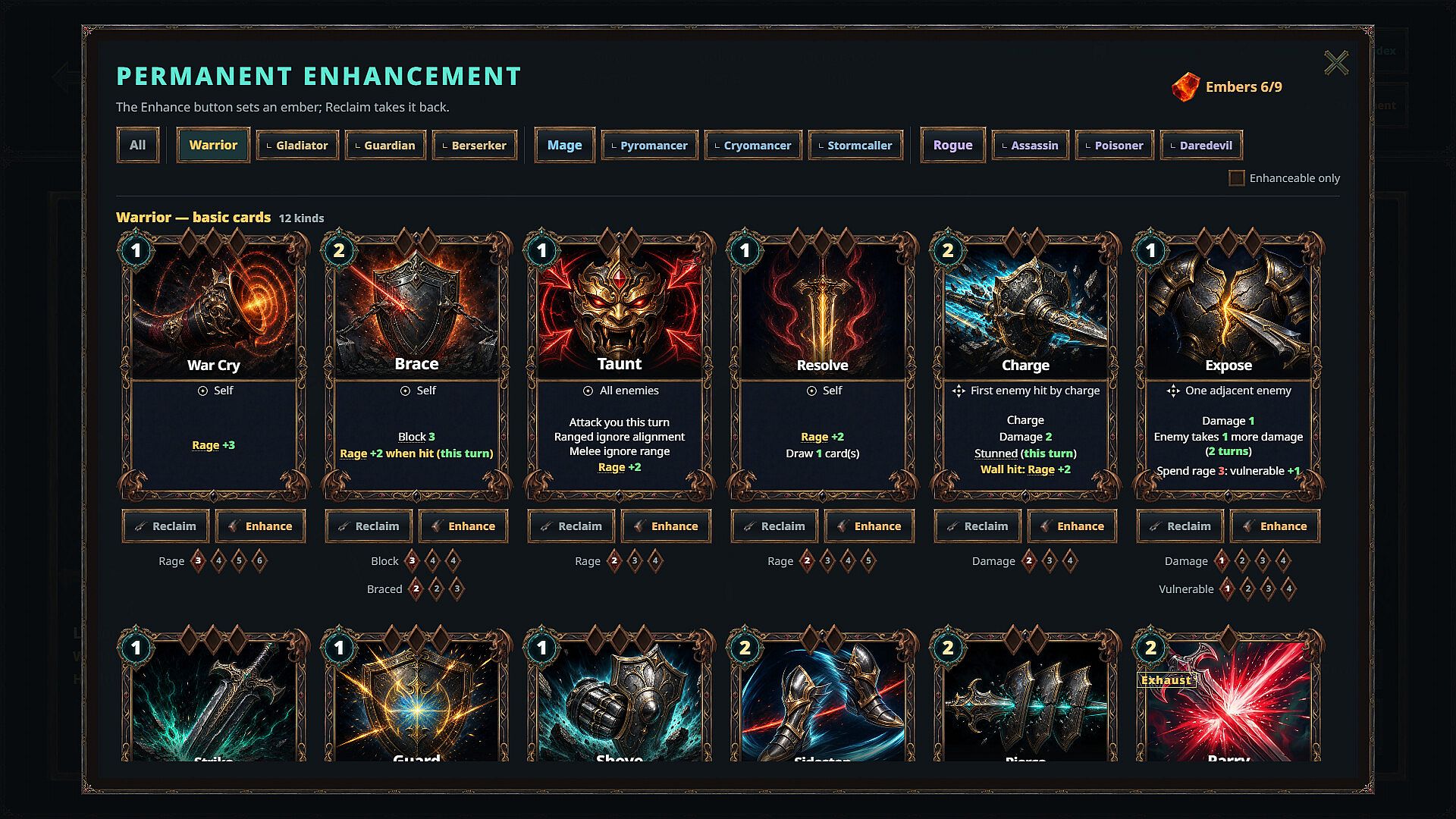
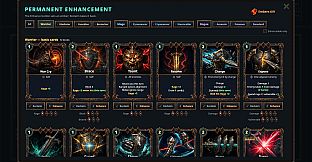
Rest rooms provide consistent services through a Card Merchant, Blacksmith, and Healer. Clearing any dungeon unlocks higher difficulty levels and grants materials for permanent card enhancements. These upgrades can be reassigned between cards at any time.
An endless Dungeon of Trials serves as a high-challenge mode with escalating trials on every floor. Runs save automatically, allowing resumption from the last point. A single-room tutorial covers core systems for newcomers, and codex entries detail cards, monsters, and mechanics alongside play statistics.
Class Advancement and Build Variety
Advancement occurs inside the dungeon rather than between runs, encouraging situational adaptation. A Warrior might shift toward defensive Guardian play in a trap-heavy area or aggressive Berserker tactics against clustered foes. Each of the twelve total classes carries dedicated card pools, creating substantial replay depth across the three starting options.
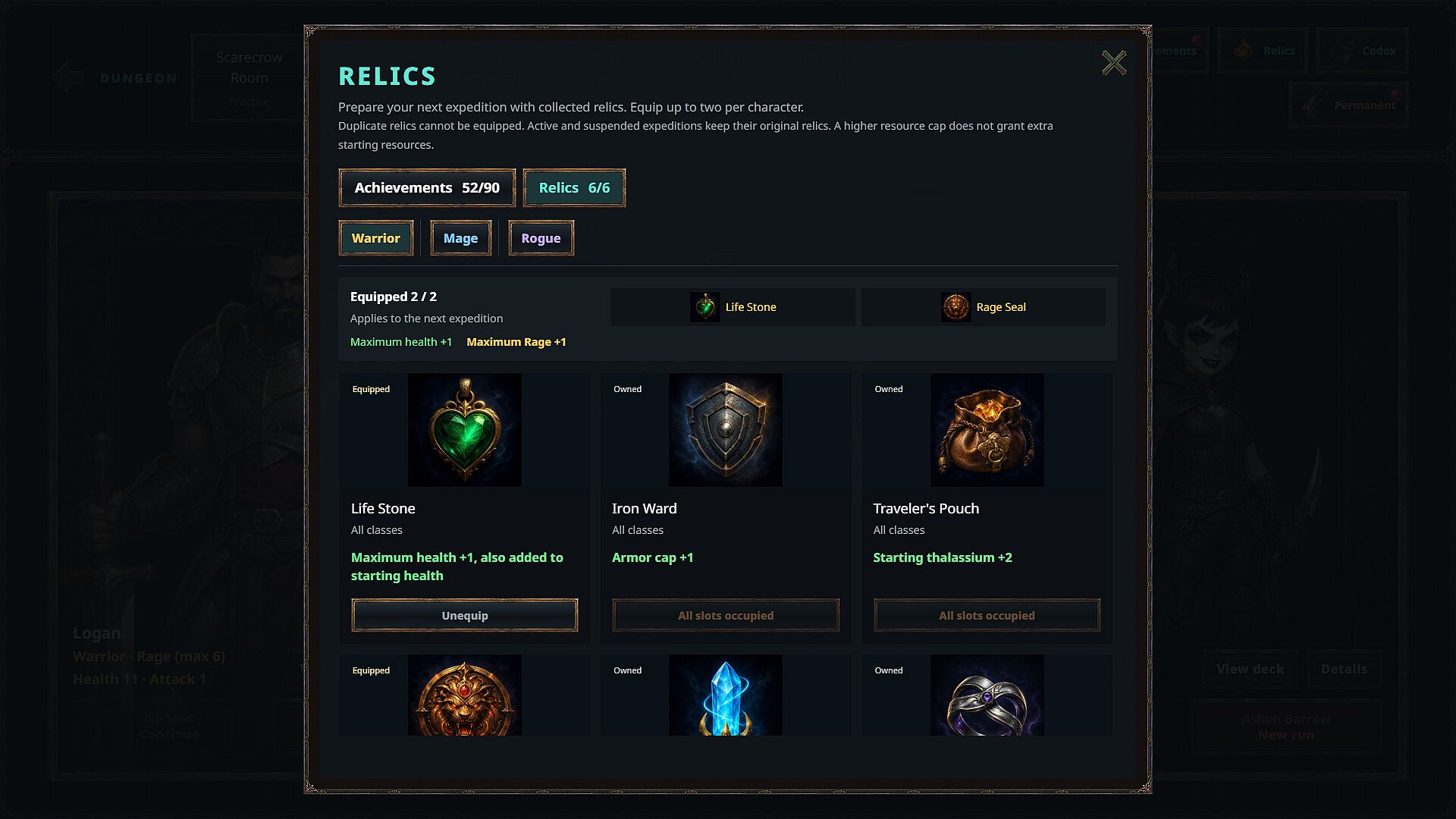
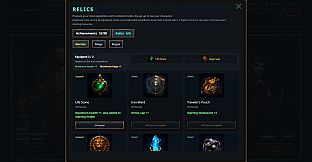
Two Relics equip per class, earned via achievements. These provide additional strategic layers without altering core resource loops. Materials from dungeon clears enhance cards permanently, supporting experimentation across multiple attempts.
Is It Worth Playing?
Crawlgan suits players who enjoy deliberate, positioning-focused strategy in roguelike formats. The telegraph and grid mechanics reward observation and planning over rapid reflexes, while mid-run class changes add meaningful variety without requiring full restarts. Four dungeons with five difficulty tiers plus the endless mode provide clear progression goals for those seeking repeated attempts and optimization.
The single-player focus and save system make it accessible for shorter or interrupted sessions. A comprehensive tutorial and codex lower the barrier for genre newcomers. With a demo covering the Warrior through the first two dungeons scheduled for release in Q4 2026, interested players can test the core loop before the full set of classes and content arrives in H1 2027.











