

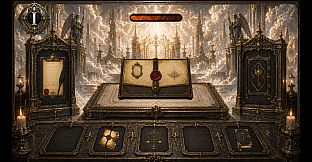

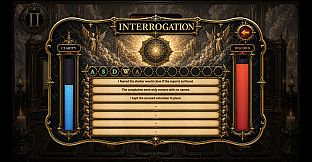
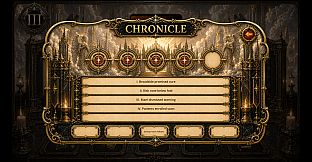
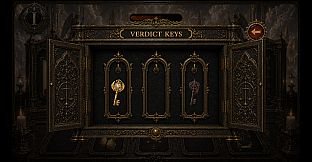

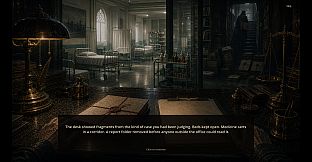
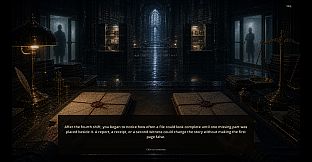

Department of Final Judgment est un jeu d'aventure et de simulation indépendant sur PC où le joueur incarne un fonctionnaire de l'au-delà chargé de juger les âmes récemment décédées. Après une mission de livraison qui tourne mal, le protagoniste se retrouve à un poste de bureau où chaque dossier retrace une vie humaine tout entière, faite de choix et de conséquences. L'expérience solo repose sur l'examen minutieux de documents, d'indices matériels et de témoignages, le tout sous des règlements quotidiens qui changent et modifient la façon de rendre chaque verdict.
Gameplay
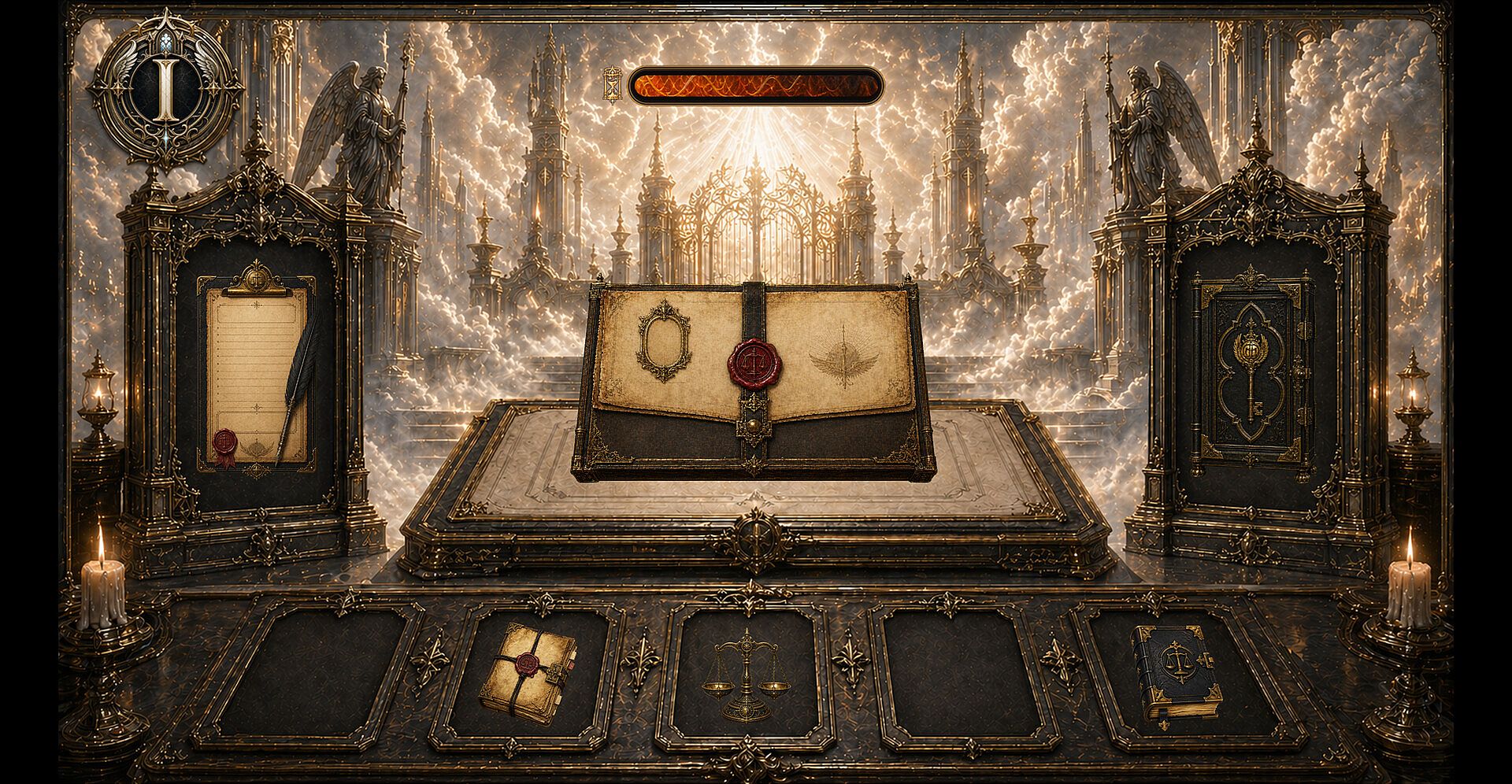
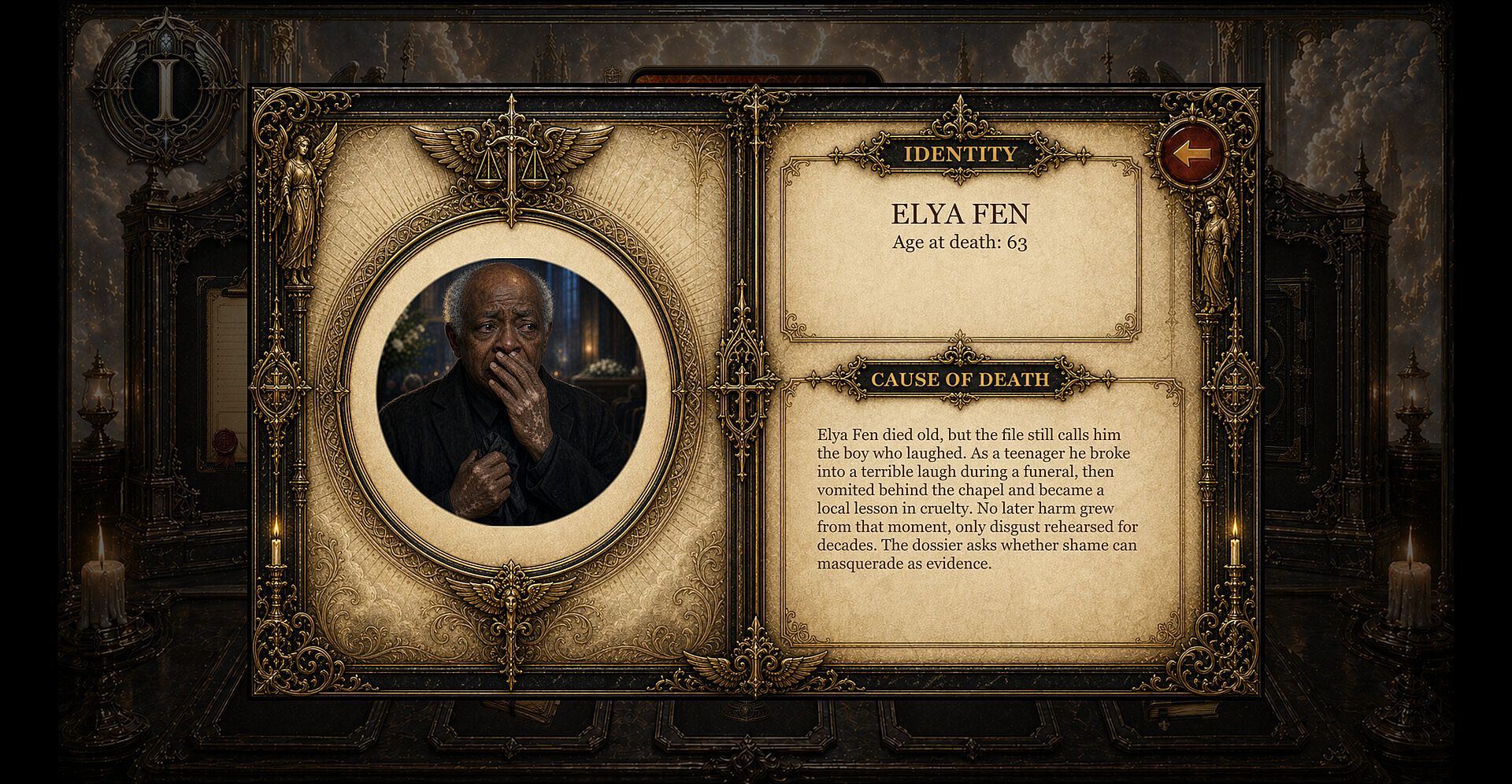
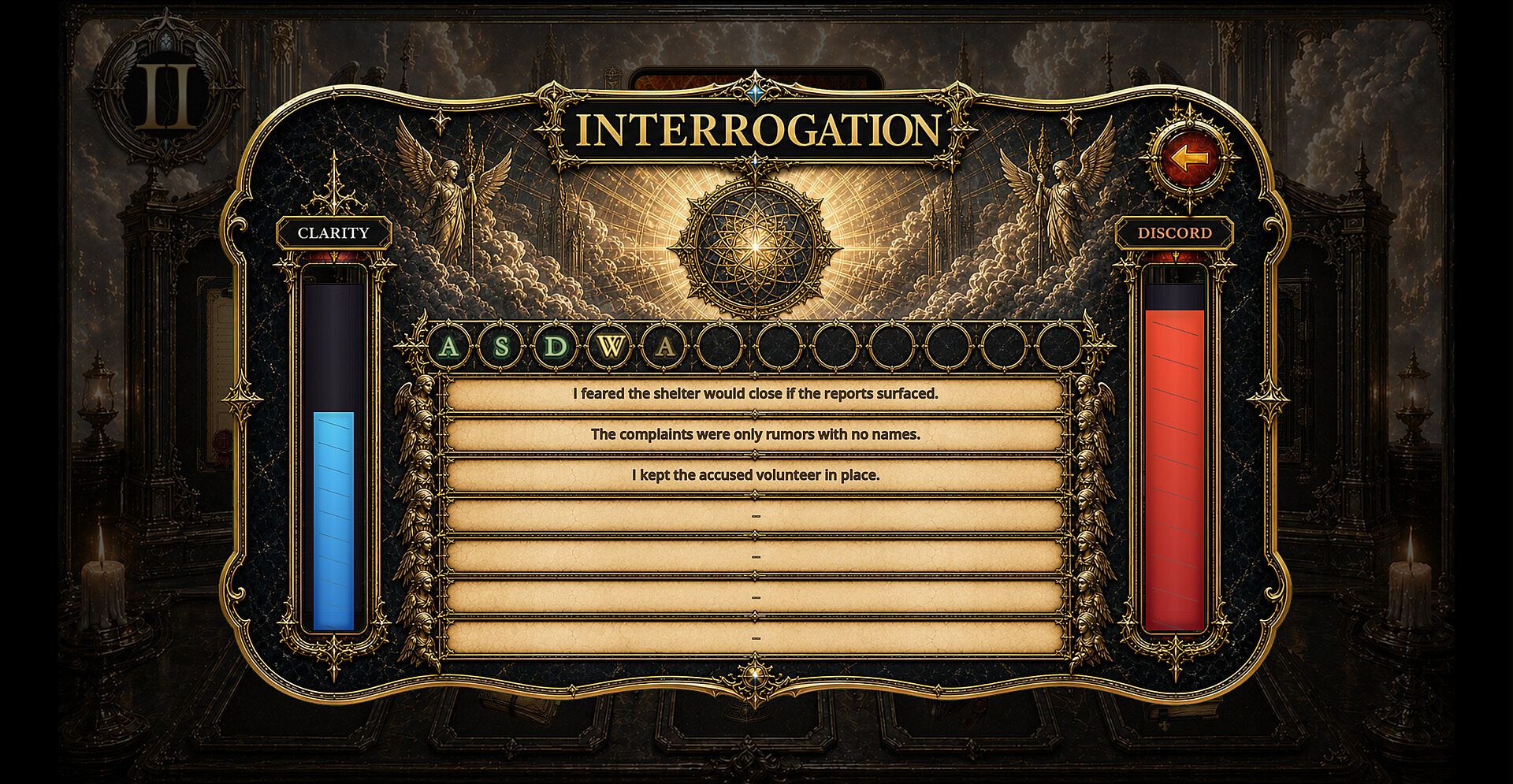
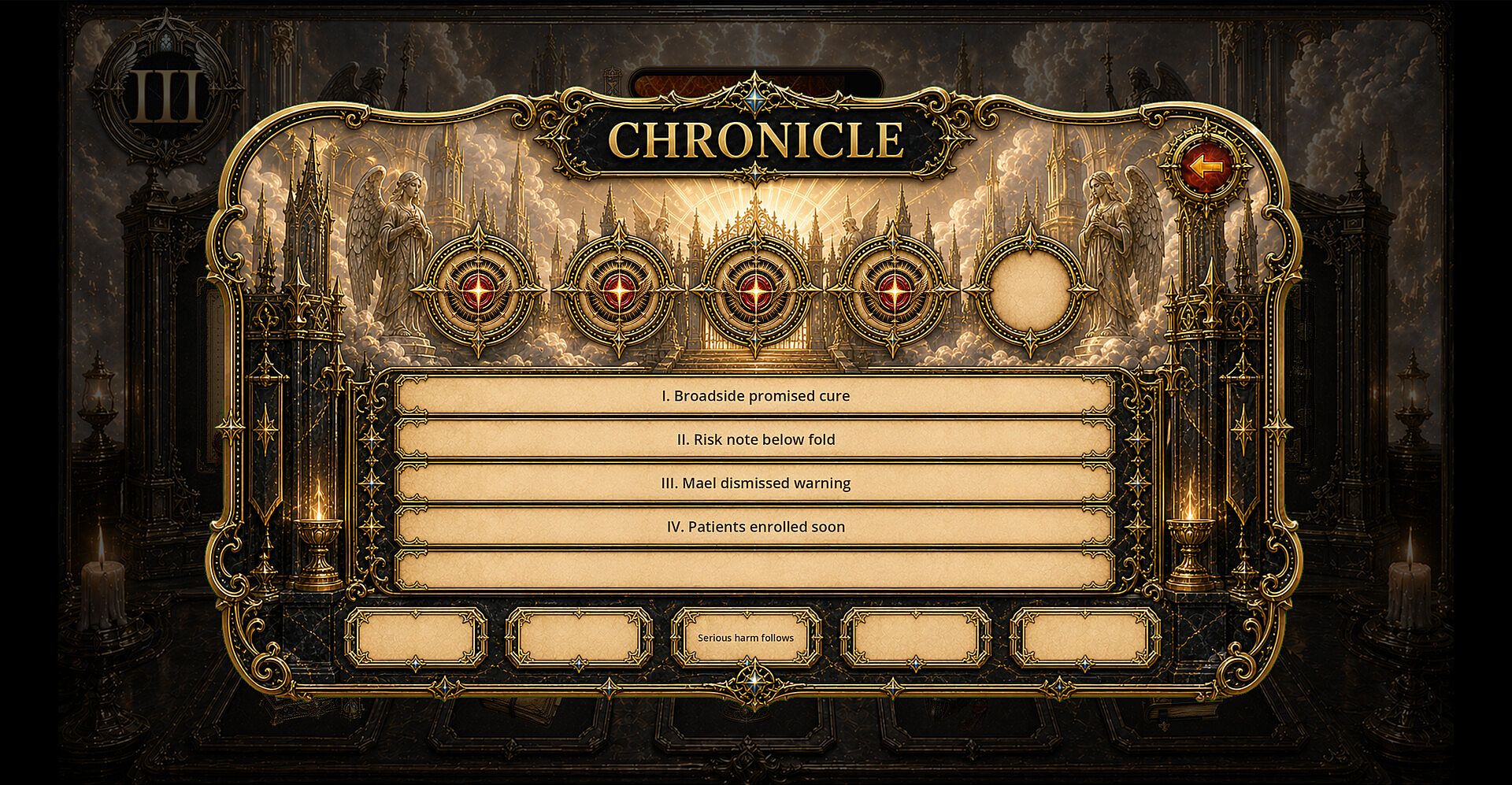
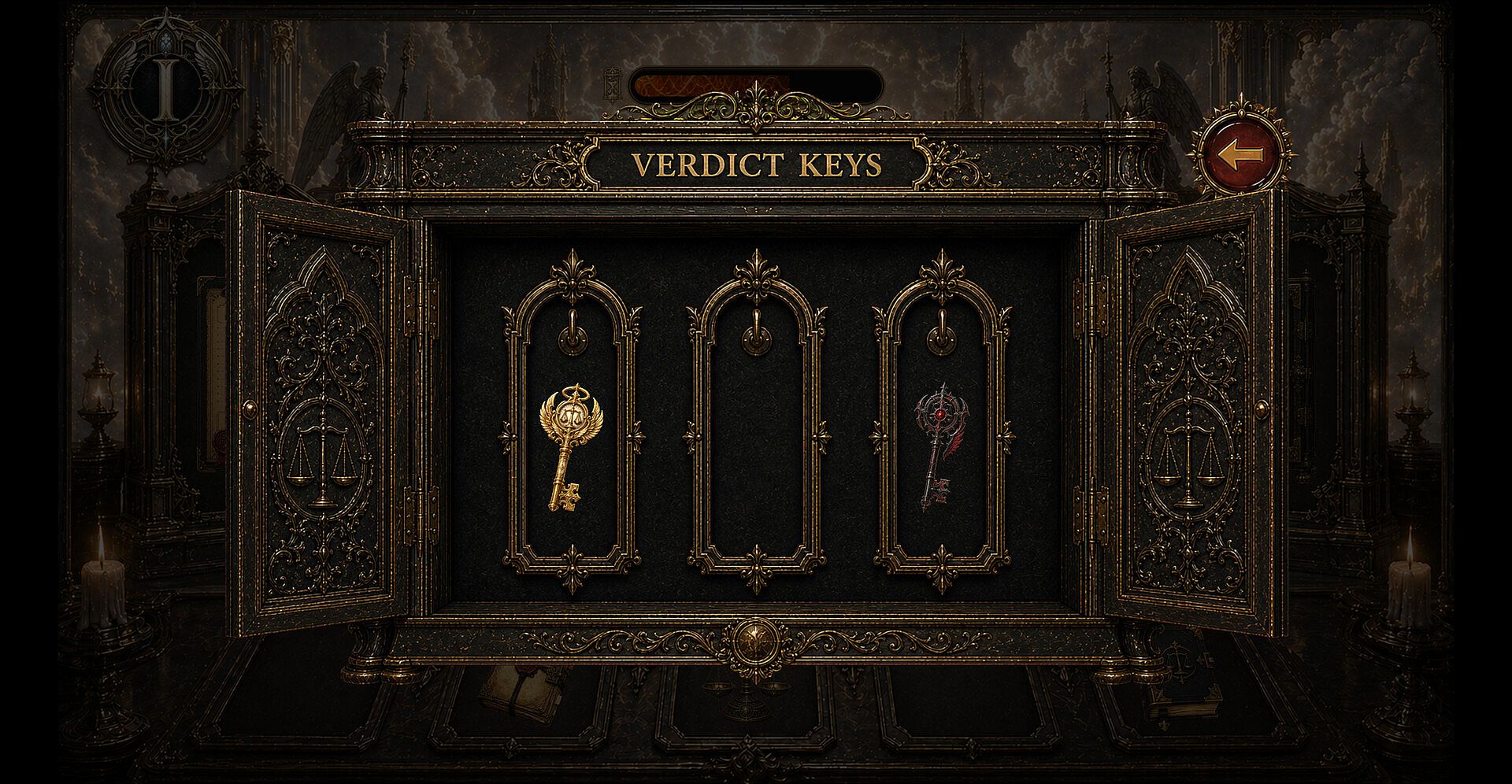
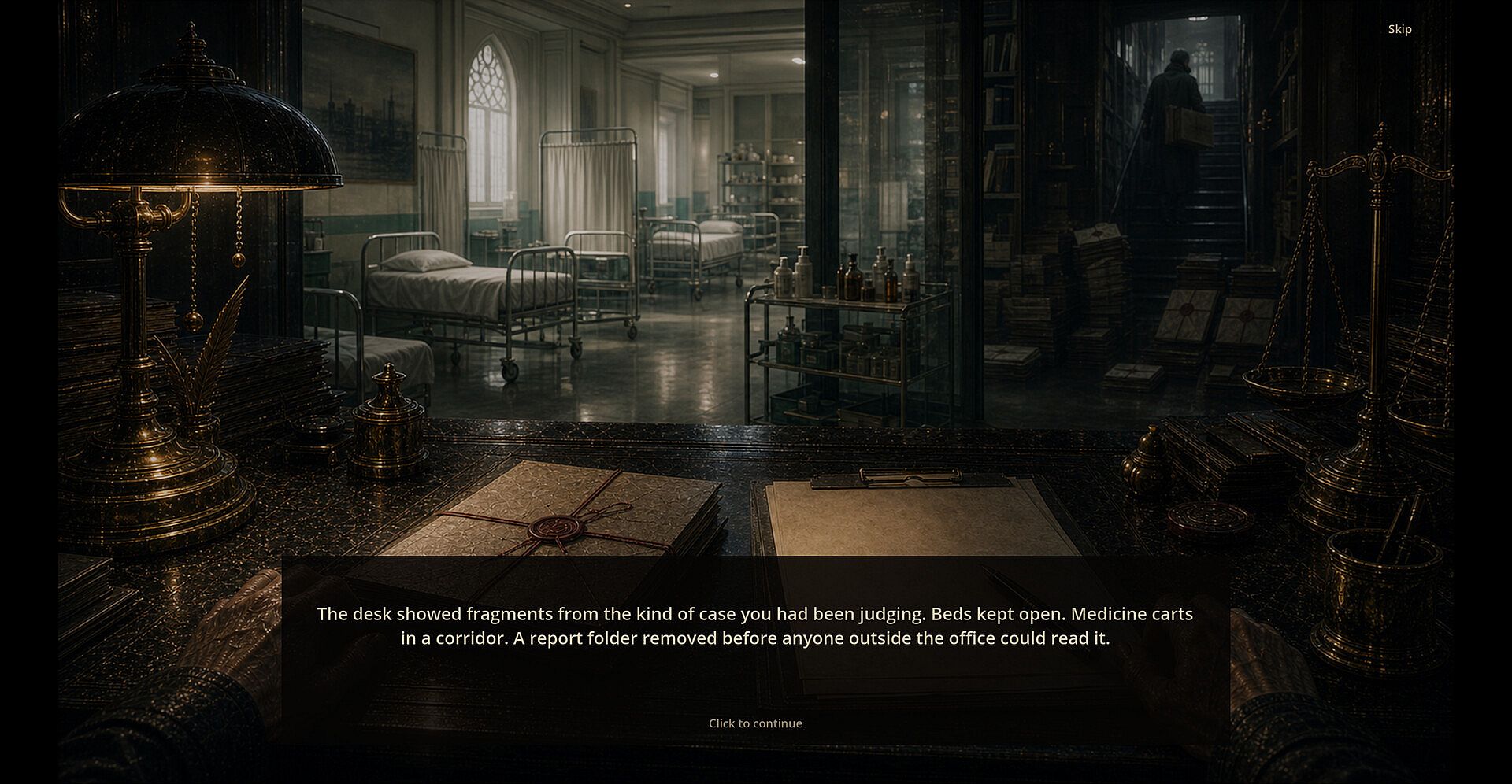
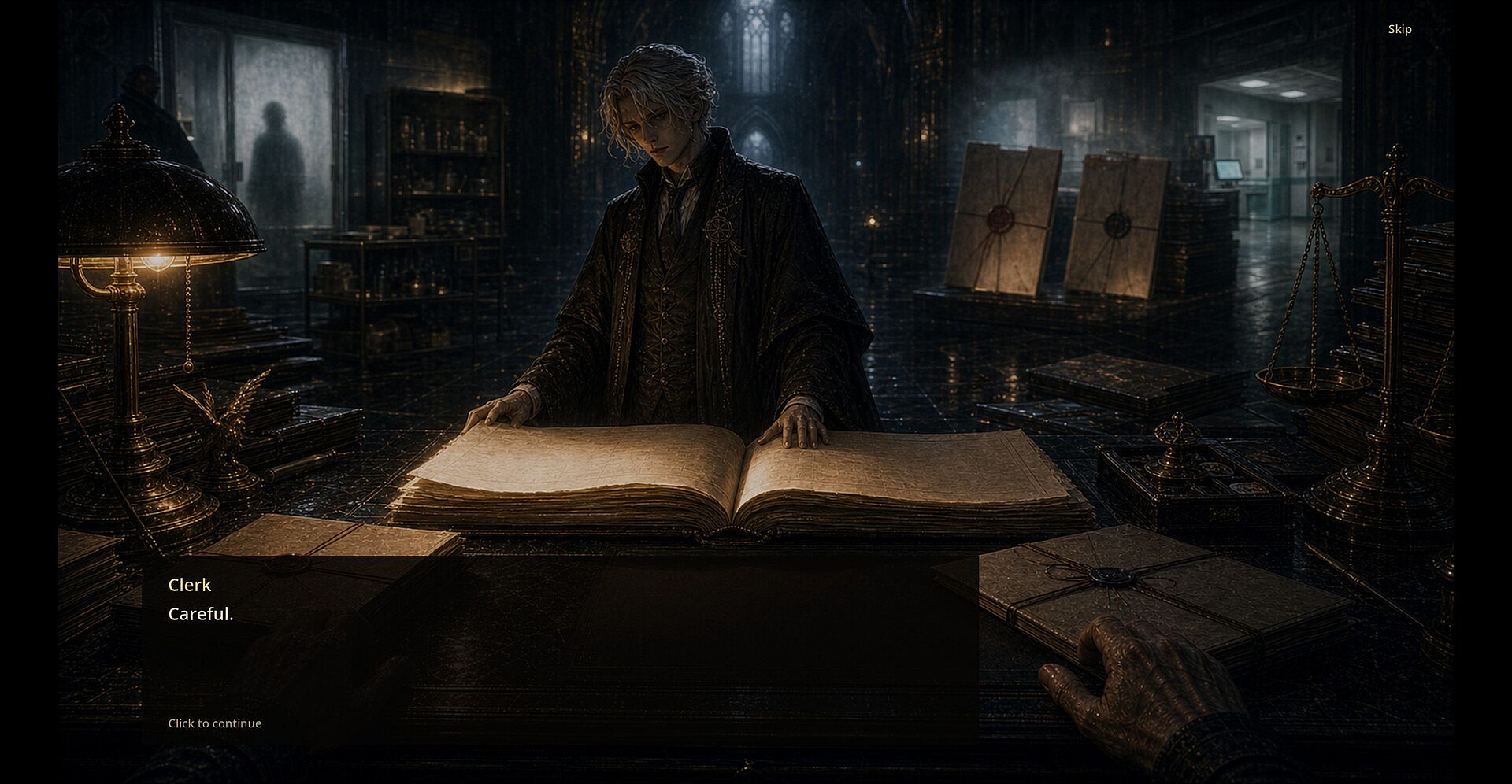
Le cœur du jeu consiste à traiter des affaires depuis un poste de travail dédié. Le joueur parcourt les dossiers qui retracent le passé, les motivations et les événements marquants de chaque défunt. Les preuves doivent être confrontées aux déclarations des témoins ou des âmes elles-mêmes. Chaque jour, les règles qui encadrent les preuves admissibles ou les critères de jugement évoluent, obligeant à s'adapter en permanence pour éviter les erreurs qui pourraient fausser le verdict. La pression monte au fil du service, obligeant à décider si une âme mérite le Paradis ou sera envoyée en Enfer. Les aspects de simulation se manifestent dans la gestion procédurale des dossiers et dans l'équilibre à trouver entre une enquête approfondie et le respect des délais.
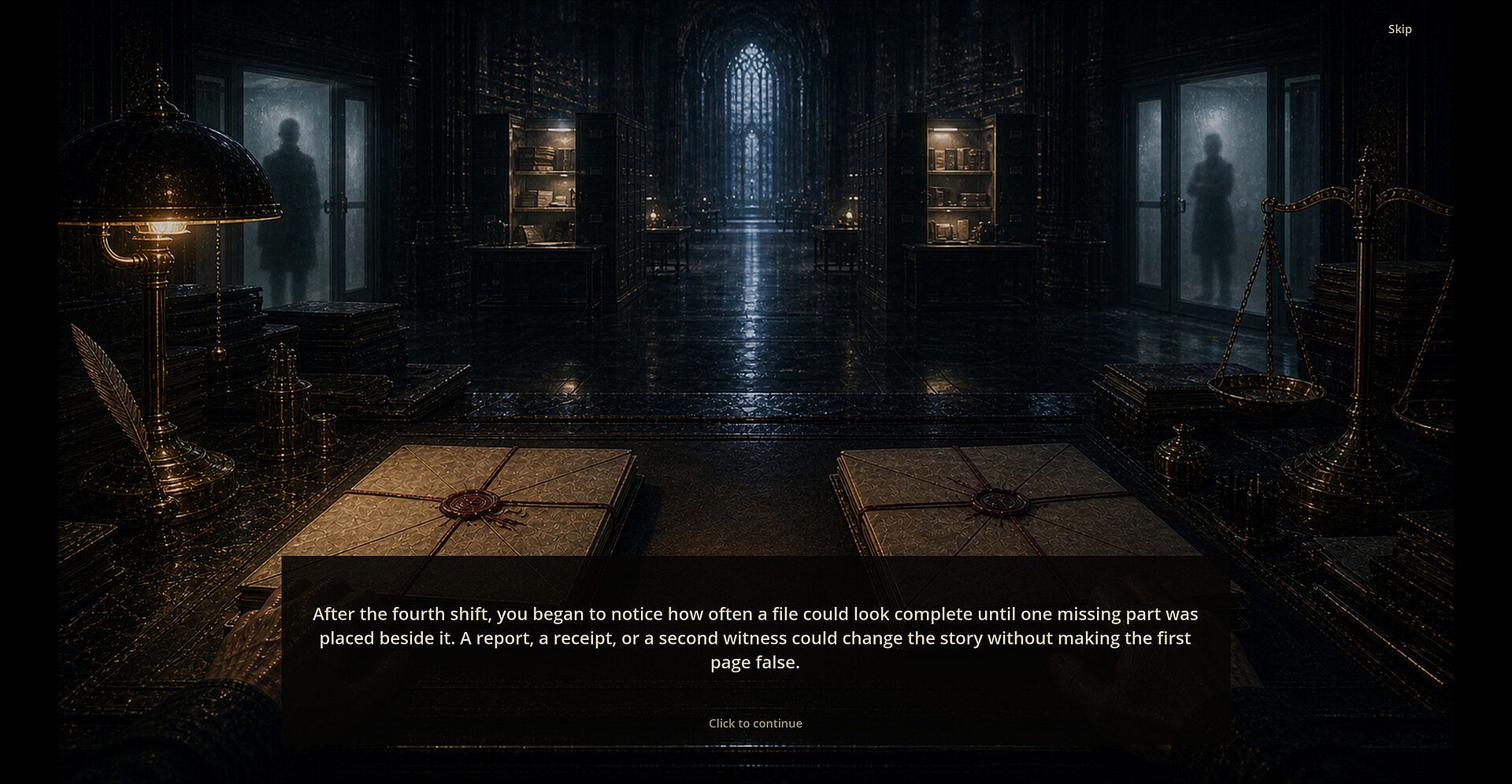
L'aspect aventure se révèle progressivement à travers les liens cachés qui apparaissent entre les différentes affaires. Les incohérences dans les dossiers ou les recoupements entre vies poussent à creuser davantage. Le passé du protagoniste refait surface par fragments, ajoutant un enjeu personnel aux tâches administratives. Toutes les interactions restent centrées sur le processus de jugement, sans exploration ni combat.
Game Modes
Le jeu se joue exclusivement en solo et suit une structure séquentielle de traitement des dossiers. Chaque session repose sur les mêmes étapes : lecture des fichiers, analyse des preuves et rendu du jugement. La variété vient des règles qui changent d'un jour à l'autre. Il n'existe ni mode compétitif, ni coopération, ni multijoueur, ni autres styles de jeu annoncés. La progression s'effectue en terminant les services et en découvrant les fils narratifs qui relient les affaires, plutôt que par des modes ou des niveaux de difficulté distincts.
Narrative and Themes
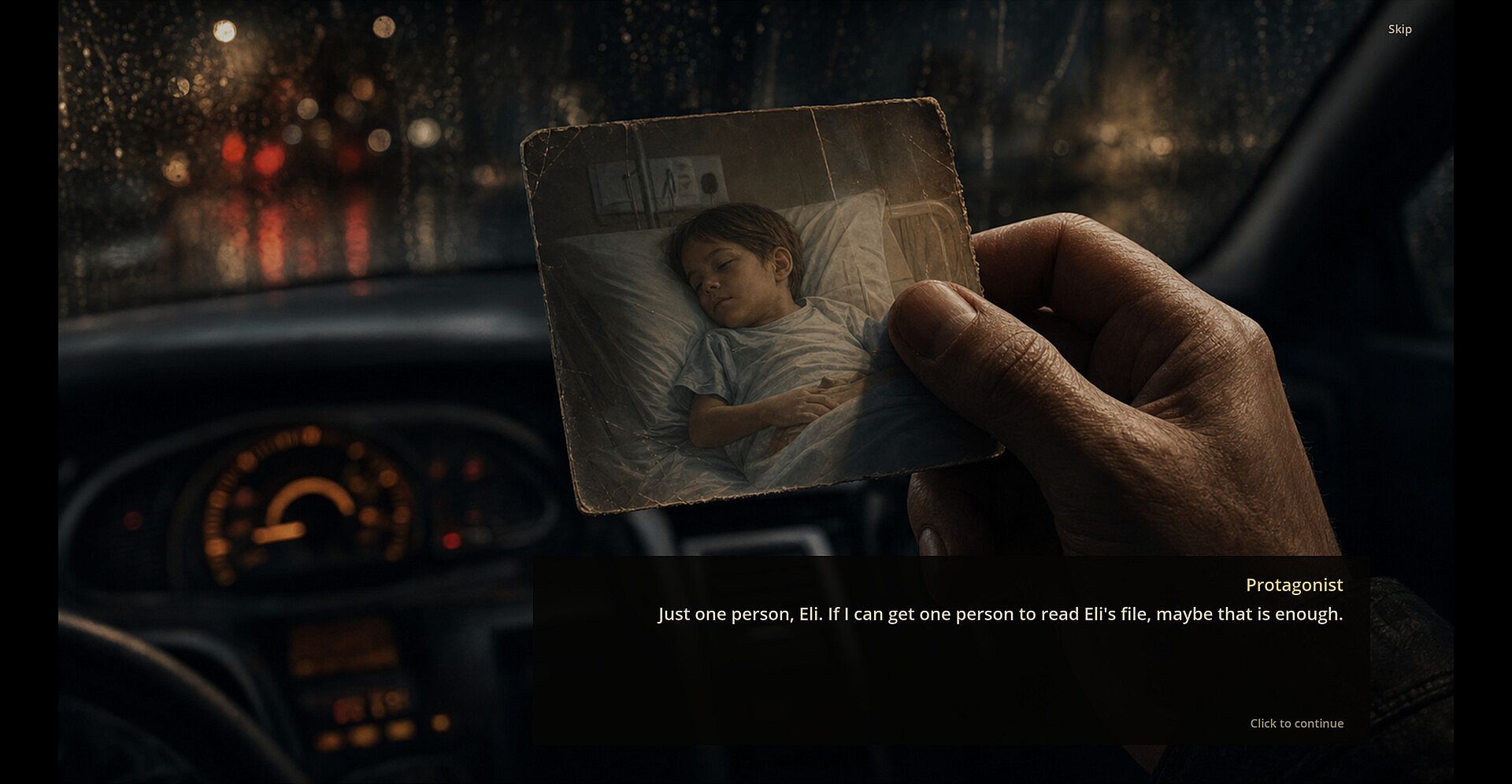
Chaque dossier met en lumière des décisions personnelles difficiles et leurs répercussions. Le joueur est confronté à des récits marqués par le regret, le sacrifice, la tromperie ou la rédemption. Le processus de jugement lui-même devient un prisme pour explorer l'ambiguïté morale, car les mêmes faits peuvent aboutir à des conclusions différentes selon les règles en vigueur. La motivation du protagoniste à sauver son enfant reste un fil conducteur discret qui influence la façon d'aborder les dossiers au fil du temps. Le décor se limite au Département, renforçant le ton bureaucratique et introspectif.
Is It Worth Playing?
Department of Final Judgment s'adresse aux joueurs qui apprécient les simulations narratives et les jeux d'aventure centrés sur l'investigation et la prise de décision. L'accent mis sur la lecture de documents, l'évaluation des témoignages et l'adaptation à de nouvelles contraintes convient à ceux qui préfèrent un rythme posé plutôt qu'une action rapide. En tant que titre non encore sorti, sans avis de joueurs ni mises à jour finales disponibles, son attrait repose sur la solidité de son concept et de son écriture. Les amateurs d'expériences riches en histoire, de choix éthiques et de systèmes procéduraux pourraient y trouver leur compte après le lancement, surtout s'ils privilégient la profondeur solo plutôt que le multijoueur ou les contenus saisonniers. Ceux qui recherchent une sortie immédiate ou une communauté établie devraient suivre l'avancement du projet avant de s'engager.