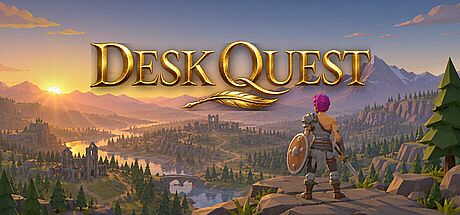


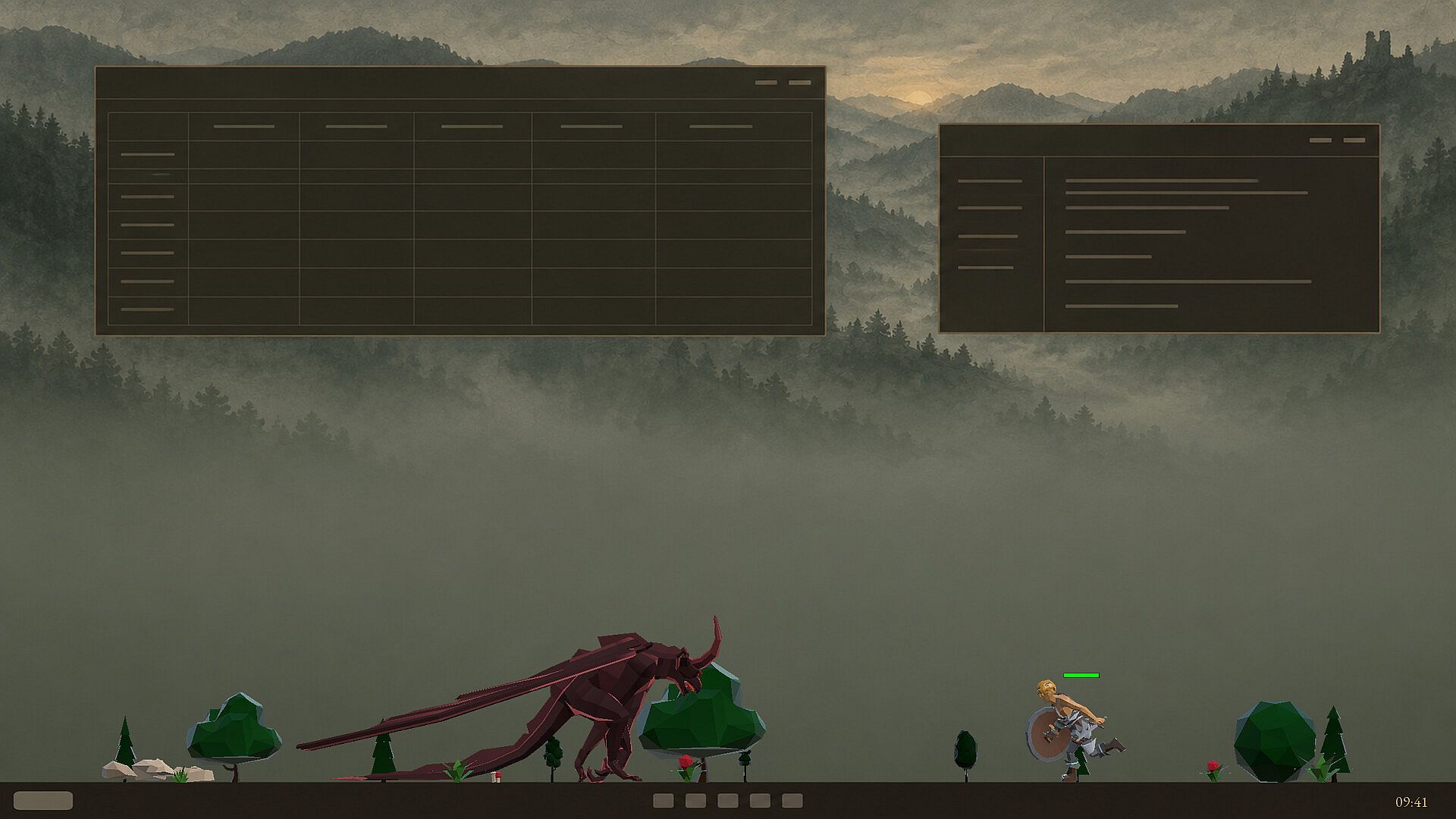
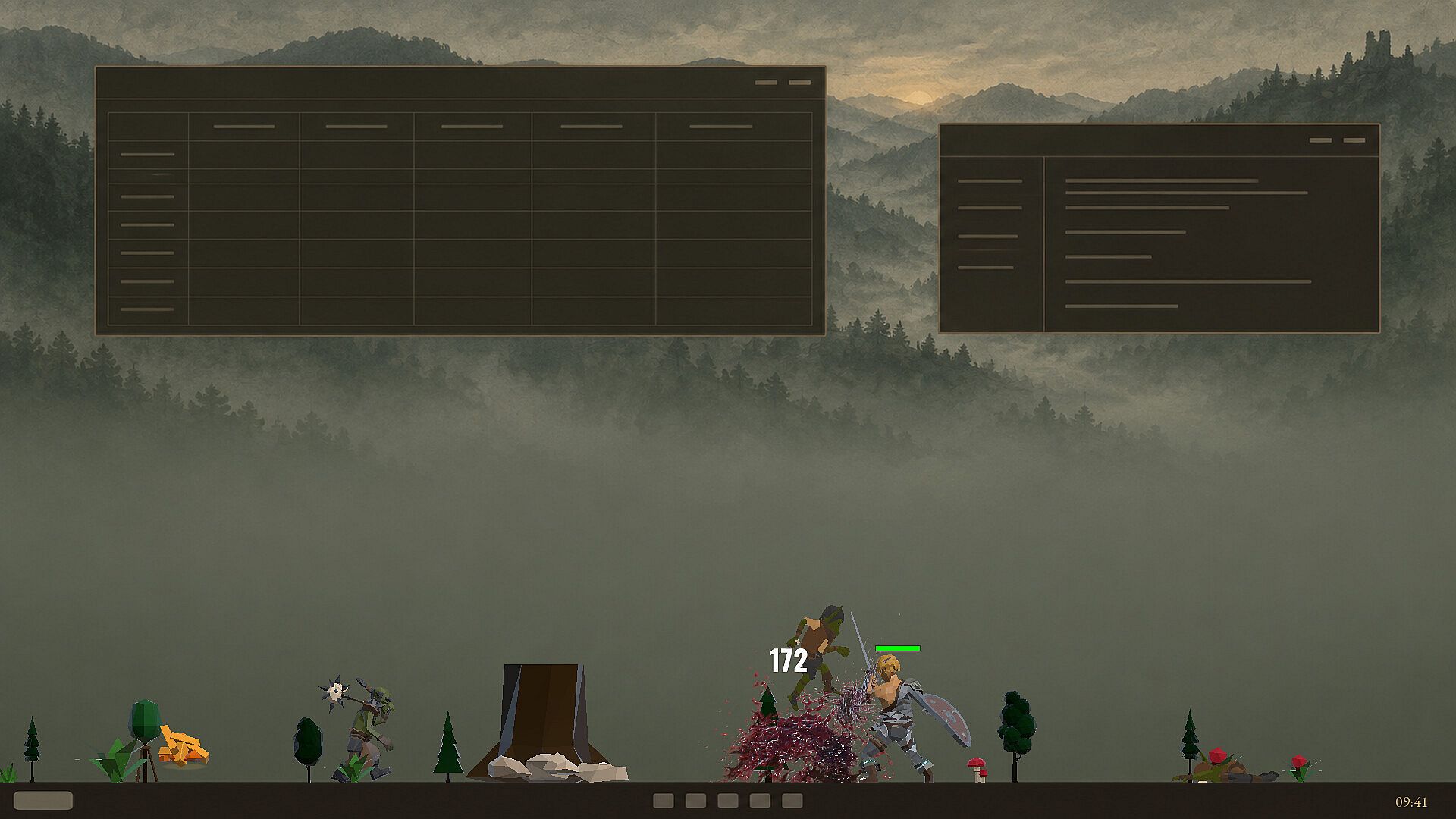
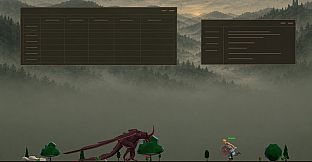
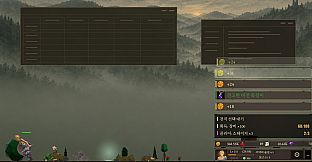
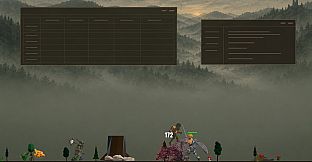
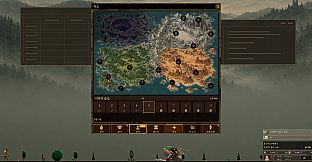
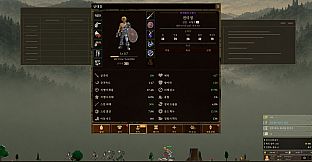
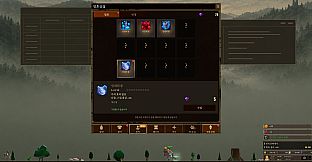

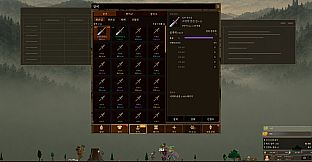
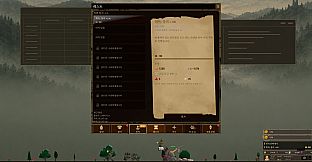
Desk Quest: Idle Taskbar RPG is an indie idle ARPG designed for PC that runs in a thin strip along the top of the Windows taskbar. Players watch adventurers emerge, battle, level, and eventually fall while they handle other tasks on their computer. The experience emphasizes passive progression with occasional player input for decisions that shape each hero's path.
Gameplay
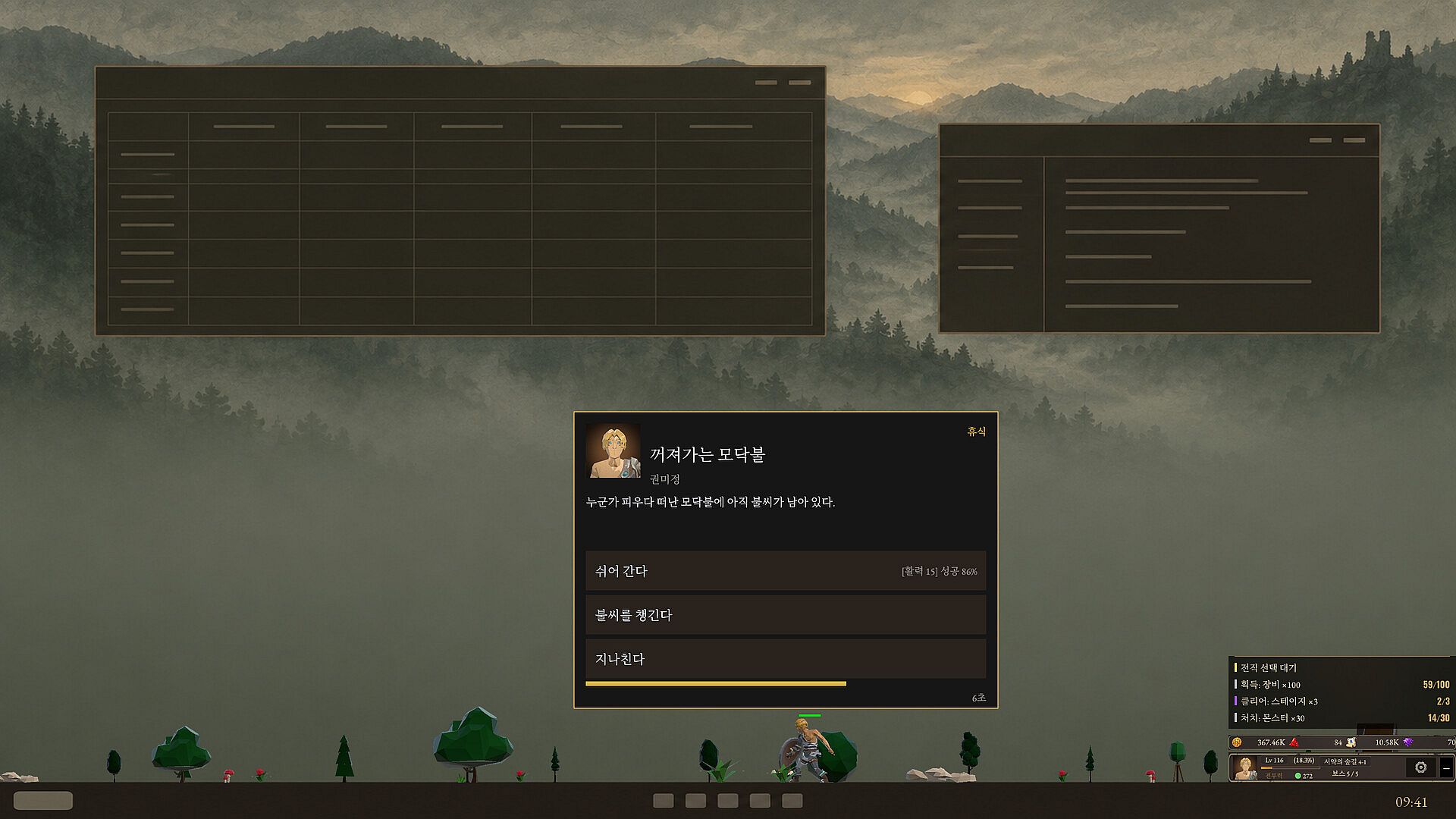
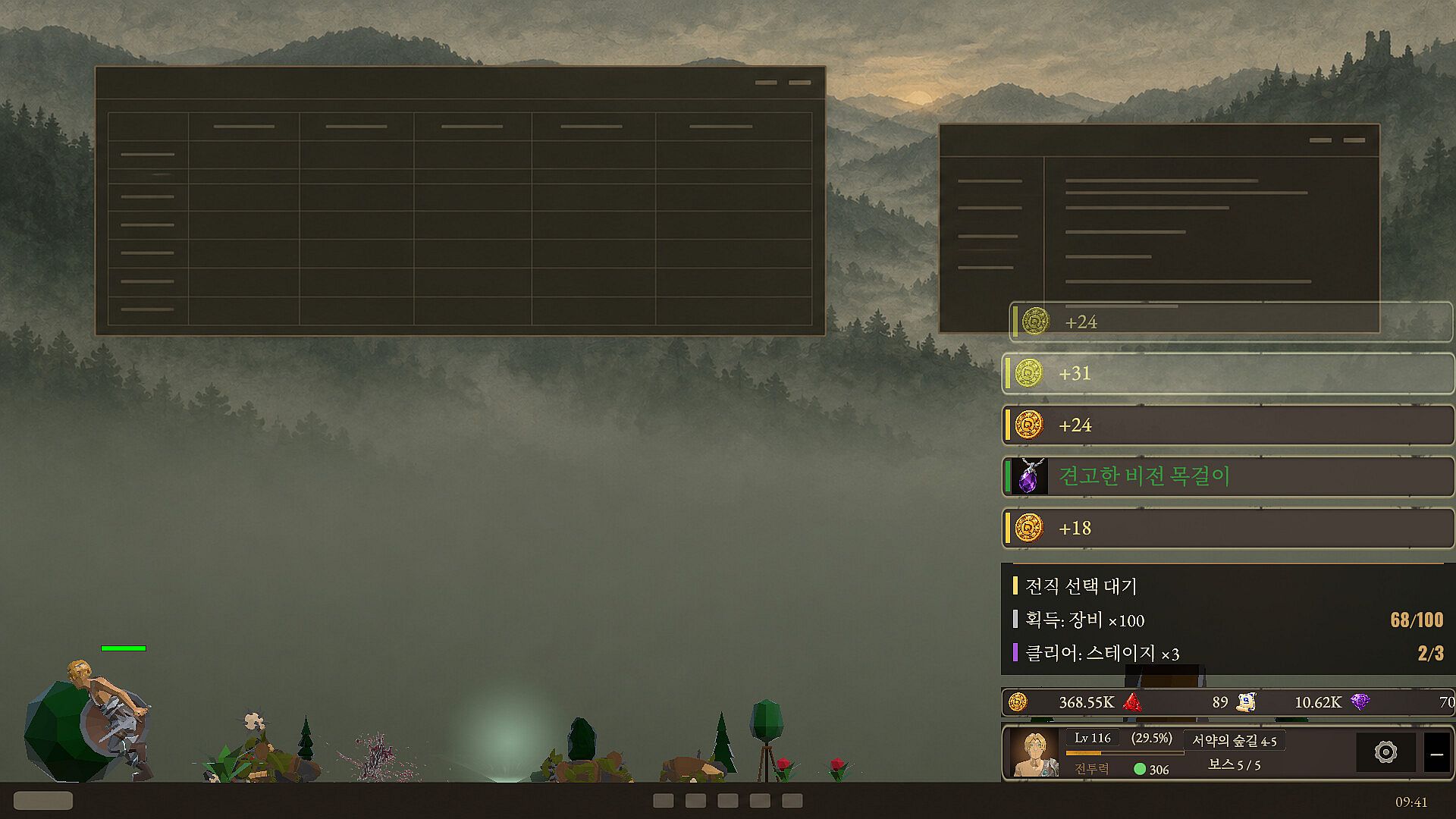
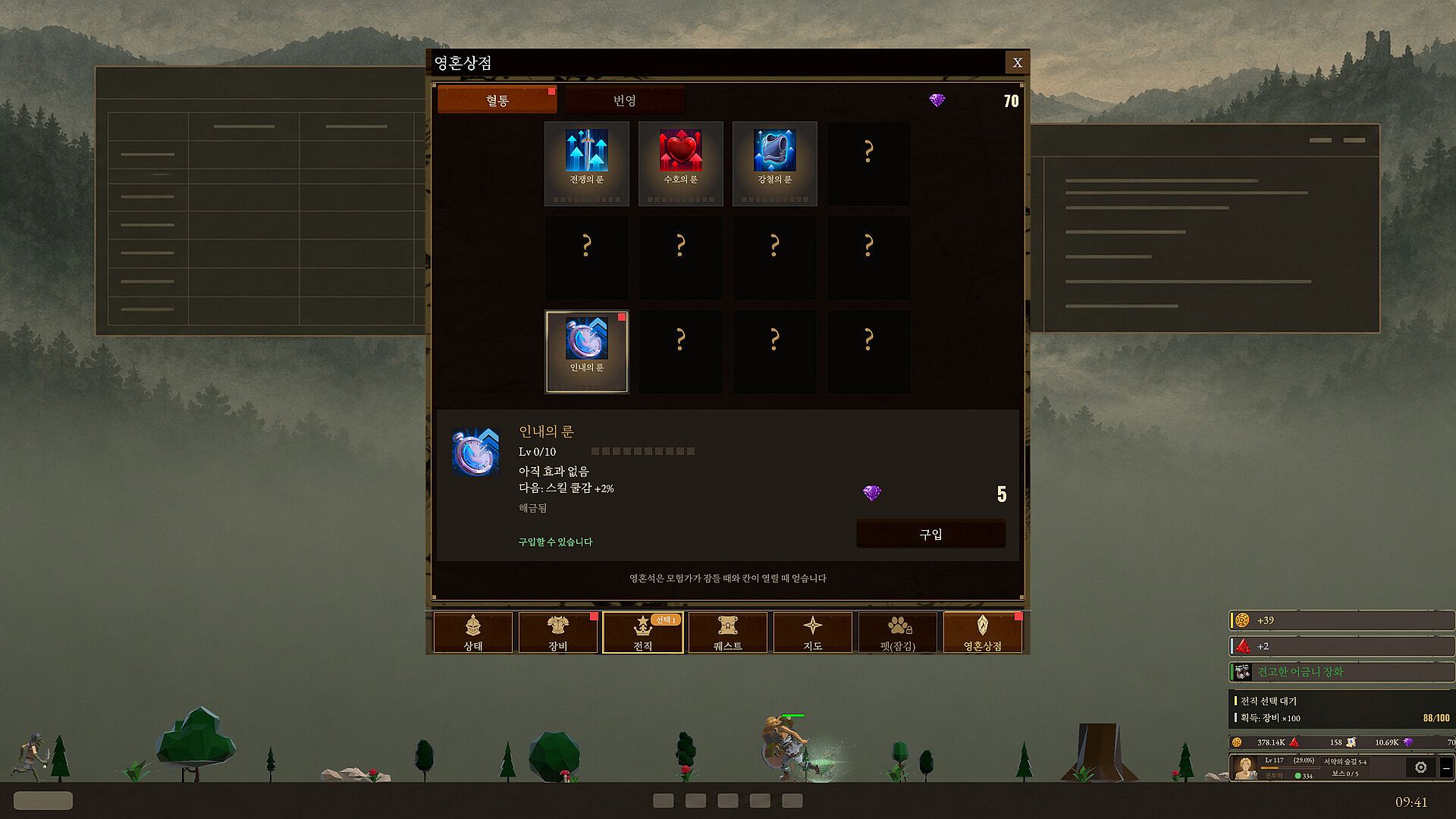
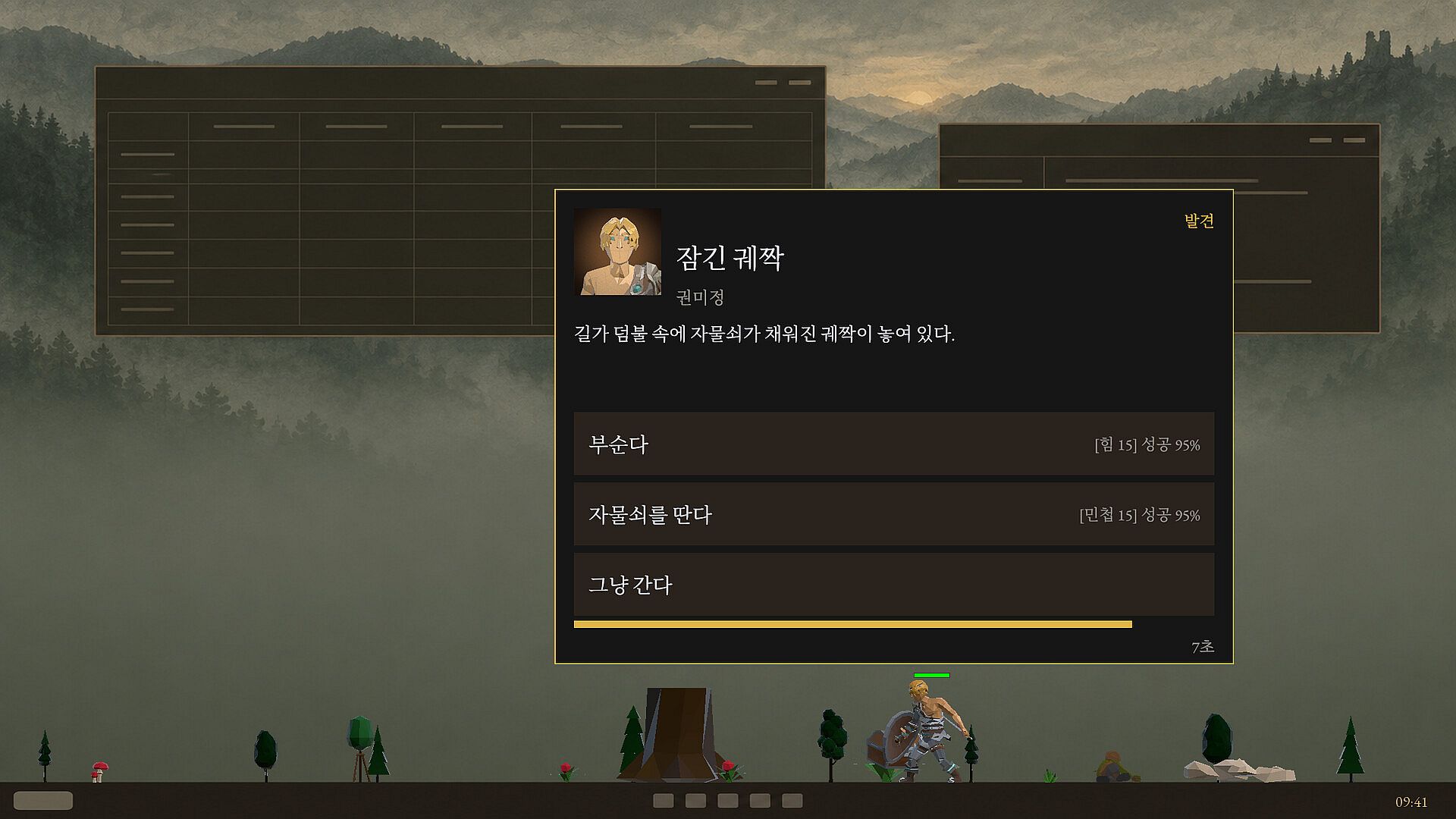
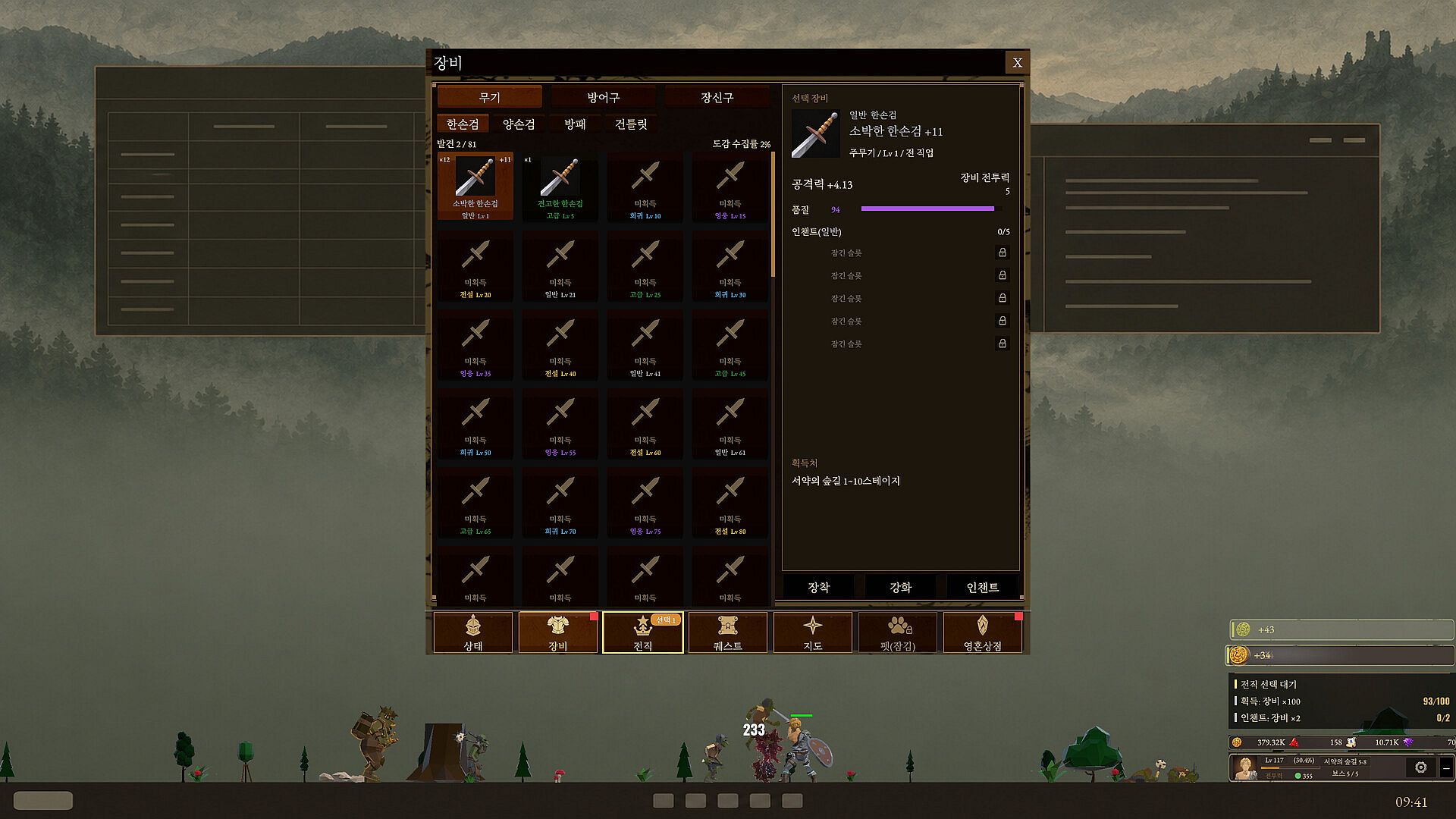
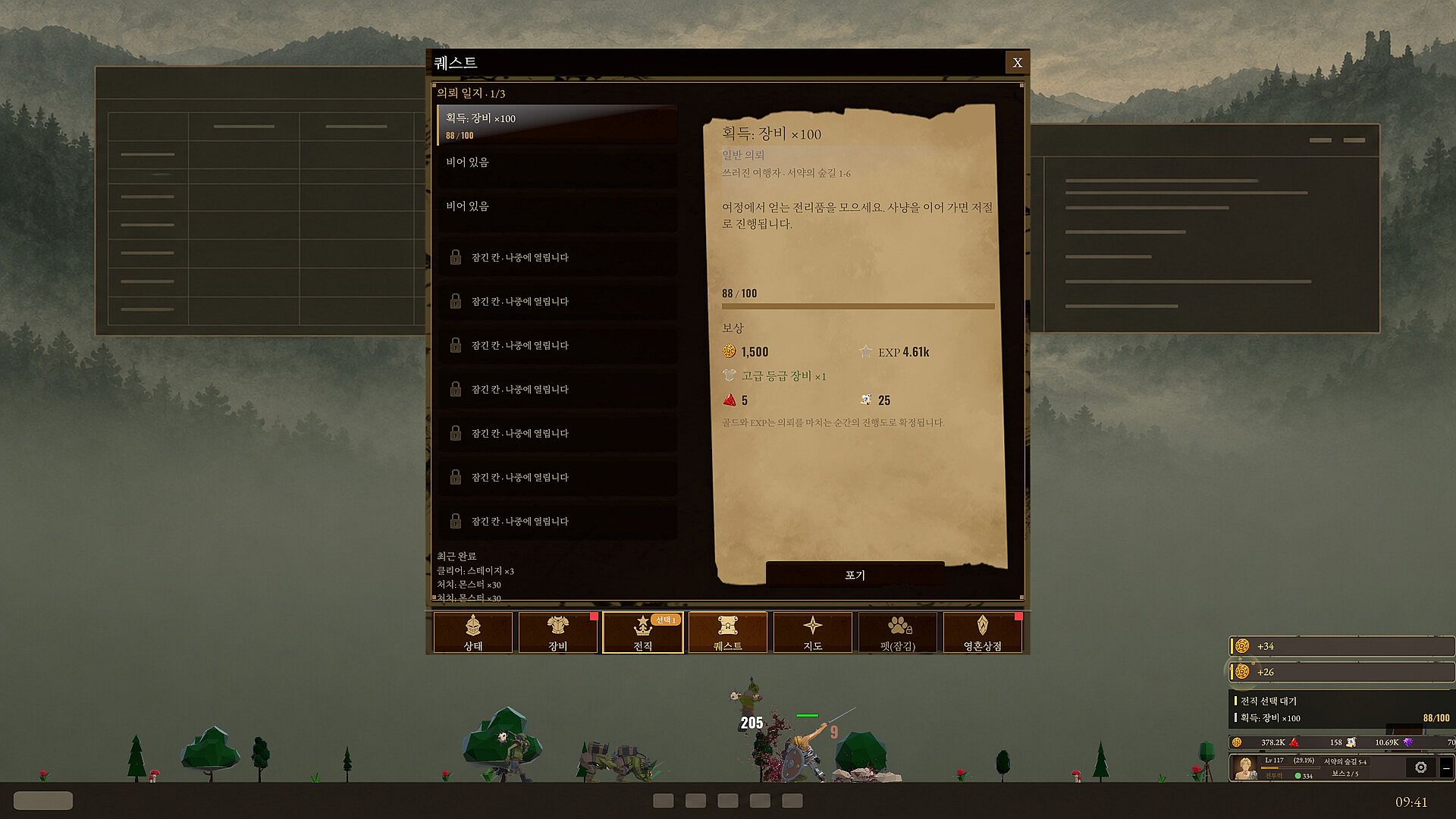
The core loop centers on automatic combat, movement, and looting that continue without constant attention. An adventurer spawns with unique traits and faces, then advances through regions while the player works or multitasks. Gear drops directly from defeated monsters and equips automatically if superior, feeding into a persistent Codex that carries benefits across multiple runs. Players intervene at key points such as altars or campfires to influence choices or allow the hero's temperament to decide. Fallen adventurers enter an Archive that records portraits, stories, and achievements, while those who travel far enough can retire peacefully. Soul Stones collected from the fallen fund upgrades to forges and workshops that strengthen future generations. Pets hatch from eggs and join the adventurer to provide additional combat support, with more slots unlocking over time.
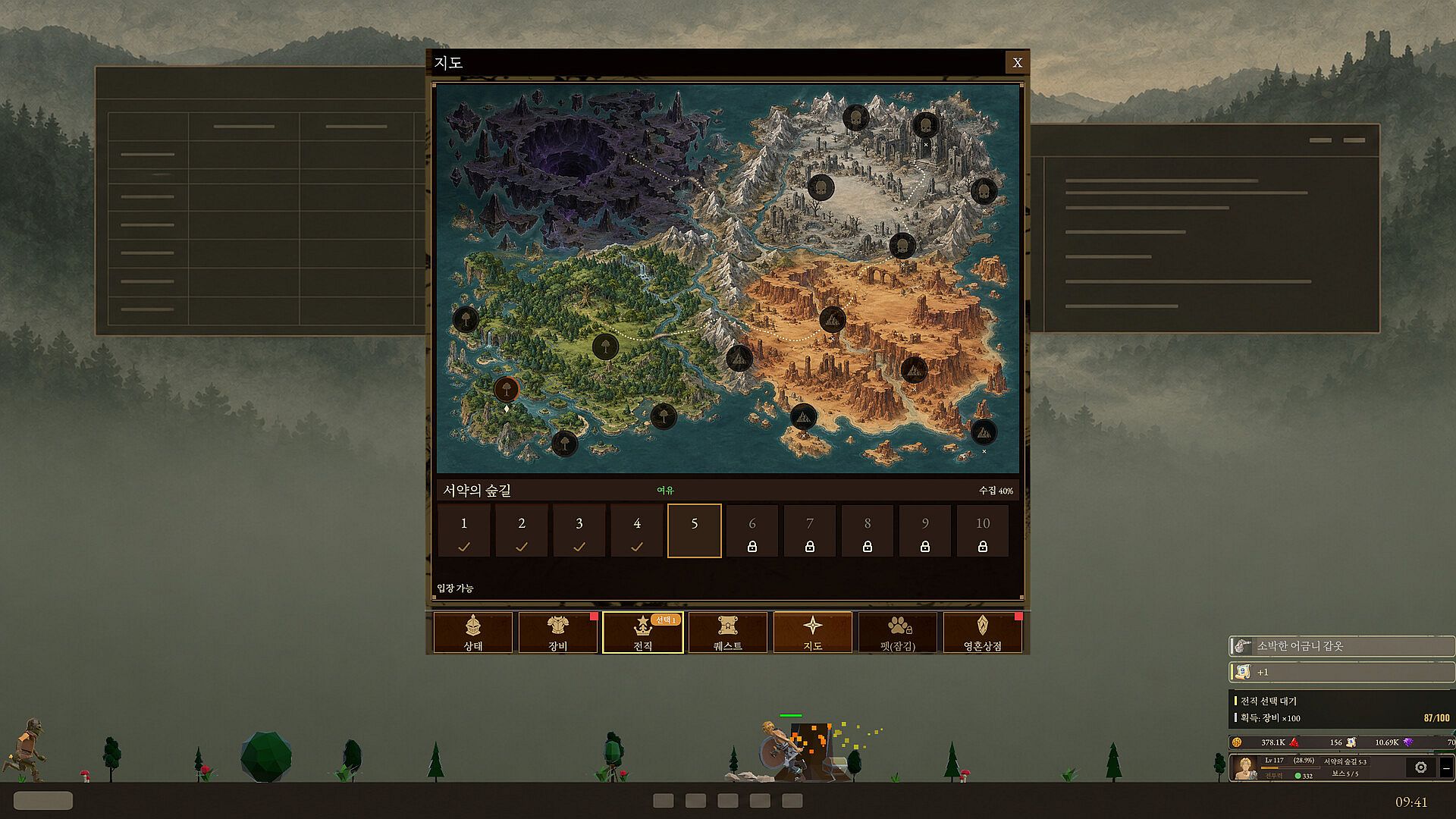
Progression includes rarity tiers from Common to Mythic, set bonuses, and enhancement options for favored weapons. The world features varied environments from forests to wildlands and crypts, leading toward an endgame area known as the Abyss where difficulty rises sharply and exclusive rewards appear. Work Mode mutes effects and audio during meetings or focused periods, and the game supports offline rewards when minimized or closed. Twenty-nine languages are available for broad accessibility.
Game Modes
The primary experience unfolds through sequential regions and acts that form the main story path. Players advance from initial areas into more challenging zones, culminating in the Abyss for deeper, riskier runs. A dedicated Work Mode allows the adventure to continue quietly in the background without visual or audio distractions. The game also tracks long-term legacy through the Archive and Codex systems, creating a persistent single-player campaign that rewards repeated play across multiple adventurers rather than separate competitive or cooperative modes.
Progression and Legacy Systems
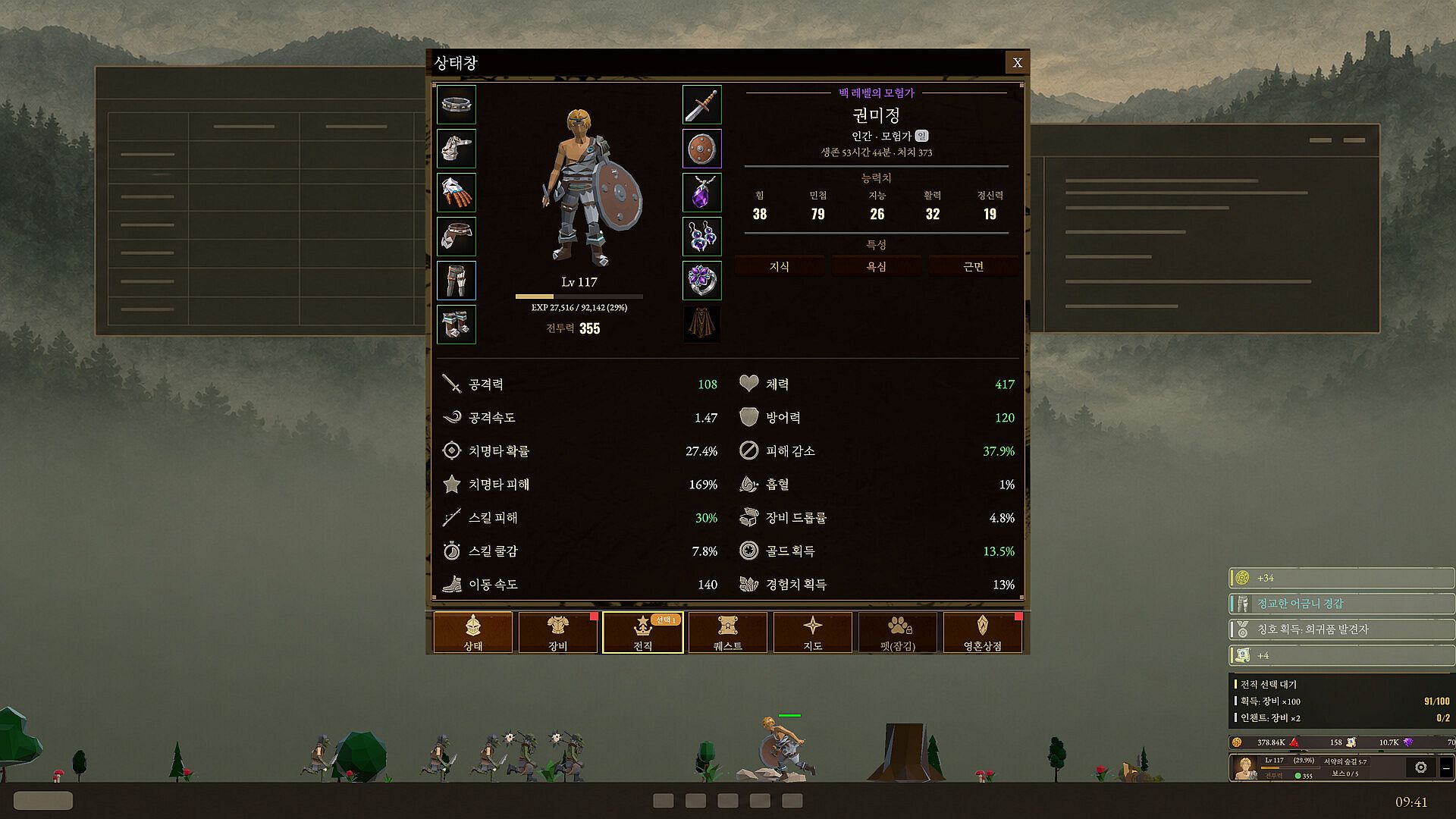
Each adventurer carries distinct talents and temperaments that influence how far they travel and what they accomplish. Roadside encounters and graves offer moments for player decisions that affect equipment, skills, or party composition through pets. The Codex collects and upgrades gear permanently, preparing stronger starting points for subsequent heroes. Races beyond the initial human option unlock via the Soul Shop or random encounters, expanding variety in builds and strategies. This structure rewards consistent background play while giving meaningful choices during check-ins.
Is It Worth Playing?
Desk Quest suits players who enjoy idle progression games that integrate into daily computer use without demanding full focus. Its taskbar format keeps the adventure visible yet unobtrusive, with offline rewards ensuring steady advancement even during breaks. The emphasis on unique adventurer stories, automatic gear management, and generational upgrades provides depth for those interested in casual RPG mechanics on PC. As a recent indie release, it appeals most to fans of desktop companion titles seeking a lightweight, always-on experience rather than intense action or multiplayer competition. Early player feedback highlights its relaxing nature for background entertainment.