

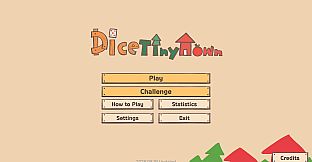
Dice Tiny Town is a strategy indie casual game that blends dice rolling with deliberate town building on PC. Players construct compact settlements by interpreting rolls into shapes and placements, balancing immediate decisions against long term scoring goals in a single player experience.
Gameplay
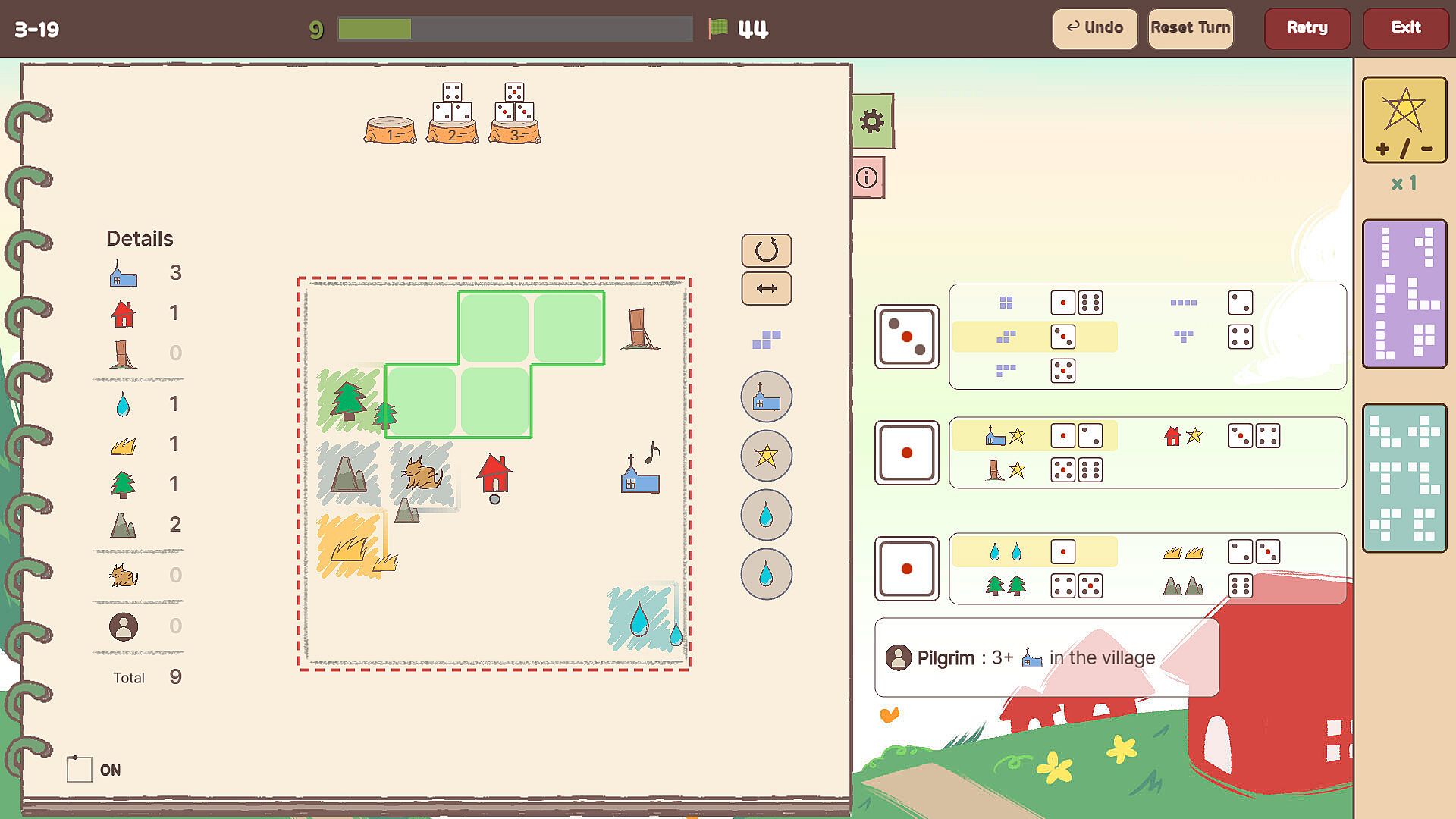
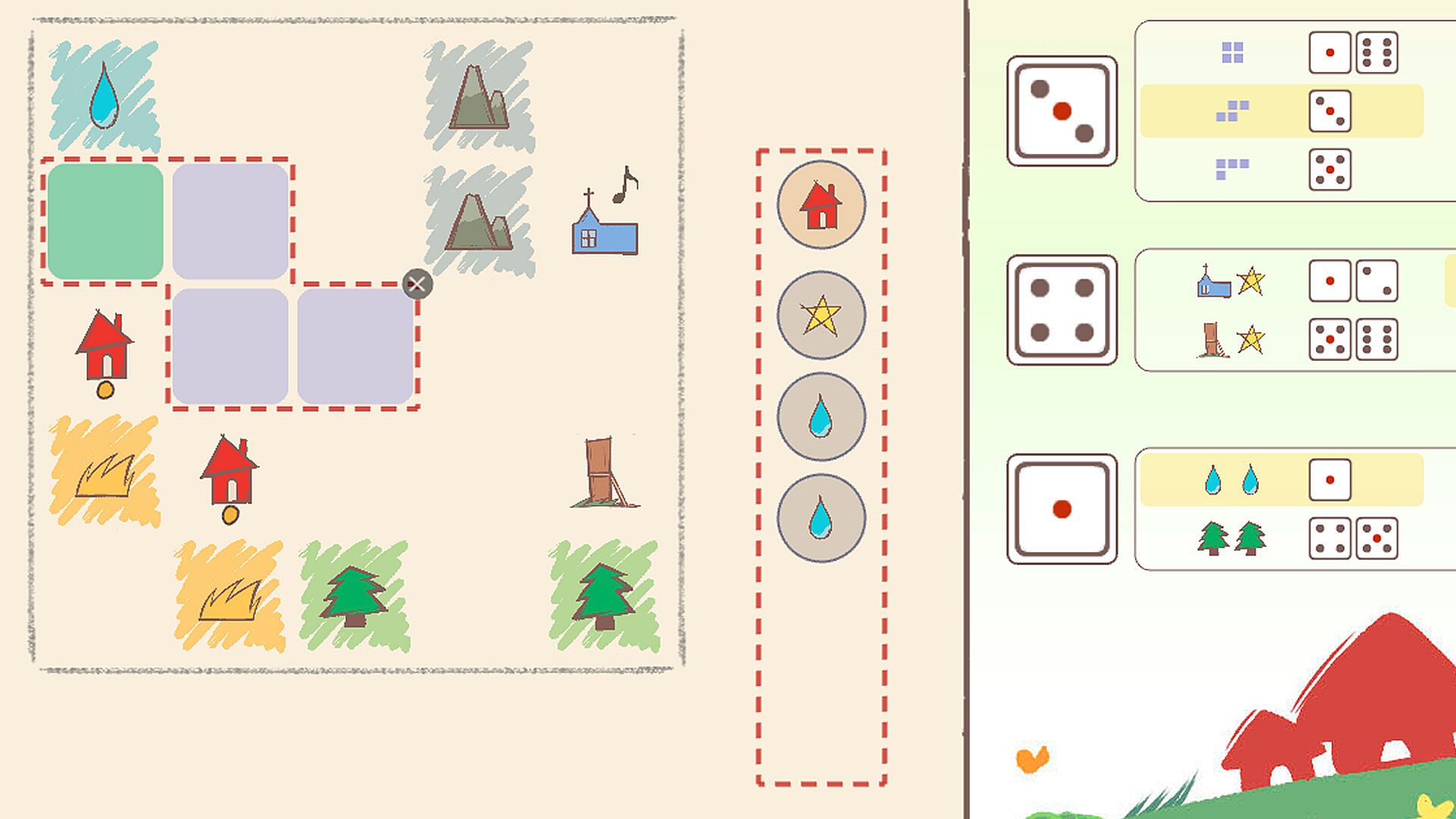
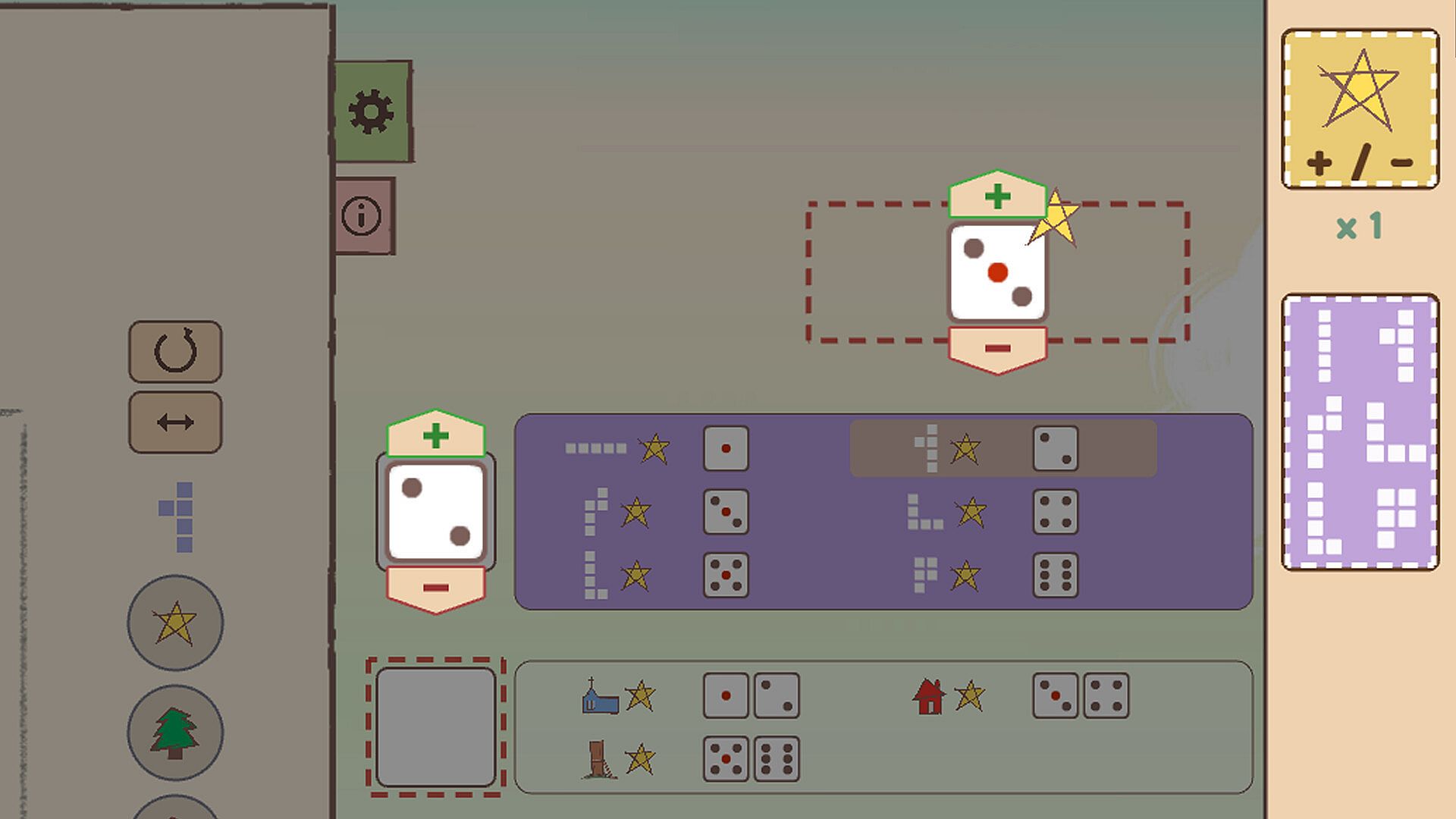
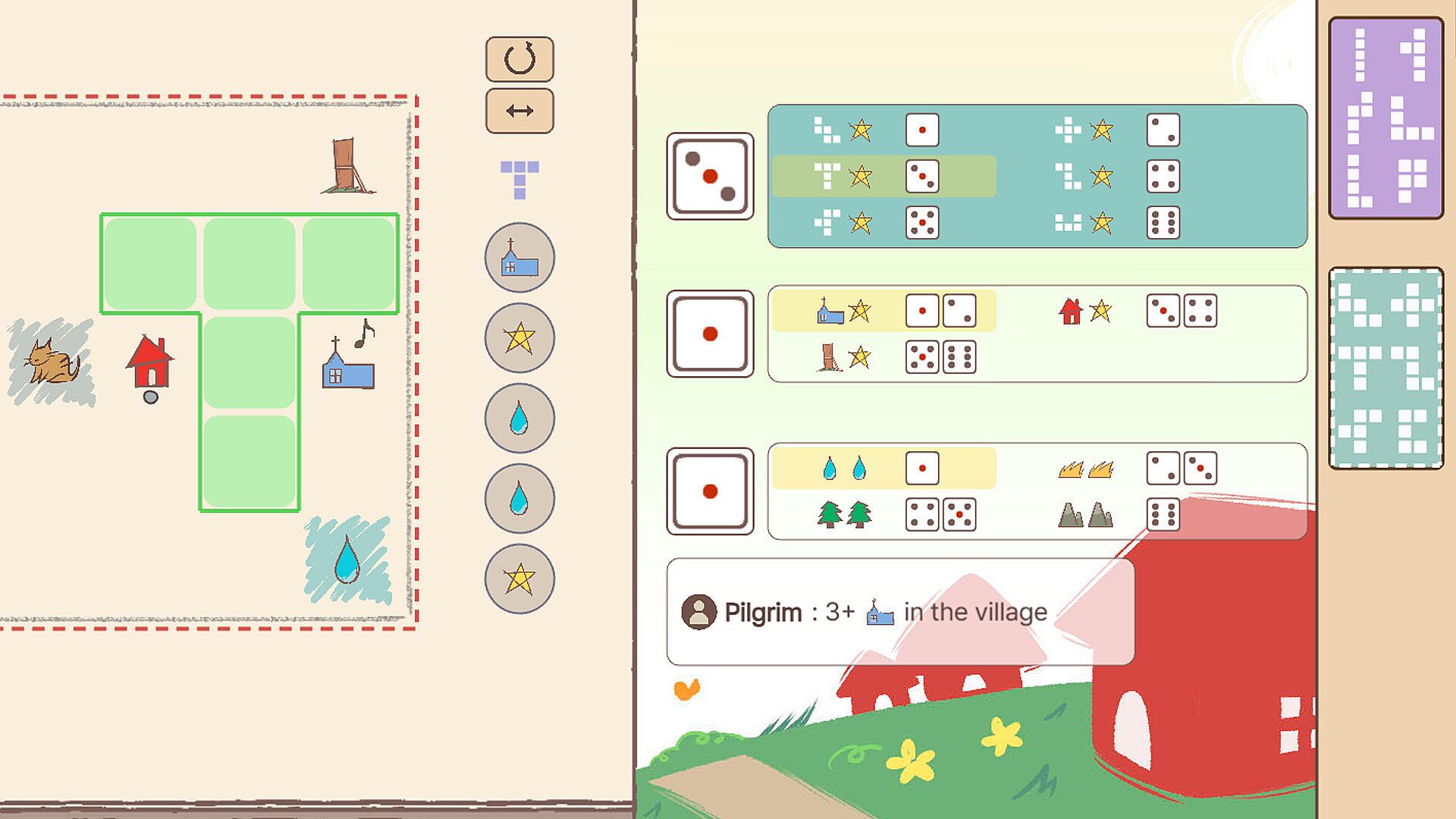
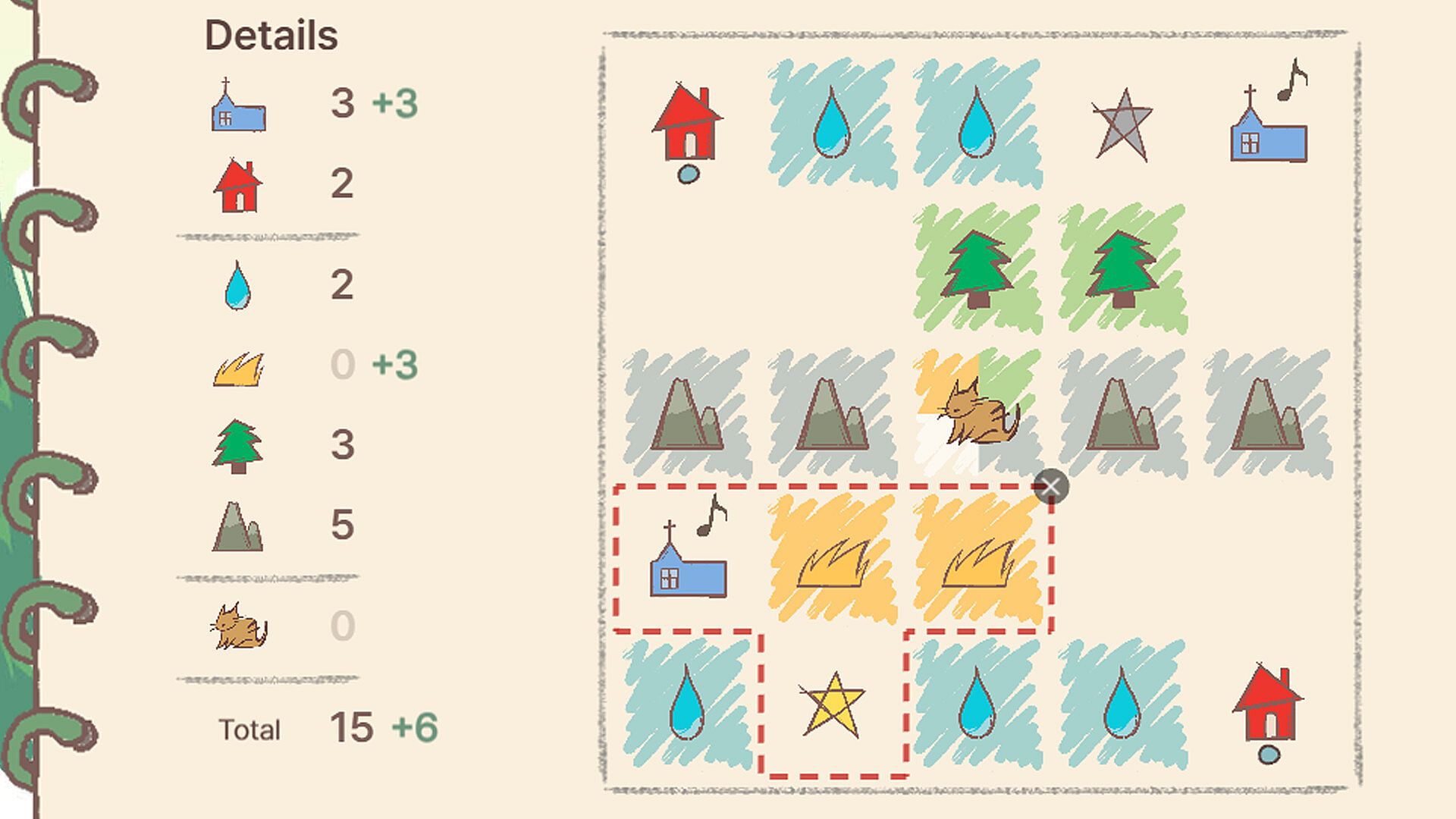
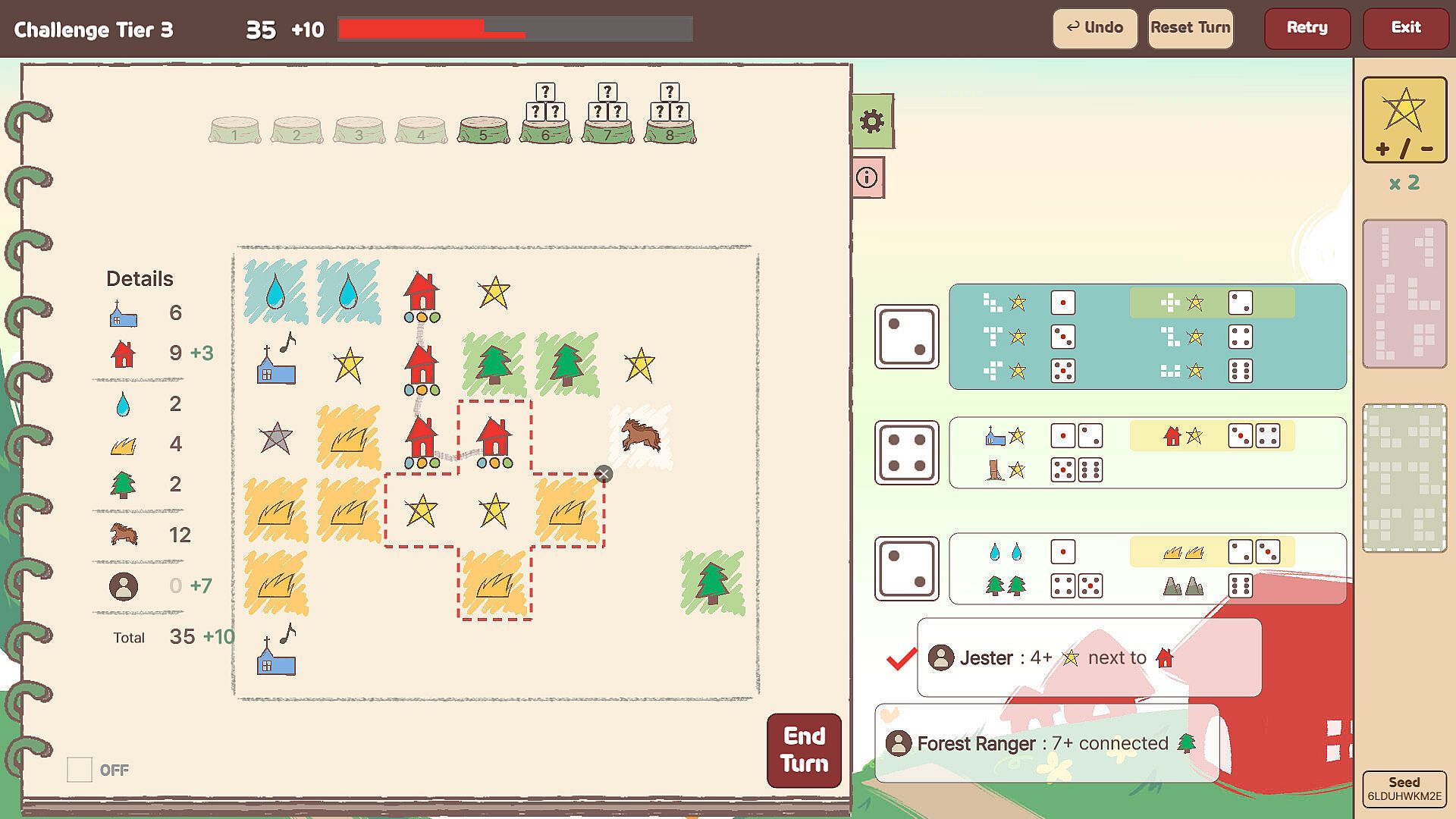
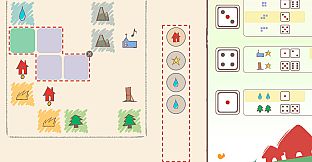
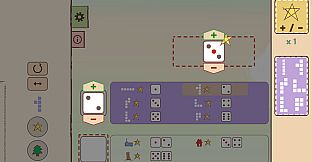
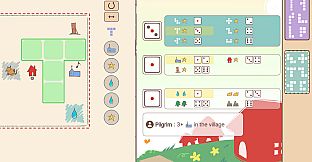
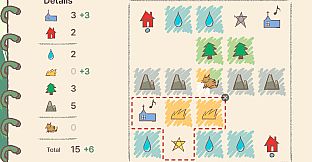
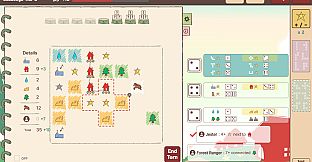
Each turn begins with a roll of three dice. The results dictate the tetromino shape for that round along with choices for one building type and two nature elements. The shape is positioned on the sketchbook grid first, after which the selected building and nature tiles fill its spaces. Careful placement matters because buildings and nature interact with specific rules. Abbeys score best in quiet corners away from activity, houses gain from varied surrounding nature, and ranches require pairing. Larger clusters of lakes, fields, forests, or mountains yield higher points, while dense nature areas trigger flower blooms for additional value.
Completing a row or column awards stars that can be spent to reroll or adjust dice on future turns. This creates a feedback loop where early efficient placements generate resources for later flexibility. The hand drawn aesthetic keeps the focus on spatial planning rather than visual spectacle, and every decision compounds across the session as the grid fills.
Game Modes
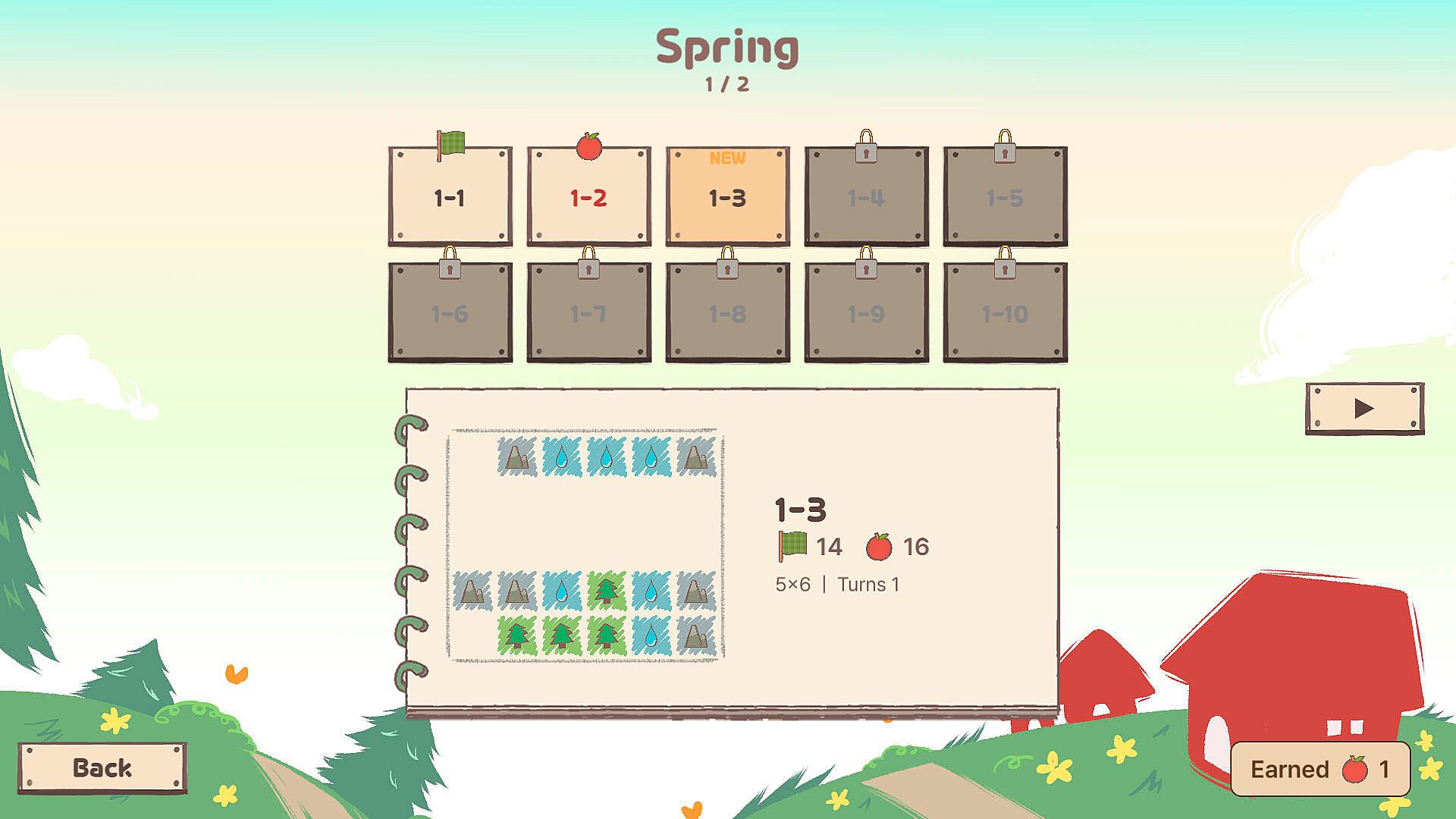
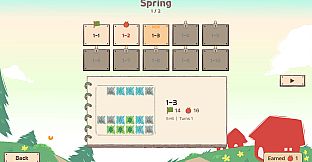
The core experience centers on a series of stages, each presenting a fresh grid and target score. Success requires meeting or exceeding the goal through optimized building and nature arrangements while satisfying visitor demands. Challenge mode removes the stage structure and instead tracks personal best scores across repeated runs, encouraging refinement of placement strategies without external targets.
Both modes emphasize solo play with the same core systems. Stages provide structured progression across more than eighty unique setups, while challenge mode supports open ended experimentation and record breaking attempts.
Visitors and Animals
Fifteen distinct visitors each impose unique placement or scoring conditions that must be met by the end of a stage. Examples include the Astronomer, the Jester, and the Island Enthusiast, whose requirements integrate directly into the building and nature layout. Eight animals add further layers by granting specialized bonuses when their preferred nature conditions are fulfilled. These elements turn the puzzle into a multi objective exercise where satisfying external demands often aligns with or conflicts against cluster and adjacency bonuses.
Is It Worth Playing?
Dice Tiny Town suits players who enjoy spatial puzzles and light strategy without timers or competitive pressure. The dice introduce variability that stars help mitigate, while the fixed rules for buildings, nature clusters, and visitor goals reward repeated attempts at the same stage. Those who appreciate polyomino placement combined with scoring optimization will find depth in balancing short term dice constraints against end game conditions. The game remains in active development with its full set of stages and challenge mode available for PC players seeking a focused, thoughtful town building experience.