




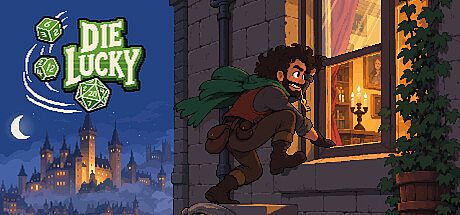


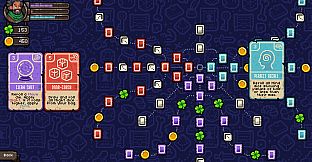
Die Lucky is a strategy indie RPG on PC that puts players in the role of Chance Dallow, a sassy and sarcastic thief who treats every heist as a personal challenge rather than a calculated risk. The game centers on tactical dice and deck mechanics that turn breaking and entering into a series of narrative encounters, where success depends on bending random outcomes through gear, abilities, and careful resource management.
Gameplay
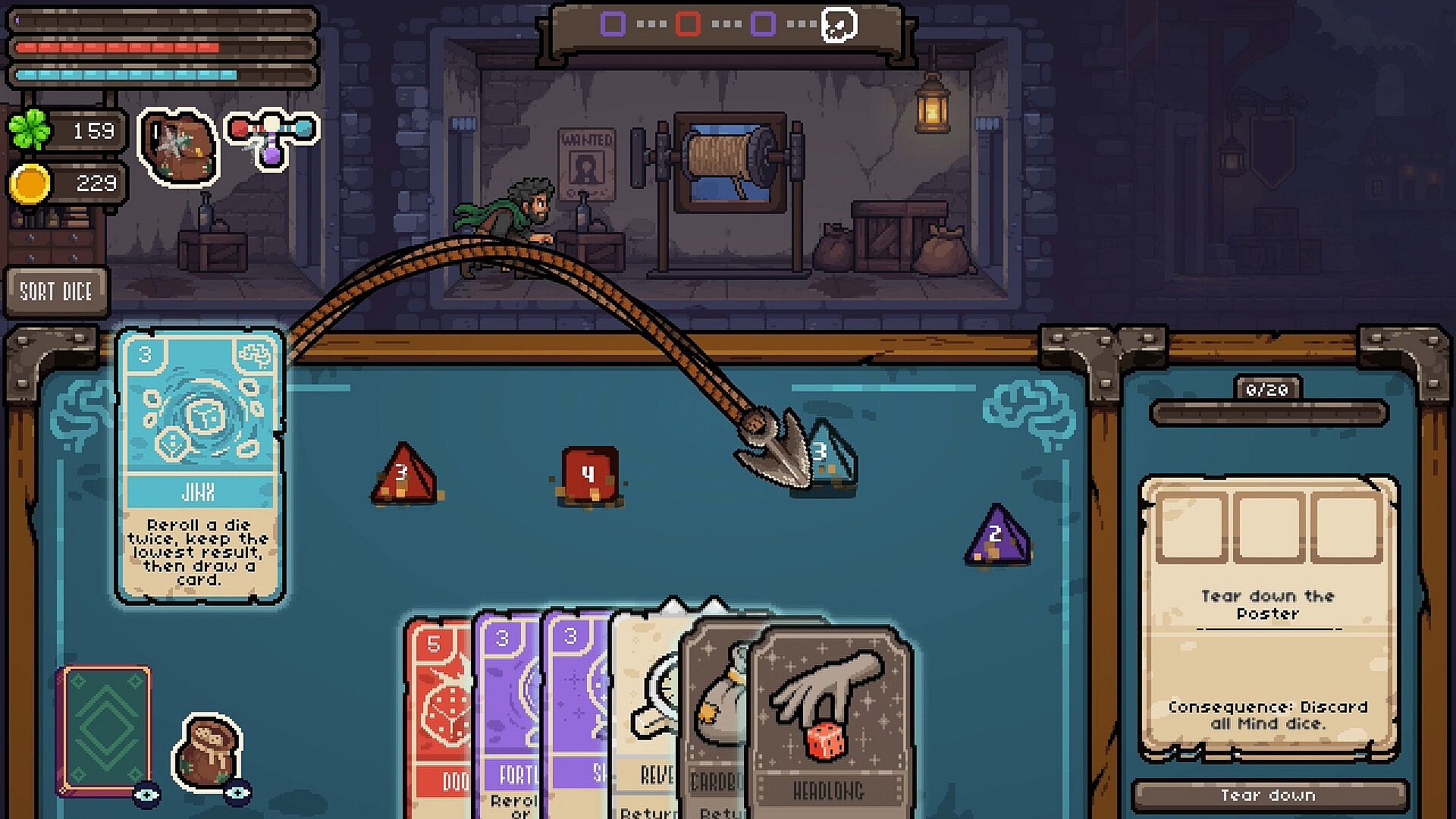
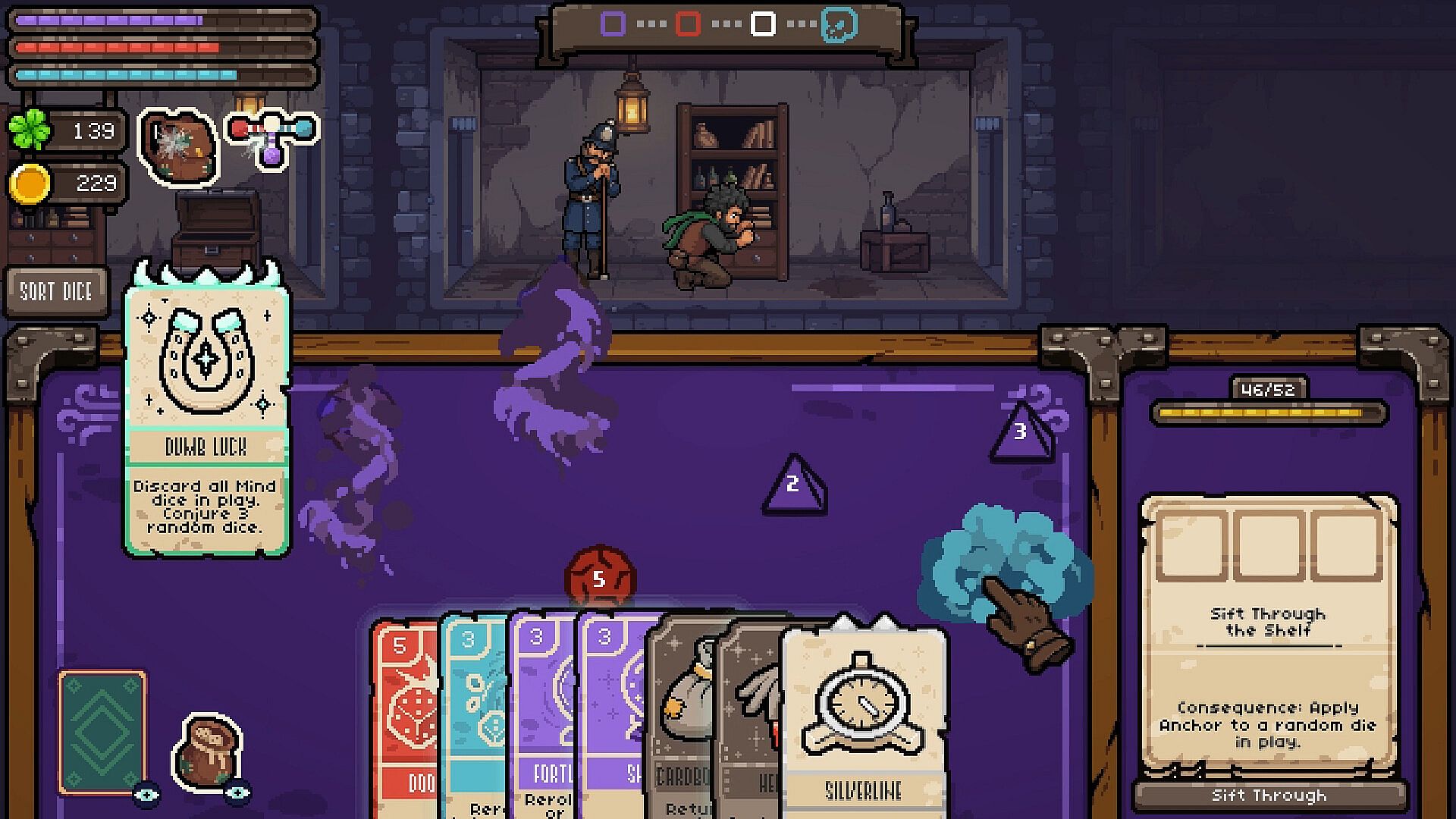
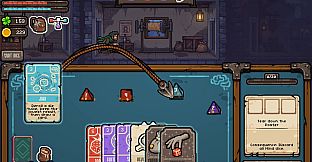
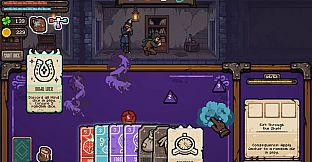
Core play revolves around drawing dice from a bag that represent attributes and cards from a deck that represent equipment. Each encounter presents a written scene with specific success thresholds. Players roll the dice, then apply abilities and gear to adjust results and assign values to actions. Hits advance the job while misses drain Luck, the central resource that fuels extra draws, rerolls, and special powers.
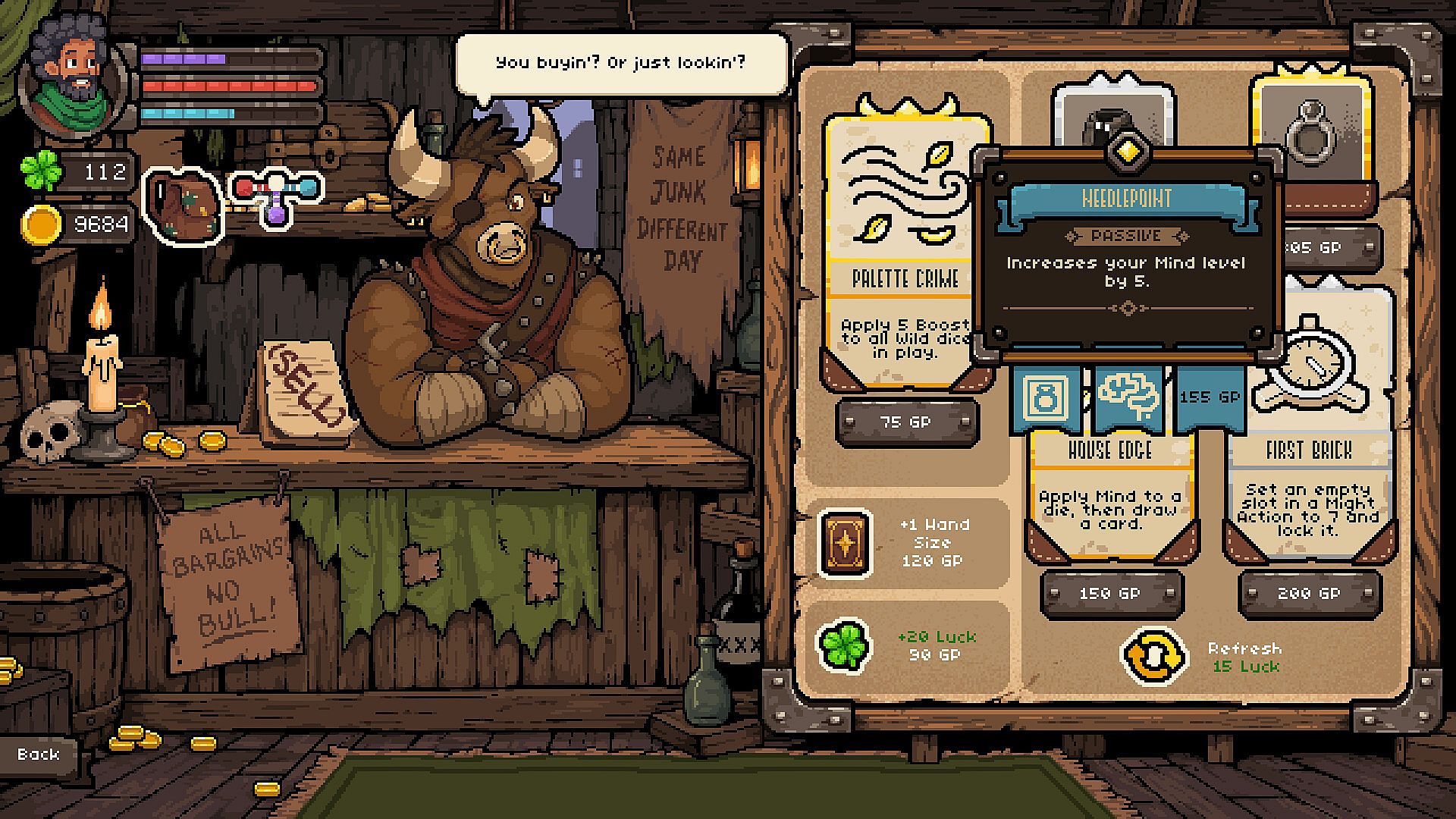
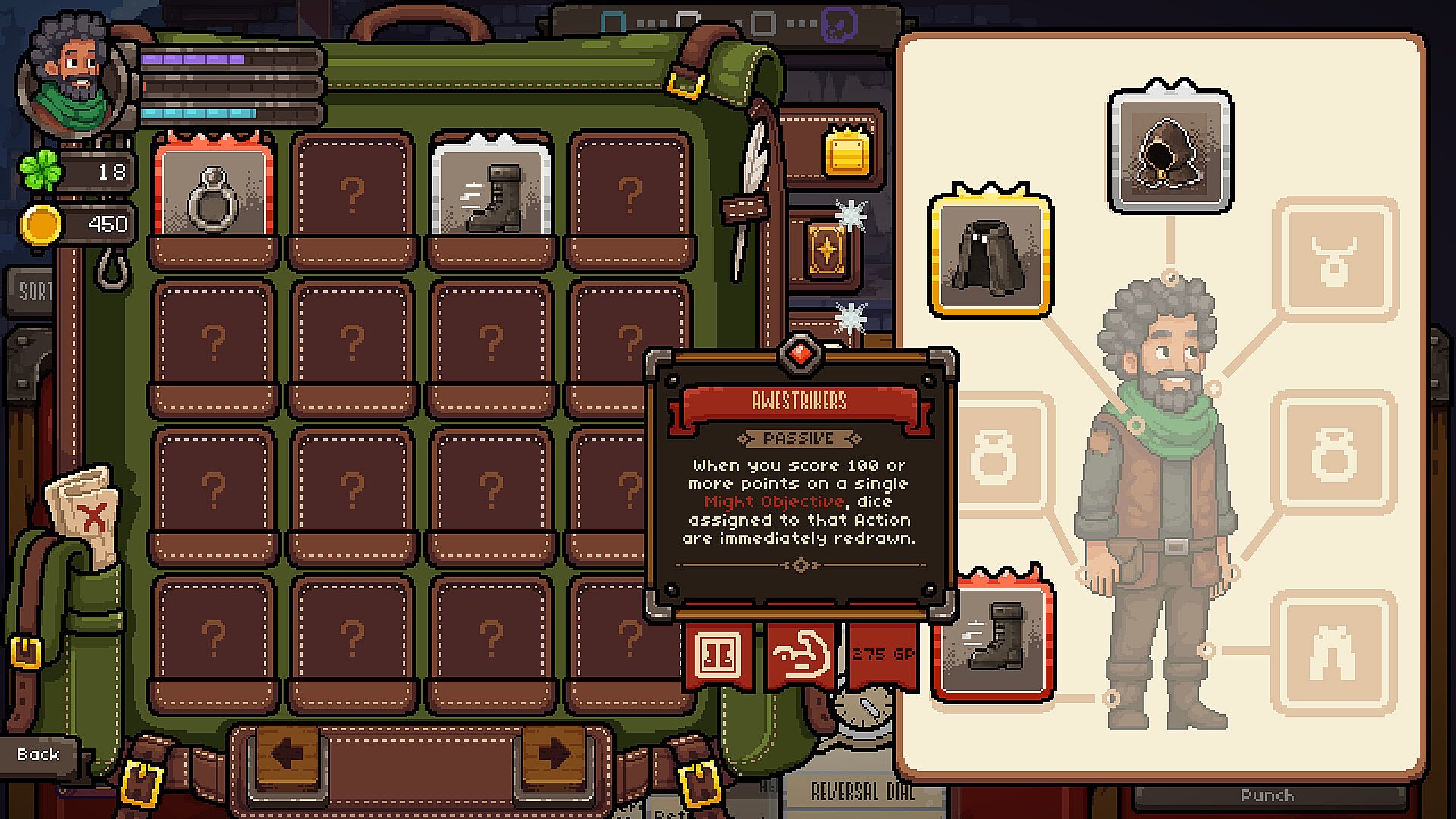
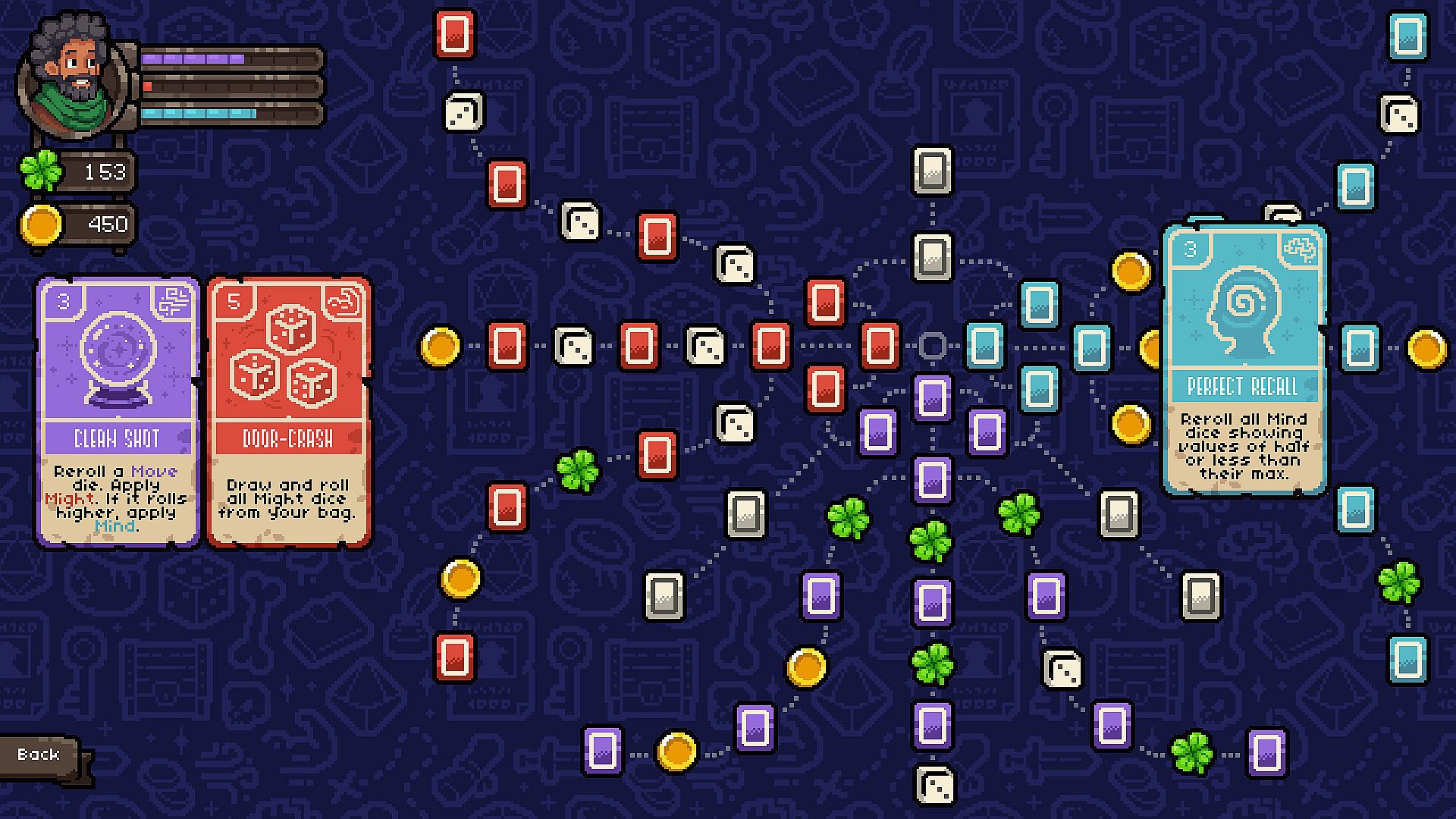
Equipment cards and tool cards provide options without costing Luck but are limited by slots or draws per encounter. Ability cards from the Move, Mind, and Might trees consume Luck each use yet offer repeatable effects. Builds focus on three tensions: upgrading dice for greater power at the risk of bigger misses, expanding the deck for more answers, or deepening the Luck pool for longer runs. Normal encounters and job completions allow die upgrades from d6 upward, shifting the balance toward reliability over time.
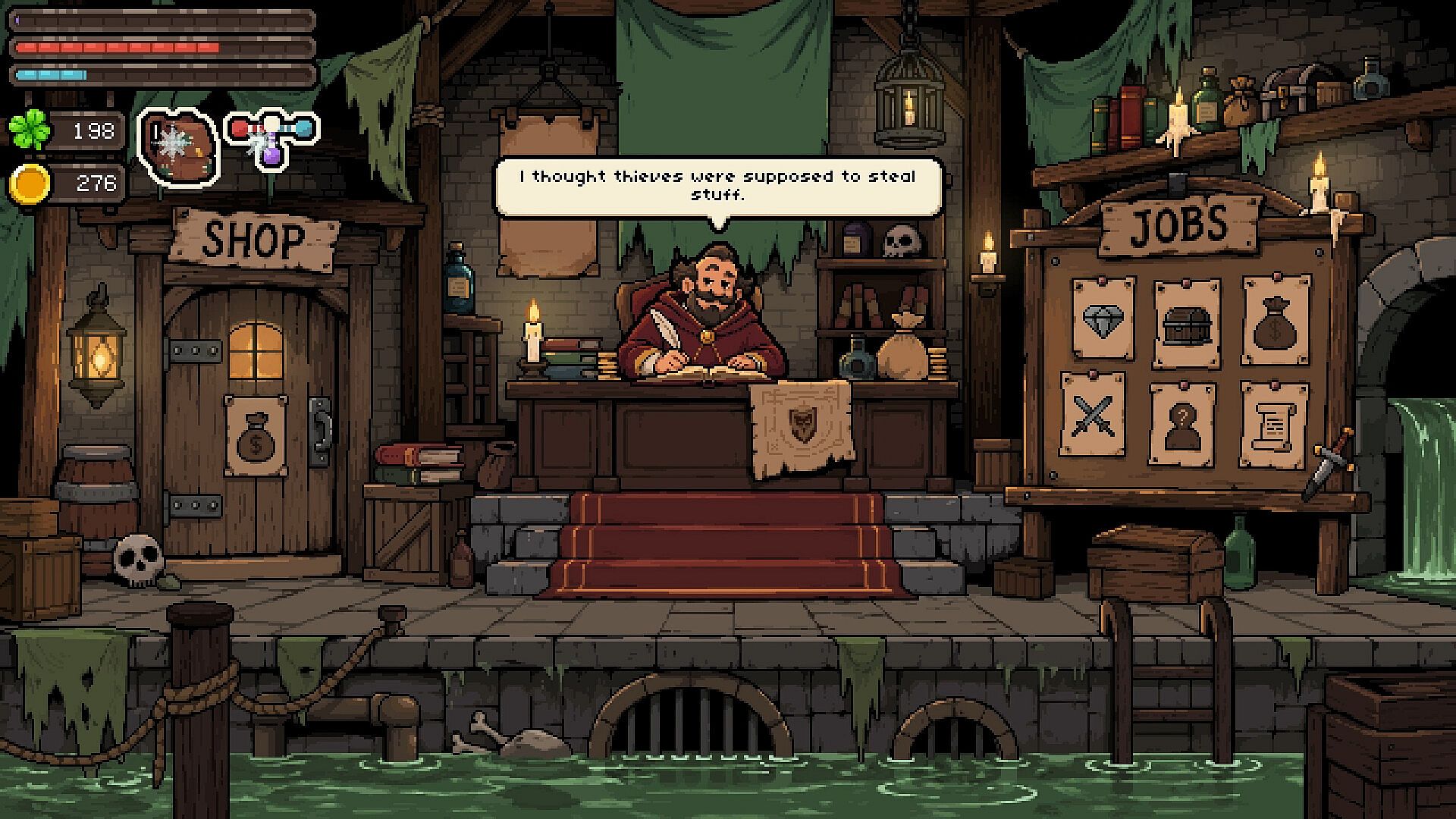
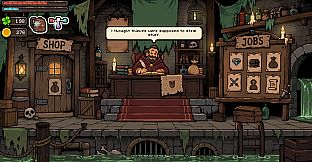
Procedural jobs assemble rooms, hazards, and patrols anew each run, while narrative encounters and random street events ensure variety. Three guilds issue contracts that increase in reward and risk, with guild masters offering familiar yet distinct interactions across playthroughs.
Game Modes
The primary structure involves selecting contracts from guild boards, completing heists across three districts, and returning for payment before pursuing the next job. Each run lasts around ninety minutes and features a mix of core story beats and stacked random encounters that alter the path through the same building on repeat visits. Street chance encounters add further layers, letting players flip for fate, accept bribes, trade with vendors, or test the wild die.
No separate multiplayer or competitive modes appear in the design. All activity stays within the single-player loop of contract selection, execution, and build refinement between jobs.
Build Systems and Progression
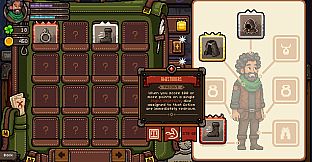
Progression centers on collecting and refining three elements: attribute dice, equipment cards, and Luck-powered abilities. Players balance immediate power against long-term sustainability by choosing which aspect to strengthen after successful jobs or boss encounters. Keyword effects across more than two hundred items create varied interactions during encounters, rewarding experimentation with different combinations of dice sizes, card draws, and ability chains.
Upgrades come from both random improvements during runs and deliberate choices at job completion. This system keeps the focus on adapting the thief's toolkit to the procedural challenges rather than following a fixed path.
Is It Worth Playing?
Die Lucky suits players who enjoy roguelike elements blended with narrative encounters and resource-driven tactics in a single-player format. The constant push and pull between dice upgrades, deck growth, and Luck management creates meaningful decisions on every run. Those drawn to heist themes and procedural variety will find the guild contract loop and district progression provide clear structure without repetition in individual jobs.
Reception details and ongoing updates remain unconfirmed in available sources, so interest depends on preference for dice manipulation and deck-building within short, replayable sessions. The game delivers a focused experience for fans of indie strategy titles that emphasize clever play over pure chance.











