




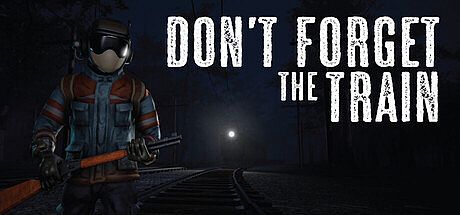


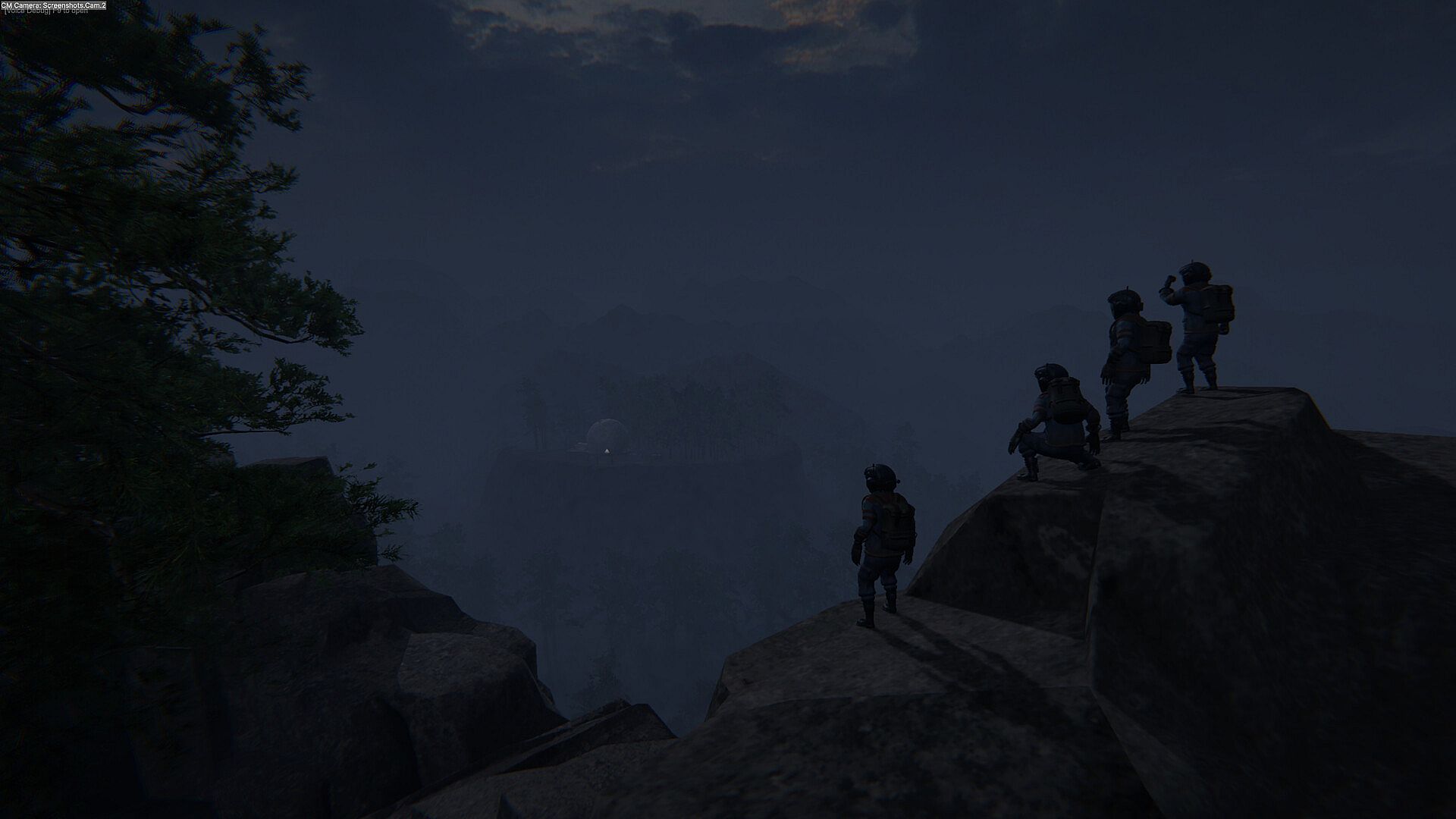
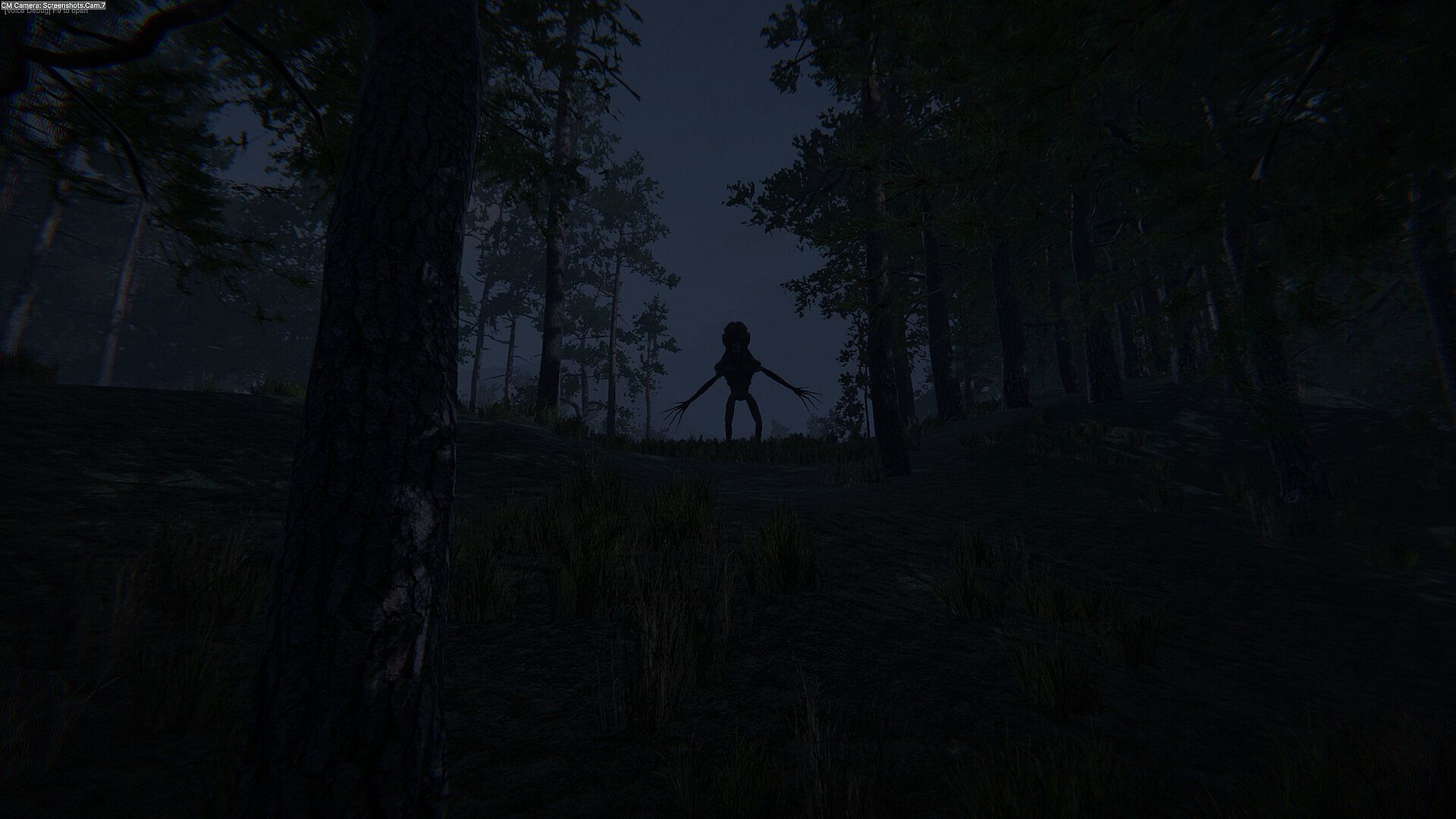
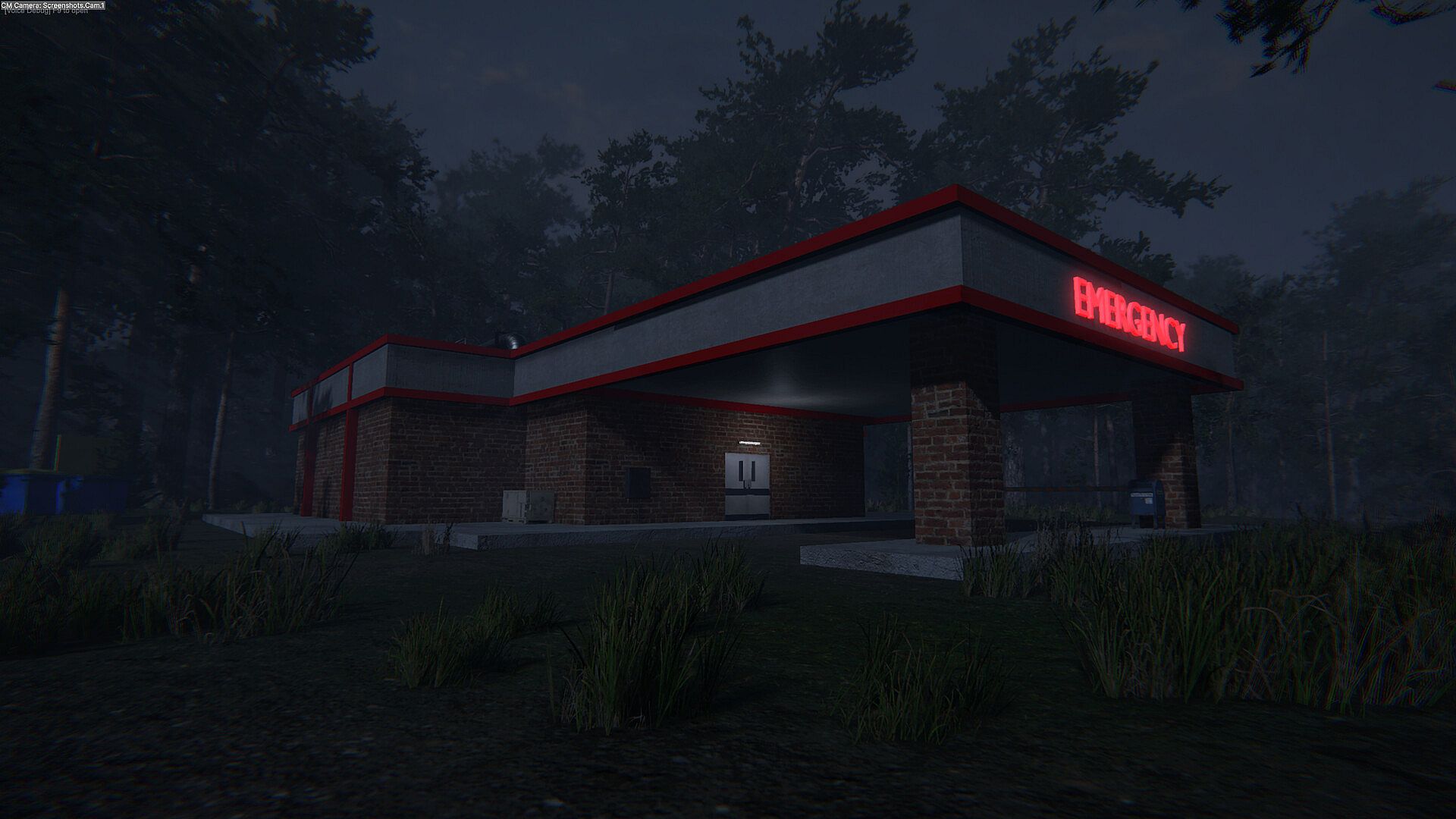
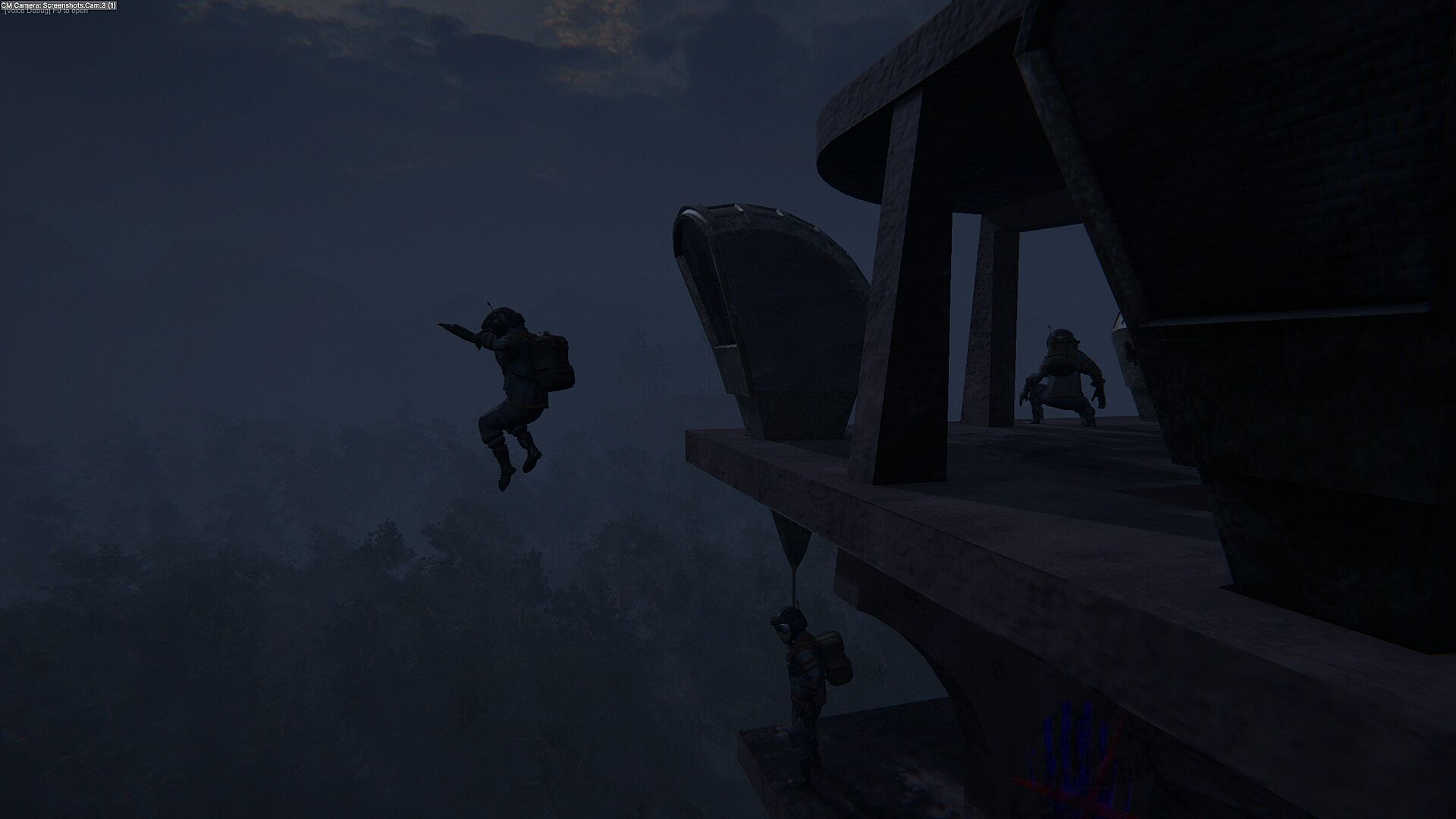
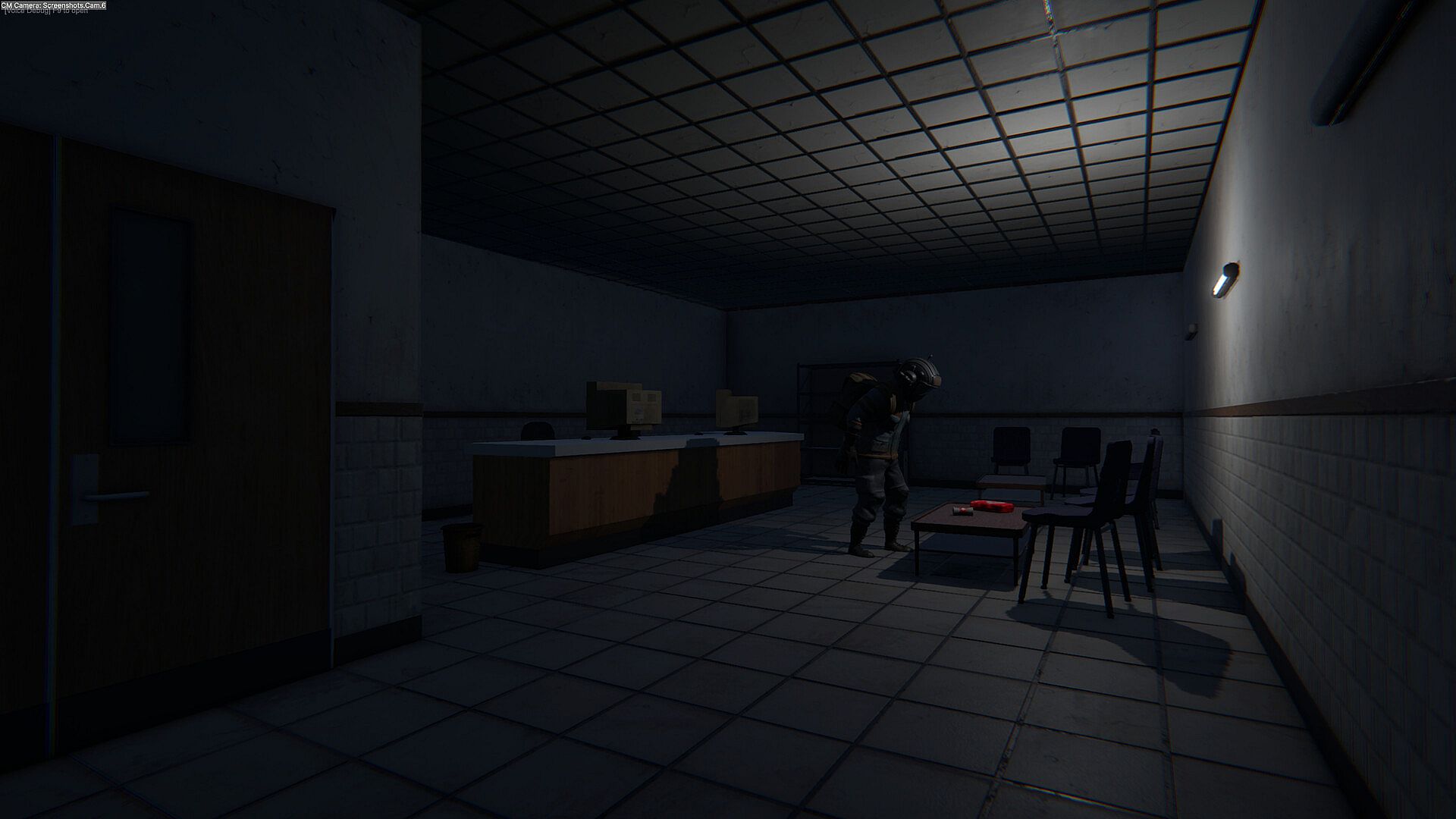
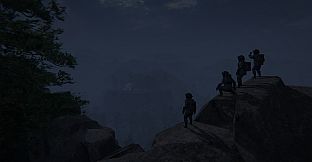
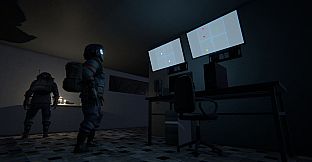
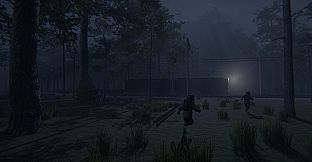
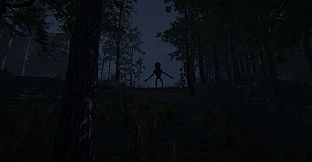
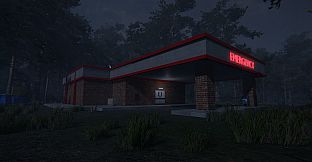
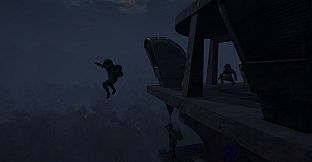
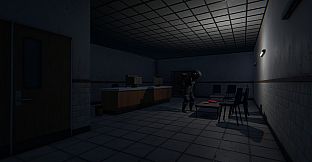
Don't Forget the Train is a 2 to 4 player online co-op survival adventure set in abandoned Cold War era towns. Players take on the role of a telecommunication team tasked with restoring broken radio infrastructure while managing a looping train schedule and a fragile power grid. The core experience revolves around coordination under pressure, resource management, and defending against threats that emerge when systems fail.
Gameplay
The central loop combines exploration, objective completion, and survival mechanics across large hand-crafted maps. Teams must fuel generators to maintain power, which keeps lights on and prevents enemies from becoming aggressive. When the grid fails, previously safe buildings turn hostile, forcing players to react quickly with limited resources.
Scavenging plays a key role. Players search the environment for healing supplies, fuel, and firearms. Guns are deliberately difficult to handle, requiring careful aim and resource conservation since every shot counts. Random placement of loot and quest items ensures each run feels different even on the same map.
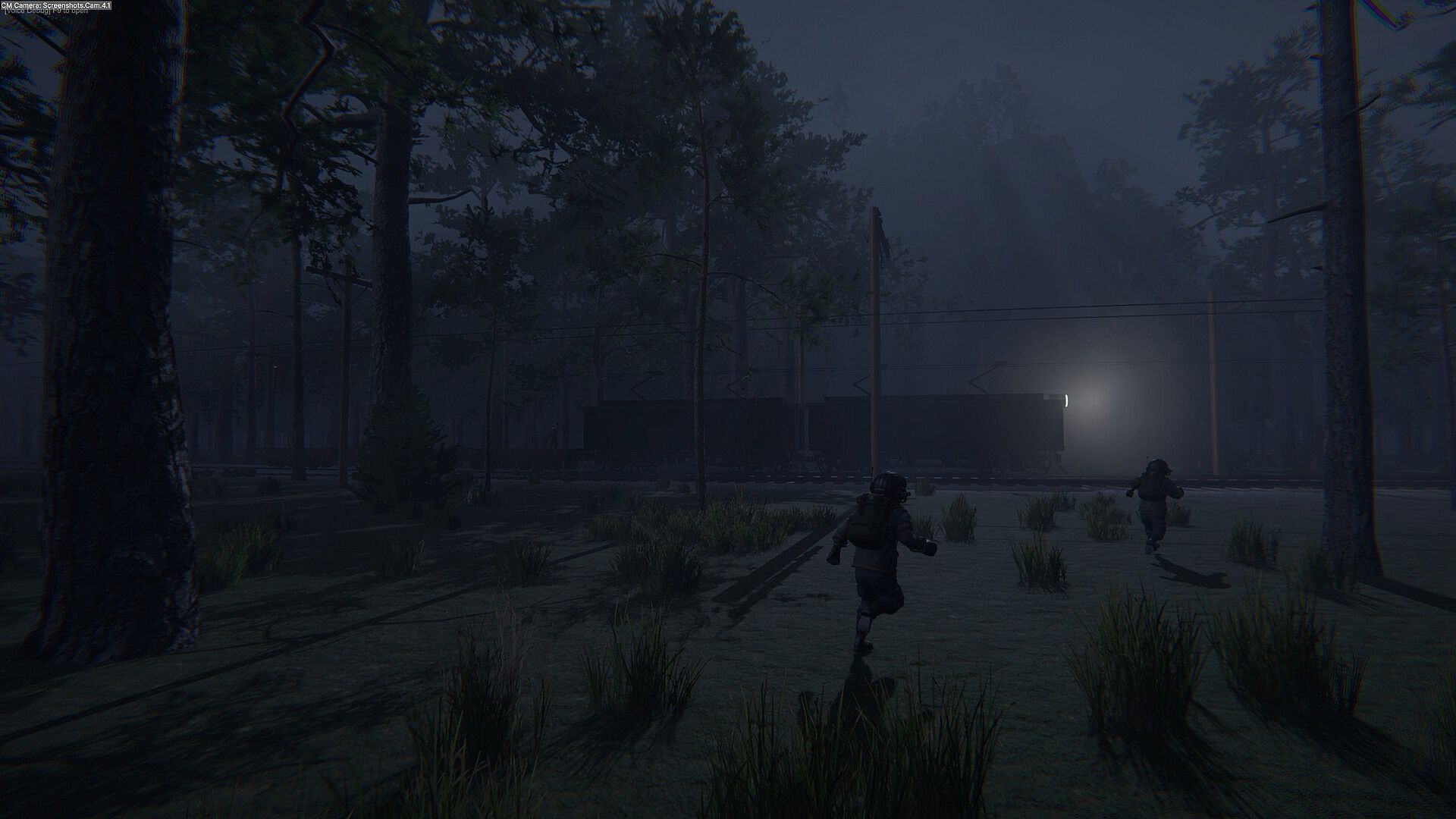
Transportation depends entirely on a constantly moving train that follows a fixed loop. Missing the scheduled stop leaves team members exposed to predators outside the safe zones. Crews decide whether to split up for efficiency or stay together, balancing speed against the risk of delays. The train also serves as a mobile hub for planning and regrouping between objectives.
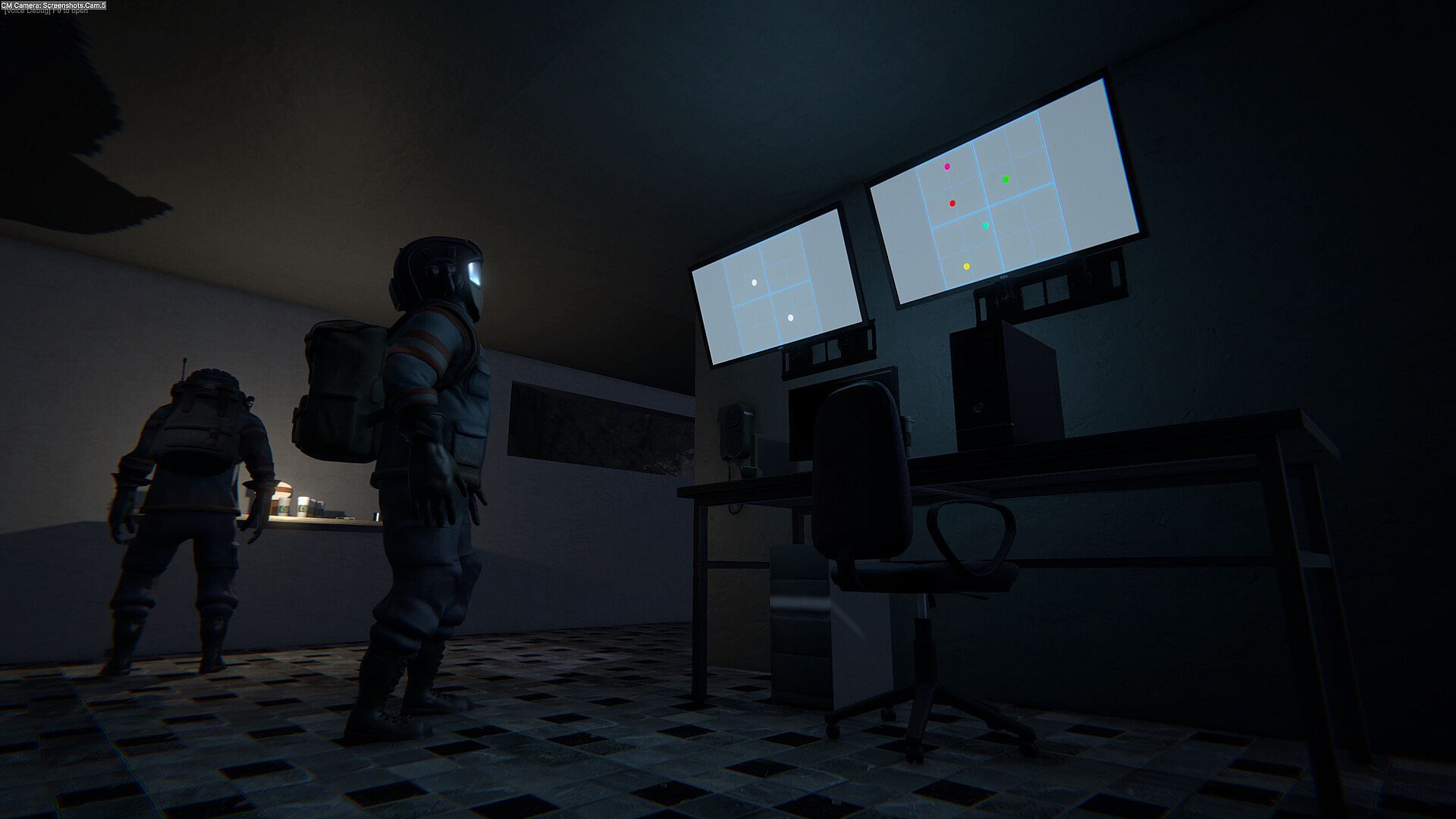
Communication adds another layer of tension. Walkie-talkies do not work, so players rely on proximity voice chat for close-range coordination. Stationary radio terminals scattered across the map enable longer-distance contact but require players to reach them physically. This setup demands real-time synchronization during puzzles and objective work.
Game Modes
The game supports only online co-op sessions for two to four players. No single-player mode exists because the objectives and puzzles are built around team communication and division of labor. Each session focuses on clearing all tasks in a chosen map while keeping the power grid operational.
Maps vary in size and complexity. One smaller layout features four objectives, while a larger one includes seven. Both include randomly distributed loot and two types of roaming enemies that shift behavior based on power status. The experience emphasizes repeatable runs with fresh layouts rather than separate competitive or story modes.
Core Mechanics and Progression
Progression centers on completing map-specific objectives and puzzles that require synchronized actions. Players must often split tasks, using radios to relay information and the train to reposition quickly. Fuel management for generators runs continuously, creating ongoing pressure to scavenge and maintain the grid.
Enemy encounters intensify without power, turning defense into a priority. Limited ammunition and the awkward handling of firearms encourage tactical play over spray-and-pray approaches. Health management through scavenged supplies ties directly into survival during extended operations.
Randomization of item spawns and enemy patrols keeps sessions varied. Two maps are available in the initial build, with plans for additional content that expands objectives, weapons, and threats over time.
Is It Worth Playing?
This title targets players who enjoy cooperative challenges built around communication limits and time-sensitive logistics. The looping train and power grid create constant decision points that reward planning and adaptability. Those who prefer solo experiences or fast-paced action without coordination requirements may find the pace and dependencies frustrating.
The game enters Early Access in Q4 2026 with two maps and core systems already in place. Developers intend to expand with more maps, enemies, weapons, and support for larger groups based on player feedback. Without completed reviews available yet, the appeal rests on how well the coordination mechanics resonate during actual play sessions.
Teams that value tense, methodical co-op over individual heroics will likely find the systems engaging. The emphasis on proximity chat, radio terminals, and train timing produces a distinct rhythm compared to typical survival titles. Players should expect an experience that improves with practice and group familiarity rather than immediate accessibility.











