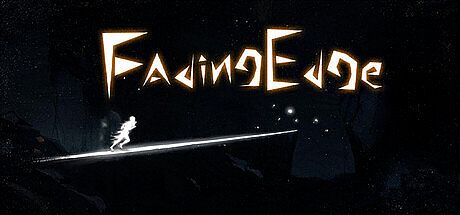









Fading Edge is a side-scrolling action adventure game for PC in which breath serves as the central control mechanic. Players navigate a dark abyss where every inhale and exhale shapes movement and survival. The experience blends precise platforming with tension built around limited resources and reactive threats.
Gameplay
Breath forms the foundation of all movement. An inhale slows the character to a careful pace, while an exhale increases speed for quicker traversal. This system ties directly into survival because each breath also influences the surrounding pressure. When pressure reaches its peak, nightmares emerge and attack, draining the three drops of blood that represent the only health pool. Death returns the player to the start of the current section, enforcing careful breathing patterns throughout every sequence.
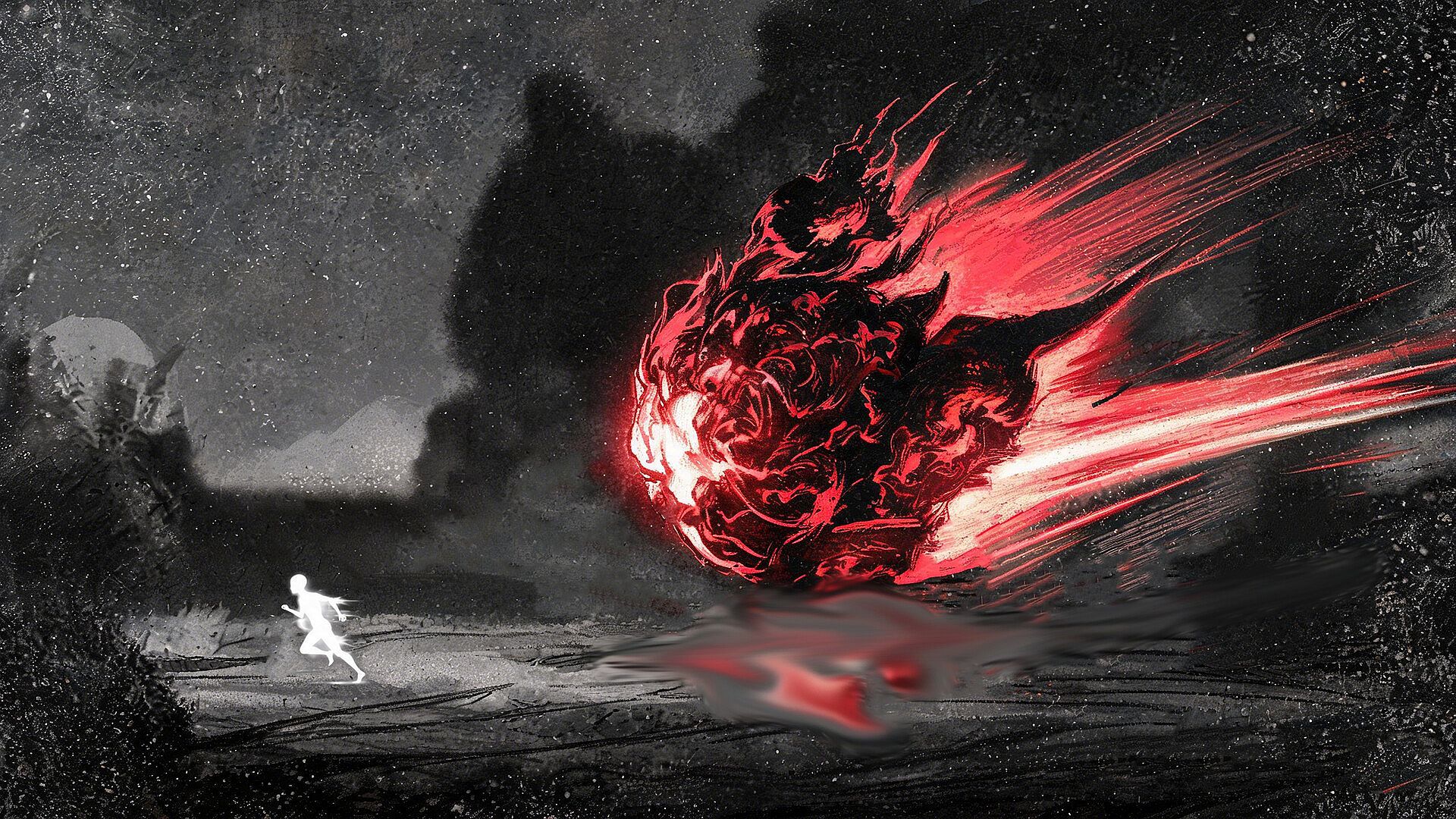
Nightmares function as active pursuers rather than static obstacles. Stationary variants wait in place, stalkers track movement from a distance, hunters anticipate paths, and red ones resist direct confrontation. These entities respond to player actions and position, requiring timing and positioning to avoid or bypass them. Echo shards scattered through the environment provide the sole means of relief. Collecting one resets pressure and clears nearby threats, though the effect proves temporary as deeper areas introduce new dangers.
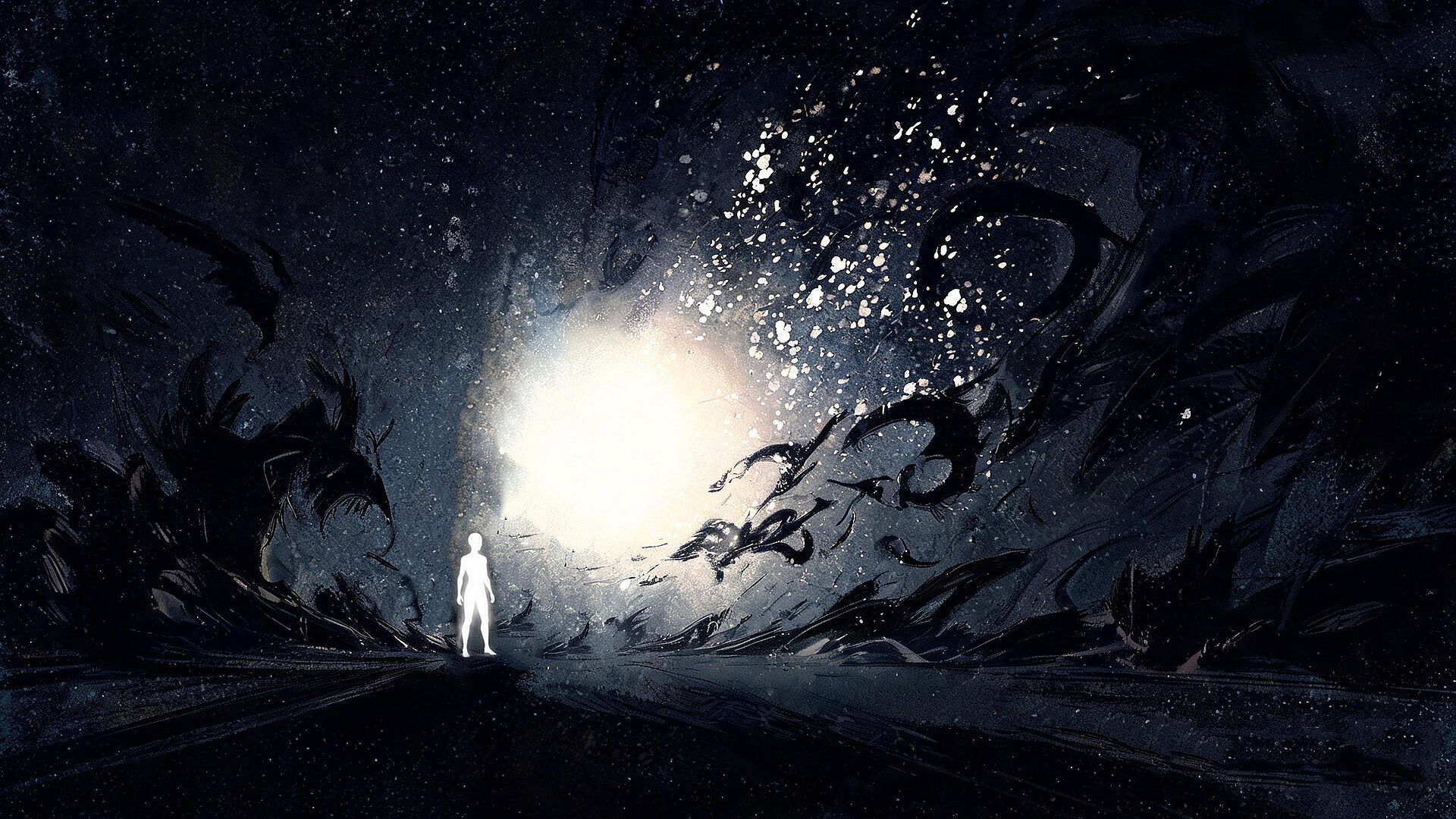
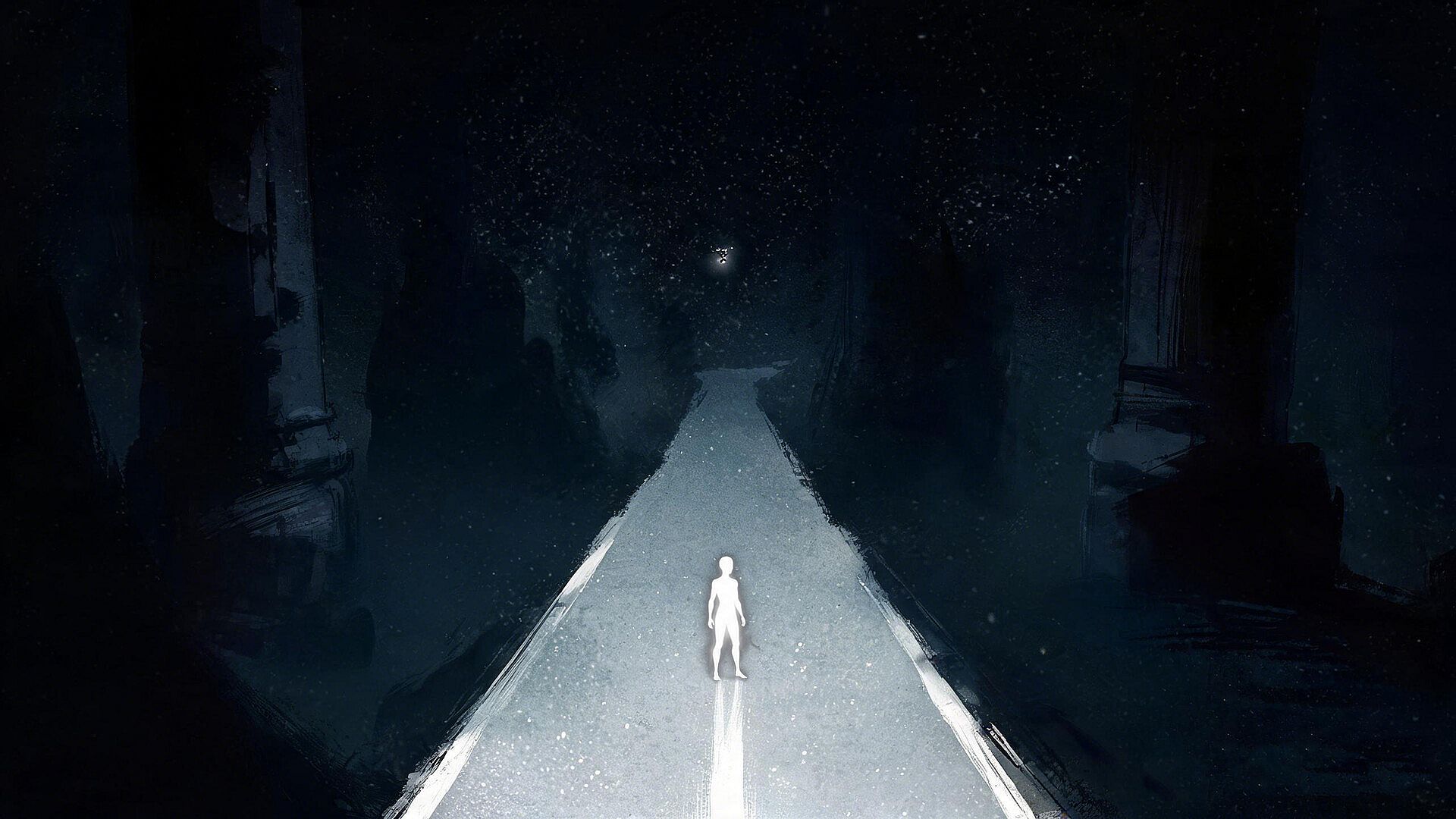
The visual presentation uses high-contrast black-and-white hand-drawn artwork with visible brushstrokes. This style emphasizes the rough, unsettling atmosphere while keeping focus on the silhouette of the character and the shifting threats ahead. Fragmented storytelling appears through environmental details and brief encounters, rewarding repeated runs with additional context about the world and its memories.
Game Modes
The core loop centers on descent through layered environments where breath control and resource management determine progress. Four distinct abysses structure the journey, each tied to a theme of memory and loss. Forgetting presents stark black-and-white visuals, Obsession introduces cold blue tones, Letting Go shifts toward warm white, and Origin uses warm gold hues. These layers increase in isolation and complexity, with nightmares adapting to the new surroundings and pressure mechanics growing stricter.
Occasional black holes appear as optional portals. Entering one shifts the player into an alternate space that functions as a dream within the larger dream. These segments allow collection of additional echo shards and pieces of the overarching narrative, though they carry the risk of extended entrapment if pressure is not managed. The structure encourages careful exploration on initial passes and more deliberate collection on later attempts.
Core Mechanics and Progression
Three drops of blood serve as the strict health limit. Any contact with nightmares or failure to reset pressure results in immediate loss and a restart. This design places emphasis on rhythm and restraint rather than aggressive forward momentum. Echo shards act as checkpoints that also clear threats, creating short cycles of tension and release that repeat across each abyss.
The fragmented narrative rewards observation. Details about stolen memories and the nature of the nightmares surface gradually through repeated exposure to the same areas. Collectors who revisit sections after completing the main descent uncover connections that tie the four abysses together into a single story of loss and reclamation.
Is It Worth Playing?
Fading Edge suits players who enjoy deliberate, tension-driven side-scrolling adventures built around a single unconventional mechanic. The breath system creates a constant need for focus that sets it apart from standard platformers. Those drawn to atmospheric indie titles with hand-drawn visuals and layered environmental storytelling will find the four abysses and their distinct themes provide meaningful variety without relying on external progression systems.
The limited health pool and restart-on-death structure reward patience and pattern recognition over speed or reflexes alone. Players comfortable with trial-and-error runs and the satisfaction of mastering a unique control scheme will appreciate the depth available on subsequent playthroughs. The game stands as a self-contained experience centered on its core loop of breath, pressure, and memory collection.