






Fortune Mill est un jeu de simulation incrémentale solo qui s'inscrit dans les genres indie et casual. Le joueur explore une série de salles interconnectées au sein d'une installation mystérieuse, avec pour objectif principal d'atteindre un million d'unités monétaires dans chaque pièce afin de progresser vers la sortie. L'expérience combine gestion de ressources, systèmes d'améliorations et automatisation dans une boucle qui récompense une planification minutieuse à travers plusieurs sources de revenus.
Gameplay
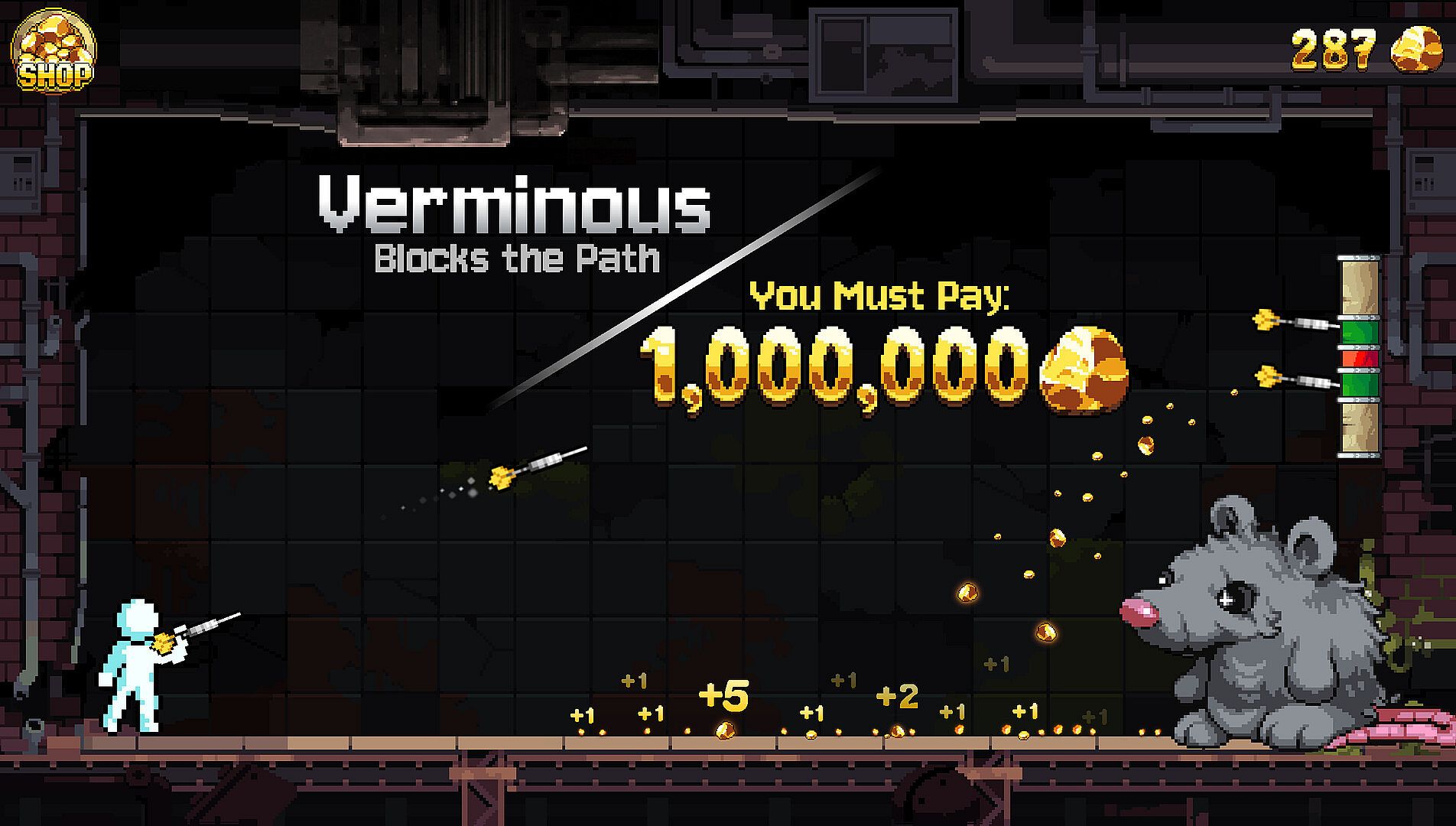
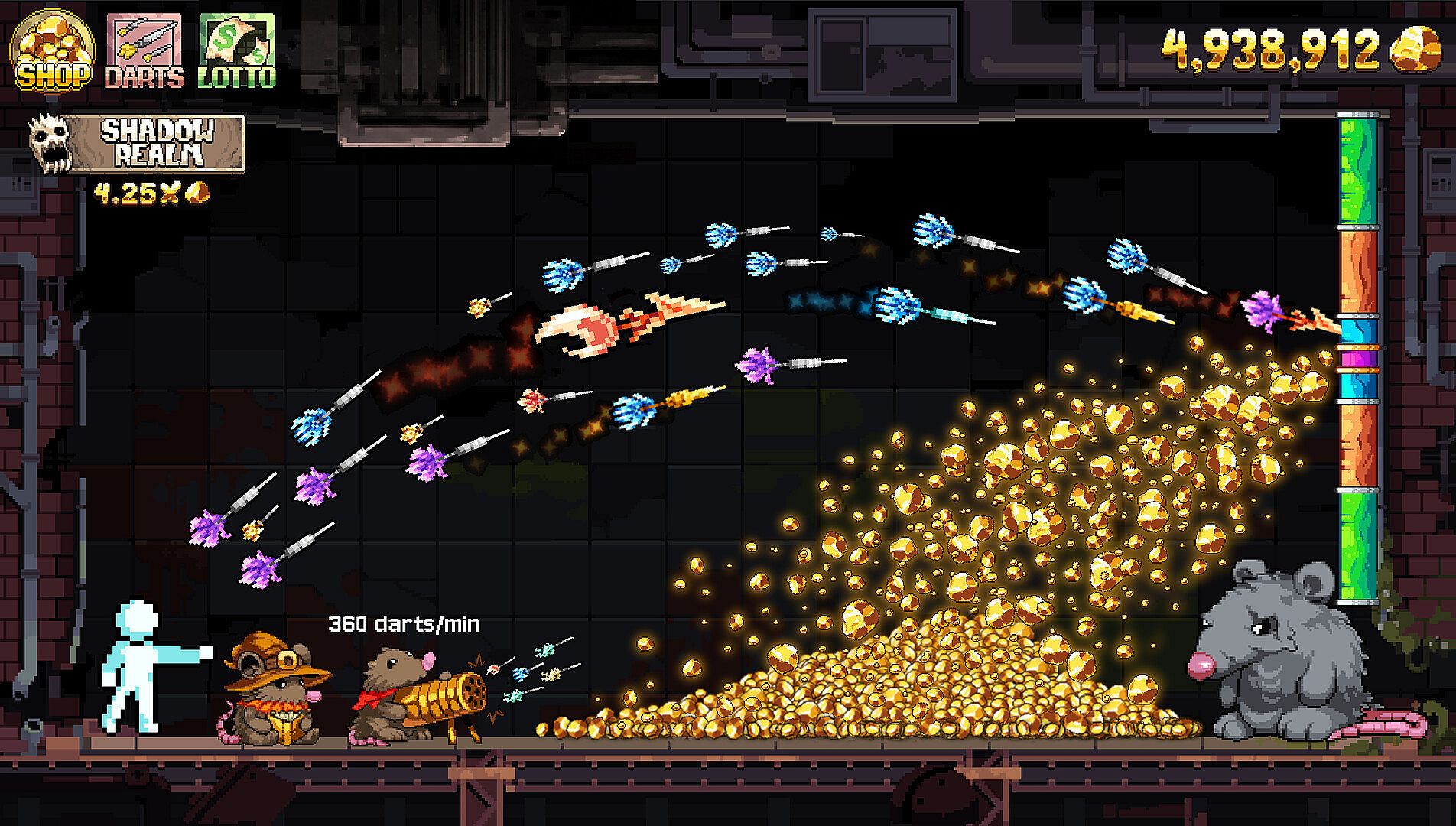
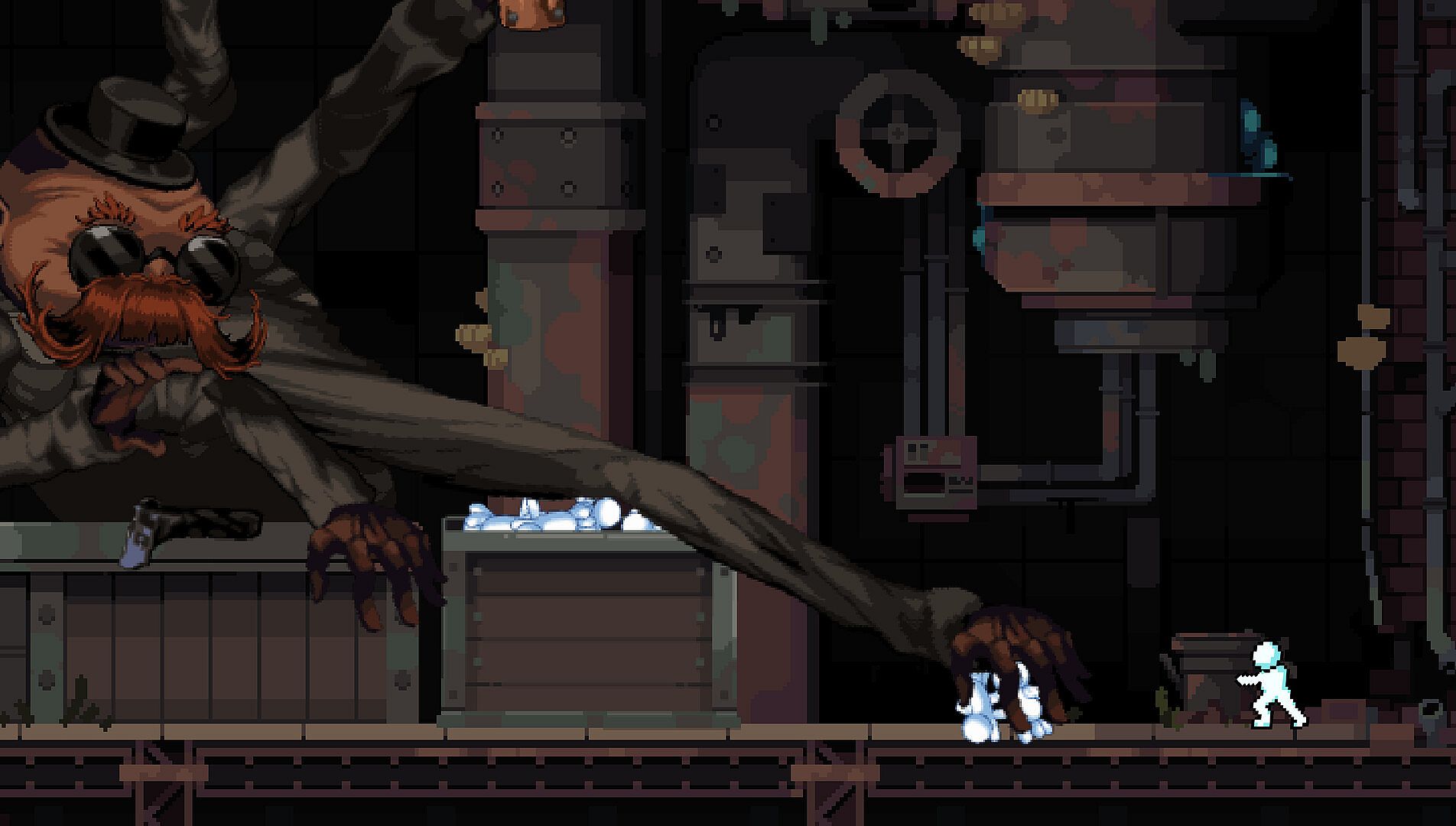
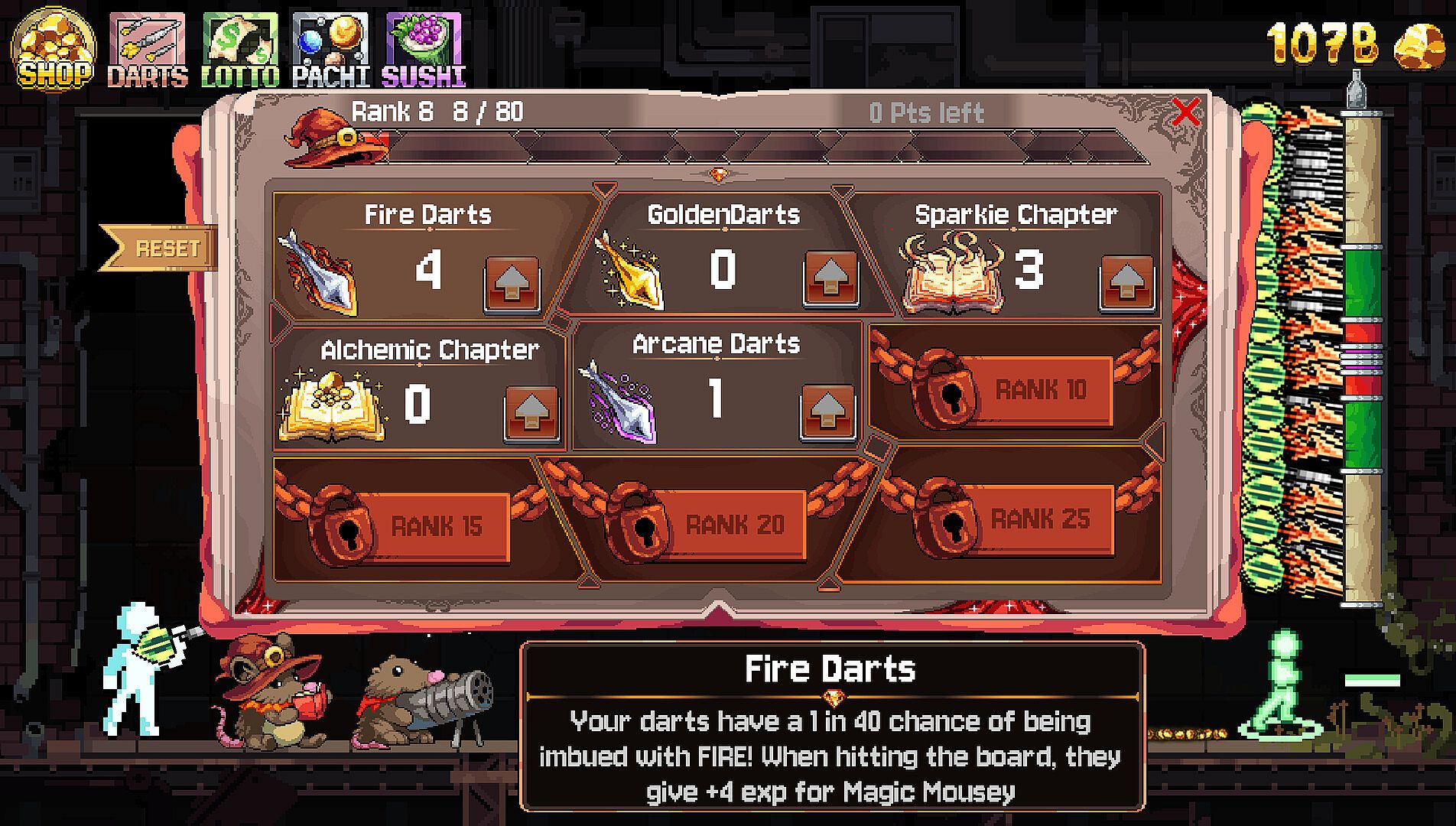
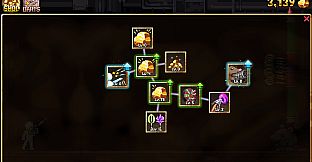
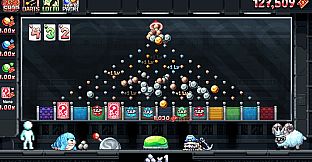
La progression commence dans la première salle, où les lancers de fléchettes constituent la principale source de revenus face à une barrière initiale exigeant une somme importante. Les premiers gains sont modestes, mais le joueur accède rapidement à des améliorations qui multiplient la valeur de l'or et introduisent des éléments d'automatisation, notamment des personnages compagnons qui assistent aux lancers. Ces évolutions s'accumulent rapidement et transforment les gains par lancer en montants conséquents grâce à des multiplicateurs superposés et une meilleure efficacité.
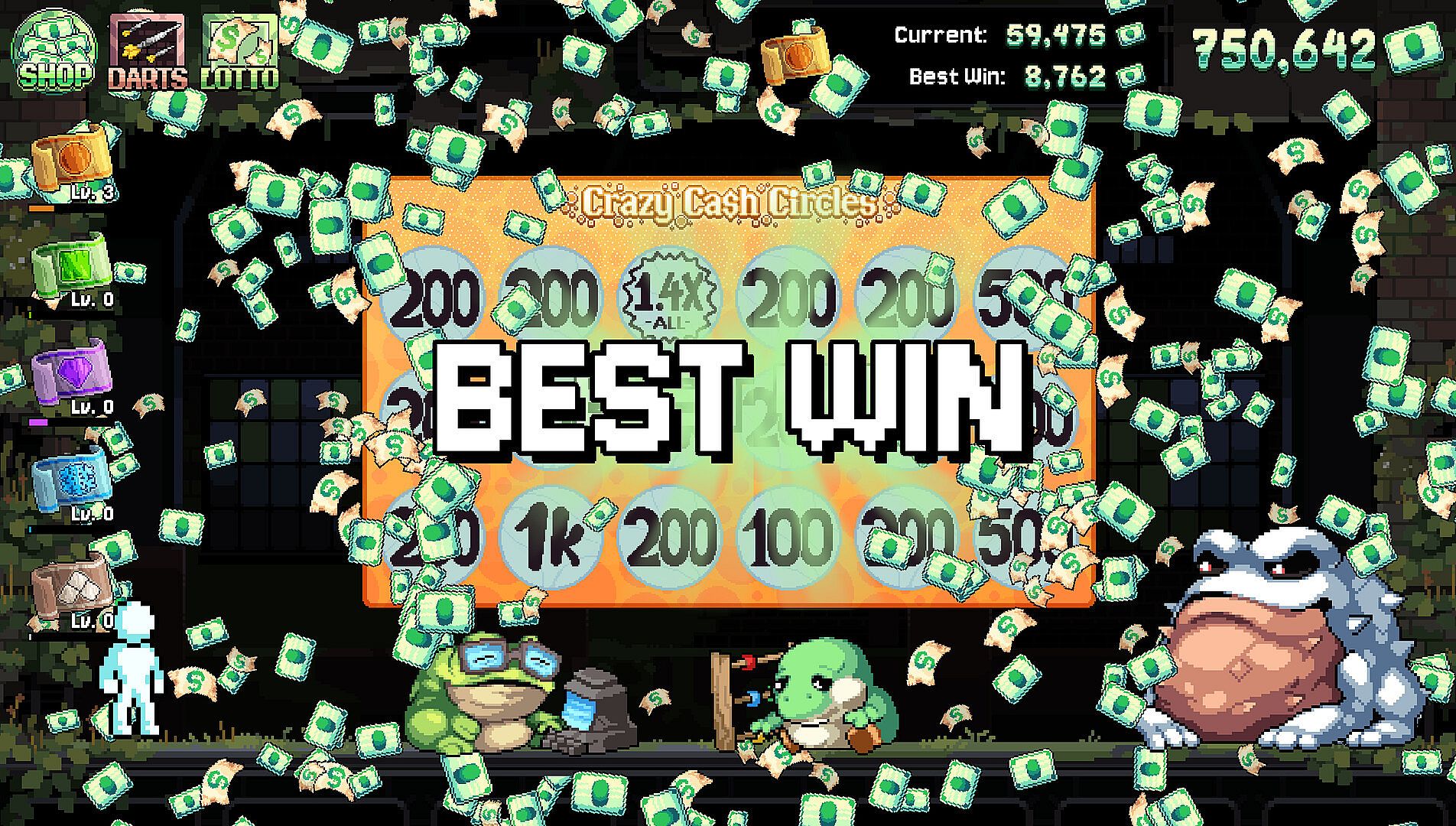
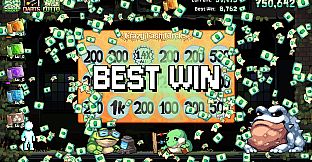
Les salles suivantes introduisent des mécaniques distinctes qui s'intègrent au système global. Les tickets à gratter offrent une autre source de revenus, avec des options pour augmenter leur valeur et intégrer des rôles spécialisés qui optimisent les retours. L'automatisation joue un rôle central tout au long du jeu, permettant une génération passive qui se poursuit même lorsque l'attention se déplace entre les zones. La conception met l'accent sur les interactions entre les salles : les progrès réalisés dans l'une génèrent des bonus qui accélèrent la progression ailleurs, créant ainsi une économie unifiée plutôt que des défis isolés.
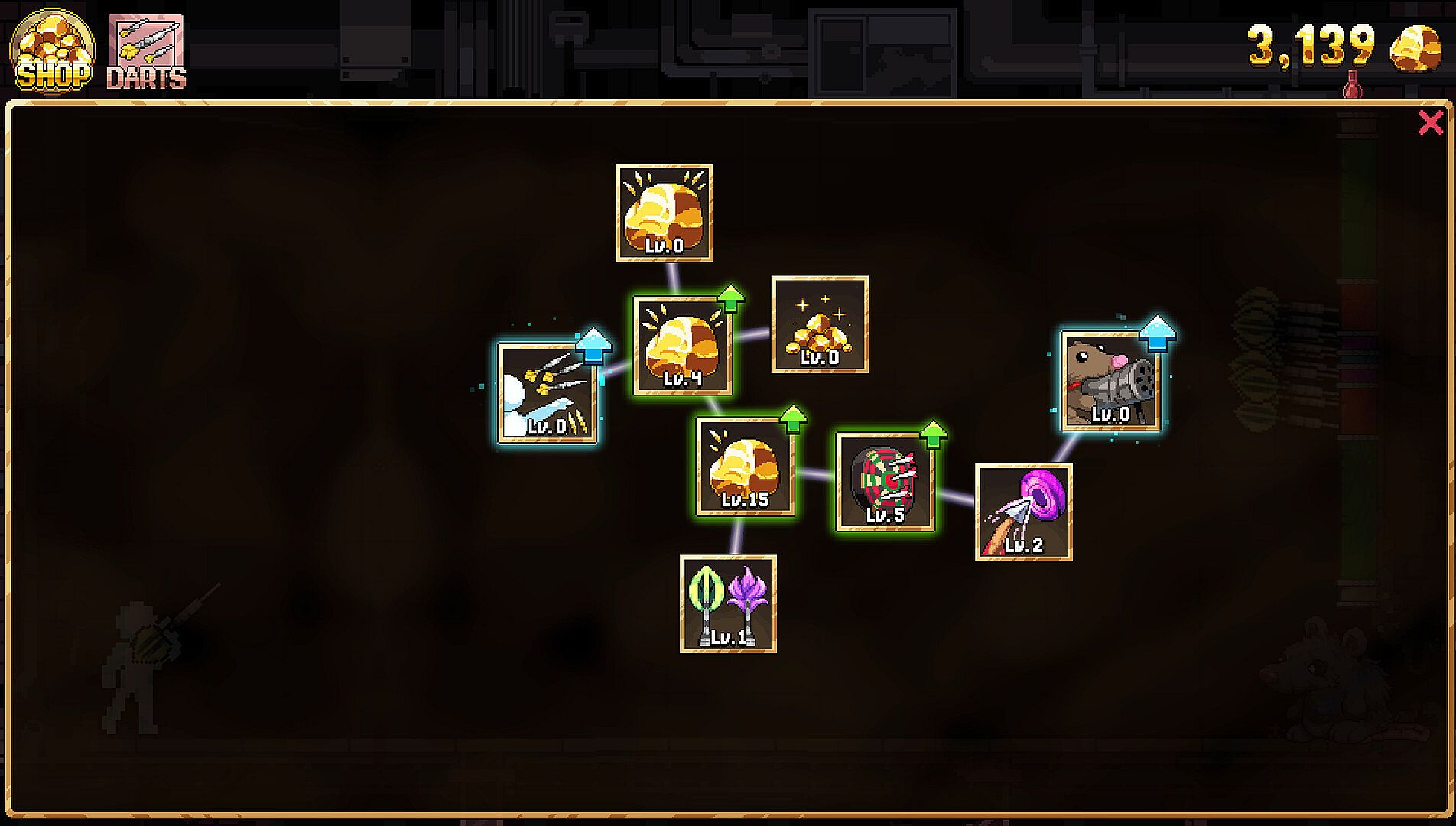
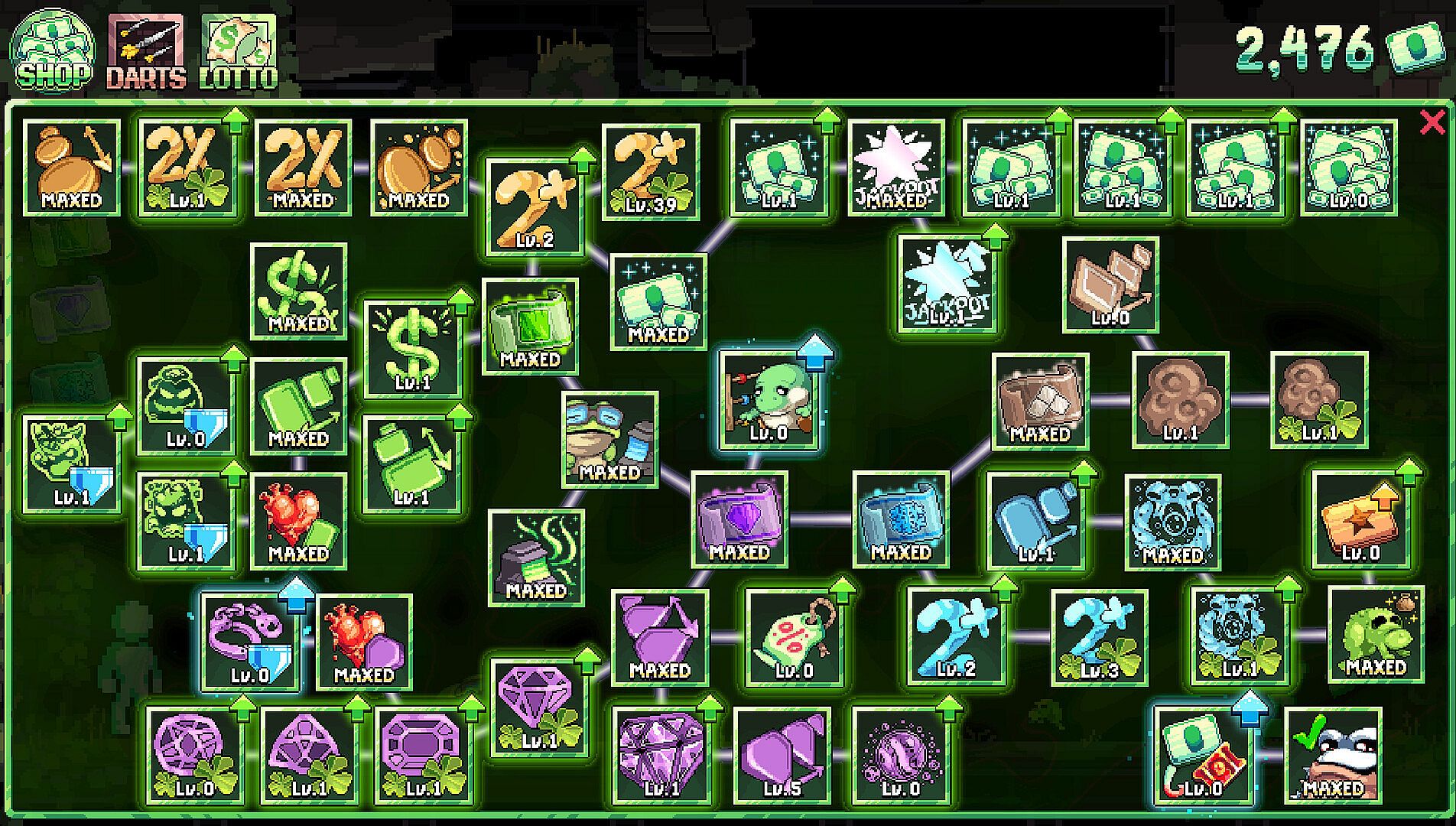
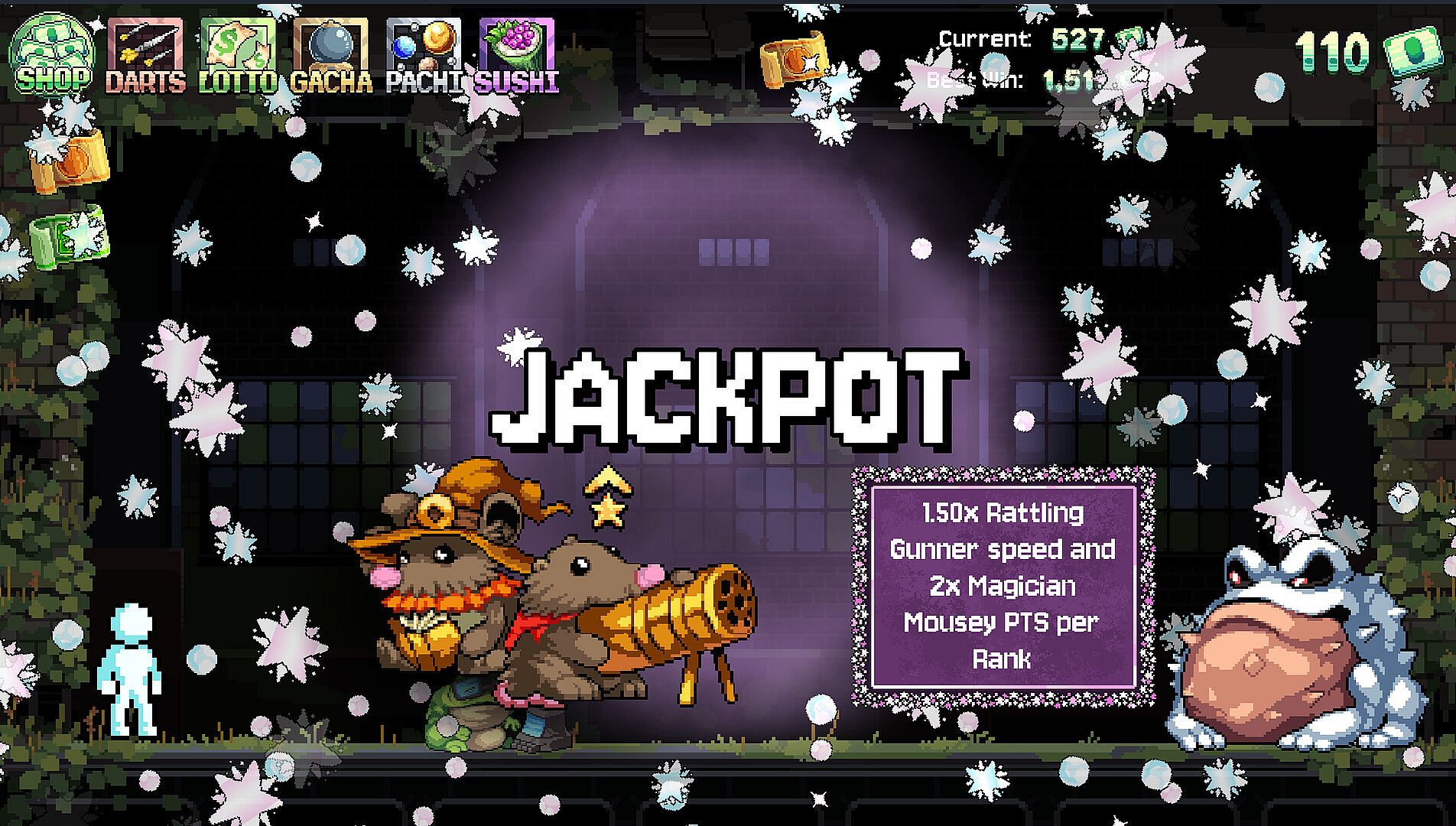
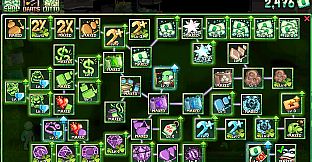
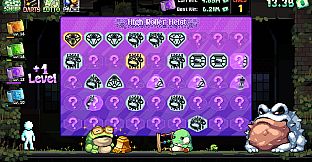
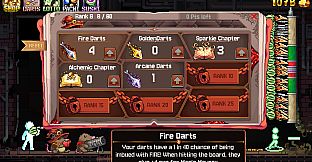
D'autres couches viennent enrichir l'expérience, comme des événements jackpot offrant des améliorations permanentes, des multiplicateurs basés sur des dés pour des gains à forte variance, et des activités spécialisées qui modifient les règles de base de manière ciblée. Les améliorations se répartissent en catégories qui renforcent les salles individuelles ou créent des synergies plus larges, incitant le joueur à équilibrer les gains immédiats et l'efficacité à long terme sur l'ensemble du dispositif.
Modes de jeu
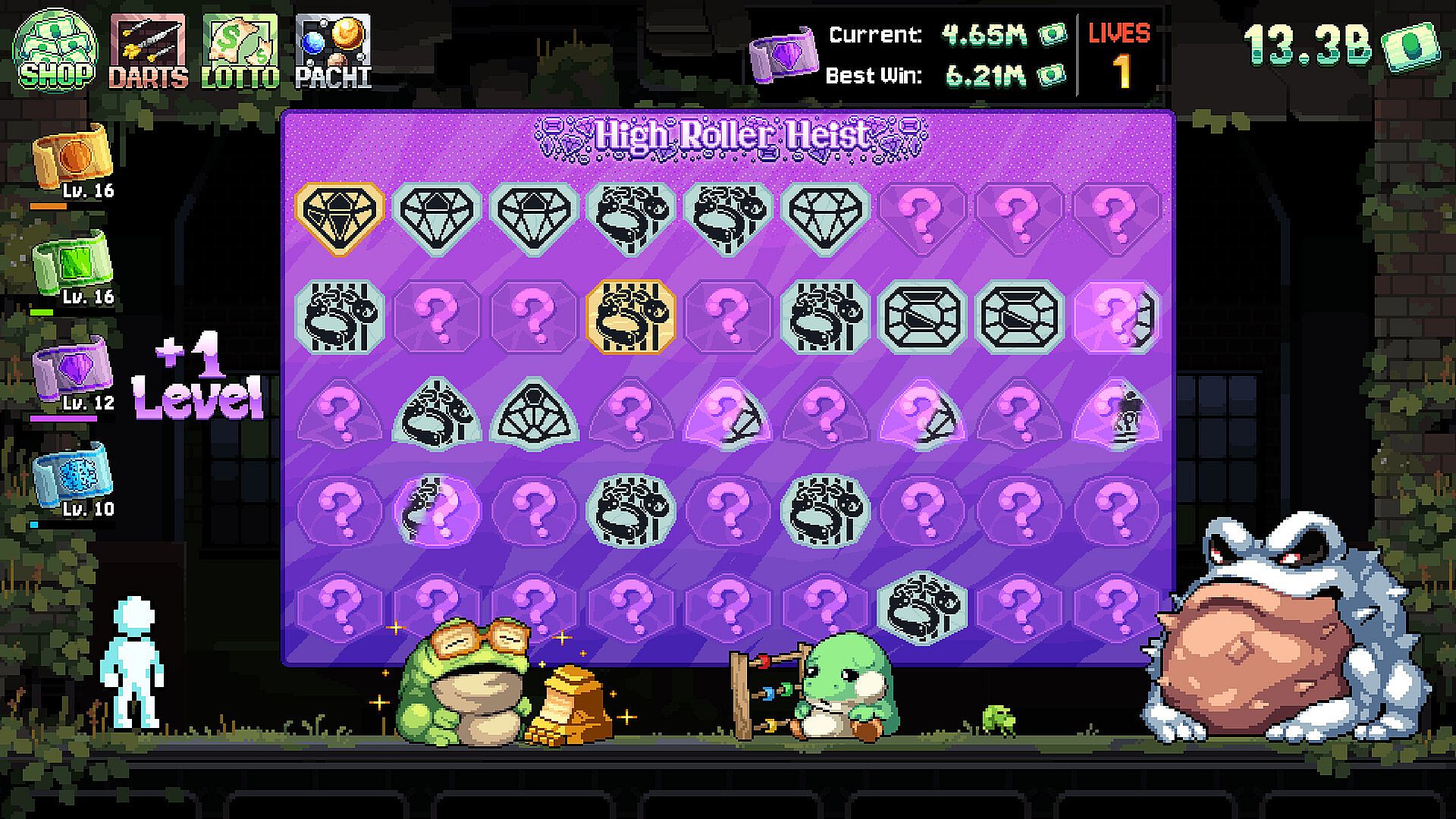
Le jeu structure son contenu autour de salles séquentielles, chacune centrée sur une activité de gain unique qui s'intègre aux autres. La première salle se concentre sur les lancers de fléchettes et une progression directe de type combat contre des barrières. La deuxième met l'accent sur les tickets à gratter et des manœuvres financières à plus grande échelle, incluant des opportunités jackpot qui procurent des avantages durables aux zones précédentes.
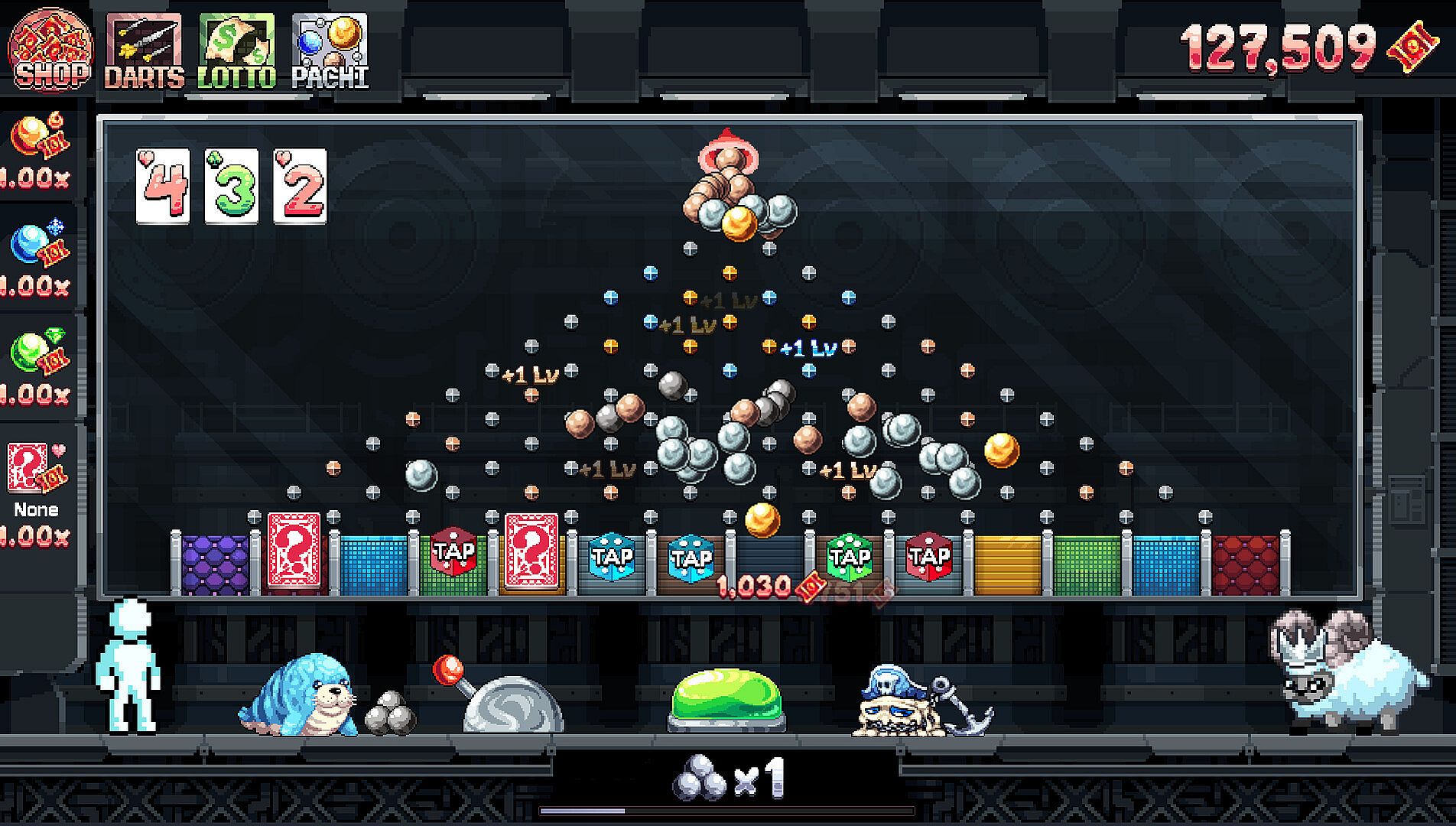
Les salles suivantes enrichissent la variété avec des jets de dés qui introduisent des multiplicateurs et des mécaniques de cuisine qui appliquent des modifications spécifiques aux systèmes en cours. Cette progression par salles constitue le cadre principal, sans modes compétitifs ou coopératifs distincts. Toute l'activité reste en solo et s'articule autour de l'optimisation du réseau partagé d'améliorations et d'automatisation qui relie chaque section.
Progression et Automation
La progression repose sur un mélange de jeu actif et d'éléments idle. Le joueur débloque des fonctionnalités d'automatisation qui gèrent les tâches répétitives, libérant ainsi l'attention pour des décisions stratégiques concernant les chemins d'amélioration. Les améliorations de synergie ciblent spécifiquement les interactions entre les salles, amplifiant les revenus passifs dans l'ensemble et réduisant le besoin d'interventions manuelles constantes dans une zone donnée.
La boucle encourage l'expérimentation avec différentes combinaisons d'améliorations, car les choix effectués dans une salle peuvent modifier radicalement l'efficacité des autres. Cette conception interconnectée maintient une expérience dynamique même après le franchissement des premières barrières, avec de nouvelles synergies qui apparaissent au fur et à mesure que de nouvelles salles deviennent accessibles.
Vaut-il le coup ?
Fortune Mill propose une expérience incrémentale ciblée, adaptée aux joueurs qui apprécient la construction de systèmes complexes à partir de bases simples. Les synergies entre les salles et la profondeur de l'automatisation assurent une progression constante sans exiger une attention permanente, ce qui le rend accessible pour des sessions courtes ou en arrière-plan. Les retours récents des joueurs sont très positifs, avec environ 80 % d'avis favorables sur plus de mille évaluations.
Les amateurs de simulations casual axées sur l'optimisation des ressources et les bonus inter-systèmes trouveront les mécaniques gratifiantes. Le jeu favorise une progression régulière grâce à un choix réfléchi des améliorations plutôt qu'à une exécution hautement technique, ce qui correspond bien aux fans de gestion idle. Disponible sur PC, il bénéficie d'un engagement actif des joueurs peu de temps après son lancement.