






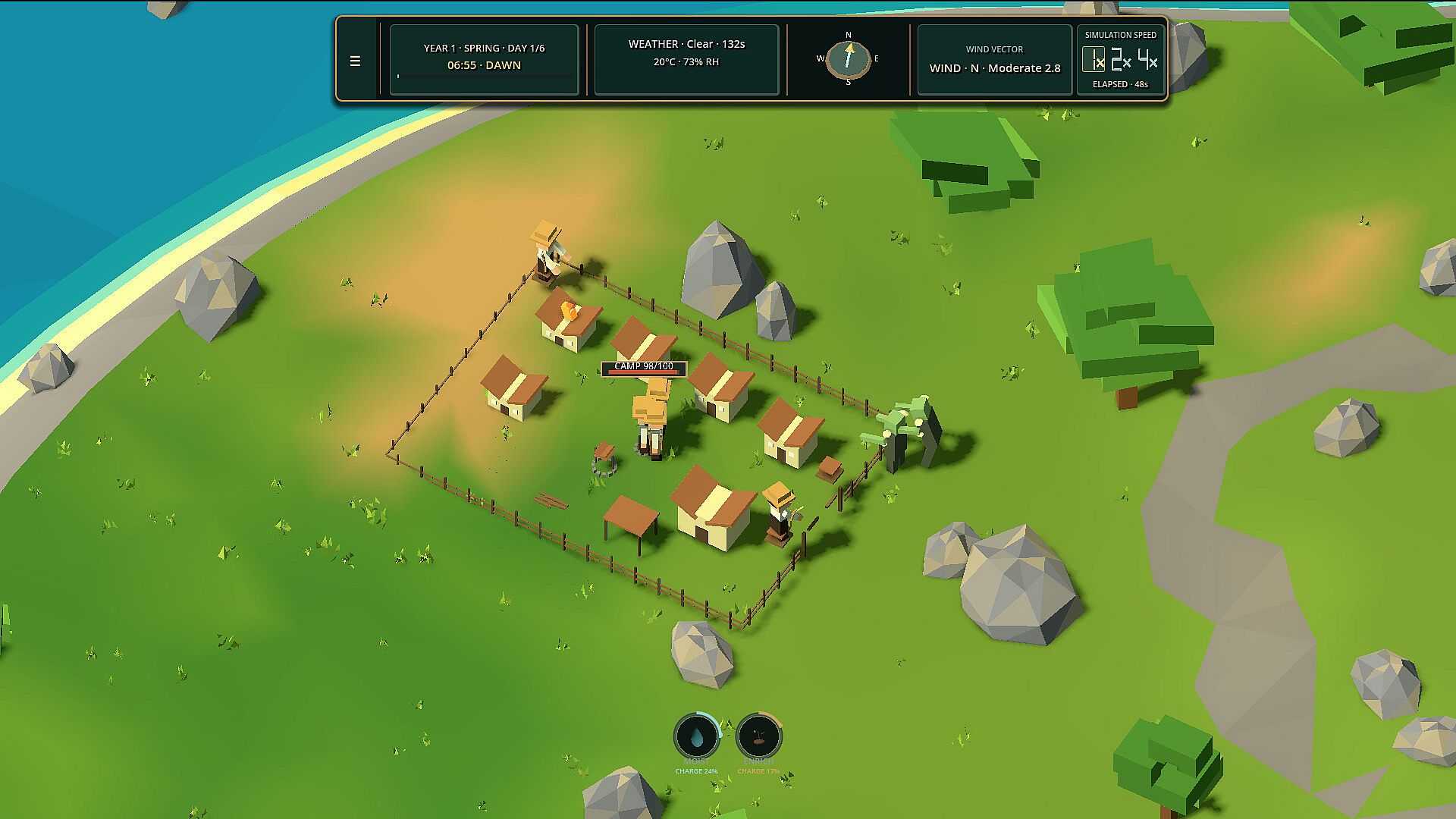
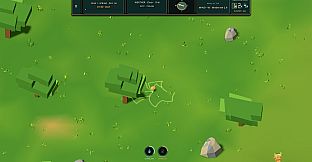
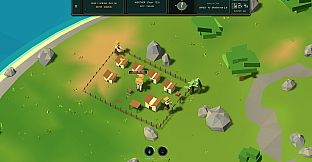
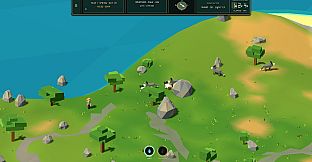
Fungal Field is a strategy indie simulation game set on PC that places players in charge of a living fungal colony. A single seed starts the process on an island ecosystem where growth depends on careful environmental management rather than direct control over every element.
Gameplay
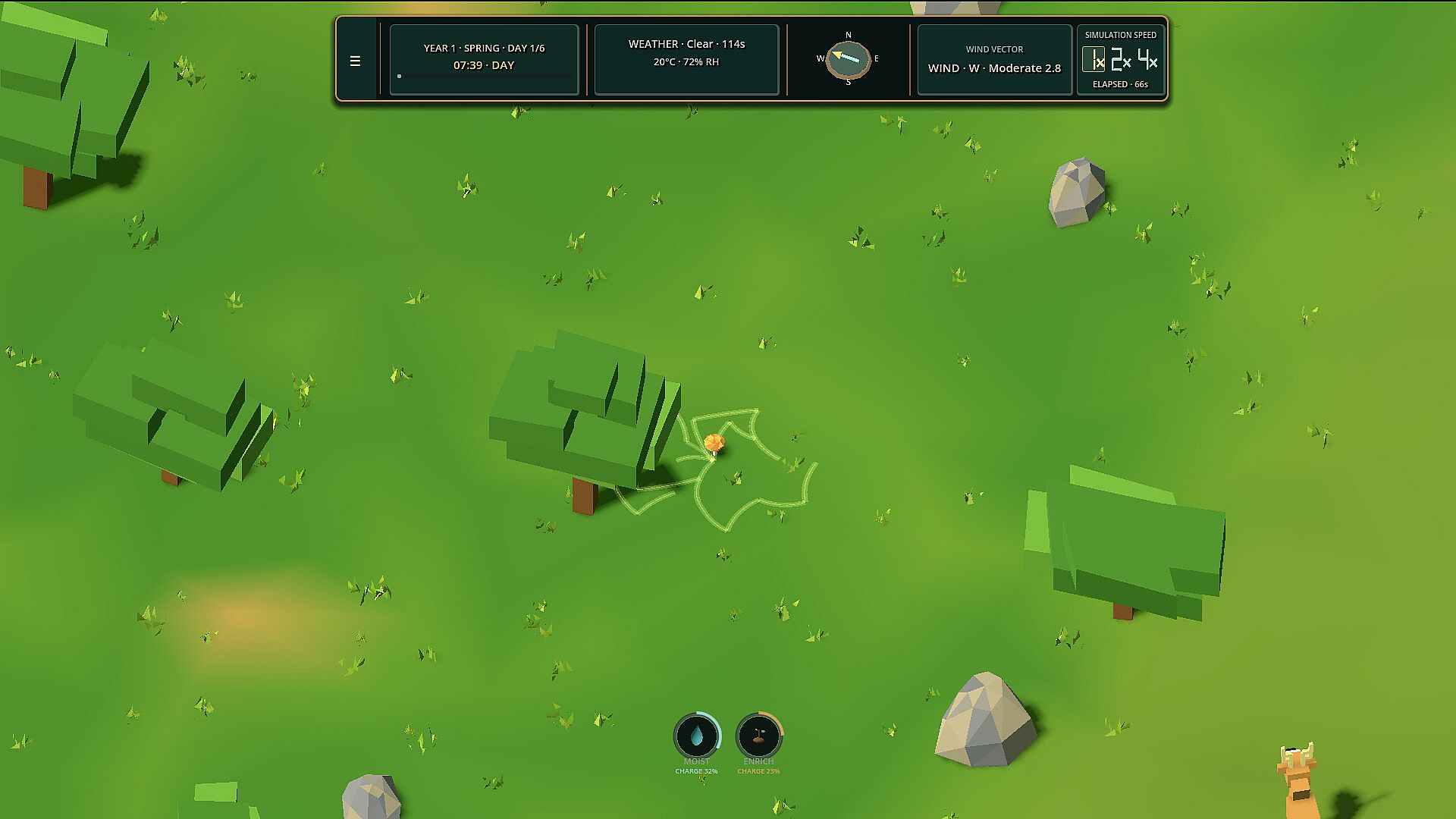
The core loop centers on planting a fungal seed and then shaping the surrounding conditions to encourage mycelium expansion through the soil. Nutrients and moisture levels determine how the underground network develops and where new mushroom clusters appear above ground. The simulation runs on its own once conditions are set, allowing the colony to respond organically to the environment created.
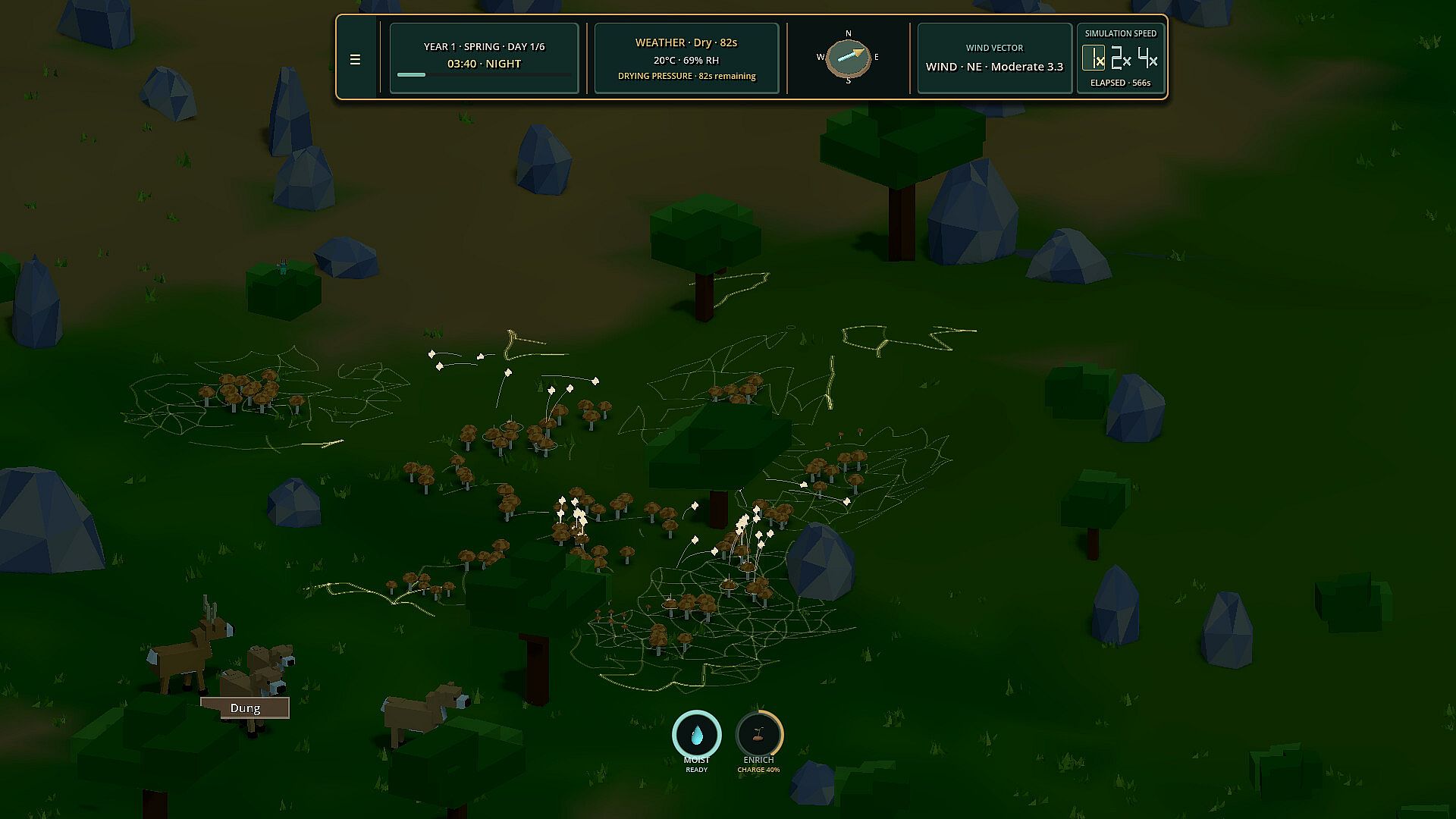
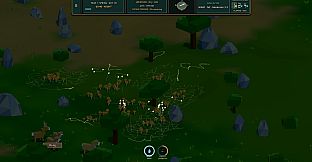
Mycelium forms the true foundation rather than the visible mushrooms. Branches spread to gather resources and sustain further growth, creating connections that extend beyond the initial planting site. Small adjustments to soil quality or hydration can trigger wider changes in how the network forms and supports additional clusters.
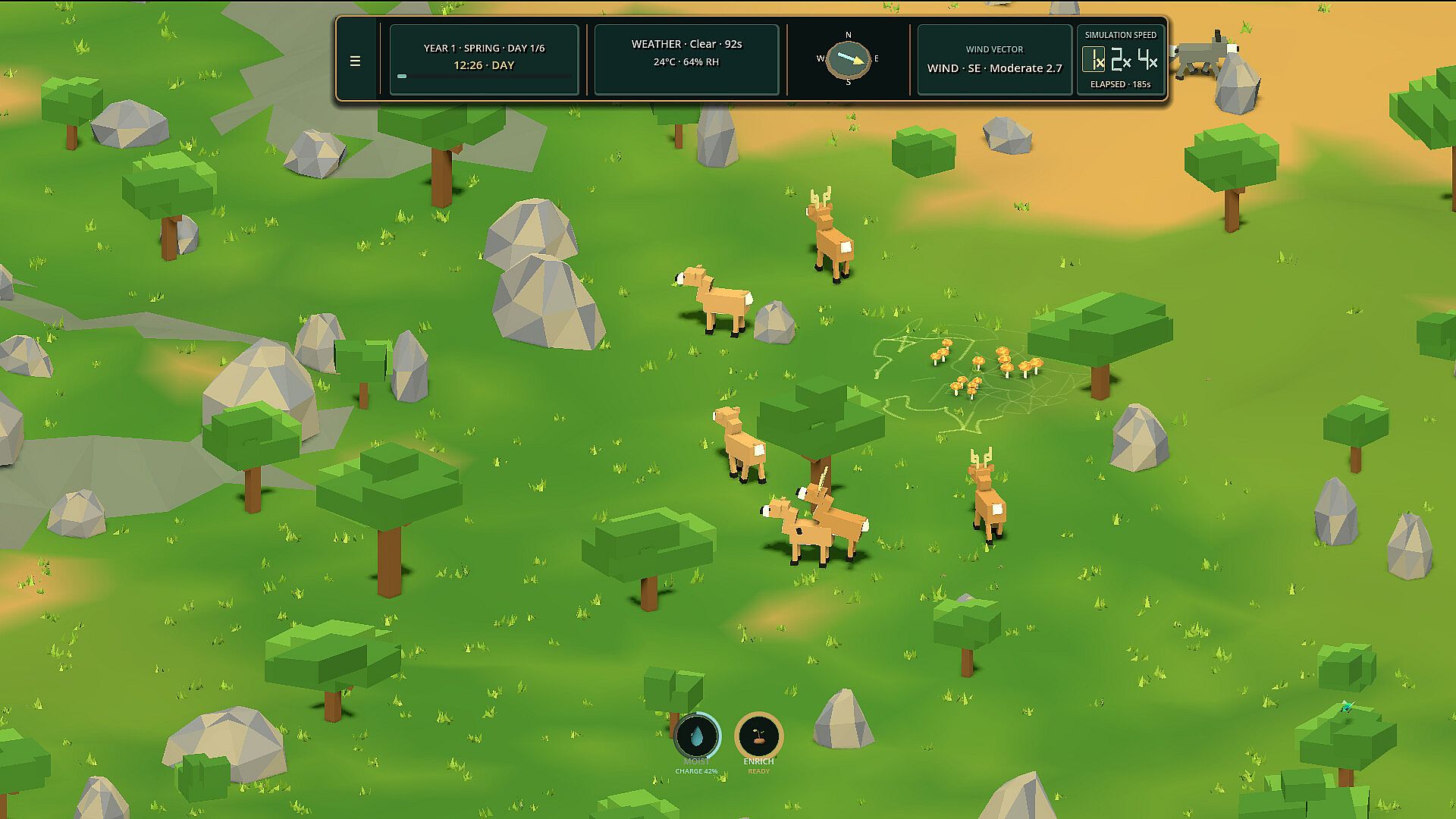
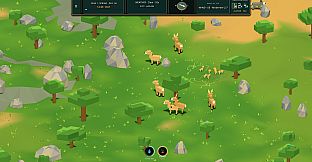
Interactions extend beyond the fungi themselves. Deer visit patches to feed and may return or bring others, turning a nurtured area into a recurring site within the larger island ecosystem. These visits add layers of observation as the colony influences and is influenced by the surrounding wildlife.
Game Modes
The experience unfolds as a continuous single-player simulation without separate competitive or cooperative modes. Players focus on one colony at a time, adjusting conditions and watching the results unfold across changing weather and seasons. Expansion happens through spore dispersal once mushrooms mature, allowing new colonies to form in distant suitable spots on the island.
Progression emerges from the colony's own responses rather than structured levels or objectives. Networks can meet and interact with one another, sometimes competing for space or forming natural boundaries as they grow larger.
The Living Ecosystem
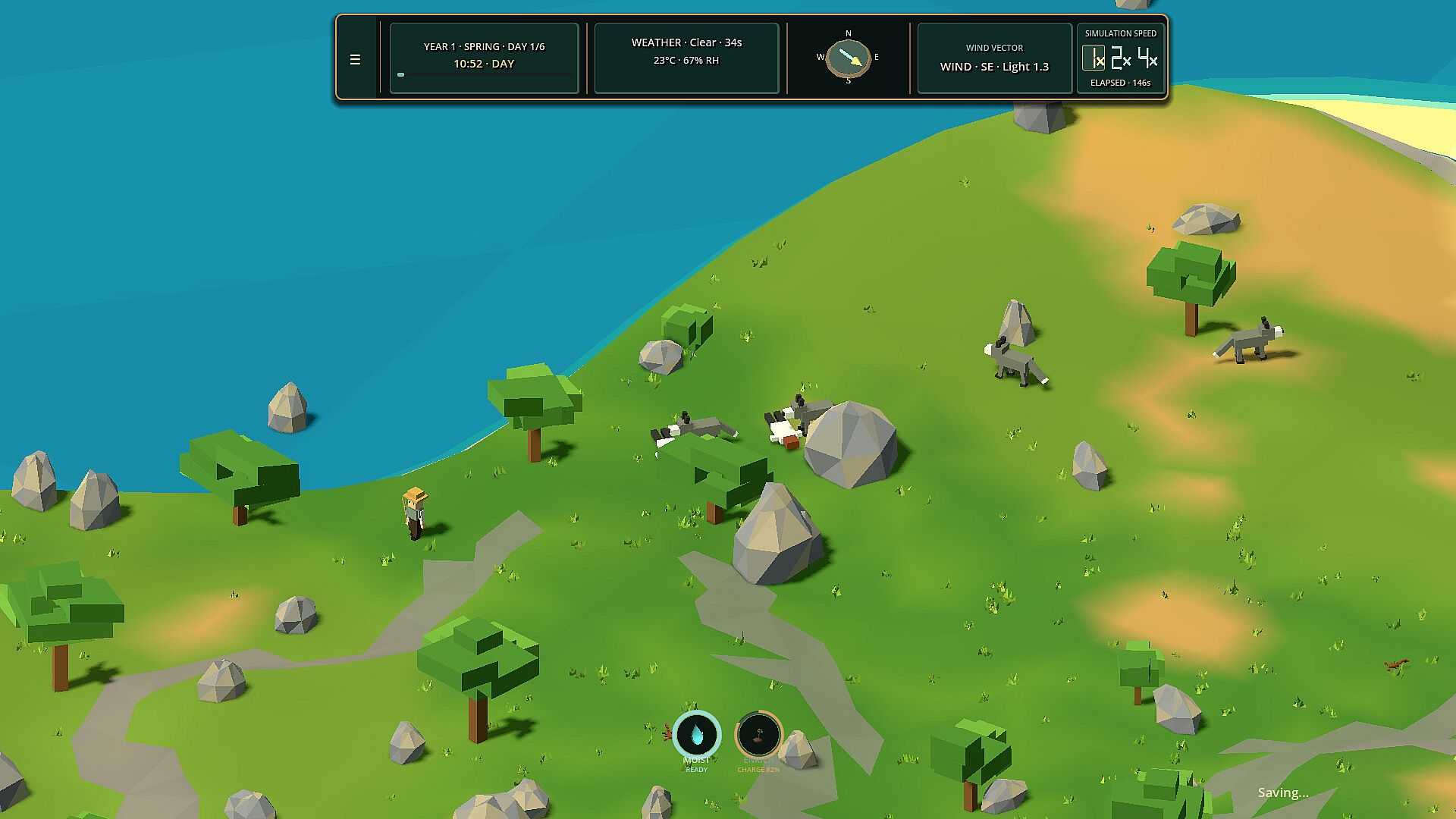
The island functions as a dynamic setting where quiet periods give way to shifts in weather and seasonal cycles. A thriving patch may face challenges during dry spells while a dormant area could recover when conditions improve. These changes affect nutrient availability and the overall health of the fungal networks.
Decomposition plays a role in long-term cycles. When parts of the colony break down, nutrients return to the soil and create fresh opportunities for whatever grows next. This process keeps the simulation evolving even after individual clusters reach maturity.
Is It Worth Playing?
Fungal Field suits players who enjoy slow-paced strategy and simulation titles centered on observation and subtle influence rather than fast action or direct commands. The emphasis on mycelium networks and ecological responses offers a distinctive focus within the indie simulation genre. Those interested in watching systems develop over time and noting how small changes ripple outward will find the approach engaging. The game remains in a state where its core mechanics of condition-setting and colony response form the primary draw for interested players.











