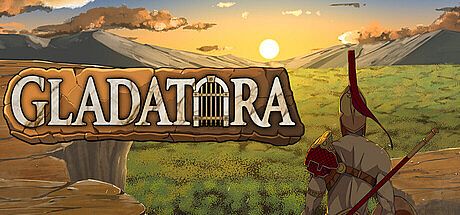



Gladatora is a single-player turn-based tactical RPG developed for PC that places players in the role of a former slave who seizes control of a ludus after a mutiny. The game blends squad-based combat, resource management, and exploration in a setting where maintaining secrecy from Roman authorities forms a core tension. Players train fighters, manage daily operations, and pursue rebellion goals while balancing reputation and risk.
Gameplay
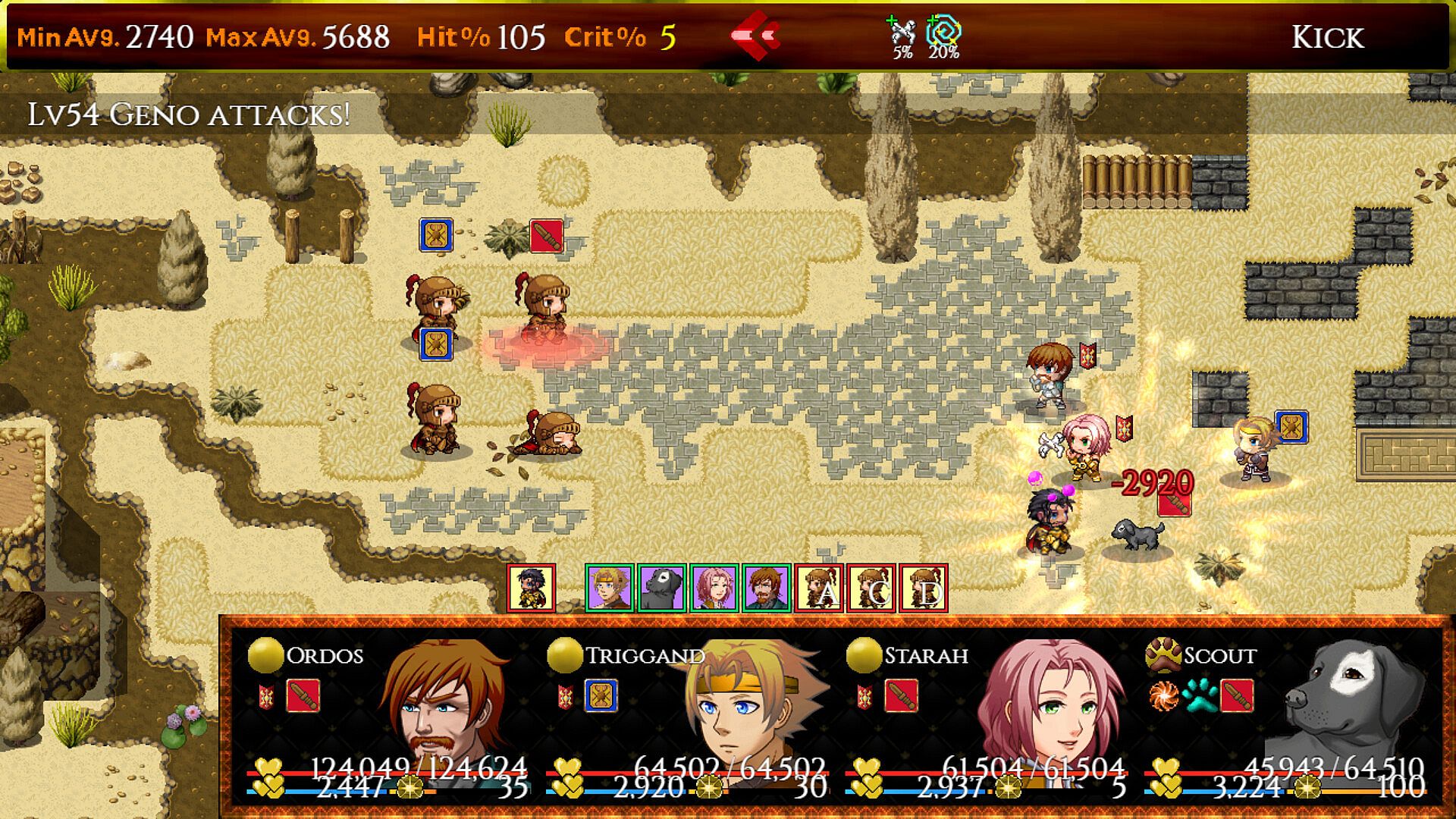
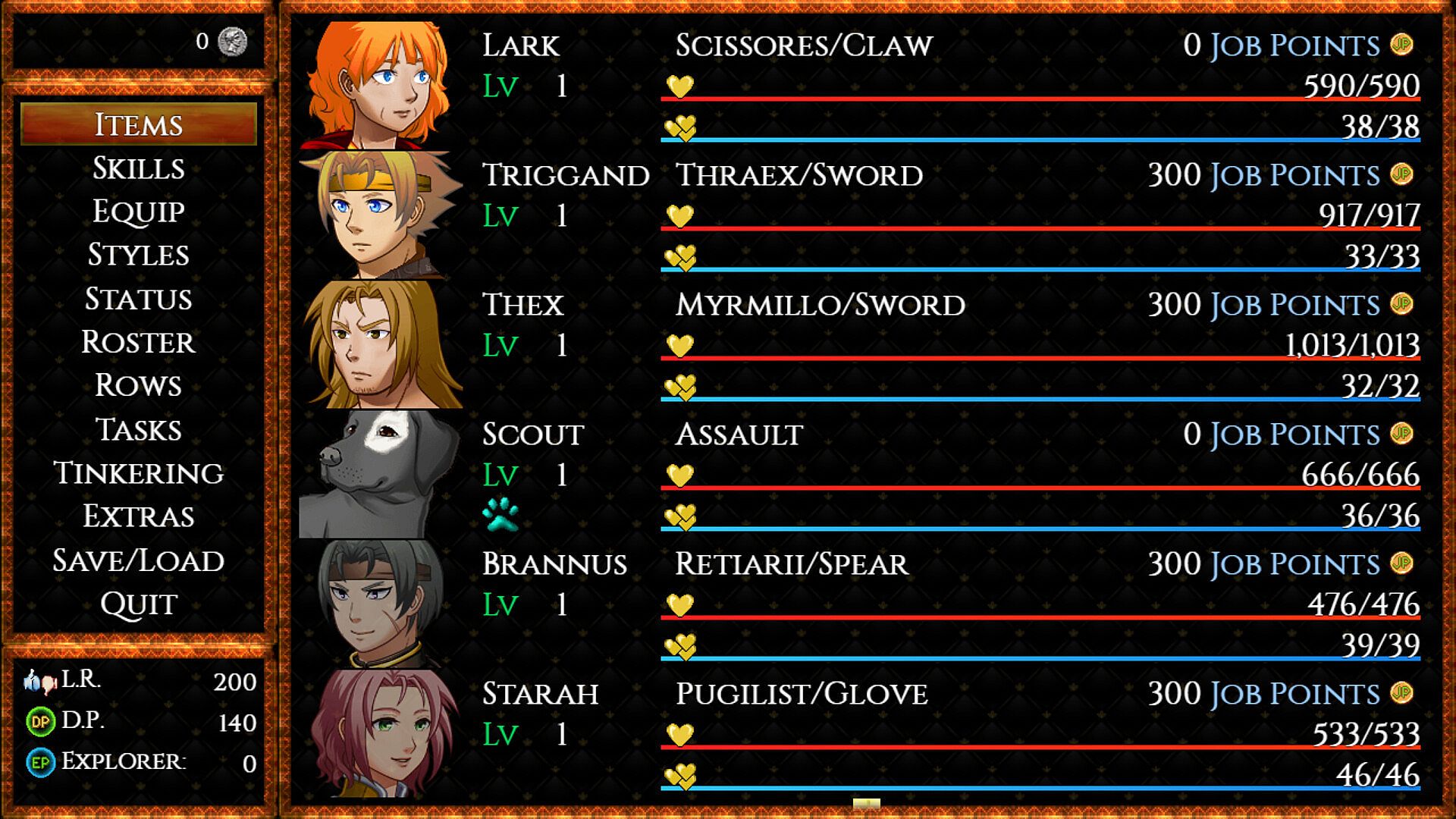
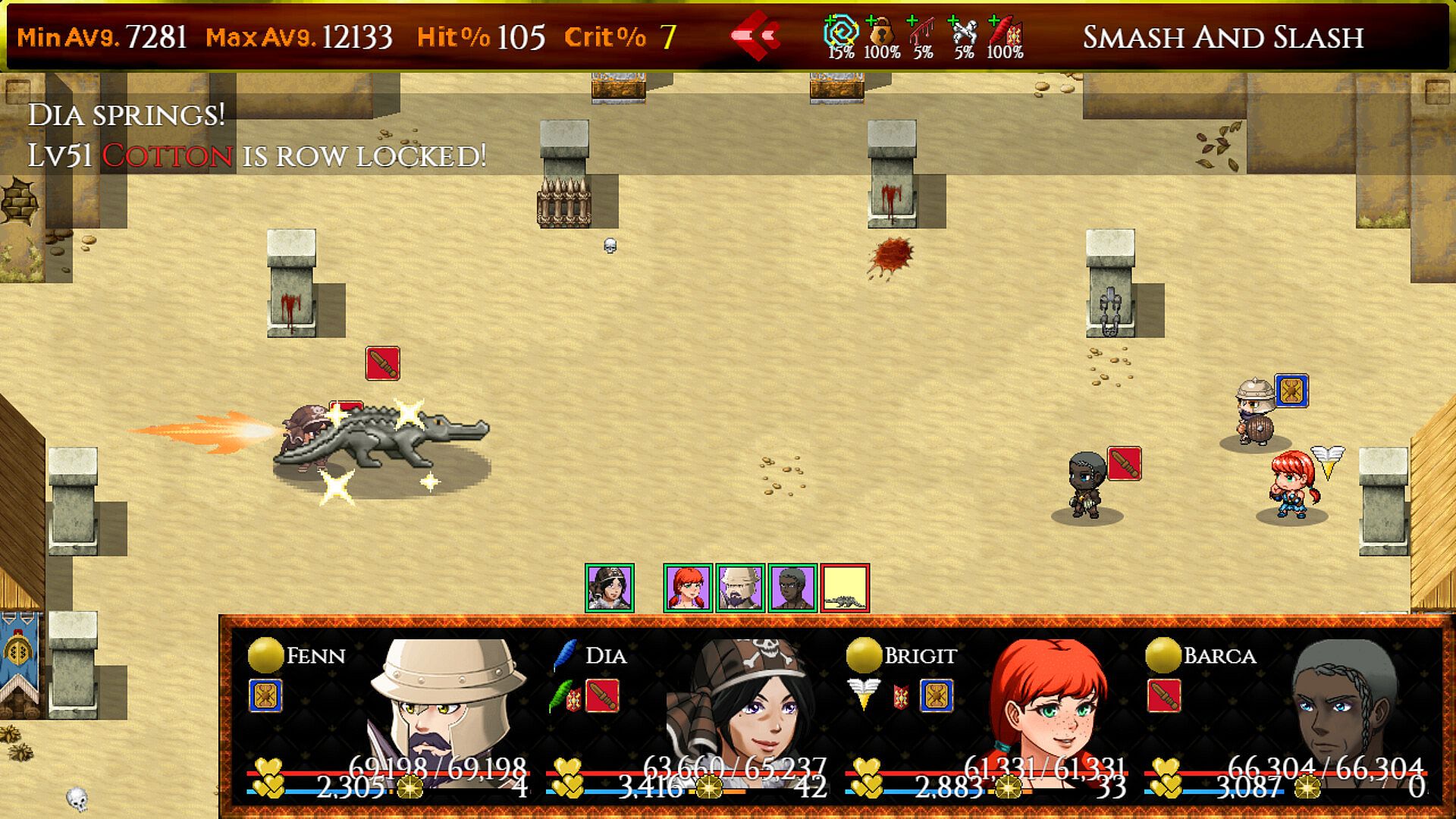
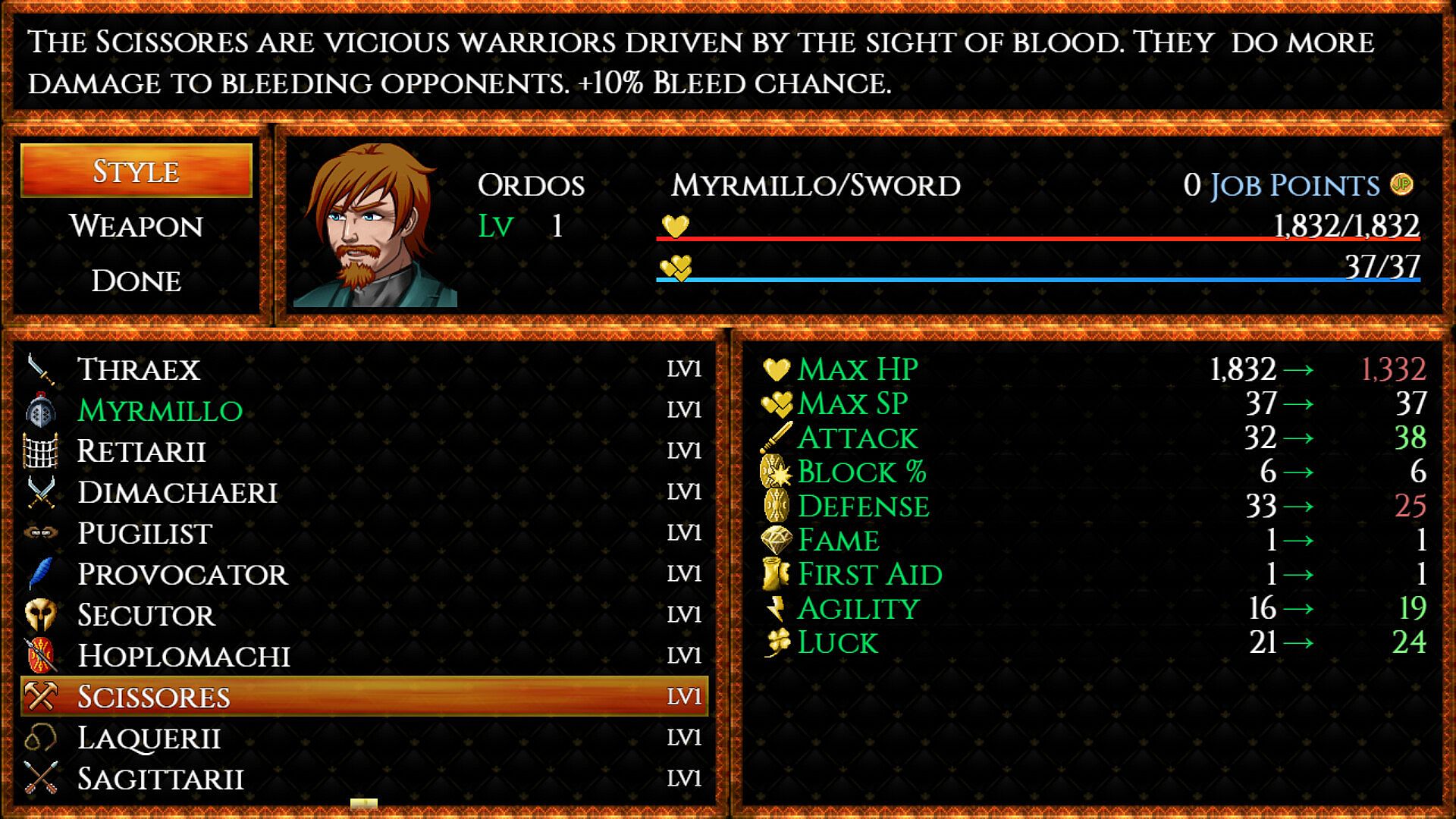
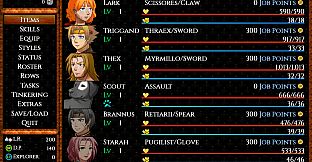
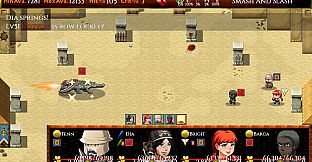
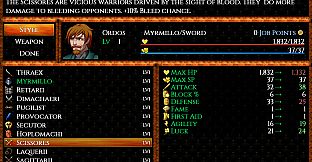
Combat takes place in classic side-view, turn-based encounters that emphasize positioning within rows, manipulation of turn order, and switching between stances. Line formation directly influences tactical options, rewarding careful placement of fighters to control the battlefield. Each gladiator draws from one of more than 17 distinct fighting styles, each with specific armor proficiencies across cloth, leather, chain, and plate categories along with asymmetric equipment slots.
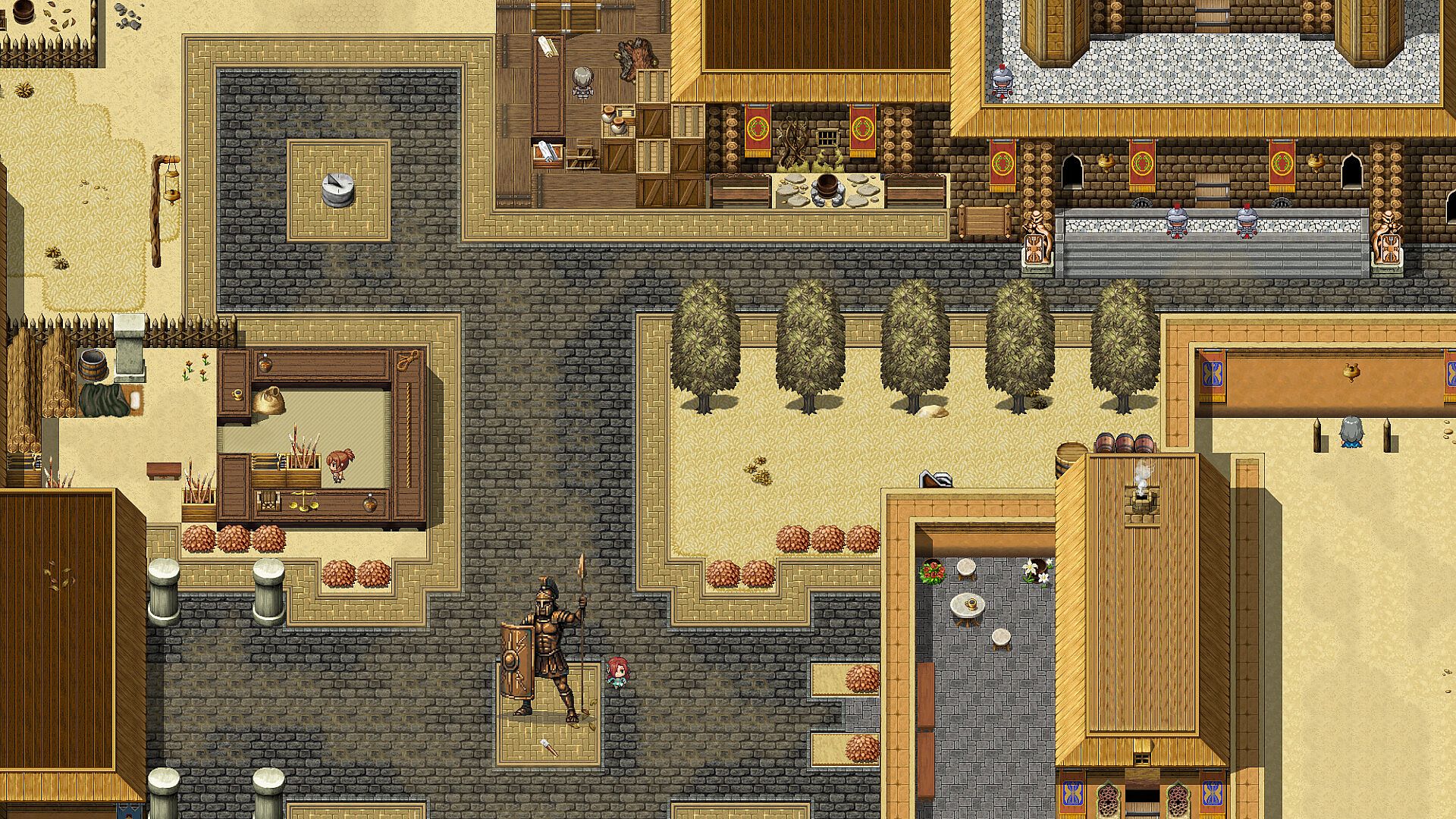
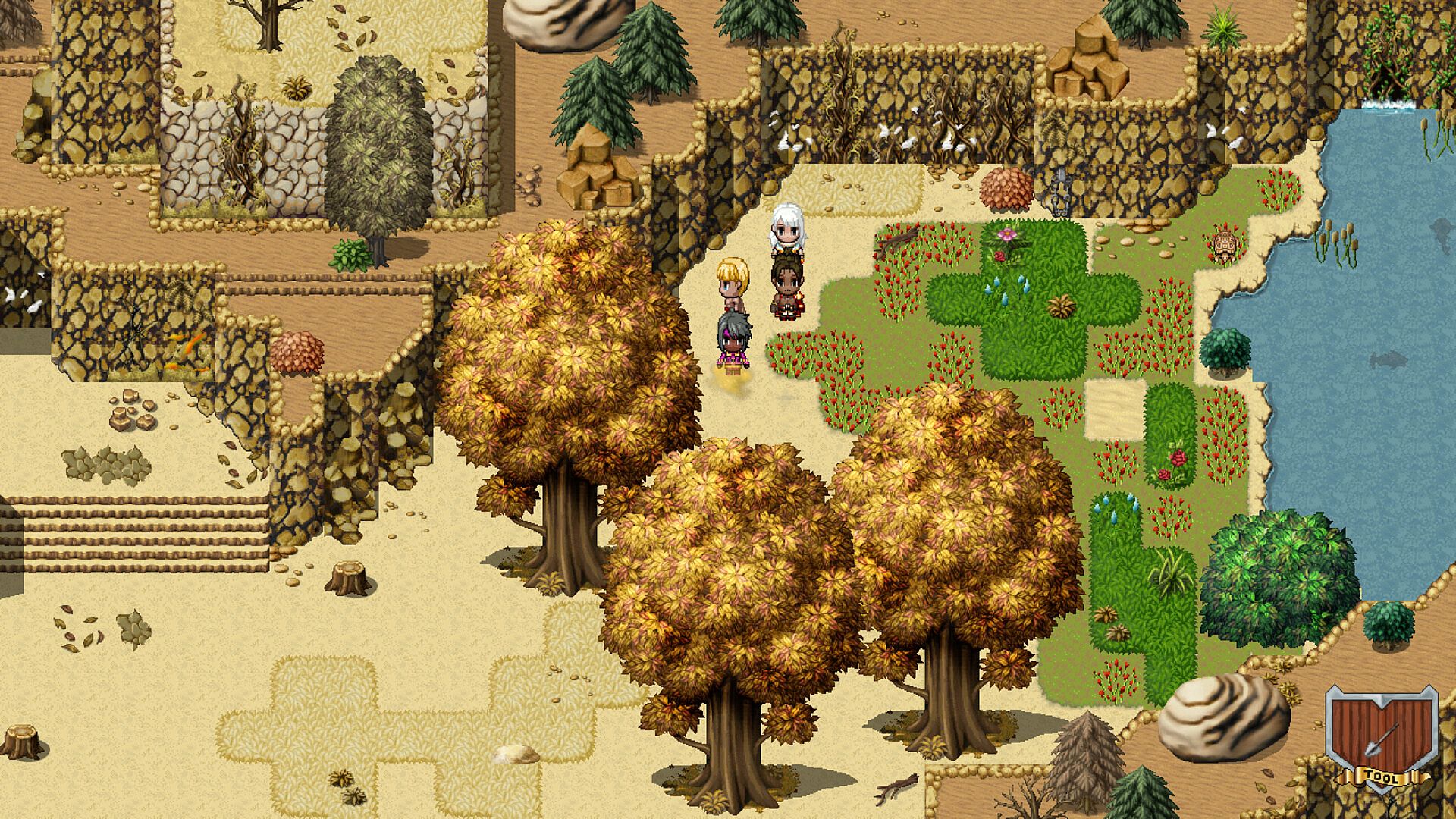
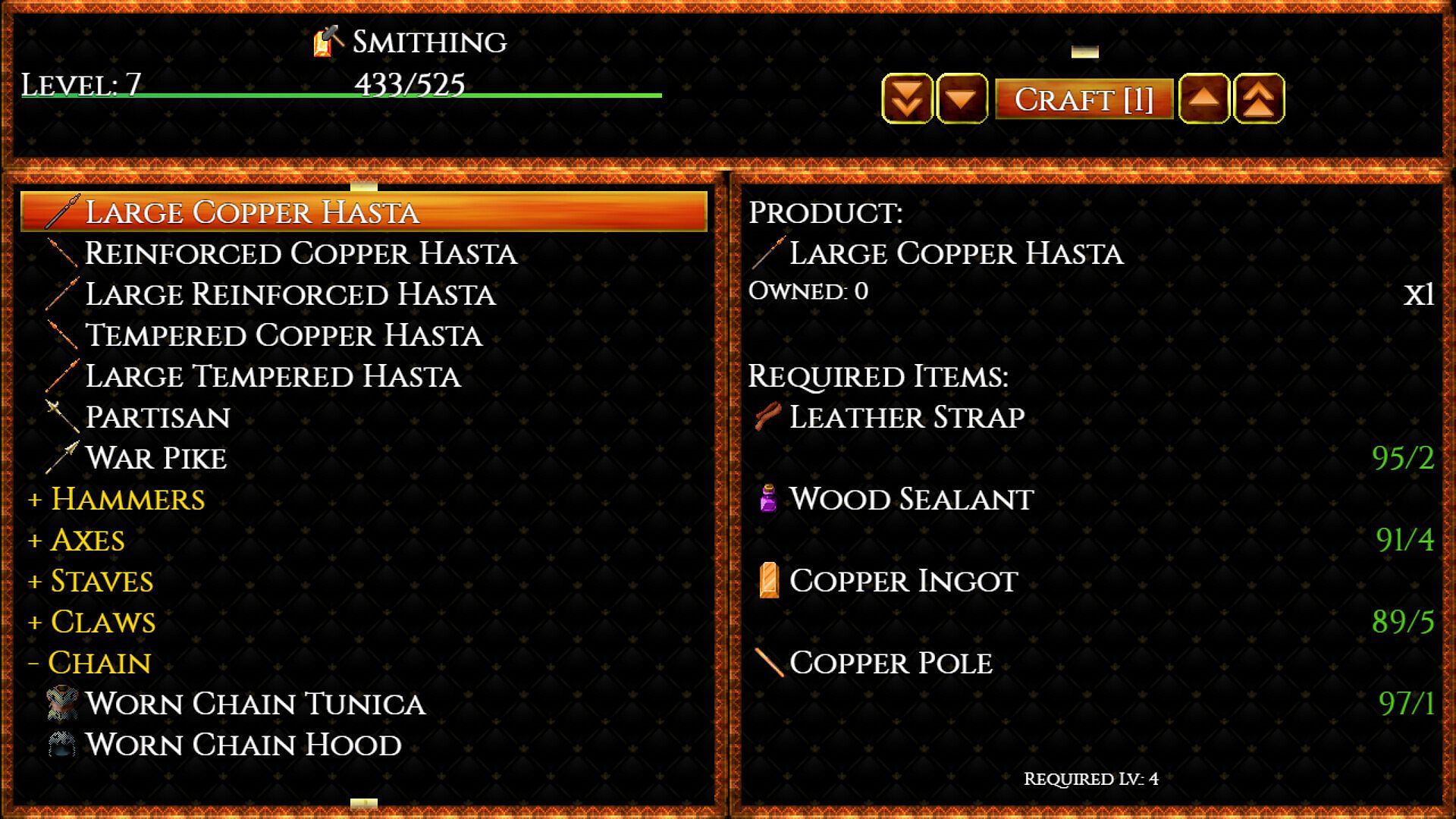
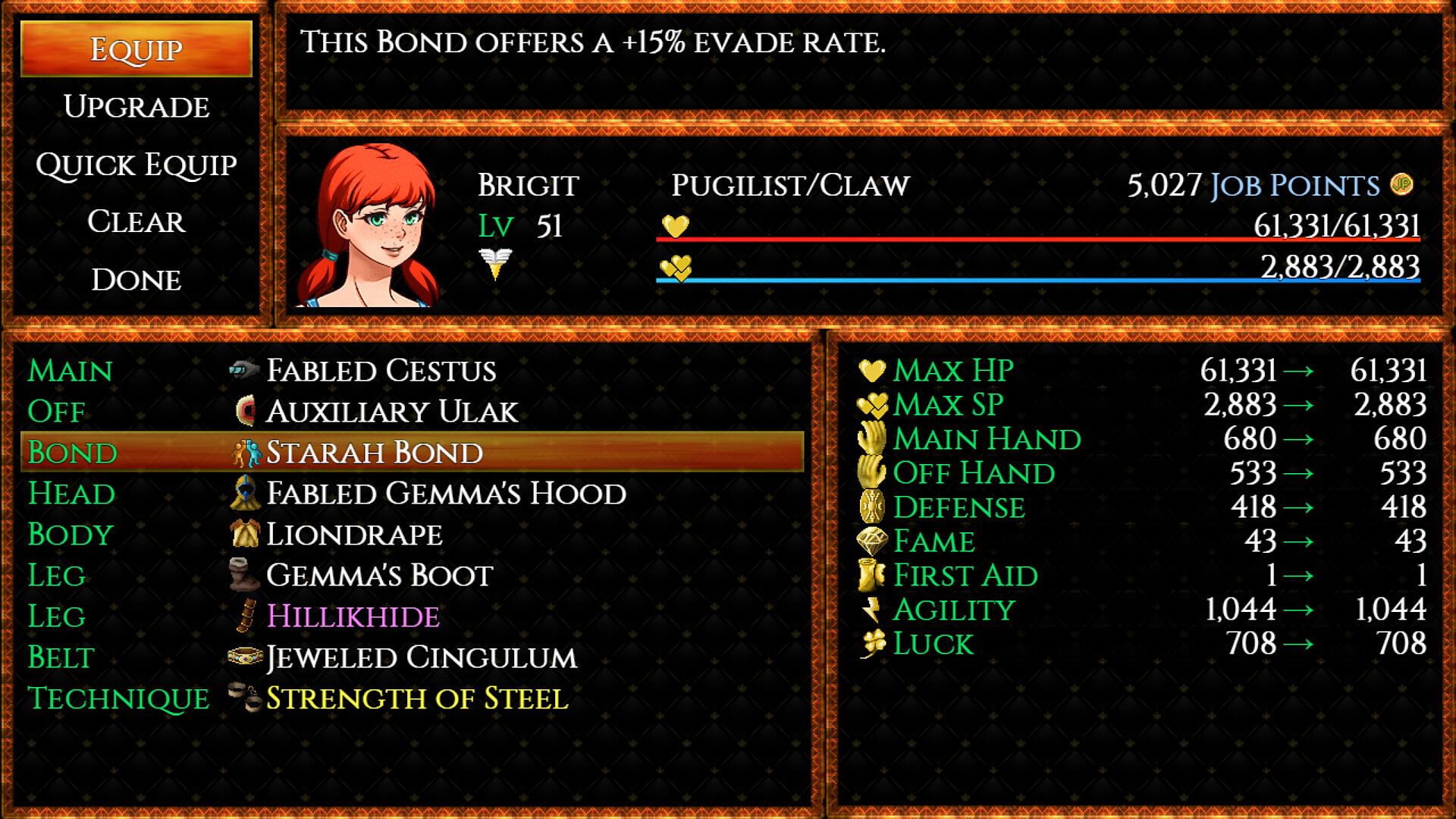
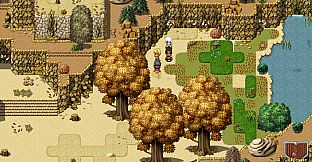
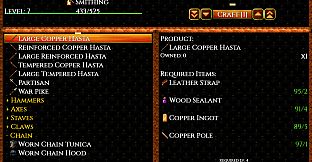
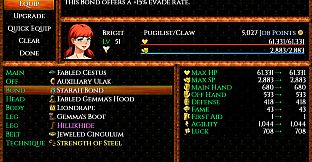
Outfitting relies on 13 weapon archetypes and hundreds of individual pieces of gear. Transferable bond items allow players to create synergies across the squad that go beyond standard class combinations. Outside combat, the open world supports recruitment, quest completion, experience grinding, and the search for loot through environmental inspection and shovel-based digging mechanics. An explorer points system tracks thoroughness and grants rewards such as rare equipment and custom windowskins for the ludus.
Daily cycles include doctori points earned while the doctori operates during daylight hours. These points fund permanent upgrades to both the facility and individual fighters. Ludus reputation must stay high enough to avoid drawing imperial attention, and injuries require active management. Optional permadeath and perminjury settings allow retired fighters to persist in the world as non-player characters that add to the lore.
Game Modes
The experience splits across two linked systems that reinforce each other. The open world operates continuously and focuses on recruitment, side activities, and discovery of hidden elements, including missable expansions to the ludus itself. The arena opens for roughly eight hours of each in-game day and hosts escalating gladiatorial matches that test squad readiness and provide progression opportunities.
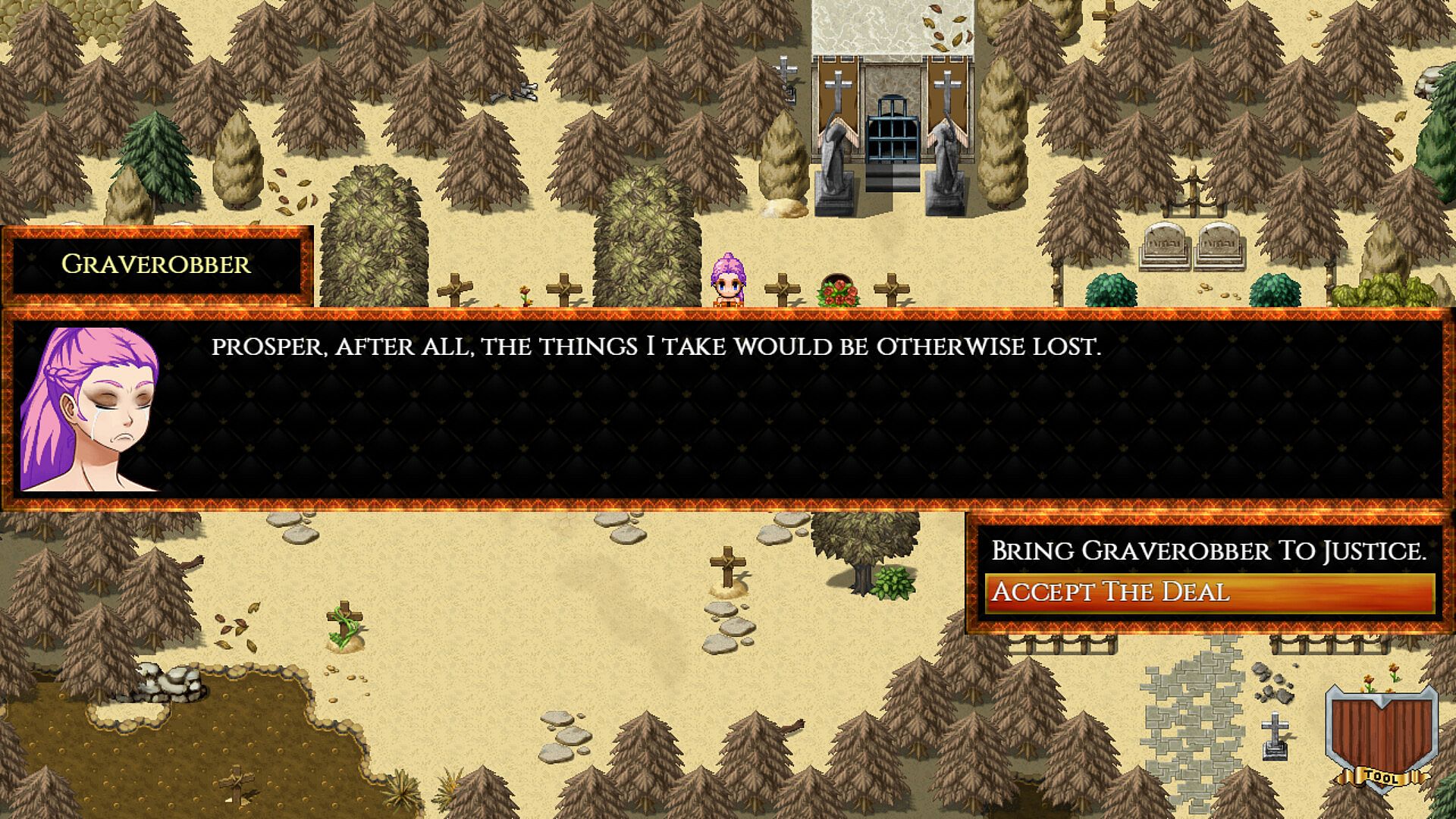
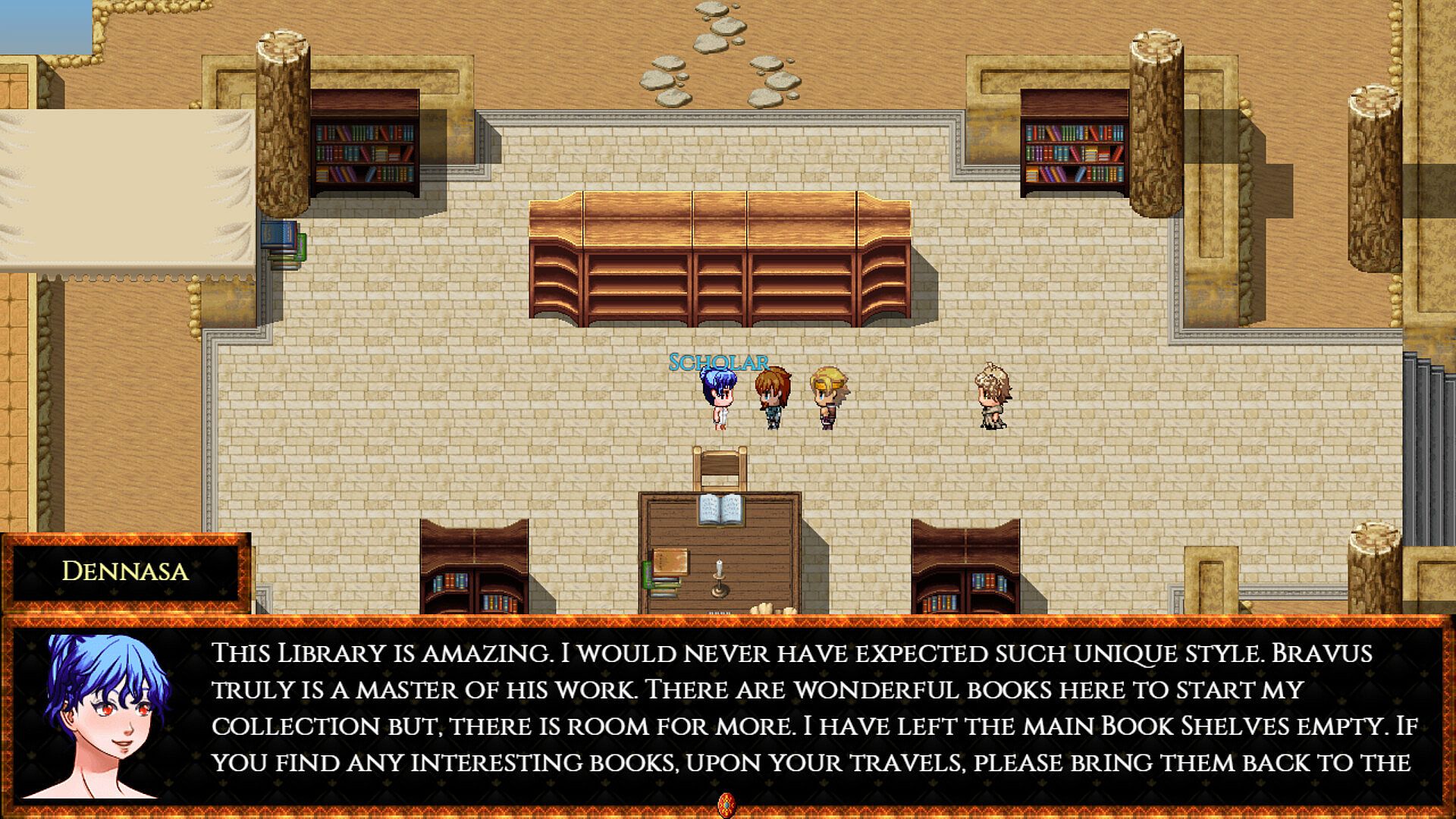
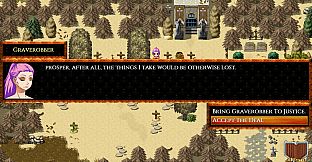
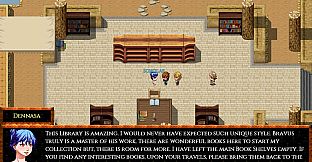
Progress in one area directly benefits the other, though players may emphasize either path. Branching decisions appear throughout, such as choices involving captured individuals that can lead to bounties, recruitment, or entirely different quest outcomes. A concealed opportunity exists to construct a library that introduces book-hunting and additional stat improvements unavailable elsewhere.
Core Systems and Progression
Multiple endings exist, and the design allows completion of the main narrative with a limited set of fighting styles and a small core squad. Deeper engagement with the full range of styles, gear synergies, and world secrets extends playtime significantly. Early testing indicated that the primary story can be completed in approximately 20 hours, while extensive exploration and repeated playthroughs with different choices have produced hundreds of hours of activity for some participants.
Permanent growth through doctori points and explorer rewards encourages repeated visits to both the open world and arena. The absence of magic or overarching prophecies keeps focus on steel, positioning, and long-term planning within the ludus.
Is It Worth Playing?
Gladatora targets players who enjoy tactical turn-based combat paired with management layers and meaningful choices in a single-player format. The combination of arena combat and open-world elements creates a loop where daily decisions affect both immediate fights and long-term rebellion prospects. Those who value squad customization, reputation balancing, and branching narratives will find substantial depth without requiring mastery of every system at once.
Because the game remains unreleased, current information rests on developer descriptions and early playtester feedback. The optional permadeath modes and missable content add replay incentive for those who complete an initial run. Availability on PC with standard features such as achievements and cloud saves positions it for solo players seeking a gritty, grounded gladiator experience focused on strategy rather than spectacle.