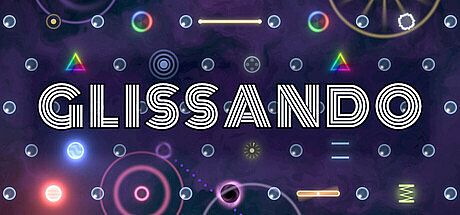


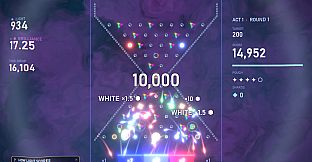
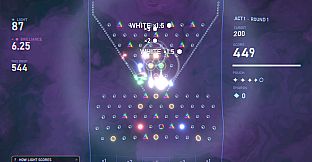
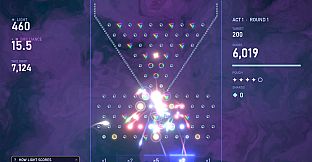
Glissando is a strategy indie casual game for PC where players build intricate light paths across a board using simulated physics and color interactions. A single spark dropped from the top cascades through glass pegs and prisms, splitting into primary colors that combine and evolve as they travel downward. The result is both a scoring opportunity and a musical performance generated in real time by the board itself.
Gameplay
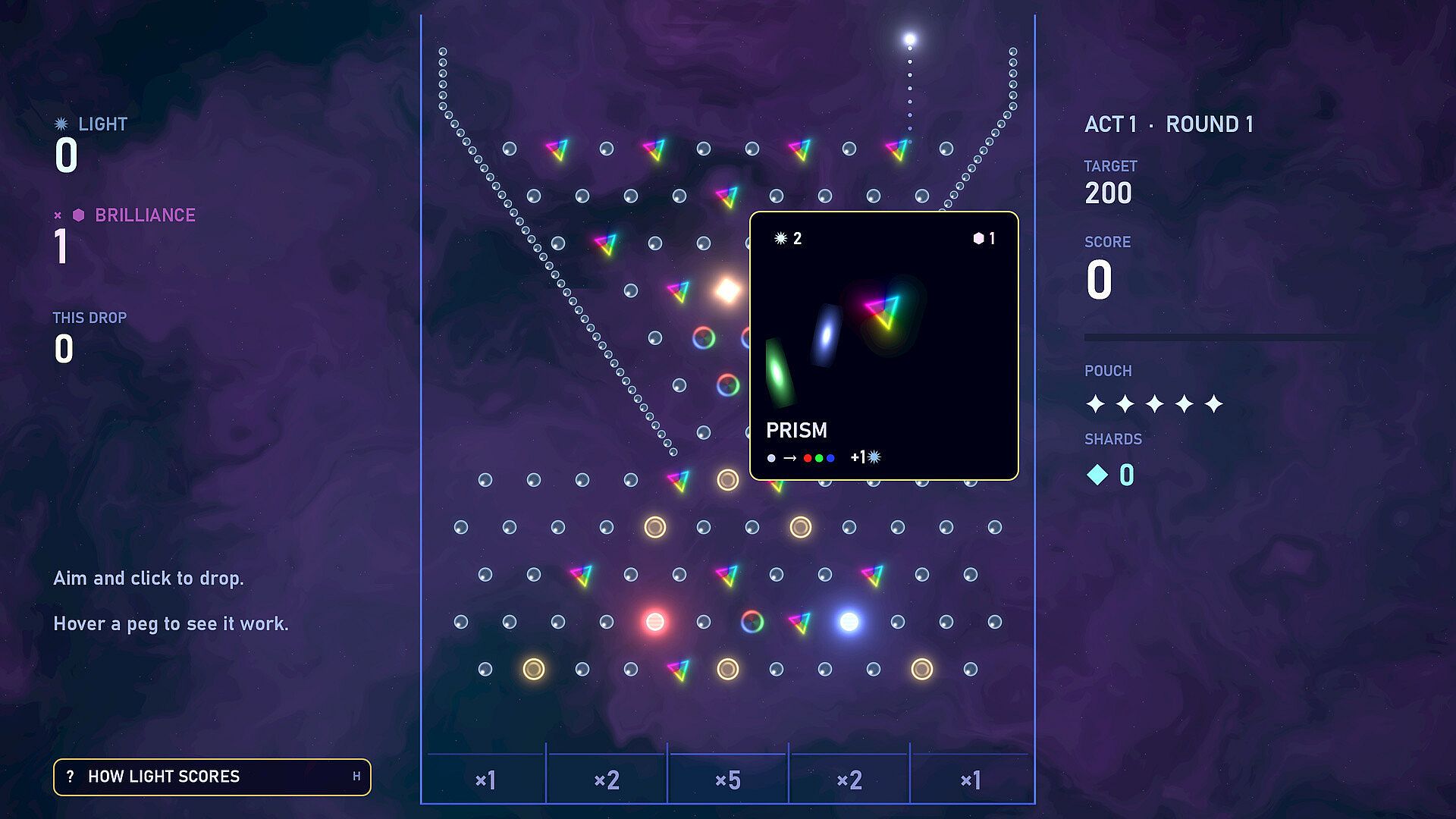
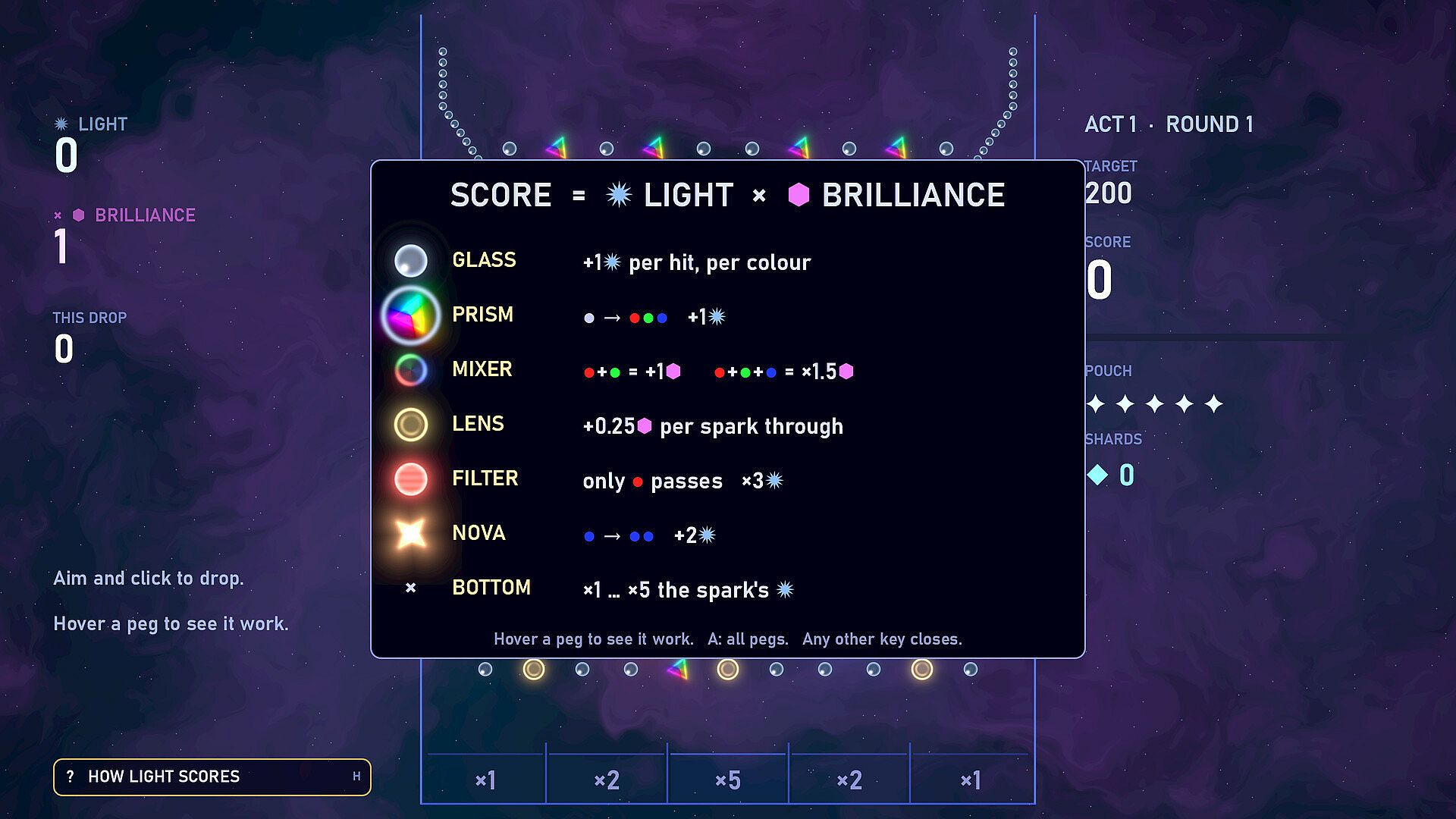
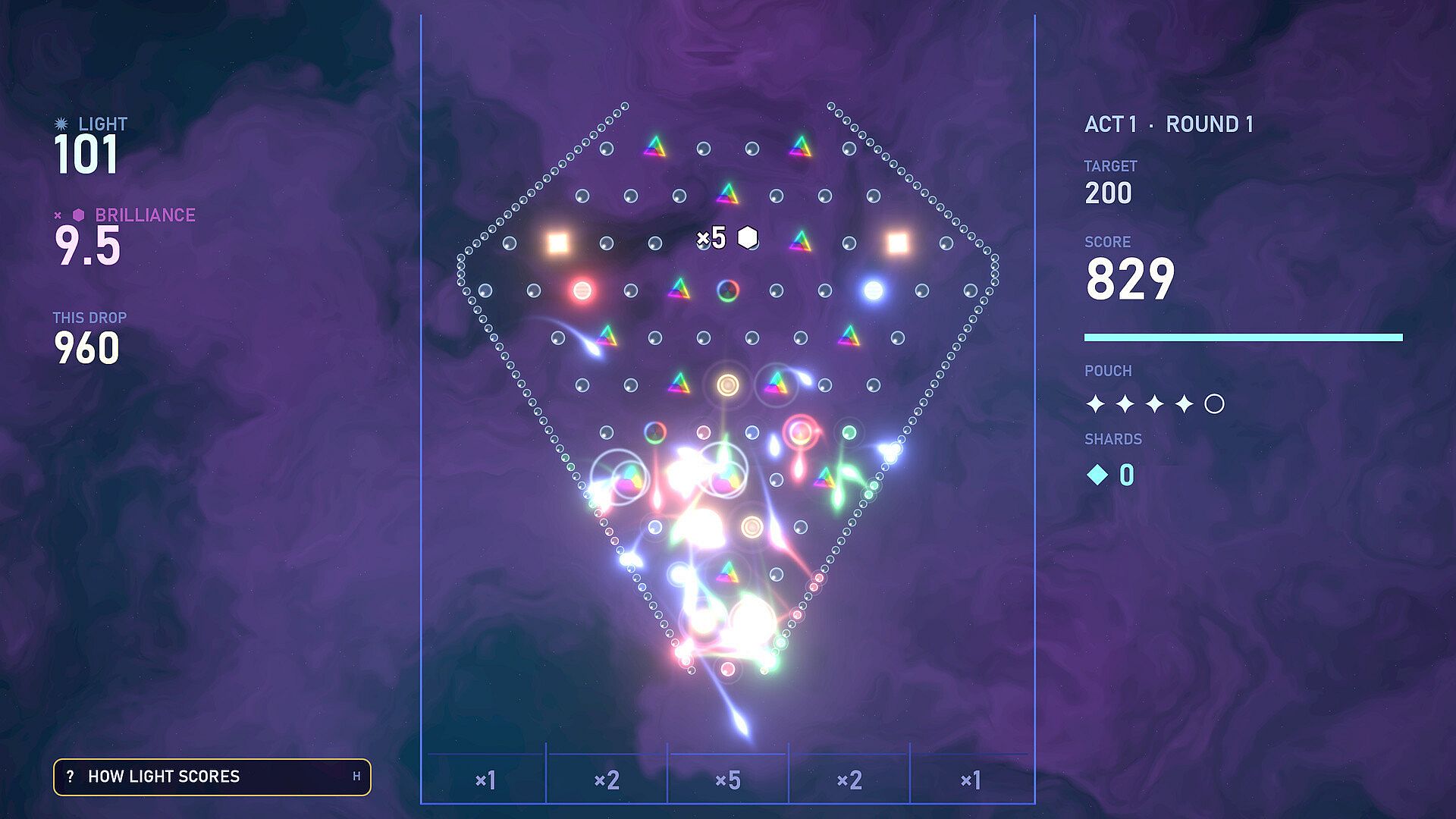
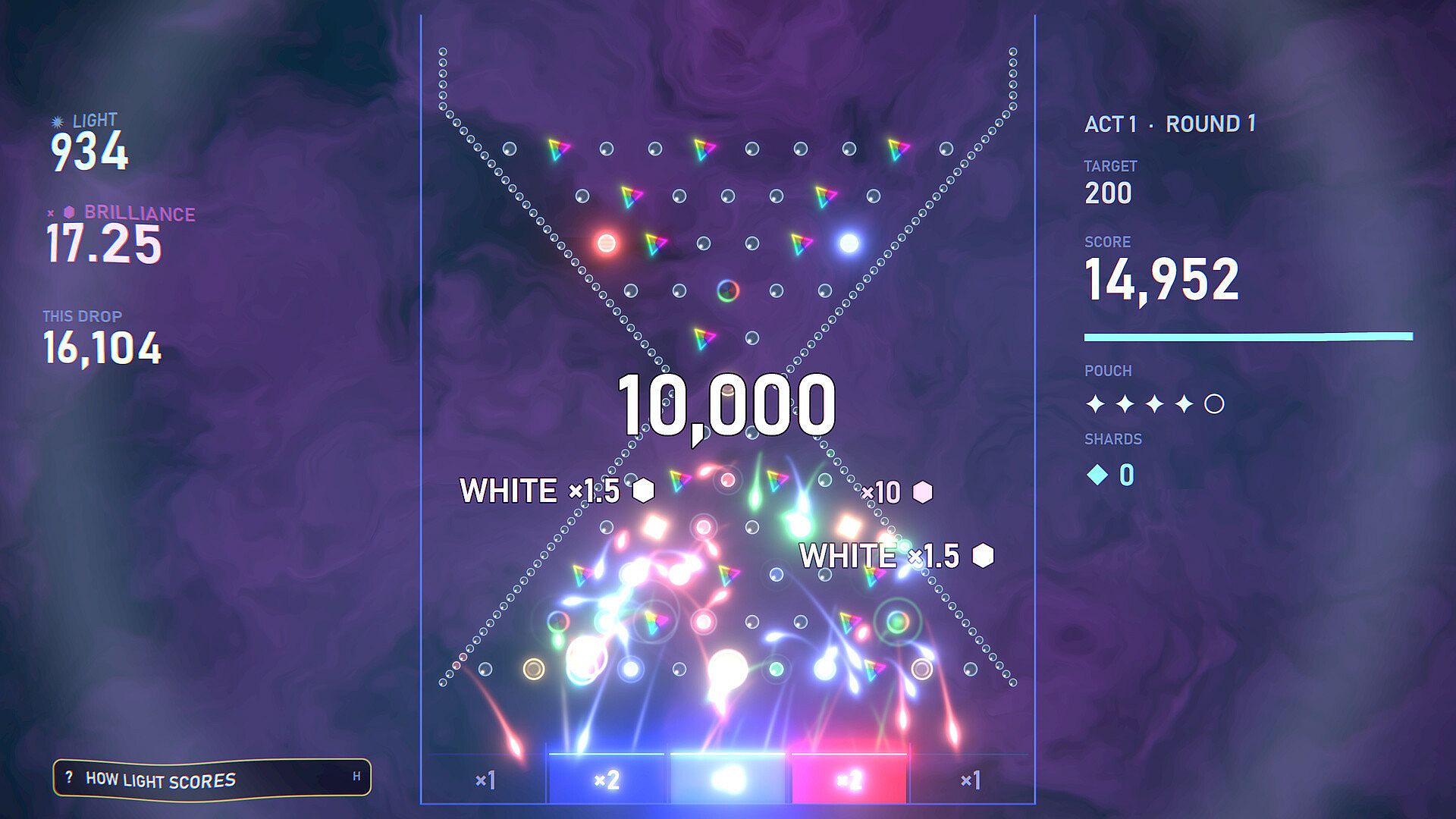
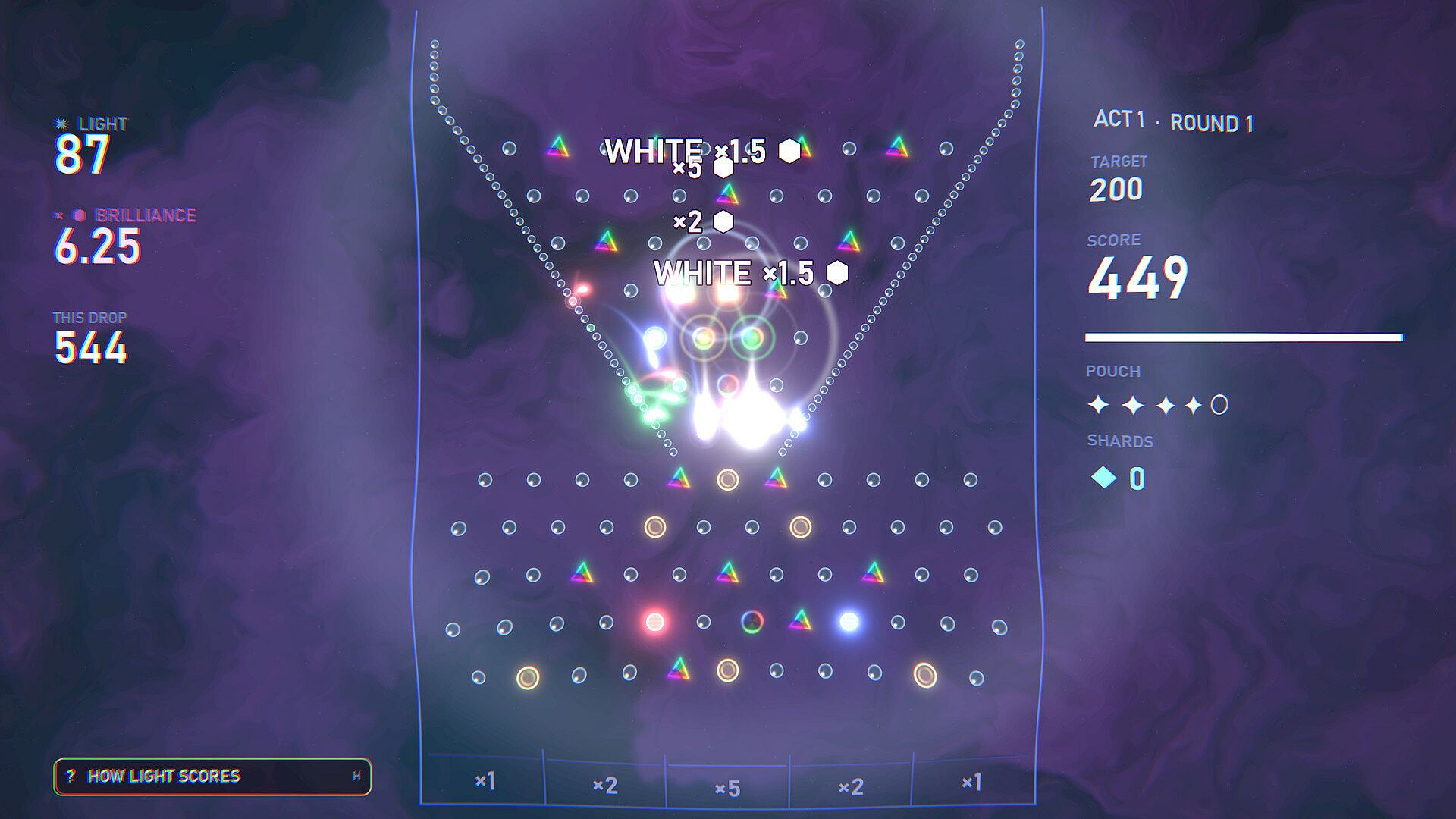
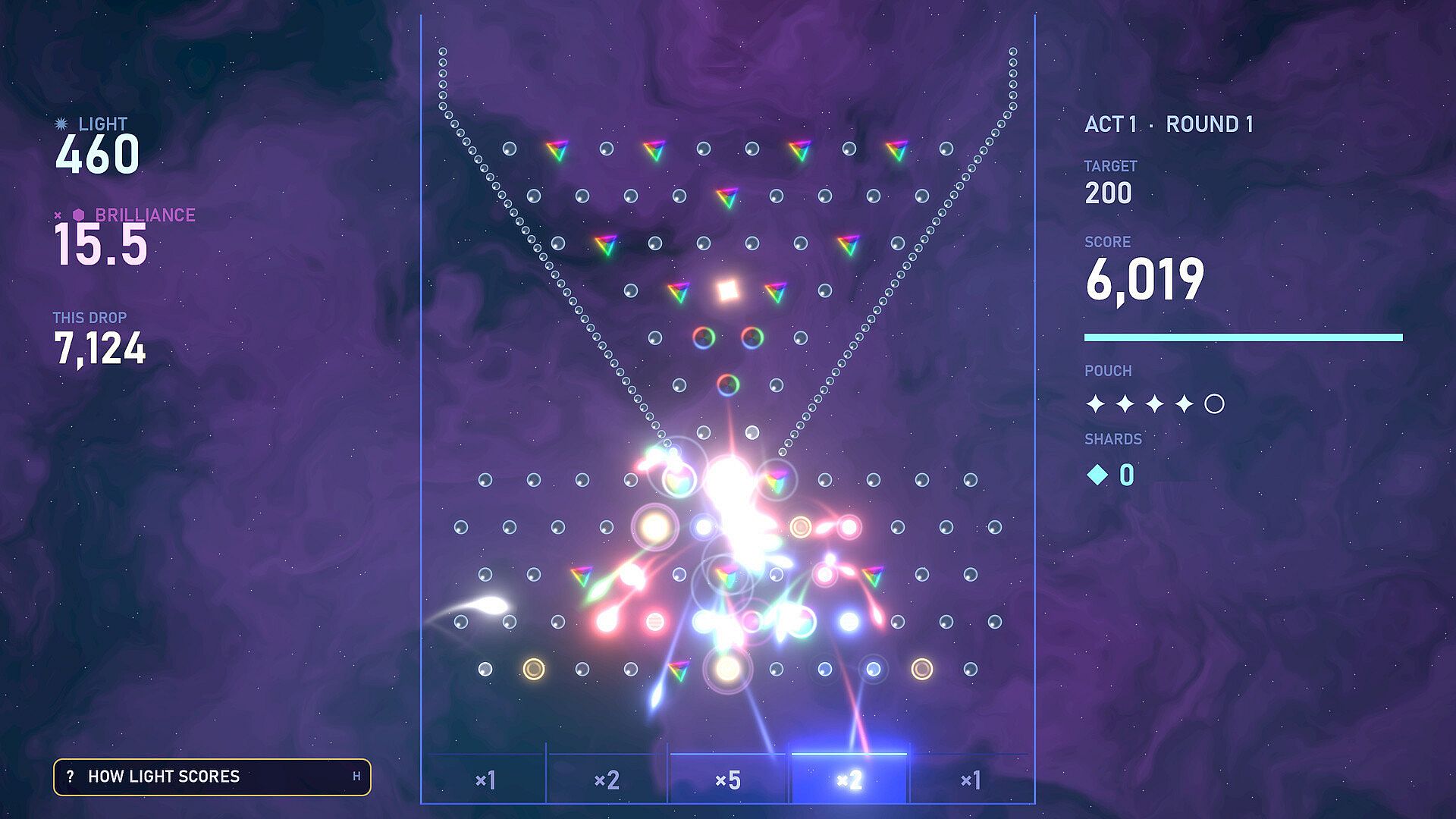
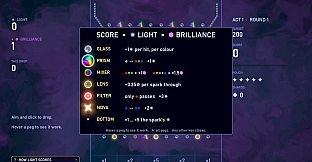
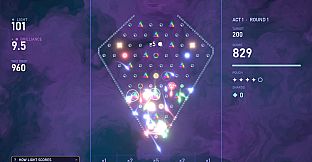
The core loop centers on dropping sparks of light and guiding their paths through a grid filled with interactive elements. Each spark strikes pegs to generate light points and encounters prisms that split beams into red, green, and blue. When colors overlap correctly they produce secondary hues like yellow, and three primaries meeting create white light for major multipliers. Pegs contribute to the Light value while successful color mixing boosts Brilliance, and the final score multiplies these two factors together.
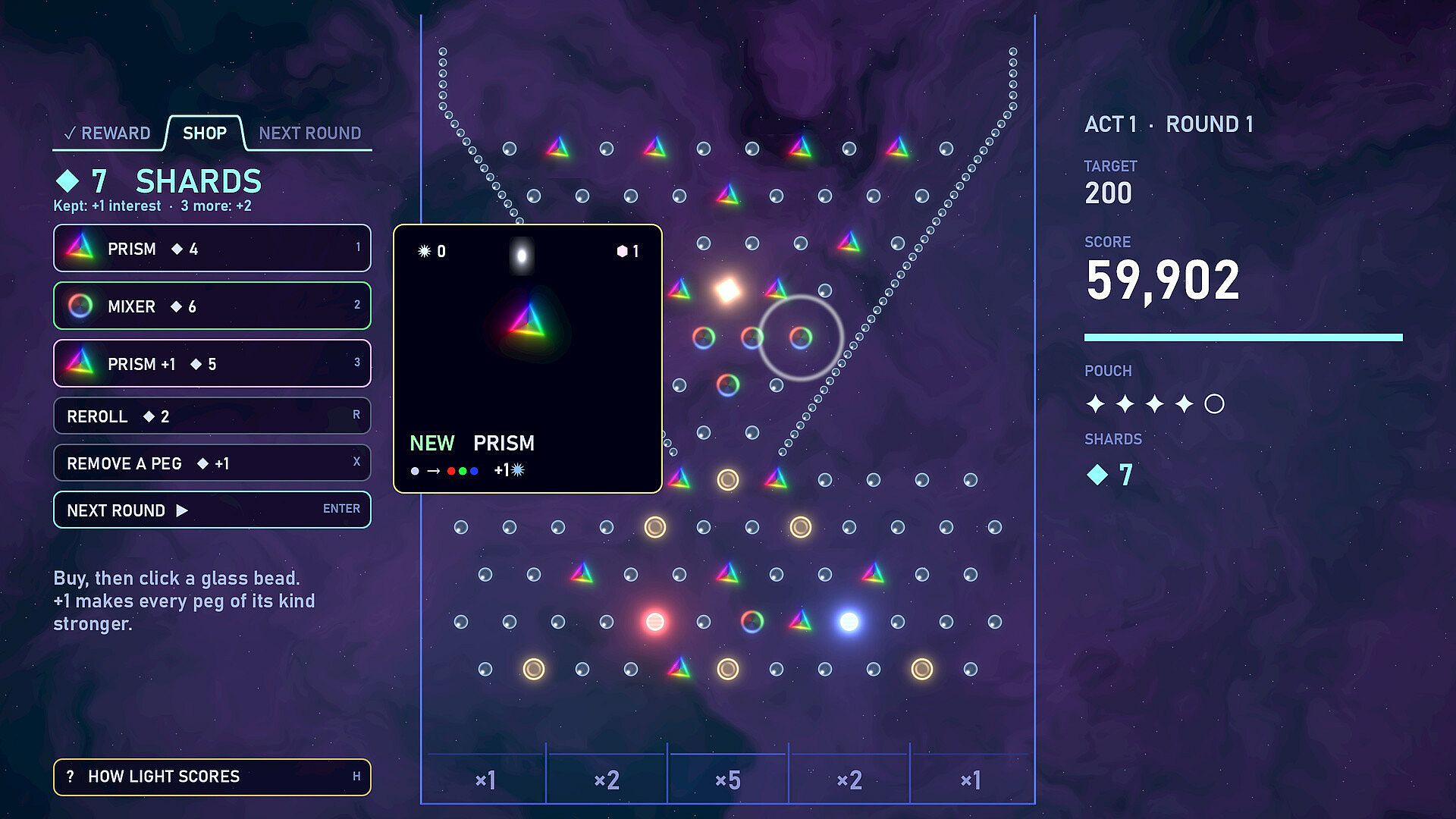
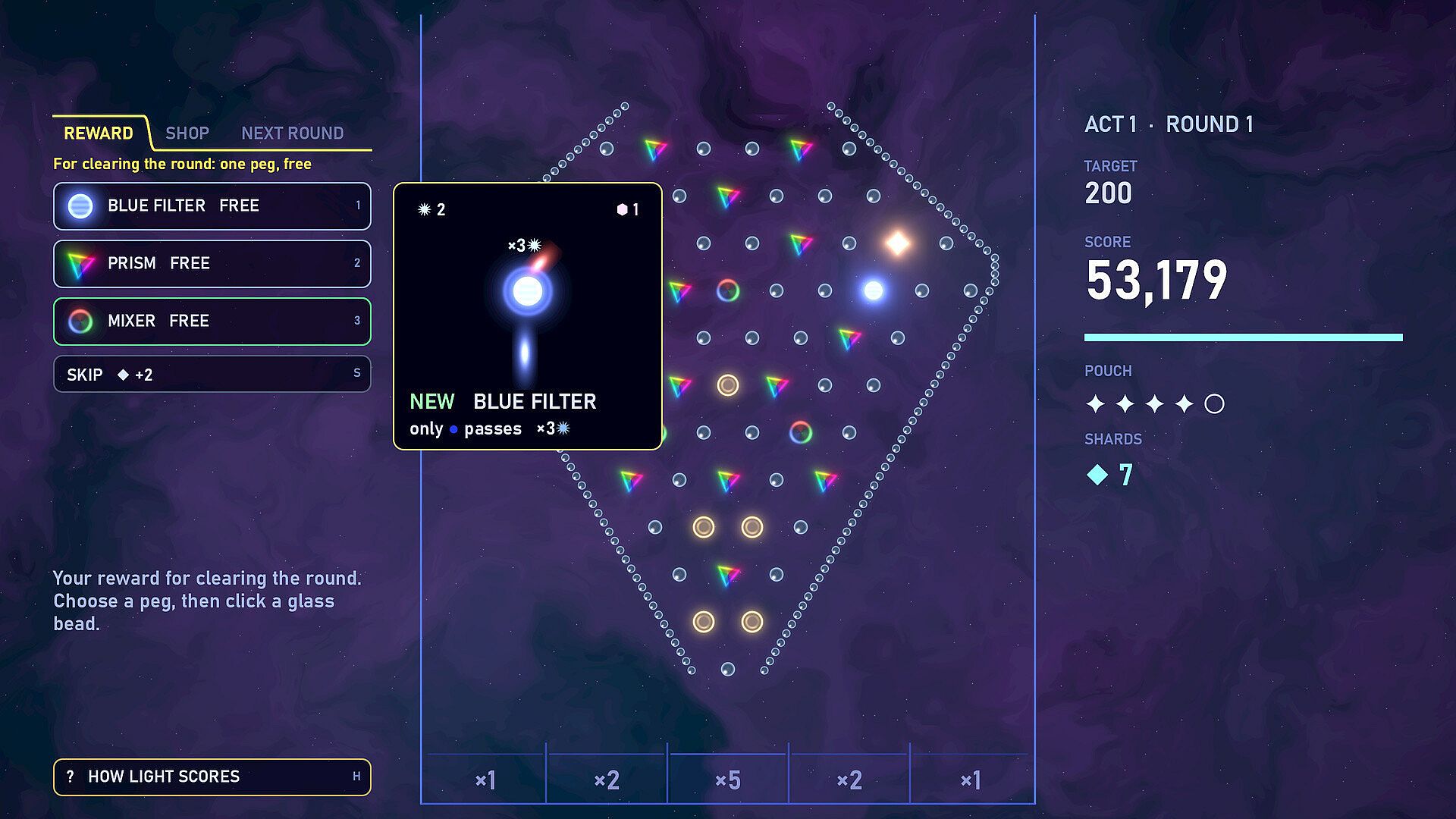
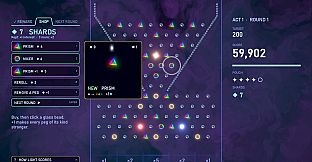
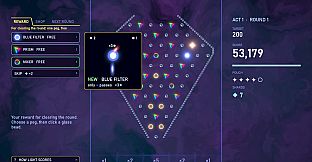
Placement matters because players position new pegs directly on the board after successful rounds. Over thirty varieties exist, including splitters, filters, novas that duplicate beams, springs, portals, and black holes that consume light before releasing a single powerful white spark. Different spark types add variety: heavy sparks smash through obstacles, tinted ones begin already colored, and ghosts pass through glass without interaction. Pegs can be leveled during a run so every instance of that type gains strength for the remainder of the session. Crystals function as one-time rule changes, such as four-way prisms or extra drops when a round falls short.
Visuals rely entirely on real-time physics simulation rather than pre-drawn artwork. Colored trails blend naturally on screen so overlapping red and green light produces authentic yellow. Nothing feels scripted; every cascade follows the same physical rules.
Game Modes
Progression takes the form of structured runs divided into four acts of three rounds each. Every round provides five drops and a target score to beat. Success grants shards for the shop and the chance to select and place a new peg type before the next round begins. Failure ends the run immediately.
The final round of each act becomes an Eclipse that alters the rules for that sequence. A complete run lasts roughly half an hour and rewards careful planning across multiple rounds rather than single perfect drops. The Constellation serves as a persistent skill tree that unlocks additional peg varieties, Crystals, board layouts, and starting kits between runs, expanding options without simply inflating numbers.
Sound and Presentation
Audio is built into the mechanics. Every peg impact plays a specific note chosen so the entire cascade stays musically coherent and lands on a soft underlying beat. Red sparks use marimba tones, green sparks ring bells, blue sparks provide a soft pad layer, and white light triggers a choral chord. The result is that even chaotic cascades produce pleasant music instead of random noise. Playing with sound enabled reveals how the board essentially composes a short piece with each drop.
The absence of traditional art assets keeps the focus on the light simulation. Trails and color additions appear exactly as overlapping light would in reality, creating a clean, glowing aesthetic that emphasizes the physics at work.
Is It Worth Playing?
Glissando suits players who enjoy thoughtful placement puzzles combined with satisfying visual and audio feedback. The run structure encourages experimentation with peg combinations and board layouts while the lack of timers removes pressure to perform quickly. Each fall produces an attractive cascade worth watching, and the musical scoring system rewards both efficiency and creative mixing.
Those who appreciate indie strategy titles with light resource management and incremental unlocks will find depth in the Constellation tree and the variety of peg behaviors. The game rewards repeated runs through better placement decisions rather than faster reflexes. Its casual pacing and self-contained sessions make it accessible for short play periods while the strategic layers support longer sessions aimed at higher scores or new unlocks.