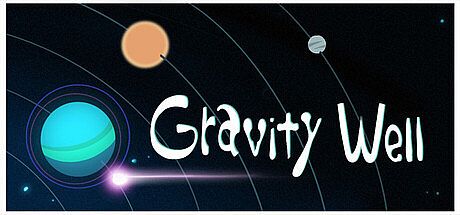


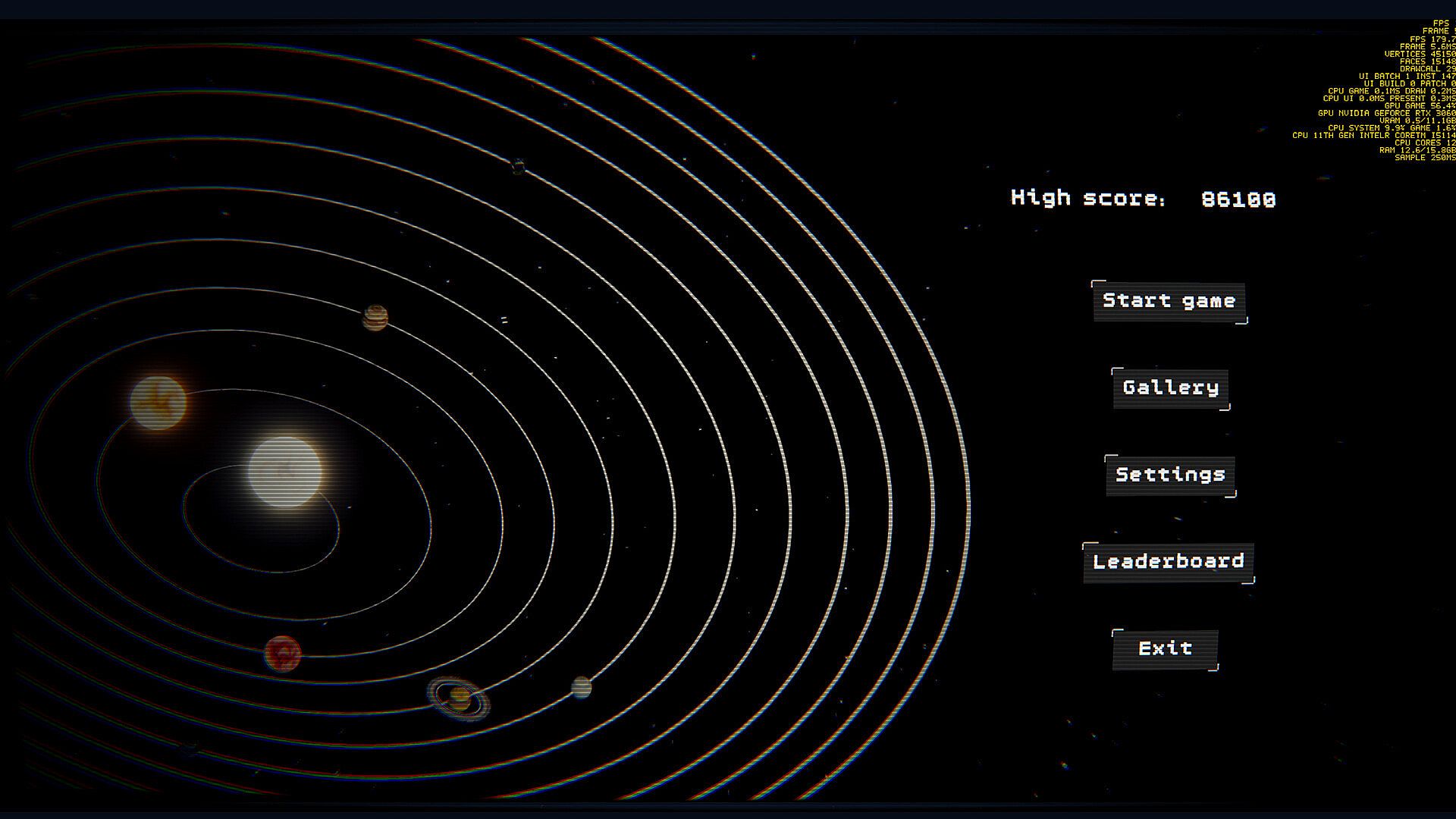
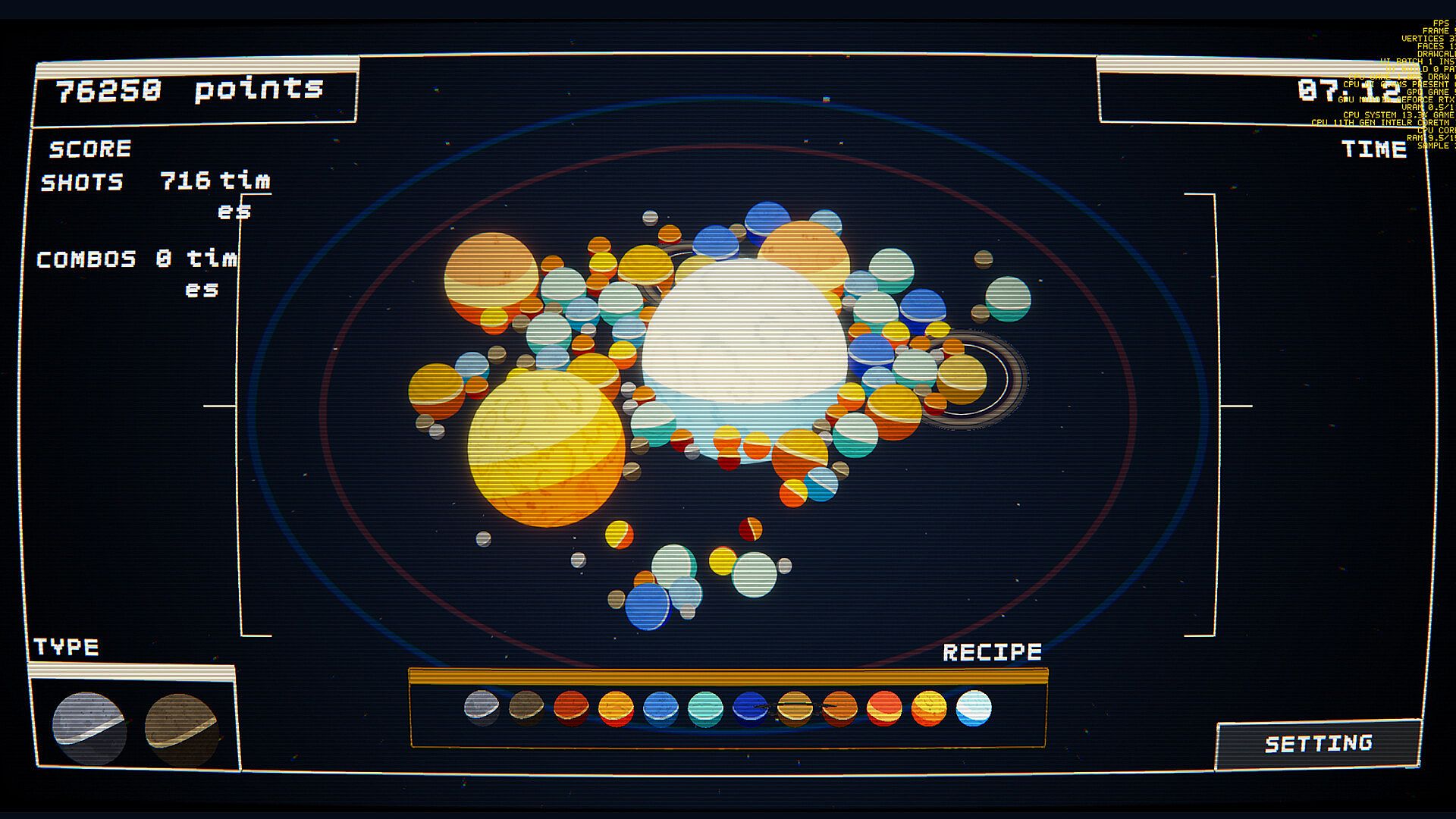
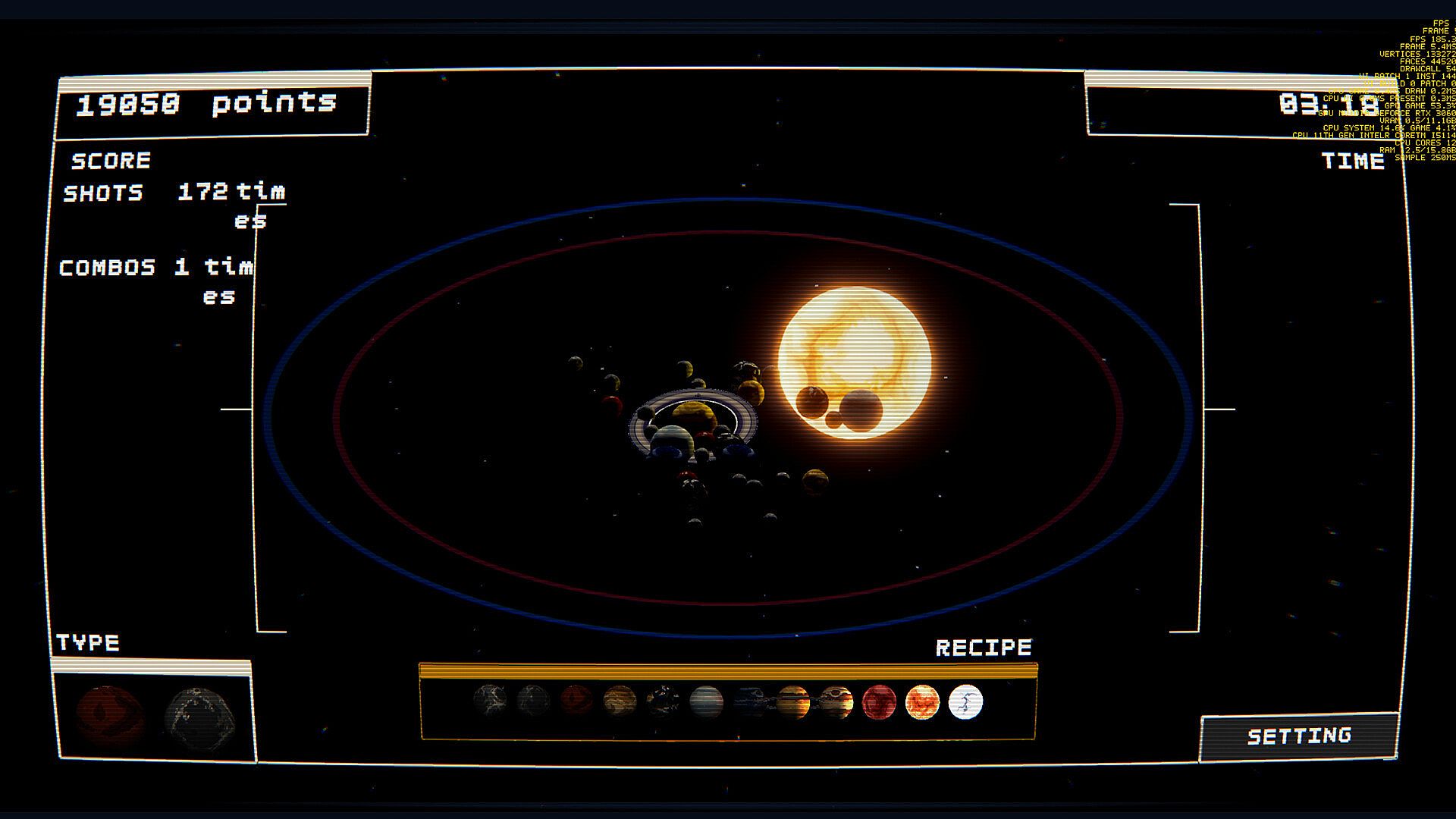
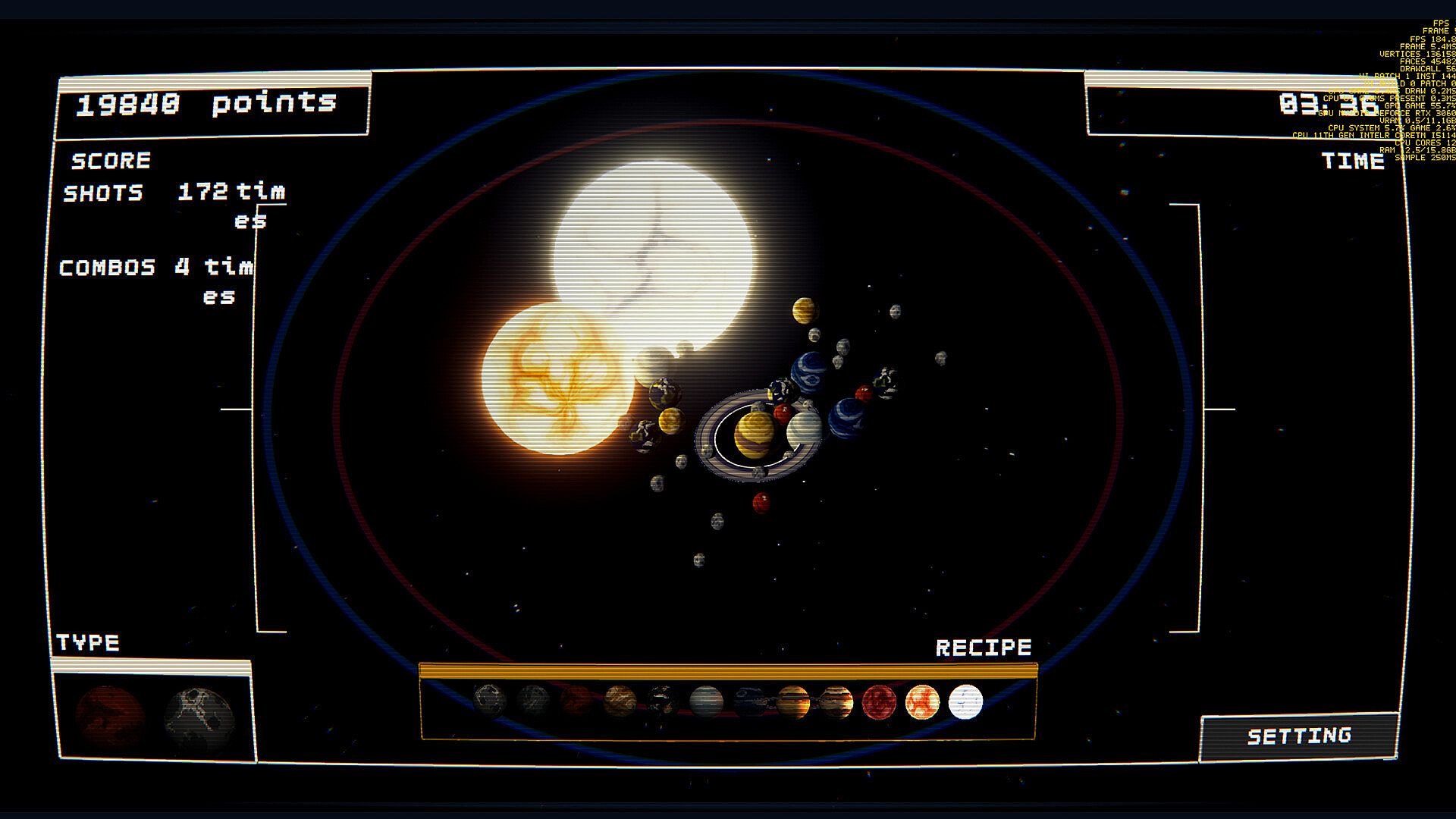
Gravity well is a strategy, indie, casual, simulation, and racing game for PC that places players in control of celestial mechanics. The experience centers on launching and interacting with celestial bodies in vast galaxies, where simple inputs produce complex physical outcomes. Players explore an evolving space environment shaped by realistic gravity, collisions, and dynamic responses to their actions.
Gameplay
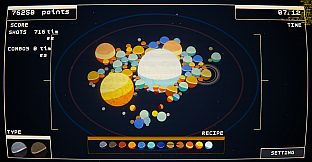
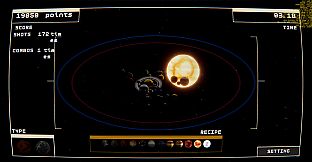
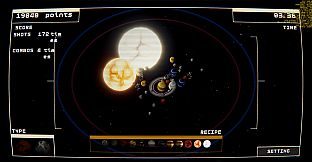
The core loop revolves around a mouse-drag launch system that feels intuitive from the first interaction. Players select and propel celestial bodies across the screen, adjusting trajectory and force to influence movement and interactions. Acceleration builds naturally through successive launches, while collisions between bodies follow simulated physics that mirror real-world gravitational effects.
Galaxies respond visibly to player input, with structures shifting and evolving as launches alter orbits and alignments. This creates a continuous feedback loop where each action ripples outward, encouraging experimentation with timing and positioning. The simulation layer adds depth, as bodies maintain momentum and react to nearby masses without artificial constraints.
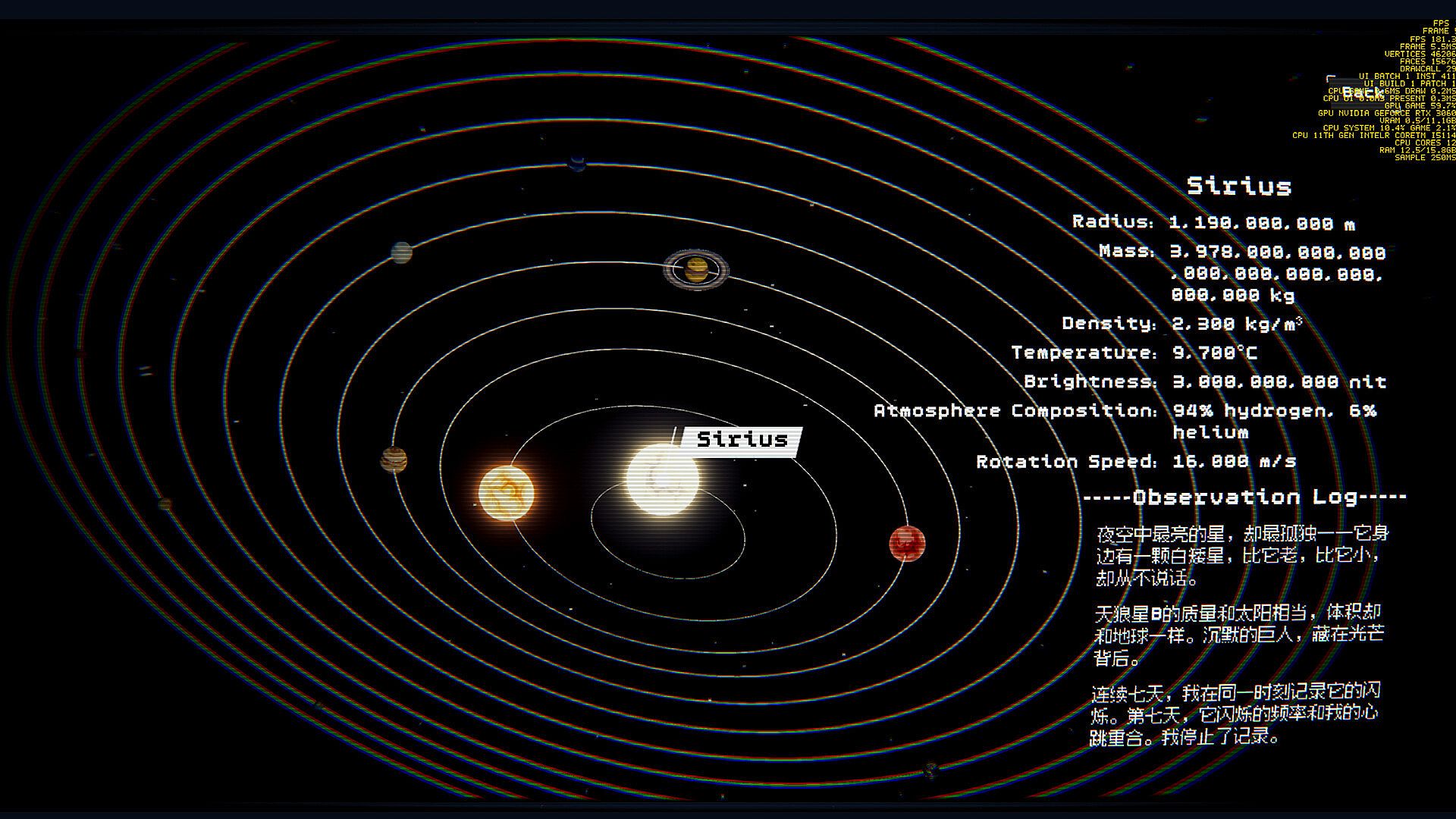
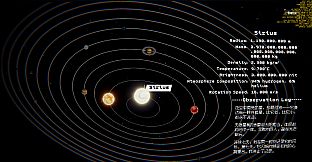
A celestial encyclopedia serves as an in-game reference that expands during play. Entries detail individual bodies and weave narratives around forgotten worlds, turning observation into a reflective part of the experience. The overall journey remains open-ended, with questions about the origins of gravity wells left for players to ponder through continued exploration.
Game Modes
Exploration forms the primary single-player focus, where players guide celestial interactions across procedurally responsive galaxies. Progress involves uncovering new bodies and observing how launches reshape local dynamics, supported by the evolving encyclopedia that records discoveries and stories.
Competitive elements appear through asynchronous leaderboards. These allow global and friend-based comparisons based on performance metrics such as launch efficiency, galaxy stability, or journey milestones. Players can submit results at their own pace, fostering ongoing challenges without requiring simultaneous sessions.
The combination supports both relaxed simulation sessions and targeted racing-style attempts to optimize paths and outcomes. No additional named modes exist beyond these core systems, keeping the structure focused on physics-driven interaction and personal or shared progression.
The Observatory and Discovery
The mysterious observatory functions as a living logbook within the game. It catalogs celestial bodies while embedding narrative fragments about lost civilizations and cosmic events. Entries update as players interact with new bodies, rewarding careful observation rather than speed alone.
This feature integrates seamlessly with the physics simulation. Launching a body might trigger new entries or alter existing ones, linking mechanical actions to thematic discovery. The result encourages slower, deliberate play alongside faster optimization runs.
Is It Worth Playing?
Gravity well targets players who enjoy physics-based strategy and simulation with casual accessibility. The mouse-drag controls lower the barrier for newcomers while the realistic collision and dynamics systems provide depth for those seeking mastery. Asynchronous leaderboards add a light competitive layer suitable for solo or social play.
As an upcoming title with no released version yet, current player reception data remains unavailable. The described systems align with interests in indie space simulations and racing mechanics built around gravity. Those drawn to intuitive controls, evolving environments, and narrative-flavored exploration will find the core loop rewarding once available.