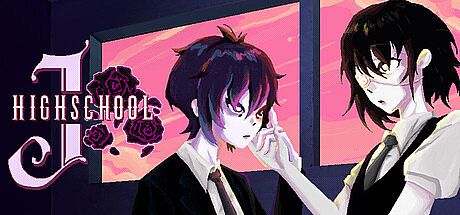



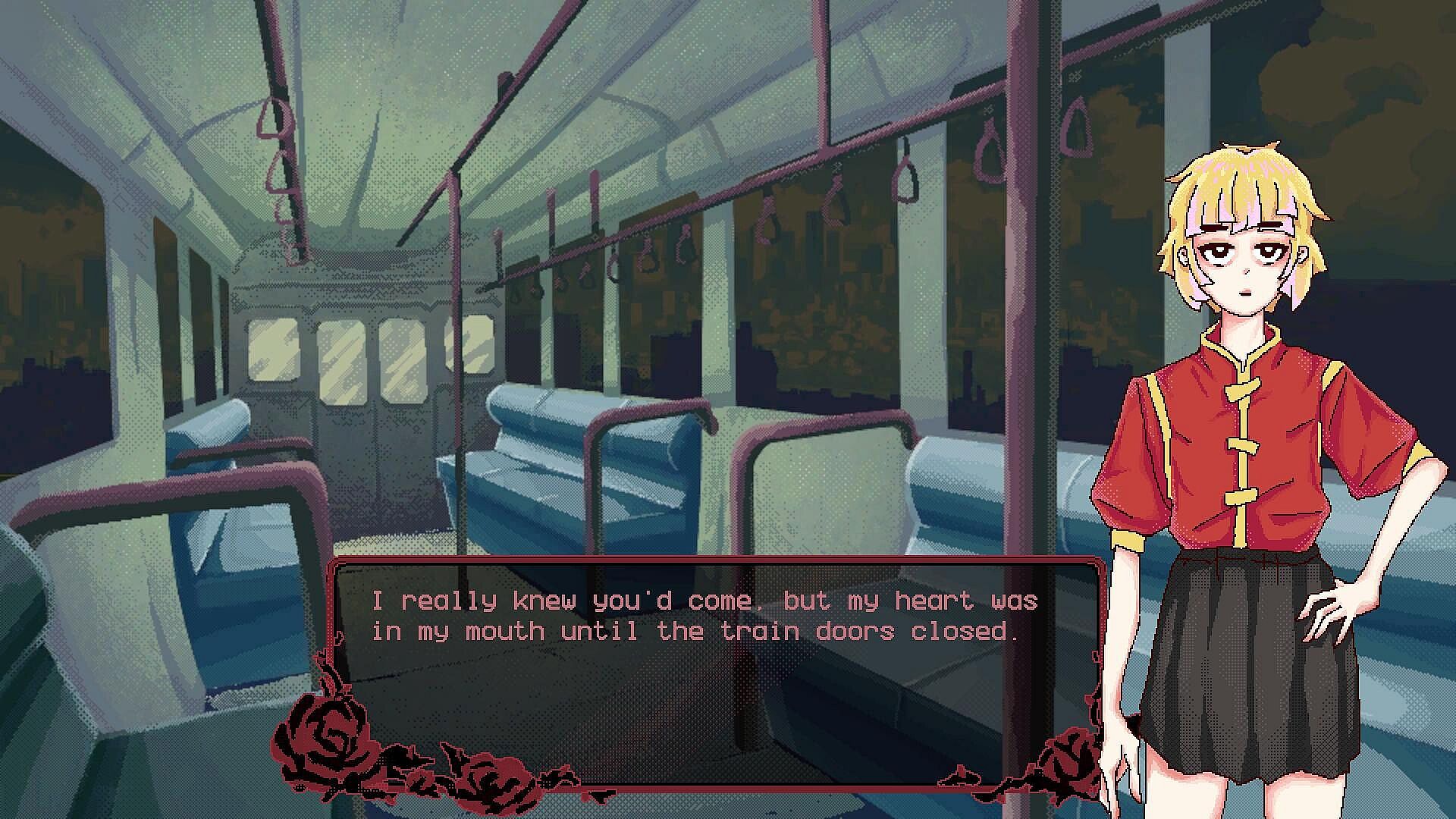
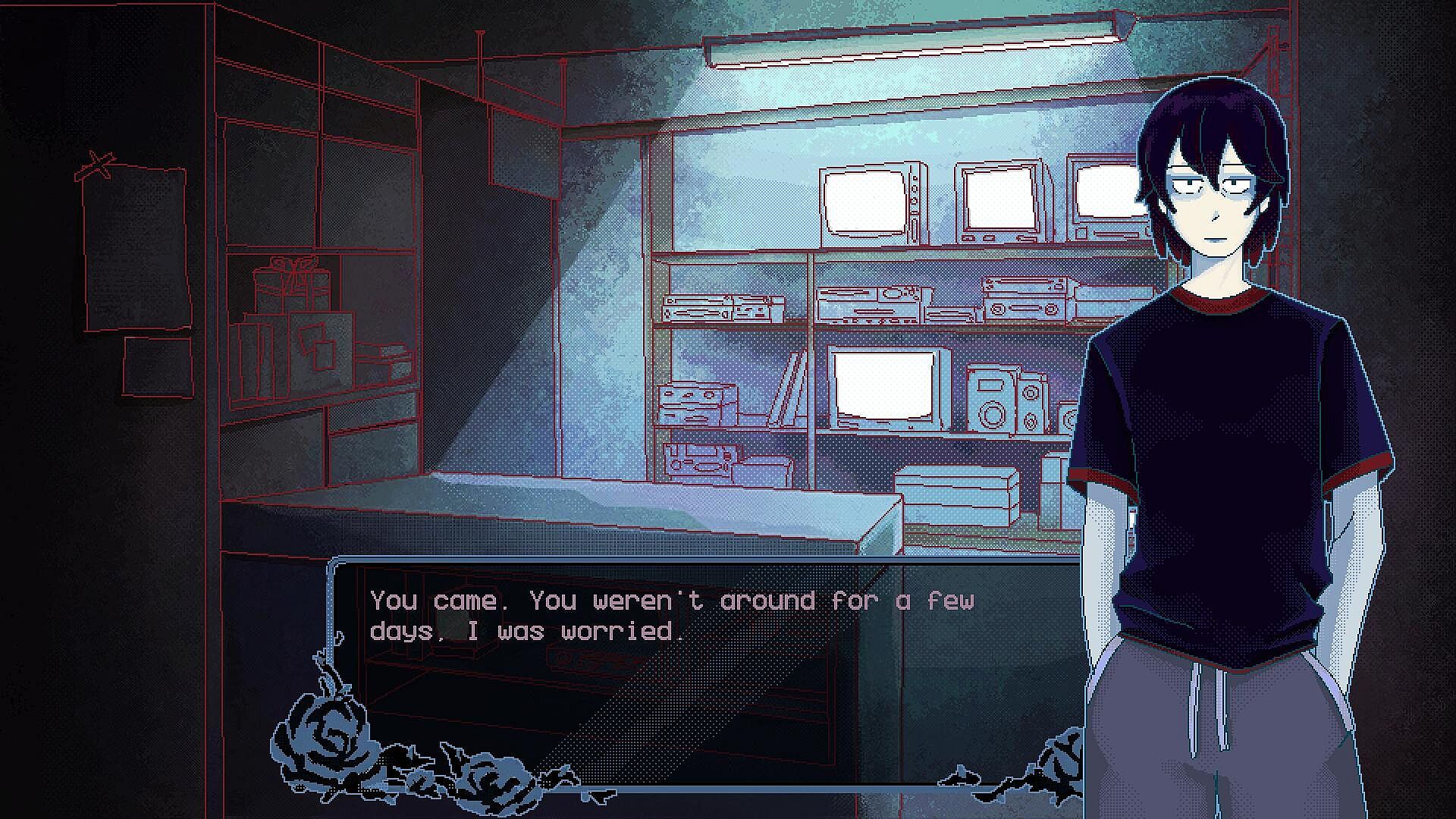
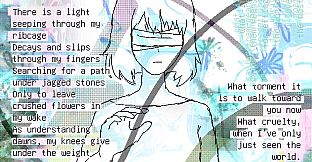
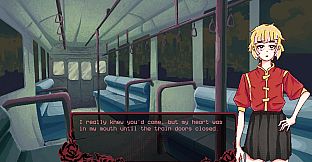
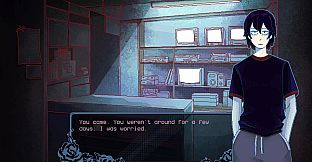
Highschool J is an indie adventure title presented as a psychological horror visual novel. Set against the backdrop of a modern Japanese town marked by damp streets and quiet isolation, the story follows Yuki, a high school senior weighed down by financial pressures, academic demands, and a sense of stagnation. His close friend Mei offers support that grows increasingly layered as events unfold. The experience unfolds through text, atmospheric backgrounds, and character illustrations, with unsettling textual glitches, eerie poems, and surreal visual distortions that gradually shift the tone toward unease and disorientation.
Gameplay
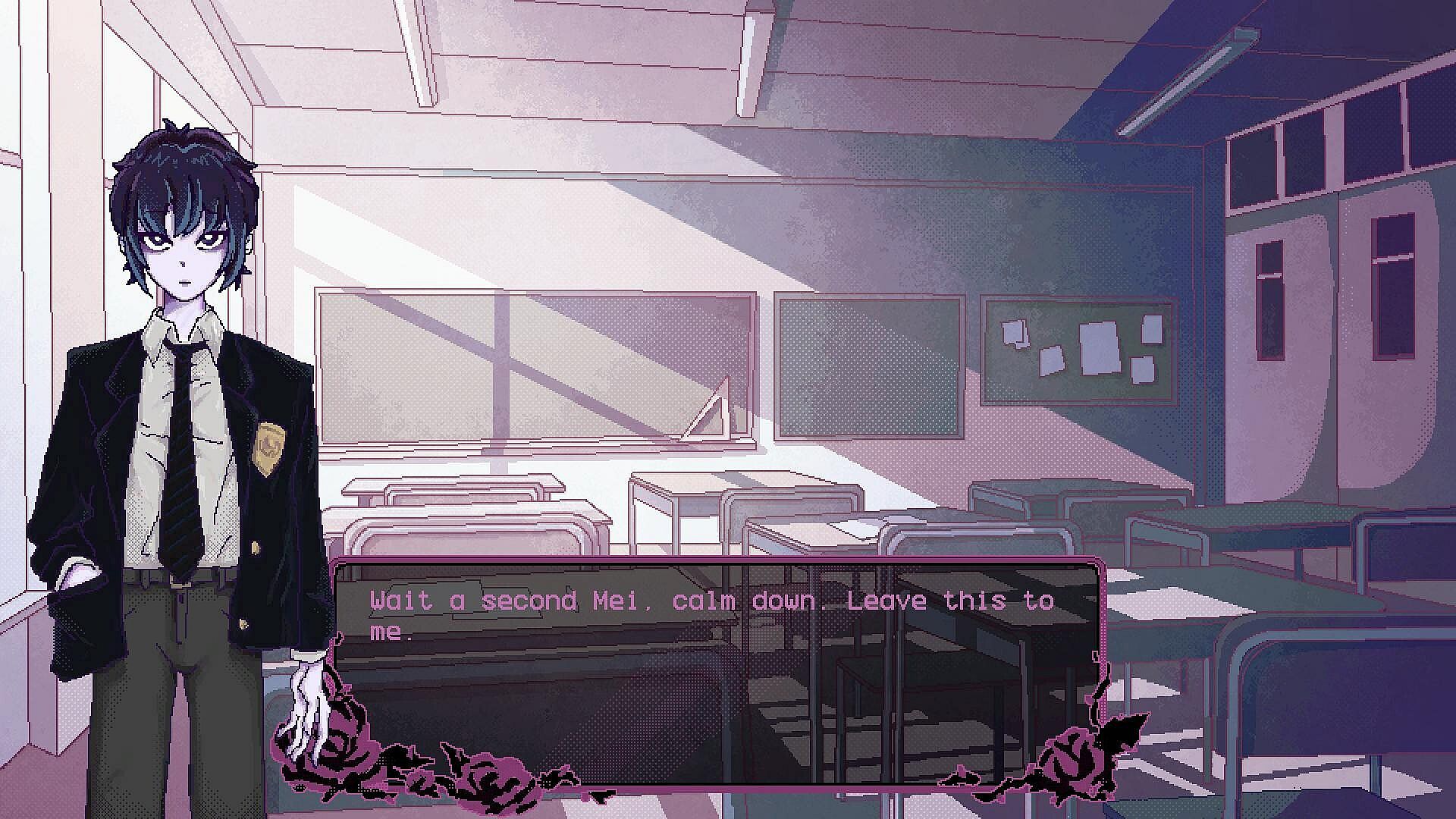
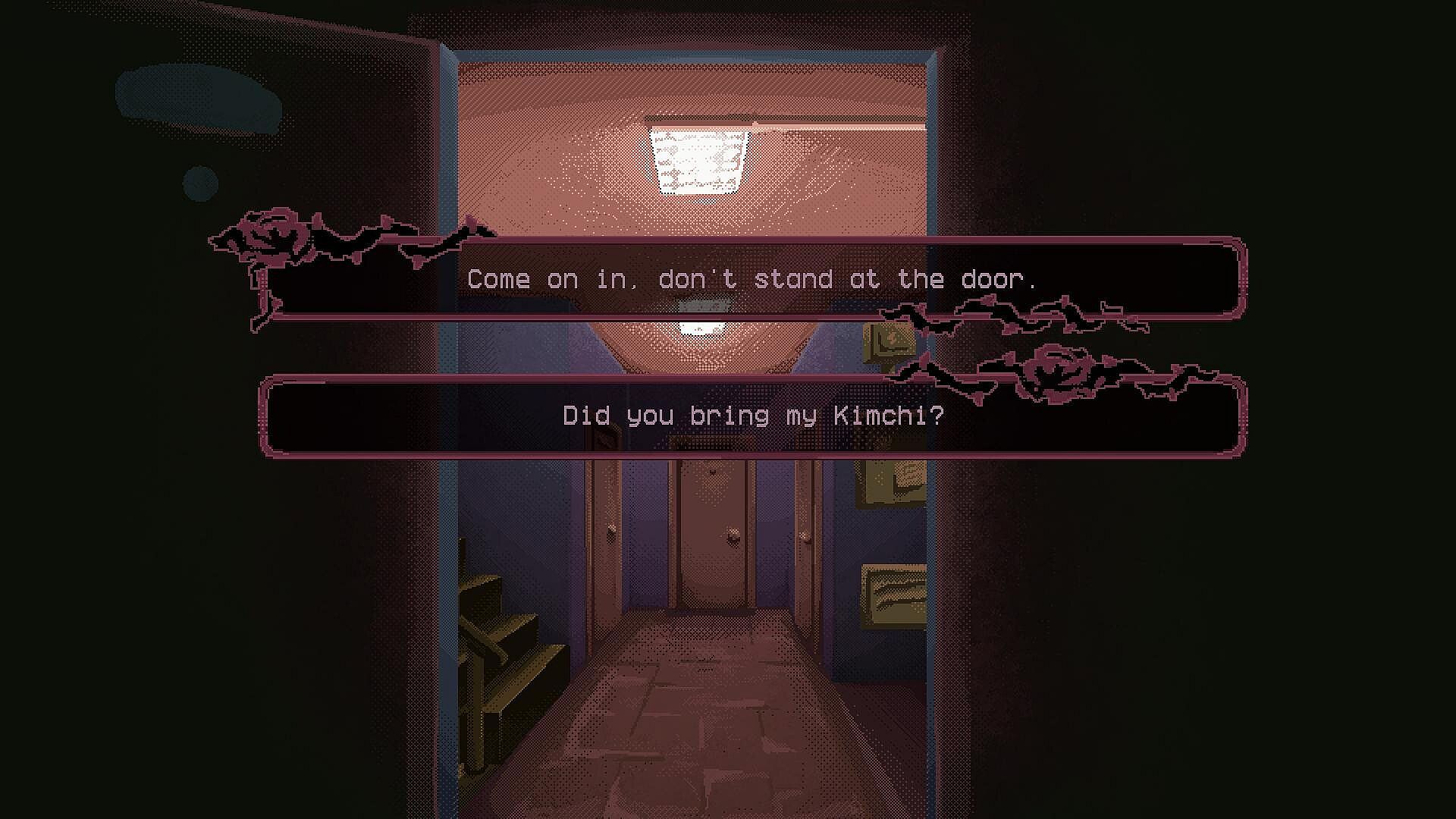
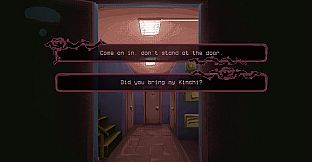
The core loop centers on reading through narrative passages while making dialogue choices that influence Yuki's connections to those around him. These decisions steer relationships toward greater paranoia or a more subdued acceptance of circumstances. Atmospheric backgrounds establish the suffocating environment of the town, while character illustrations bring Yuki and Mei into focus during key exchanges. Textual glitches interrupt the flow at intervals, introducing poems and visual distortions that erode the sense of a stable reality. The result is a deliberate pace where players absorb the story's psychological layers rather than engage in action or resource management.
Game Modes
Highschool J operates as a single continuous narrative experience without separate modes or branching campaigns. Progression relies entirely on sequential text segments punctuated by player selections in dialogue. Each choice alters the trajectory of Yuki's relationships and his grip on events, creating variations in how paranoia or resignation manifests across playthroughs. The structure encourages repeated sessions to observe how different decisions reshape the emotional undercurrents and the surreal elements that intrude on the story.
Story and Atmosphere
The setting draws from the everyday confines of a Japanese high school and surrounding town, rendered in ways that highlight isolation and mounting tension. Yuki's daily struggles with debt and routine provide the foundation, while Mei's protective presence introduces complexity as the narrative advances. Glitches and poetic interludes serve as recurring motifs that blur the line between ordinary life and something more fractured. This approach builds dread through suggestion and textual manipulation instead of overt threats or external conflicts.
Is It Worth Playing?
Highschool J suits players who appreciate psychological horror delivered through visual novel mechanics and meaningful dialogue choices. The focus on character relationships and the gradual introduction of glitches and distortions creates an introspective experience centered on Yuki's fragile state of mind. Those drawn to atmospheric storytelling with branching outcomes tied to interpersonal decisions will find the structure rewarding. The title remains available on PC for those seeking a concise, choice-driven narrative without additional layers of gameplay systems.