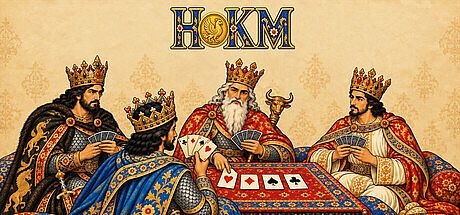



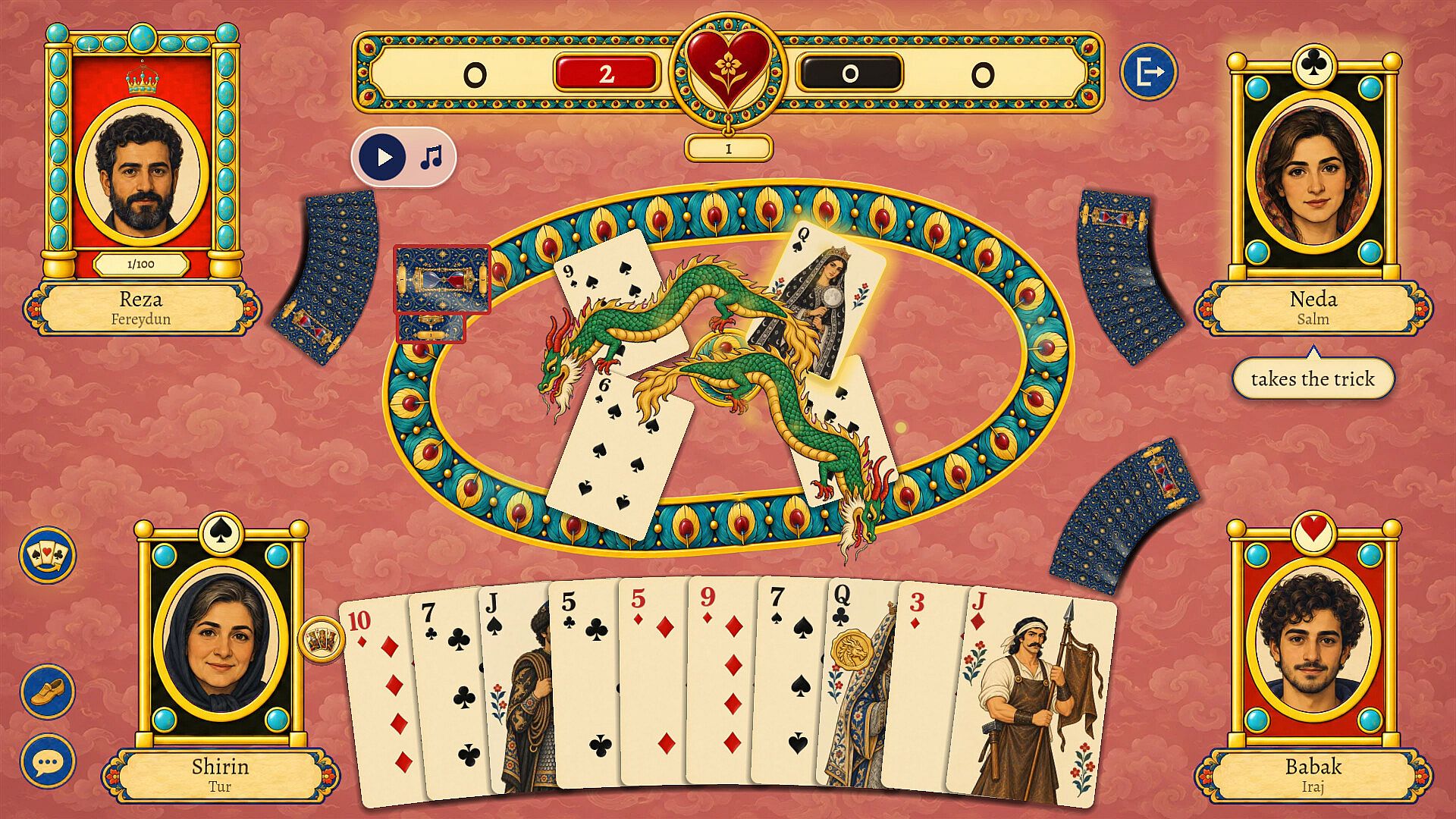
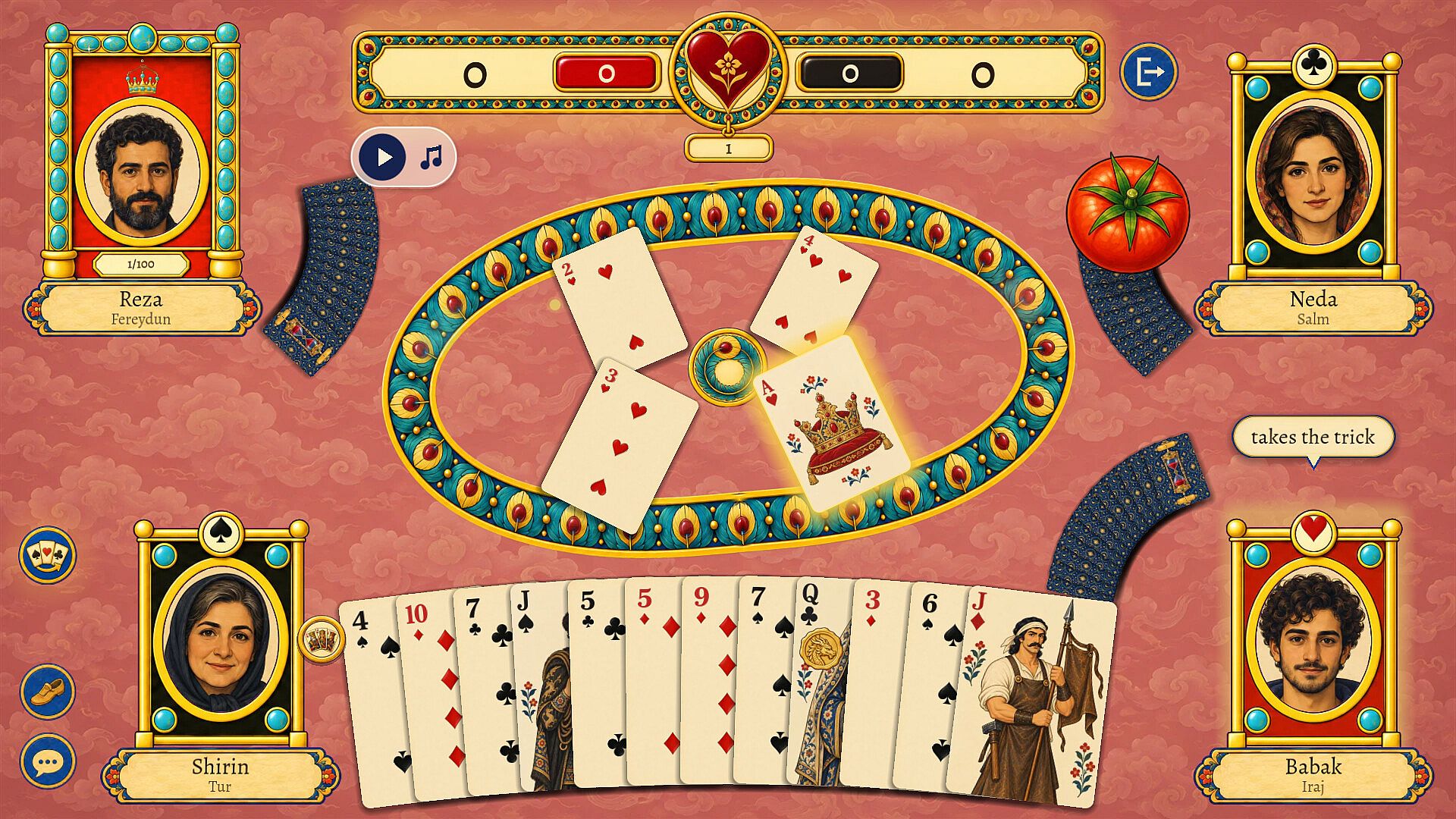
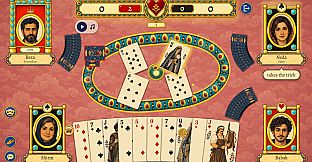
Hokm: Card Game of Kings is a free-to-play strategy card game for PC that brings the traditional Iranian trick-taking game of Hokm to digital form with a distinctive Persian artistic style drawn from the Shahnameh epic.
Gameplay
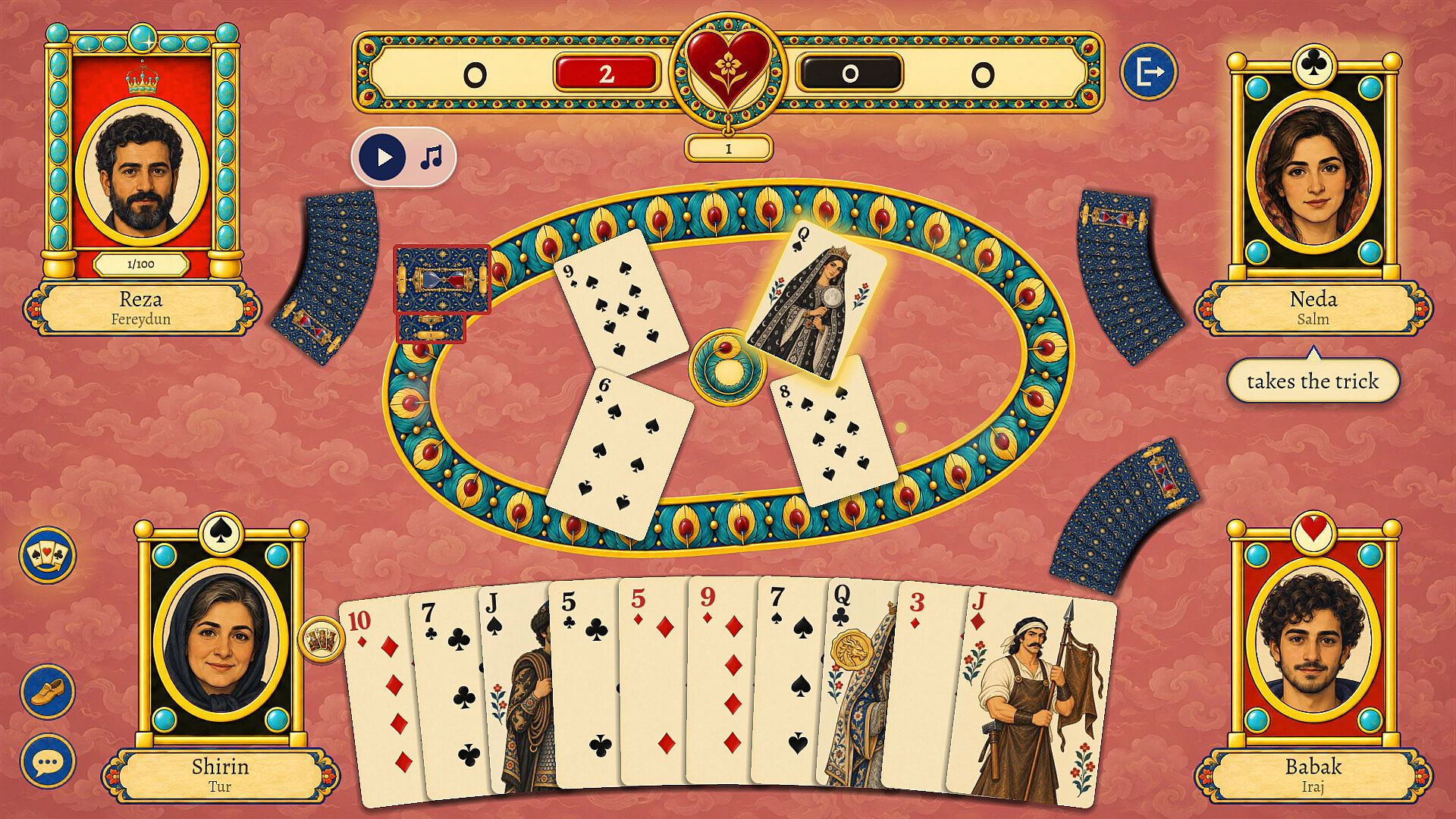
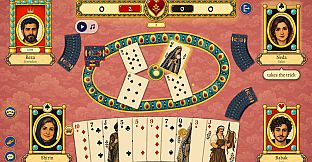
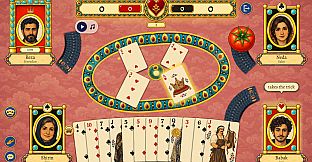
Four players sit in two fixed partnerships, with teammates positioned across from each other. A standard 52-card deck is used, and one player serves as the hakem for each round after viewing an initial five cards. The hakem then declares the trump suit, known as the hokm. The remaining cards are dealt so that every participant holds thirteen cards total.
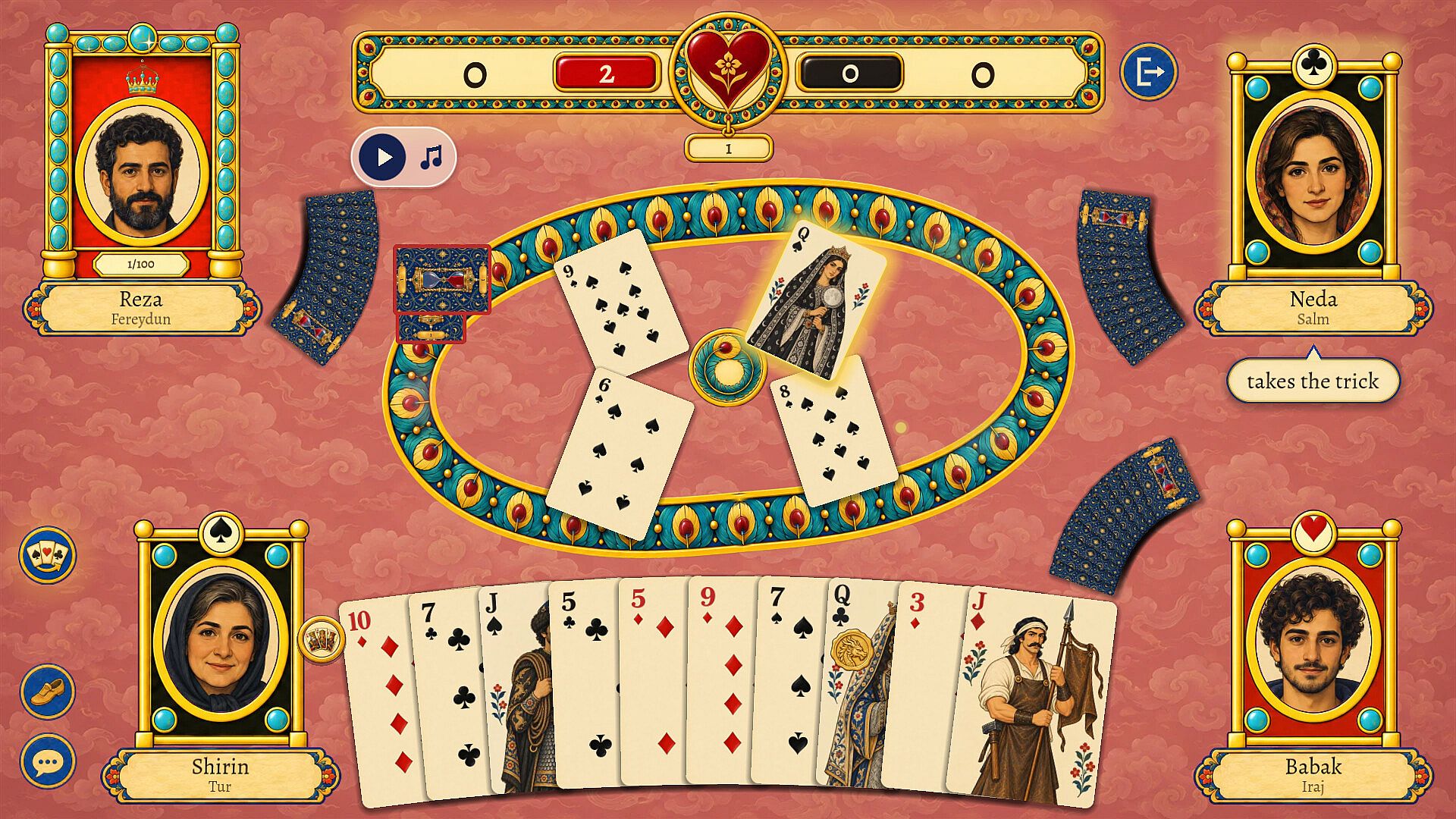
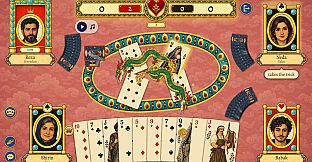
Play proceeds with the hakem leading the first trick. Players must follow the led suit when possible; otherwise they may play any card, including a trump. The highest card of the led suit wins the trick unless a trump is played, in which case the highest trump prevails. The winner of each trick leads the next. The first partnership to capture seven tricks claims the round and scores one point toward a match total of seven points.
A kot occurs when one side takes the first seven tricks without the opponents scoring any. This sweep awards two points to the hakem's partnership or three points if the opponents achieve it against the hakem. An optional house rule allows the middle card of a partner's hand to influence play, and this setting is enabled by default but can be toggled.
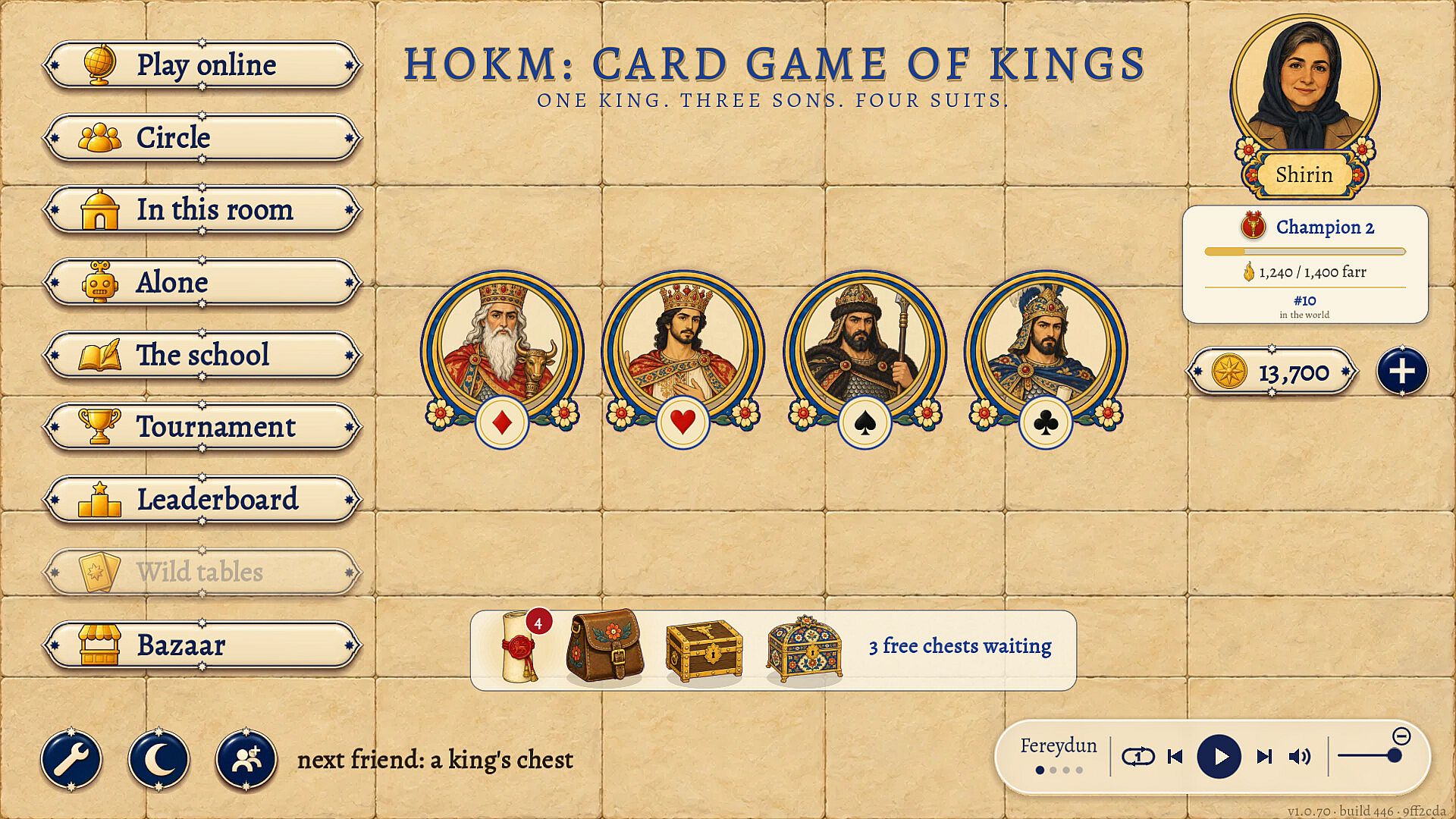
The suits carry thematic weight tied to the legend of King Fereydun: hearts represent Iraj, diamonds stand for Fereydun himself, spades correspond to Tur, and clubs signify Salm. The table layout evokes the division of the world among the king's sons.
Game Modes
Players can join online matches against others on the same tables whether using a computer or phone. Local network play supports sessions in the same physical space, with bots filling any empty seats. Fully offline mode allows solo practice against computer opponents without an internet connection.
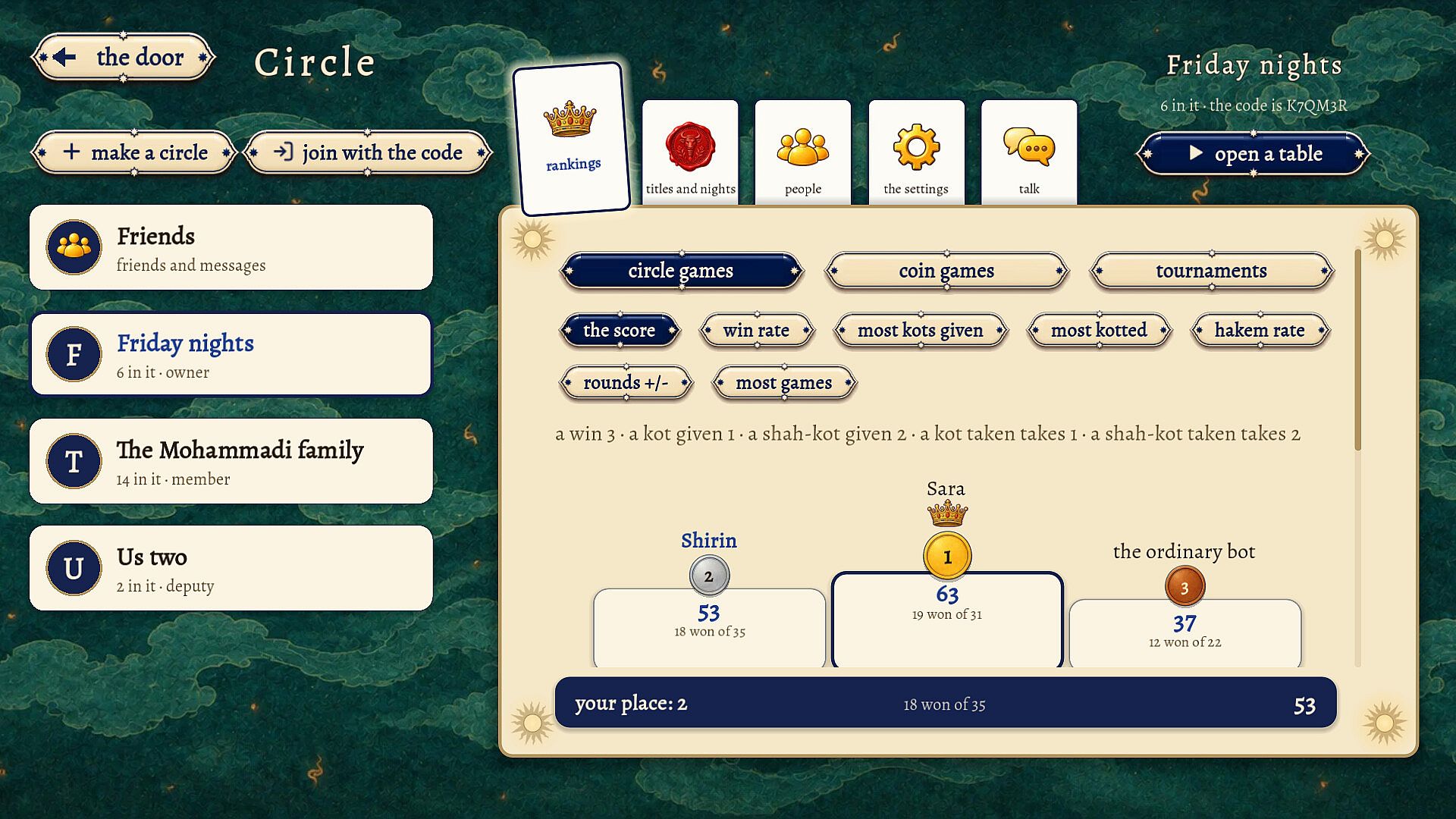
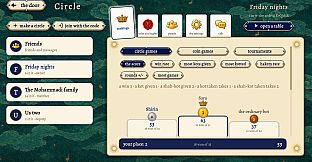
Knockout tournaments lead to a crown through structured elimination brackets. Circles let users form private groups that maintain their own rankings and include a dedicated group chat for coordination. Friends lists, messaging, blocking, and reporting tools facilitate social connections.
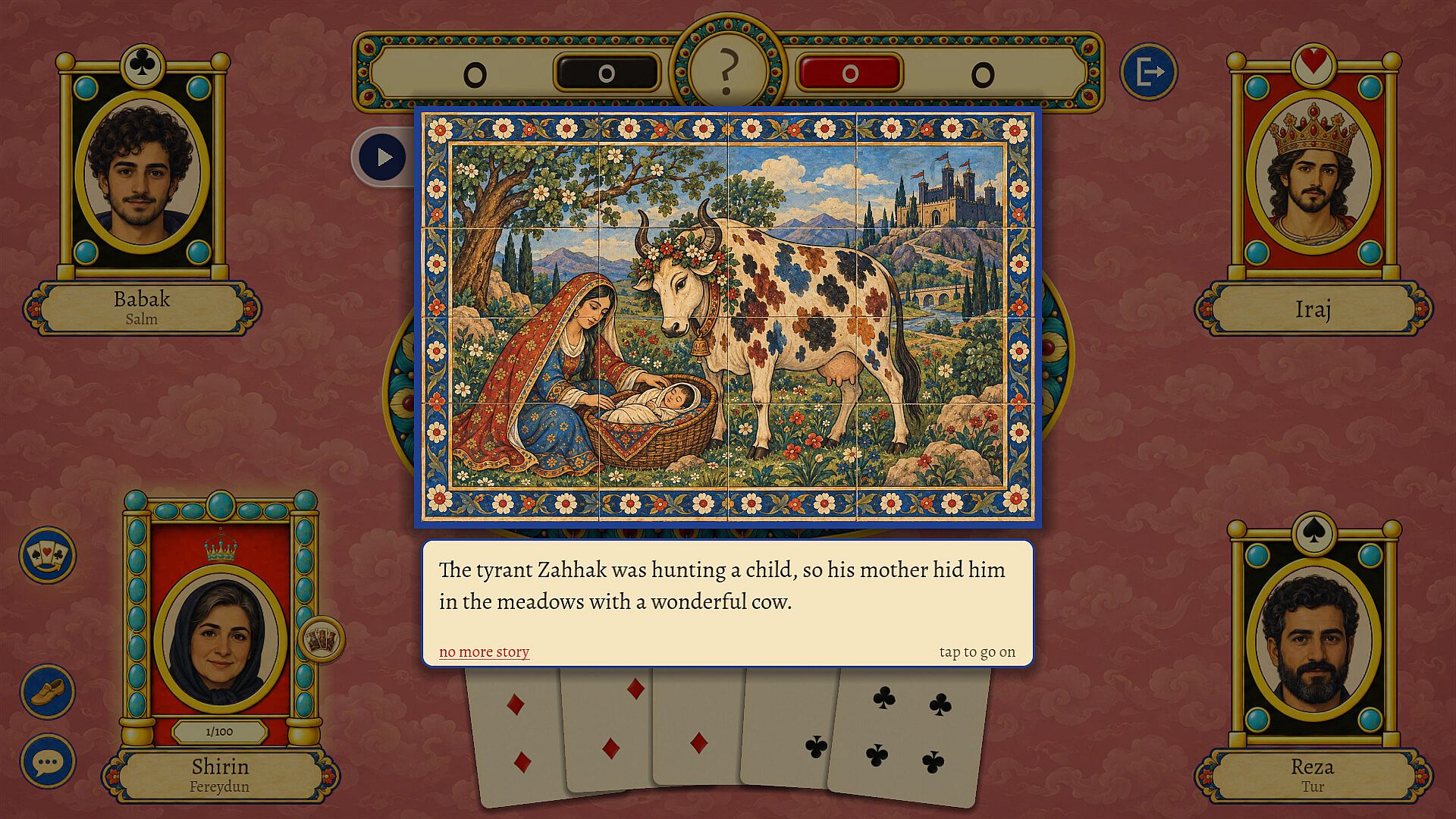
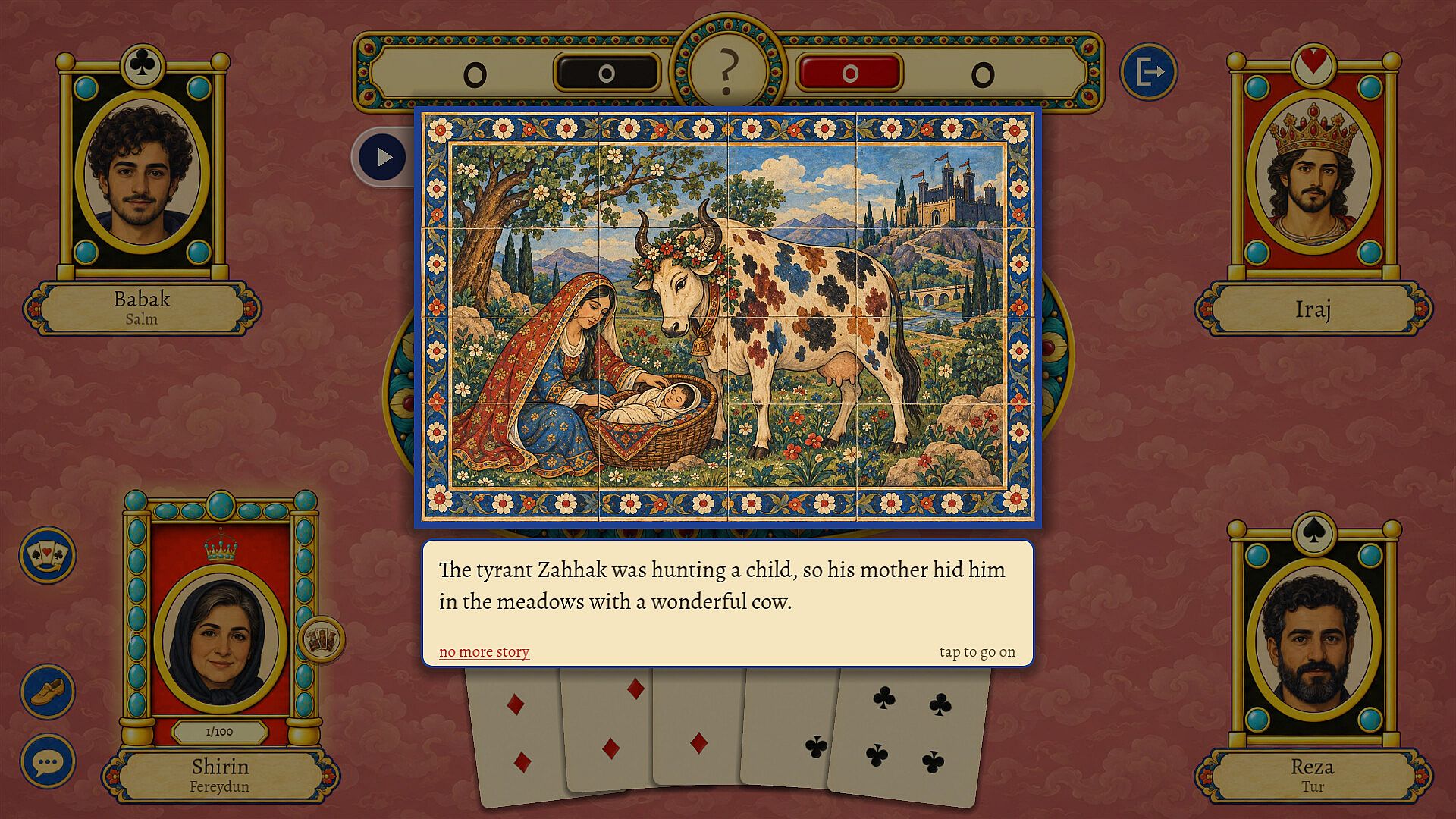
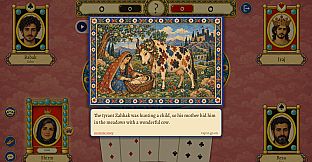
Beginners start with nine spoken tutorial lessons that progress from basic card handling to calling hokm independently. The Road of Four follows with four introductory games against themed bots, each tied to one of the royal houses, and the accompanying story can be disabled if preferred.
Progression and Customization
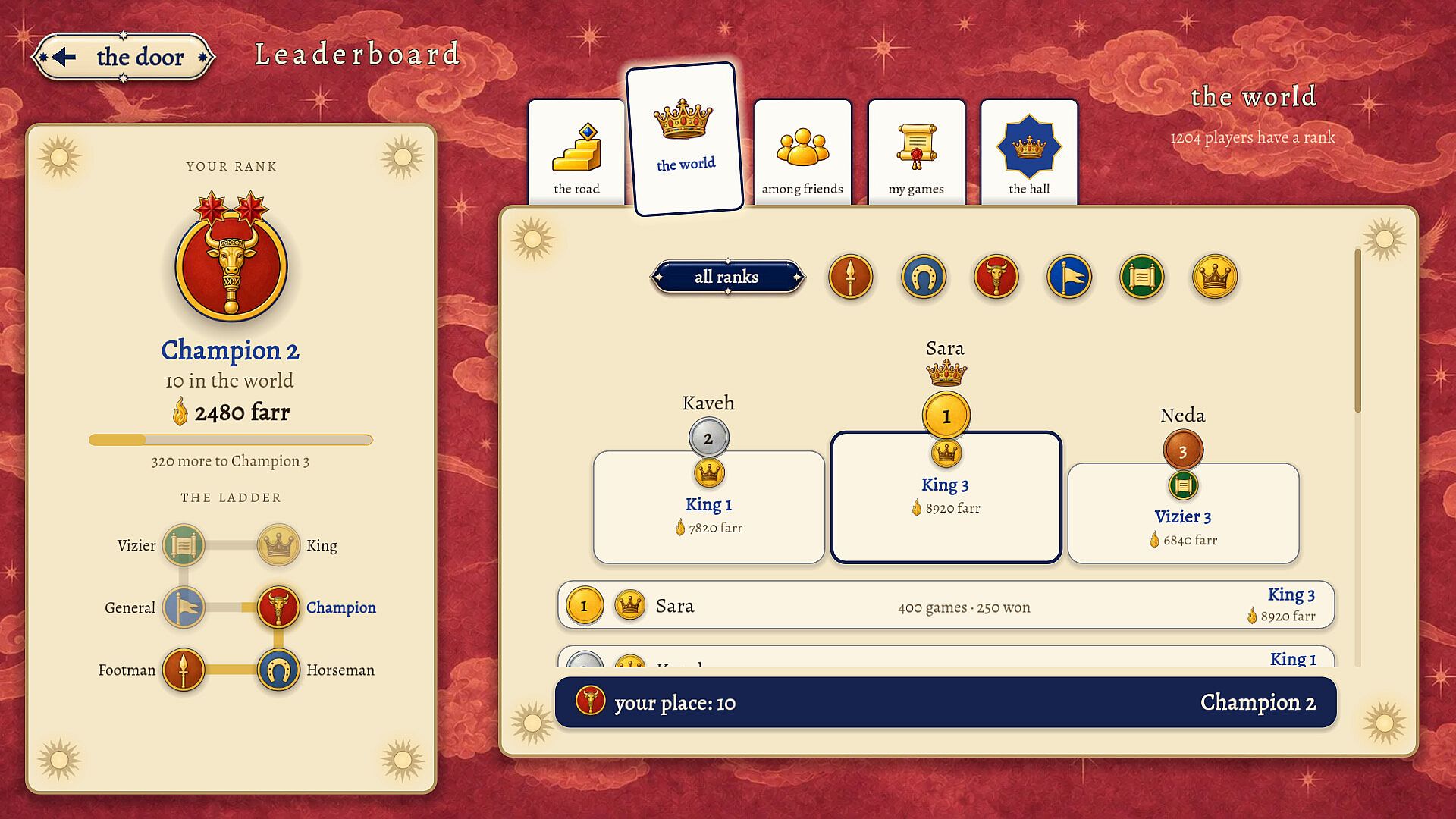
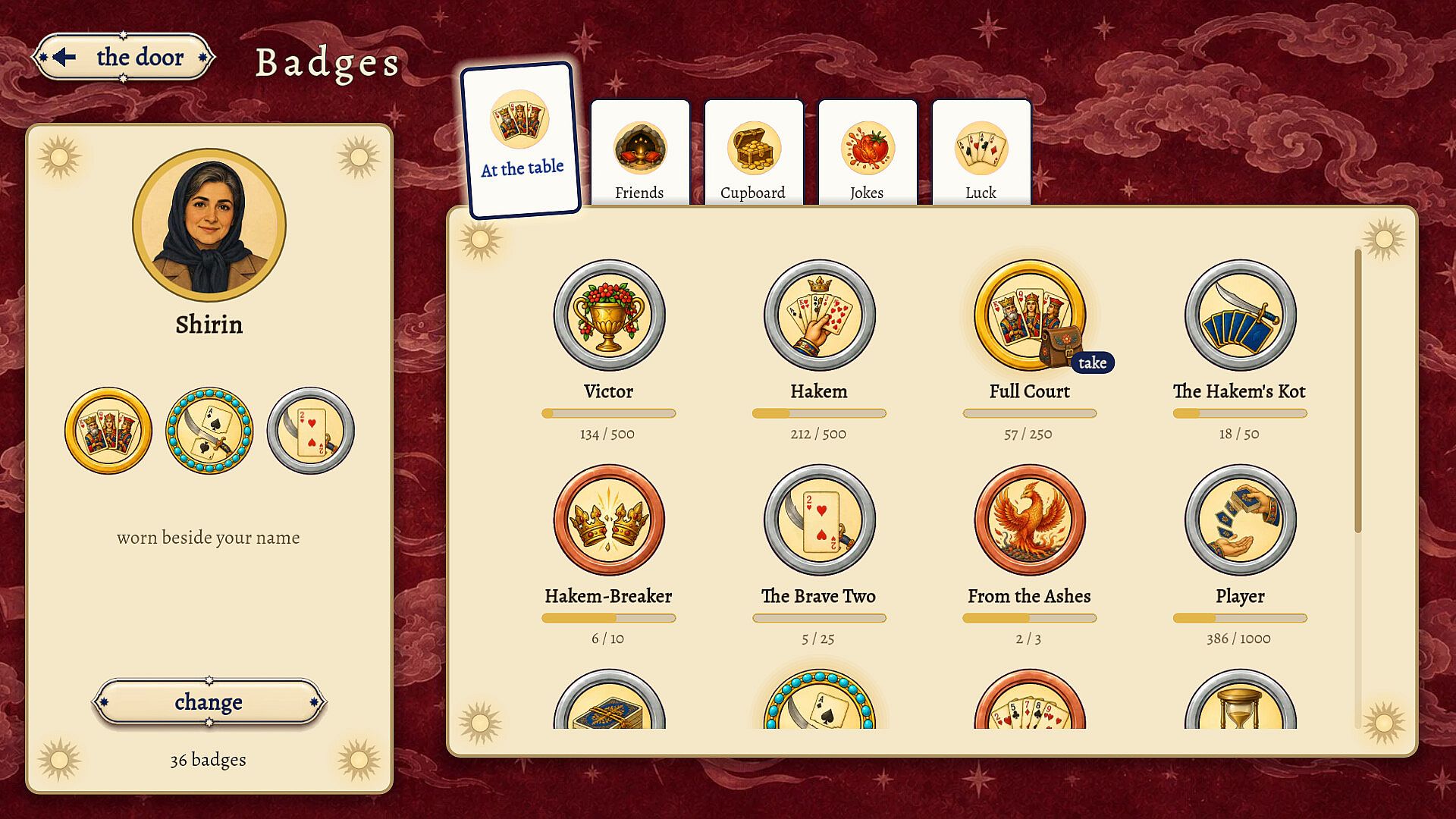
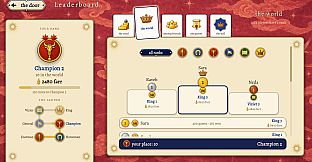
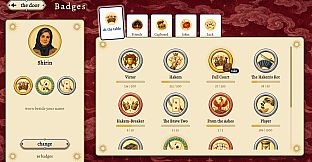
Performance builds farr, a ranking currency that advances players through eighteen steps from Footman to King. Copper, silver, gold, and turquoise badges mark achievements, while daily decrees provide additional coins for continued play. Coins serve only as in-game currency and cannot be exchanged for real money.
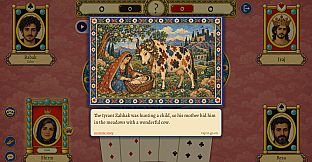
At the table, players may anonymously throw a tomato, slipper, or rose at another participant's portrait. A tea break option pauses action to advance the narrative. Sixty different card backs drawn from twelve painted worlds are available, along with visual effects that activate during cuts and wins. Every shuffle is verified and published so each device independently confirms the deal fairness.
Is It Worth Playing?
Hokm: Card Game of Kings suits anyone interested in accessible yet strategic partnership trick-taking games. The built-in tutorials and bot opponents lower the barrier for newcomers, while the ranked progression and tournament options reward consistent play. Multiple formats cover solo practice, casual local sessions, and competitive online matches without advertisements or real-money transactions.
Those who enjoy games that emphasize reading partners, timing trumps, and adapting to the hakem's choice will find depth in the core loop. The thematic presentation and verification systems add polish without complicating the experience. Players seeking a free, ad-free card game with clear rules and varied ways to engage will likely appreciate its focused design and cultural flavor.