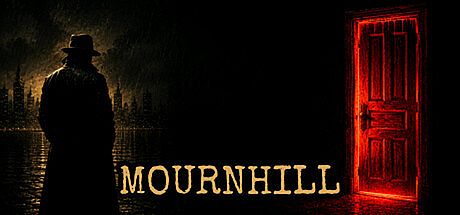


Mournhill is an indie casual adventure game built around narrative choices in a small town full of secrets. Players step into the role of the last detective in a place where a red door stays shut, a hidden countdown ticks away, and favors shape every outcome. The experience blends dark comedy with noir storytelling, delivered through a simple yet demanding card system that forces constant decisions about who to support and what to ignore.
Gameplay
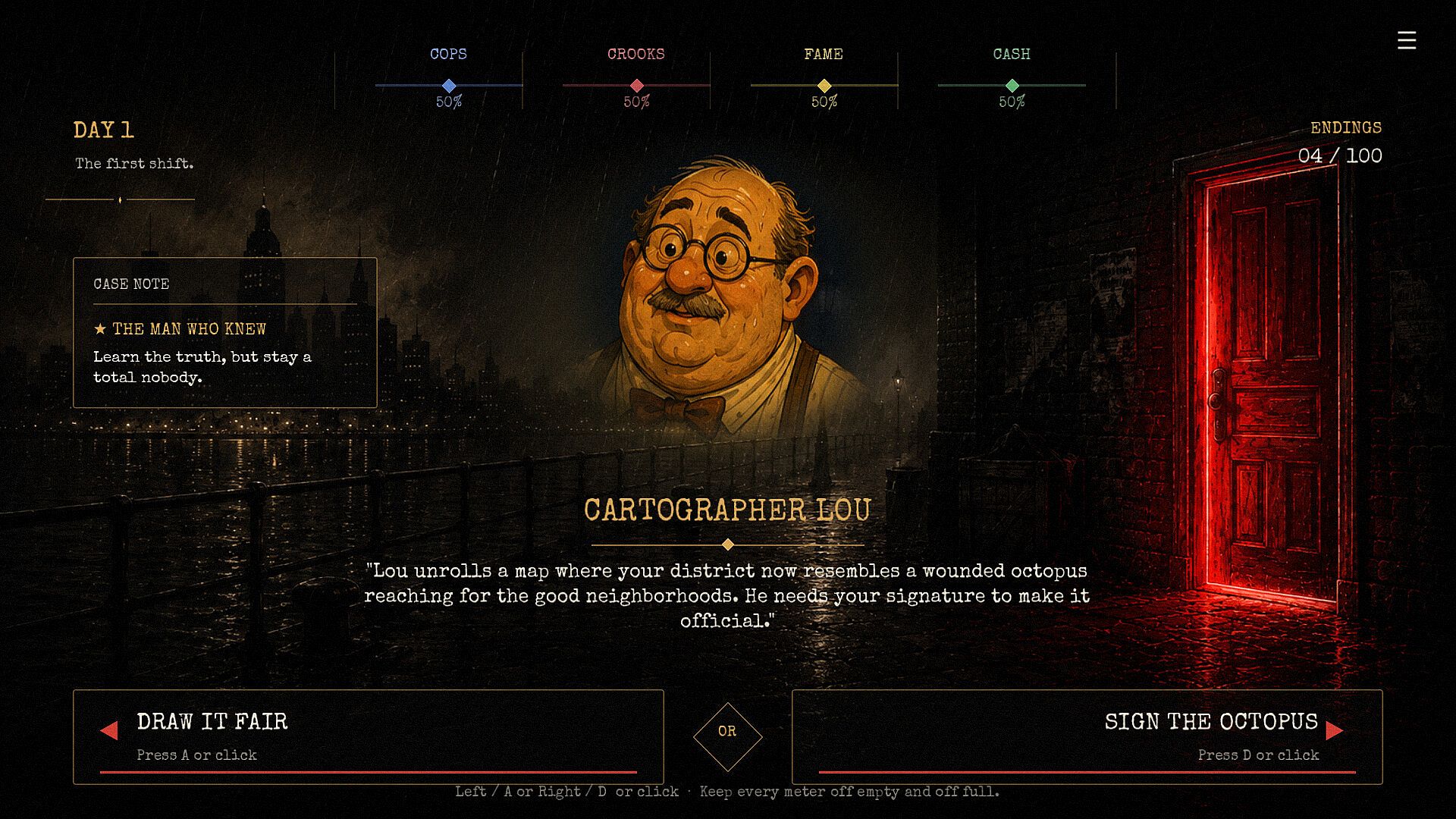
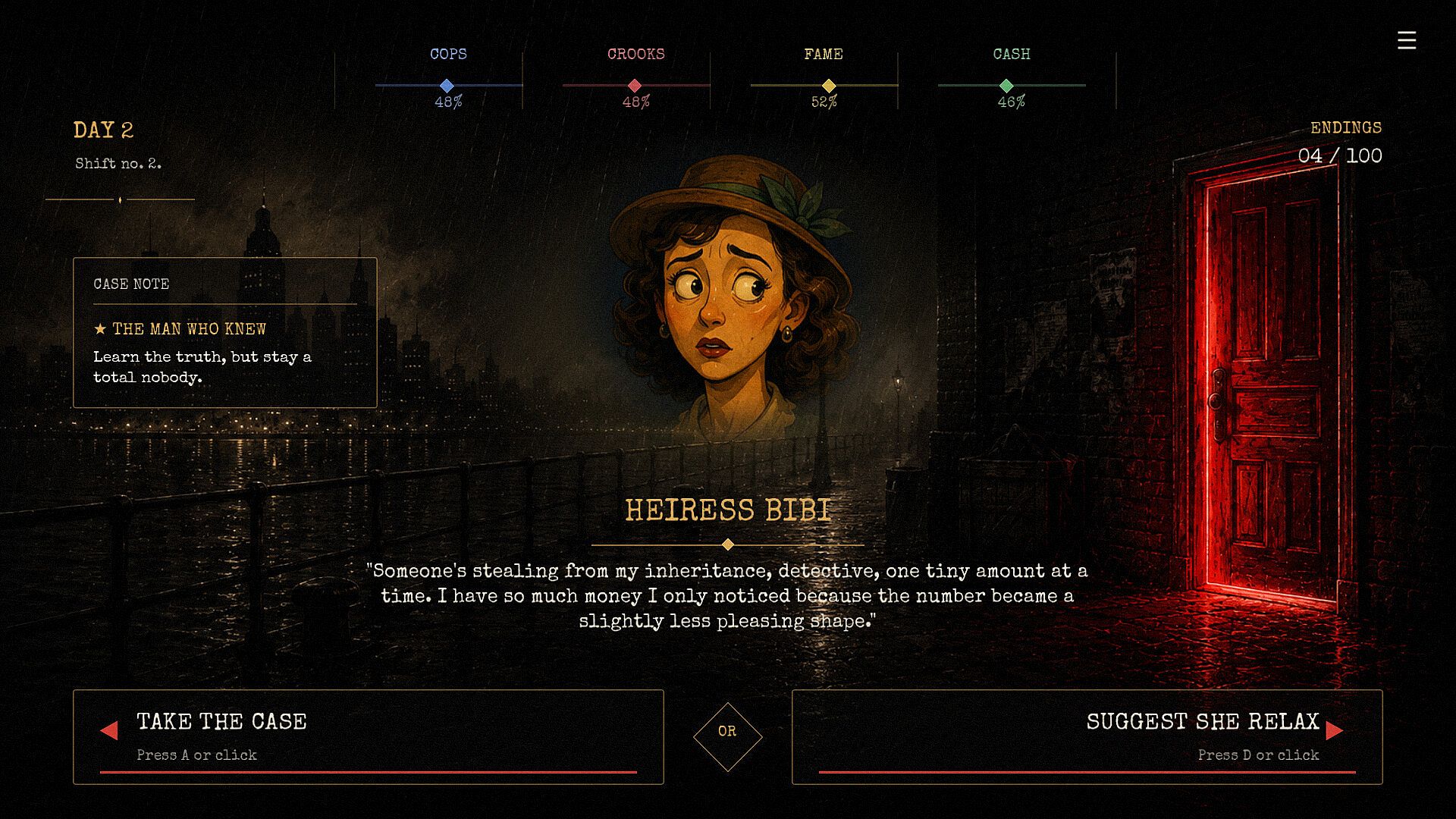
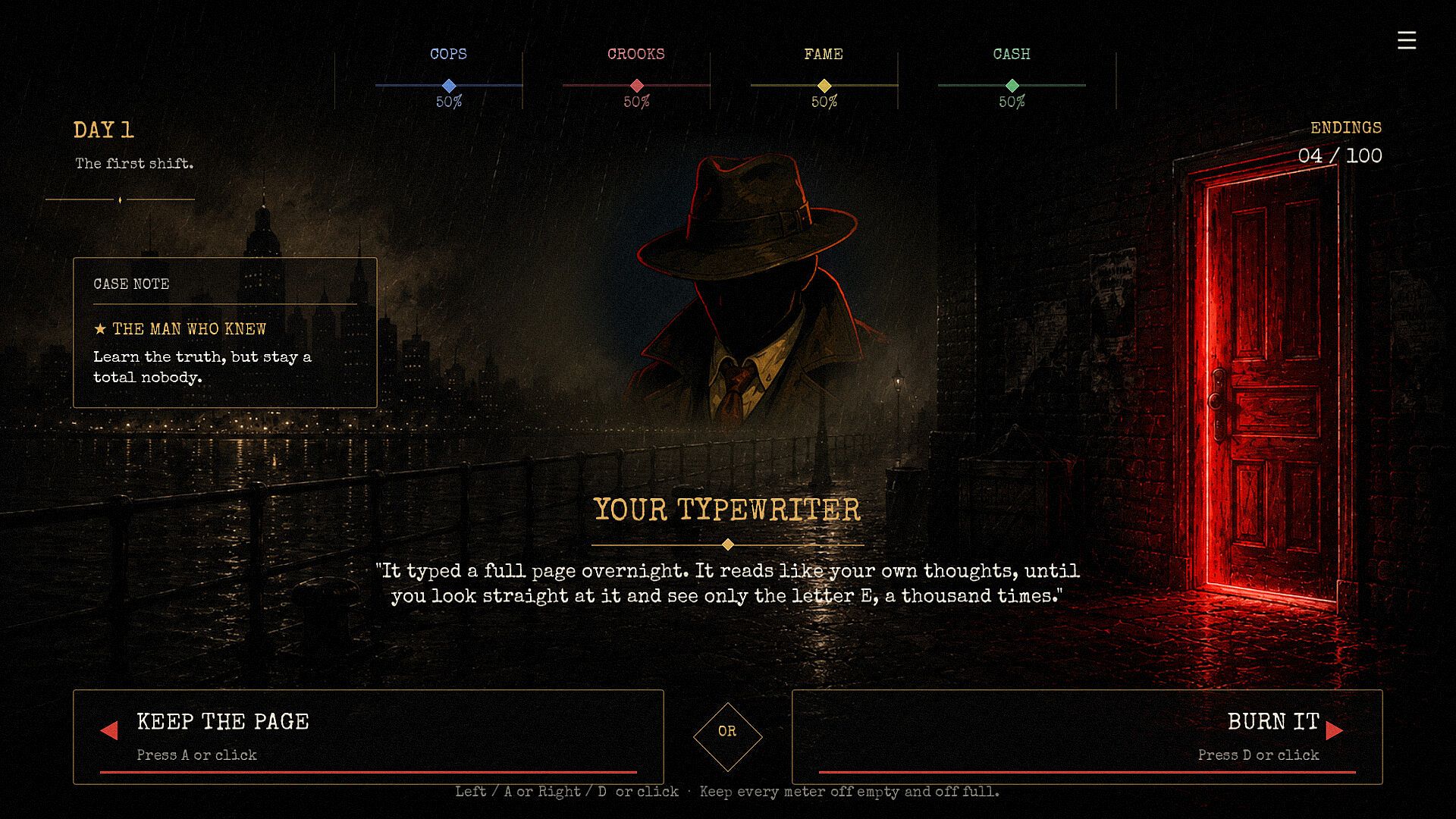
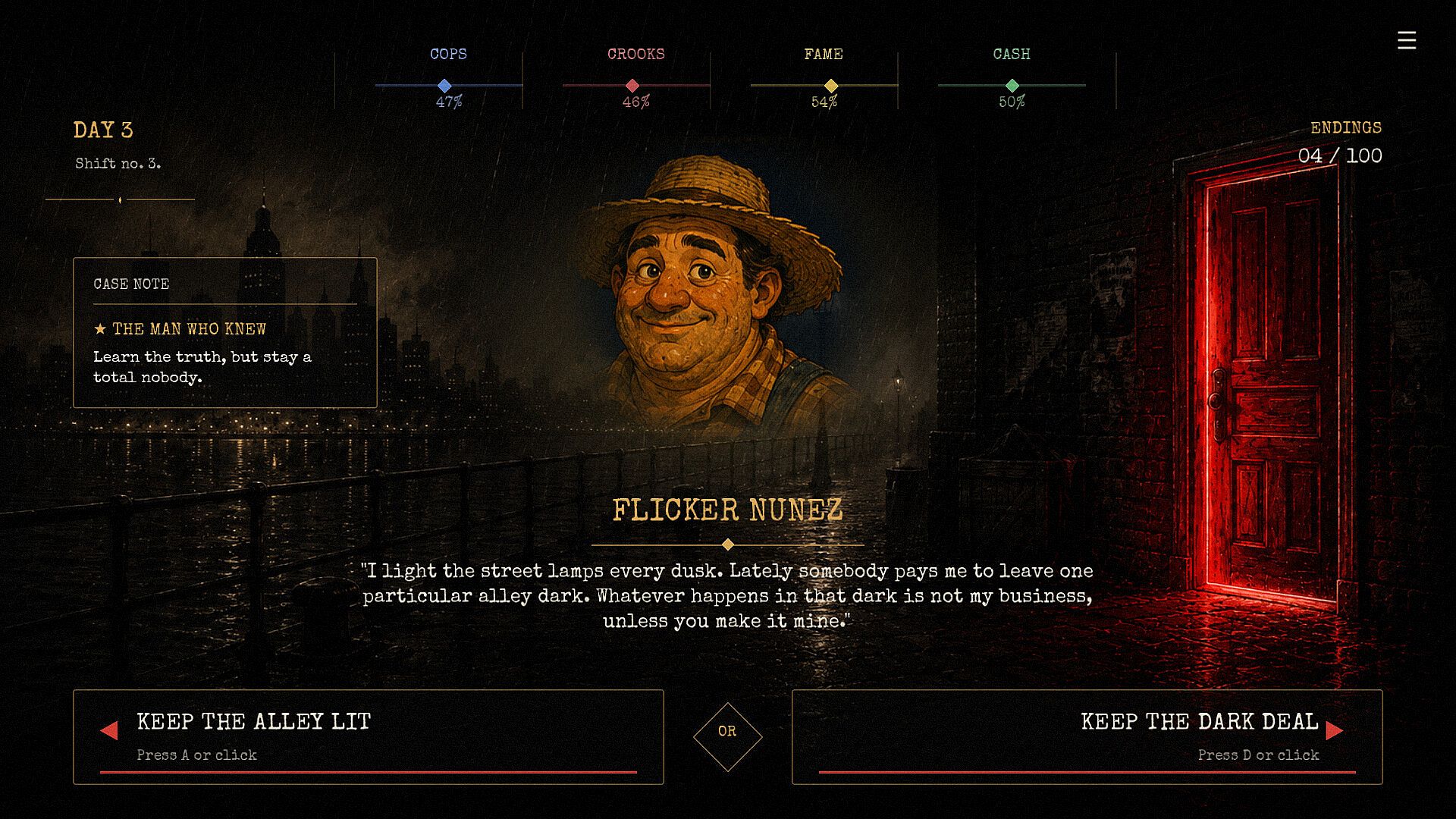
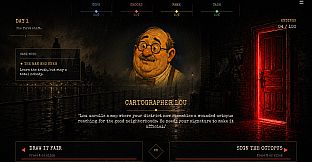
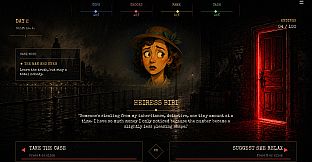
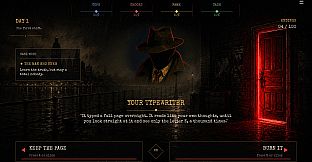
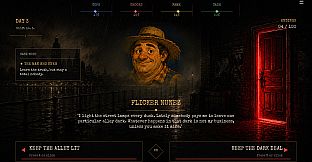
Core play revolves around individual cards that arrive on the desk one at a time. Each card presents a situation involving local cops, crooks, personal fame, or cash flow. Swiping left or right commits the player to one side or another, shifting balances that affect future cases and the overall state of the town. Leaning too heavily in any direction risks sudden failure, often in ways that feel abrupt or darkly ironic rather than heroic.
The system keeps the focus on consequences rather than complex controls. Every choice influences four key pressures: maintaining order with the police, navigating criminal interests, building enough reputation to stay relevant, and covering basic expenses. These pressures interact across dozens of cards, creating chains of events where early favors return later in unexpected forms. The writing emphasizes sharp dialogue and memorable characters who track past actions, turning routine investigations into layered personal stories.
Behind the surface decisions sits an underlying mystery. The town pretends everything functions normally, yet the red door and the unspoken countdown suggest something larger at work. Players chase leads through the cards while the game quietly tracks progress toward different conclusions, some straightforward and others deeply strange.
Game Modes
Mournhill operates as a single-player experience centered on repeated playthroughs to uncover its many possible conclusions. There are no separate multiplayer or competitive modes. Instead, the structure encourages replay by presenting the same card-based framework each time while allowing vastly different paths based on prior choices. The emphasis stays on exploring how small shifts in allegiance or priority alter the detective's fate and the town's condition.
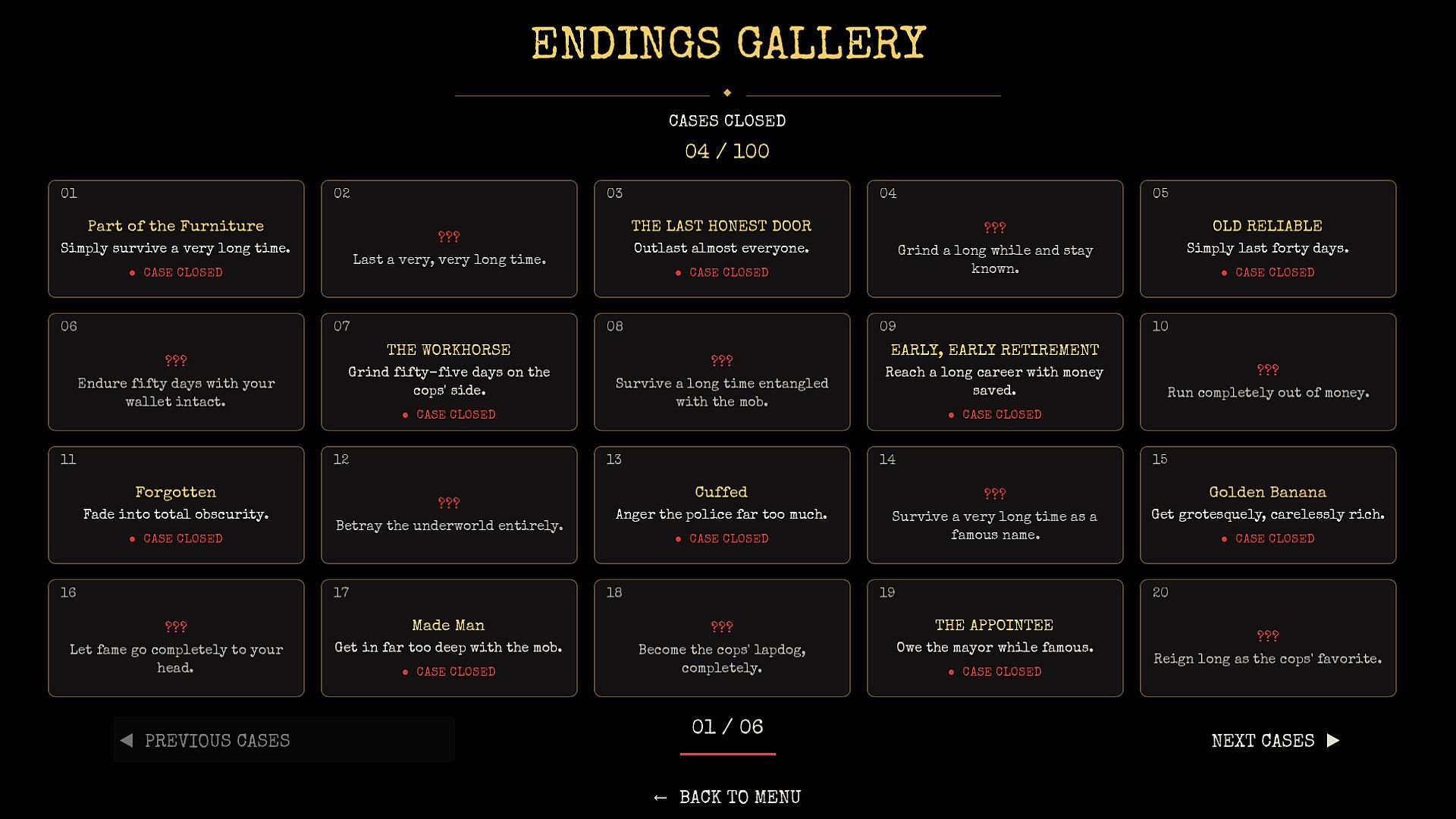
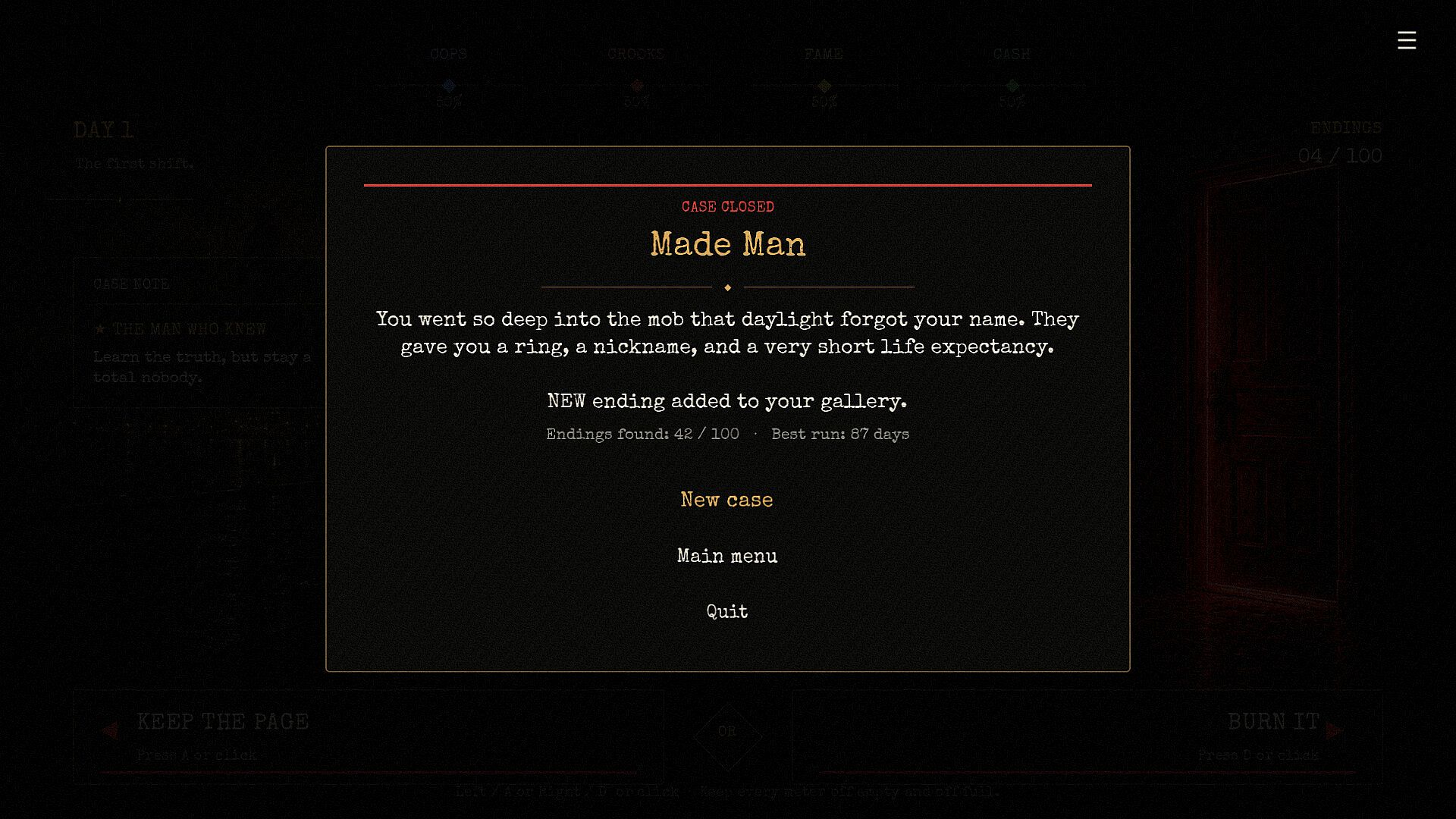
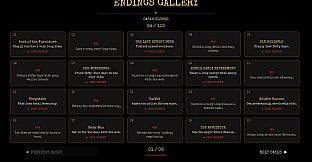
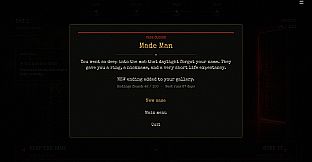
Progression comes from collecting endings rather than leveling systems or unlocks. Each run ends when the accumulated pressures become unsustainable, at which point the game reveals one of over one hundred possible outcomes. These range from conventional successes to absurd or humiliating results, with one specific path tied to the central truth behind the red door. The design rewards persistence through variety in the stories that emerge from the same core mechanics.
Narrative and Atmosphere
The writing mixes sharp humor with genuine tension. Cards deliver quick scenes of small-town life that reveal larger undercurrents, from petty corruption to personal desperation. Characters remember previous interactions, so repeated playthroughs feel like returning to a familiar but shifting community rather than starting fresh each time. The tone stays grounded in noir traditions while leaning into the ridiculous consequences of poor decisions.
Visual and audio elements support the card-focused loop without distraction. The presentation keeps attention on the text and the immediate choice, letting the accumulating weight of favors and secrets build naturally. The countdown element adds quiet pressure that grows across sessions, even when individual cards appear lighthearted on the surface.
Is It Worth Playing?
Mournhill suits players who enjoy choice-driven narratives and are comfortable with frequent failure as part of the process. The card-swiping system makes sessions short and accessible, yet the branching outcomes and character memory create depth that rewards multiple attempts. Those drawn to dark comedy, small-scale mysteries, and stories that punish overcommitment will find the mechanics align closely with the themes.
The game offers no free modes or trials based on available information, and it remains a complete single-player package without ongoing seasonal content. Its strength lies in the variety of endings and the way simple decisions compound into memorable, often funny results. Players seeking traditional action or long campaigns may find the focused loop too narrow, while fans of narrative experiments with high replay value stand to get the most from collecting its many conclusions.