











南海饥年志 is an indie adventure visual novel set in a fictional salt marsh fishing village during times of scarcity. Players take on the role of Jiang Yan, a longtime resident and ledger keeper in the community of Fengpu. The story unfolds through first-person limited narration that emphasizes personal observation and gradual realization rather than external investigation.
Gameplay
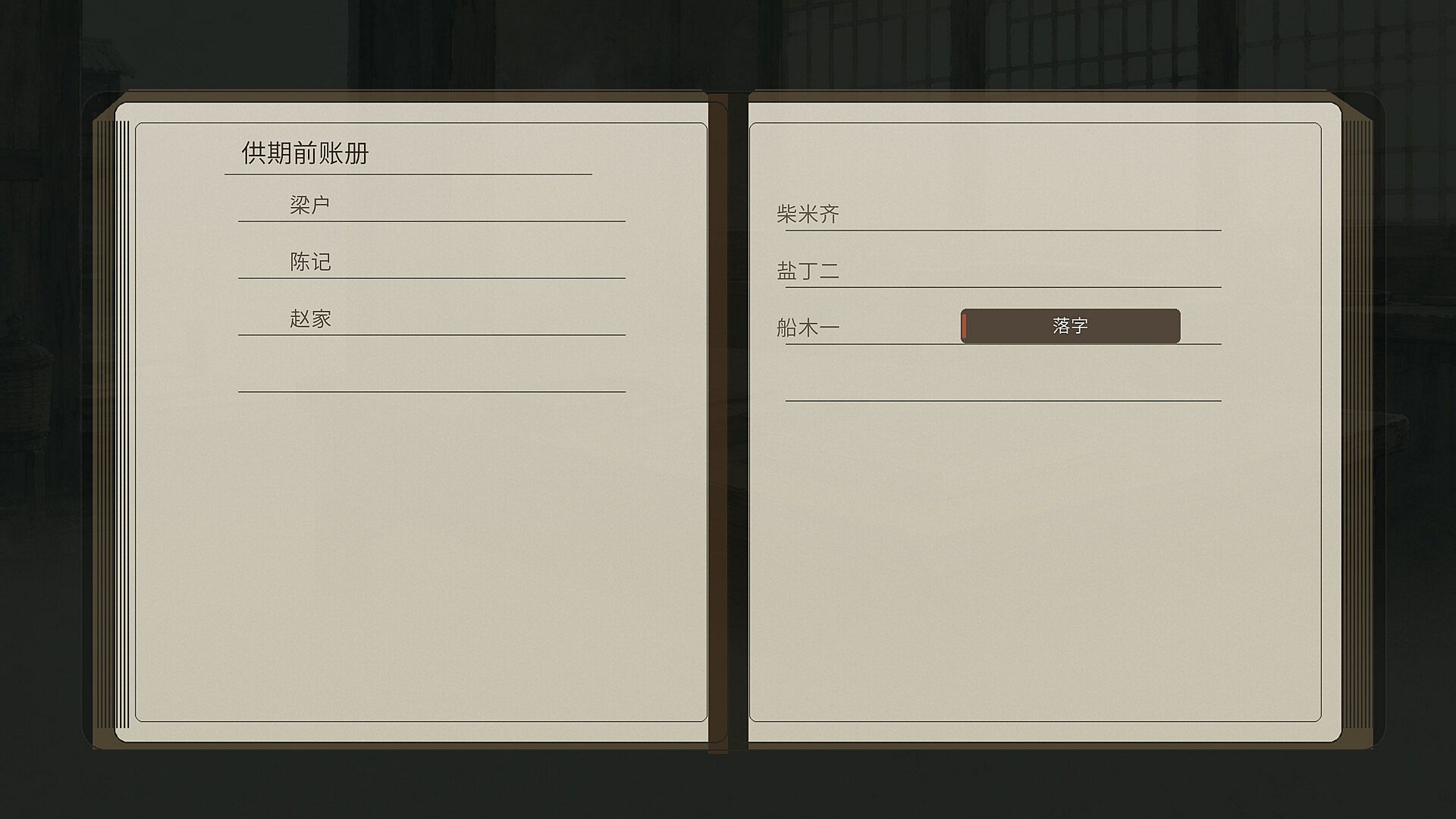
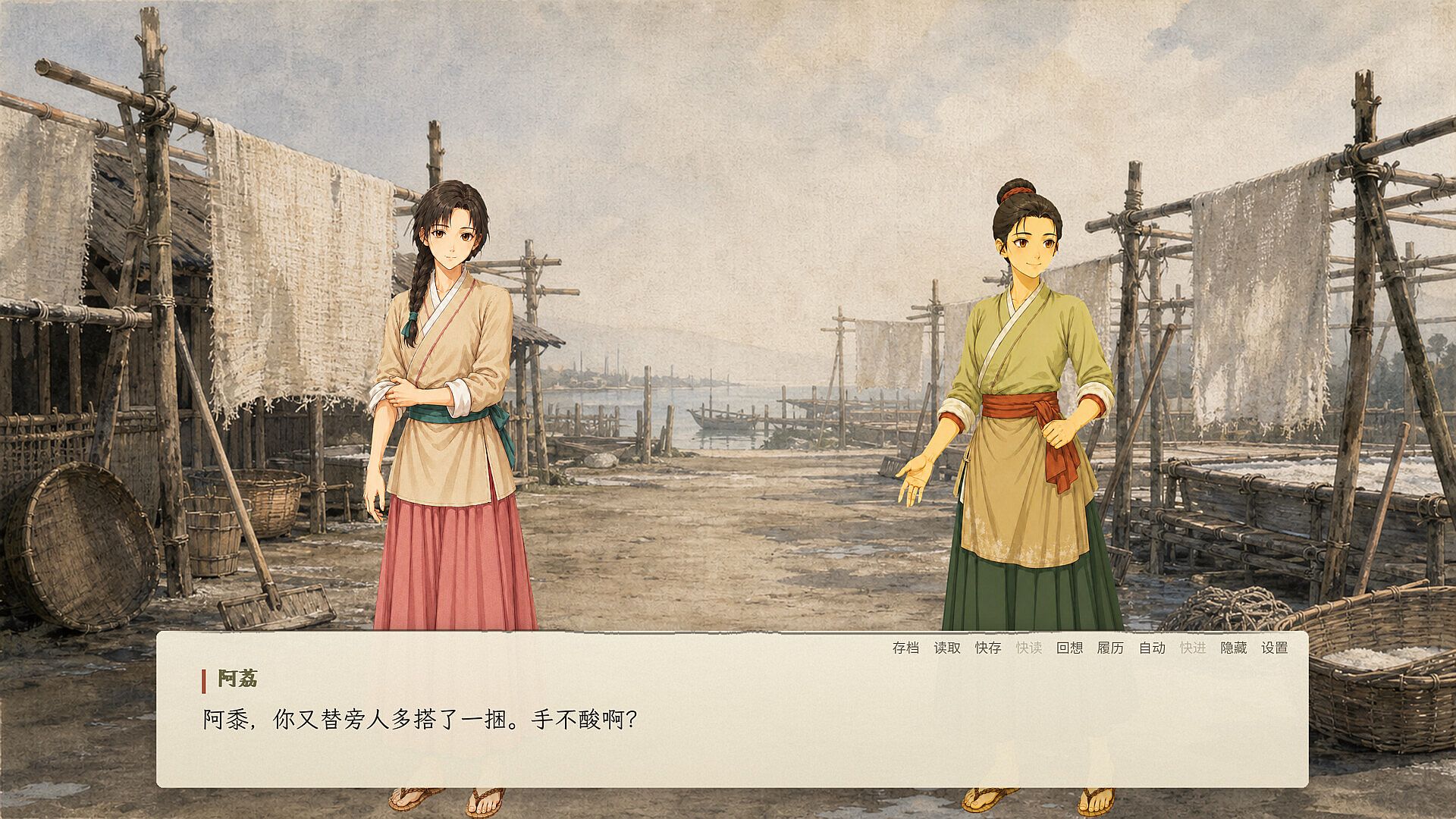
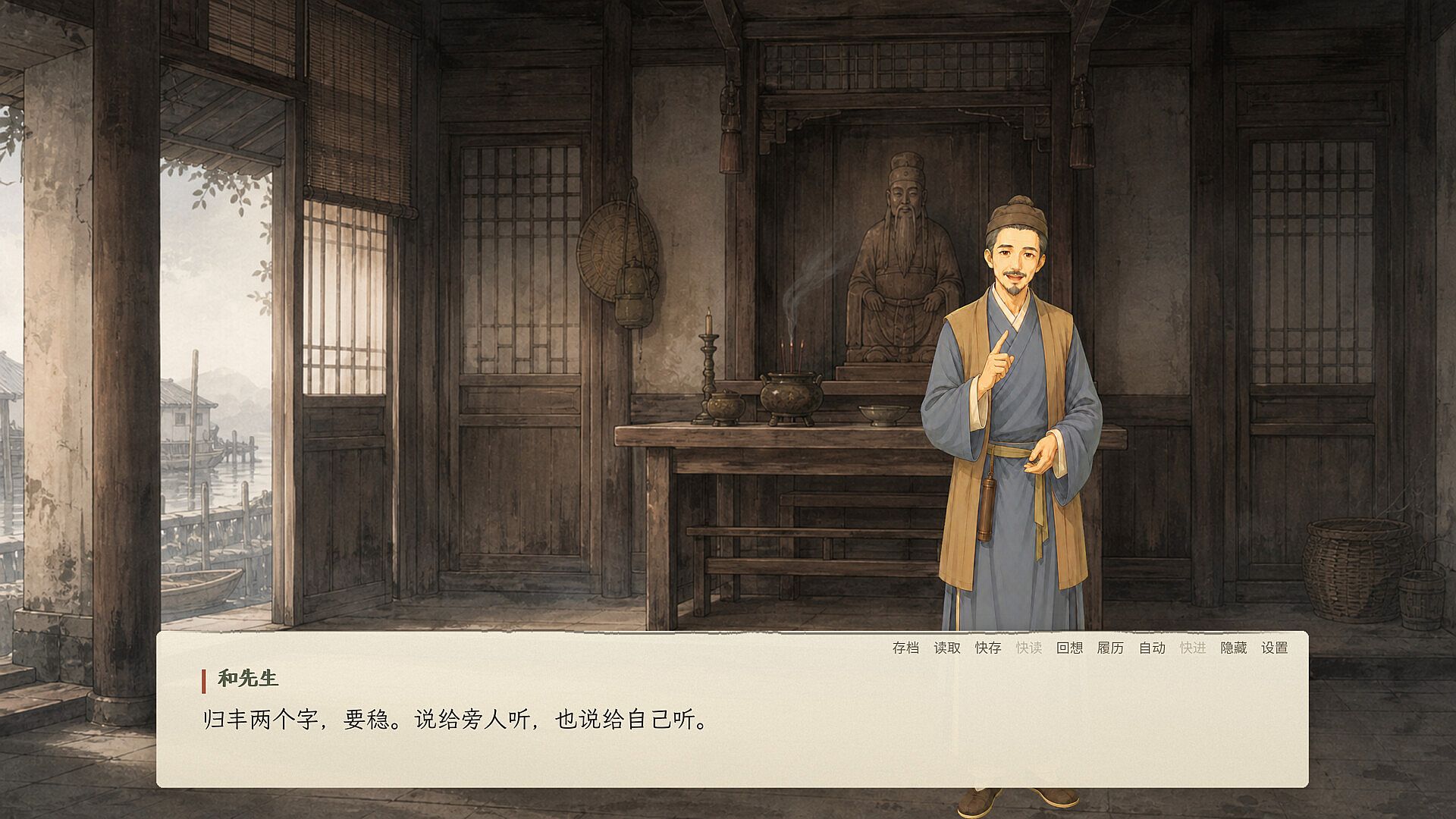
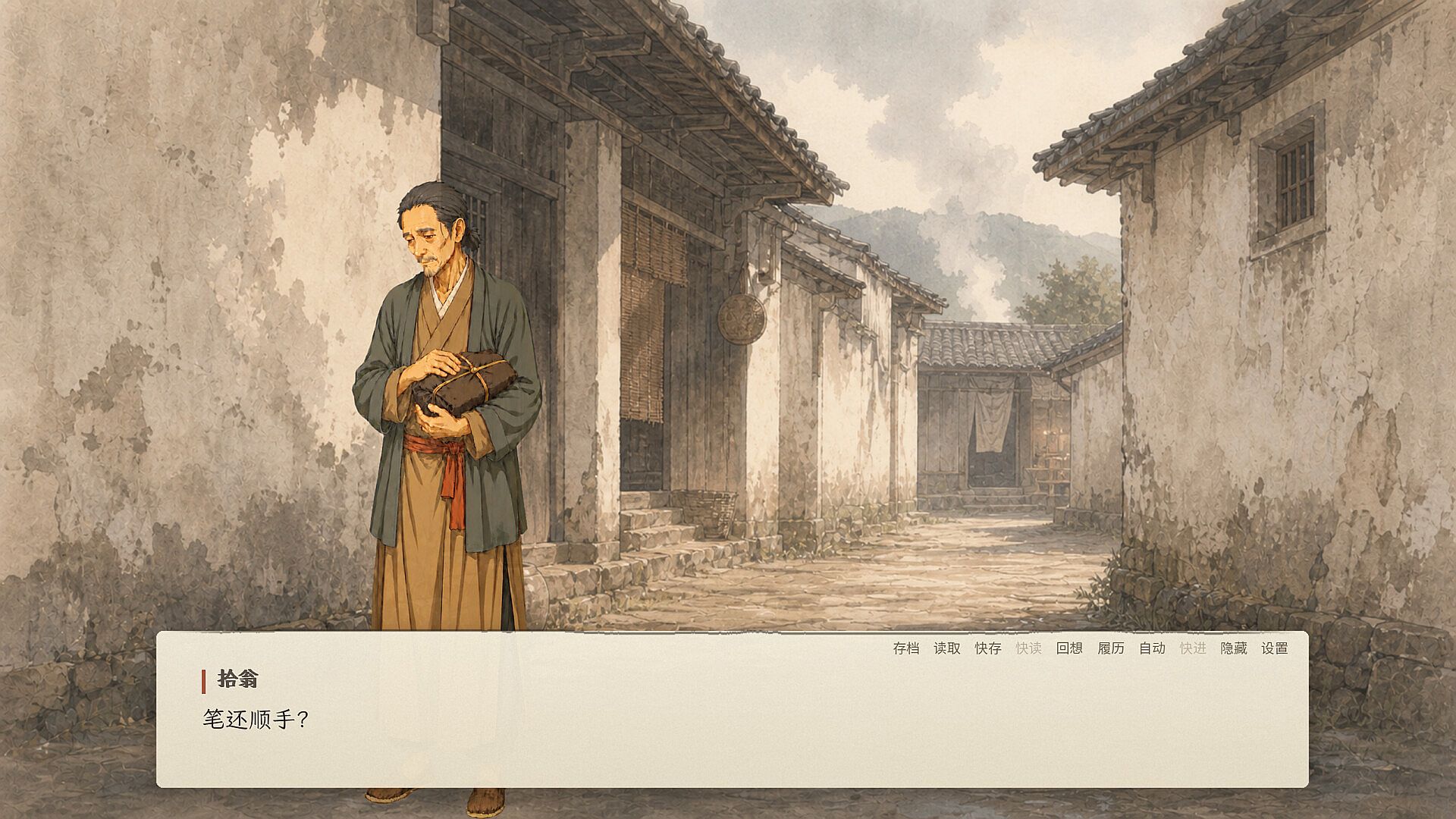
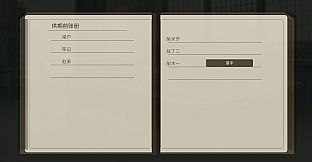
The core loop centers on daily routines and ledger management. Players flip pages in the village register, record entries for "Tian Feng" additions and "Gui Feng" returns, and verify accounts with precise strokes. These mechanical actions form part of the narrative itself, turning routine bookkeeping into moments of reflection and choice. Conversations with villagers such as the taciturn A Shu, the bright A Li, the sharp-tongued Liang Yong, the composed Mr. He, and the slow-walking Shi Weng build familiarity through repeated interactions, pauses, and small decisions.
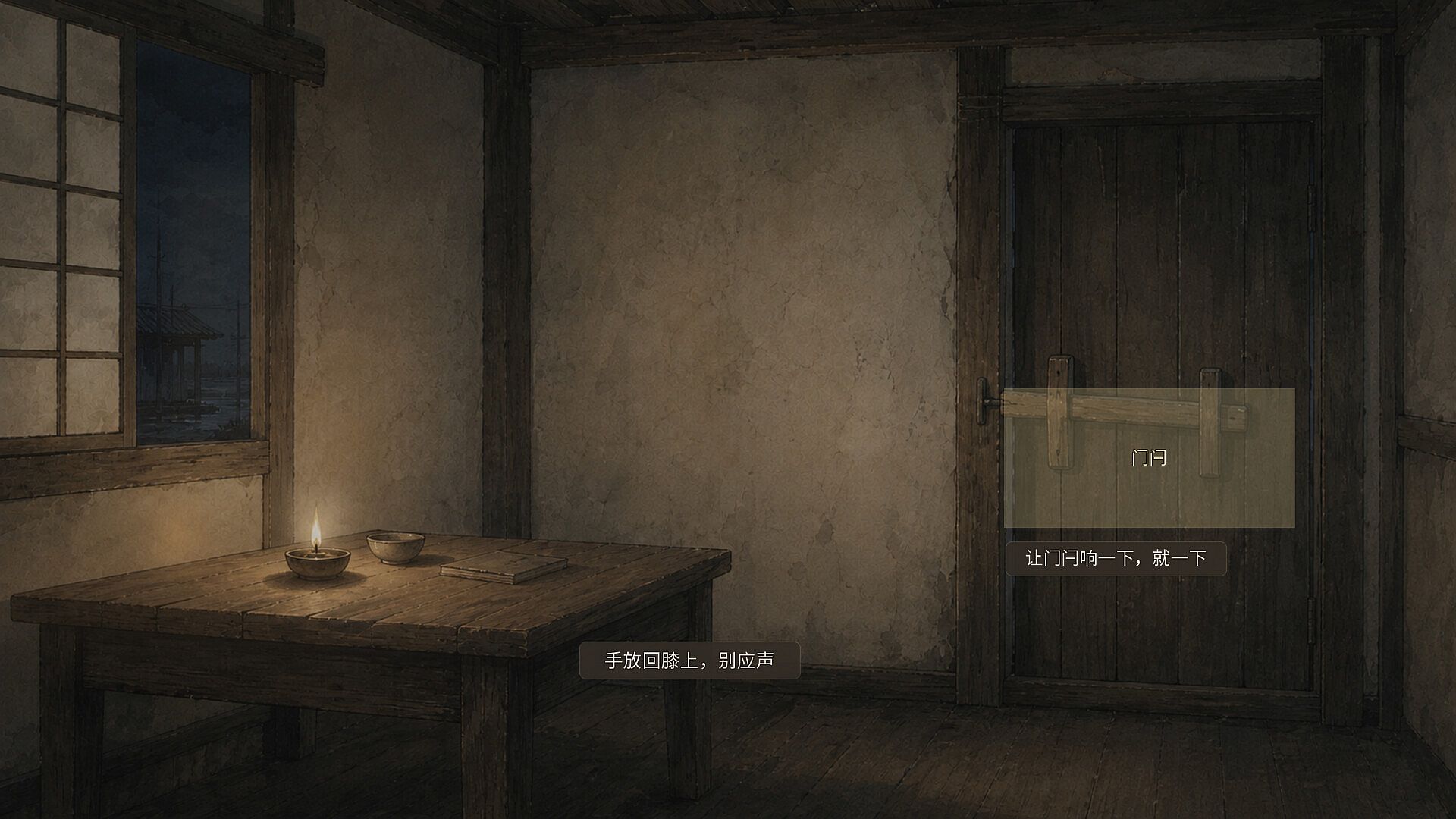
Environmental cues like shifting tides, closed doors during supply periods, and distant sounds from the kitchen area create tension without direct confrontation. The ink-wash character portraits and print-like backgrounds reinforce the Lingnan atmosphere while supporting the psychological layering of events. Music tracks including Shenyang, Ripples, Eastminster, Nu Flute, and Disquiet underscore the quiet rhythms of village life and its underlying unease.
Game Modes
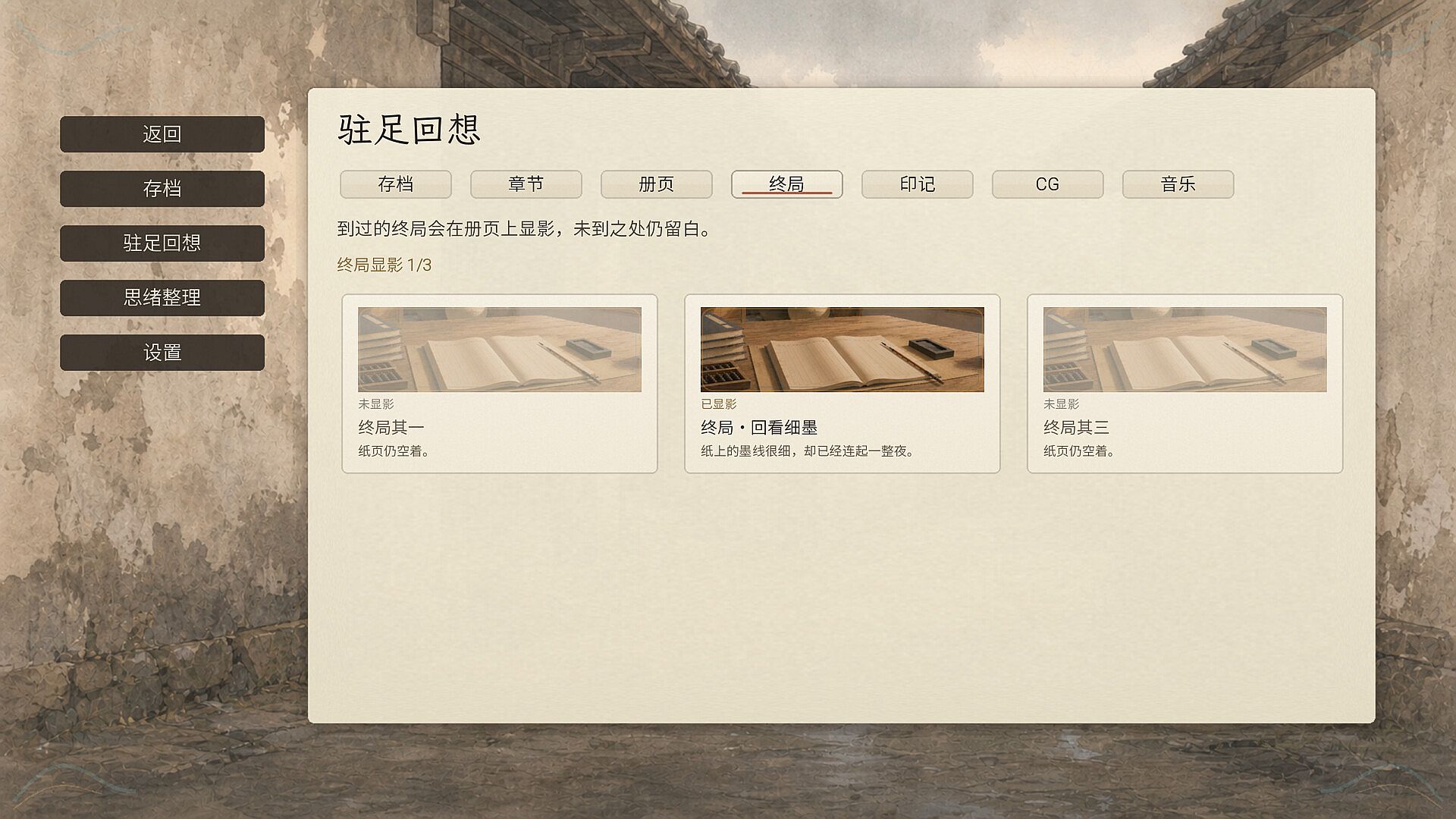
The experience is structured as a single-player visual novel with branching paths driven by dialogue choices and moments of hesitation. Multiple endings emerge from accumulated observations and decisions across playthroughs. A dedicated second-playthrough system allows re-reading of scenes with new context, revealing altered meanings in the same lines, images, and ledger entries. Chapter recall, imprint collection, and audio notebook features support this layered approach without altering the fundamental first-person perspective.
Supply periods and tidal rules serve as recurring structural markers that shift the interpretation of familiar greetings and routines. No separate competitive or cooperative modes exist; the focus remains on solitary engagement with the village's social fabric and its gradual transformation.
Narrative Structure and Themes
The story prioritizes character relationships and the weight of established customs over puzzle-solving or detective work. Early interactions establish warmth and routine, while later revelations expose how those same elements carry sharper implications. The ledger acts as both record and symbol, with each careful stroke representing adherence to or deviation from village norms. Limited narration keeps players aligned with Jiang Yan's growing awareness rather than granting omniscient insight.
Branching occurs through conversational timing and selective attention rather than overt action sequences. The same scene can read differently on replay once additional context accumulates, rewarding careful attention to earlier details. This structure suits players who value psychological depth and the slow erosion of certainty in a tightly knit community.
Is It Worth Playing?
南海饥年志 appeals to those seeking a narrative-driven adventure that builds intimacy before introducing doubt. Its visual novel format, combined with interactive ledger mechanics and replay incentives, delivers a focused exploration of trust, custom, and quiet resistance. The art direction and sound design maintain a consistent tone that supports the story's progression from everyday warmth to underlying tension.
Players who enjoy character-focused experiences with multiple endings and the opportunity to revisit scenes for new interpretations will find the structure rewarding. Those preferring fast-paced action or expansive exploration may find the deliberate pacing and emphasis on dialogue and observation less suited to their preferences. The game stands as a self-contained indie title centered on its village setting and the personal stakes of maintaining or questioning its order.