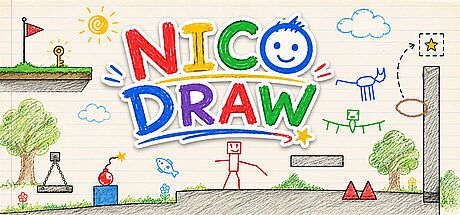


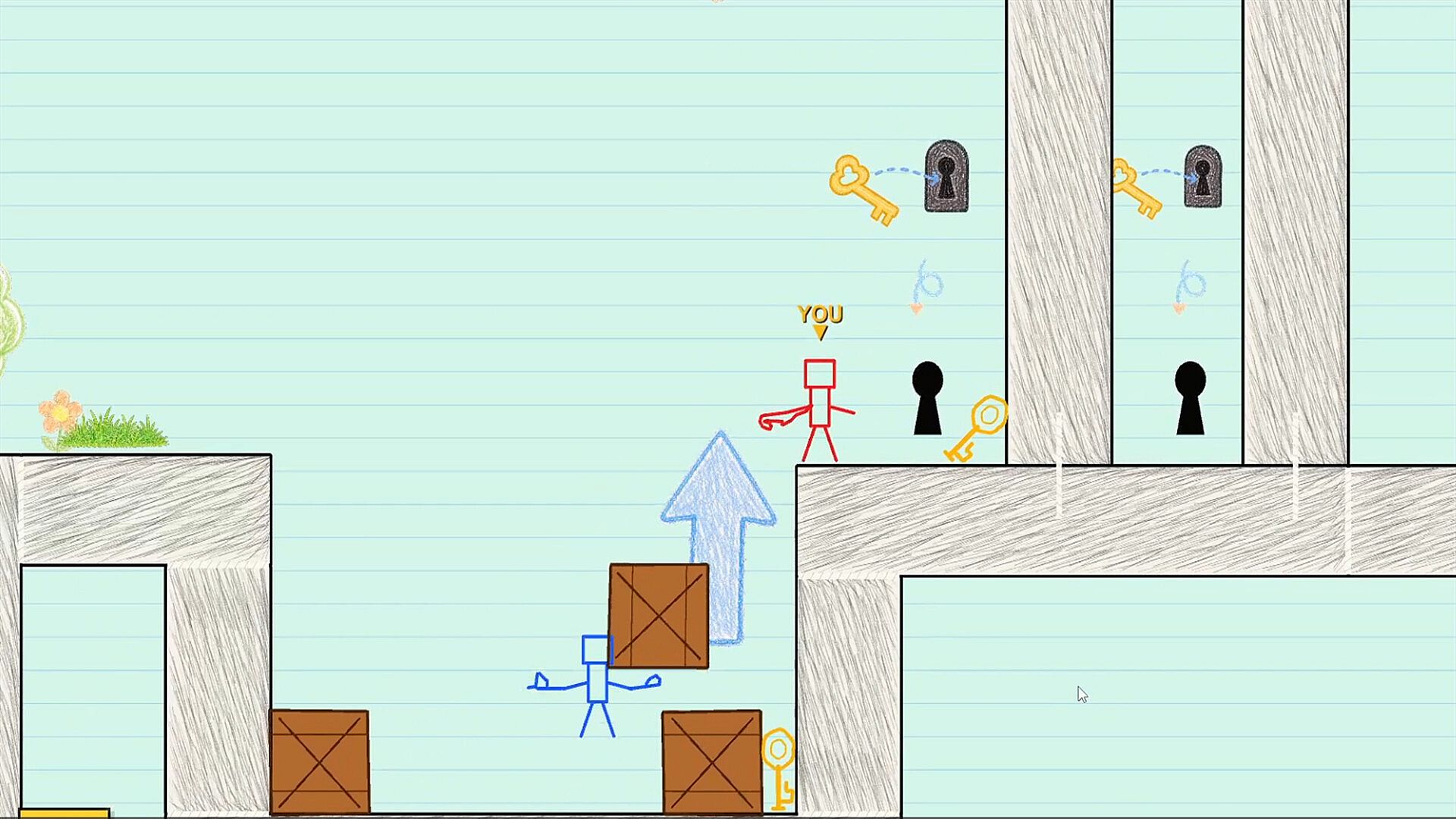
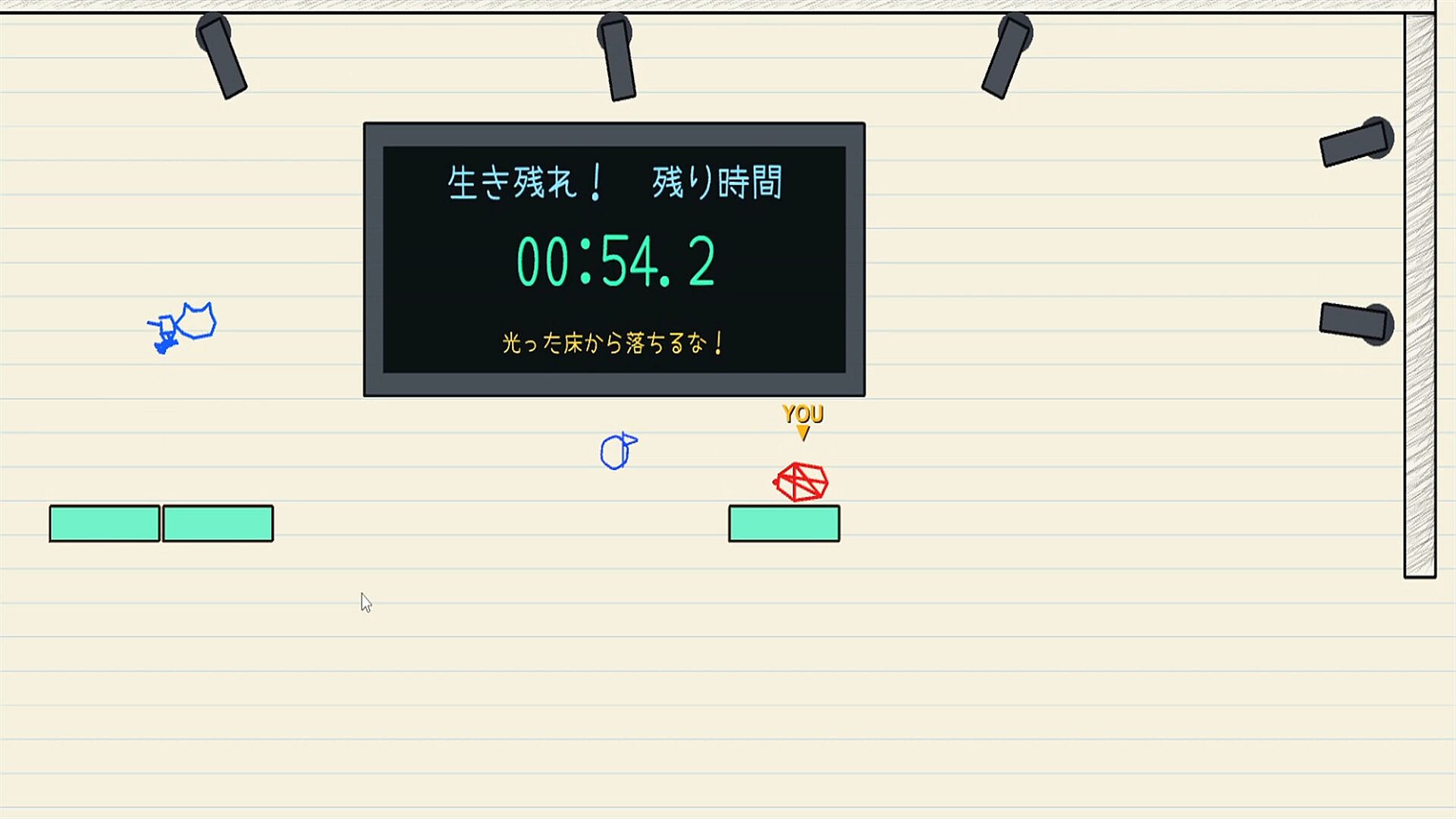
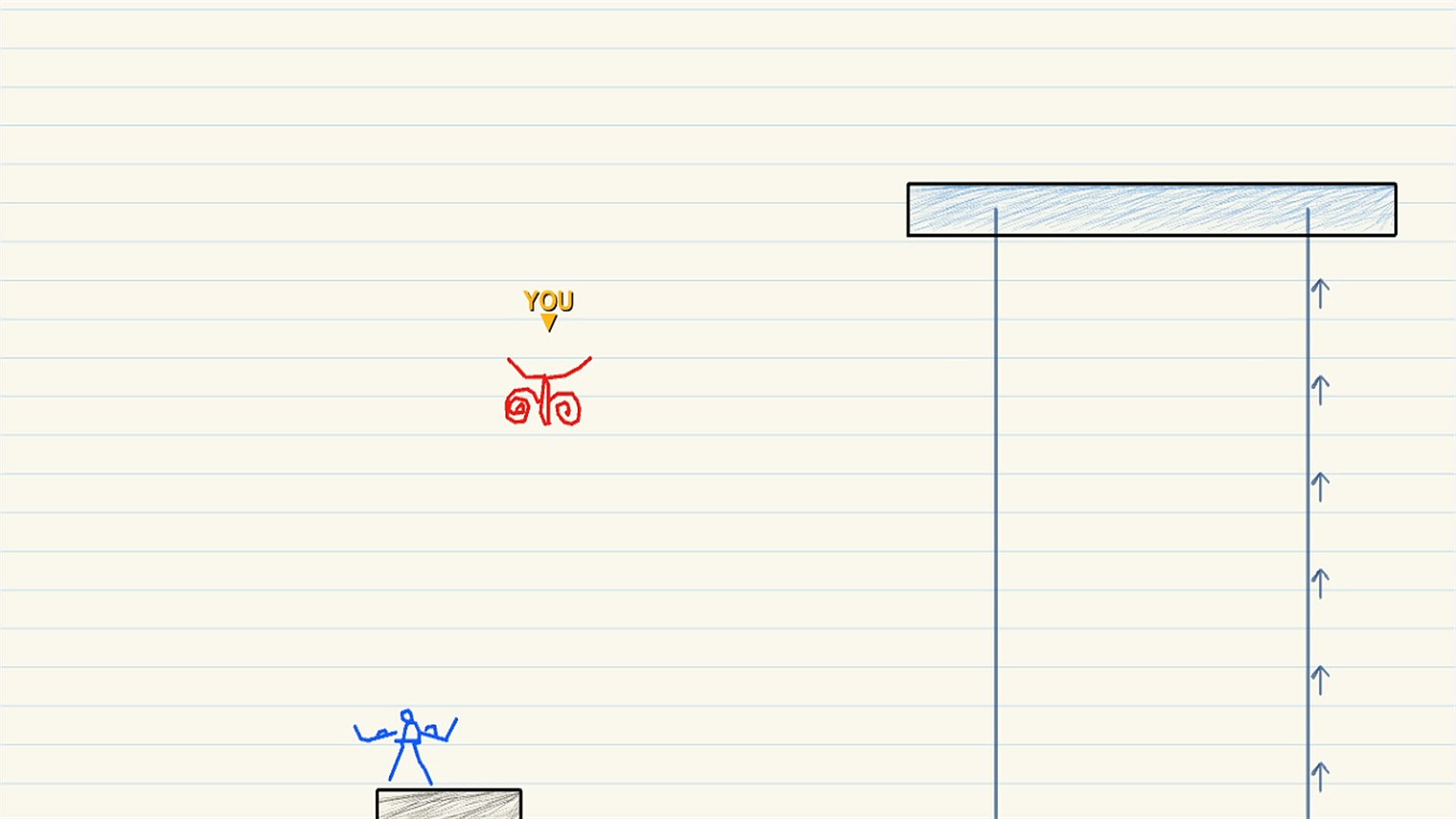
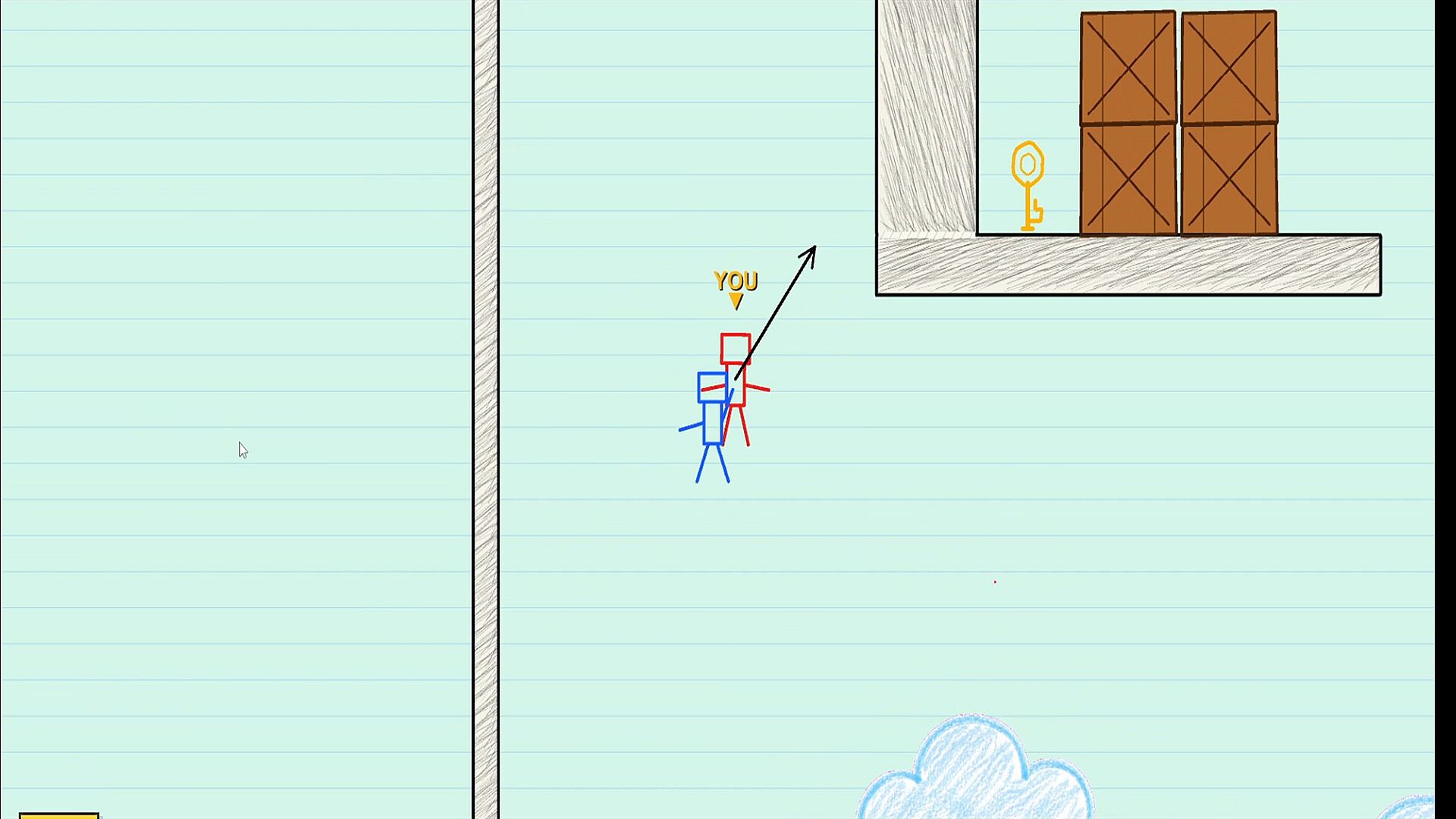
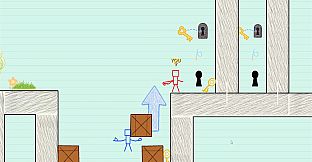
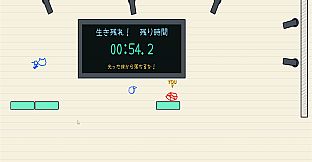
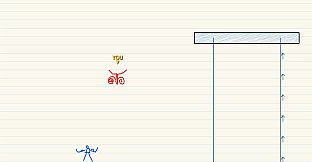
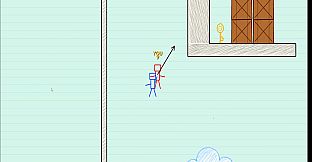
NICO DRAW is an action co-op puzzle platformer for PC that puts drawing at the center of every session. Players create their own characters on the spot and use those creations to solve stages together with up to three friends. The core loop revolves around limited ink, shape-based movement, and constant cooperation or friendly sabotage as the group pushes toward each goal.
Gameplay
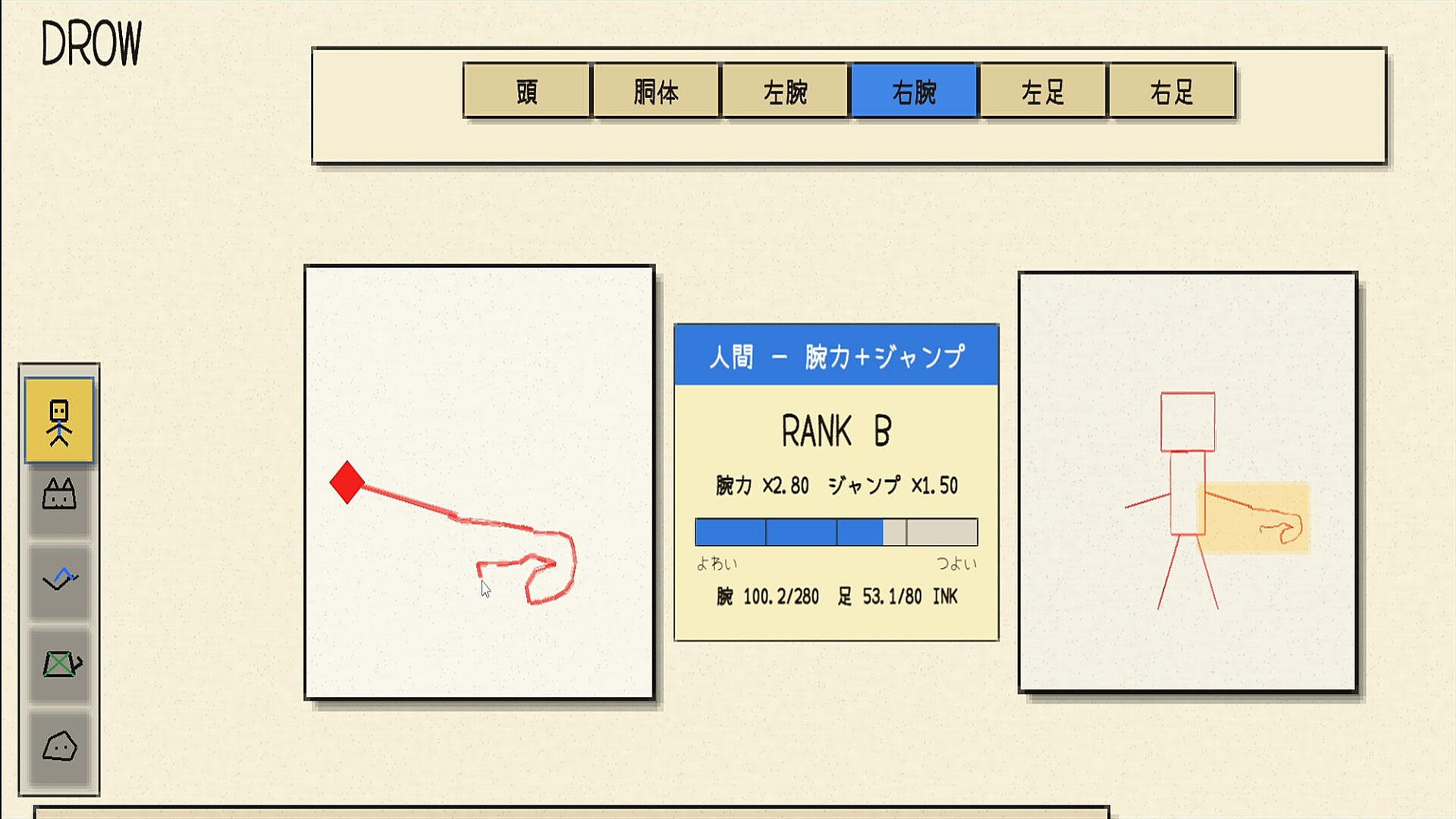
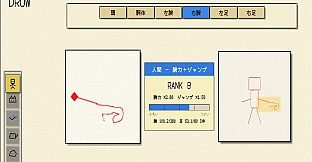
Every round begins with a blank canvas and a pool of ink. Players sketch a body, limbs, wings, or other features before the stage starts. The resulting form determines how the character moves and interacts with the environment and teammates. Legs influence running speed, wings control glide distance, and extra ink spent on arms or claws changes grab strength and throw power. Because ink is finite, choices about where to allocate resources become part of the puzzle itself. A tall, spindly design might reach high platforms quickly, while a compact shape with heavy claws could cling to walls or latch onto another player for a ride.
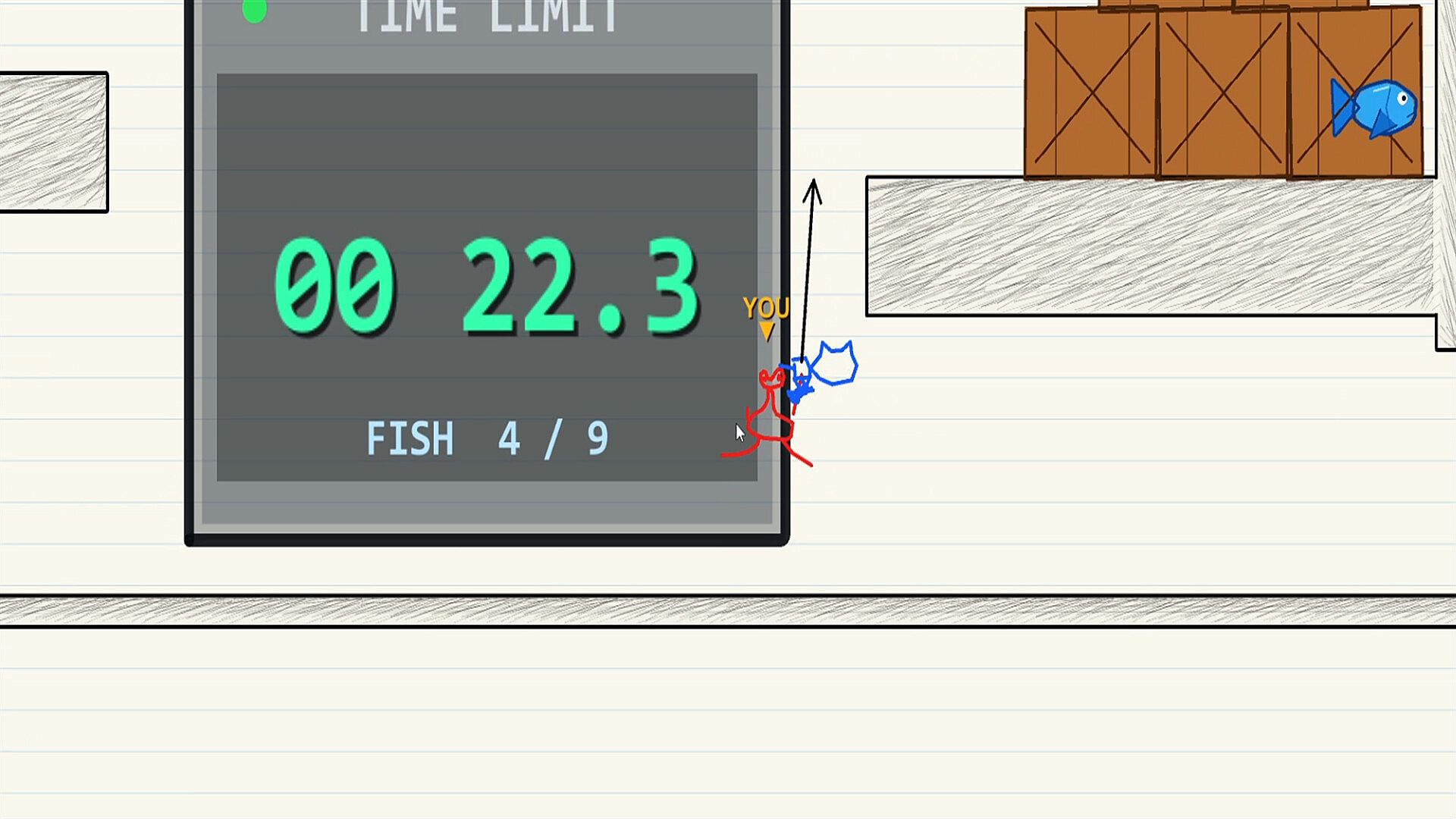
Five base character types further shape these possibilities. The human excels at lifting and tossing objects or friends. The cat moves quickly on foot and can hitch a ride by grabbing another player. The bird glides through the air and carries teammates with its beak. The turtle retracts into its shell to block lasers or explosions and can shield the group. The slime adheres to walls and can leap between surfaces or attach itself to allies for transport. These traits combine in unpredictable ways during play.
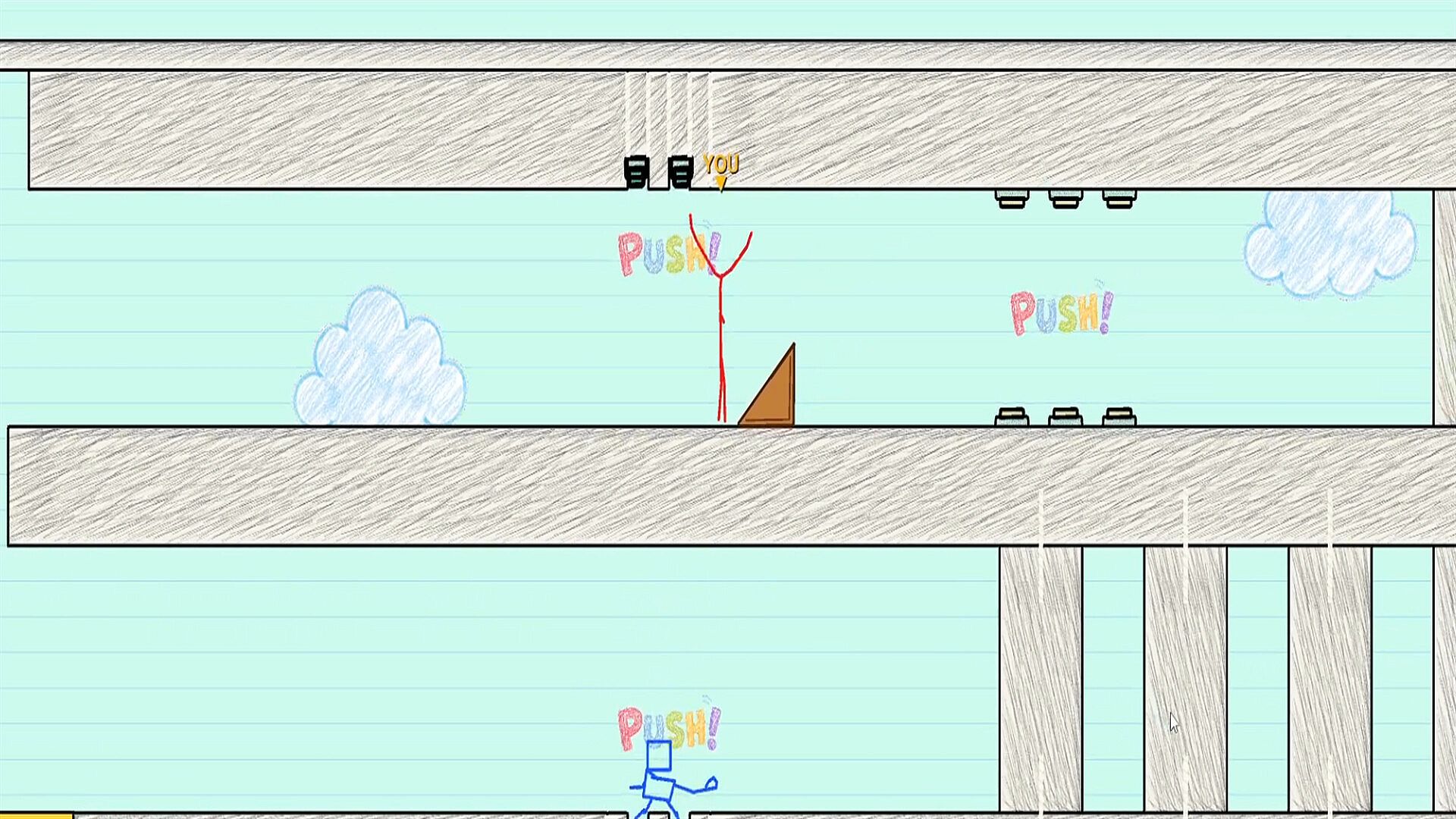
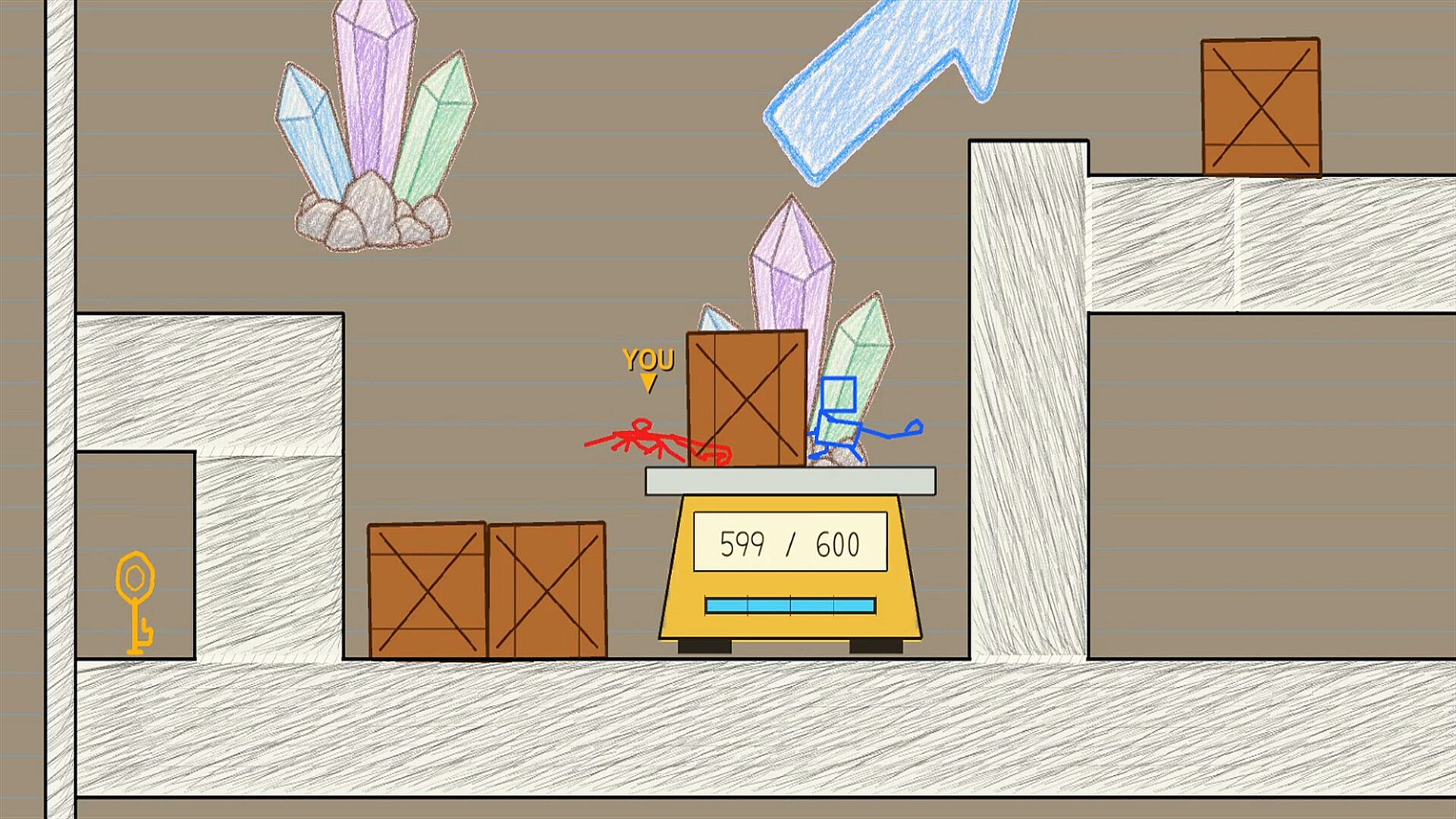
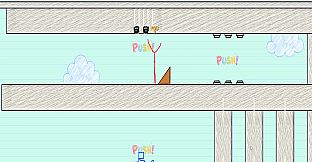
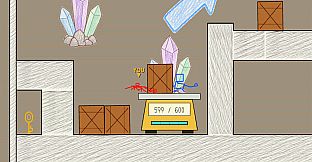
Stages feature moving platforms, spikes, lasers, conveyor belts, collapsing floors, bombs, and cannons. Players pick up, throw, grab, carry, or ride one another to bypass obstacles. A bird might ferry a turtle across a gap so the turtle can shield the landing zone, or a slime might scale a wall to hit a switch while the others wait below. Mistakes happen often, and a mistimed throw or shared fall can reset progress, yet the game treats these moments as part of the experience rather than failures to avoid.
Game Modes
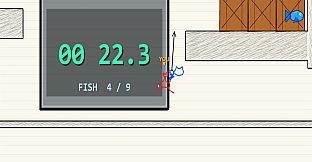
The main experience centers on online co-op stages designed for one to four players. Most levels task the group with reaching an exit by combining drawn abilities in creative sequences. Some stages alter the objective entirely. Certain rounds require collecting scattered items before a timer expires, while others demand survival as the floor vanishes or dodging waves of projectiles. These rule changes keep the same core drawing and cooperation systems but force new strategies each time.
Because every player draws independently, no two groups approach the same stage identically. One team might favor speed and gliding, while another builds sturdy shells and wall-climbing slimes. The game supports both planned coordination and spontaneous improvisation, and the limited ink forces trade-offs that affect the entire party.
Character Creation and Ink Management
Drawing serves as both customization and core mechanic. Players decide the proportions and placement of every feature, then assign ink values that directly alter performance. A longer leg segment increases stride length, while thicker wings extend glide time. The system rewards experimentation over artistic skill, and deliberately odd shapes often solve problems that conventional designs cannot. Once the stage begins, the drawn body stays fixed for that run, so early decisions carry through every jump, grab, and throw.
The hand-drawn aesthetic extends to the levels themselves, which resemble notebook sketches and crayon lines. This visual style reinforces the theme without adding extra layers of complexity to movement or collision.
Is It Worth Playing?
NICO DRAW suits players who enjoy light-hearted co-op puzzle platformers where creativity and teamwork matter more than precision or competition. The drawing system gives each session a fresh start, and the five character types plus ink limits create meaningful variety without requiring unlocks or progression systems. Groups that like experimenting with physics-based interactions and laughing at shared mishaps will find the most consistent enjoyment. Those seeking solo play or highly structured competitive modes will find fewer options, as the design emphasizes shared problem solving over individual performance. The game remains in active development on PC with its core loop already fully playable for up to four players online.