

Ordinary Empires is a single-player strategy, indie and simulation game on PC that blends life simulation with business management across multiple generations. Players begin on the first day of school and guide a character through skill development, career choices and family decisions that shape what gets passed on to descendants. The experience centers on one life with many decisions that build a lasting legacy in a walkable city environment.
Gameplay
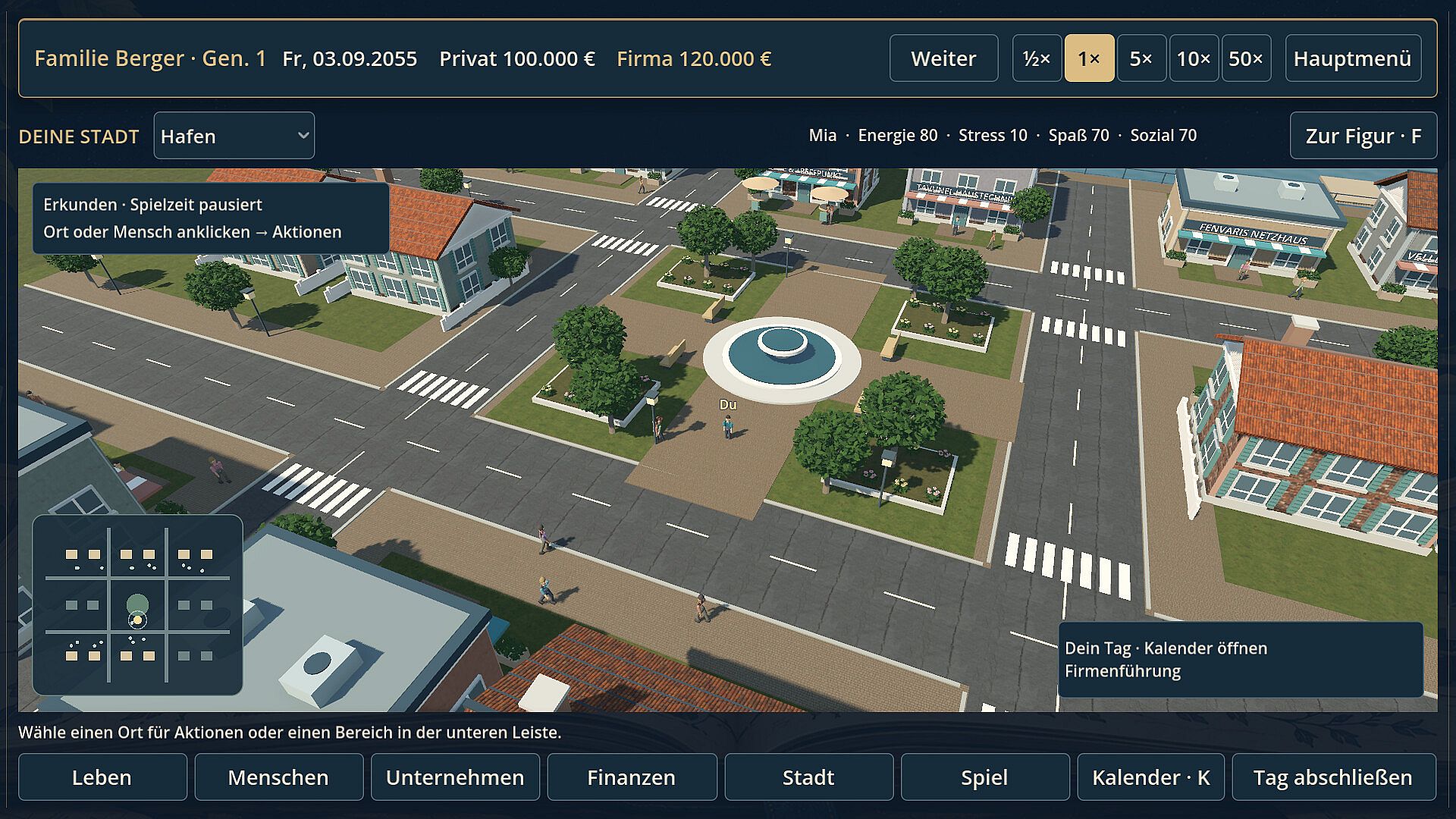
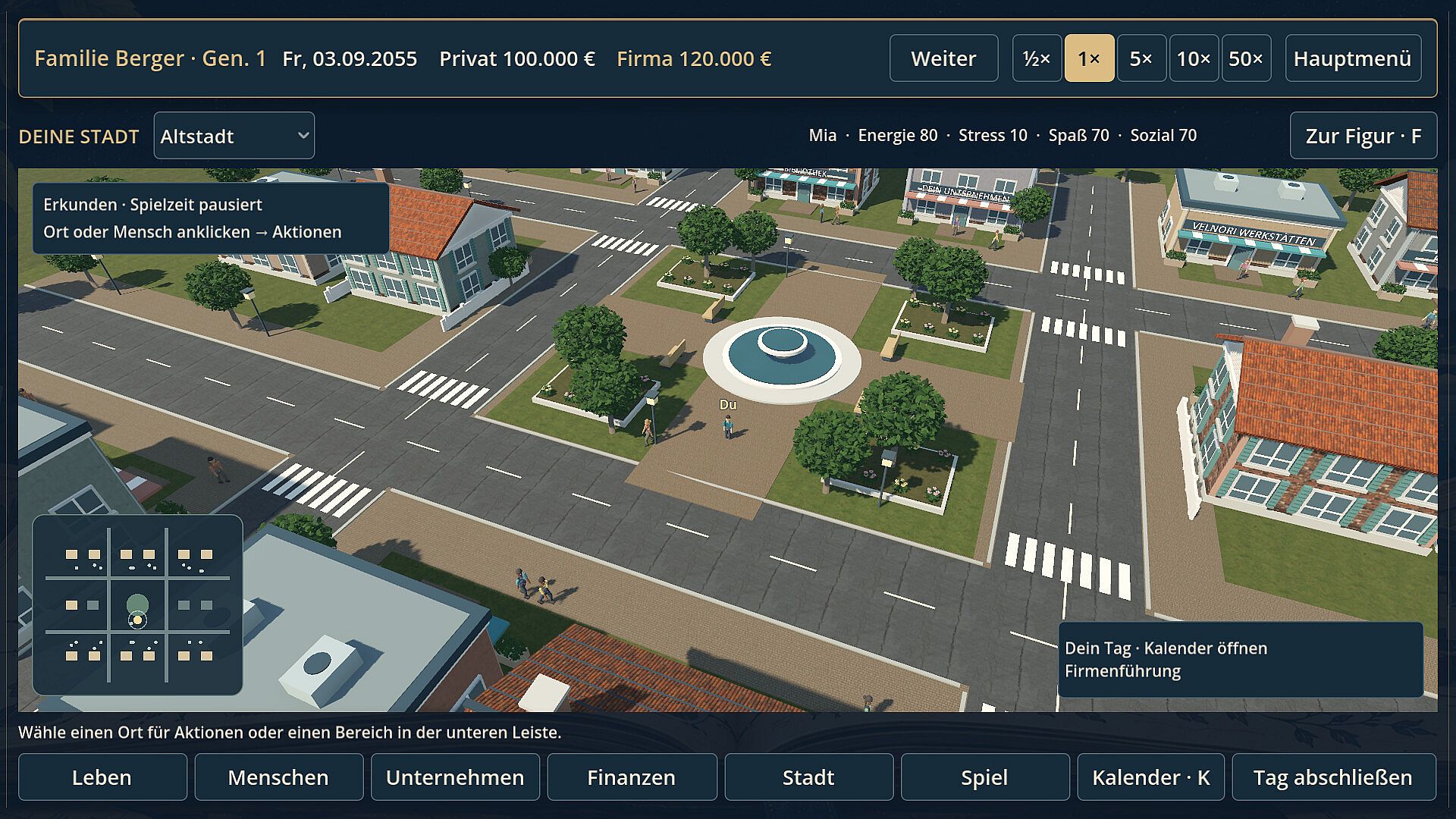
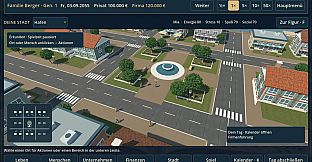
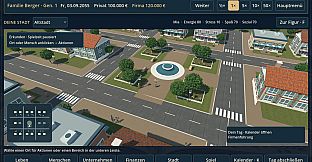
The core loop revolves around moving a character through 3D neighborhoods that include shops, workplaces, a park and a waterfront. The camera can rotate freely, and players select buildings or familiar residents to plan activities upon arrival. Animated residents populate these areas, creating a living city that serves as the primary view. Action menus and a life journal provide access to deeper management screens for scheduling and tracking progress.
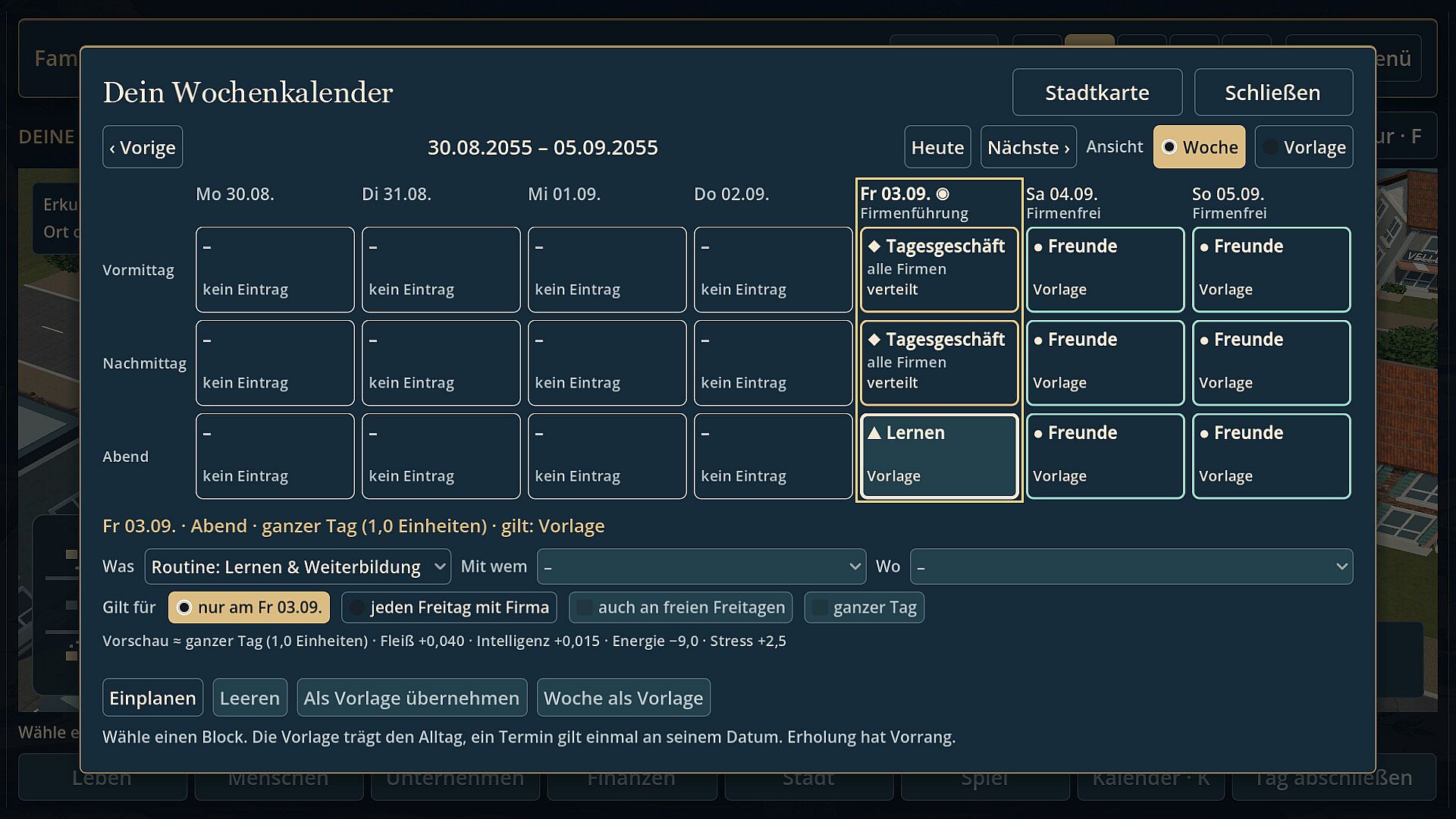
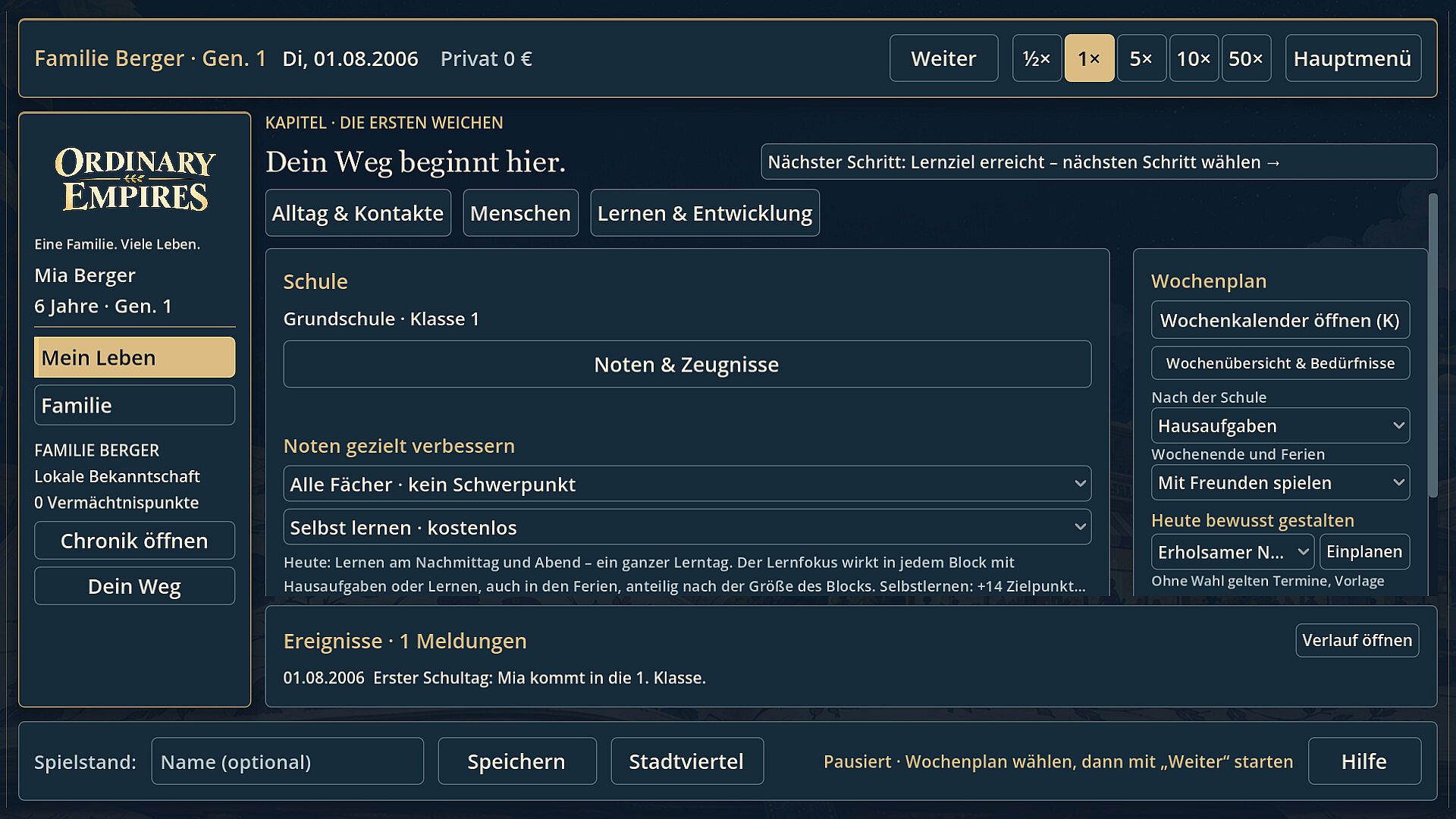
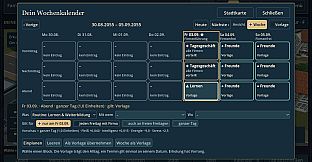
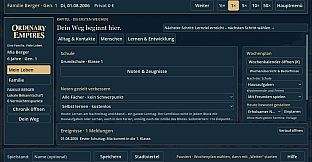
Daily and weekly planning forms the backbone of progression. Players schedule school, learning, work, rest and social time in a calendar view. Resources such as energy, stress levels, money and available time directly influence available options. Conversations, walks and shared activities strengthen relationships and create lasting memories. The pace remains flexible, with options to pause for detailed planning or advance one day at a time.
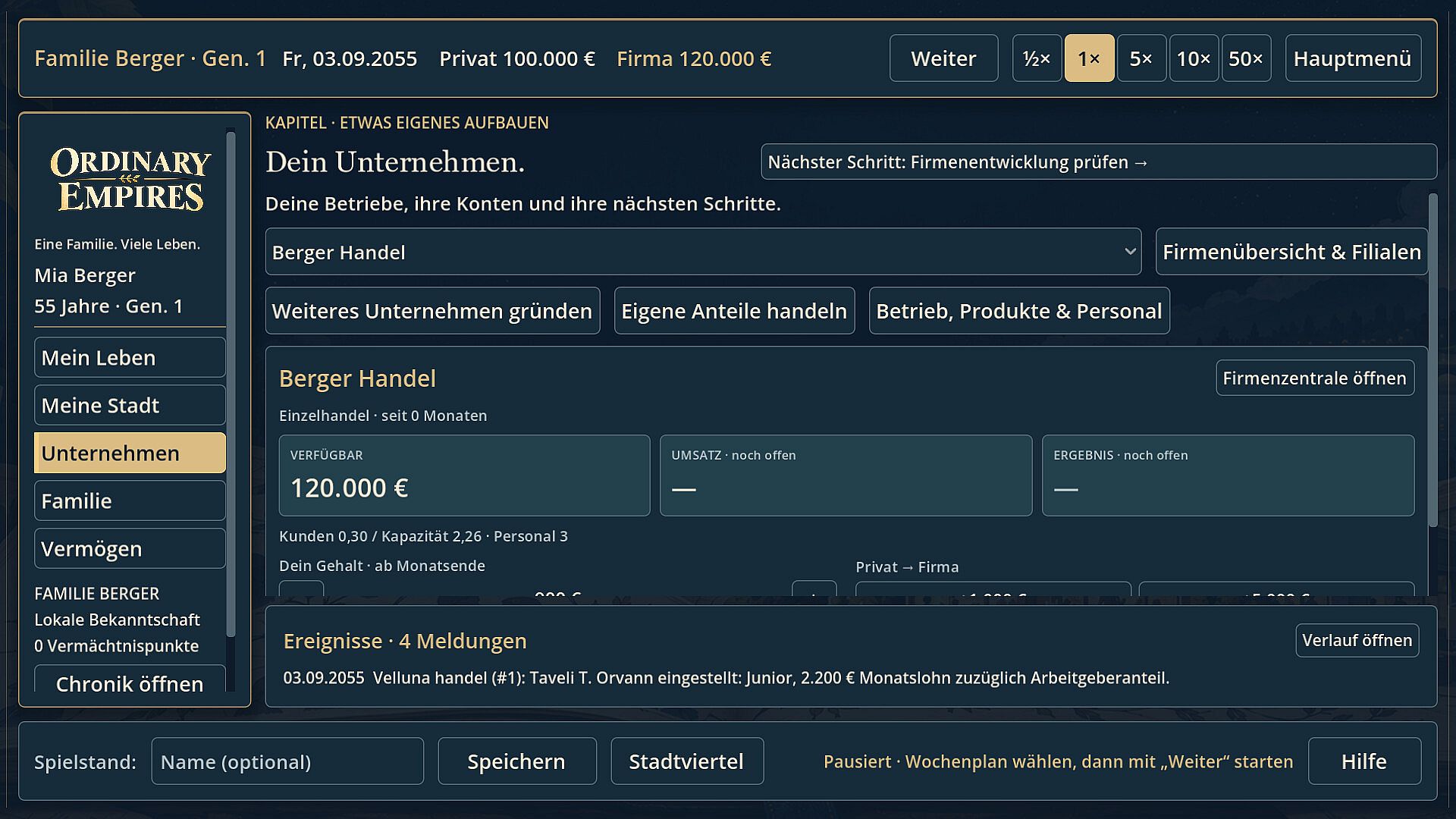
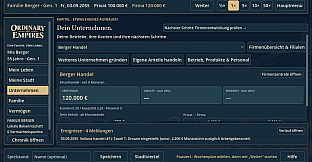
Business elements connect closely to personal life. Players found companies, hire staff and align contracts with current capacity. Financial management covers costs, income, locations and relationships with other businesses. Growth requires balancing money, time and personnel, all while personal circumstances evolve.
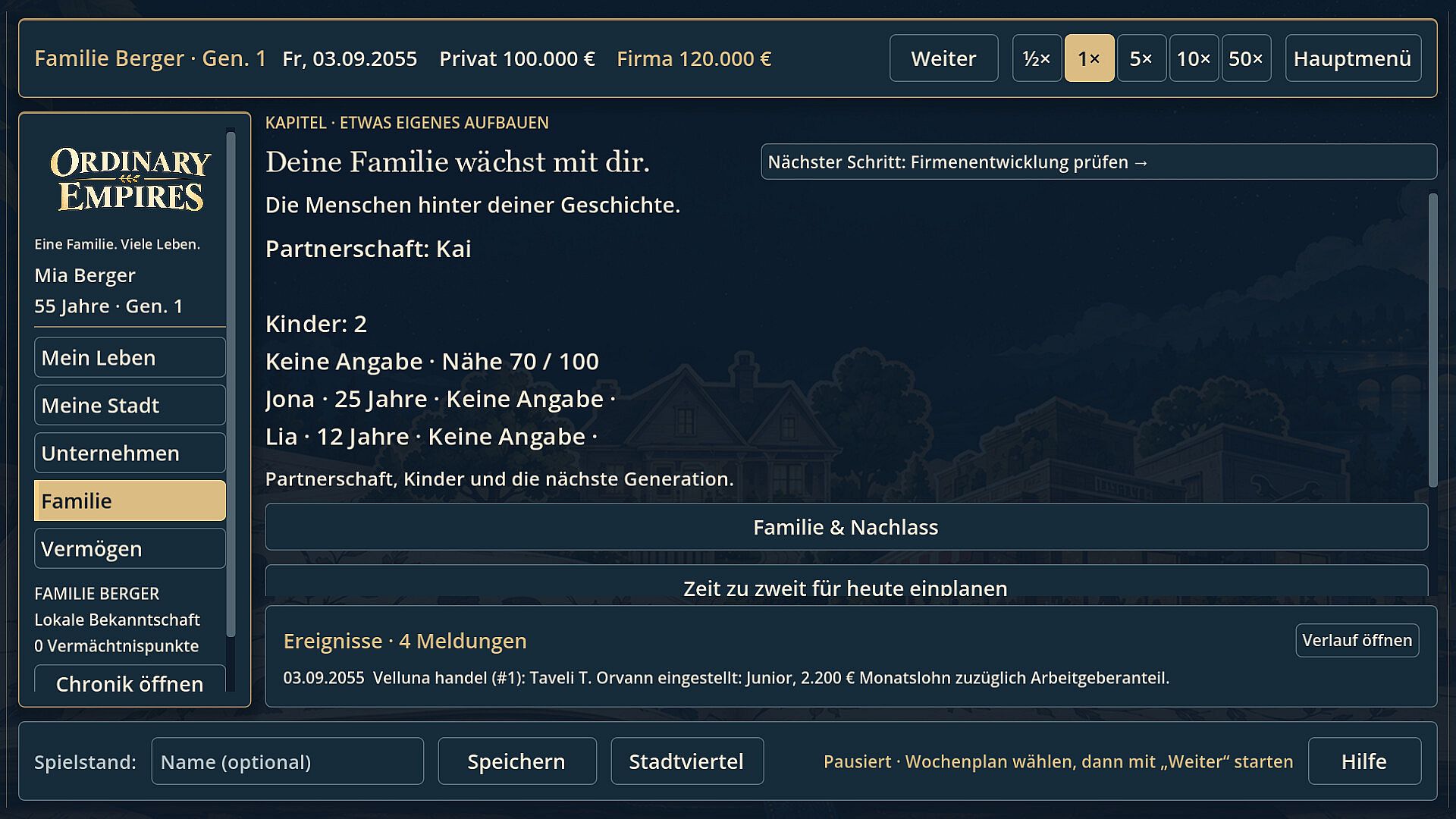
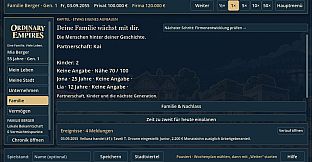
Family and wealth systems add generational depth. Players meet people, nurture relationships and form families. Savings, loans and investments require ongoing attention. Succession planning determines how wealth and businesses transfer to the next generation. Without a successor the dynasty concludes. A chronicle records key decisions and experiences for review.
Game Modes
Ordinary Empires operates as a single-player experience focused on generational life simulation. No separate multiplayer modes or competitive formats appear in the current build. The emphasis stays on one continuous playthrough that spans from childhood through adulthood and into the next generation, with all choices carrying forward consequences.
The simulation integrates exploration, scheduling and management into a unified flow rather than offering distinct named modes. Neighborhood movement, weekly calendar planning and business operations all feed into the same overarching progression toward building and passing on a legacy.
Key Mechanics and Features
Controls rely on mouse and keyboard, with interfaces available in both German and English. The city view supports camera rotation and direct selection of locations or people for context-specific actions. Energy, stress and financial resources act as constant constraints that shape every schedule and decision.
Relationship building occurs through repeated shared activities that accumulate closeness and memories. Business management includes hiring decisions, contract matching and location considerations that tie back into personal finances and time availability. Inheritance mechanics require deliberate preparation to ensure continuity across generations.
The current development version prioritizes neighborhood exploration alongside life and business simulation. Walkable interiors and free building tools remain unavailable at this stage.
Development and Current State
Ordinary Empires remains in active development. A closed beta phase tests the introduction, controls and the links between everyday life and business activities. Access opens in stages, and signing up does not ensure immediate entry. Feedback from this period shapes refinements to the core systems before wider release.
Is It Worth Playing?
Ordinary Empires suits players who enjoy methodical life simulation combined with business oversight and long-term generational planning. The single-player format delivers a focused experience where every schedule choice and relationship decision influences future outcomes. Those drawn to detailed calendar management, financial strategy and family succession will find the mechanics align closely with these interests.
Because the game is still in closed beta with limited features such as interiors and building tools absent, interested players should consider the current scope before committing. The emphasis on one continuous life that transitions across generations provides a distinct hook for simulation fans seeking depth over breadth. Early testers can expect a work-in-progress title that rewards careful planning and patience with its interconnected systems.