






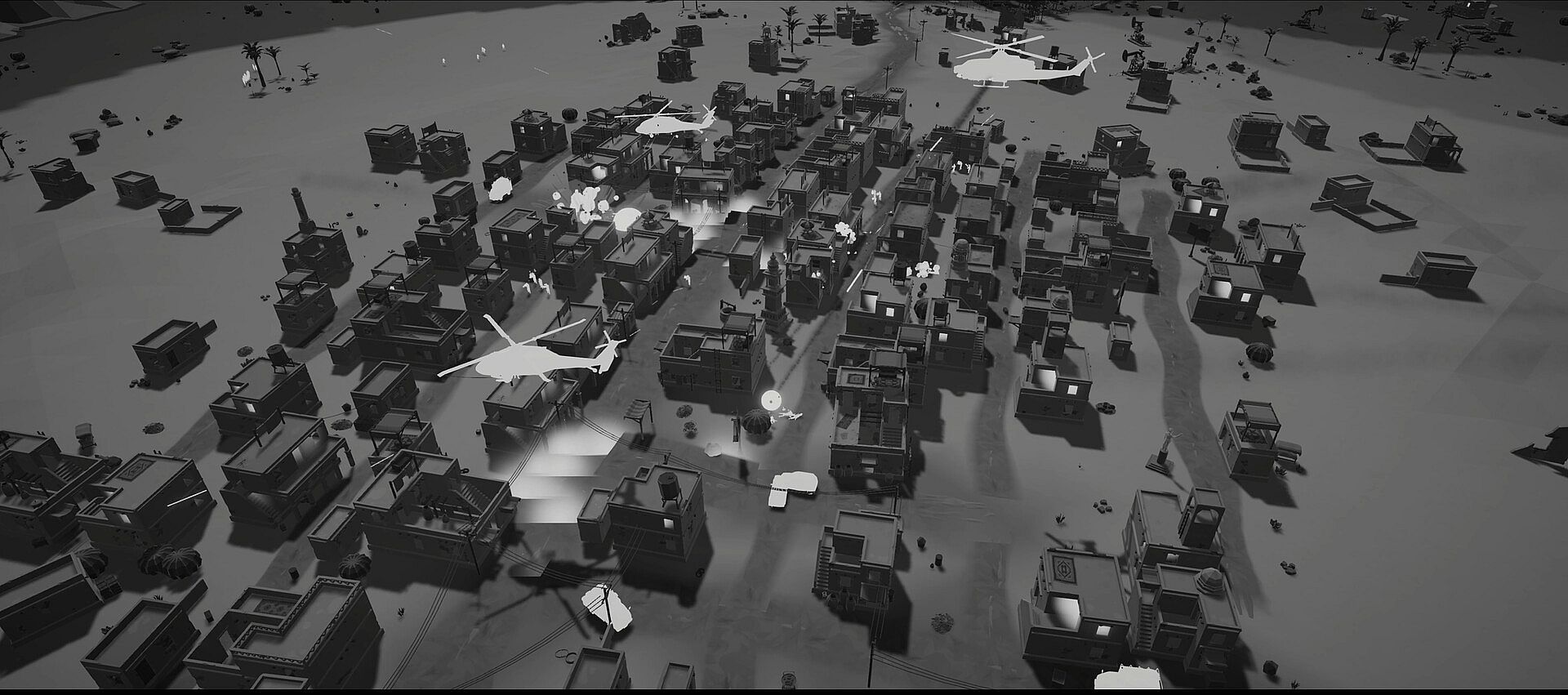
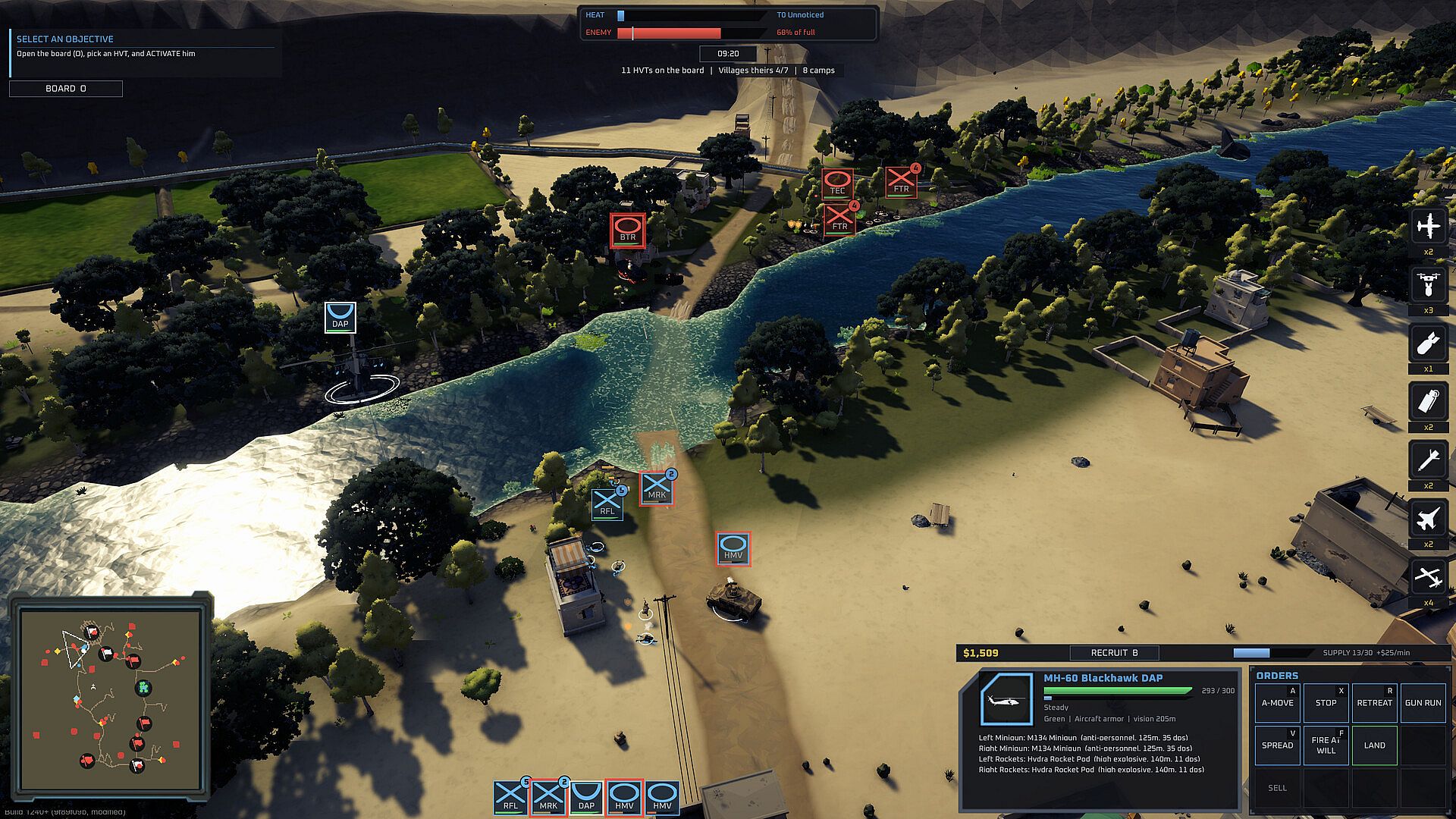
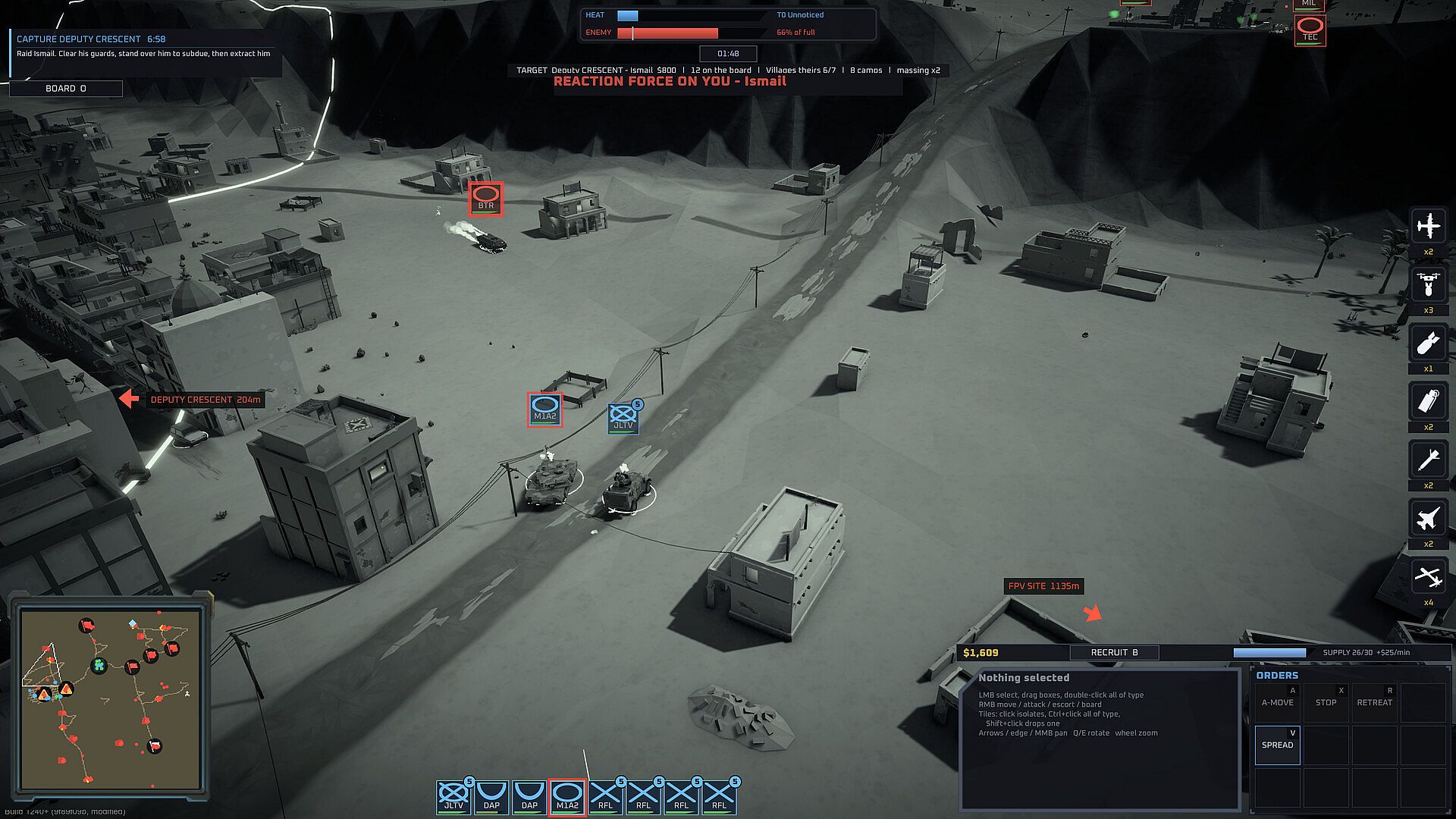
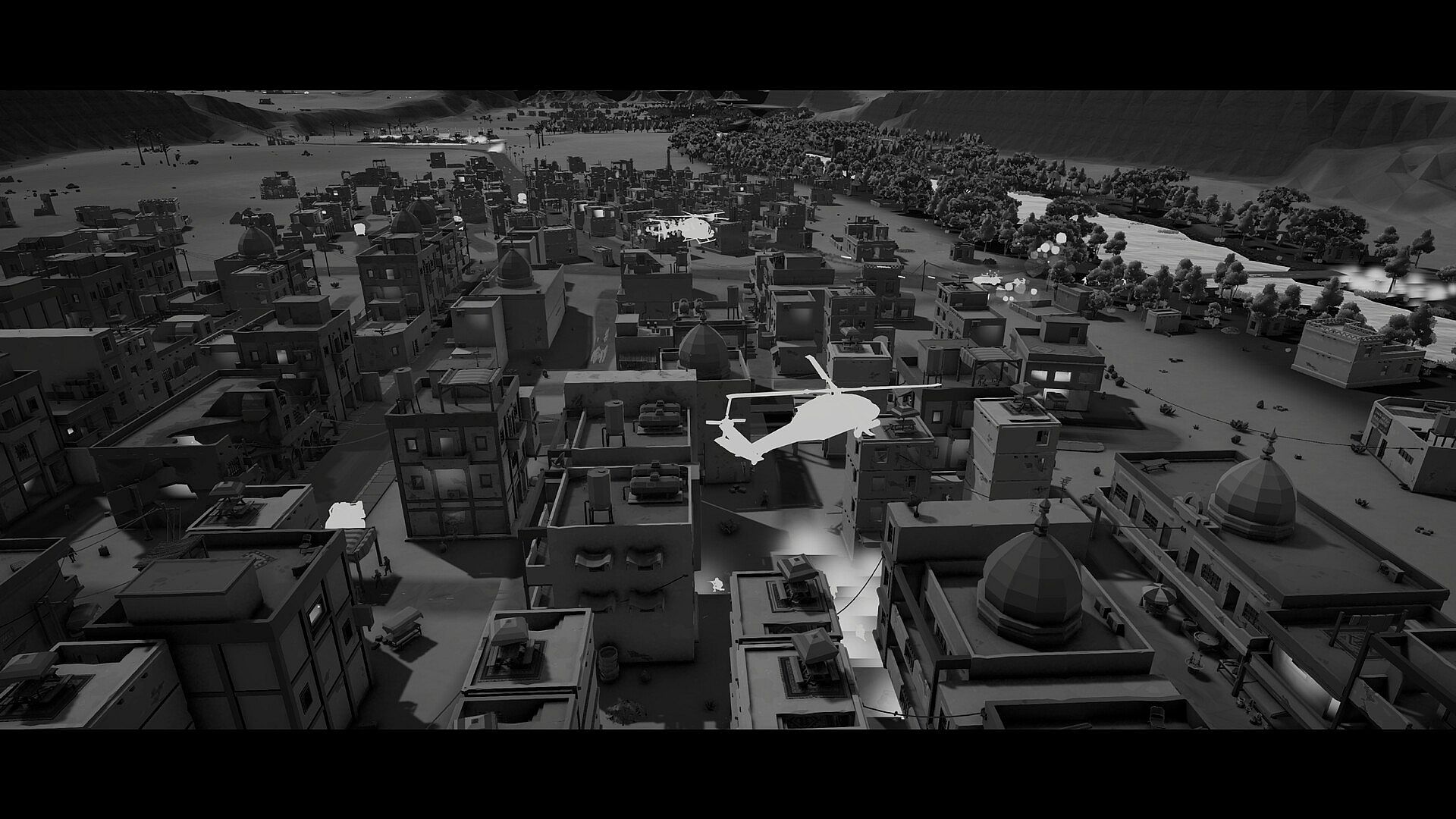
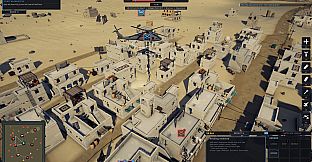
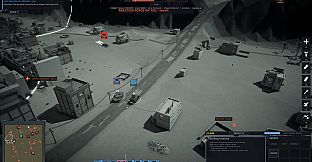
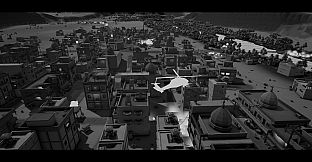
PATROL is a real-time tactics game focused on modern counterinsurgency operations. Players command US forces across procedurally generated theaters that recreate dense urban compounds, river valleys with irrigated fields, and desert routes vulnerable to improvised explosives. The core loop centers on locating and capturing high-value targets while managing escalating threats and ensuring wounded soldiers return safely to base.
Gameplay
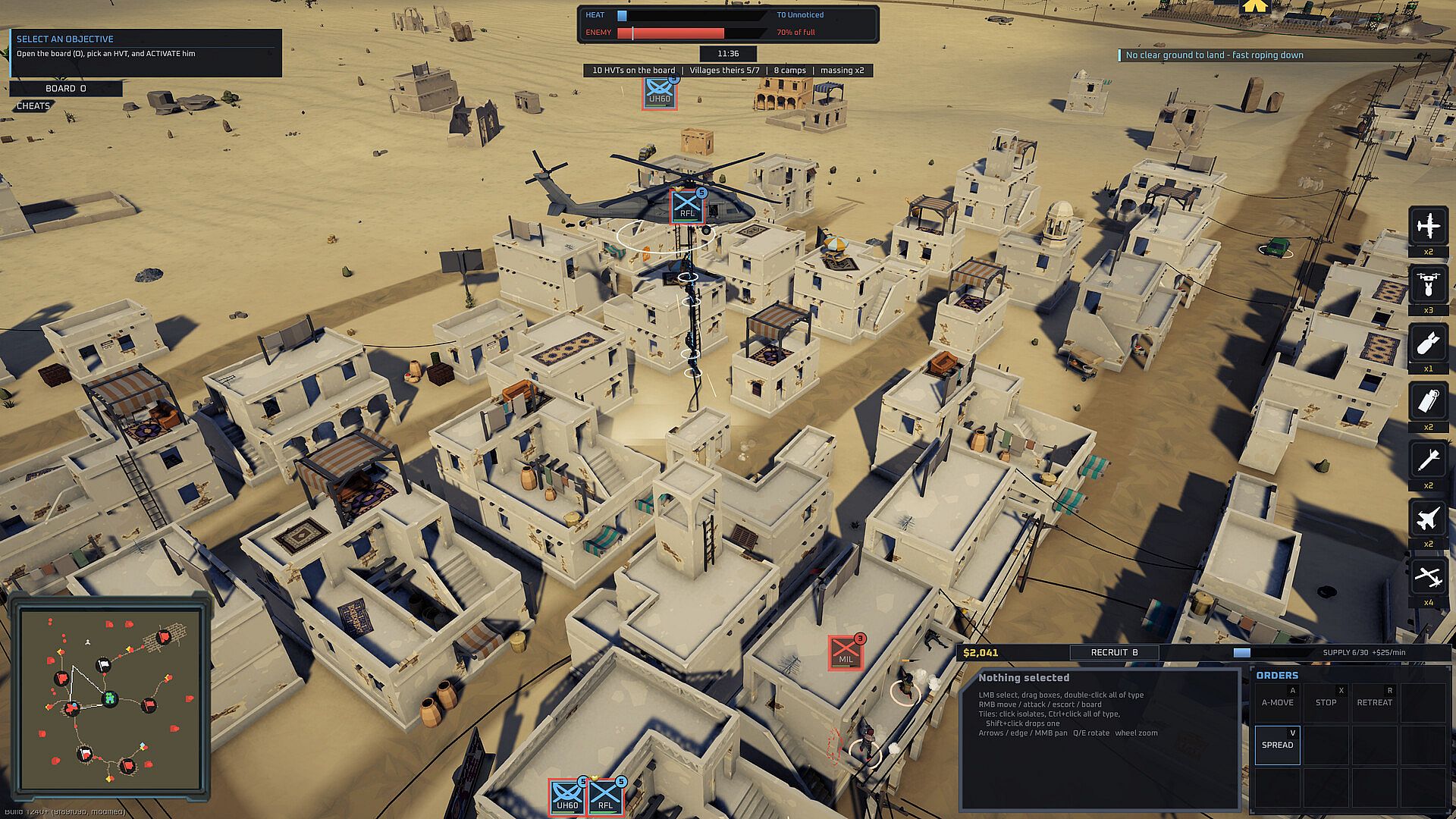
Each mission begins with an intelligence board that presents multiple targets with varying levels of protection and behavior. Some remain entrenched behind walls and guards, while others attempt to flee or travel in armed convoys. Players can deploy a CIA team undercover to gather additional details before committing forces. Entry options range from silent night raids under night vision to rapid assaults timed before reinforcements arrive.
Combat emphasizes realistic tactics such as directional cover behind walls, rocks, and canal banks. Units under heavy fire cease effective return fire due to suppression. Available assets include infantry squads, armored cars, troop carriers, main battle tanks, and transport helicopters that fast-rope teams onto rooftops. Support options extend to attack helicopters, laser-guided bombs, circling gunships, artillery strikes, and drones when situations deteriorate.
Enemy forces respond dynamically with roadside bombs, car bombs, FPV drones, and air defenses including missile sites and shoulder-fired launchers. Players must neutralize these threats before committing air assets. Wounded soldiers enter a bleeding-out state that requires immediate recovery, transport via vehicle or helicopter, and evacuation to the base aid station within a time limit. Additional systems include destructible buildings, a day-night cycle, and dust storms that affect visibility and operations.
Game Modes
The primary experience unfolds as a single-player campaign structured around successive high-value target operations. Each raid increases overall heat levels, prompting stronger enemy responses across the region while gradually reducing insurgent strength through captured personnel and secured areas. The campaign builds toward decisive endgame sequences, such as escorting a bomb squad through hostile territory to neutralize a dirty bomb under time pressure or confronting the insurgency leader in the largest generated settlement.
Procedural generation ensures every theater differs in layout and challenges, drawing from environments inspired by operations in Somalia, Afghanistan, and Iraq. Adjustable difficulty settings and integrated tutorials support varied play styles, from methodical planning with active pause to more aggressive approaches. Co-operative play options allow shared command in the same sessions through online or LAN connections.
Key Mechanics and Features
Real-time tactics with active pause let players halt the action at any moment to issue precise orders to squads and support units. Night operations leverage night vision for stealth advantages, while undercover CIA work provides critical pre-raid intelligence. The enemy employs asymmetric tactics that demand constant adaptation, including buried explosives and drone attacks that punish overcommitment of air support.
Procedural elements extend to town layouts, compounds, green zones, and road networks, creating fresh strategic problems each playthrough. Resource management revolves around heat accumulation and force preservation rather than traditional base building. Destructible environments and environmental hazards like dust storms add layers of unpredictability to engagements.
Is It Worth Playing?
PATROL targets players who enjoy deliberate, systems-driven tactics games with strong emphasis on planning, cover usage, and consequence management. The combination of procedural maps, target prioritization, and recovery mechanics creates repeatable campaigns that reward careful execution over brute force. Those drawn to modern military simulations and real-time strategy with pause functionality will find the described systems align closely with that preference.
Because the game remains in development with a planned release in Q1 2027, current details rest on the outlined features and mechanics. Players interested in single-player campaigns with optional co-op support should monitor updates from the developer for final confirmation of scope and balance. The focus on wounded soldier recovery and dynamic enemy reactions sets it apart for those seeking grounded counterinsurgency scenarios rather than abstract strategy titles.











