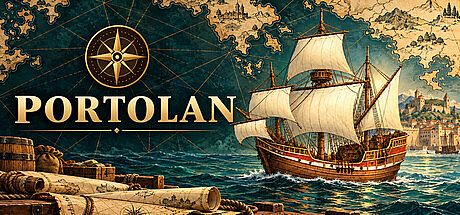


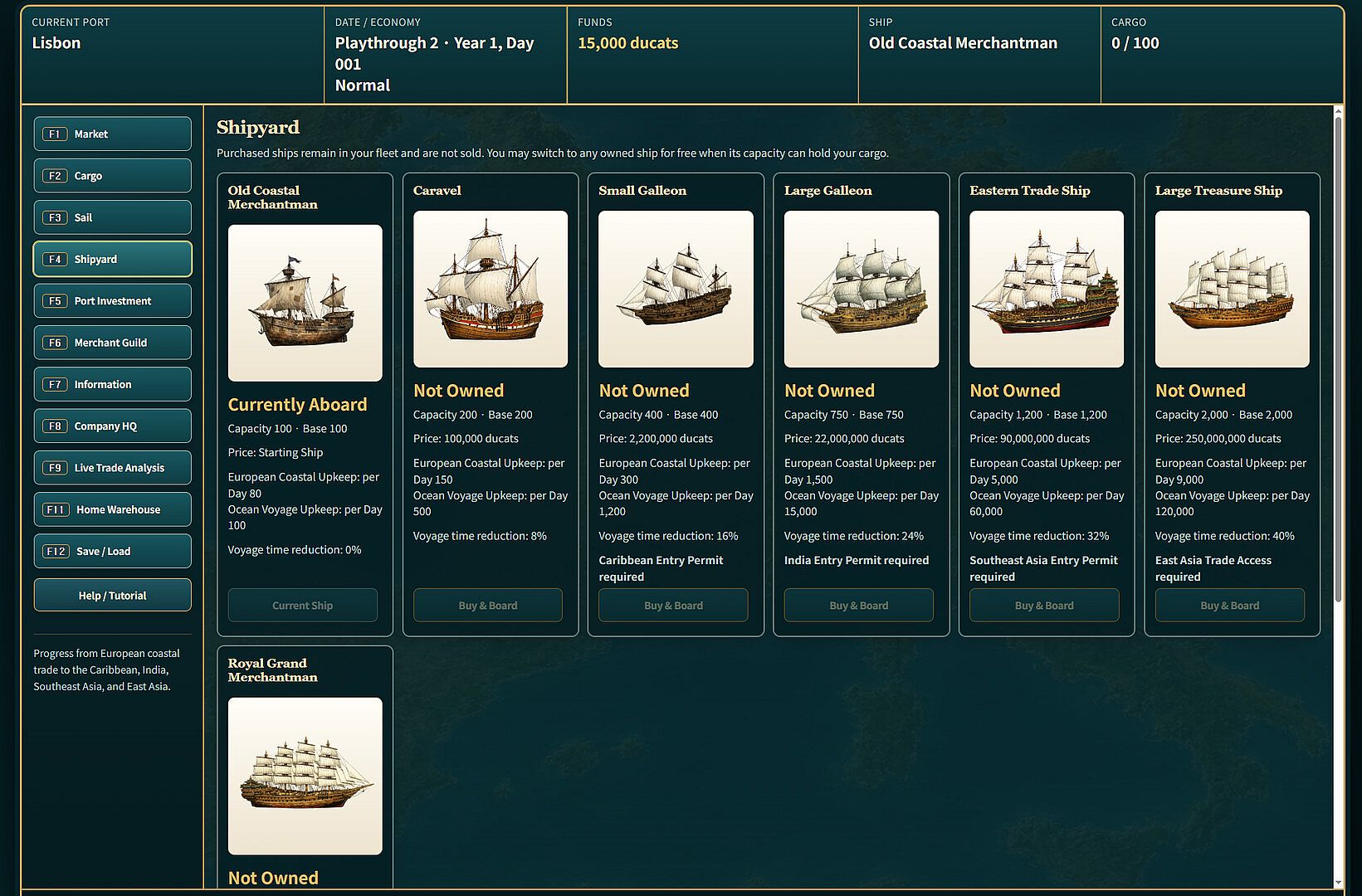
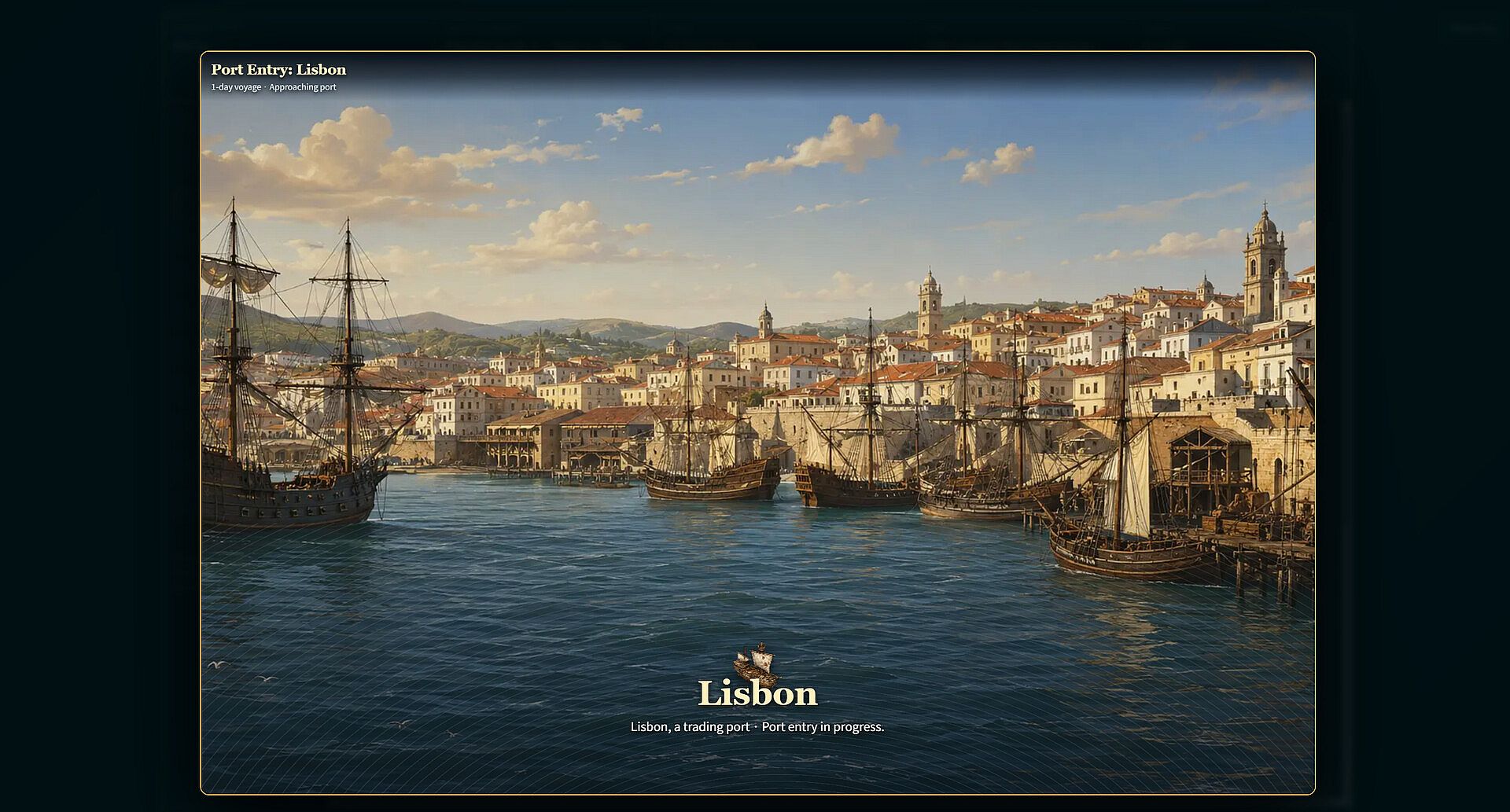
Portolan is a single-player text-based trading and management simulation set during the 16th-century Age of Discovery. Players build and expand a trading company through careful buying, selling, and fleet oversight on PC. The experience blends strategy, simulation, and adventure elements in a focused economic loop centered on global commerce rather than combat or exploration combat.
Gameplay
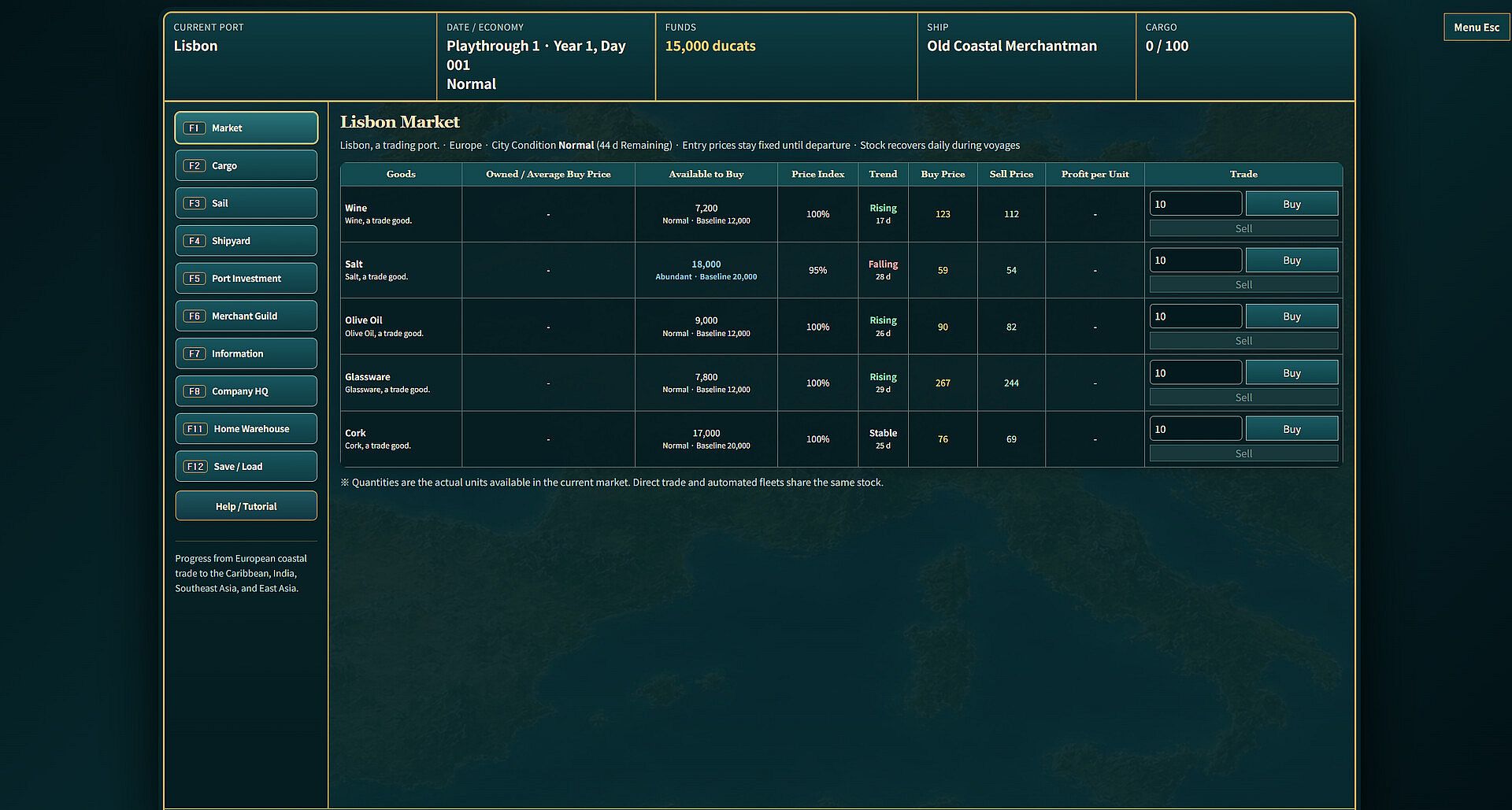
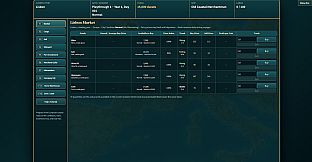
The core loop revolves around identifying price differences across distant ports and executing profitable trades. Players examine local market values in locations spanning Europe, the Caribbean, India, Southeast Asia, and East Asia. Decisions involve selecting goods that fit available cargo space and current funds while planning the next destination for sale. Results from each voyage feed back into route adjustments, allowing gradual expansion of operations and profits.
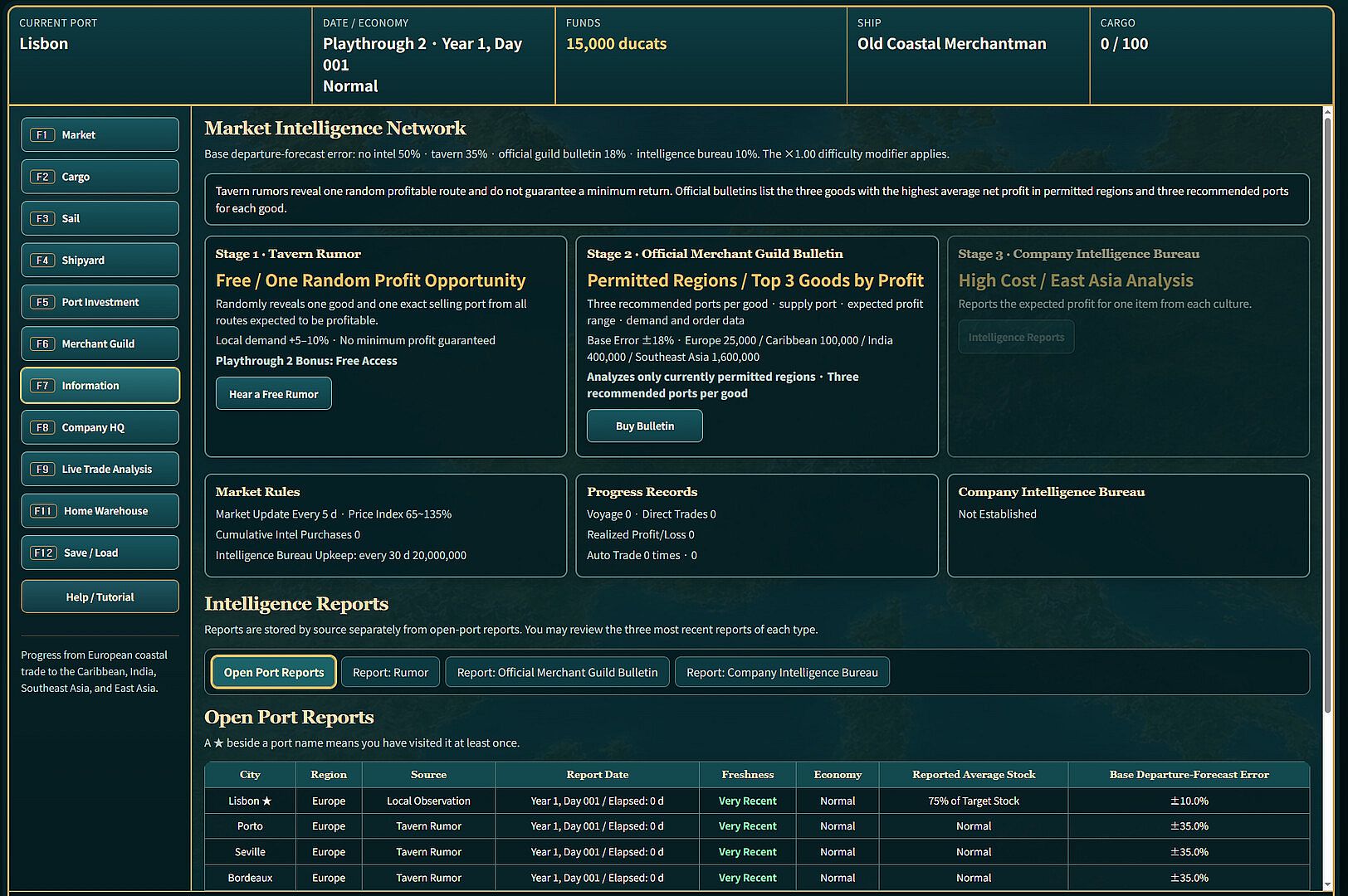
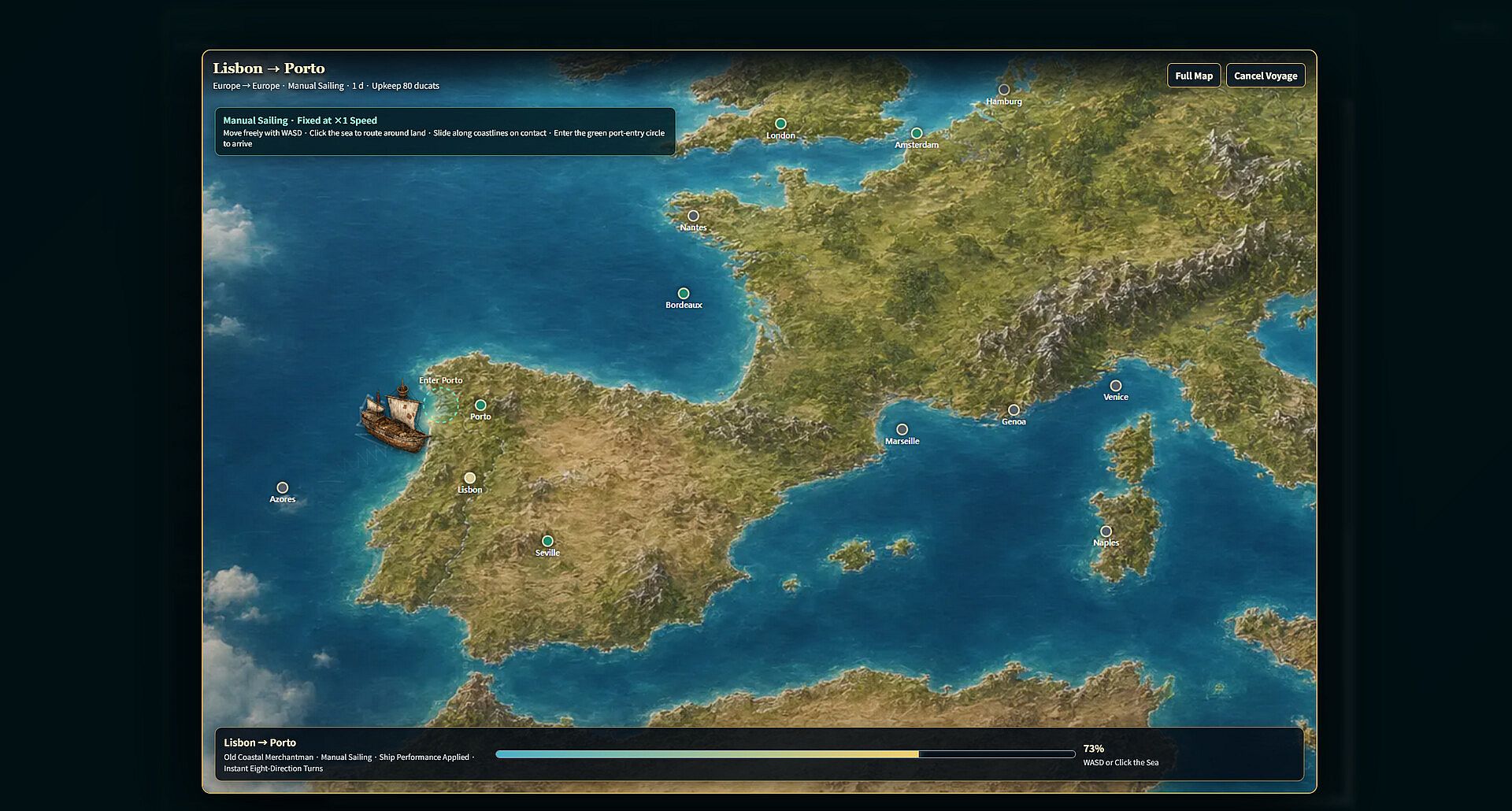
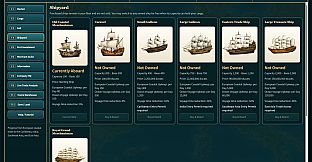
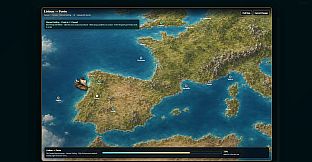
A 2D world map provides visual context for navigation, yet the primary interface remains text-driven for trading, planning, and oversight tasks. Players can handle sailing manually or switch to automated options for routine routes. Fleet management grows in complexity as additional ships come online, requiring ongoing monitoring of individual profits and route efficiency to sustain company growth.
Game Modes
Portolan operates entirely as a single-player experience. No multiplayer components or separate competitive modes appear in the available details. The game centers on one continuous campaign of company building, where progress stems from repeated trading cycles and fleet scaling rather than distinct scenarios or versus play.
World and Interface
The setting draws directly from the Age of Discovery era, with ports connected by realistic trade routes across multiple continents. Price variations reflect supply and demand differences between regions, encouraging players to discover efficient paths that link high-buy and high-sell markets. The text-focused presentation keeps attention on numerical data and decision-making, supported by the map for spatial awareness without shifting into action or visual spectacle.
Systems emphasize resource balancing, including cargo limits and capital constraints. Automated fleets handle repetitive tasks once established, freeing attention for broader company strategy and new route experimentation. This structure supports steady progression from small initial operations to larger, multi-fleet enterprises.
Is It Worth Playing?
Portolan suits players who enjoy deliberate economic strategy and simulation titles focused on trade networks and long-term management. The single-player format delivers a self-contained experience built around repeated decision cycles and incremental growth. With a planned release in Q4 2026 and no reviews available yet, potential buyers can assess fit based on interest in text-heavy interfaces and pure trading mechanics rather than action or narrative depth. Those drawn to similar indie strategy simulations will find the described systems align closely with that preference.