

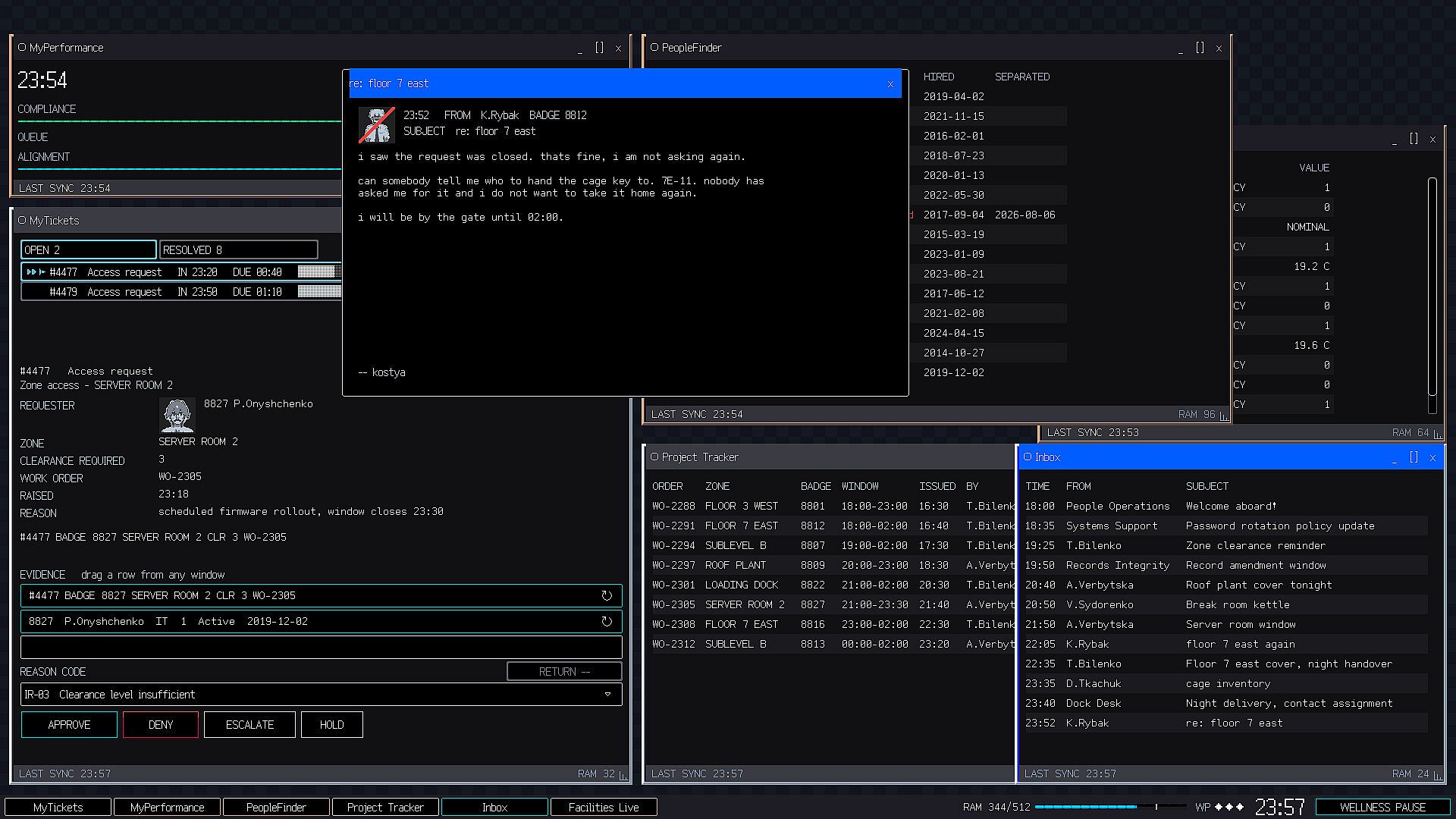
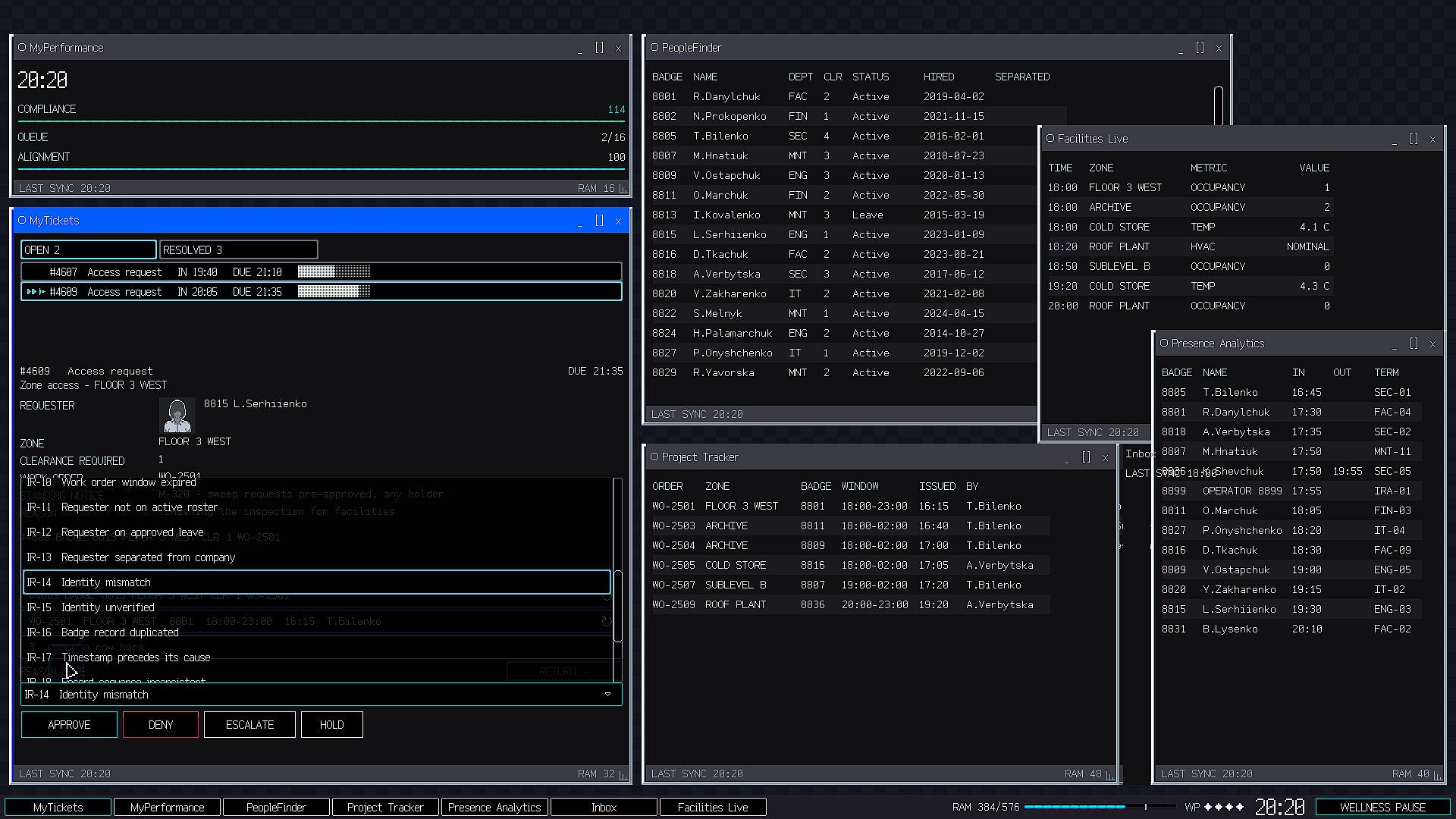
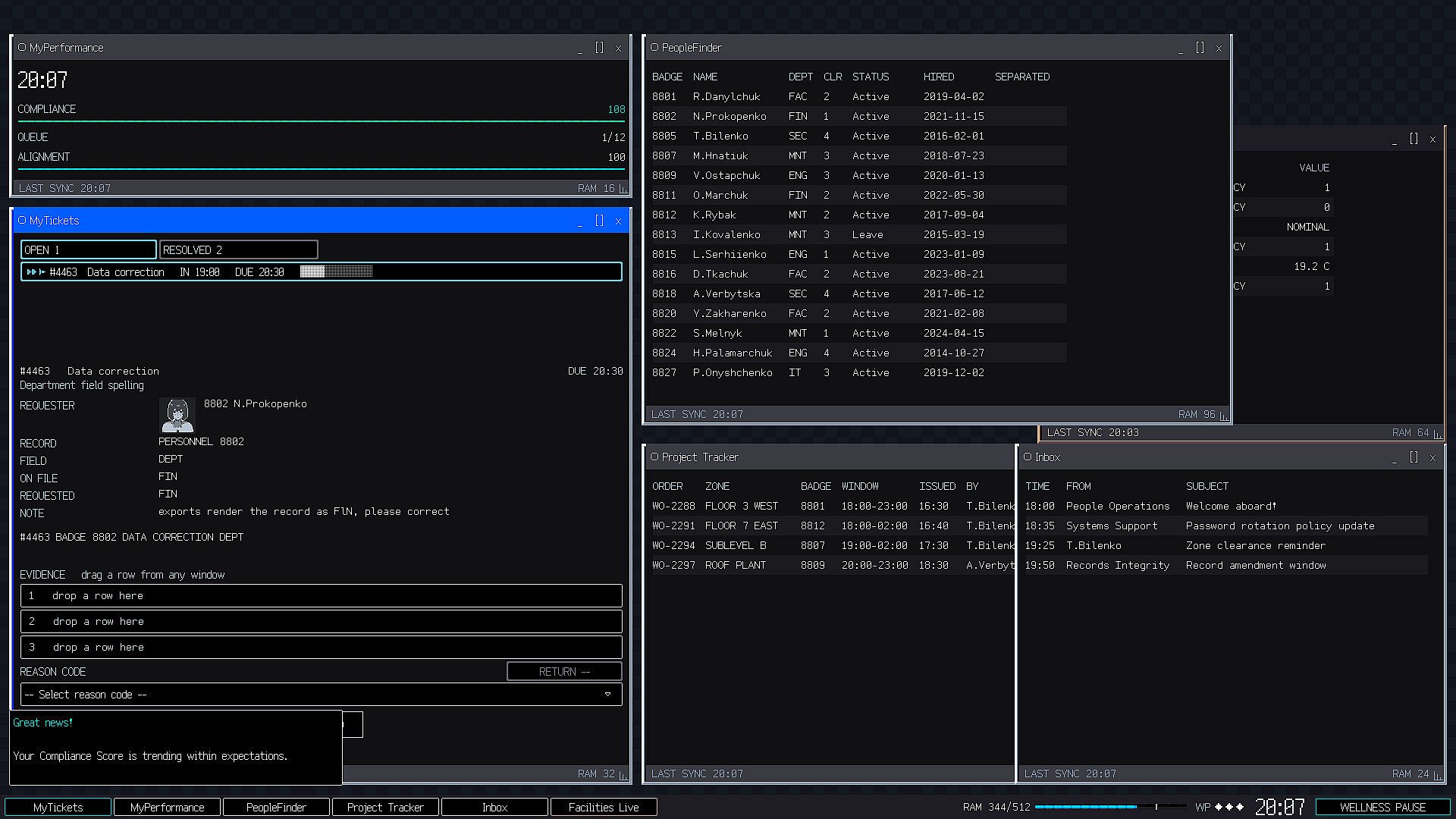
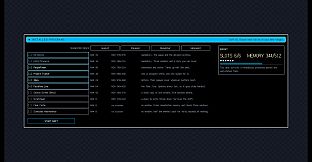
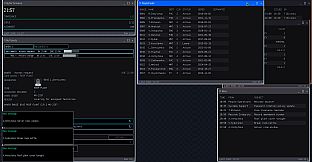
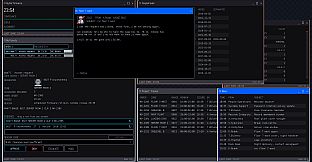
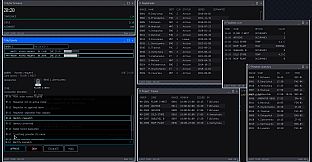
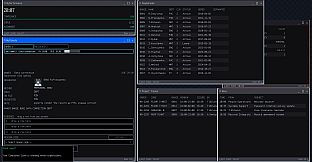
PROBATION: EXTENDED COVERAGE is an indie simulation game that places players in the role of a probationary employee at a corporate internal resolution department. The experience centers on processing tickets within a fixed desktop interface on PC, where overlapping windows and outdated data create constant tension between what the system displays and what the underlying records actually support.
Gameplay
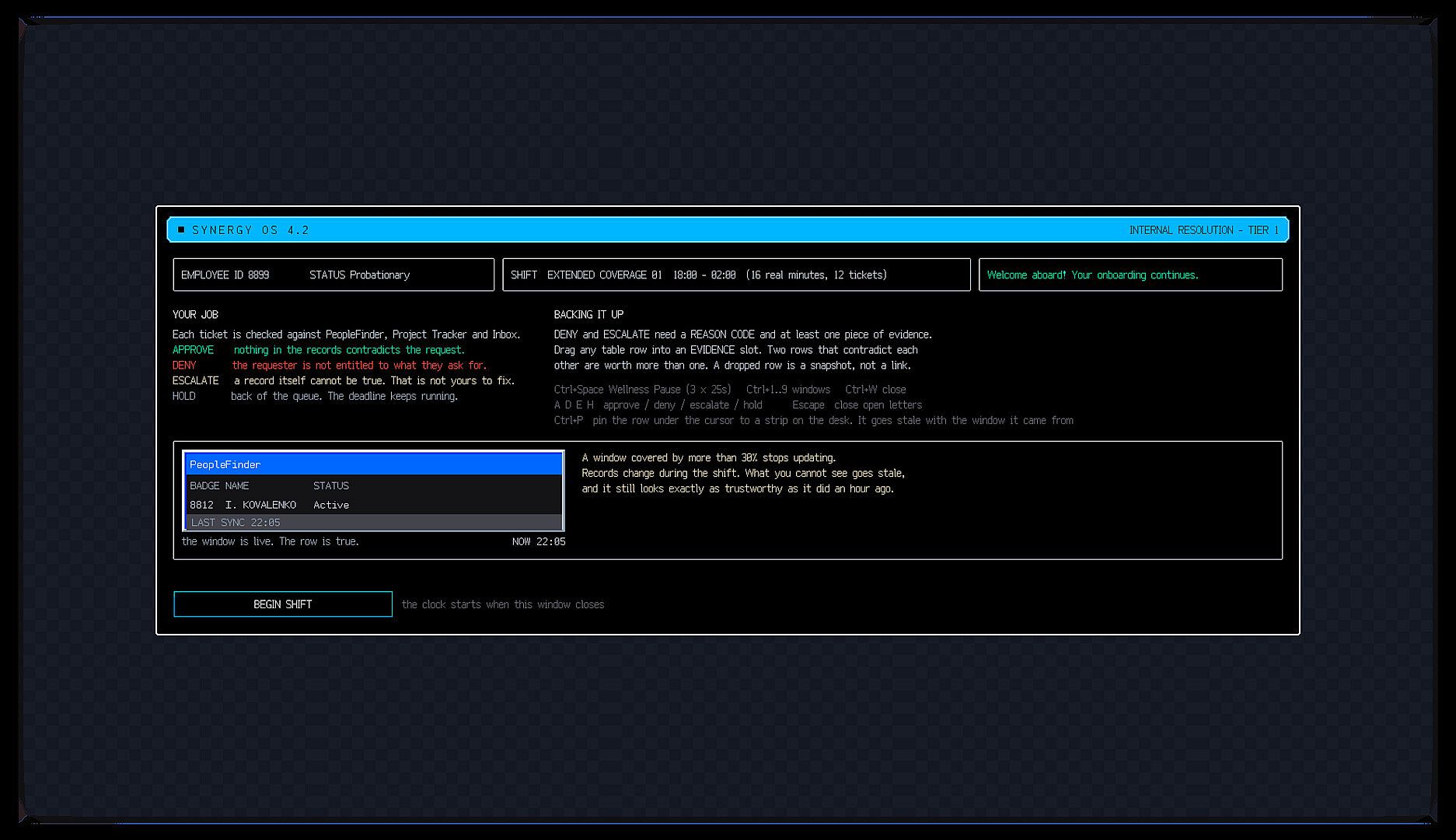
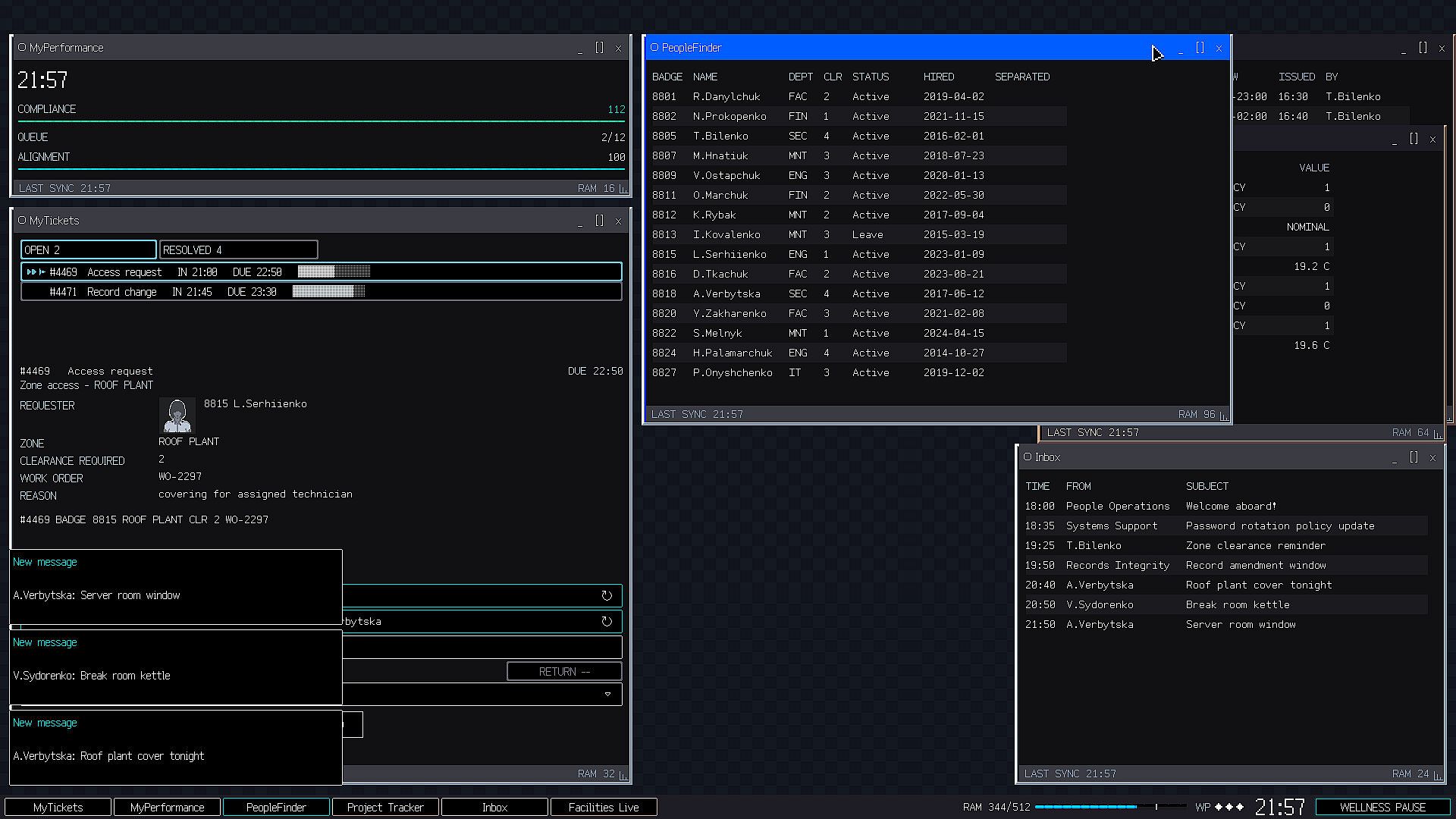
The core loop involves reviewing access requests, data discrepancies, complaints, and record changes. Each ticket requires cross-checking multiple open programs because the correct decision rarely appears in the ticket itself. Instead, players must spot contradictions such as mismatched signatures, unauthorized badge entries, or work orders signed by staff on leave. Approvals come easily, but denials demand a specific reason code selected from a list of twenty-two nearly identical options, and stronger refusals backed by conflicting evidence carry greater weight.
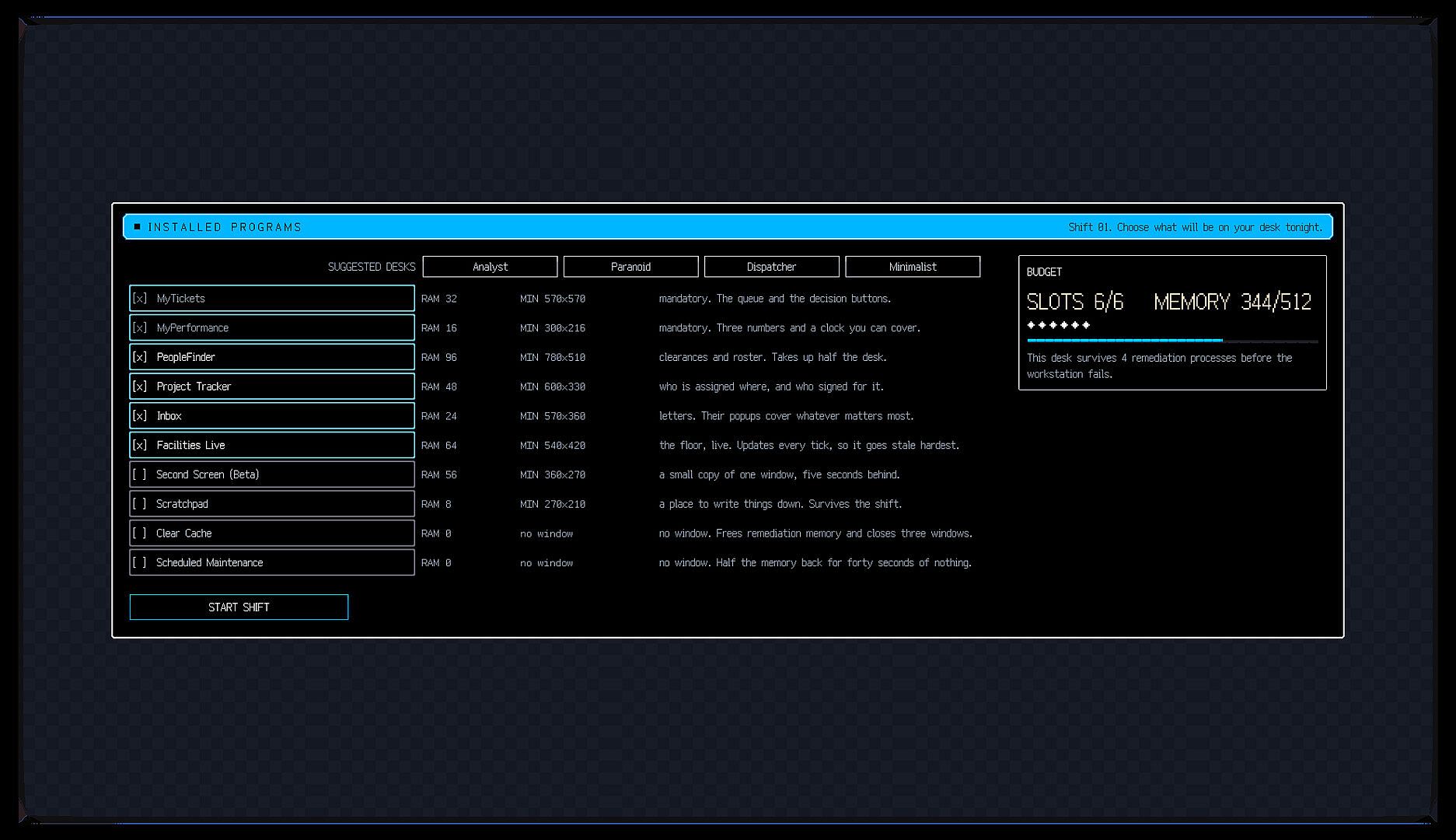
Windows covered by more than thirty percent stop updating without any visual warning. They continue displaying stale information with full confidence, and the only indicator is a small timestamp in the footer. The fixed desk resolution of 1920 by 1080 means not everything fits on screen at once, forcing players to manage layout carefully. Between shifts, players customize their setup by choosing which of fifteen available programs to install within a memory budget. Each choice creates blind spots; for example, an AI contradiction highlighter uses thirty-nine percent of memory and errs on one in six hints, while a legacy search tool always delivers accurate results but takes eight seconds per query.
Notifications arrive regularly and often congratulate progress, while a wellness program adjusts available pauses across shifts. The workstation itself begins to behave differently as the campaign advances, with tickets continuing to arrive even after personnel records show staff departures.
Game Modes
The main campaign consists of nine shifts plus one additional daily shift. Across these evenings players handle 156 tickets, with exactly one new type of contradiction or interface violation introduced per shift. Progress carries forward even after failing a shift, though the next evening begins from a more difficult position. Daily Shift selects one evening based on the current date, allowing direct comparison of results with other players on the same content.
No other modes exist. The structure remains strictly single-player with no multiplayer elements or additional campaigns.
Key Systems and Constraints
Players operate under strict limitations that define every decision. What is not installed simply does not exist on the desk, rather than being hidden or harder to access. Two opposing scores track performance: one rewards following directives from other departments, while the other rewards accuracy. These scores often move in opposite directions, and the interface never indicates which one ultimately matters more.
Accessibility options include large text, unlimited pauses, a slower clock, reduced motion, three color vision palettes with non-color markers on every window, full key rebinding, and separate volume sliders. These settings do not alter the underlying simulation, so a recorded shift produces identical outcomes whether accessibility features are active or not. The display never reflows; it scales the fixed 1920 by 1080 frame to the monitor while preserving square pixels.
Is It Worth Playing?
This game suits players who enjoy methodical deduction and resource management within tight constraints. The absence of characters, dialogue, jump scares, or loud effects keeps the focus entirely on the gap between displayed data and actual records. With no user reviews available prior to release and no additional updates or seasons confirmed, the experience stands on its described systems alone. Those drawn to quiet, puzzle-oriented simulations that reward careful observation and build customization will find the nine-shift structure and daily mode provide repeatable depth without extraneous elements. Players seeking action, narrative, or social features should look elsewhere.