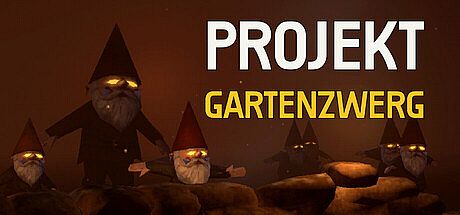


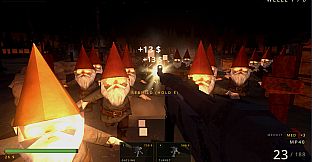
Projekt Gartenzwerg is a co-op horde defense FPS for PC that pits one to four players against waves of ceramic garden gnomes in a night-time survival scenario. The premise draws from a fictional weird-science mishap on a forgotten front, turning thousands of small, painted figures into an advancing threat that marches toward the players' position each night. Core action centers on holding ground until dawn using realistic World War II firearms alongside experimental prototypes.
Gameplay
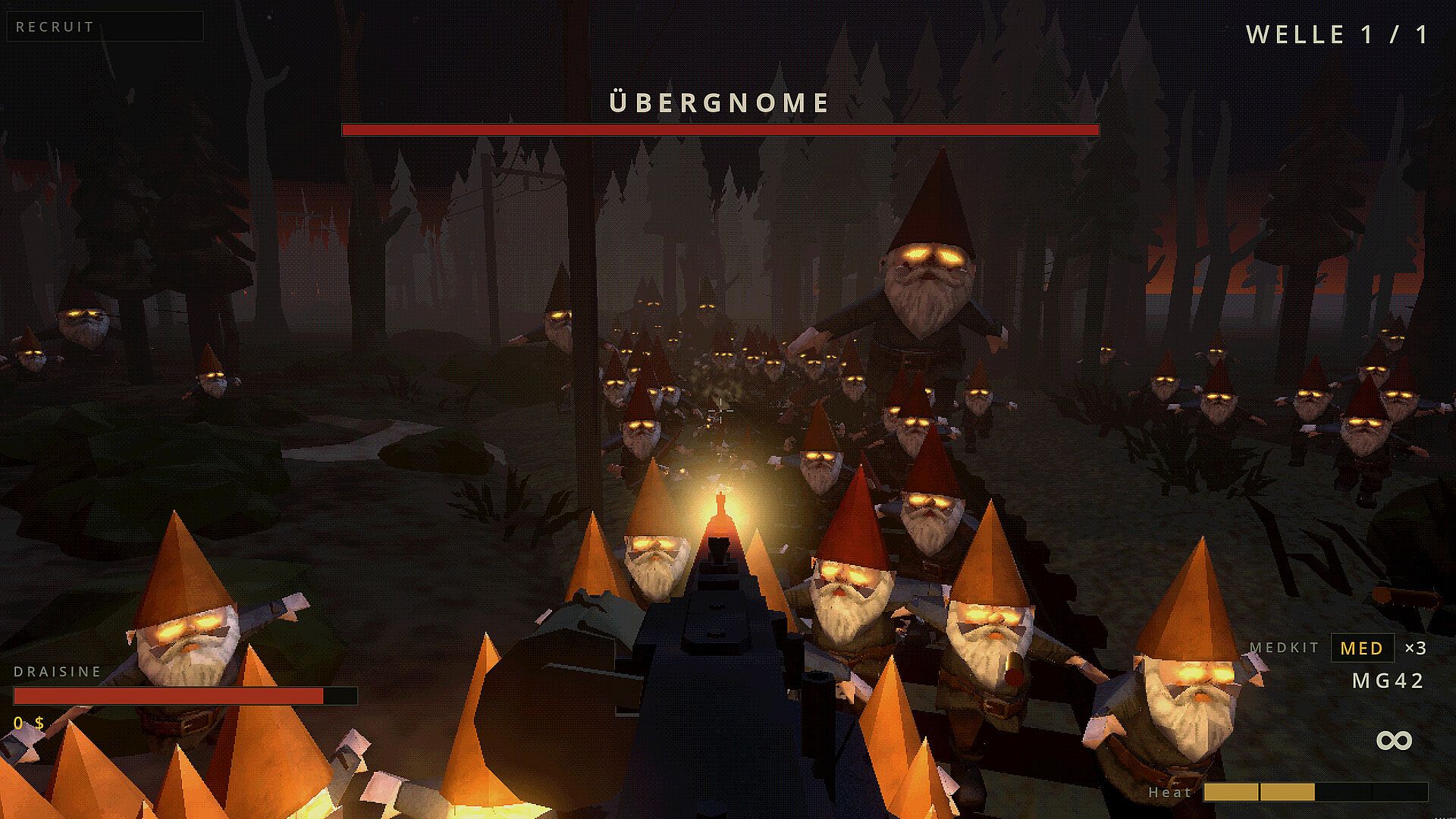
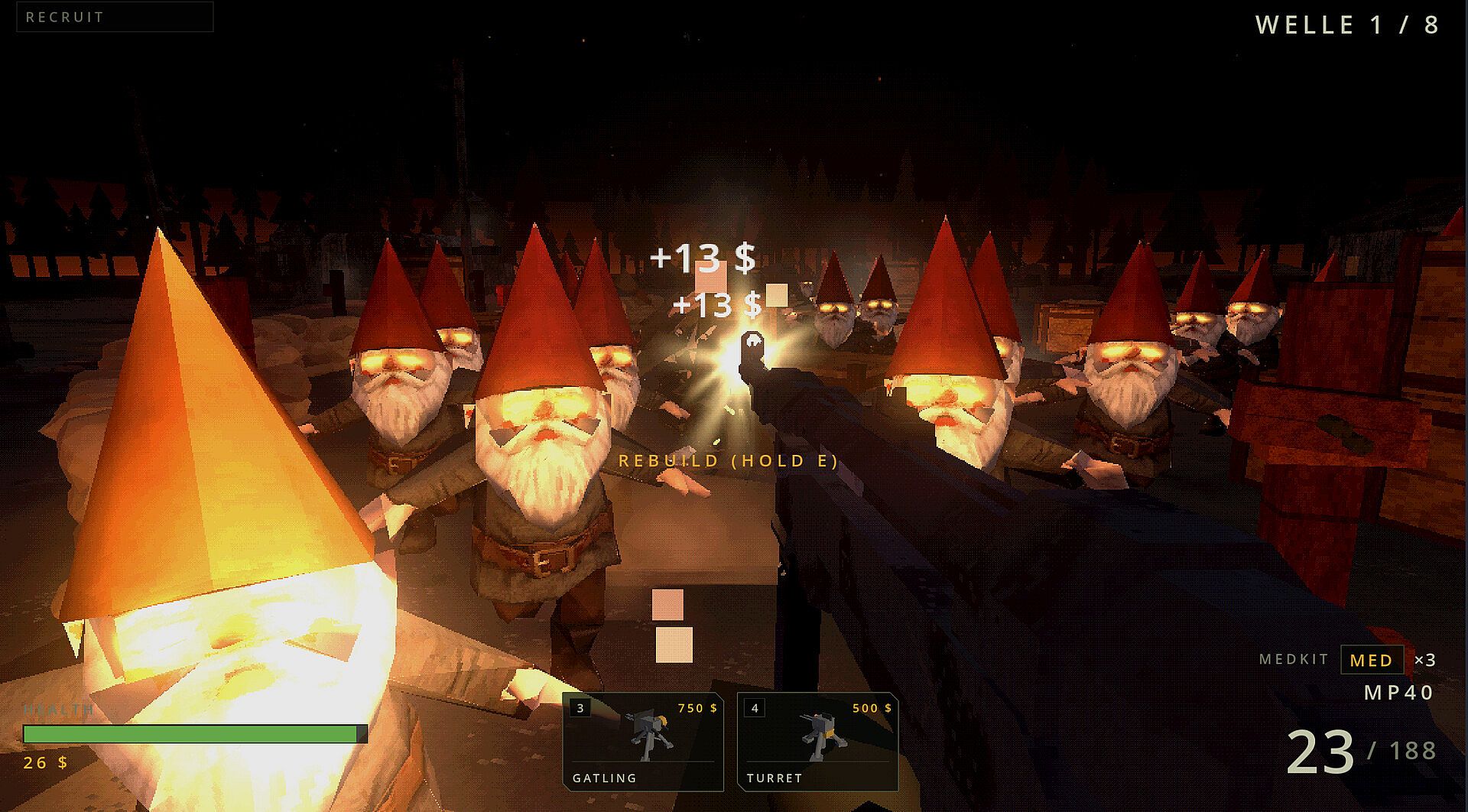
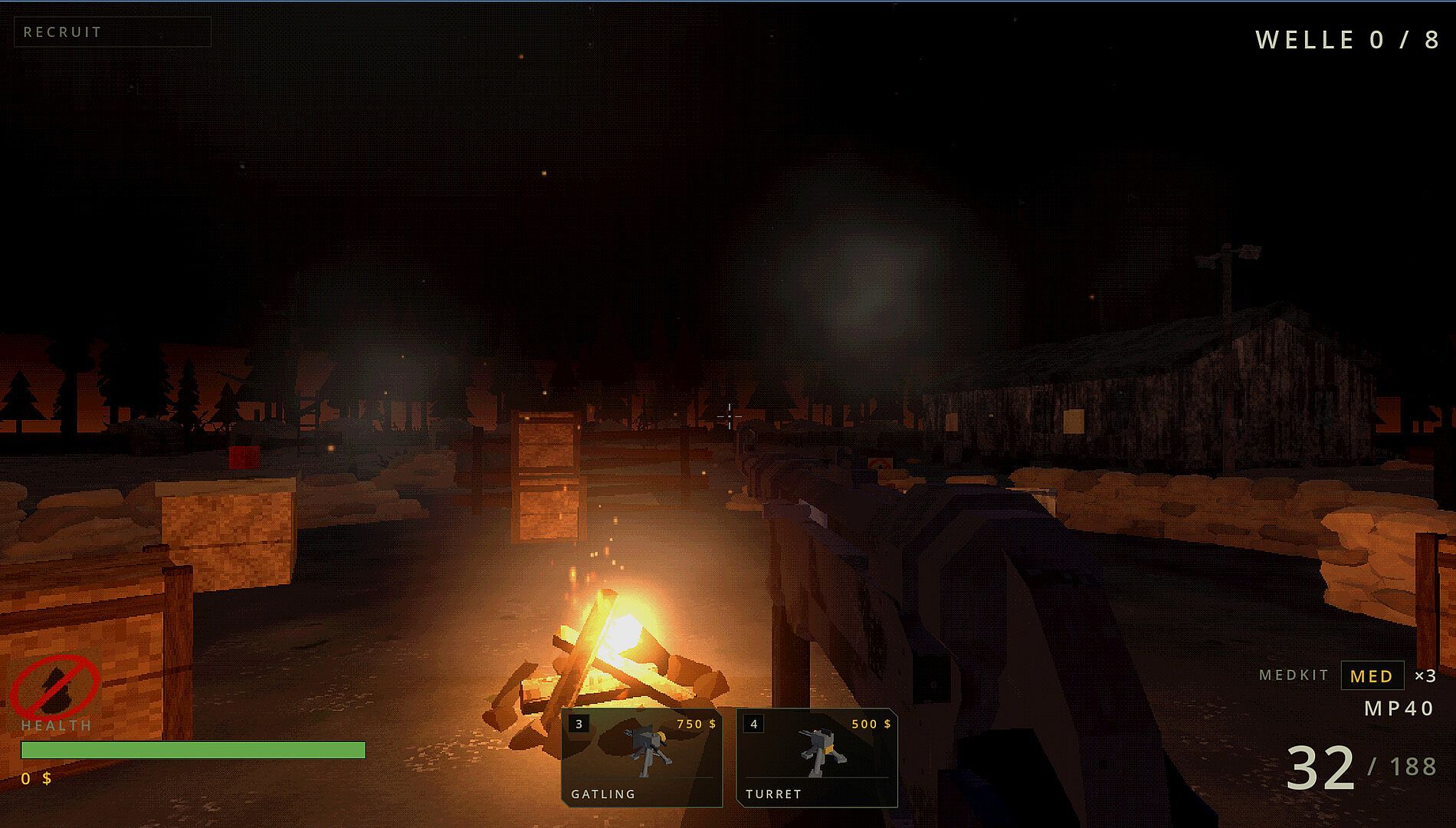
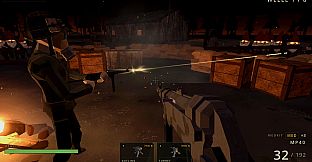
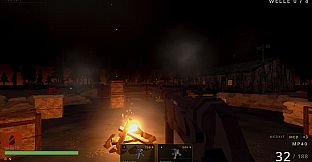
Players dig in at various sites and rely on gunfire to illuminate the darkness. Muzzle flashes from rifles and machine guns provide brief visibility into the approaching horde, while searchlights and campfires create limited safe zones. Beyond those lights the field stays pitch black until shots reveal ceramic faces closing in. The system encourages careful trigger discipline because sustained fire both reveals threats and consumes ammunition quickly.
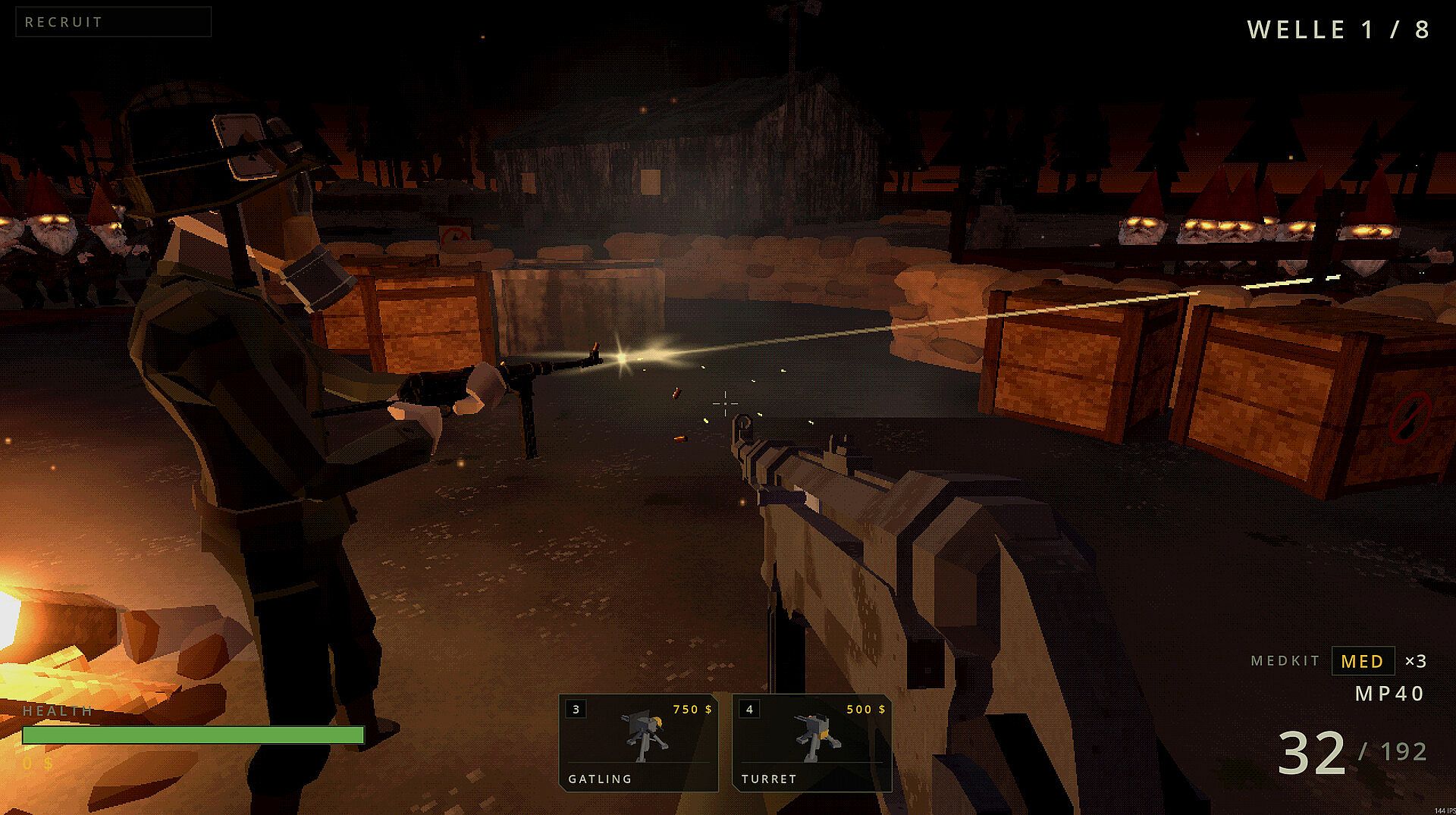
Weapon handling stays grounded in period-accurate ballistics. The MP40, Panzerschreck and similar arms deliver distinct recoil, muzzle flash and ejected brass. When standard rounds prove insufficient, players access lab prototypes such as arc rifles that chain electricity through clustered gnomes, incendiary ammunition and flamethrowers for close-range perimeter defense. Every shattered gnome drops scrap that funds barricades, gun nests, mortars and additional searchlights. Breaches appear under pressure, forcing teammates to repair walls while others maintain covering fire.
Revival requires a downed player to be reached under fire, with the rescuer spending several seconds exposed to pull the teammate upright. This loop rewards coordinated positioning and resource management across the four-player limit.
Game Modes
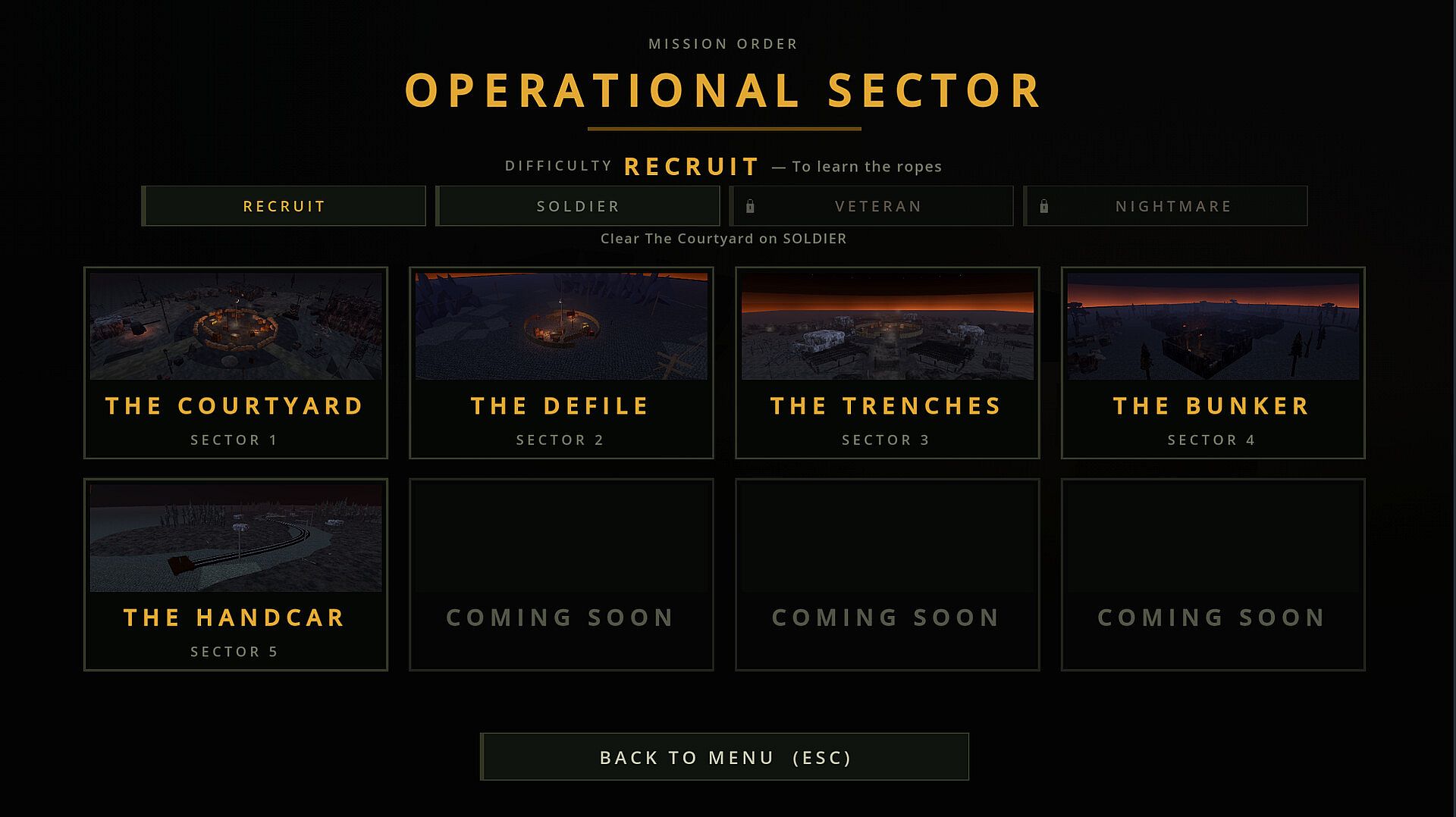
Each mission presents a distinct defensive challenge. Static sieges place the team at fixed locations such as farmhouses or mountain passes where the goal is simply to survive successive waves. Flooded trenches under moonlight add environmental constraints that limit movement and sightlines. When holding position alone is insufficient, an escort variant sends players aboard an armed rail car through dense forest. One player keeps the engine running while others man the mounted MG42 to clear tracks before gnomes swarm the train.
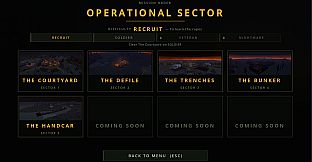
Progression unlocks harder versions of completed sectors. Four difficulty tiers run from Recruit through Nightmare, with Wunderpoints earned on successful defenses spent on new gear for future attempts. The structure supports both solo runs and full four-player sessions without altering core objectives.
Progression and Equipment
Scrap collection drives immediate tactical choices during waves, while Wunderpoints provide longer-term unlocks. The fourteen base World War II weapons plus prototype additions give variety in handling and effect. Buildable defenses can be placed mid-wave, turning scrap into temporary walls or automated support that must still be defended when gnomes create breaches.
The single-player experience remains viable but demands precise movement and resource timing, whereas co-op sessions allow division of labor between repair, suppression and light management.
Is It Worth Playing?
Projekt Gartenzwerg suits players who enjoy co-op horde defense shooters that emphasize positioning, light management and resource scavenging over narrative or exploration. The ceramic-gnome theme delivers consistent visual contrast against muzzle flashes, and the mix of authentic firearms with experimental weapons keeps engagements varied across missions. Those comfortable with high enemy counts on screen and the need to repair defenses under pressure will find the core loop intact from the first night onward. Newcomers to the genre may appreciate the Recruit difficulty as an entry point before tackling Nightmare variants. The game launched recently with its full feature set available immediately, so interested players can assess the experience directly without waiting for additional content updates.