






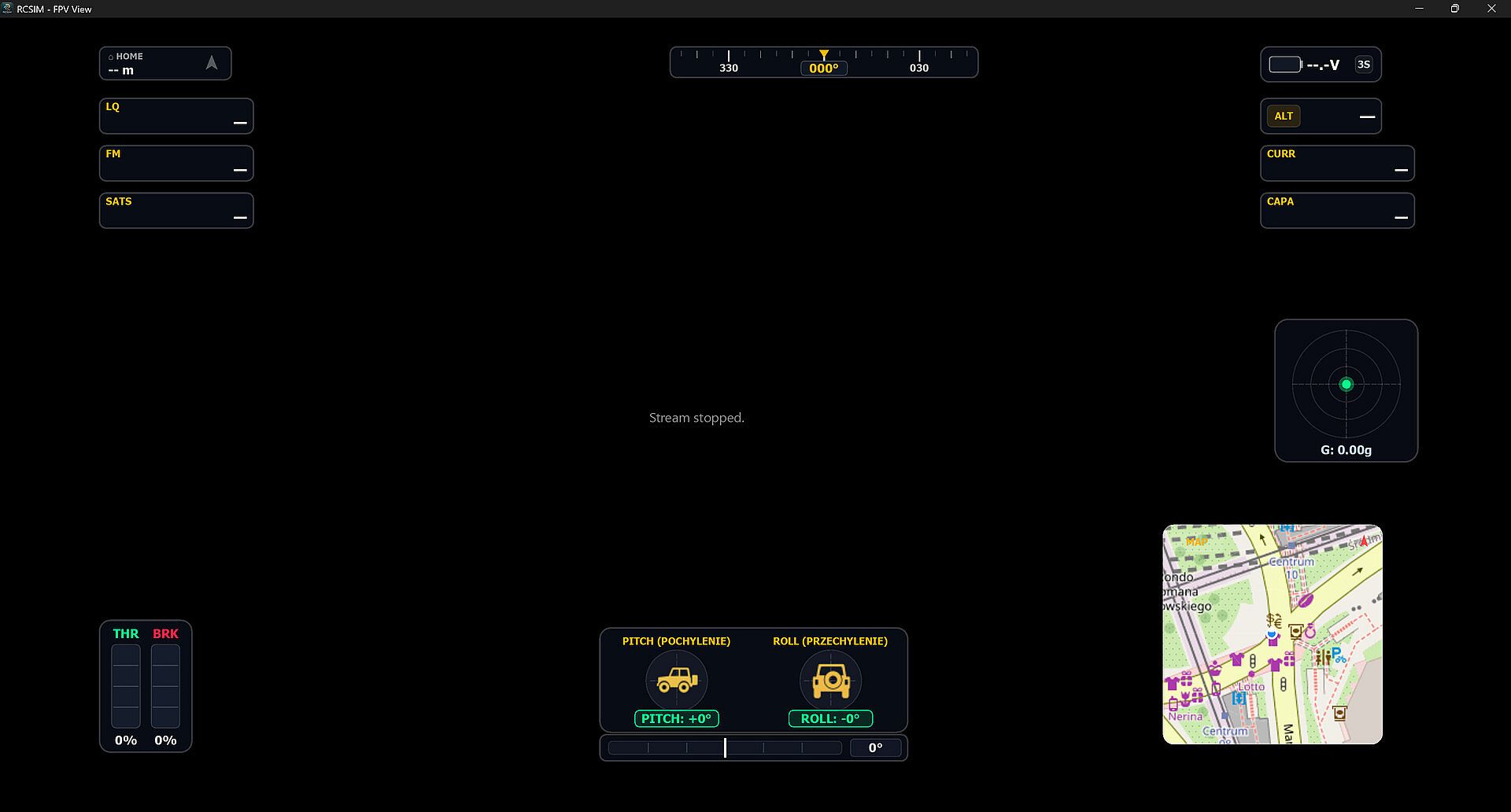
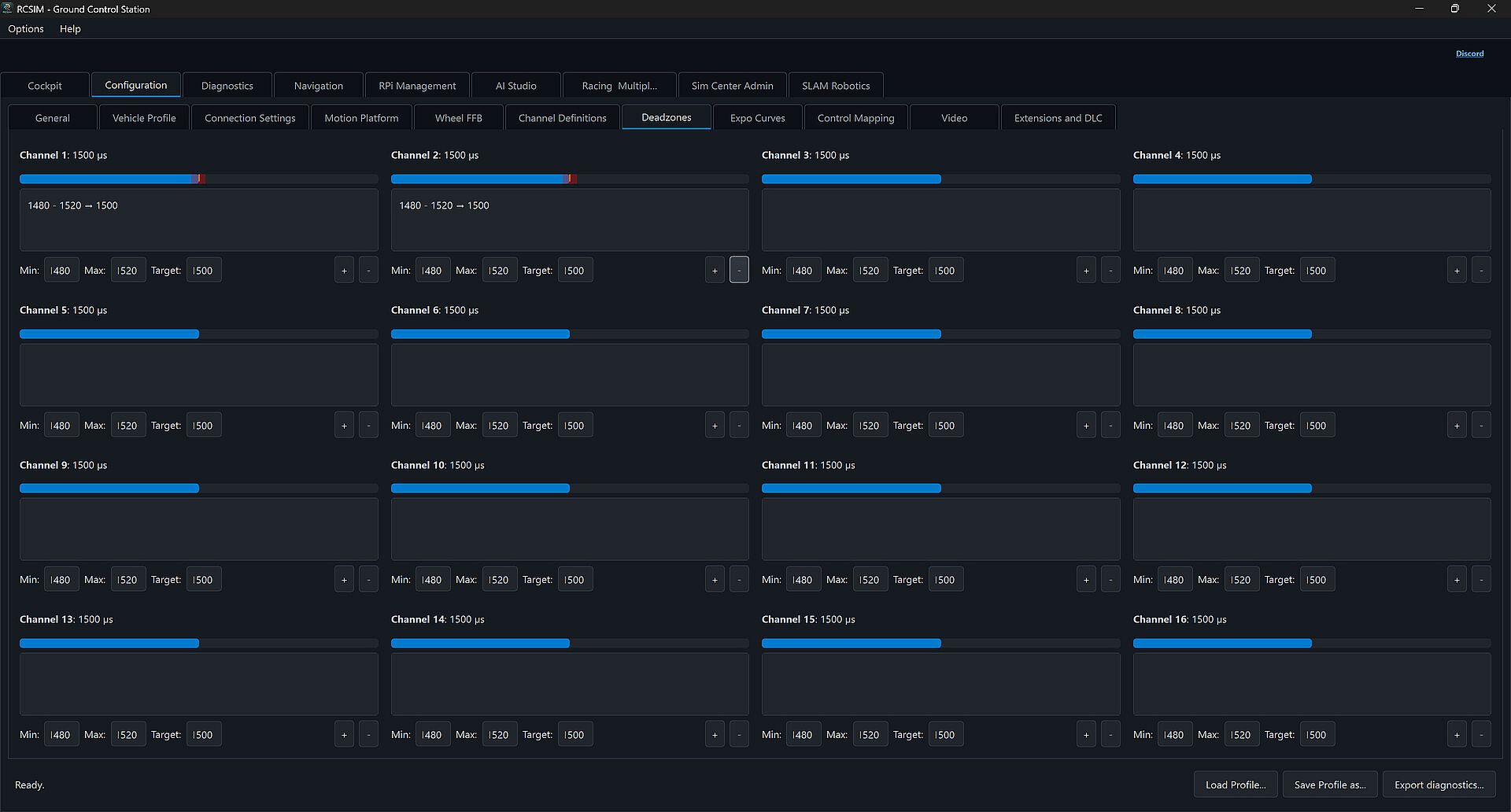
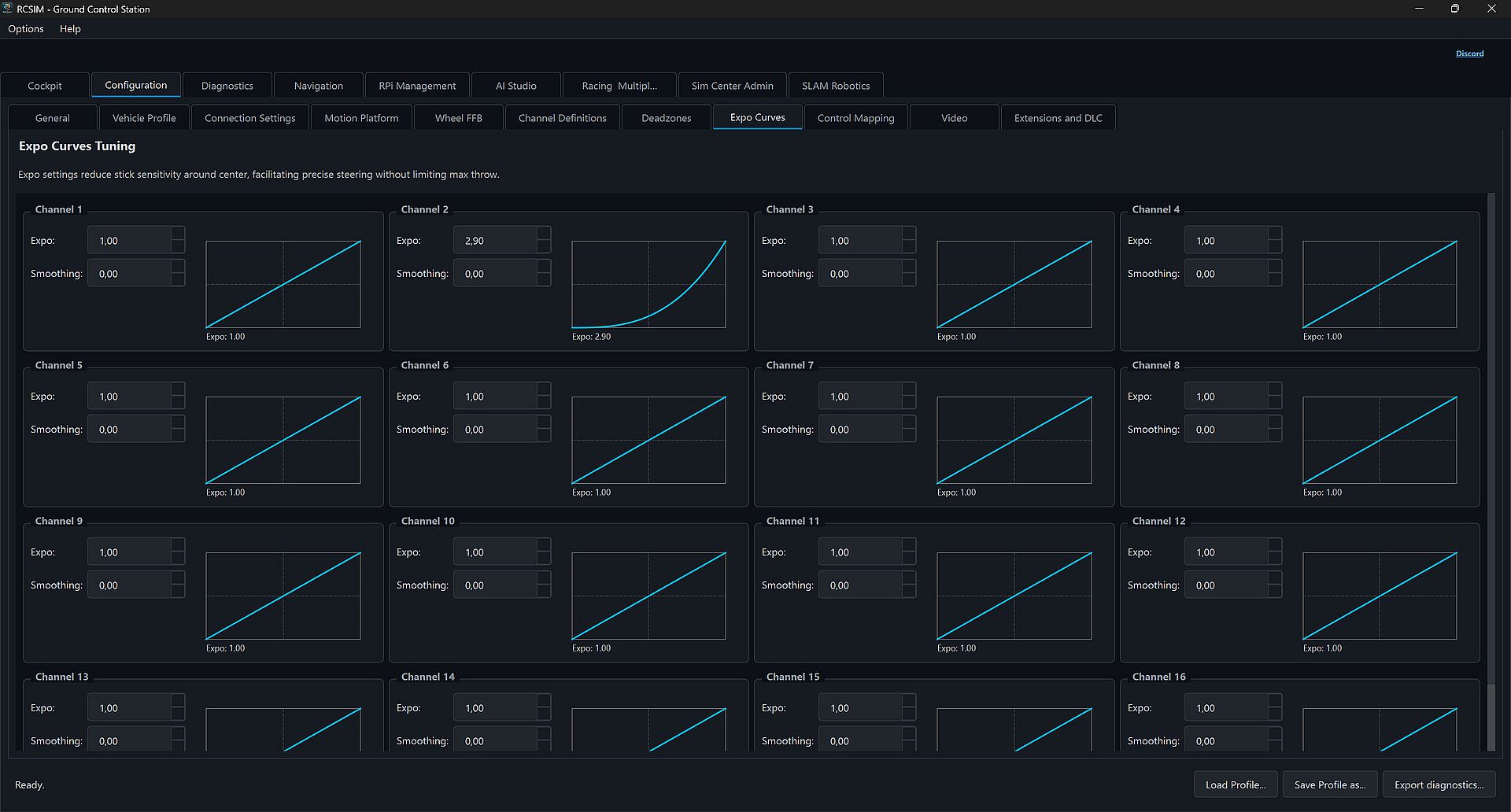
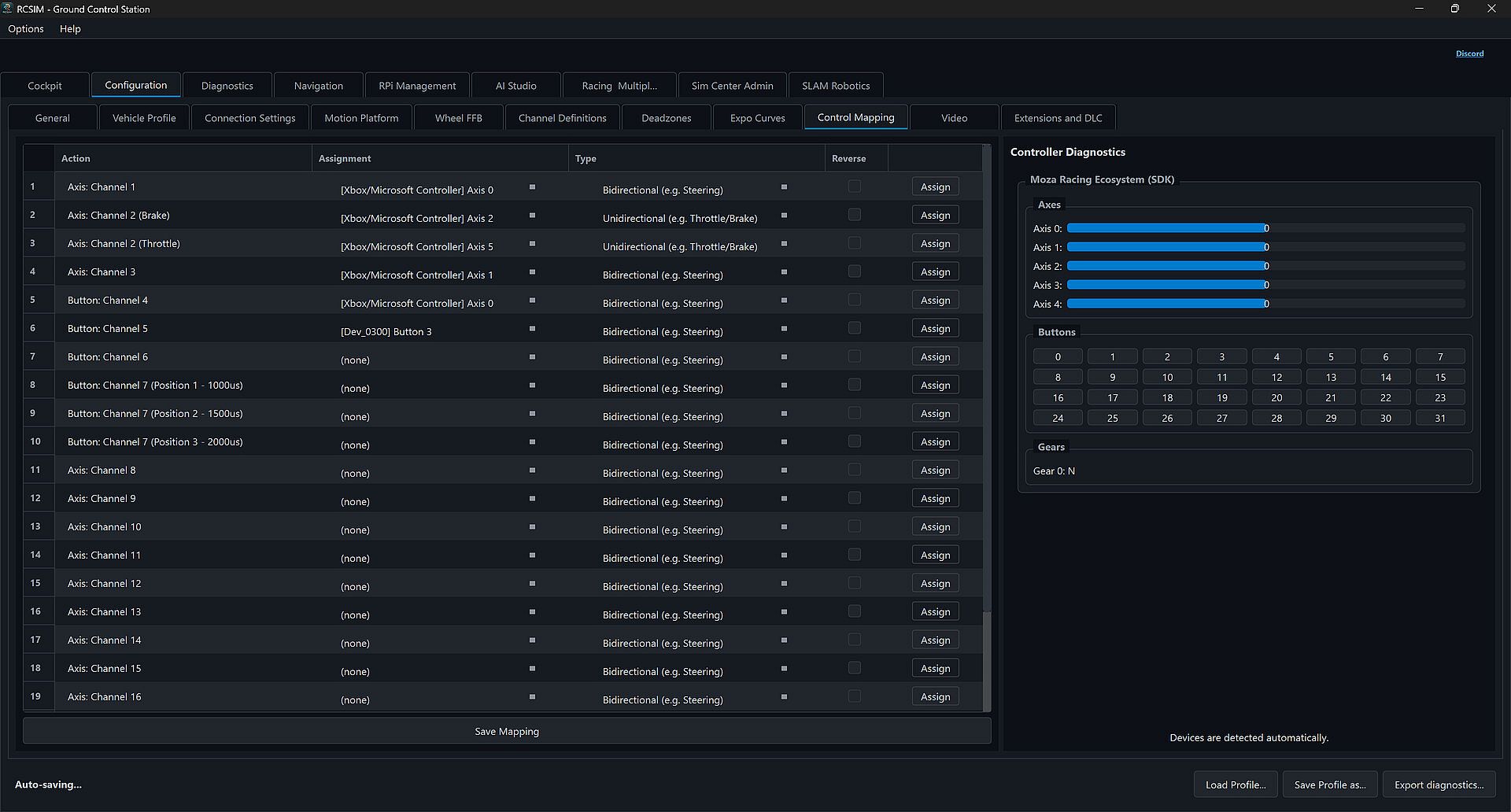
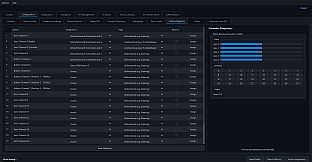
RCSIM is an indie simulation and racing experience in early access on PC that connects sim-racing hardware directly to physical radio-controlled cars and other vehicles across multiple scales. The core loop places players in a sim rig with a direct-drive wheel, FPV goggles, and pedals while operating real RC chassis through low-latency video feeds and real-time sensor data. Inputs from the wheel and pedals translate into servo commands sent to the vehicle, while onboard IMU sensors return forces, orientation, and telemetry that feed back into the wheel and on-screen displays.
Gameplay
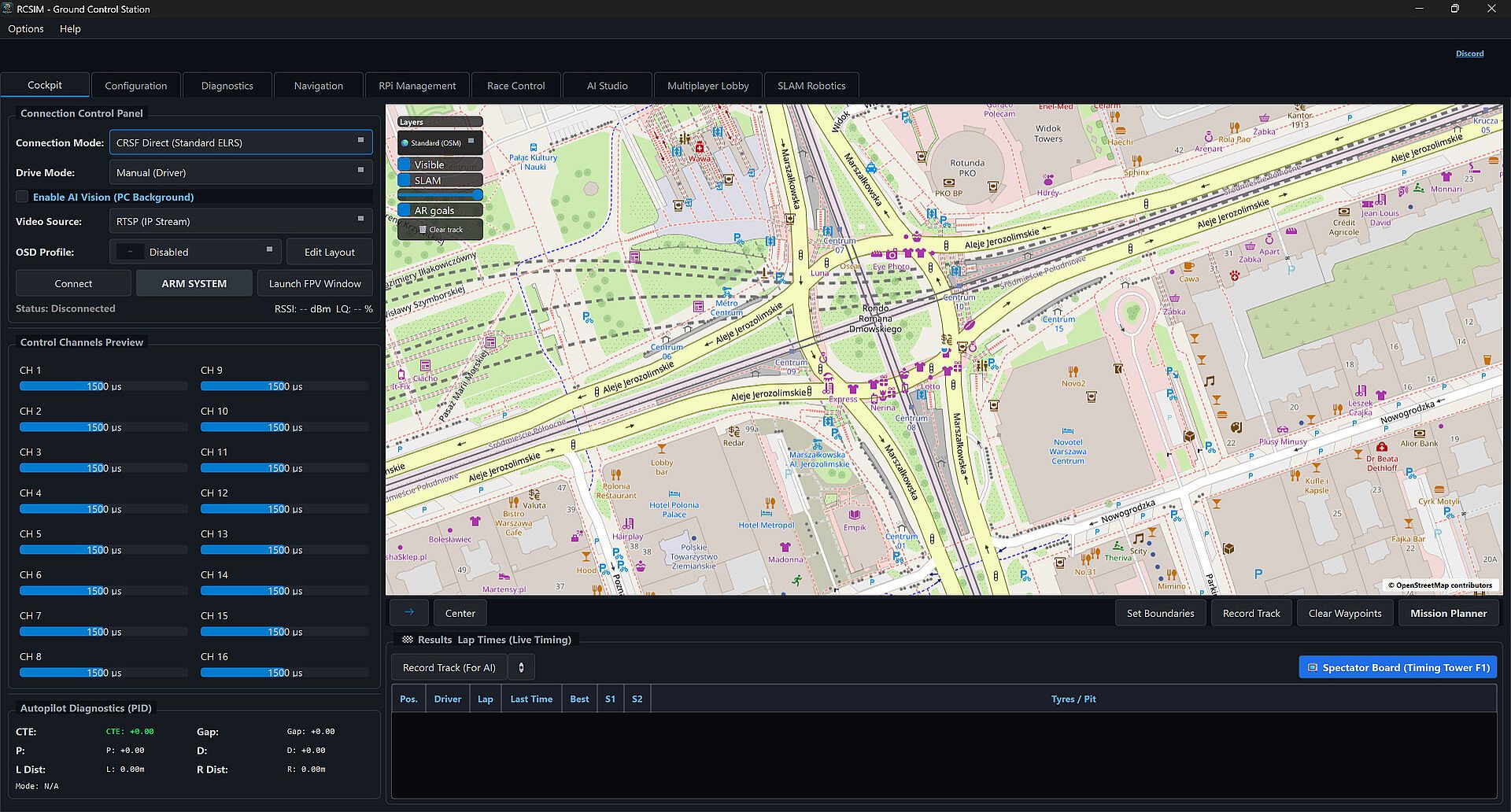
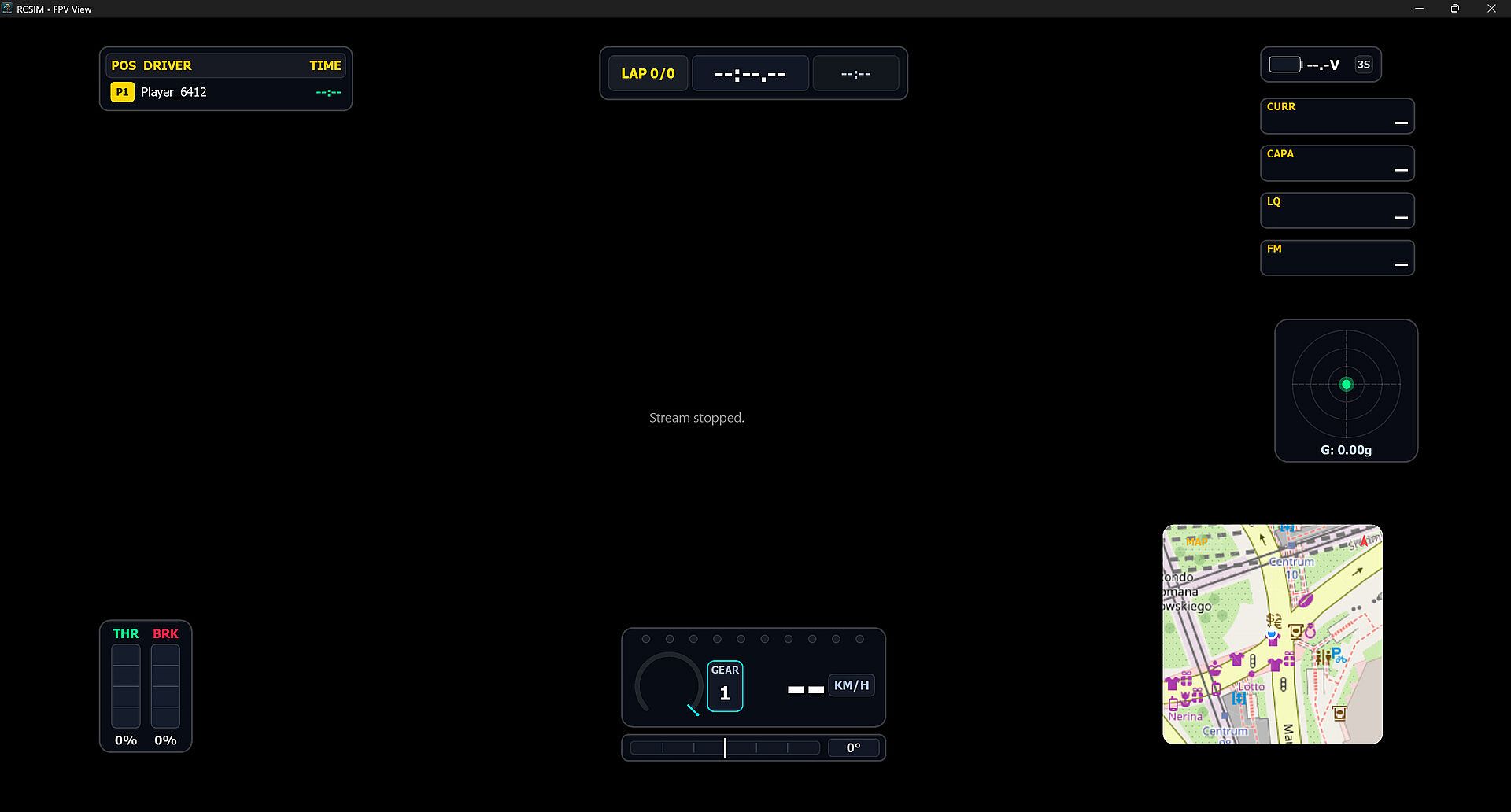
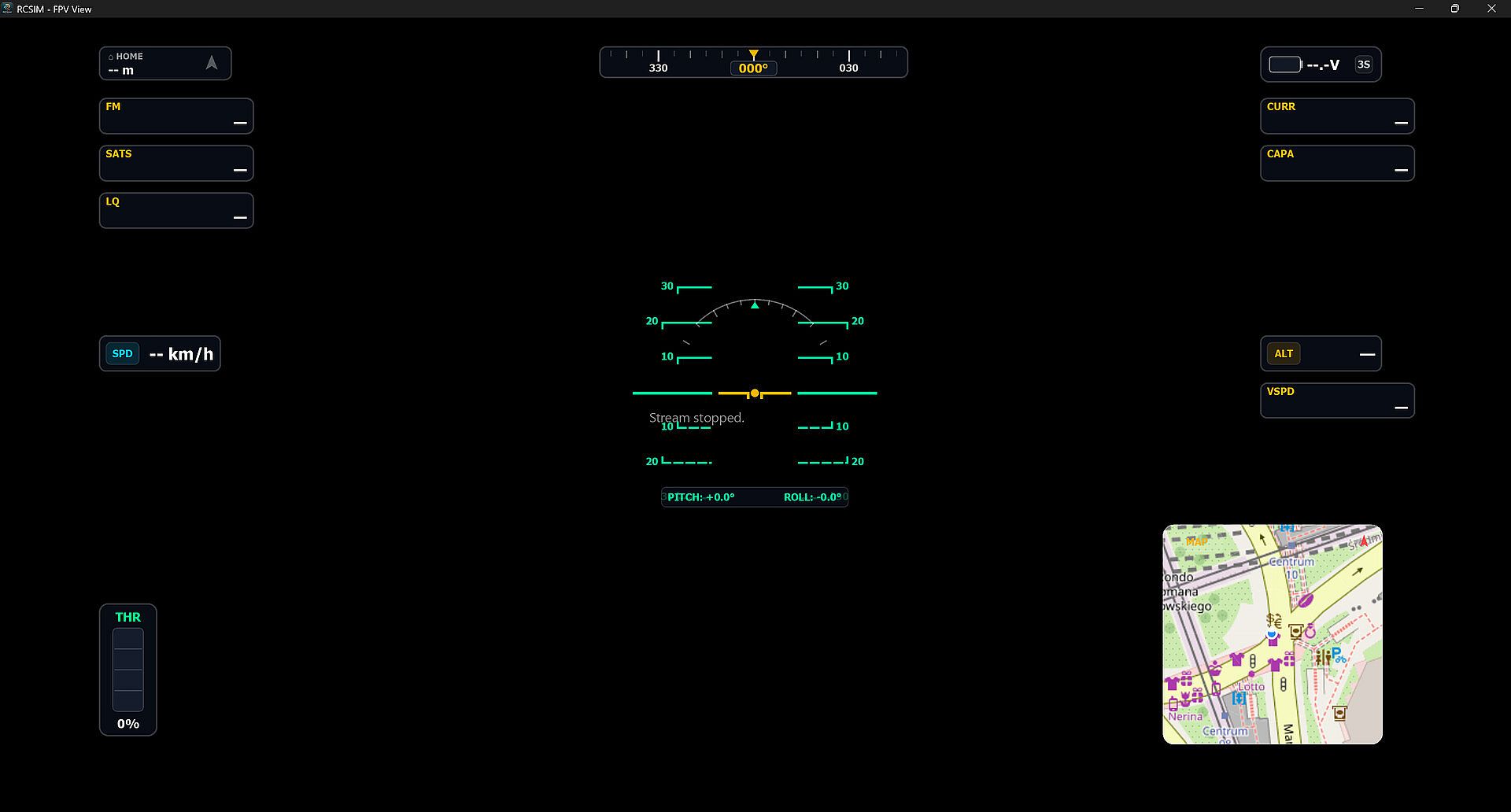
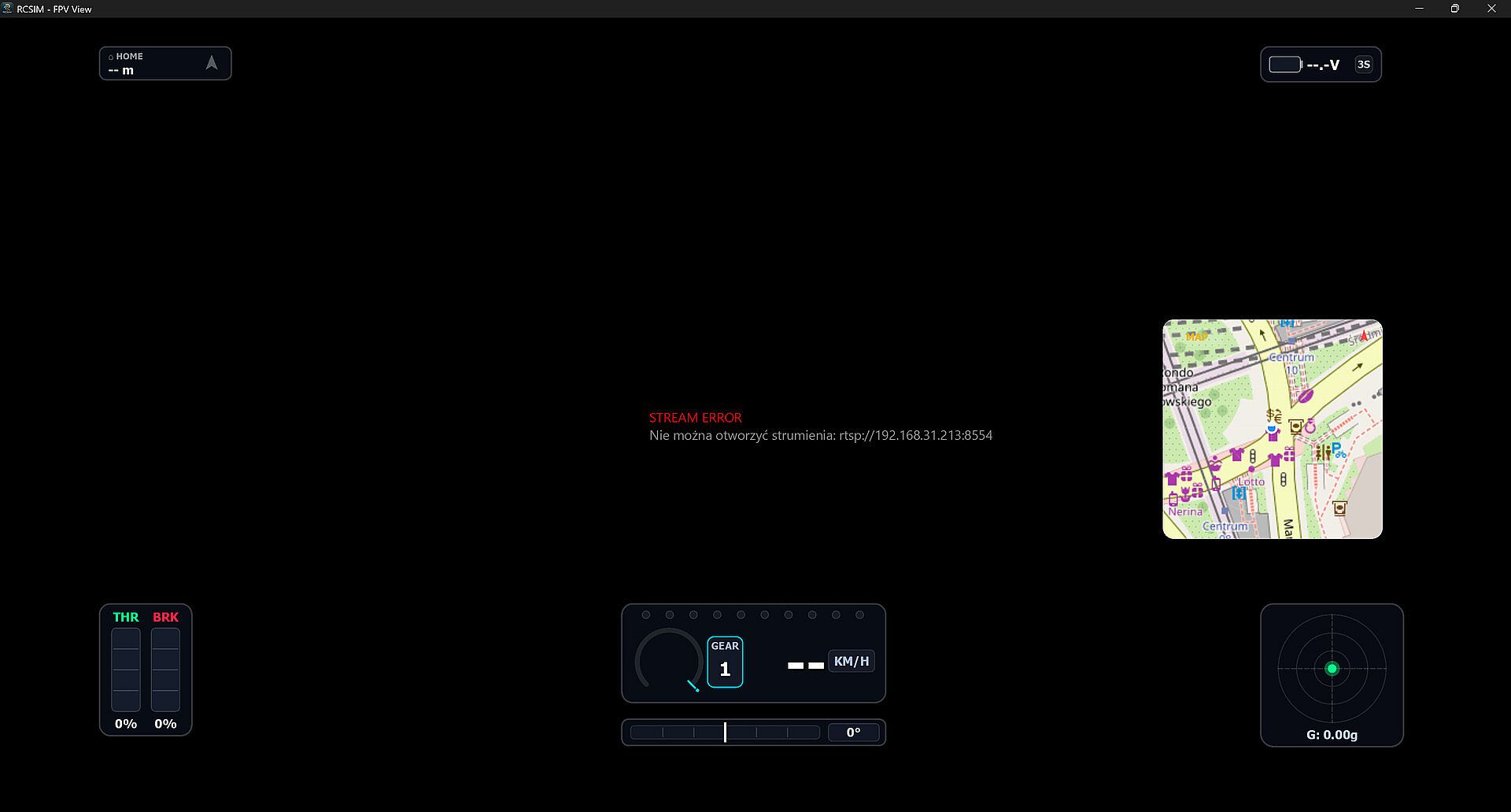
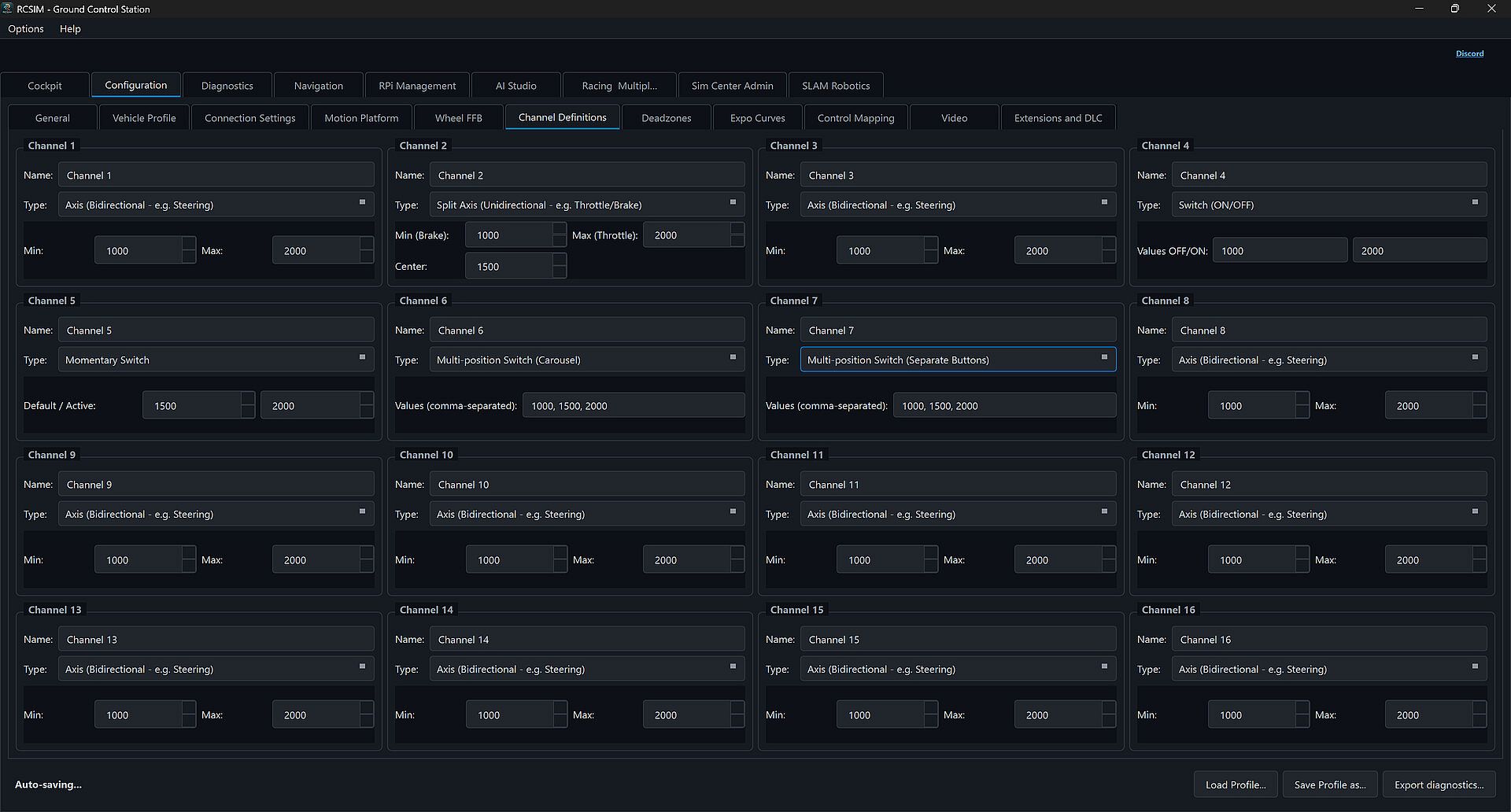
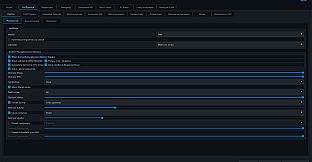
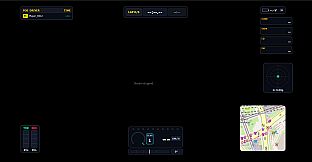
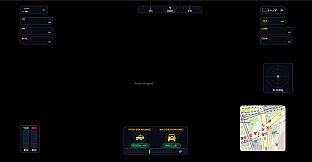
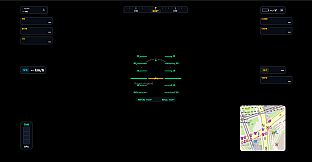
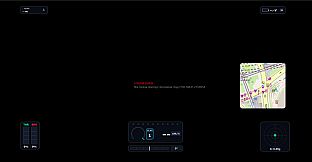
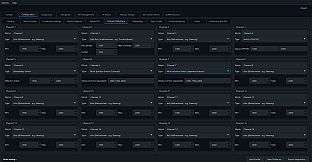
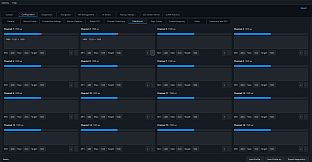
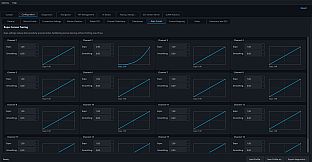
Players sit at a full sim setup and control actual RC models instead of virtual ones. Steering, throttle, and brake inputs travel from the PC through one of several hardware bridges to the vehicle's receiver. Gyro and accelerometer readings from the car generate immediate force feedback on the wheel, conveying curbs, bumps, and loss of traction without any simulated physics layer. Video arrives via digital FPV systems or WebRTC streams captured through HDMI or USB devices, keeping latency low enough for precise driving. Telemetry overlays show speed, battery voltage, G-forces, and link quality, with optional voice announcements for critical values. The system supports load-cell pedals, gamepads, and joysticks alongside direct-drive bases from multiple manufacturers. Four hardware tiers remove vendor lock-in: a basic audio PPM connection requires only a 3.5 mm cable, while higher tiers add USB serial adapters, Wi-Fi modules, ExpressLRS radios at up to 250 Hz, or a Raspberry Pi 5 with NPU acceleration for advanced navigation features. Any standard PWM RC chassis works with the software.
Game Modes
The experience centers on direct hardware bridging rather than discrete scripted modes. Users select a tier based on their available equipment and desired range or response speed. Tier 0 provides the simplest entry with audio cable linking, while Tier 3 delivers race-grade ExpressLRS performance for longer distances. Tier 4 adds companion computing for LiDAR-based navigation and autonomous elements when desired. Live HUD elements and voice telemetry remain active across all setups, allowing drivers to monitor vehicle status during runs. The open ecosystem encourages custom chassis builds and firmware tweaks through publicly available repositories.
Hardware Integration and Telemetry
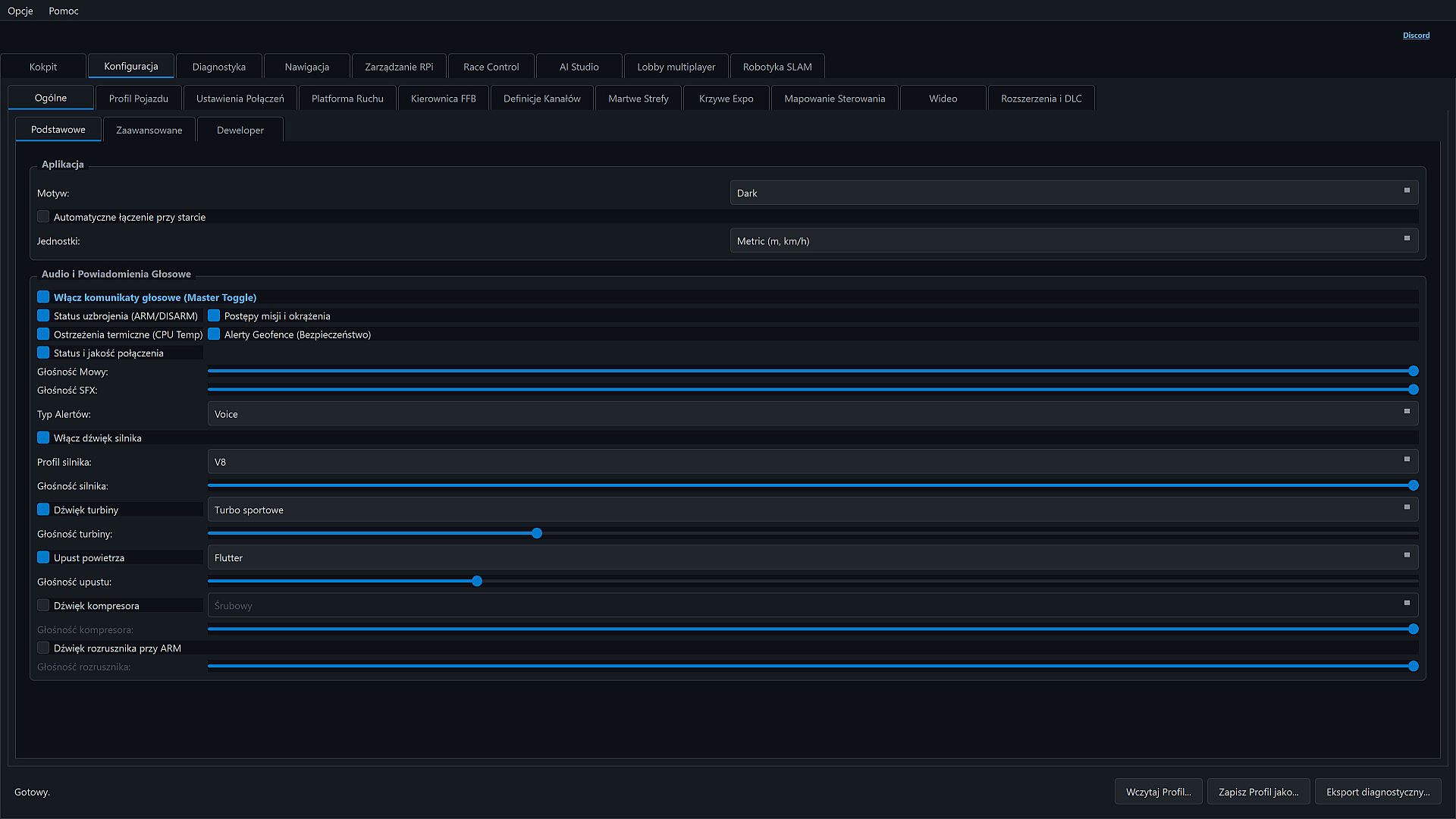
Force feedback originates entirely from the vehicle's physical IMU rather than game-engine calculations. Surface irregularities and traction changes register instantly on the wheel. FPV video integrates with popular digital systems through capture hardware, and WebRTC provides an additional wireless pathway. Telemetry streams include speed, voltage, G-forces, and RF quality, displayed on-screen or routed to external dashboards. Voice warnings alert drivers to low battery or weak links without requiring constant visual checks. The software remains compatible with existing sim gear and does not require proprietary controllers.
Is It Worth Playing?
RCSIM targets enthusiasts who already own sim-racing hardware and RC vehicles and want to combine the two in a single closed-loop system. The early-access state focuses on core bridging functionality with multiple hardware options and ongoing firmware development. Players receive real physical feedback and live data from actual models rather than rendered approximations. Those without compatible equipment or interest in DIY RC builds will find limited appeal, while dedicated sim racers and RC hobbyists gain a practical bridge between their rigs and real-world driving. Continued updates center on expanding tier support and telemetry features.











