






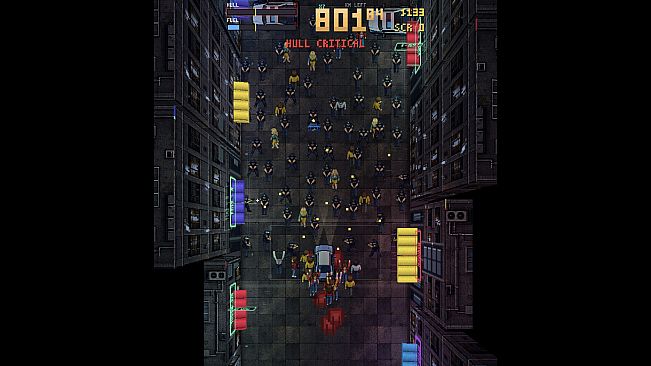
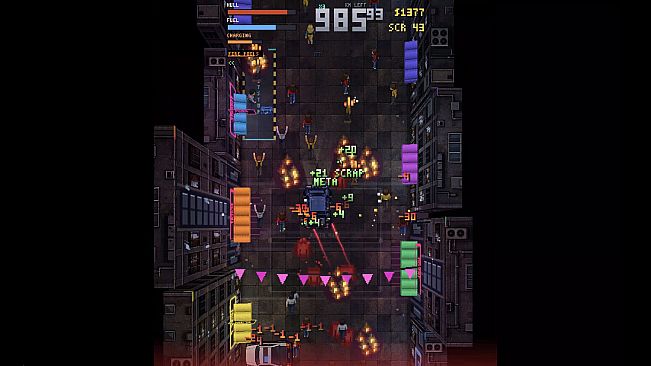
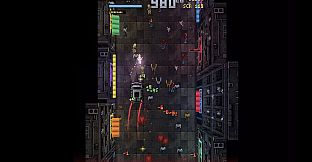


RoadKill Rally 2 is a vehicular action game with roguelite elements developed for PC. Players attempt to cover a full 1000 km distance while evading pursuit and navigating hazards in a setting where escape is the central objective. The experience emphasizes survival through repeated attempts, with each run shaped by decisions on upgrades and approach to threats.
Gameplay
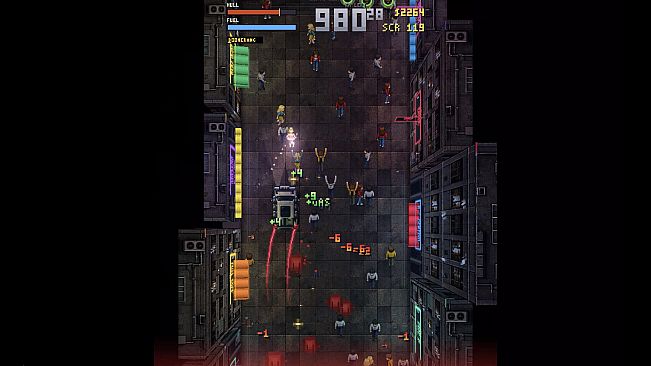
The core loop revolves around driving forward while managing obstacles, law enforcement, and military forces along the route. Players control a vehicle that must maintain momentum over long distances, reacting to dynamic road conditions and pursuers. Roguelite structure means each attempt starts fresh but carries forward knowledge and potential upgrades from prior efforts, encouraging adaptation over multiple runs.
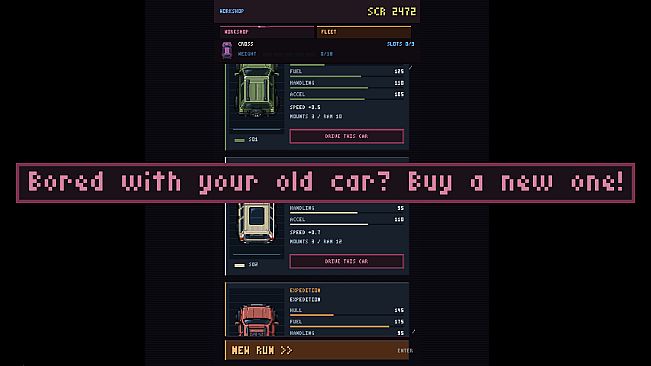
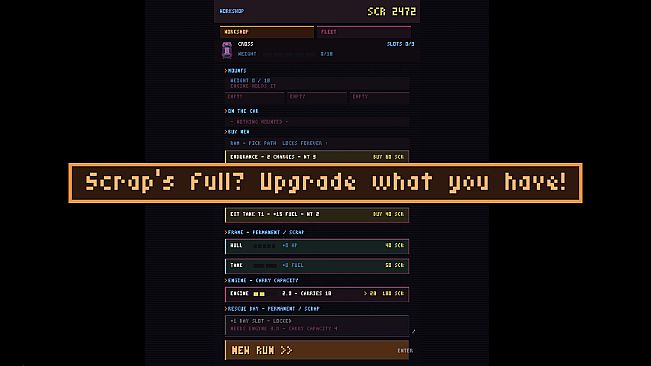
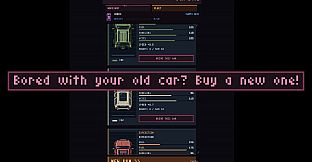
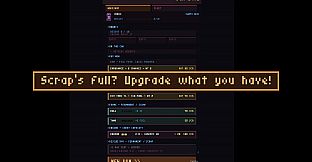
Upgrades occur at a workshop between segments of the journey. Here, players select modifications that improve vehicle performance, durability, or capabilities for the next stretch of road. This system ties directly into progression, as better preparation allows deeper advancement toward the 1000 km goal. The emphasis remains on determination and resource management rather than fixed paths.
Combat is optional. Players can choose aggressive tactics that involve direct confrontation or focus entirely on evasion and precision driving. The design supports a pacifist completion where no enemies are eliminated, shifting the challenge toward reflexes and route planning instead of destruction.
Game Modes
The game centers on a single-player roguelite campaign built around successive runs to reach the escape distance. Each attempt presents the same core challenge of covering 1000 km, but outcomes vary based on chosen upgrades and handling of encounters. There are no separate named modes beyond this unified structure, which blends action driving with light roguelite replayability.
Progression flows through repeated attempts that reward persistence. Players return to the workshop after setbacks or milestones to refine their vehicle, then re-enter the road with adjusted capabilities. This creates a loop where failure informs future strategies without altering the fundamental goal of survival and distance.
Progression and Vehicle Customization
Vehicle upgrades form the main avenue for growth. At the workshop, selections range from performance enhancements to defensive options, allowing tailoring to preferred play styles. These changes persist across runs in the roguelite framework, gradually increasing the chances of pushing further along the 1000 km route.
Customization supports both high-risk aggressive builds and conservative evasion-focused setups. The system encourages experimentation, as different combinations alter how players interact with obstacles and pursuers. Success depends on matching upgrades to the immediate challenges encountered during a run.
Player Choice and Approach
Decision-making extends beyond upgrades to how threats are handled on the road. The pacifist path prioritizes avoidance and careful navigation, testing timing and spatial awareness. An alternative approach involves engaging pursuers directly, which can clear paths but introduces additional risks and resource demands.
This flexibility shapes the tone of each run. Players decide what impact they leave behind, whether through minimal interference or more disruptive actions. The design keeps the focus on personal strategy within the constraints of the escape objective.
Is It Worth Playing?
RoadKill Rally 2 suits players who enjoy roguelite vehicular action on PC with an emphasis on survival runs and meaningful choices. The 1000 km escape goal combined with workshop upgrades creates a focused loop that rewards adaptation and persistence. Those who prefer games allowing both pacifist and combative styles will find the option to complete the experience without combat particularly distinctive. The indie casual action blend makes it accessible for short sessions while supporting longer attempts to master the route. Availability on PC positions it for straightforward access without additional platform requirements.











