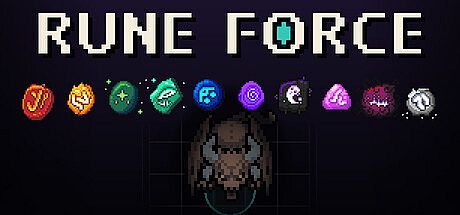


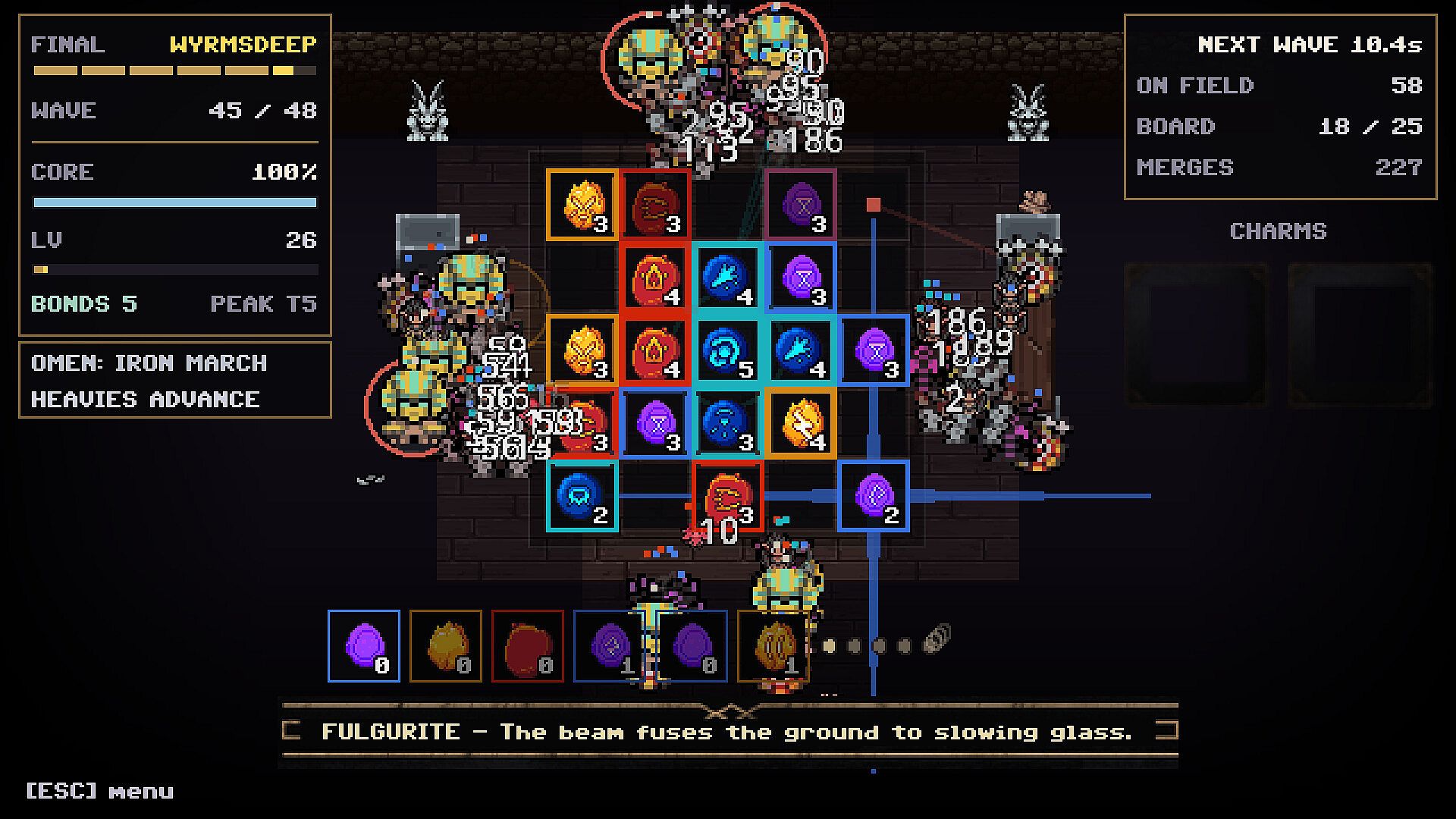
Rune Force is a survival roguelite that blends action, strategy, and light RPG elements on PC. Players merge elemental runes on a grid battlefield to build defenses around a central Core while fending off waves of monsters and bosses across escalating biomes.
Gameplay
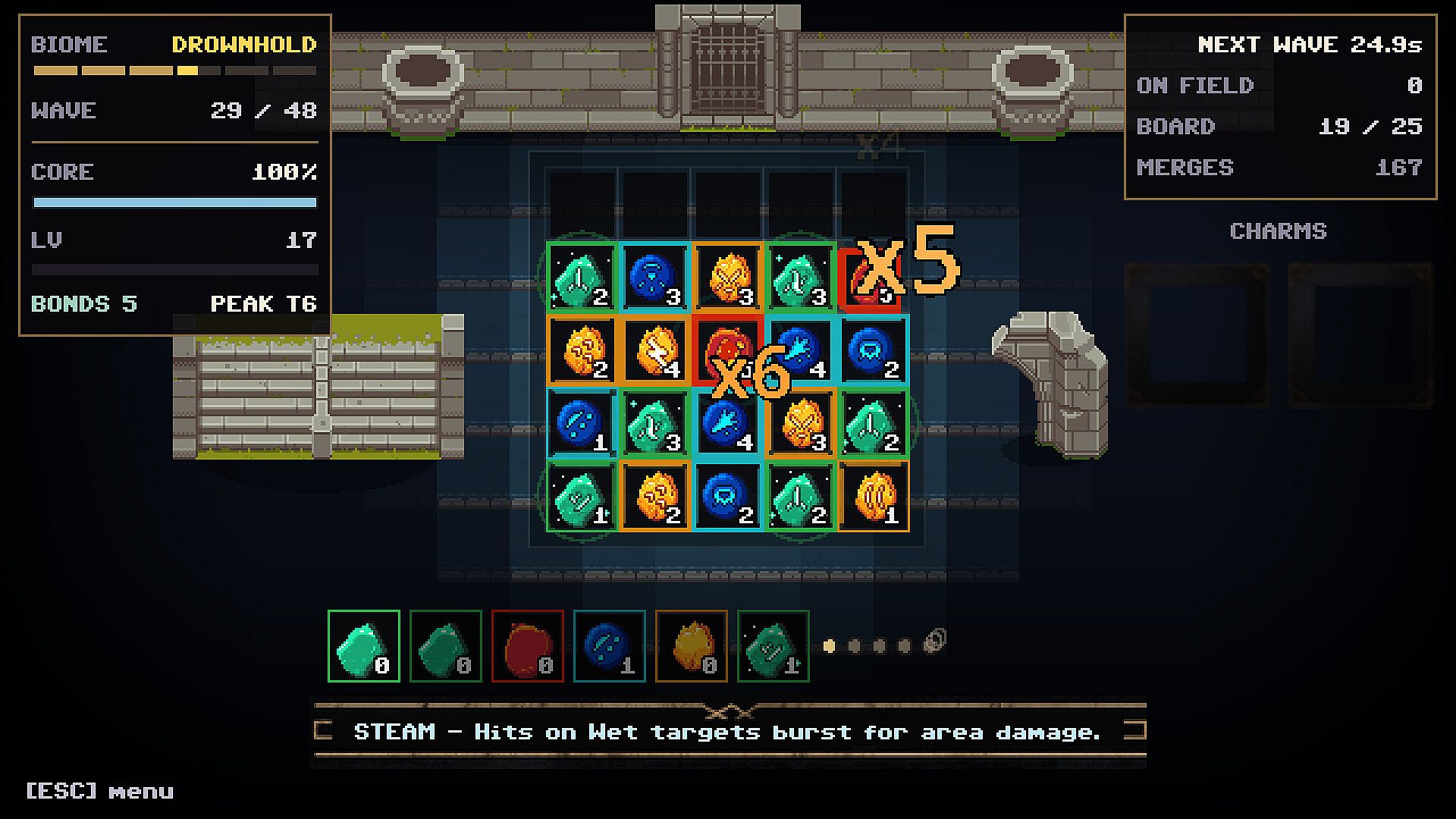
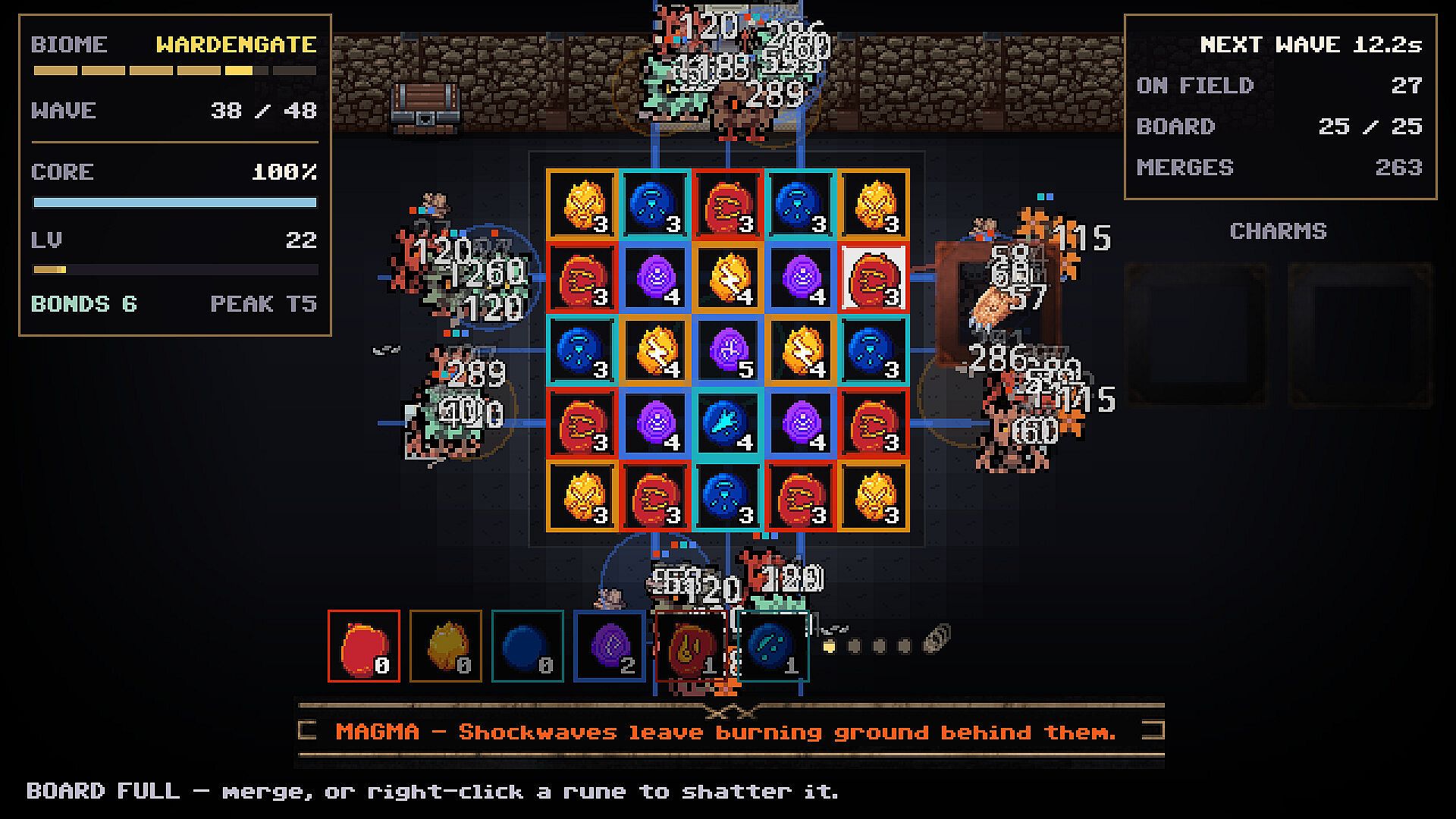
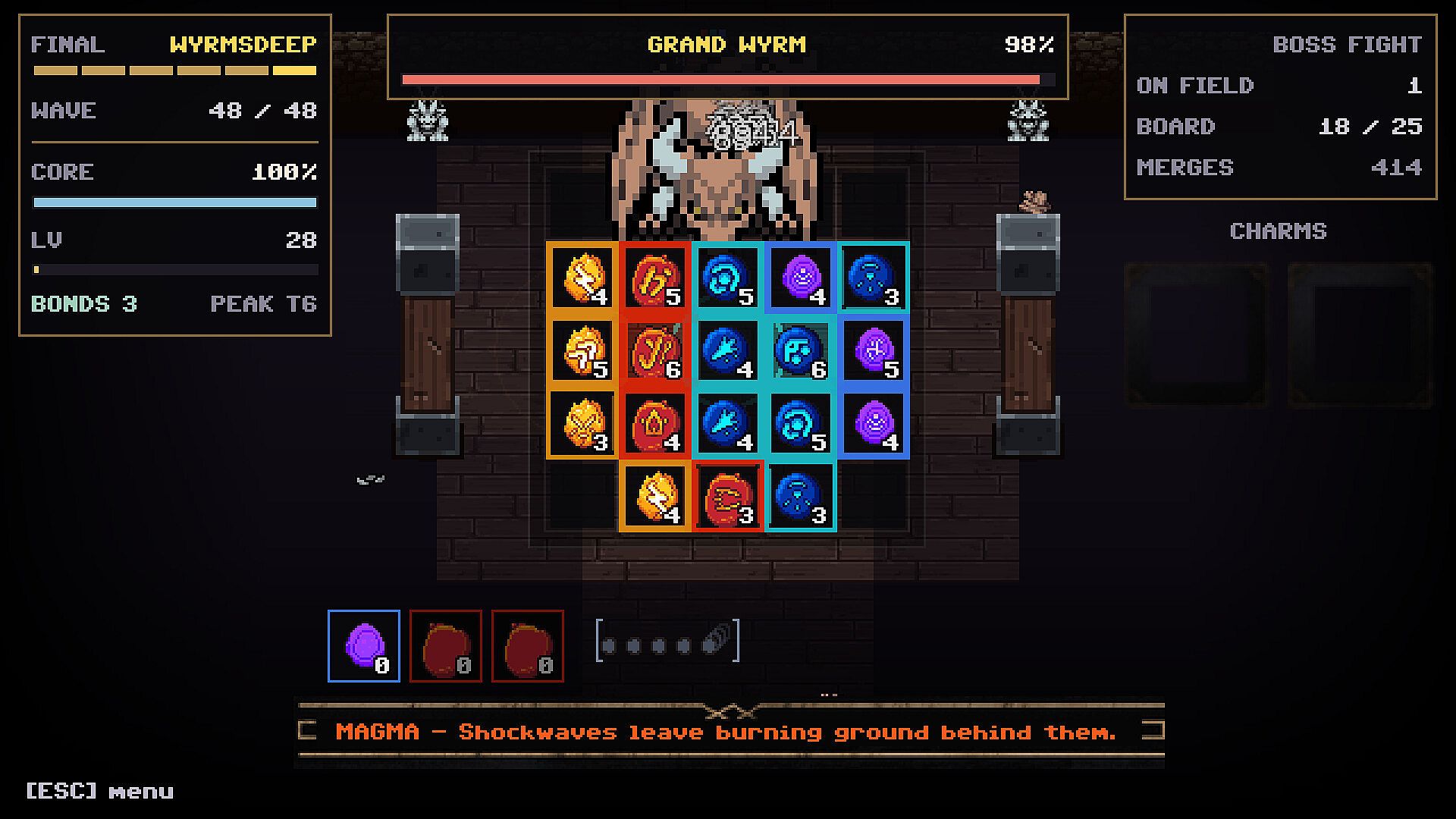
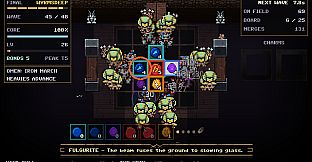
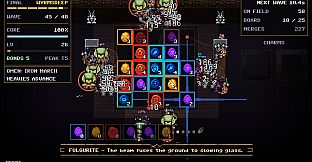
The core loop centers on placing runes around the Core and merging matching ones to create higher-tier versions. Seven tiers exist, and rapid merges create streaks that strengthen the setup. Positioning matters because space tightens as waves intensify, forcing players to balance dense coverage with powerful individual runes.
Elemental bonds add depth. Placing certain runes adjacent triggers interactions such as steam explosions from Tide and Ember or knockback from Iron and Umbra. Thirty such bonds reward experimentation and reward thoughtful placement over simple stacking.
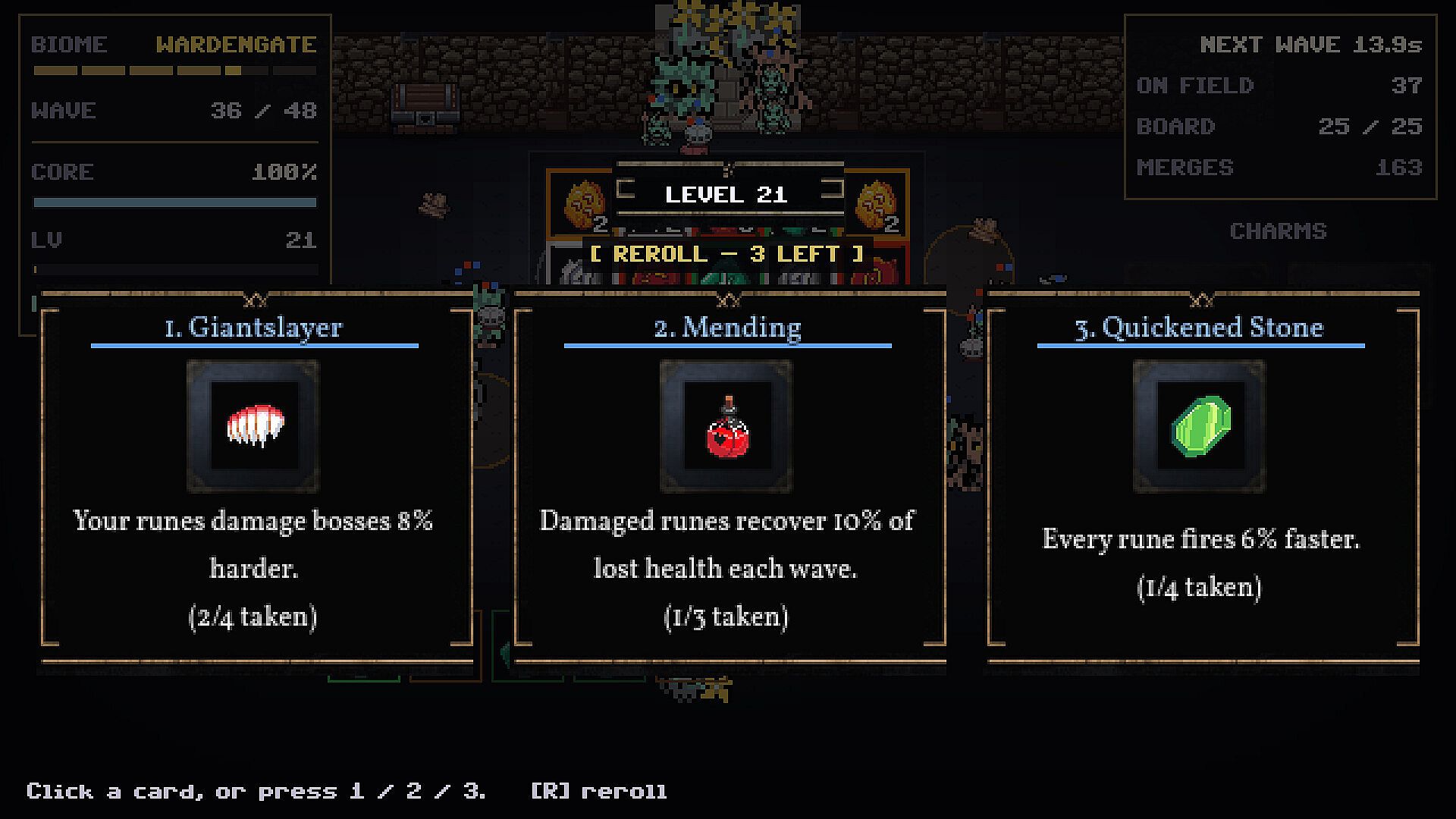
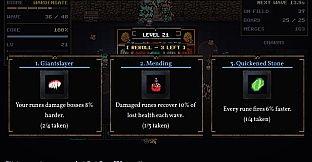
Level-ups deliver upgrade cards that alter the run, while relics appear between biomes and charms drop during fights. These systems let builds evolve into precise defensive setups or chaotic offensive ones. Bosses at the end of each biome pause new rune arrivals and test the current configuration directly.
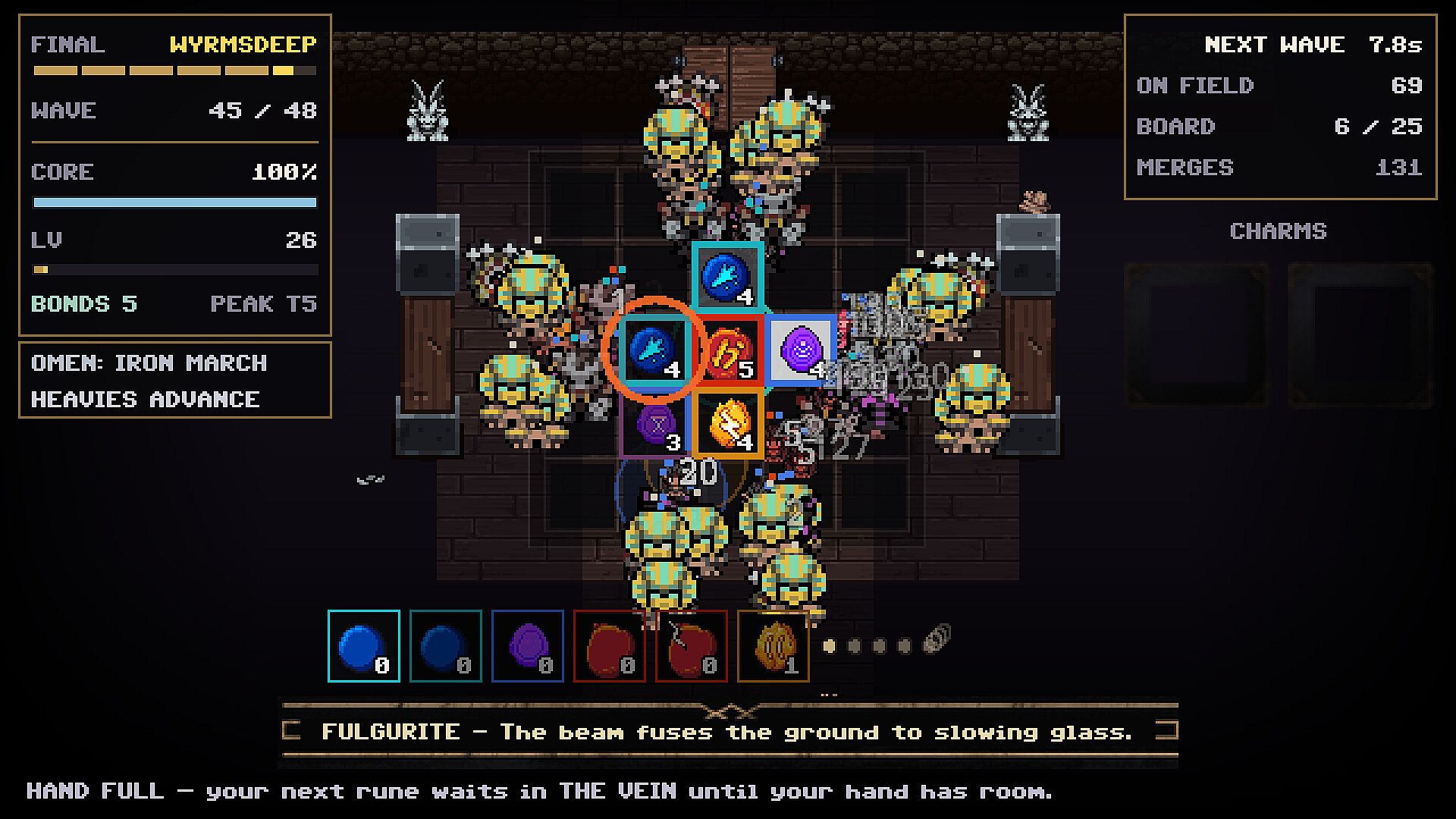
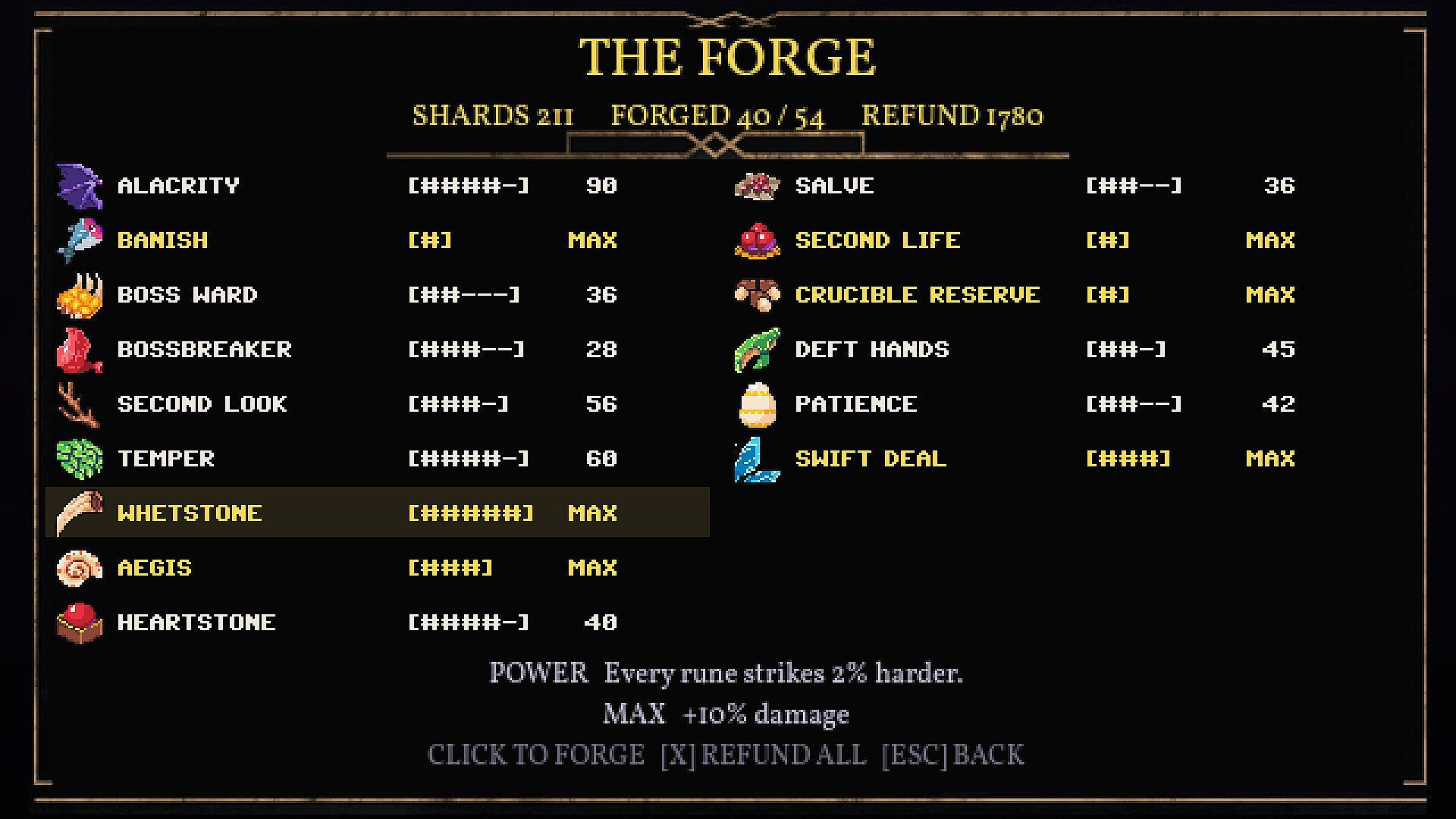
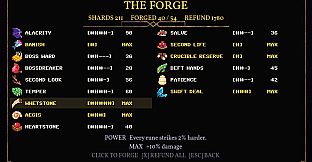
World Omens introduce sudden crises like packed enemy groups or ranged assaults. During these events runes arrive faster, creating a window to adapt or risk the wave spilling over. Permanent Forge upgrades purchased with shards from successful runs unlock new elements and options across five difficulty tiers.
Game Modes
Rune Force structures play around repeated runs that cross six biomes of increasing danger. Each run ends when the Core falls or the final threat is overcome, with every attempt presenting fresh rune draws and layout constraints.
Difficulty tiers shape the experience. Kindling offers an accessible entry point, while later tiers such as Wakening, Sundering, Ruinfall, and Unmaking introduce tighter space, stronger enemies, and stricter demands on positioning and bond usage. Clearing a tier unlocks the next and expands Forge options.
The roguelite format ensures no two runs play identically. Players adapt merges, bonds, and upgrades on the fly rather than following a fixed path, with bosses and omens breaking routine waves to demand immediate adjustments.
Progression and Builds
Shards earned from defeated bosses fund permanent Forge improvements between runs. These upgrades add new elements to the available pool and refine existing options, encouraging repeated attempts to unlock deeper customization.
Build variety arises from the interplay of merged runes, discovered bonds, collected charms, and chosen cards. Some configurations emphasize layered defenses that cover all approaches, while others focus on concentrated high-tier power supported by reactive effects. The grid layout and limited space make every placement decision count toward survival.
Is It Worth Playing?
Rune Force suits players who enjoy short, repeatable sessions built around strategic placement and quick decision-making. The merging system and bond interactions create satisfying moments of discovery when combinations click, and the escalating biomes plus boss fights provide clear goals within each run.
Those who prefer methodical tower defense or deep character customization may find the pace and randomness engaging or frustrating depending on tolerance for adaptation. The five difficulty tiers offer a clear path for players seeking greater challenge after mastering earlier stages, with permanent upgrades providing long-term motivation to return.
The game delivers a focused single-player experience centered on defense construction and elemental synergy, making it a solid choice for fans of roguelite survival titles that emphasize grid management over open exploration.