






Runic Conflux is a roguelike deckbuilder that blends strategy and indie design on PC. Players build decks around cards, items, elements, and runes that create layered synergies during each run. The core loop centers on managing elemental affinities, applying status effects through runes, and upgrading components to overcome successive challenges.
Gameplay
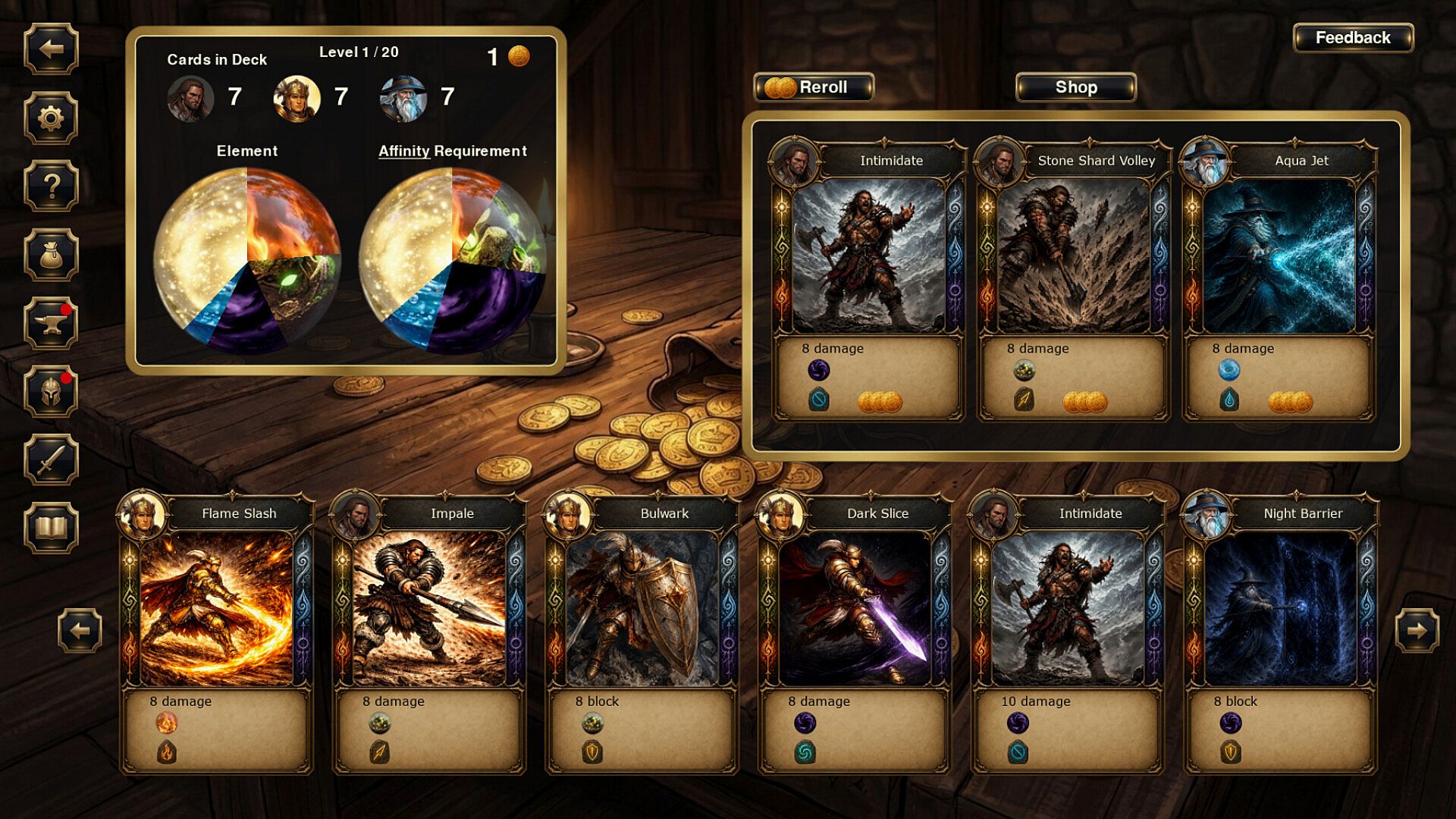
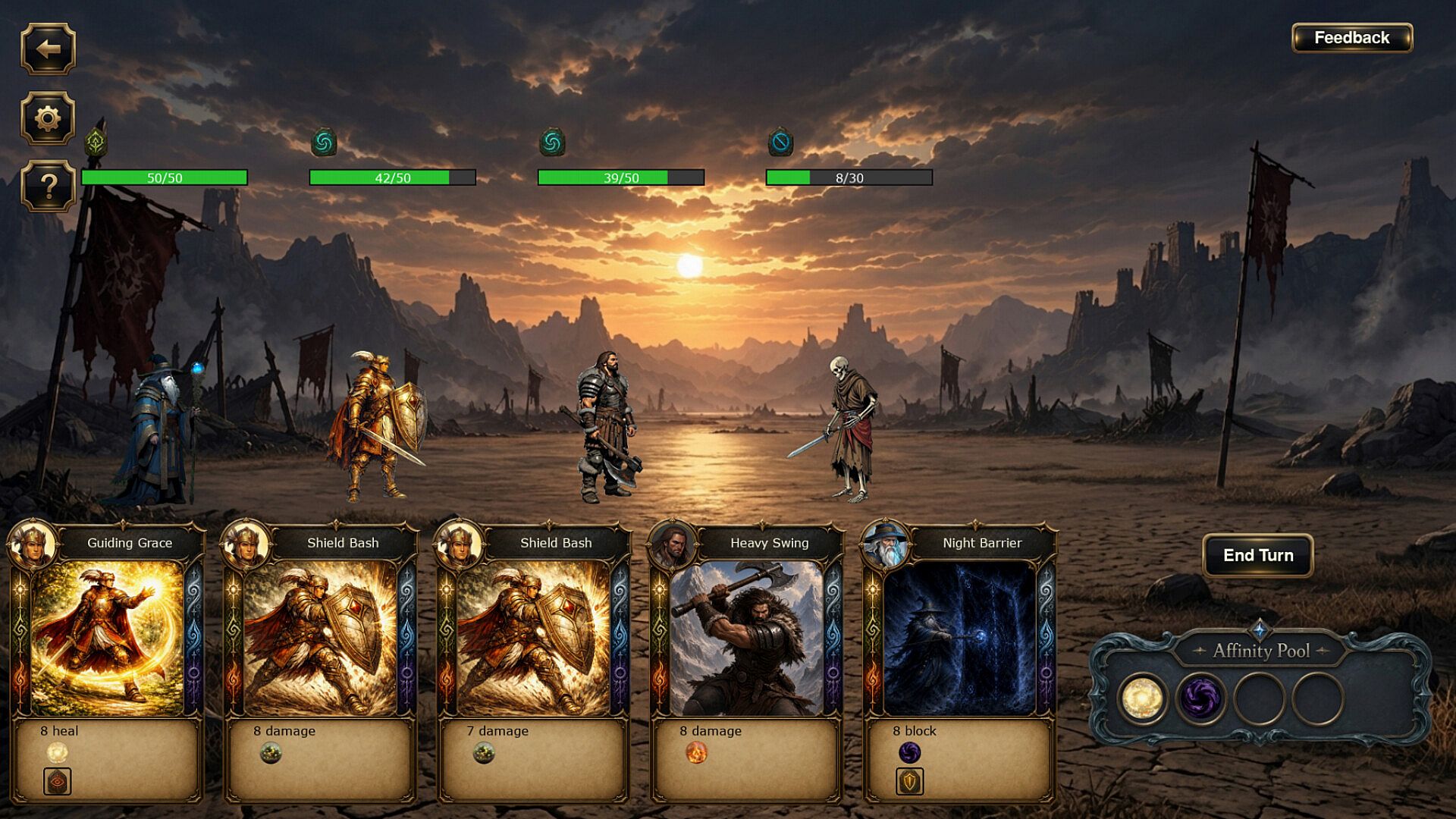
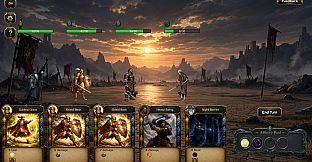
The gameplay revolves around a deck of cards divided into three tiers. Each card delivers a primary effect such as damage, healing, or blocking, and it can also apply runes once the required elemental affinities are met. Elements enter an affinity pool when cards are discarded, allowing players to meet the conditions for stronger rune applications on subsequent plays.
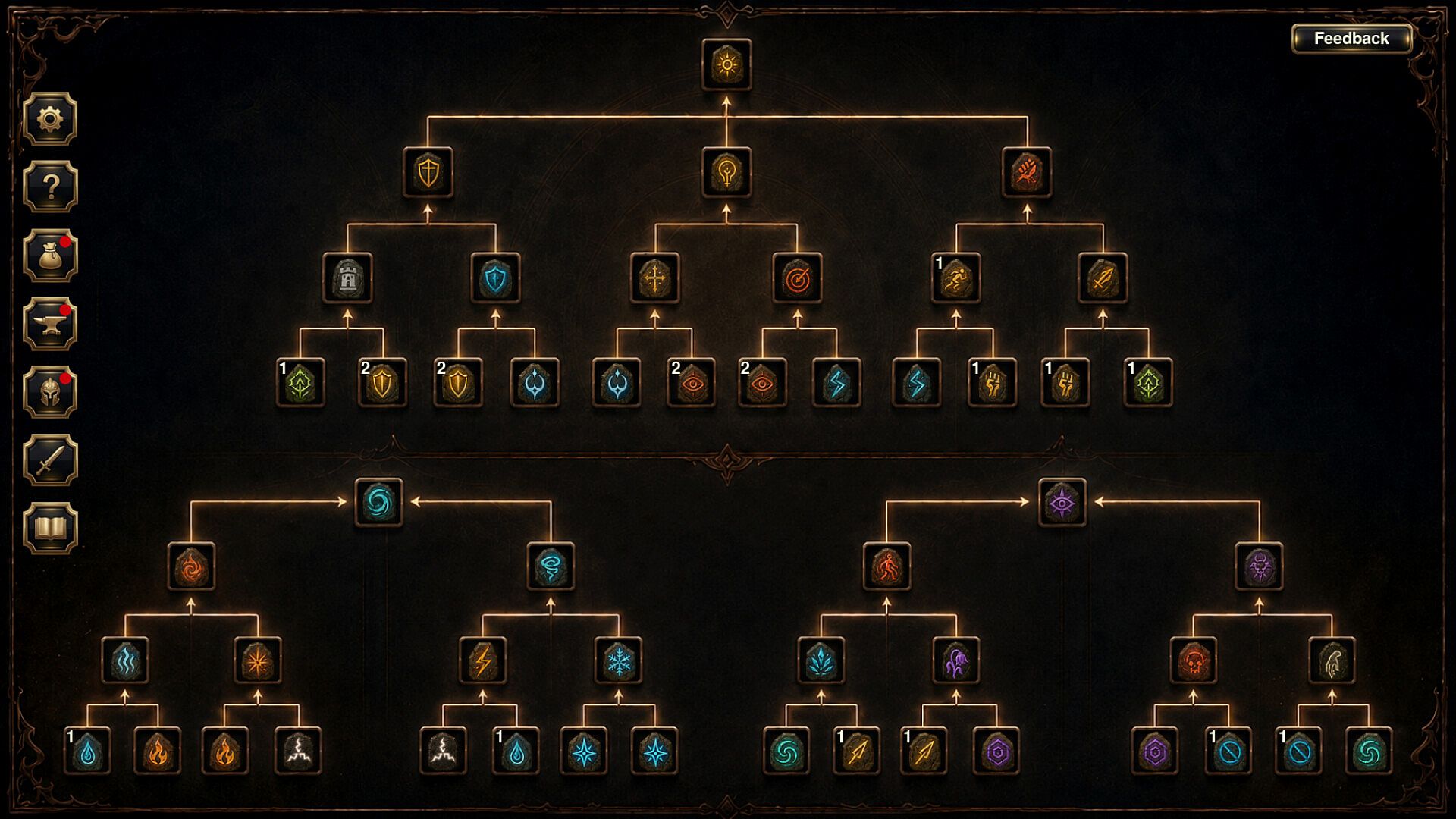
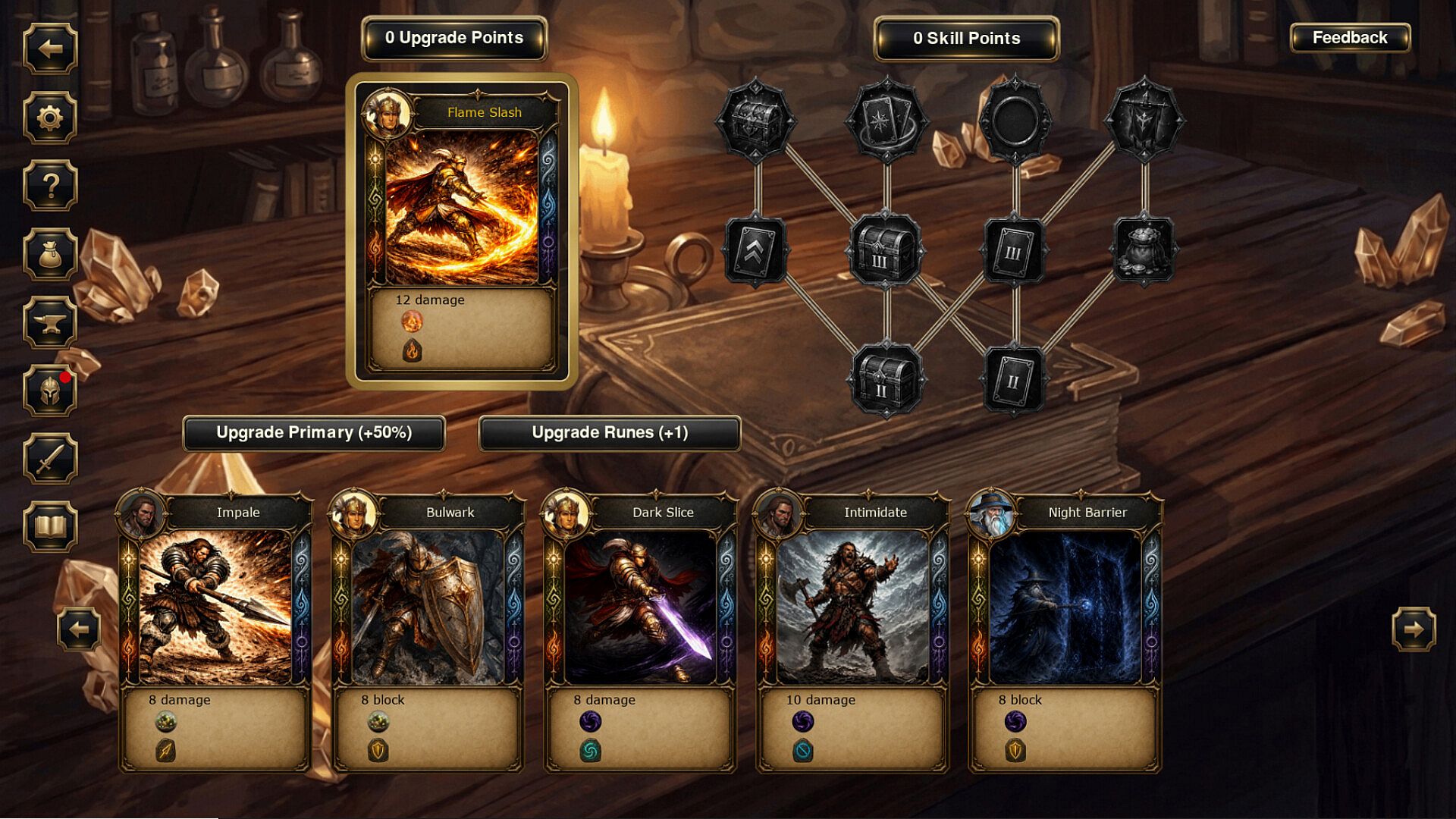
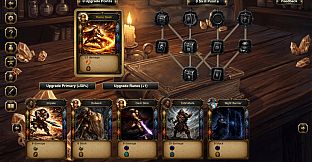
Runes themselves operate across four tiers and deliver status effects. They combine into more powerful versions according to upgrade trees, with three distinct trees available that emphasize different strategic focuses. Cards and runes receive upgrades that enhance either their primary effects or their rune capabilities.
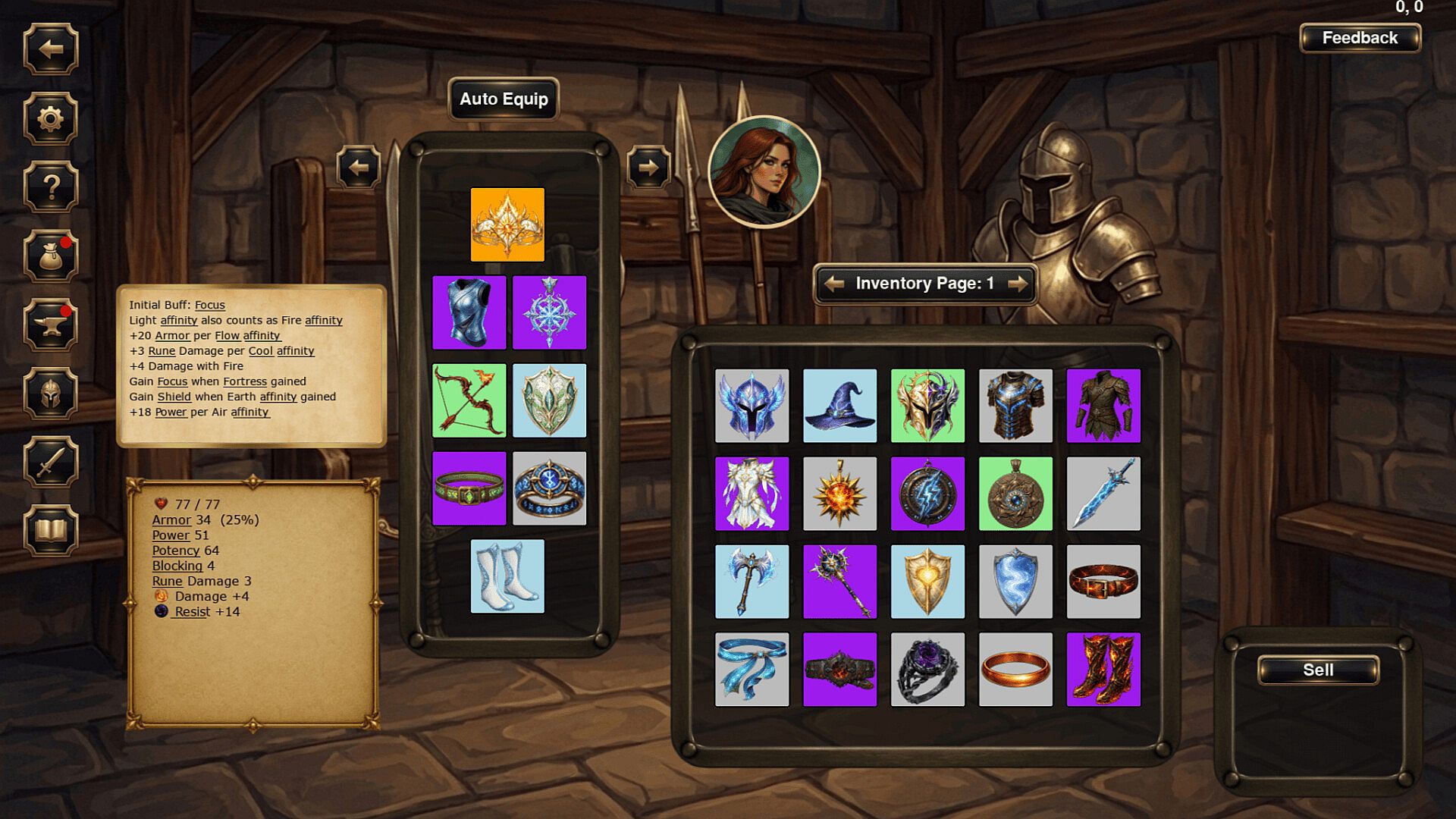
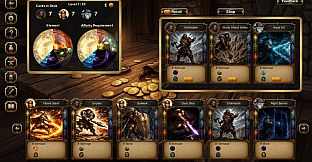
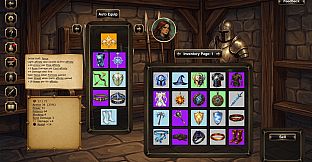
Items add another layer of depth with five tiers of effects that interact with elements, runes, and character statistics. Players combine lower-tier items to create higher-tier versions, and each character equips up to eight items at once. A skill tree provides powerful upgrades that apply only during a single run and reset completely afterward, eliminating any form of meta progression between attempts.
Each run begins with the selection of three heroes out of five available options. This choice shapes the starting synergies and influences how cards, runes, and items interact throughout the attempt. The system rewards careful planning around elemental affinities and rune combinations while still allowing primary card effects to function independently.
Game Modes
Runic Conflux structures its experience around independent roguelike runs. Each attempt starts fresh with hero selection and proceeds through challenges that test deck synergies and upgrade paths. The absence of meta progression means every run stands alone, encouraging experimentation with different hero combinations and rune tree focuses.
Progression within a run depends on acquiring and upgrading cards, items, and runes while managing elemental affinities. The design supports repeated playthroughs by varying the available synergies and upgrade opportunities across attempts, without carrying over power from one run to the next.
Core Systems and Progression
Elemental affinities form the foundation for rune application, created through deliberate card discards. This mechanic ties directly into combat decisions, as players balance immediate primary effects against the setup required for stronger rune status effects. The four-tier rune system and its upgrade trees reward players who plan combinations across multiple turns.
Item combination and equipment limits add inventory management to the strategic layer. With five tiers available and interactions that span elements, runes, and stats, items serve as flexible tools for customizing each hero's role within the three-hero party. Upgrades to cards further refine these builds by improving either base effects or rune potential.
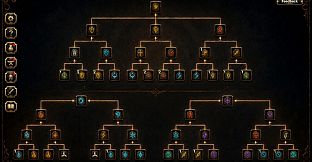
The resetting skill tree ensures that power spikes remain temporary and tied to the current run. This approach keeps focus on in-run decision making rather than long-term accumulation, aligning with the roguelike emphasis on adaptation and synergy discovery.
Is It Worth Playing?
Runic Conflux suits players who enjoy roguelike deckbuilders with interconnected mechanical layers. The emphasis on elemental affinities, multi-tier runes, and item combinations creates opportunities for deep strategic planning within each independent run. Those who appreciate building around synergies between cards, status effects, and equipment will find the systems rewarding to explore.
The lack of meta progression and the requirement to choose three heroes per run promote varied approaches across attempts. Strategy fans looking for a self-contained experience on PC may find the intertwined mechanics engaging enough to justify multiple play sessions focused on optimization and experimentation.











