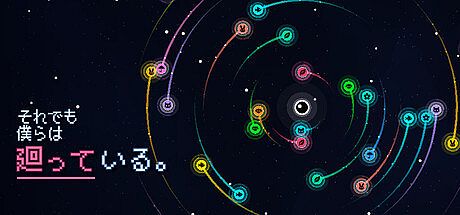


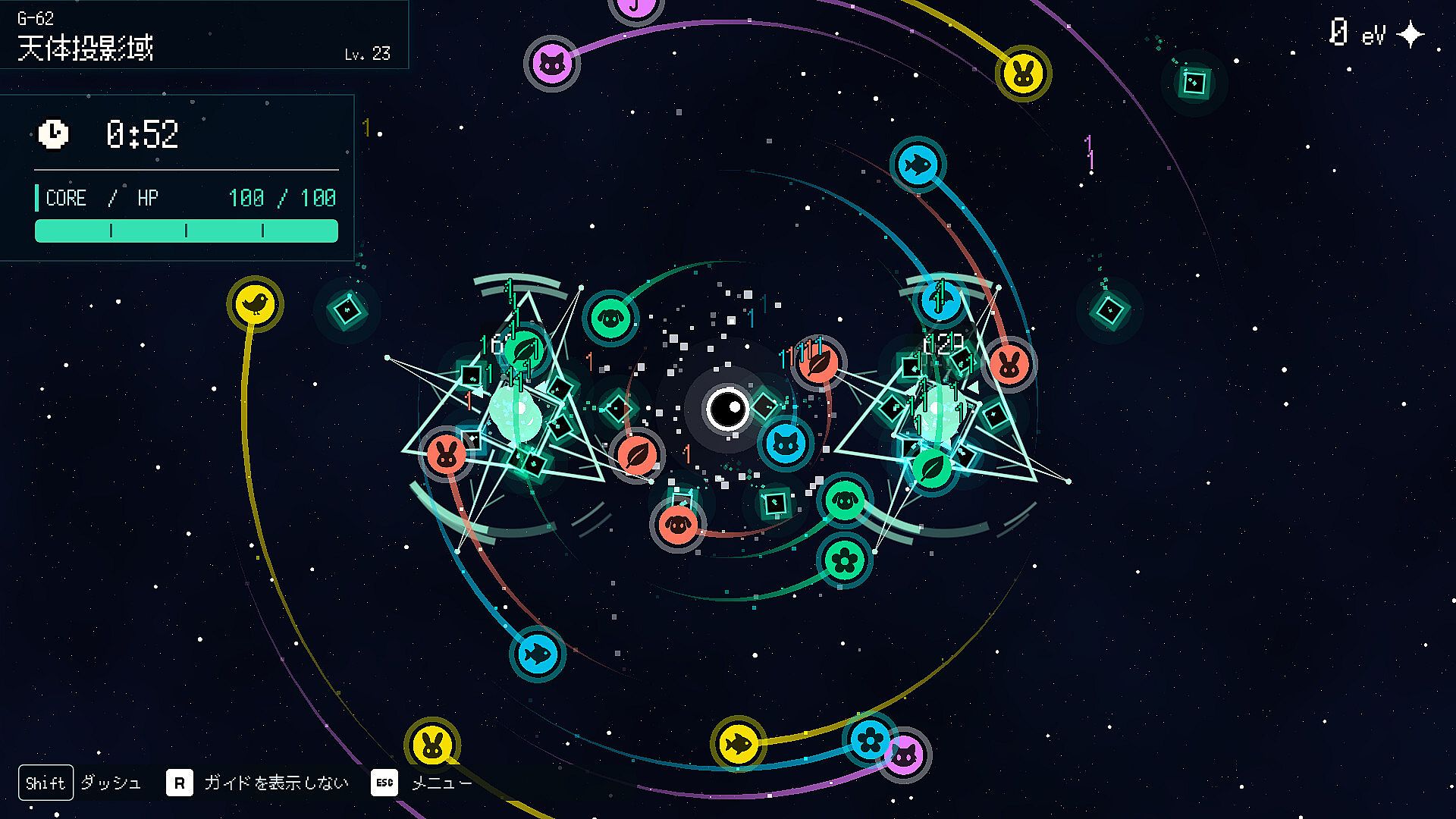
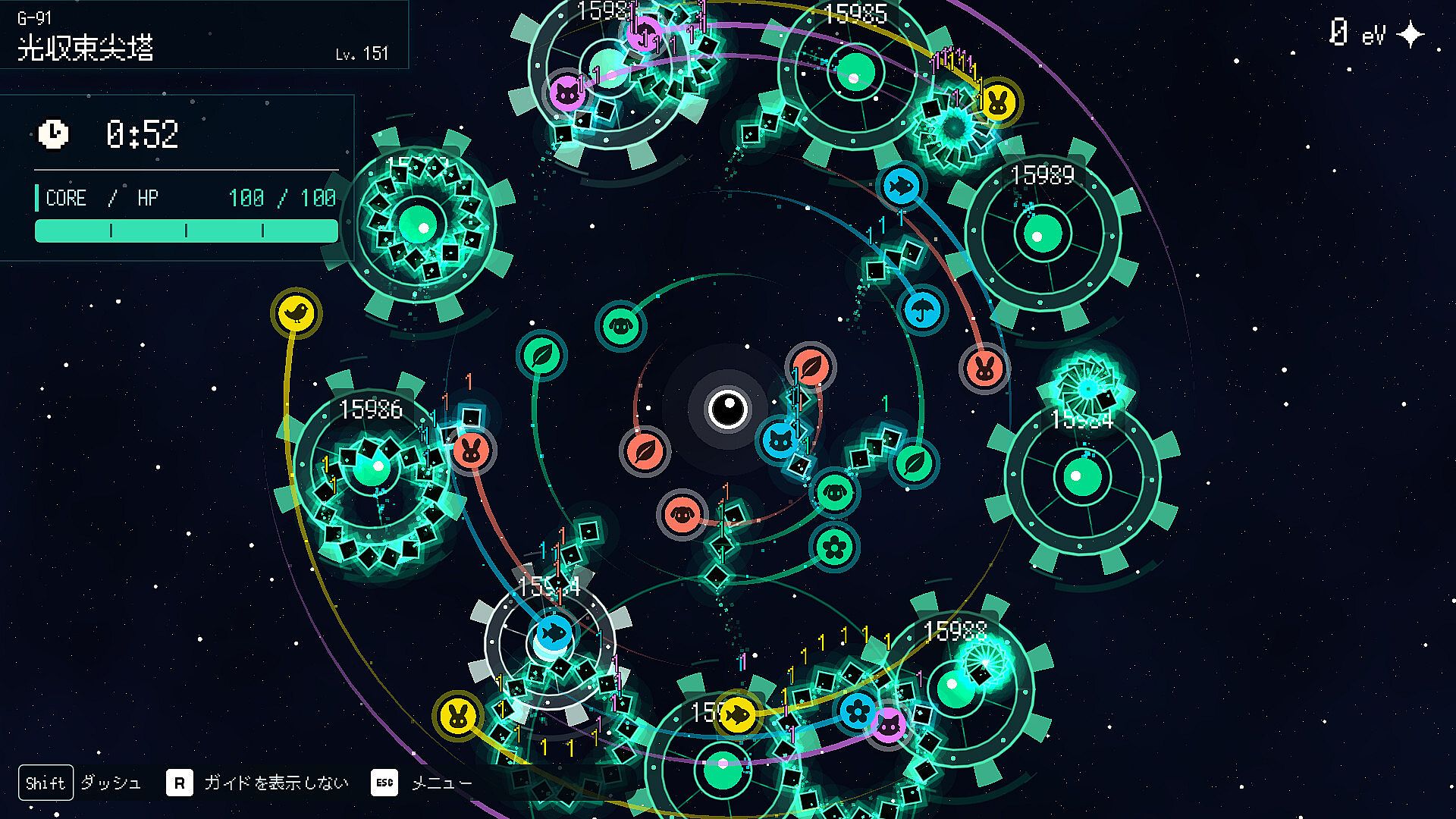
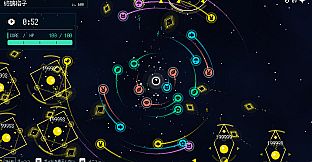
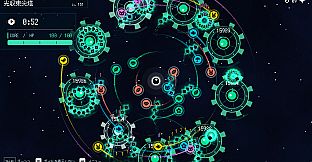
それでも僕らは廻っている。 is an action indie game built around a distinctive orbital combat system on PC. Players navigate stages filled with enemies while managing a collection of stars that circle their character at all times. These stars serve as the primary means of offense and defense, turning every encounter into a test of positioning and build synergy rather than direct button mashing.
Gameplay
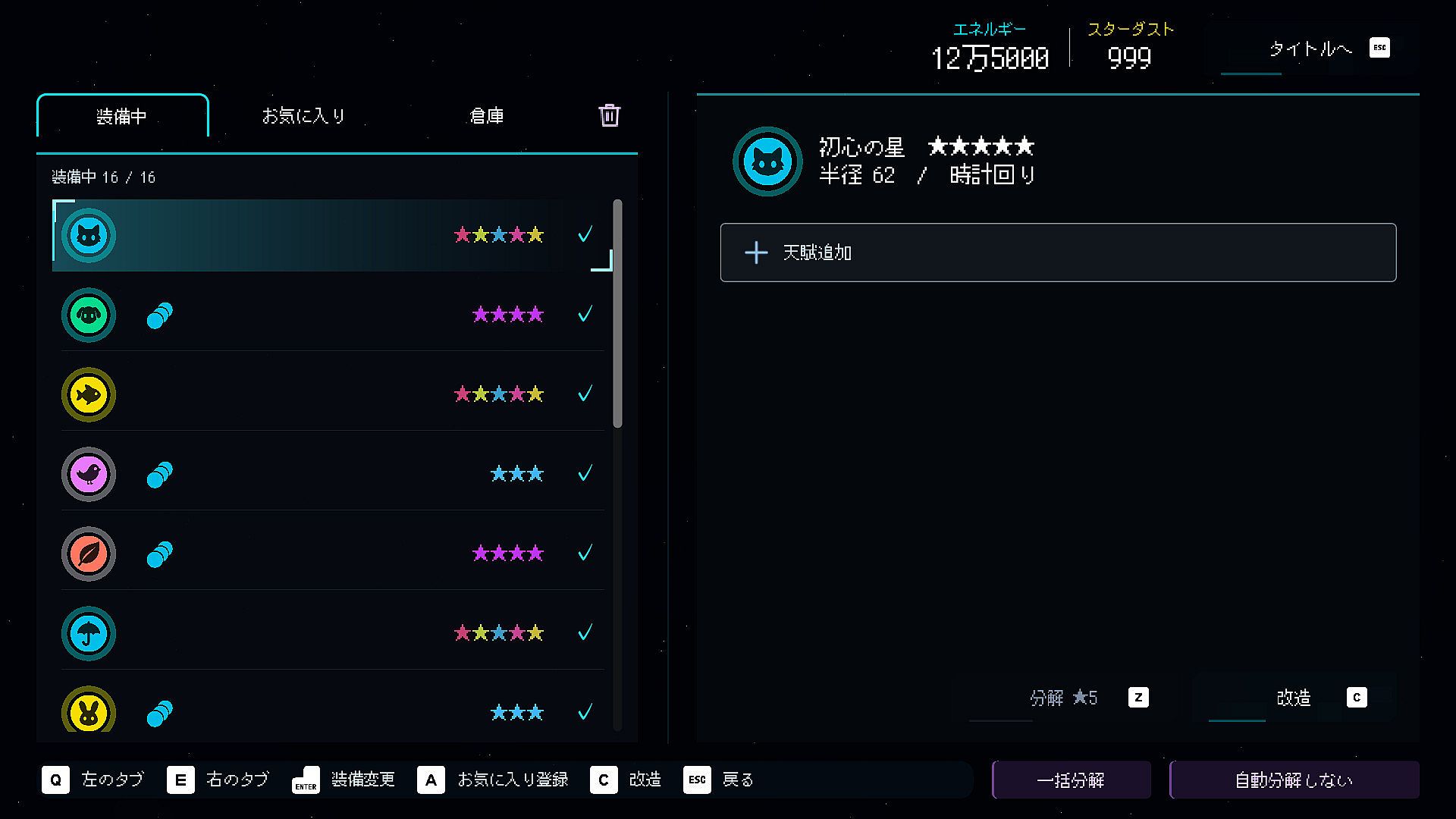
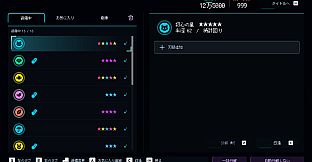
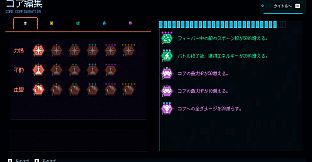
The core loop centers on collecting stars during battles and then strengthening them between runs. Stars come with unique abilities that can be enlarged, duplicated, made to explode, resonate with others, or provide healing effects. Combining these traits lets players create custom orbital patterns that clear dense bullet hell patterns more efficiently. Materials gathered from defeated enemies feed directly into upgrades, and the game balances progression around the assumption that players will refine their collection methods over time.
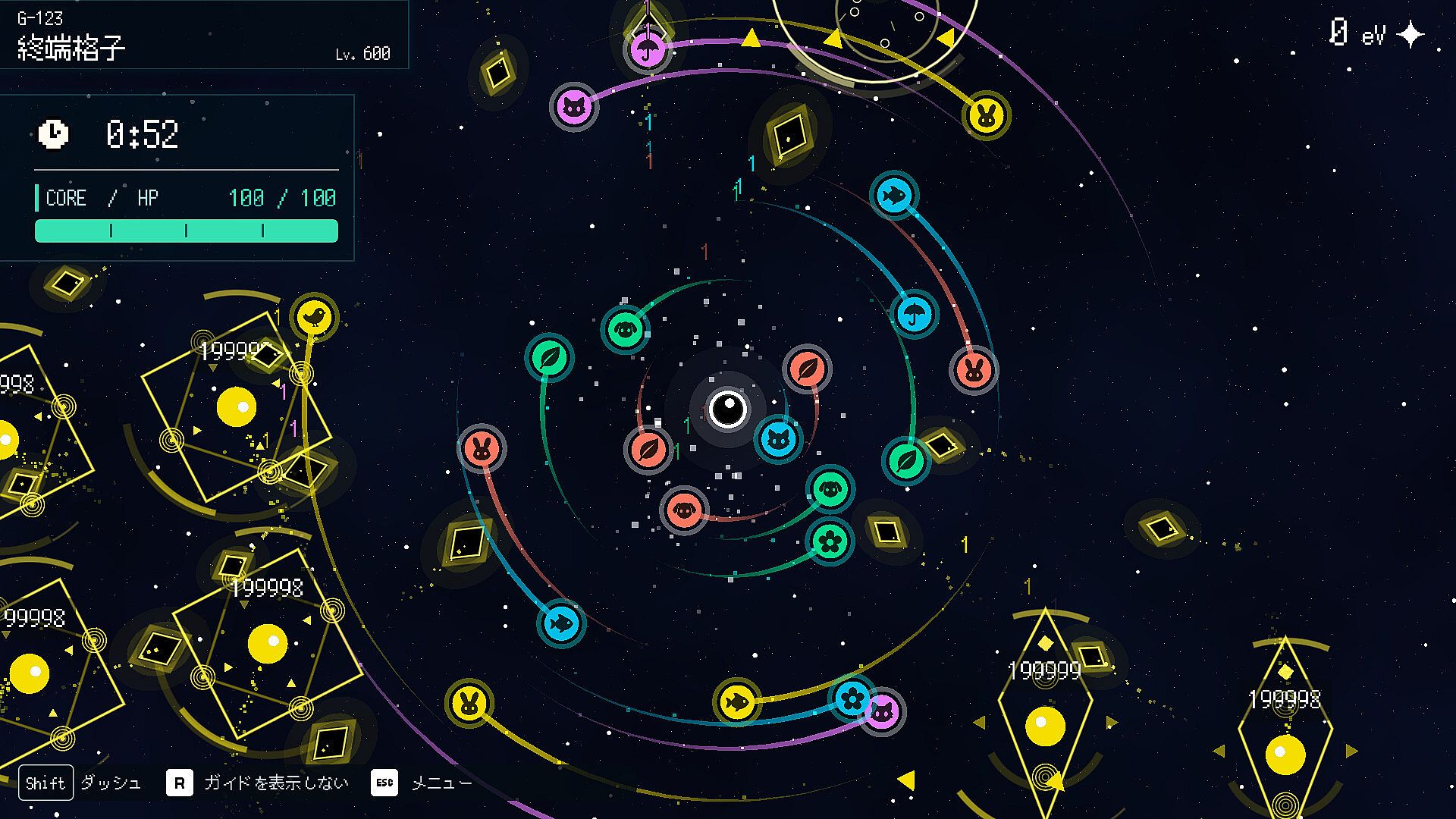
Farming efficiency plays a central role. Repeating stages without adjustments yields limited gains, while discovering better routes or ability combinations can multiply material output dramatically. In later stages this extends to setting up automated collection systems that run while the player steps away. Stars obtained in any battle remain in the player's inventory regardless of success or failure, removing the risk of losing hard-earned assets and encouraging experimentation across multiple attempts.
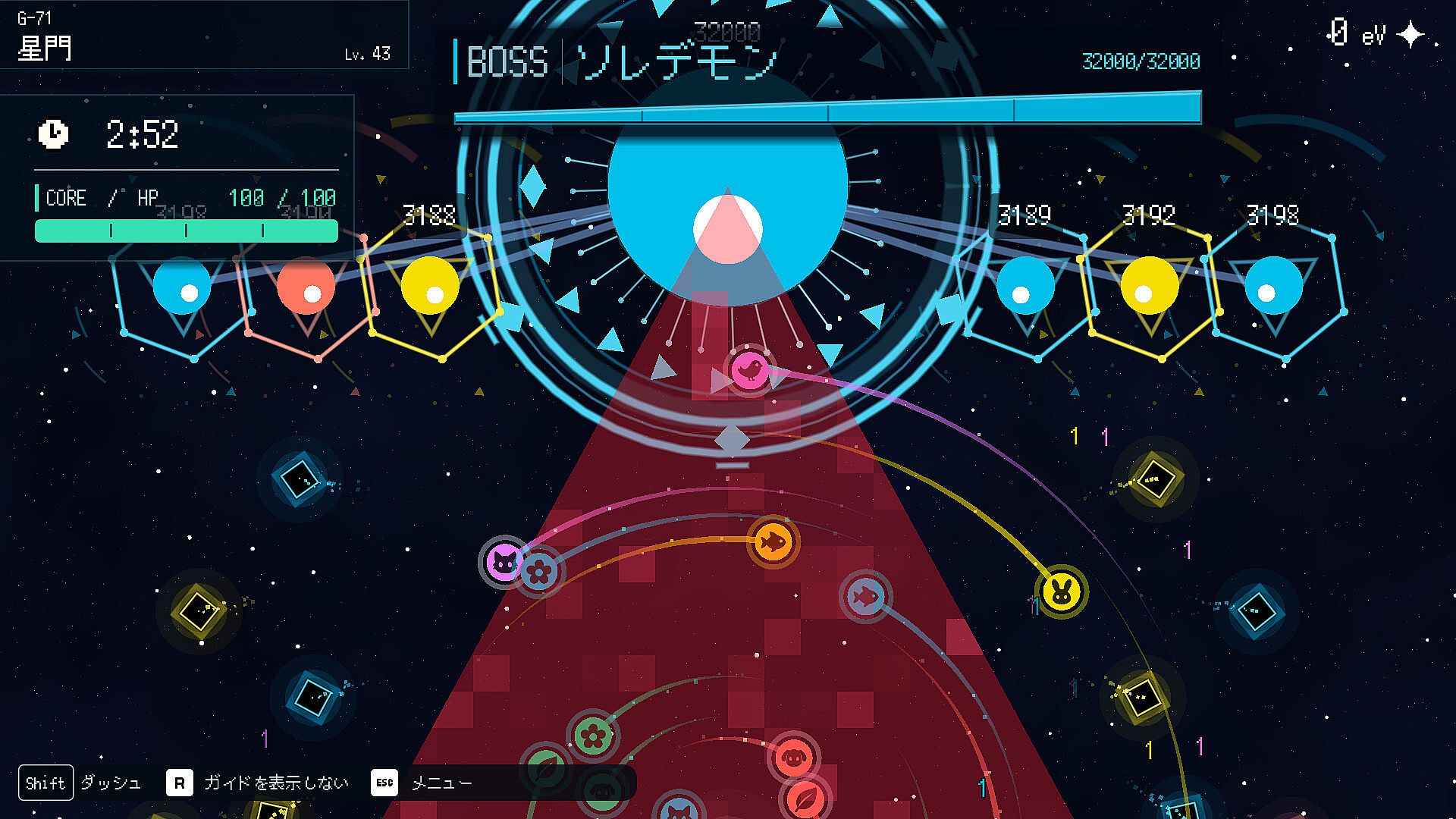
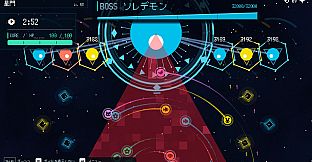
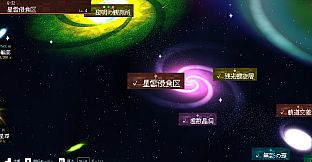
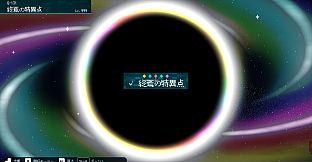
The campaign spans twelve floors containing twenty-eight stages in total. Four distinct bosses appear at key points, each requiring tailored orbital setups to overcome. Stage development options improve drop rates and speed up subsequent farming runs, creating a feedback loop where early optimization pays off in faster material accumulation later.
Game Modes
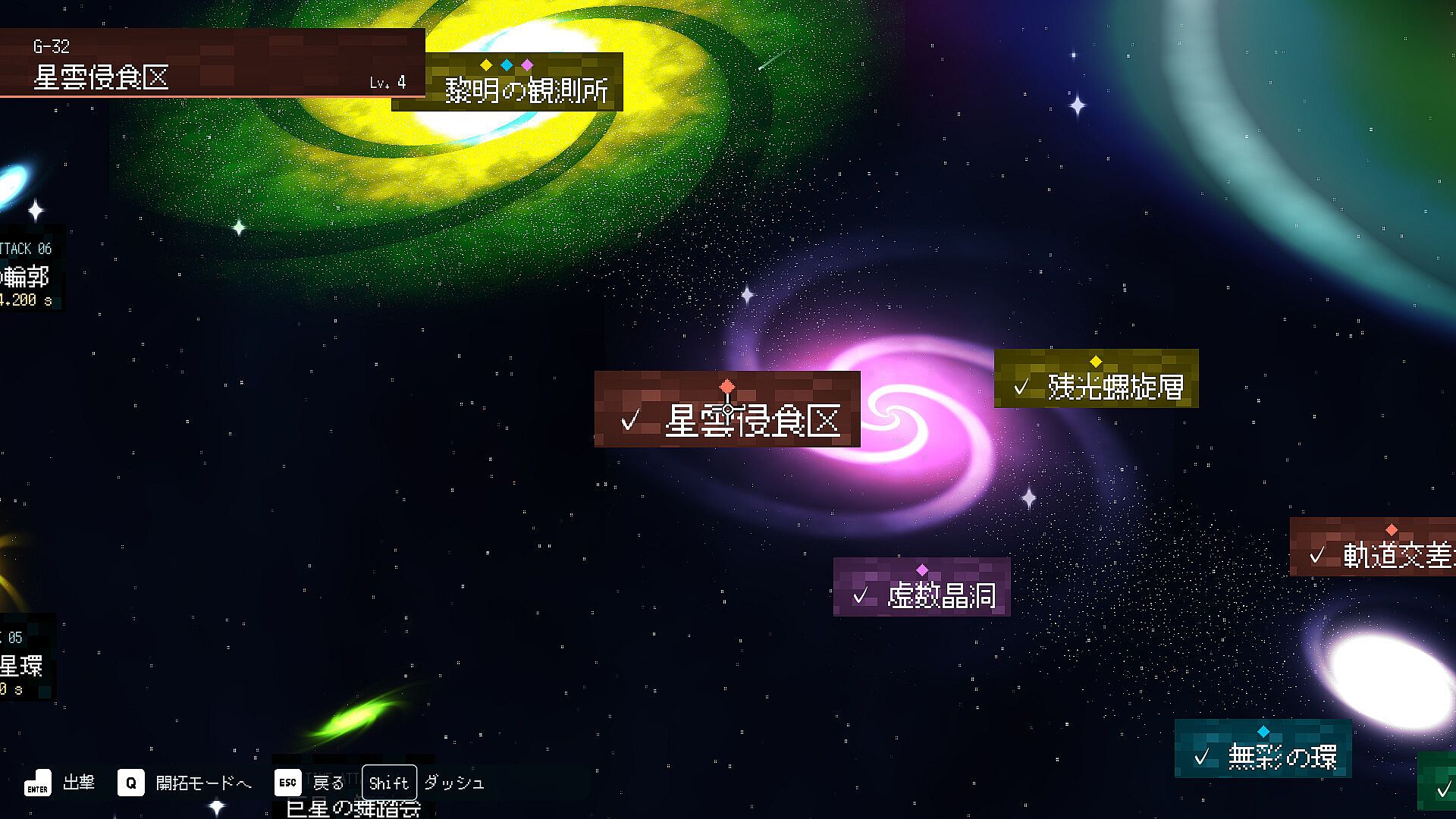
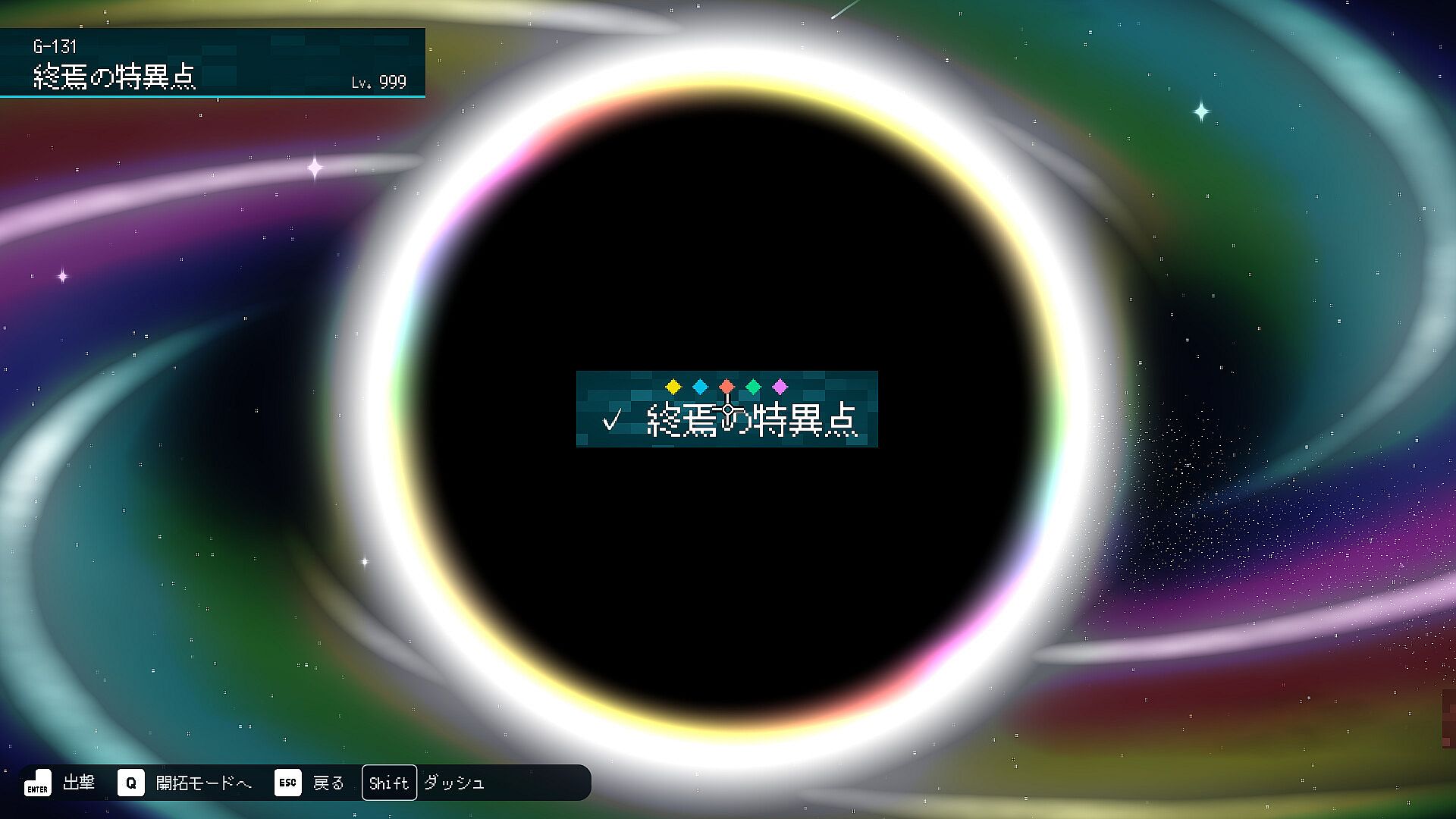
Progression follows a linear stage structure across the twelve floors. Players select stages to farm specific materials or push toward boss encounters. Each stage supports repeated runs, with development upgrades that enhance rewards and reduce clear times. Boss fights serve as checkpoints that test the strength of a player's current star configuration before advancing further.
No separate competitive or cooperative modes exist. All activity remains single-player focused on building stronger orbital systems through repeated stage clears and material investment. The emphasis stays on refining personal strategies rather than external competition.
Build Customization and Progression
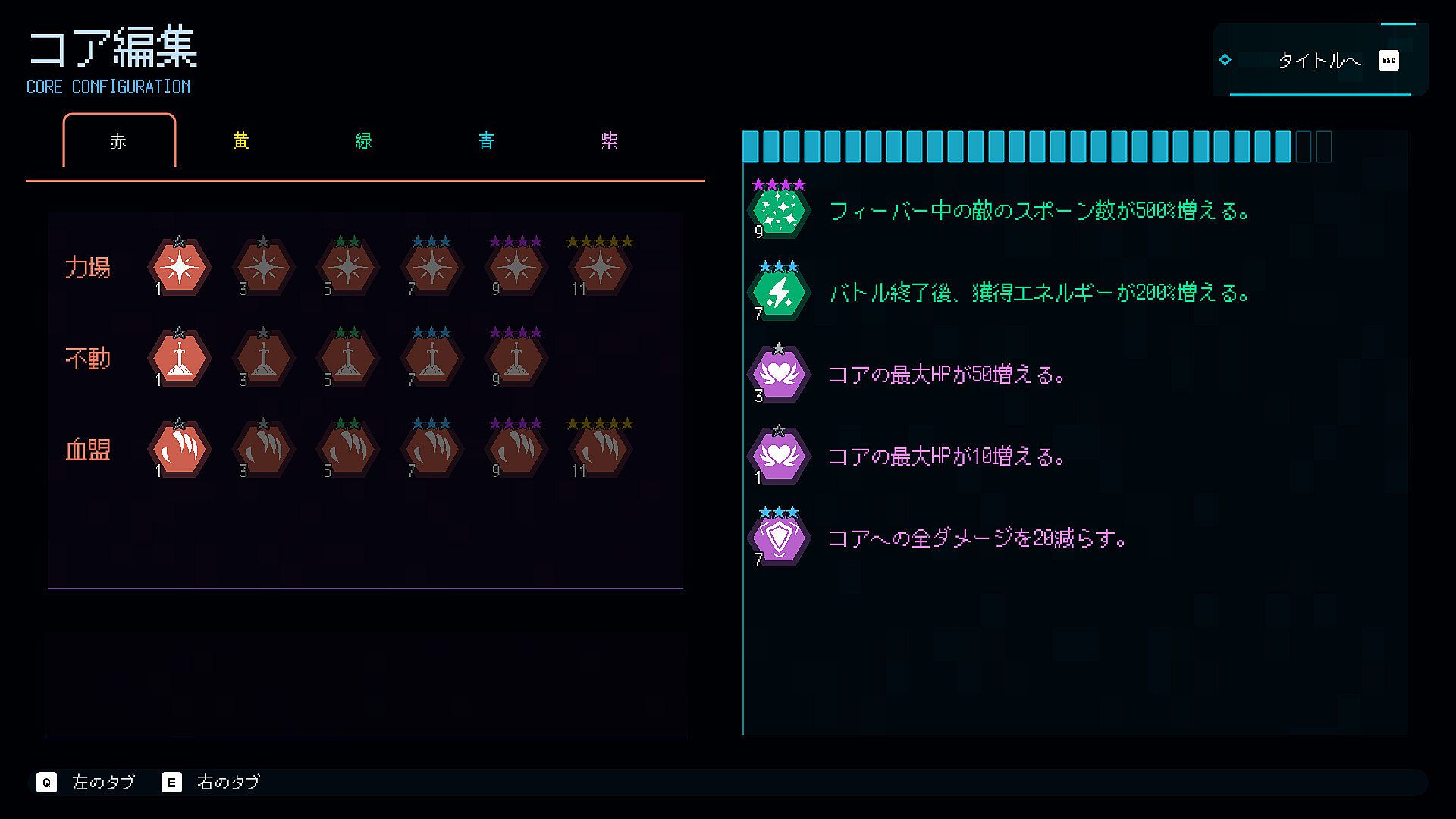
Stars function simultaneously as weapons, shields, and build foundations. Each new star adds options for ability mixing, allowing players to experiment with explosive chains, resonance effects, or defensive clusters. The system rewards players who test combinations across different stage layouts instead of relying on a single fixed setup.
Endgame content shifts toward sustained farming and automation. Reaching higher material thresholds often requires leaving the game running unattended while collection systems operate. This design assumes players will actively seek efficiency improvements rather than treating every run as identical repetition.
Is It Worth Playing?
The game suits players who enjoy deep farming optimization and are comfortable with idle mechanics. A full playthrough lasts roughly five to ten hours when focusing on main progression, though dedicated farming can extend that time significantly. Those who dislike methodical efficiency tuning or prefer constant direct control will likely find the later stages repetitive and unrewarding. The title delivers a focused experience centered on orbital customization and material management for players who appreciate that specific loop.