







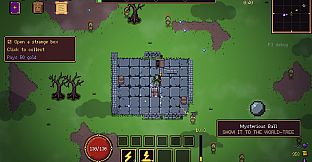
Spellsanity: Wizard Survival is a single-player action game on PC that blends dark fantasy themes with survivors roguelite mechanics and bullet heaven combat. Players take on the role of the last keeper of the World-Tree, awakening with no memory after the Archkeeper tears open the tree and unleashes uncontrolled magic that withers the realms. The core loop revolves around repeated runs where survival depends on quick decisions, spell combinations, and adapting to escalating threats from corrupted creatures.
Gameplay
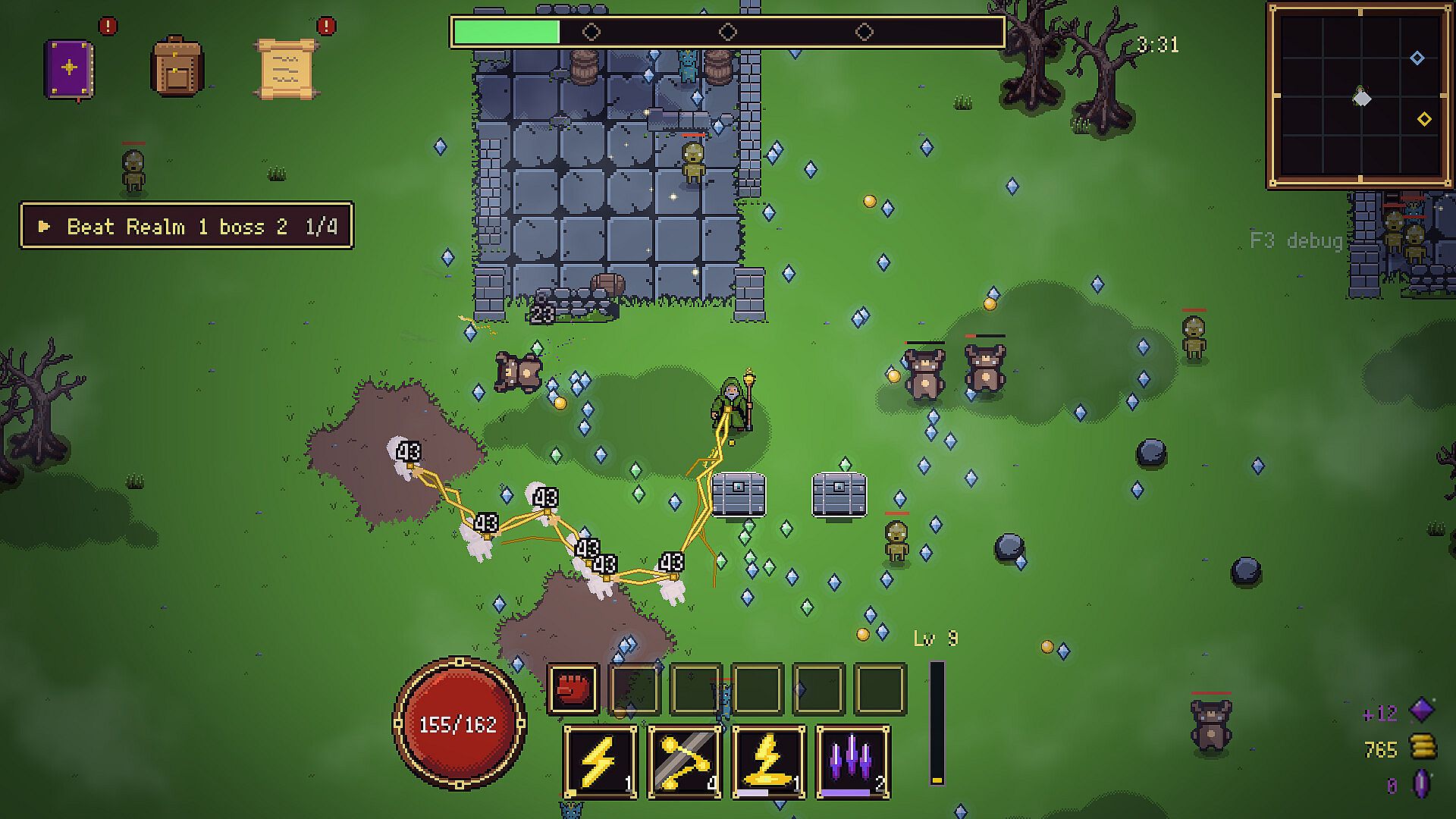
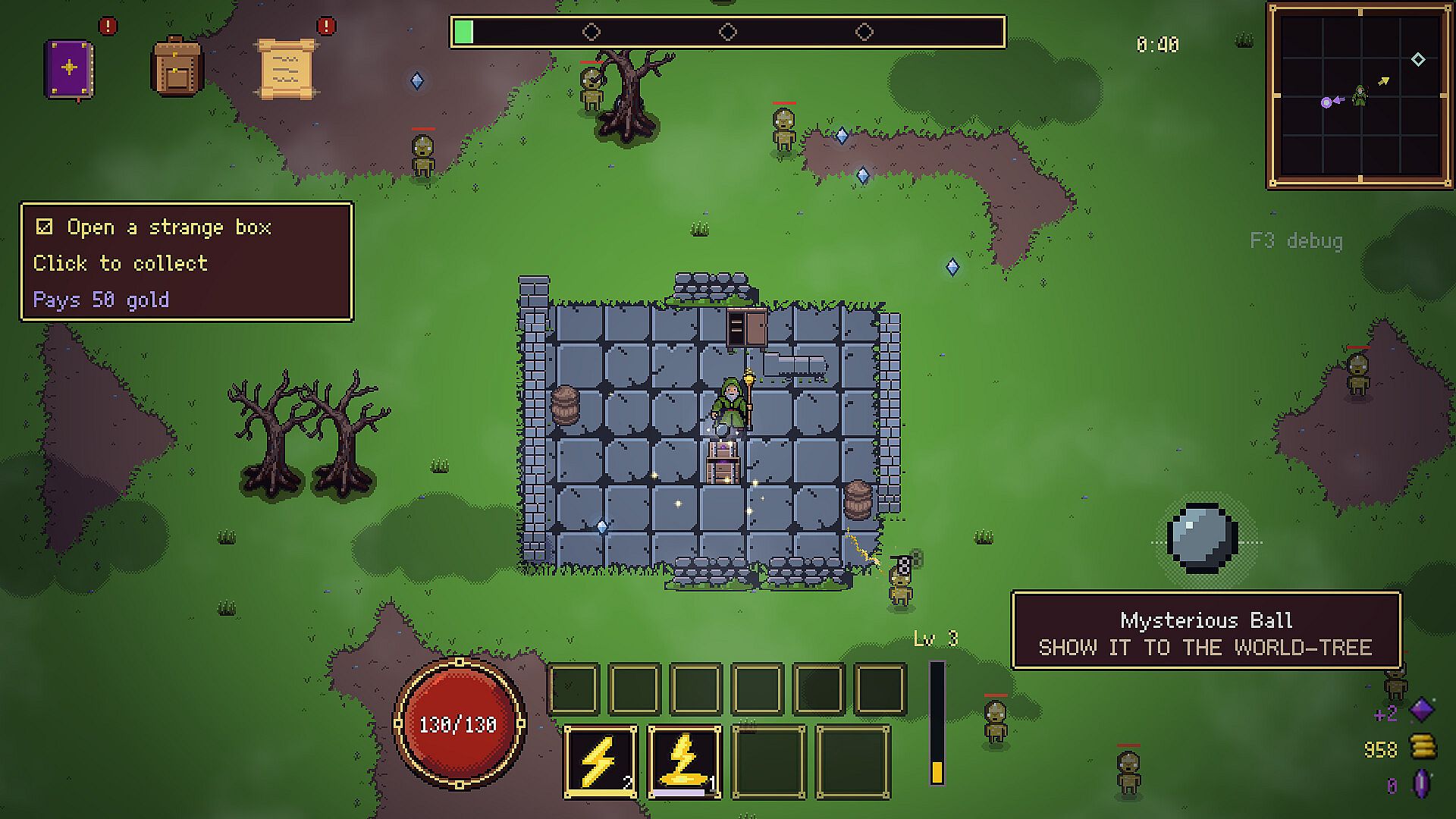
Combat centers on bullet heaven style encounters, where players face waves of enemies and must clear hordes efficiently while managing positioning and resources. Each run begins with a fresh draft of spells and passives that players select and upgrade as they level. These abilities evolve into stronger forms, and the focus stays on discovering synergies that amplify damage output or add crowd control effects. The system encourages experimentation because every attempt starts from a new set of choices rather than carrying over permanent power from prior failures.
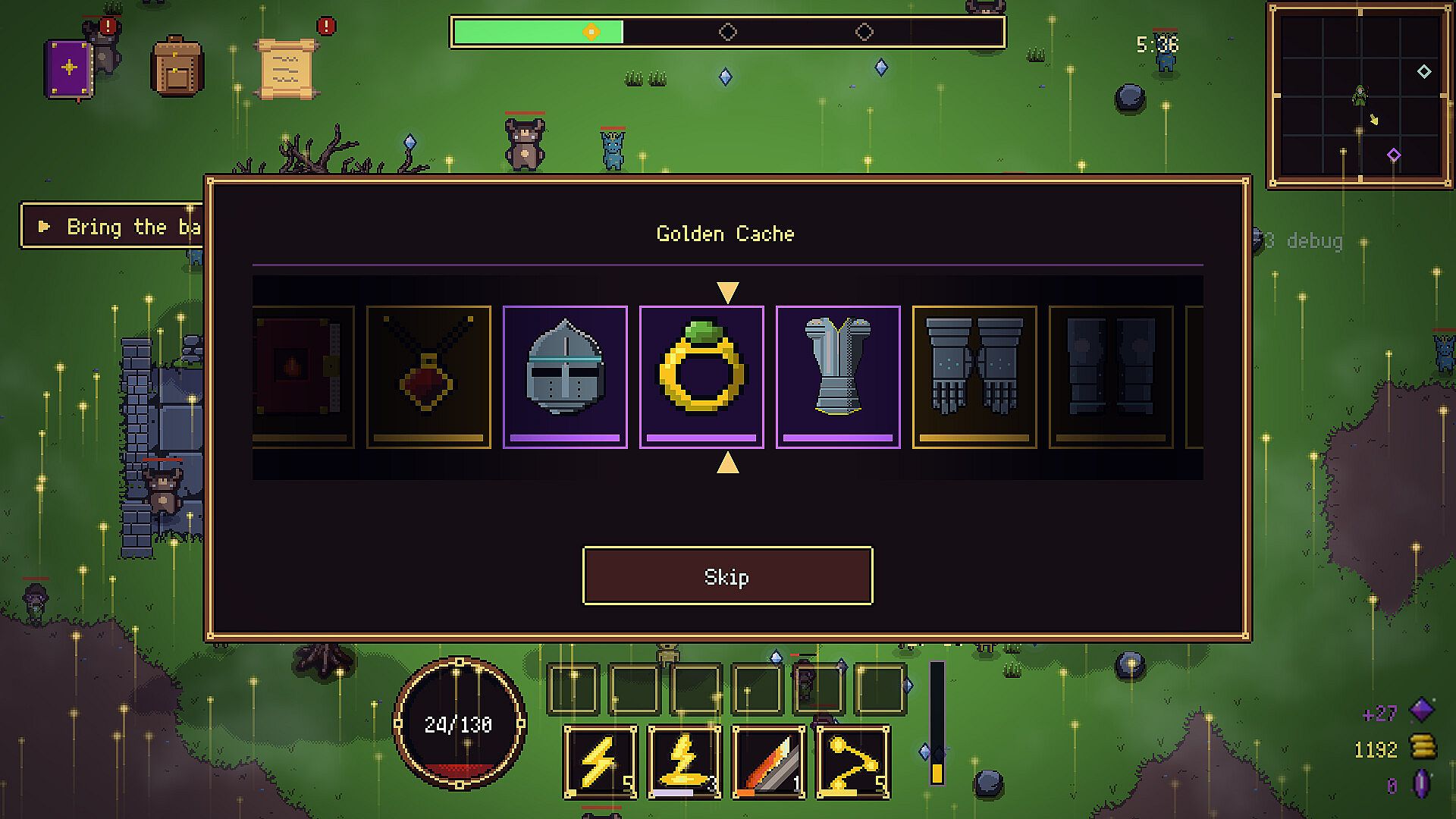
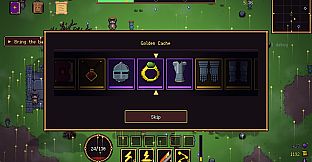
Loot plays a direct role in shaping strategies. Randomized gear carries affixes that alter spell behavior, while unique items and staves provide starting spells or rule-bending effects. The staff chosen at the outset determines the initial spell, setting the foundation for the entire run. Shrines scattered across the realms offer additional layers of choice, granting healing, weapons, tests, or temptations that can shift momentum for better or worse.
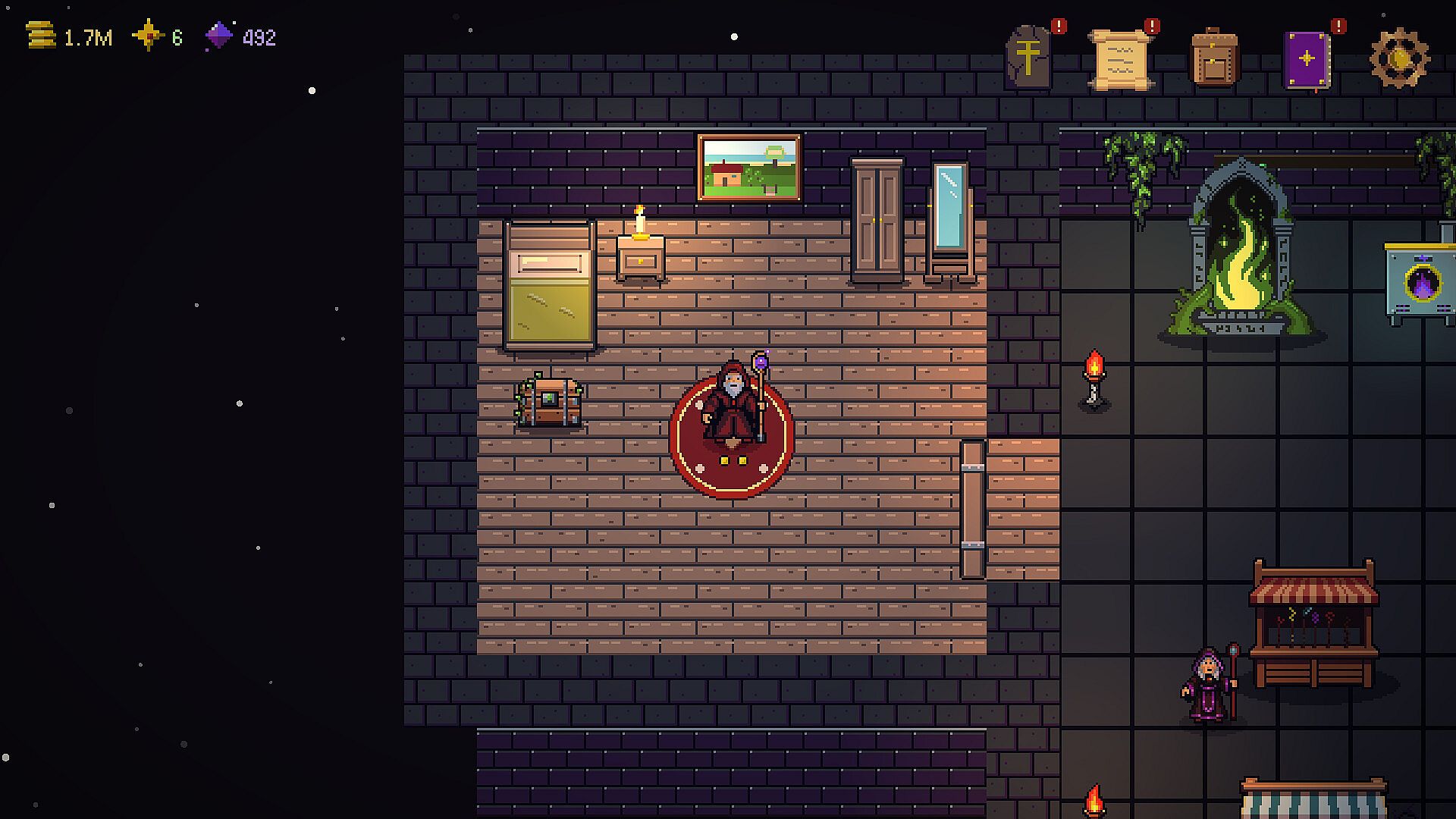
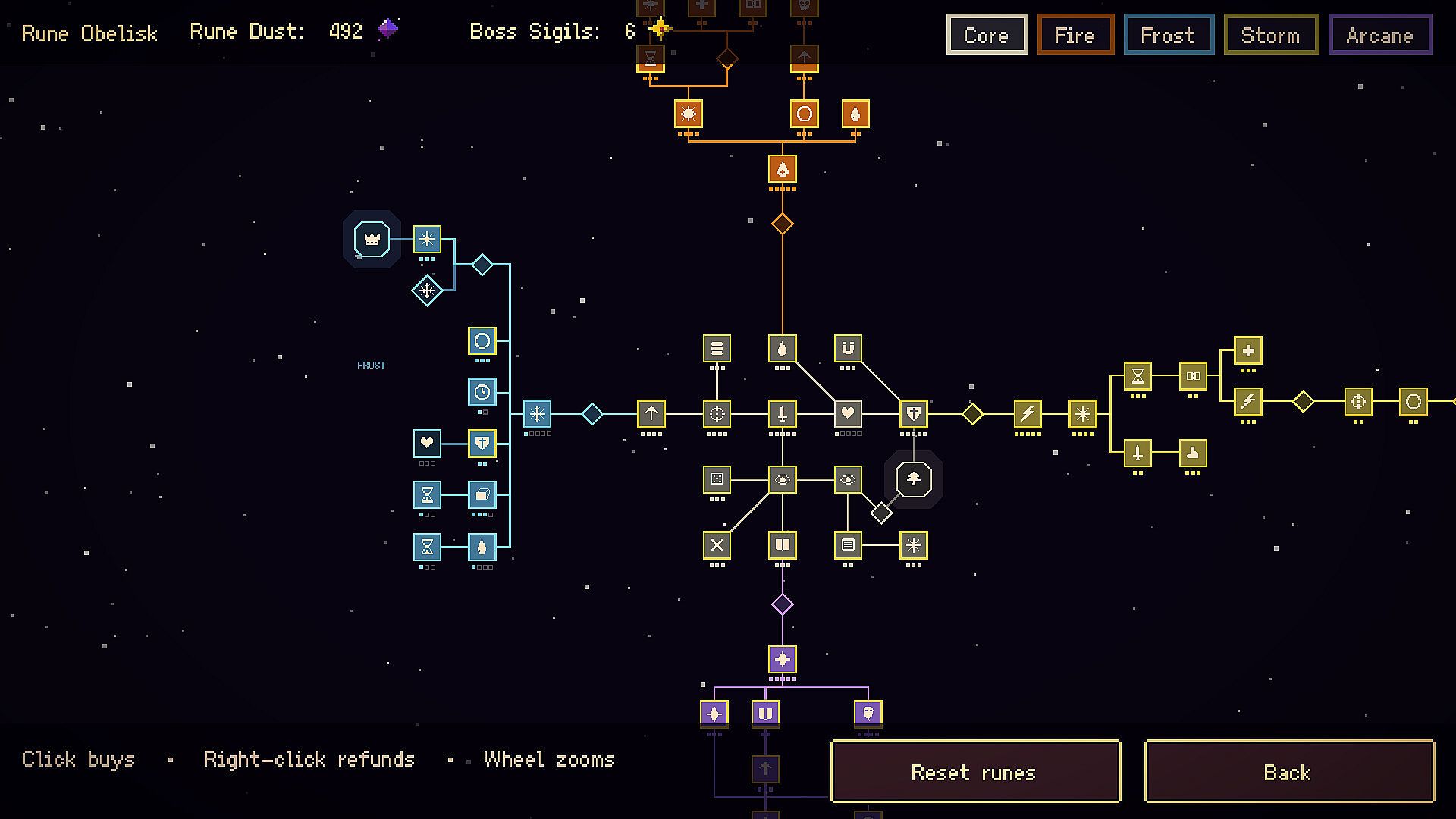
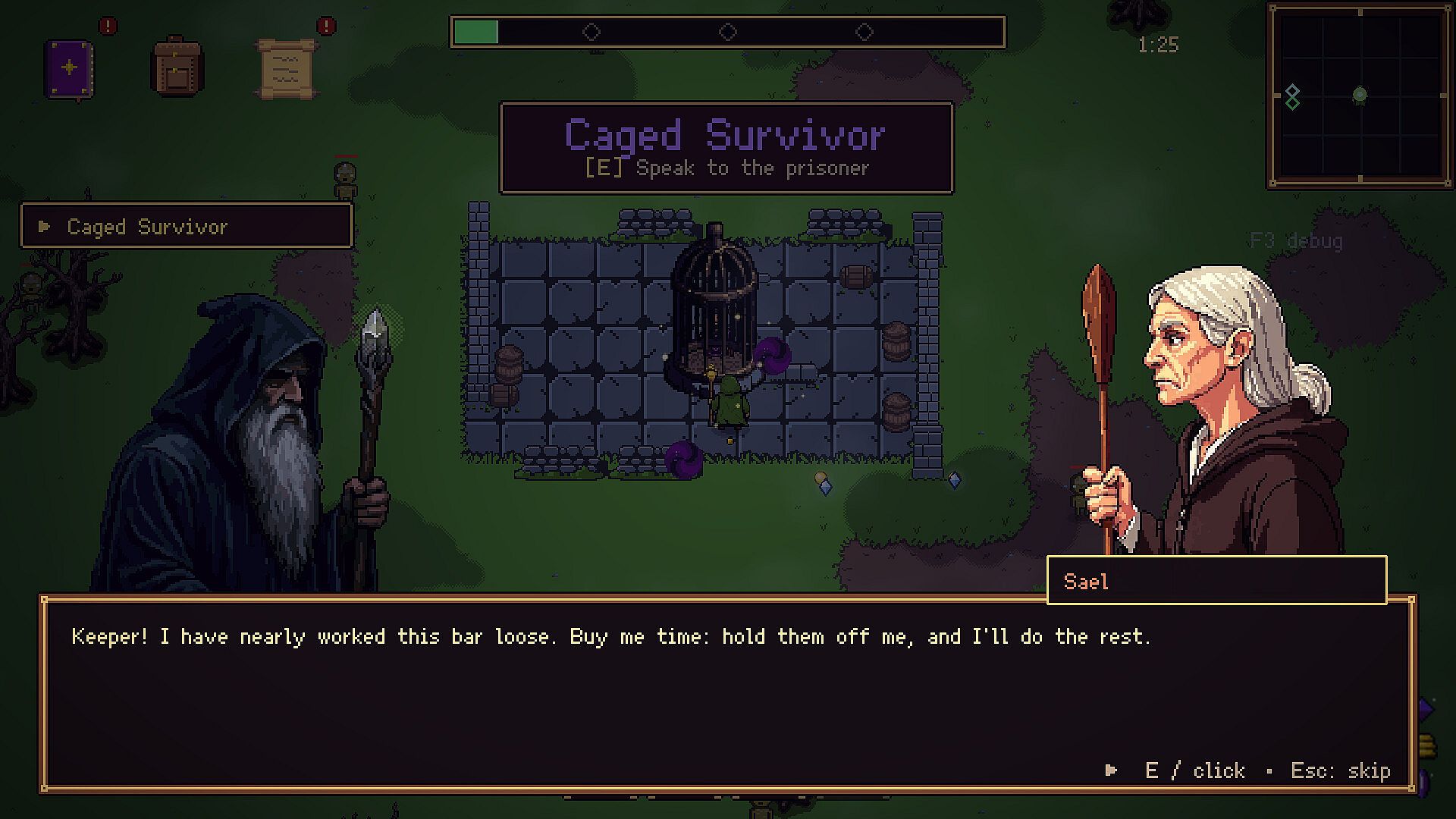
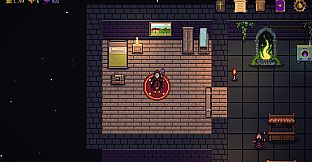
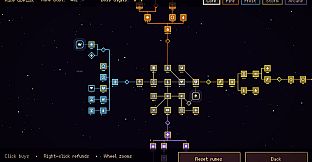
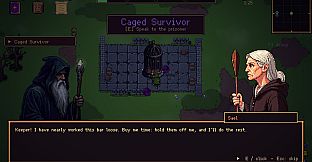
Progression outside individual runs happens through the Sanctum and the Rune Obelisk. Rescued vendors populate the Sanctum over time, unlocking shops and hidden elements. Rune Dust collected from runs funds a skill tree that adds raw power, new status effects, or keystone trade-offs. Boss sigils open deeper branches of this tree, rewarding consistent performance against realm guardians.
Game Modes
Standard runs involve cleansing one of the five withered realms before returning to the Sanctum. The realms include the Verdant Plains, Ember Wastes, Frostspire Peaks, Stormveil Reach, and Obsidian Abyss, each featuring distinct creatures, bosses, and environmental hazards that demand different approaches. After clearing a realm, players can choose to ascend it, increasing enemy difficulty and loot quality while allowing the keeper to grow stronger across repeated visits.
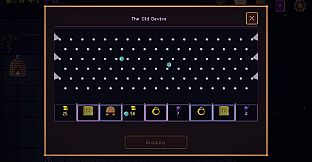
The Depths serves as an endless mode accessed through a red portal that appears after defeating a realm boss. This option removes the option to return home, challenging players to push as far as possible in a single attempt. Performance in The Depths feeds into a weekly ranking system that tracks depth reached.
These modes emphasize roguelite structure through permanent meta-progression via the skill tree and Sanctum upgrades, balanced against the need to restart with new spell drafts each time. The design supports both short focused runs and longer sessions aimed at climbing rankings or unlocking further story branches.
The Realms and Progression Systems
Exploration across the five realms reveals varied hazards and enemy types that interact with the bullet heaven combat loop. Guardians at the end of each realm act as major checkpoints, and success opens new options for the Sanctum and Rune Obelisk. The skill tree expands with boss sigils, introducing status effects and power trade-offs that reward targeted farming of specific realms.
Shrines add risk-reward decisions during runs, while randomized loot and staff choices ensure that no two attempts feel identical. The Sanctum grows organically as vendors are rescued, turning an initially empty space into a hub with multiple functions and secrets that players uncover gradually through repeated play.
Is It Worth Playing?
Spellsanity: Wizard Survival targets fans of survivors roguelites who enjoy drafting builds, chasing synergies, and managing risk through shrine choices and endless challenges. The single-player structure on PC focuses entirely on solo runs with no multiplayer elements, making it suitable for players who prefer methodical progression and experimentation over competitive or cooperative play. With a 2027 release date and no user reviews available yet, the game remains in pre-release development, supported by a demo that showcases the core spell drafting and combat systems. Those drawn to dark fantasy settings, bullet heaven horde clearing, and roguelite depth may find the described mechanics compelling once the full version arrives, particularly if they value meta-progression through the Rune Obelisk and realm ascension options. The absence of confirmed post-launch updates or seasons means the current details rest on the established features of spell evolution, realm variety, and the two-path story conclusion tied to the Obsidian Abyss.











