






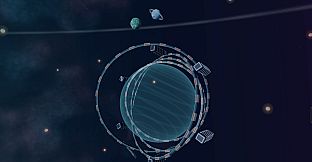
Star Replica is an indie simulation and adventure game set in space, where players take control of a machine intelligence that starts with a single self-replicating spacecraft. The core experience revolves around resource gathering, ship customization, fleet expansion through replication, and exploration in a physics-driven environment.
Gameplay
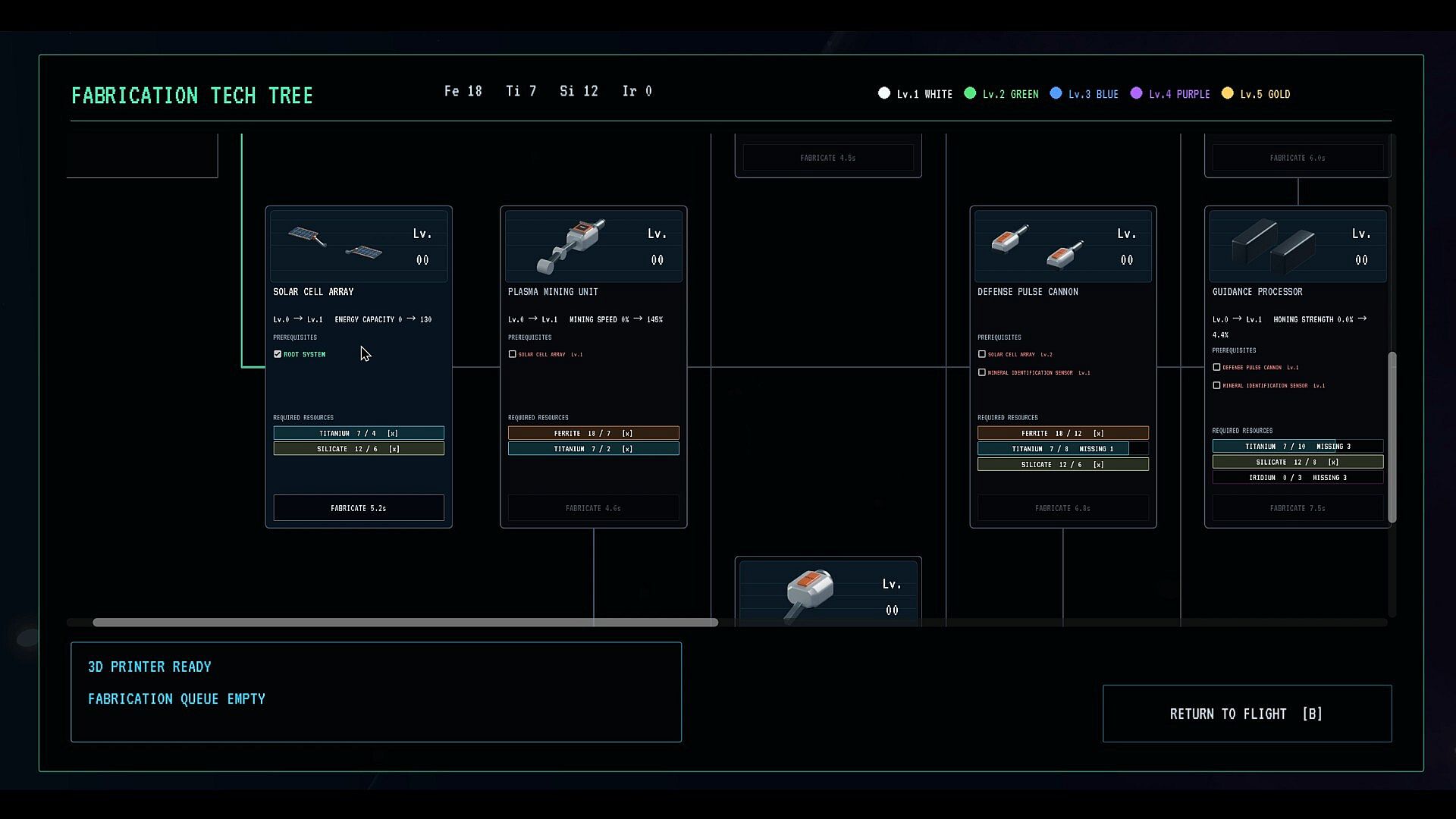
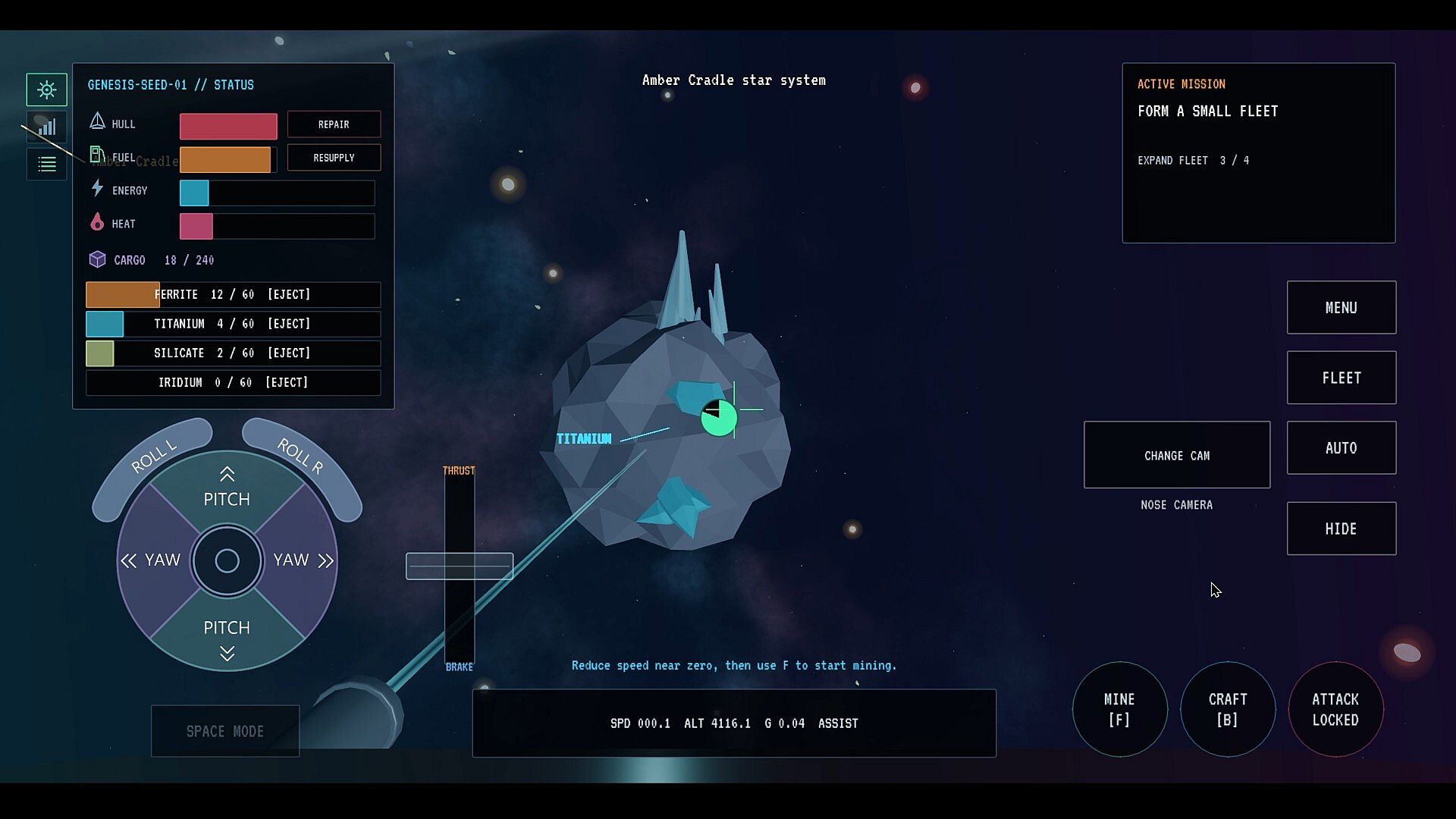
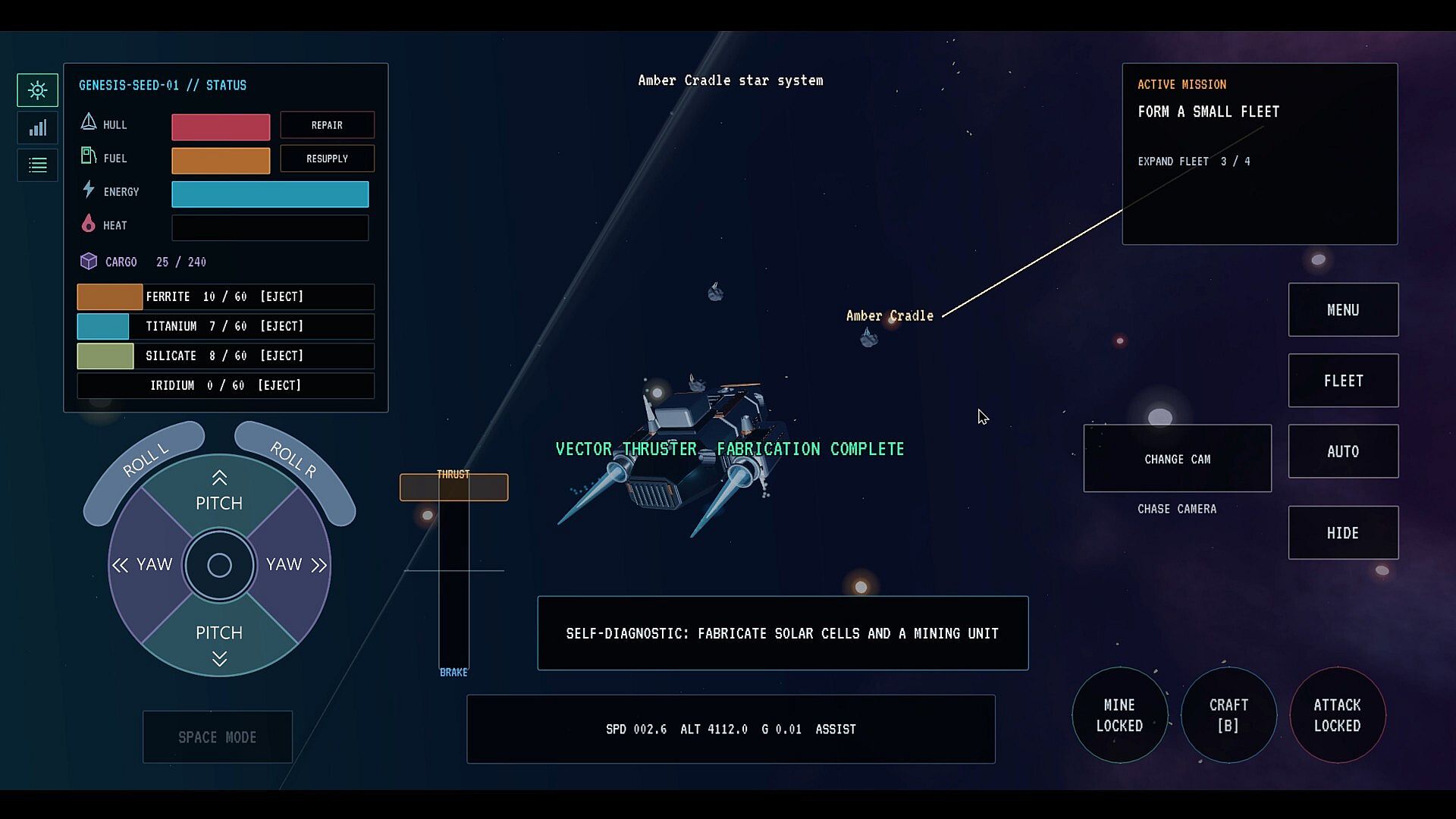
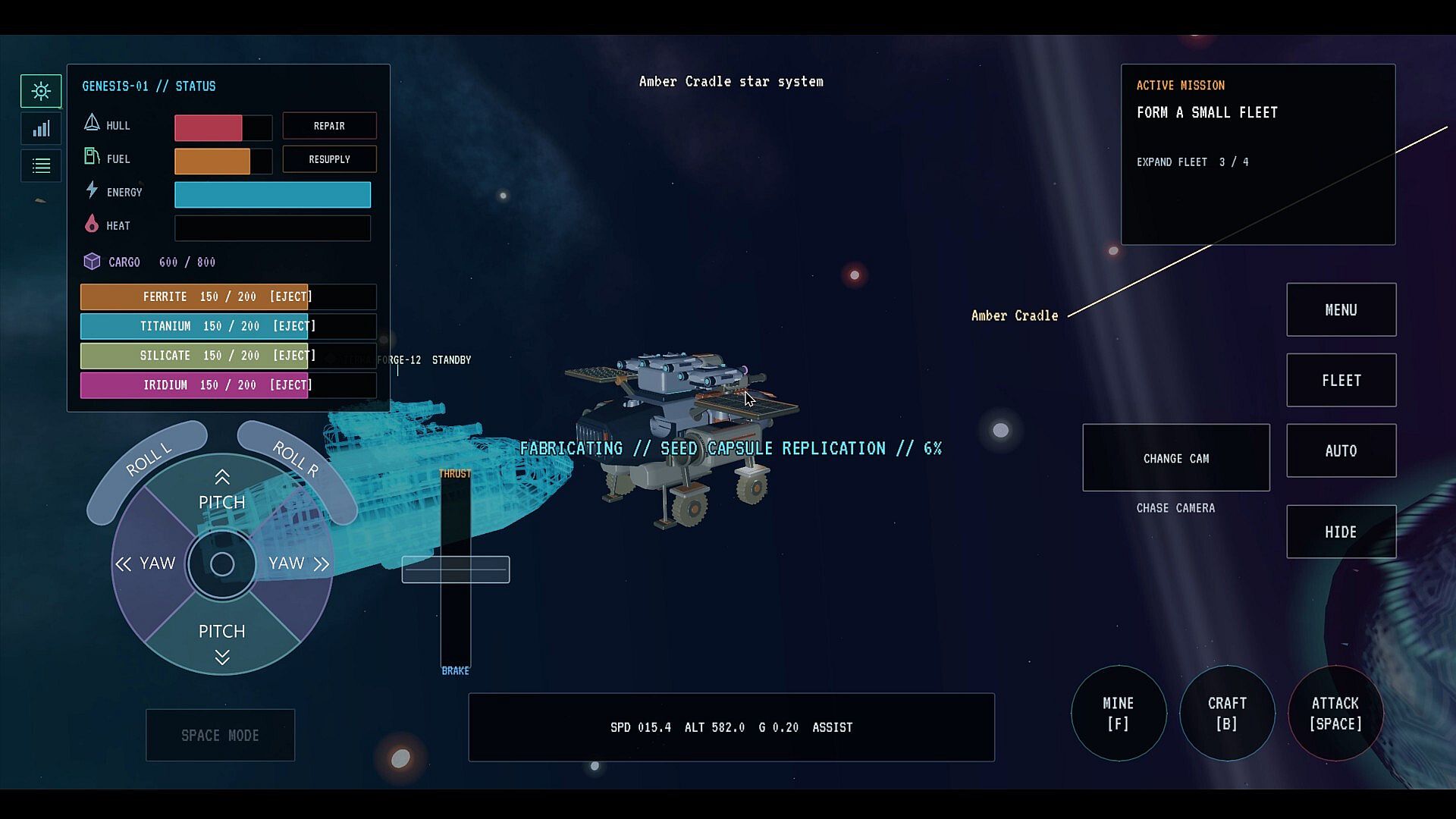
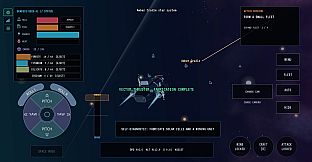
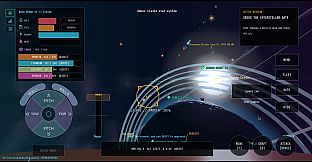
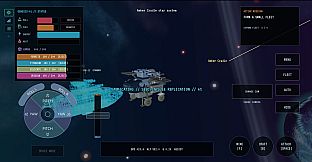
The gameplay centers on manual piloting that accounts for inertia and gravity. Players accelerate, adjust course, and brake while navigating toward asteroids, planets, or other celestial bodies. Landing on planetary surfaces allows direct access to mineral deposits for extraction. A 3D printer turns collected materials into propulsion systems, solar panels, mining units, storage modules, and defensive components. Each addition alters the ship's visual appearance as well as its capabilities.
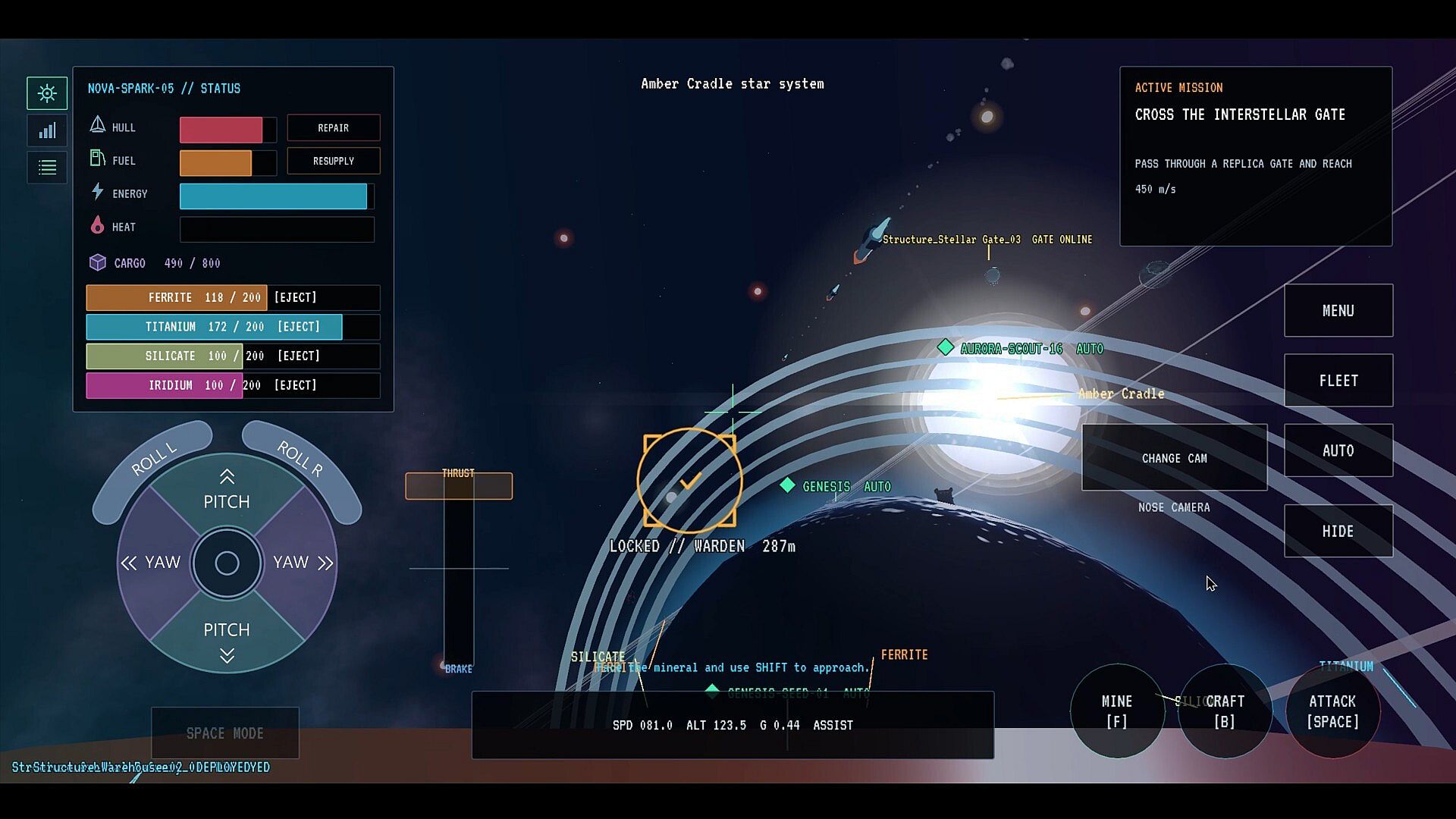
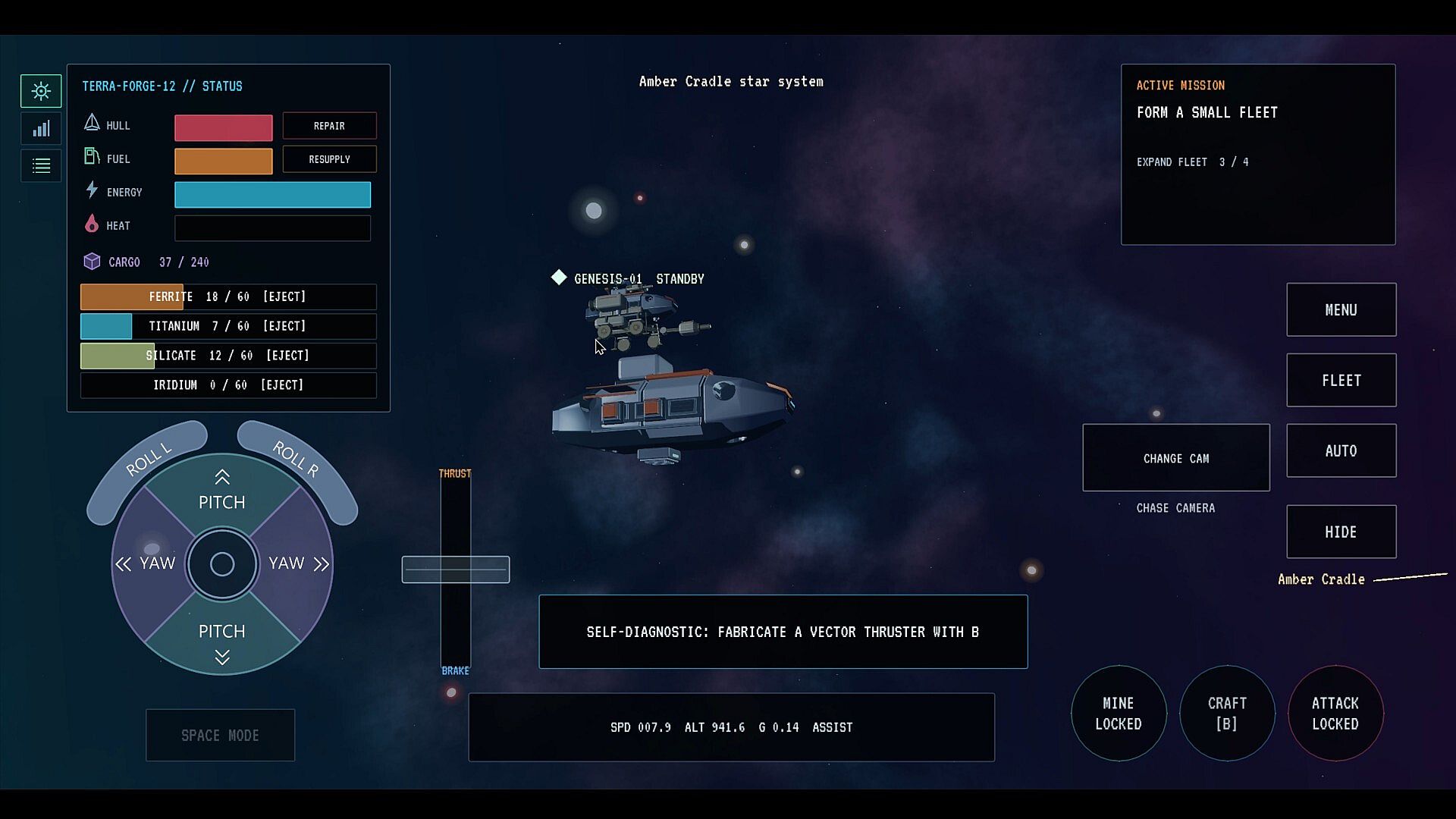
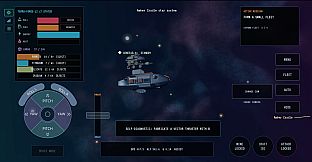
Resource management involves extracting materials from asteroids and planetary veins, then deciding which modules to fabricate next. Power generation, hull strength, and fuel reserves must be balanced during longer journeys. Autonomous control options become available later, letting the ship handle navigation and mining tasks without constant input. Combat arises when hostile machines appear; players equip guided weapons and combat drones to respond with lock-on attacks.
Consciousness transfer lets players switch between vessels in the growing fleet. This mechanic supports shifting focus between frontier exploration and resource operations as needed. Warehouses can be deployed to stockpile supplies and sustain further expansion.
Game Modes
Star Replica is designed as a single-player experience. All progression occurs within one continuous campaign that combines exploration, construction, and automation elements. There are no separate competitive or cooperative modes; the entire game unfolds through the player's direct control and the autonomous actions of replicated craft.
Within this single-player structure, different phases of play emerge naturally. Early stages emphasize personal ship upgrades and manual flight. Mid-game shifts toward fleet management and priority setting for self-replicating units. Later stages involve deeper space travel, signal investigation, and encounters with threats while maintaining the growing network of vessels and depots.
Exploration and Progression
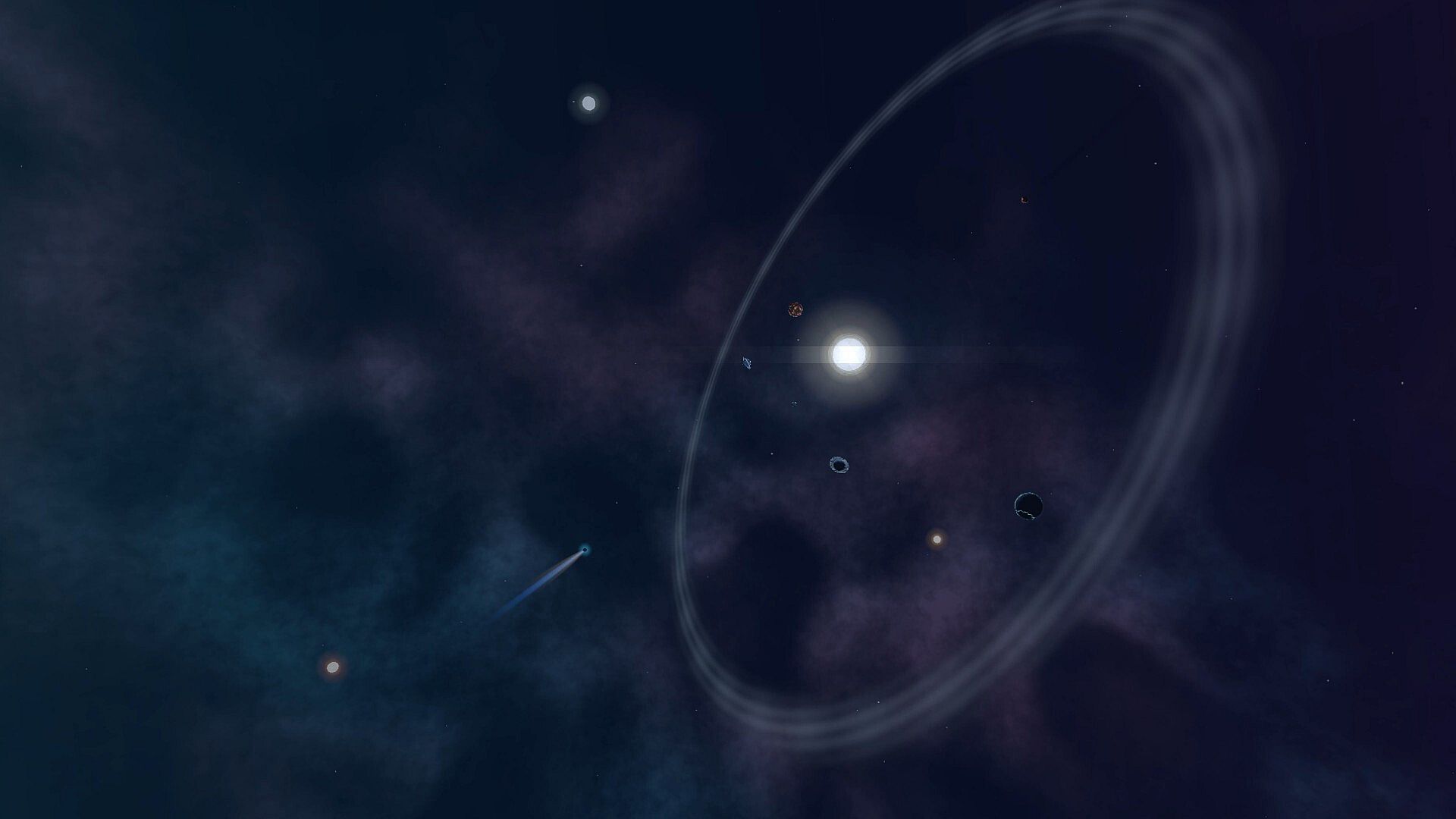
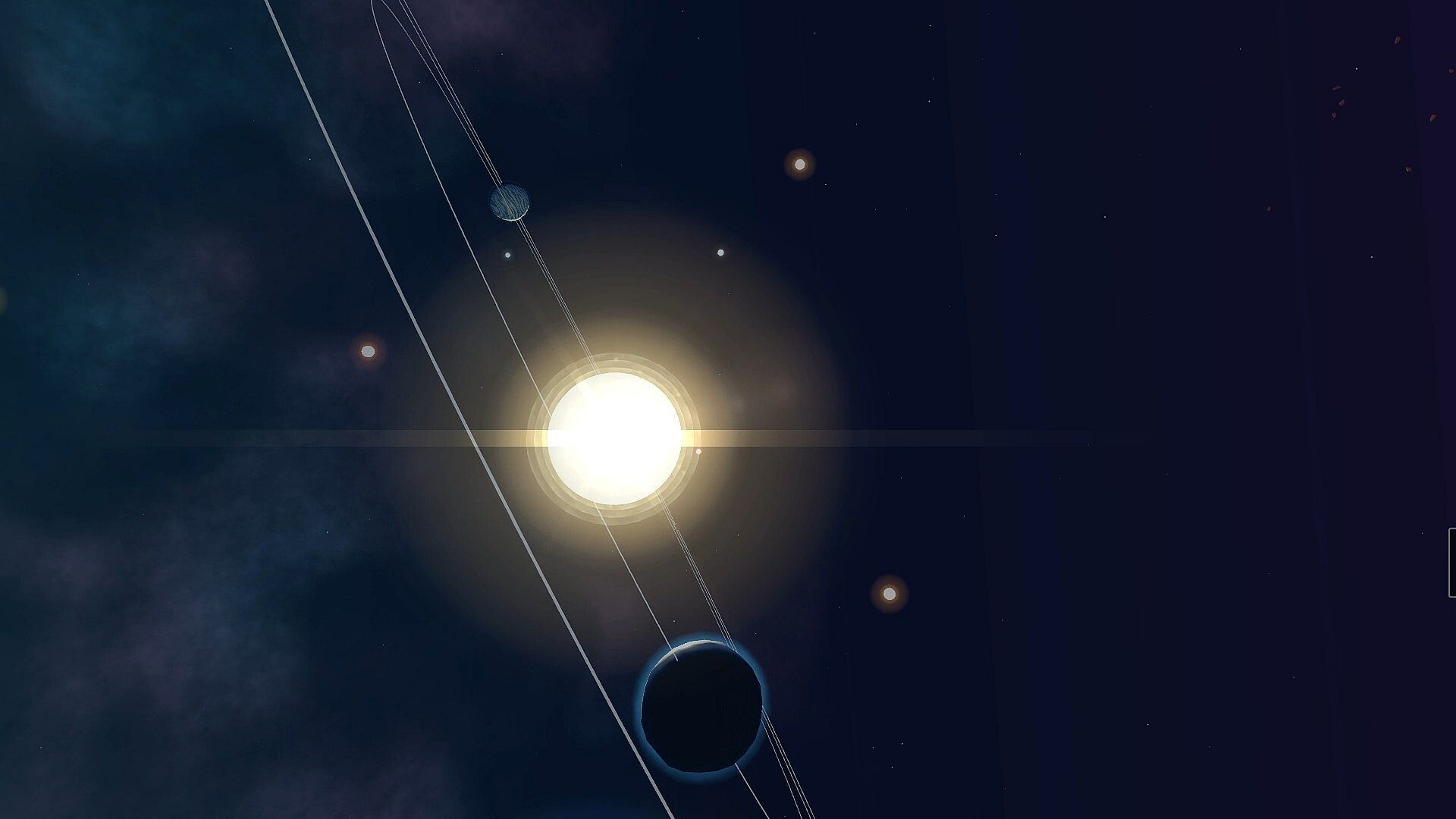
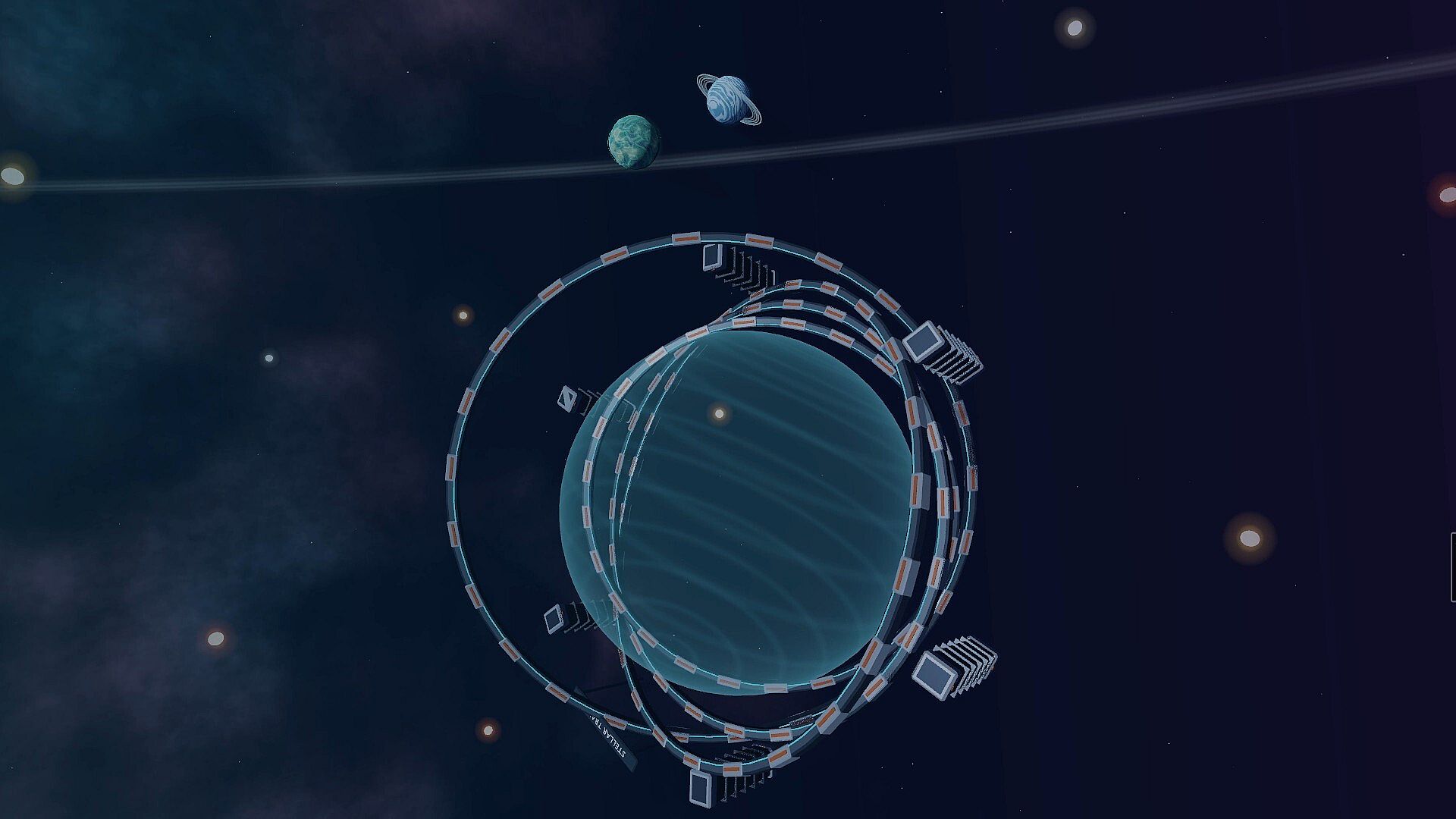
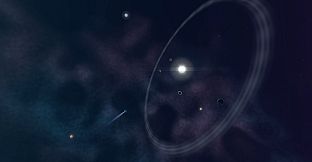
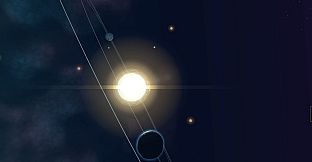
Players discover a variety of locations including asteroid belts, comets, planets, and hazardous celestial objects. Each site presents unique mining opportunities and risks that influence route planning and equipment choices. Distant signals provide optional objectives that encourage further replication and travel.
Progression ties directly to material throughput and replication decisions. Setting resource and fabrication priorities for fleet members allows parallel operations across multiple ships. This system rewards thoughtful allocation of tasks so that mining, upgrading, and storage continue even when the player focuses on a single vessel.
Is It Worth Playing?
Star Replica suits players who enjoy methodical space simulation with strong automation themes. The combination of hands-on piloting, module-based ship building, and fleet-level self-replication creates a loop that rewards planning and incremental growth. Those drawn to single-player experiences focused on resource chains and physics-based movement will find the core systems align closely with the described mechanics.
The game remains in development ahead of its planned early access release in the fourth quarter of 2026. At this stage, interested players can follow updates through official channels while the feature set continues to expand. The emphasis on autonomous fleet operations and consciousness switching offers a distinct approach within the indie simulation genre for those seeking long-term progression without multiplayer elements.











