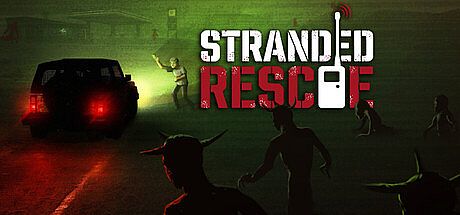


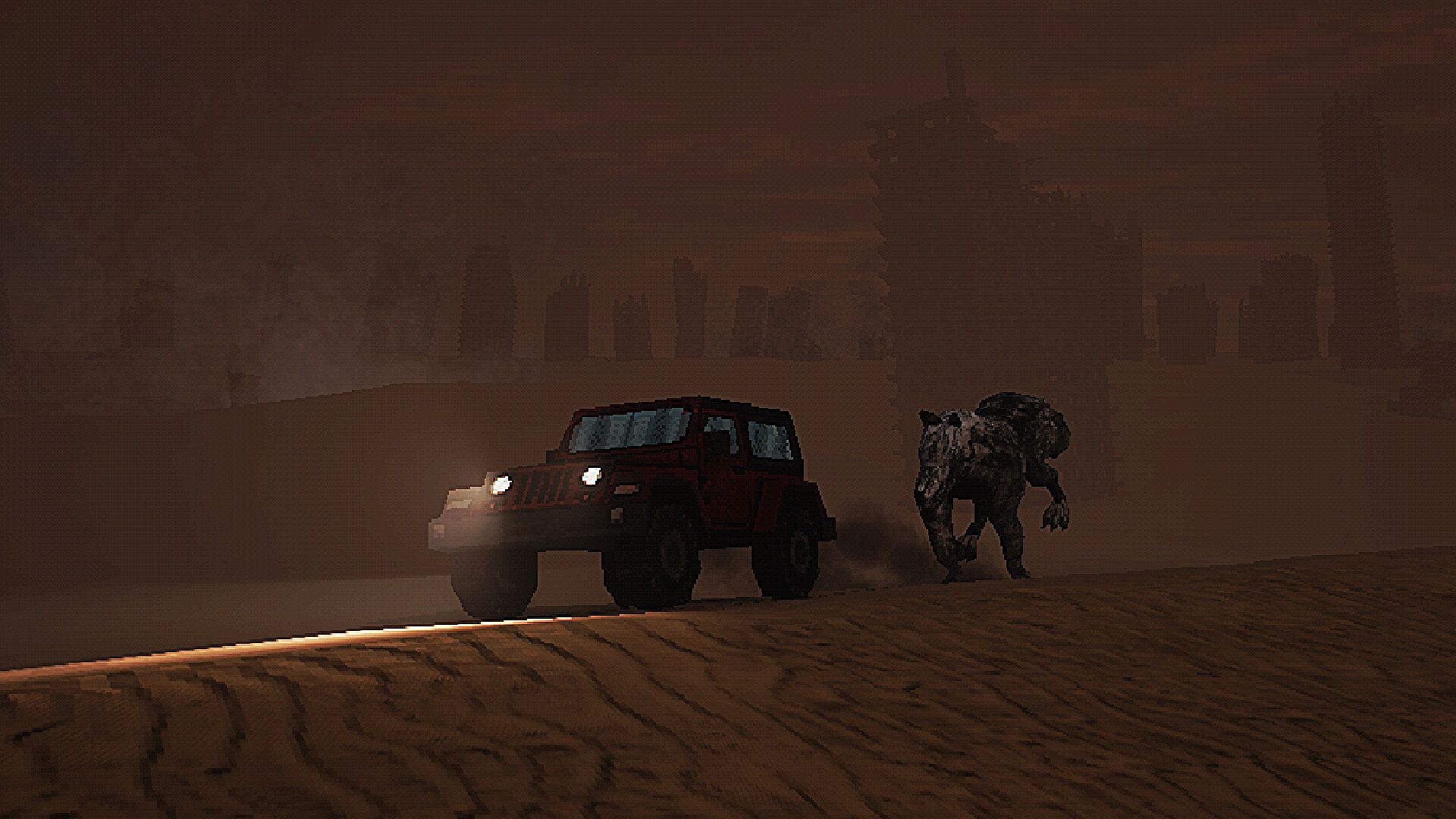
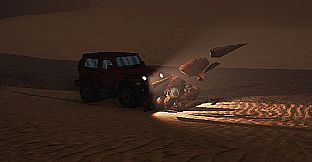
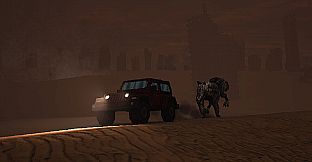
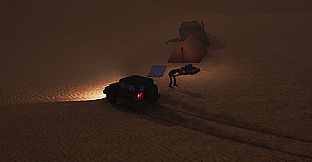

Stranded Rescue is a single-player action adventure game that combines horror driving with roguelike progression on PC. Set in a remote desert bunker, the experience places players in the role of a lone rescuer who answers distress calls after dark. The core loop revolves around tracking signals, loading survivors under pressure, and returning safely while managing limited resources in an environment filled with unseen threats.
Gameplay
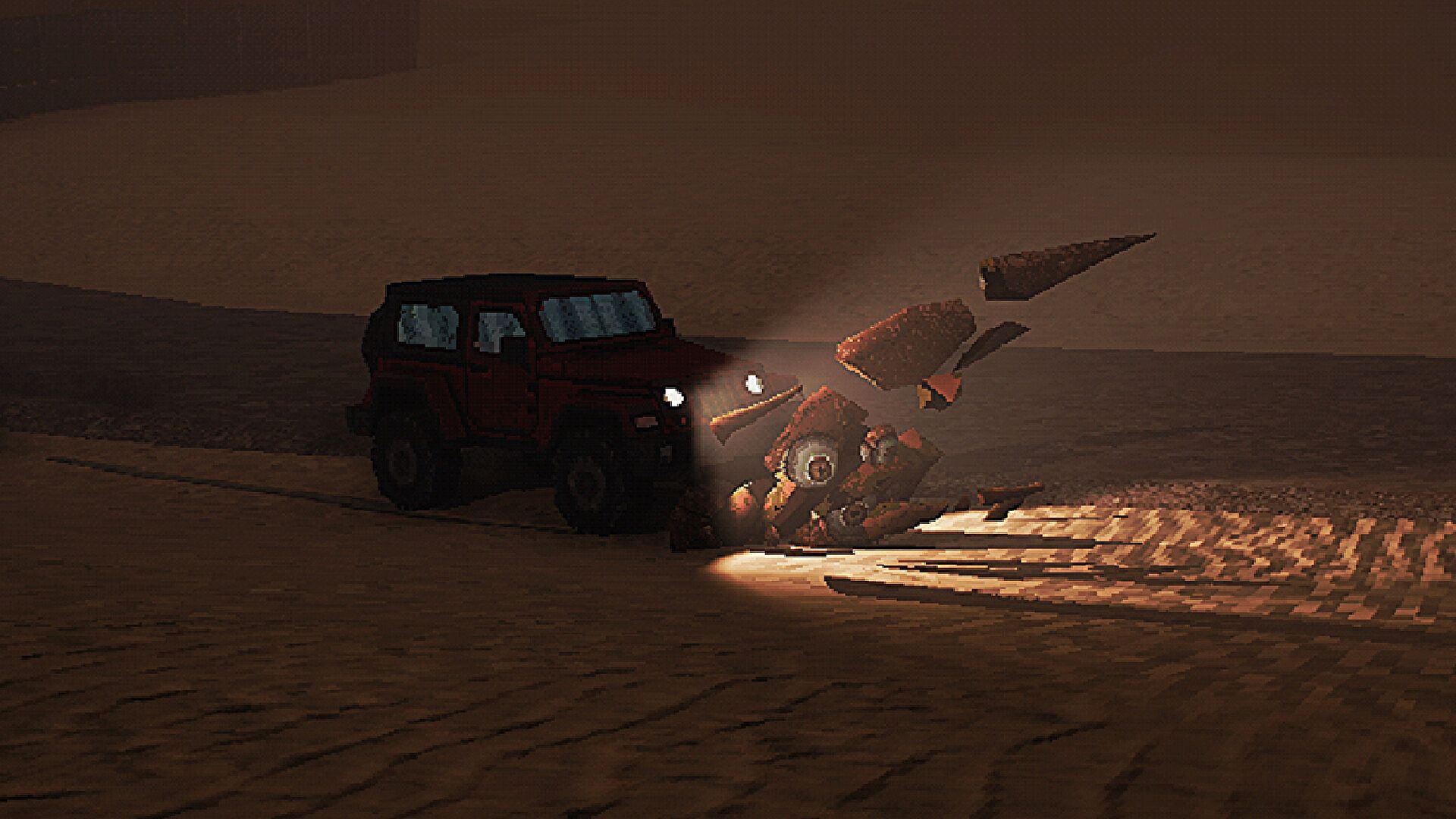
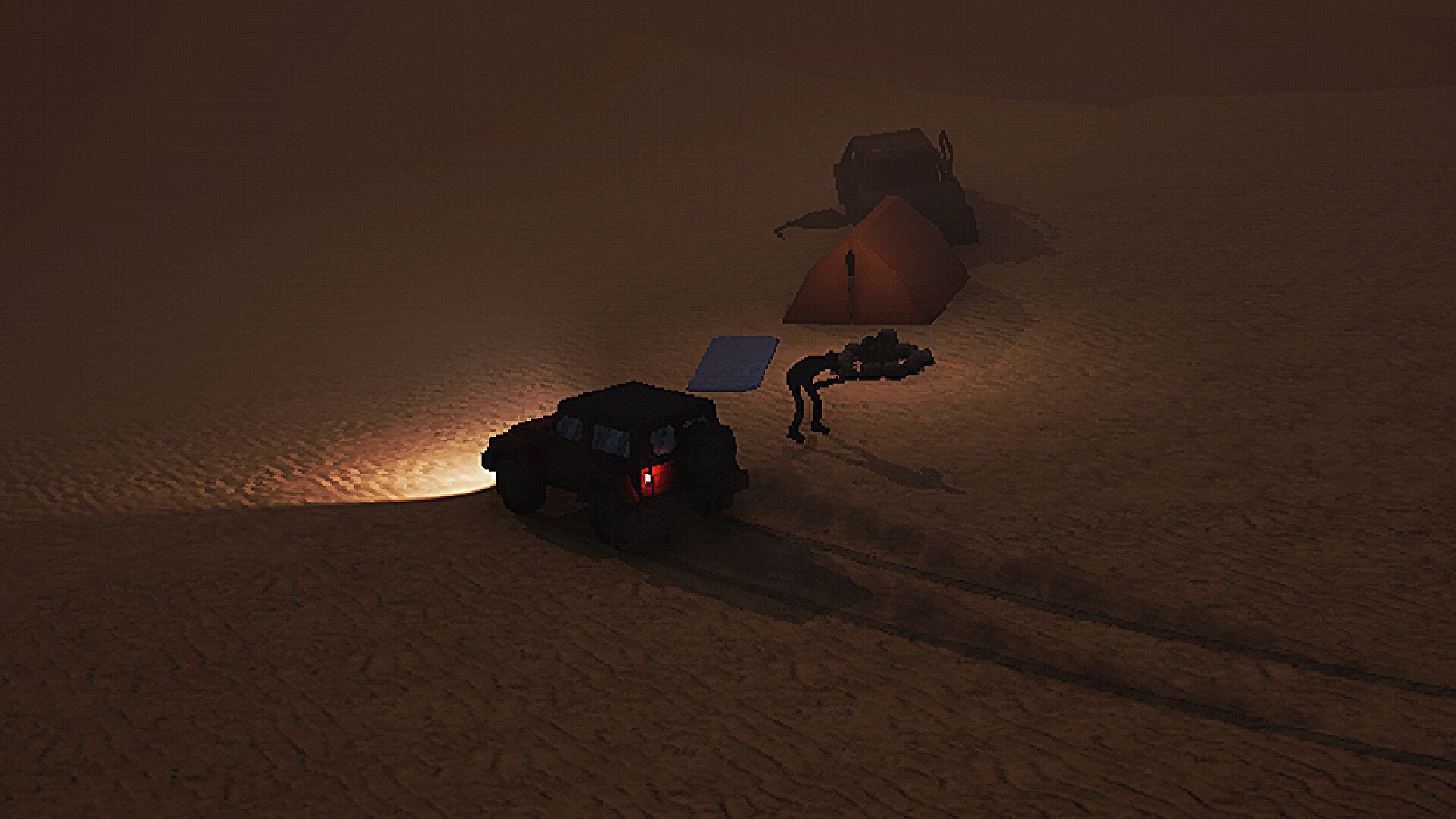
The central loop begins with radio signals that guide navigation across an open desert without roads. A signal detector helps locate calls, with stronger static indicating proximity to survivors. Stopping to load a survivor requires holding position while the surroundings grow more active, creating moments of sustained tension before departure.
Resource management forms a key layer. Fuel levels, vehicle condition, and available seats must be tracked carefully, as poor planning can strand the rescuer. Arcade-style driving provides responsive controls and a boost option suited to rough terrain and quick escapes. Roguelike progression rewards successful deliveries with experience points that unlock vehicle upgrades affecting handling and durability. Hidden items scattered in the desert offer additional incentives for exploration during runs.
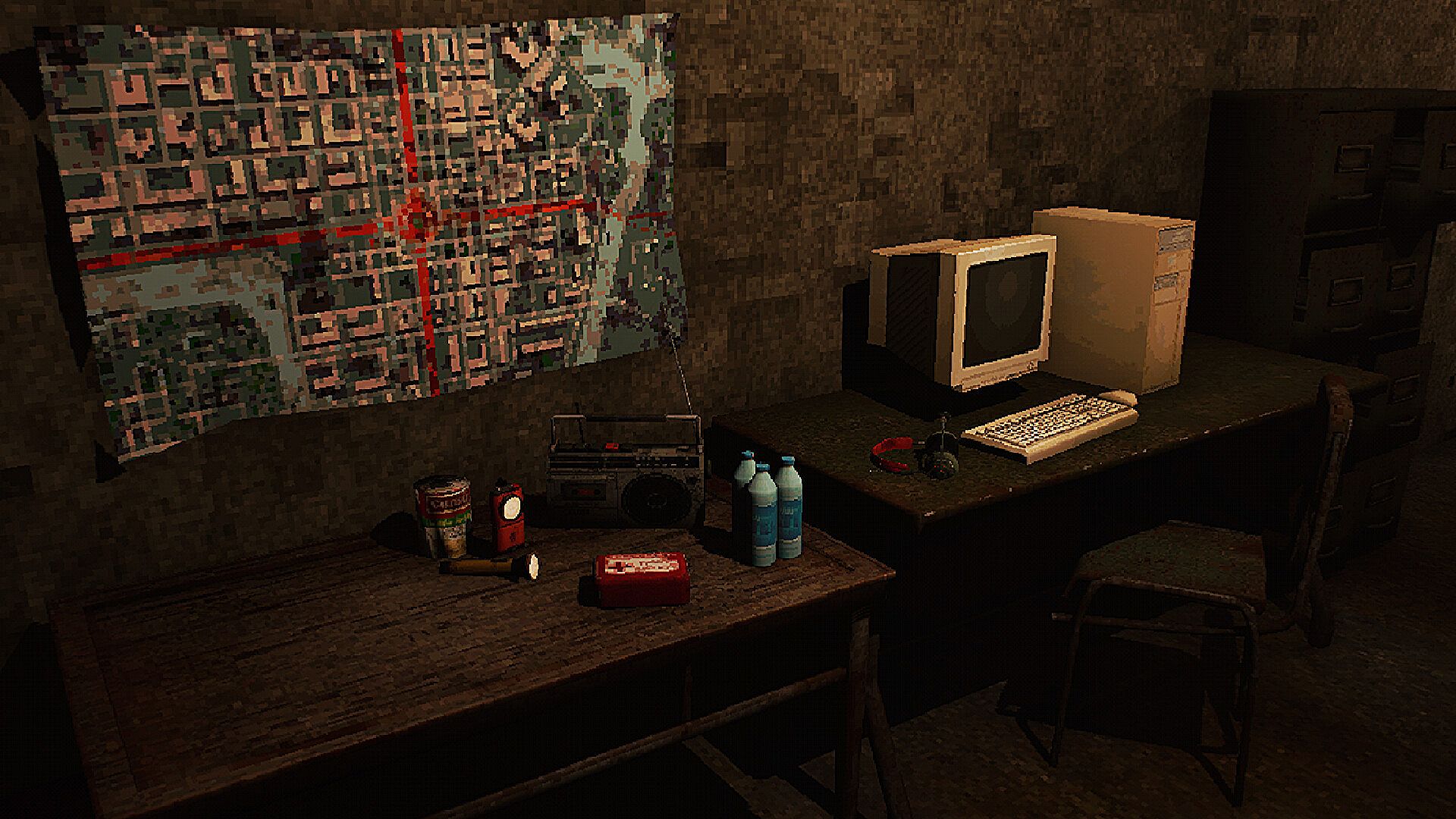
Each night starts in the bunker, viewed from a first-person perspective. Checking the radio, reviewing logs, and preparing the vehicle set the stage before heading out. The desert itself influences play through shifting sand, radio interference, and visual cues at the edge of headlights, encouraging constant attention to surroundings rather than direct confrontation.
Game Modes
Stranded Rescue operates as a single-player experience centered on nightly rescue shifts. The structure emphasizes a repeatable core loop of tracking, rescuing, and returning, with roguelike elements that carry progress across attempts. No separate competitive or cooperative modes exist; the focus remains on individual survival and decision-making under increasing risk.
Players choose between immediate deliveries for safer returns or extending a run to collect more survivors for greater rewards. This choice directly impacts seat capacity, fuel consumption, and exposure to hazards. The progression system integrates across shifts, allowing upgrades to reshape how each night unfolds without altering the fundamental single-player format.
Progression and Atmosphere
Experience gained from safe deliveries funds upgrades that modify vehicle performance and resilience. These choices encourage experimentation with different driving styles and risk tolerances over multiple nights. Hidden collectibles provide extra rewards that complement the main progression path.
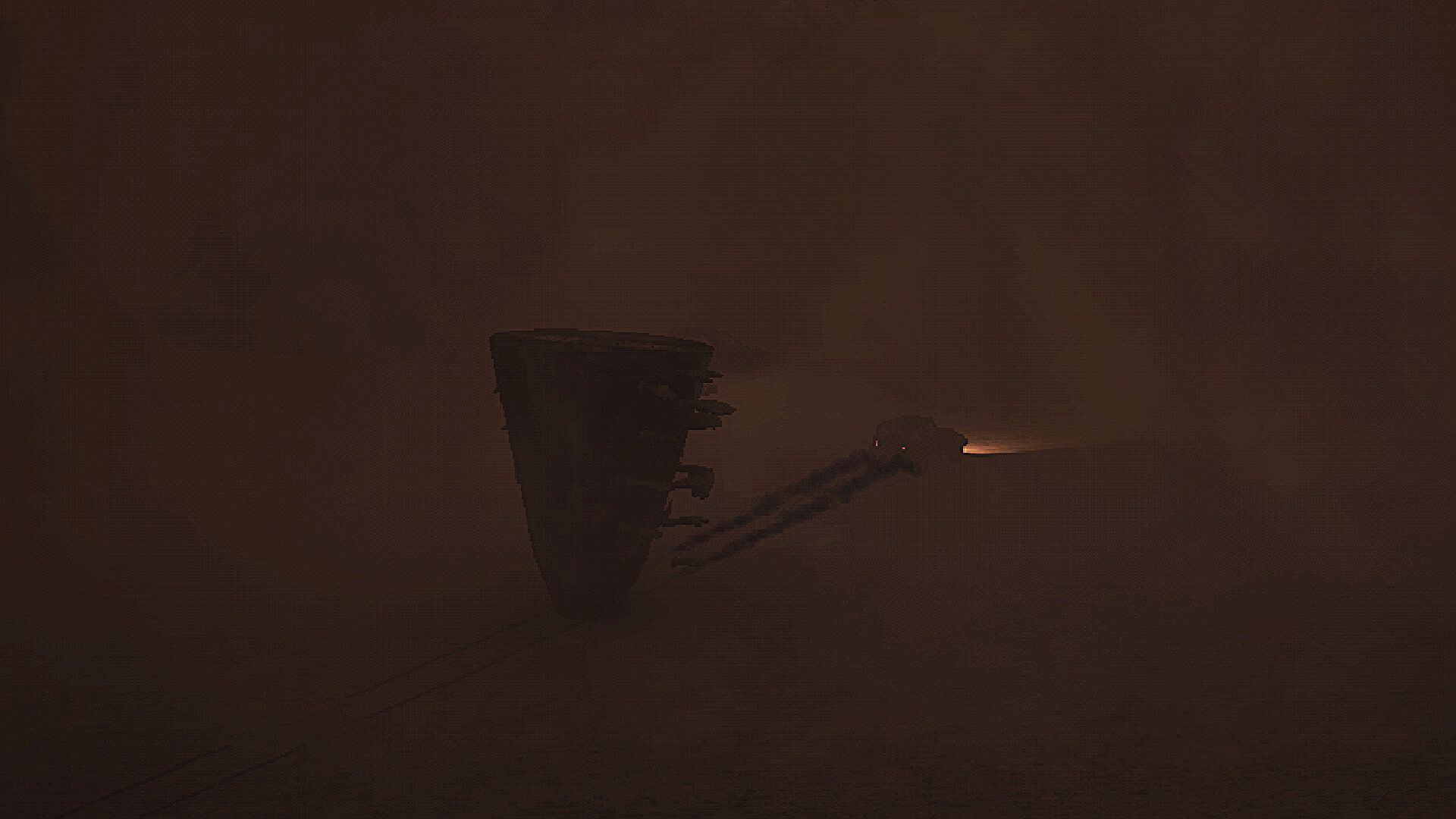
Visual and audio design draws from PSX-era aesthetics, using heavy fog, limited visibility, and layered sound to build unease. The narrative unfolds gradually through radio transmissions, survivor interactions, and bunker documents rather than direct exposition. This approach keeps the desert's mysteries intact while reinforcing the isolation of the rescuer's role.
The Demo Experience
The available demo covers the first night, introducing the rescue loop, bunker exploration, signal tracking, and initial encounters with the desert's secrets. Sessions typically last 15 to 25 minutes, providing a focused sample of the tension and decision points that define longer play. The full release expands across additional nights with new threats and further upgrade options.
Is It Worth Playing?
Stranded Rescue suits players who enjoy tense single-player driving sequences paired with horror atmosphere and light roguelike progression. The emphasis on resource decisions, signal-based navigation, and outrunning threats creates a distinct loop that rewards careful planning and quick reactions. Those drawn to atmospheric exploration and incremental vehicle customization will find consistent engagement in the nightly shifts. The demo offers an accessible entry point to test the mechanics before committing to the complete story across multiple nights.