






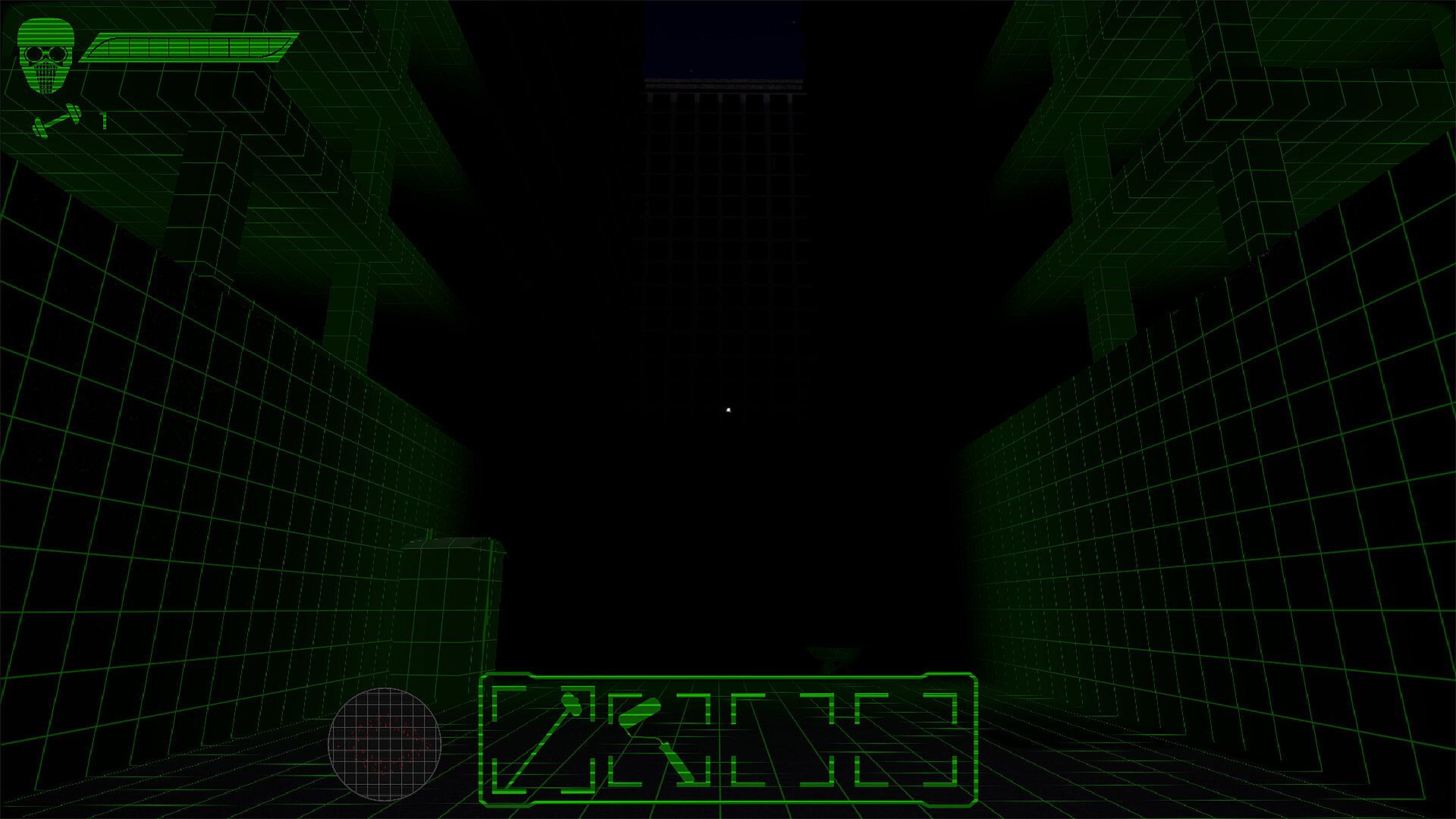
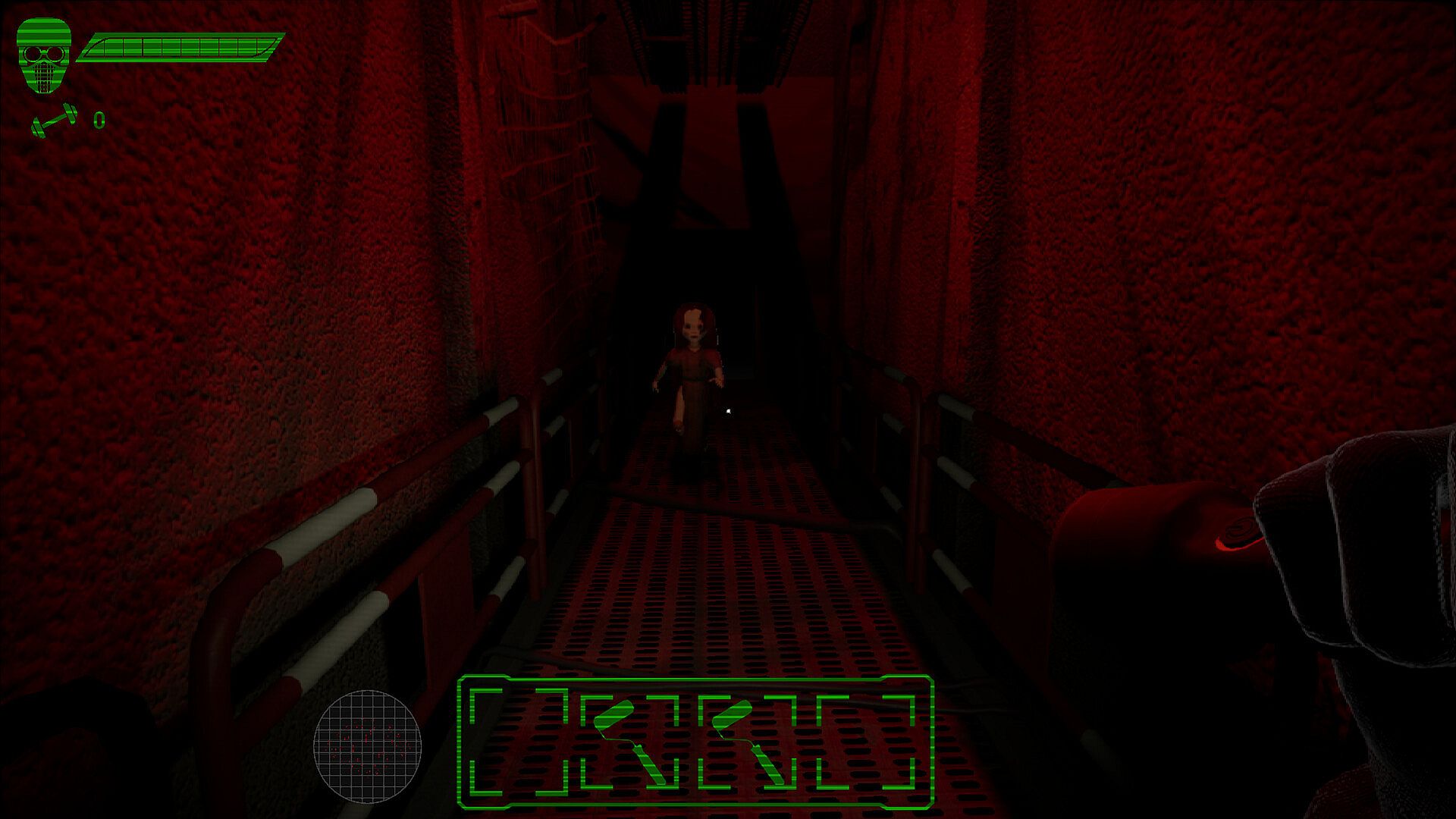

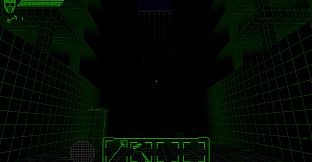
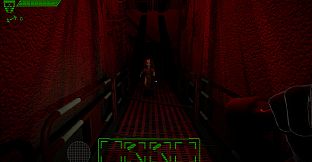
Surveillance Unit 7 is a co-op adventure game set in a dark, semi-realistic world where players work together to complete expeditions into unknown territory. The title places emphasis on teamwork, exploration, and survival against unpredictable threats in procedurally generated spaces that change with every run.
Gameplay
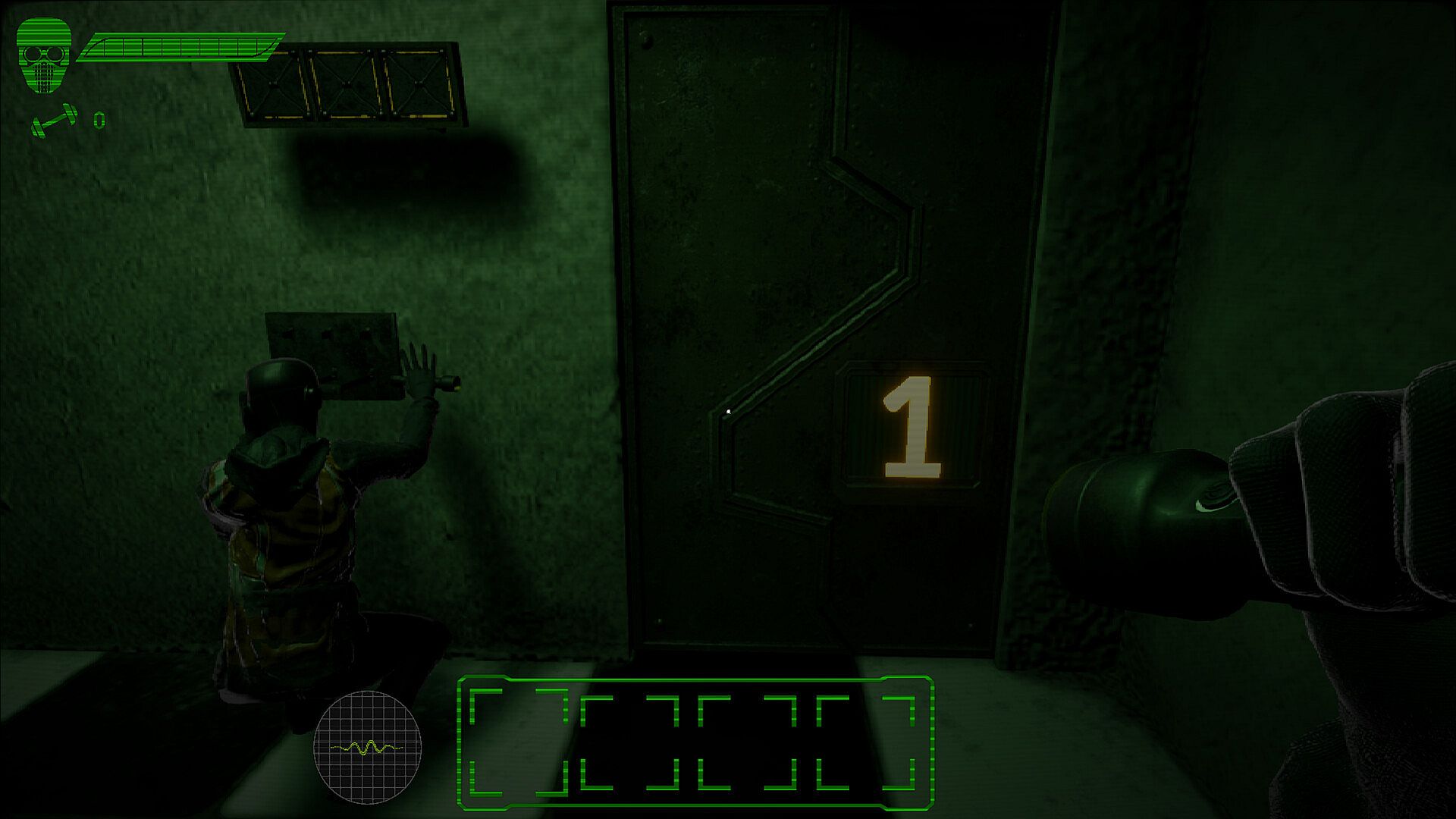
Players form a team of six and enter environments that differ each time due to procedural generation. Movement takes place room by room as the group examines surroundings and watches for creatures that may pursue or simply observe from the shadows. Tension builds from uncertainty about what lies behind each door or around the next corner. The core loop centers on careful navigation, objective completion, and safe return to base after each outing. Back at the hub, a computer system issues contracts that define the goals for the next expedition. Success brings resources that allow upgrades to the unit through implants and gadgets. These enhancements prepare the team for more complex and unpredictable challenges as progress continues. The experience blends exploration with light survival elements in an adventure framework suited to coordinated play.
Game Modes
The primary structure revolves around contract-based expeditions assigned by the base computer. Each contract sends the team into a fresh procedural environment with specific objectives to fulfill before extraction. No fixed modes receive separate names, yet the system naturally supports repeated playthroughs because every map layout and creature placement varies. Players focus on reaching deeper areas while managing threats and completing assigned tasks. The upgrade path from successful returns adds progression that influences how later contracts unfold. This setup encourages repeated sessions to test new implants and gadgets against increasingly varied situations.
Procedural Environments and Threats
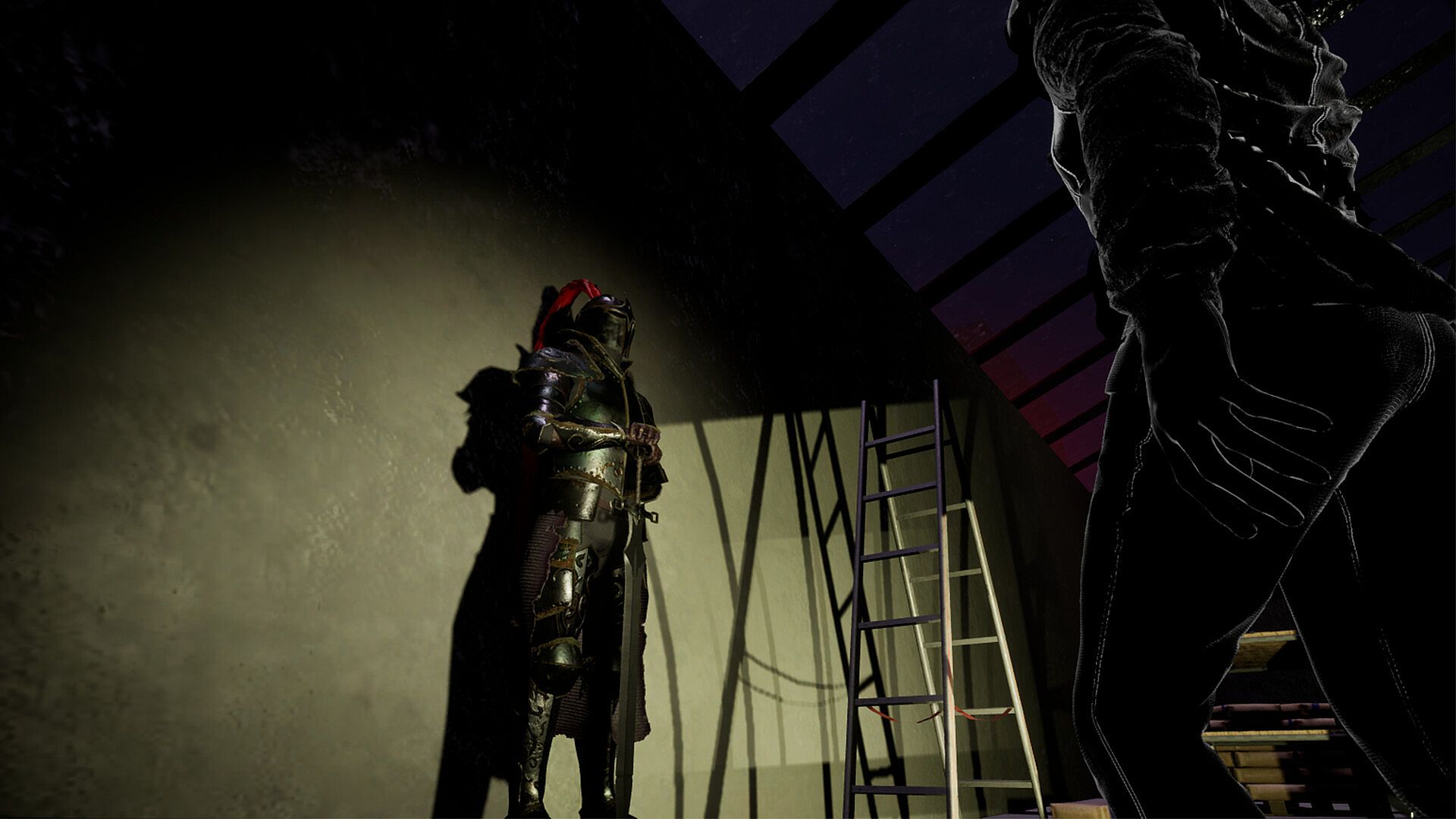
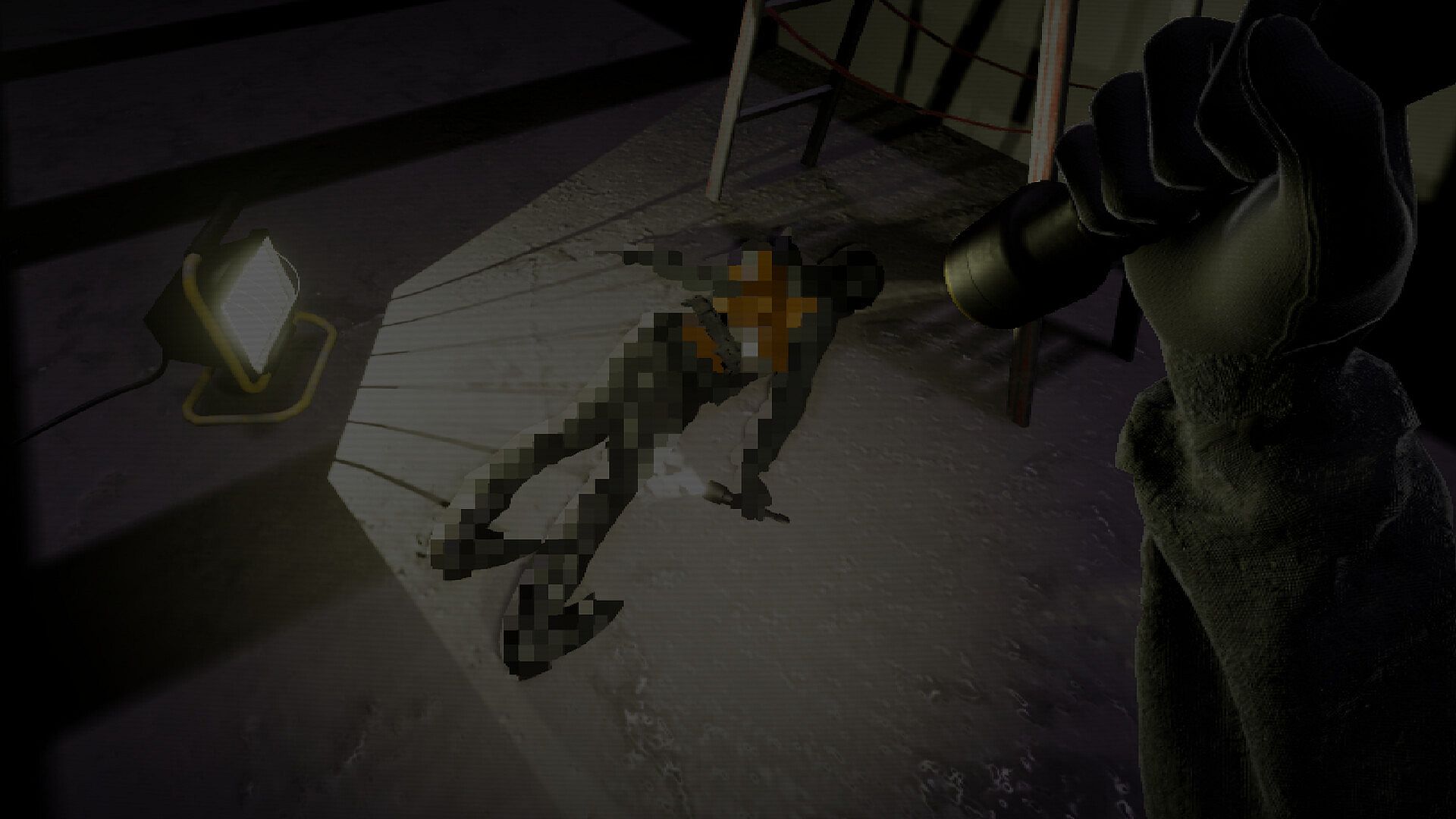
Environments rely on procedural generation to ensure no two expeditions feel identical. Rooms connect in different patterns, and creature behaviors shift between outings. Some entities actively hunt the team while others remain passive observers, forcing players to adapt tactics on the fly. Exploration rewards attention to detail because overlooked details can turn an expedition dangerous. The semi-realistic presentation supports a grounded yet unsettling atmosphere that fits the adventure genre. Upgrades obtained after missions directly affect how the team handles these variables on subsequent runs.
Progression and Upgrades
Each completed contract yields materials for unit improvements. Implants and gadgets expand capabilities and help the team manage risk in later, more demanding expeditions. The upgrade system ties directly into the loop of venturing out, returning safely, and preparing for the next assignment. This creates a steady sense of advancement without altering the fundamental focus on coordinated exploration and threat avoidance. Players who enjoy building toward tougher challenges will find the progression loop engaging within the Early Access framework.
Is It Worth Playing?
Surveillance Unit 7 suits players who prefer co-op adventure experiences centered on procedural exploration and survival tension rather than fast-paced action. The emphasis on team coordination in changing environments and the contract-driven mission structure provide repeatable content during its Early Access phase. Those drawn to games that reward careful observation, gadget experimentation, and group decision-making may find the title a solid fit. Availability on PC allows access for groups looking for a shared adventure that evolves with each play session. Current development status means features and balance continue to receive attention, so expectations should align with an ongoing Early Access project. The combination of procedural variety and upgrade progression offers a focused experience for the right audience.











