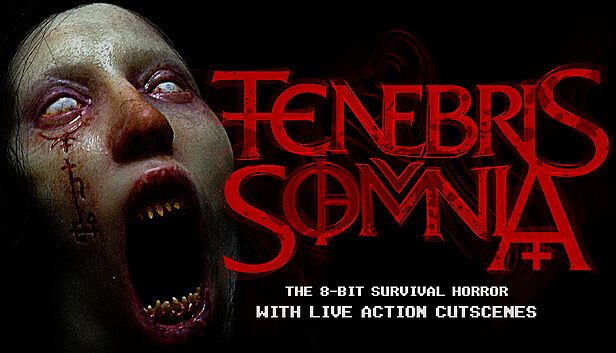


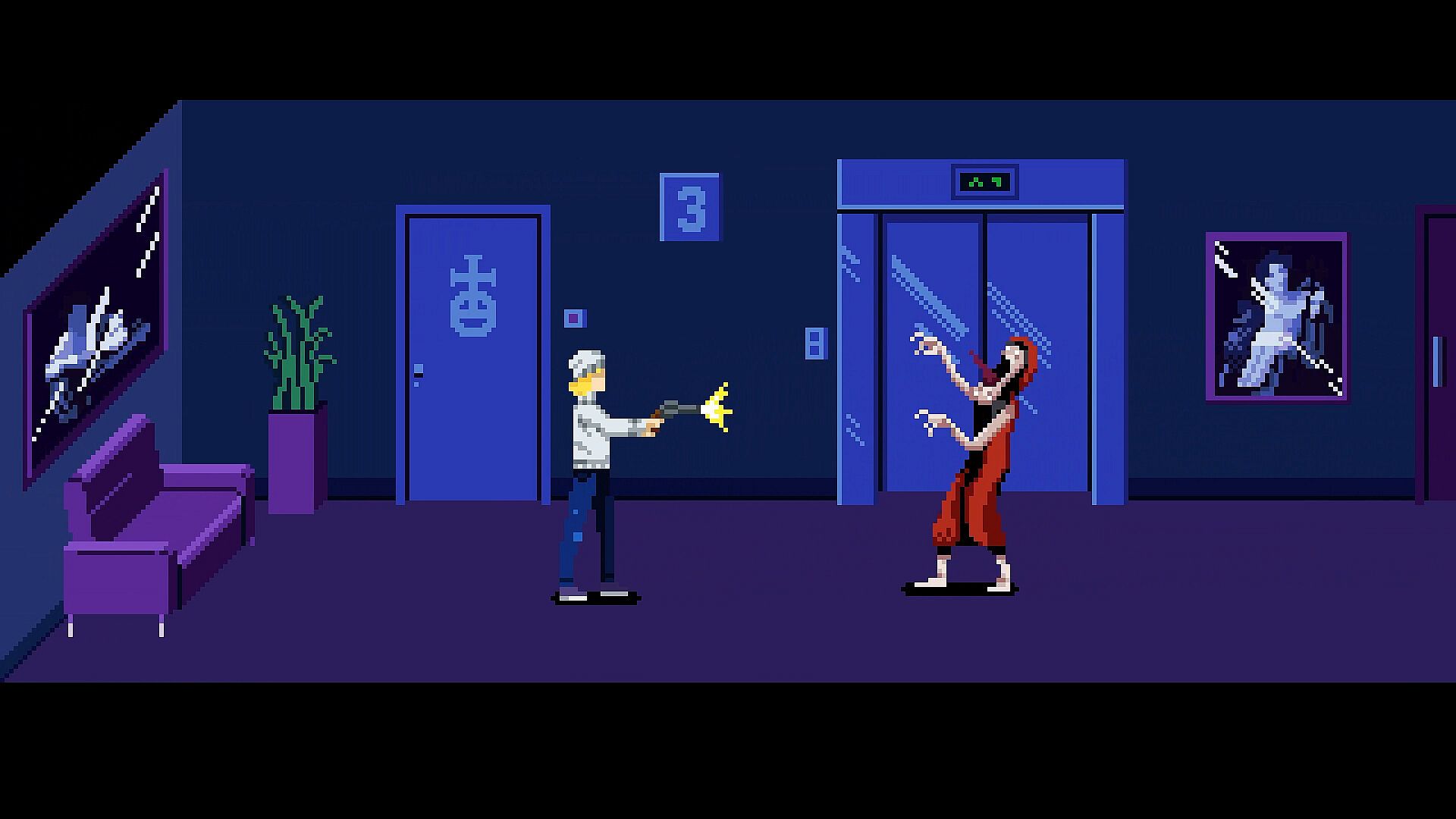
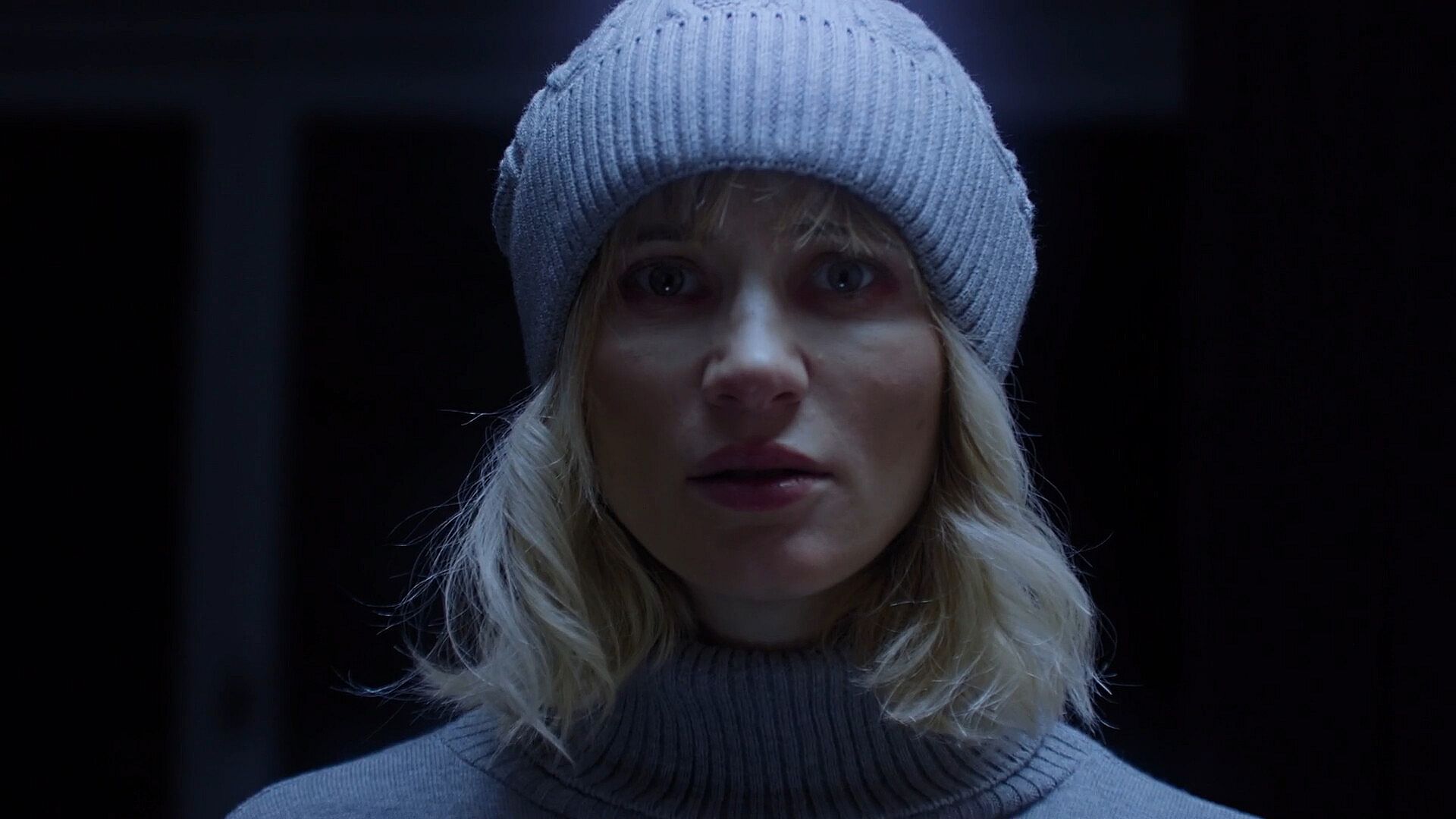
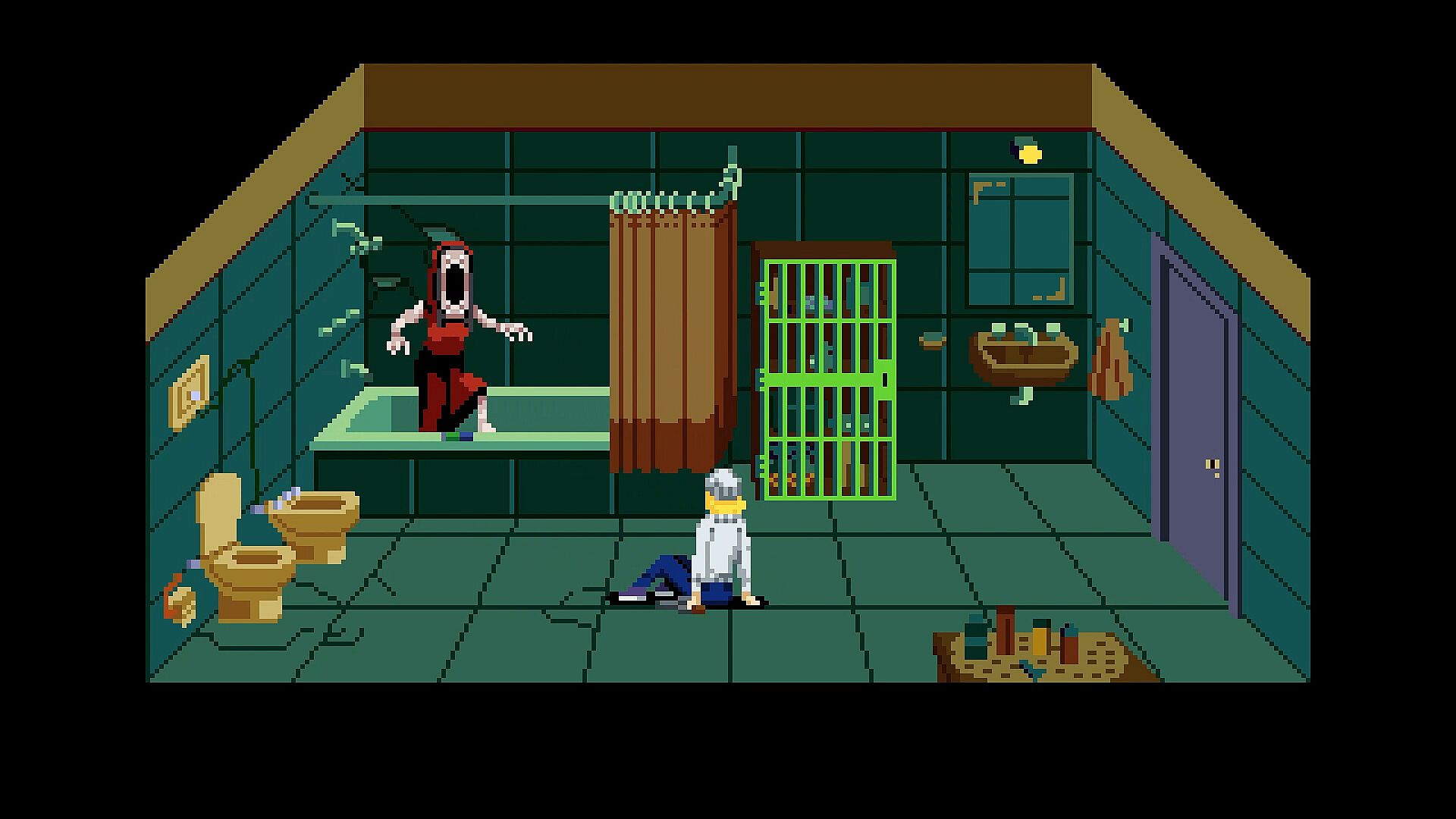
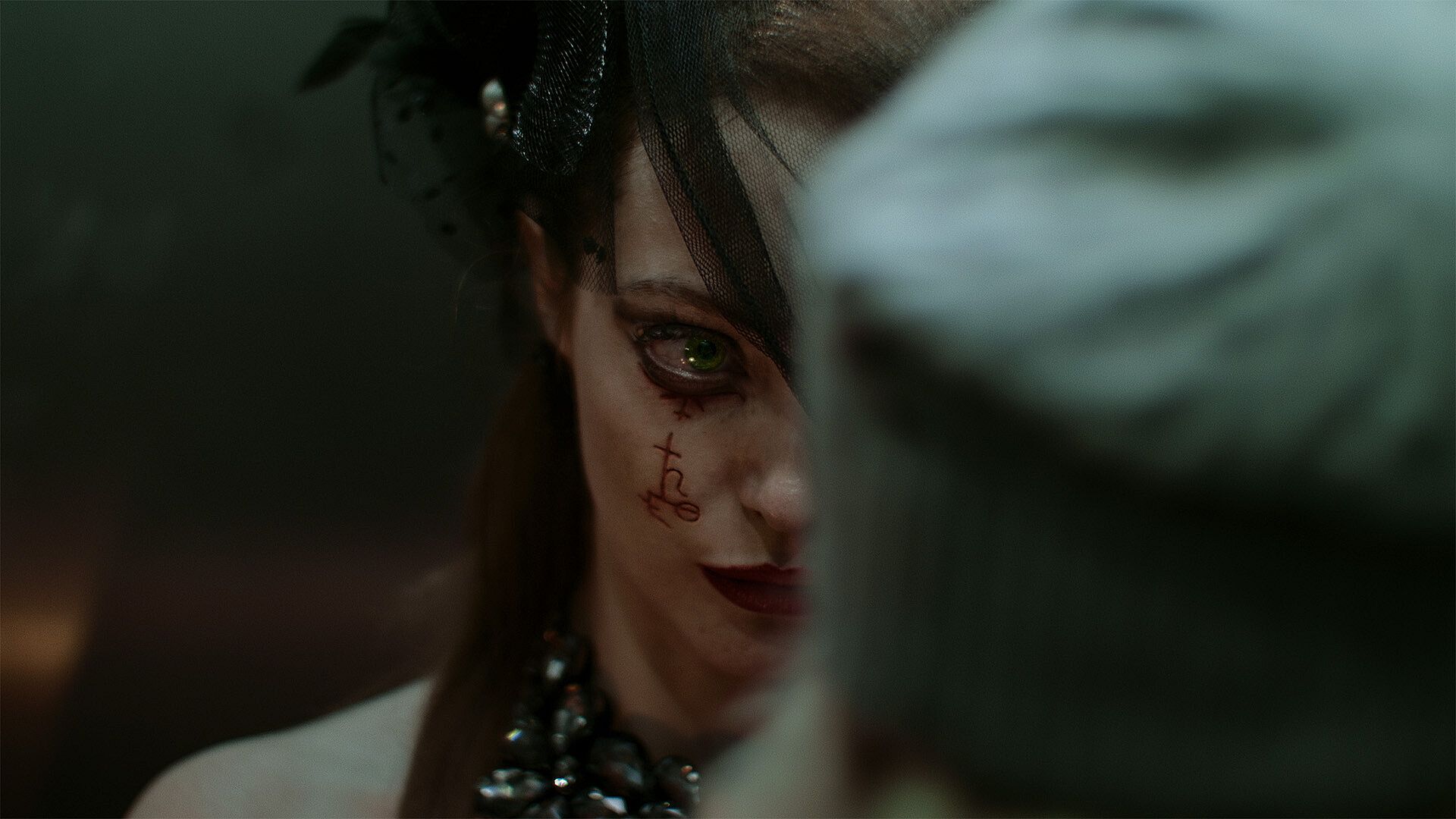
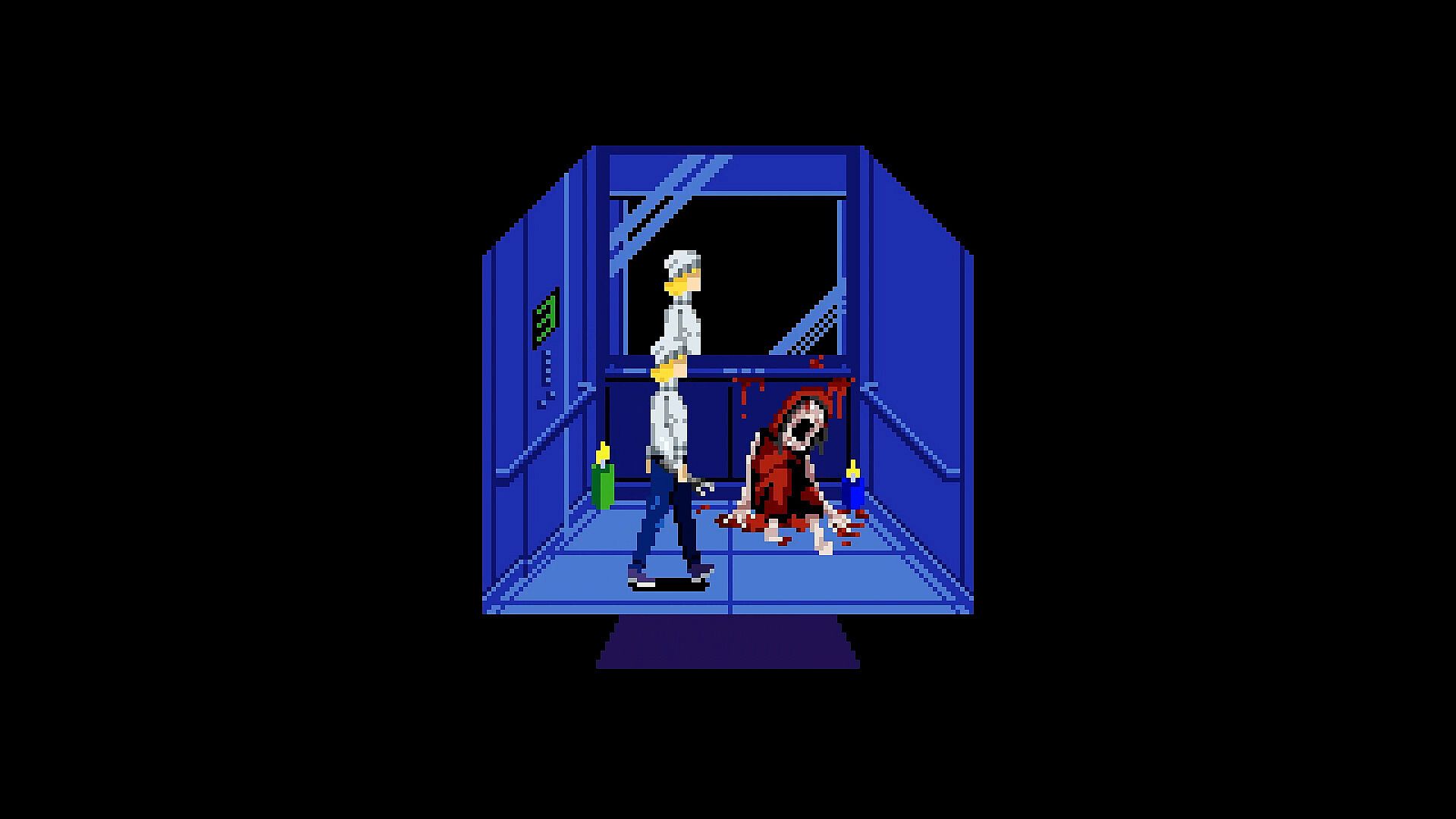
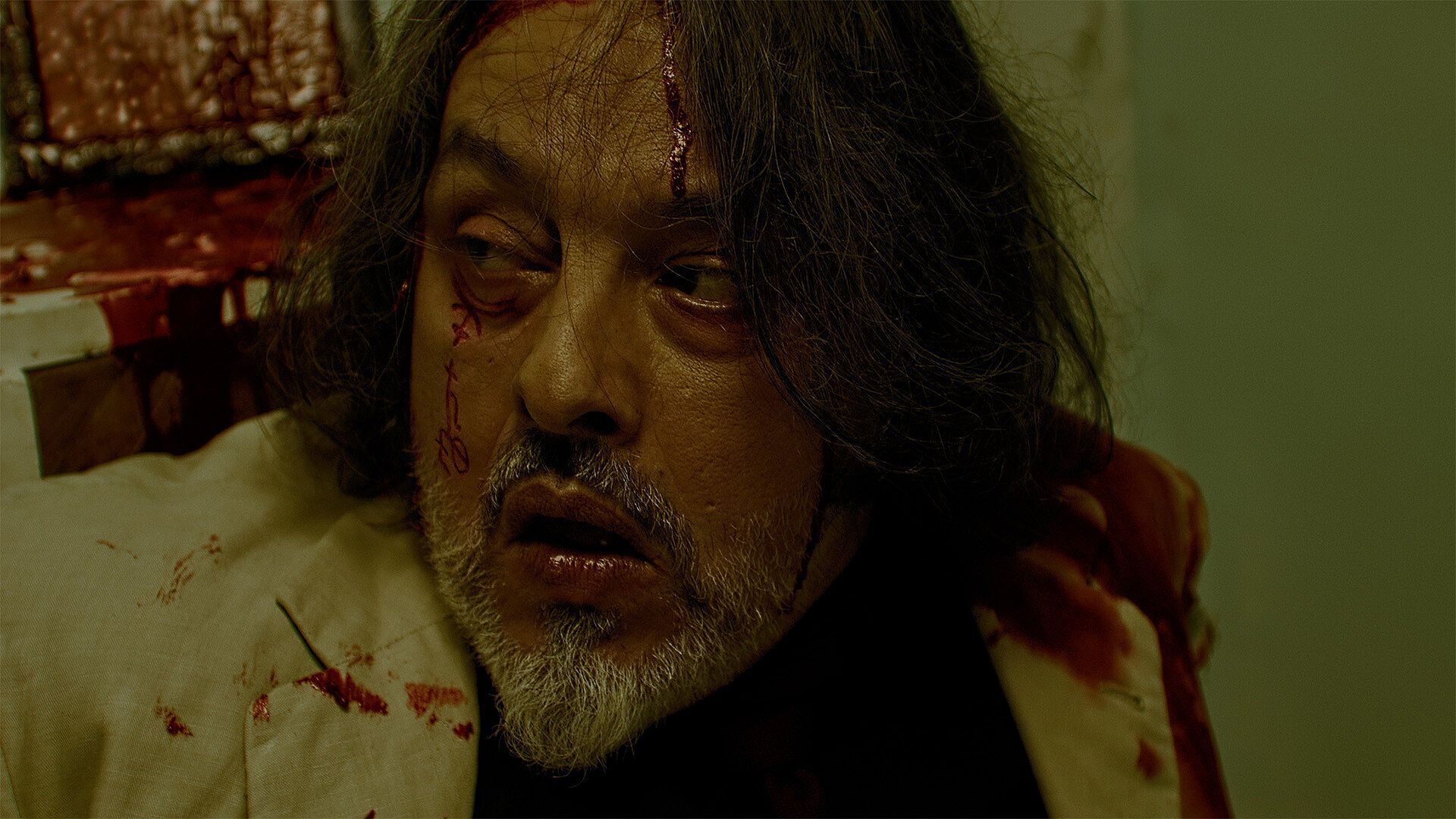
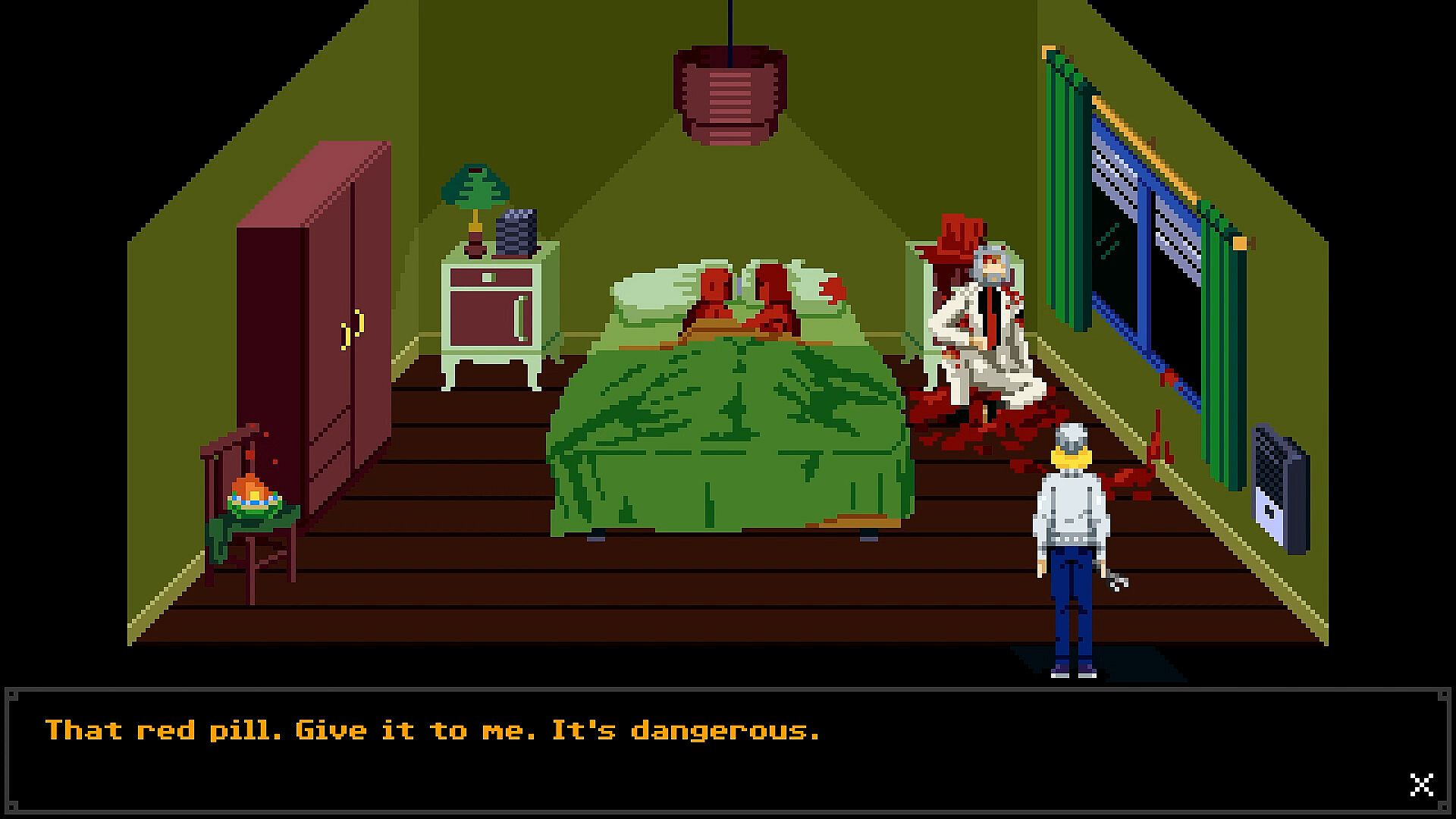
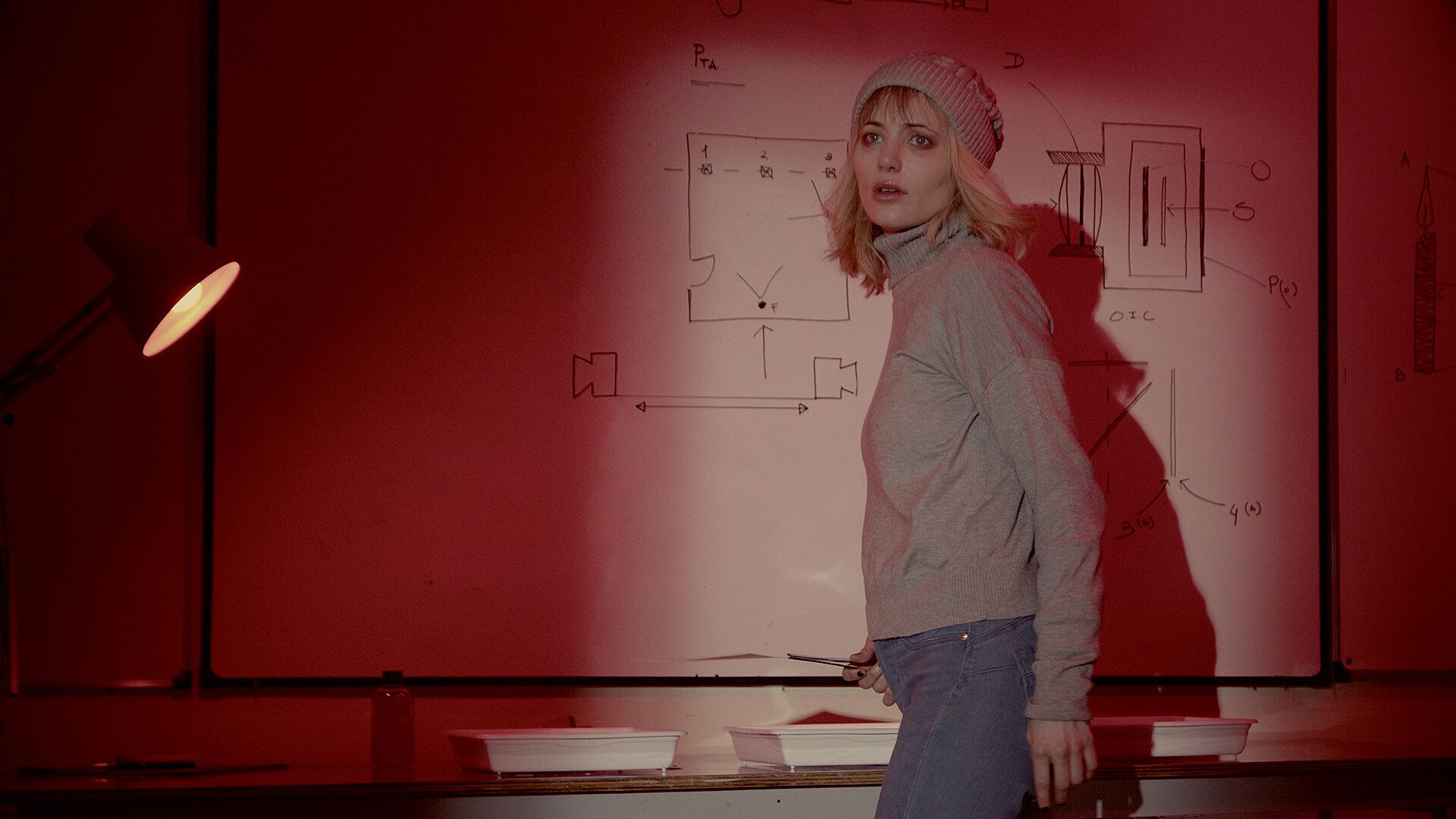
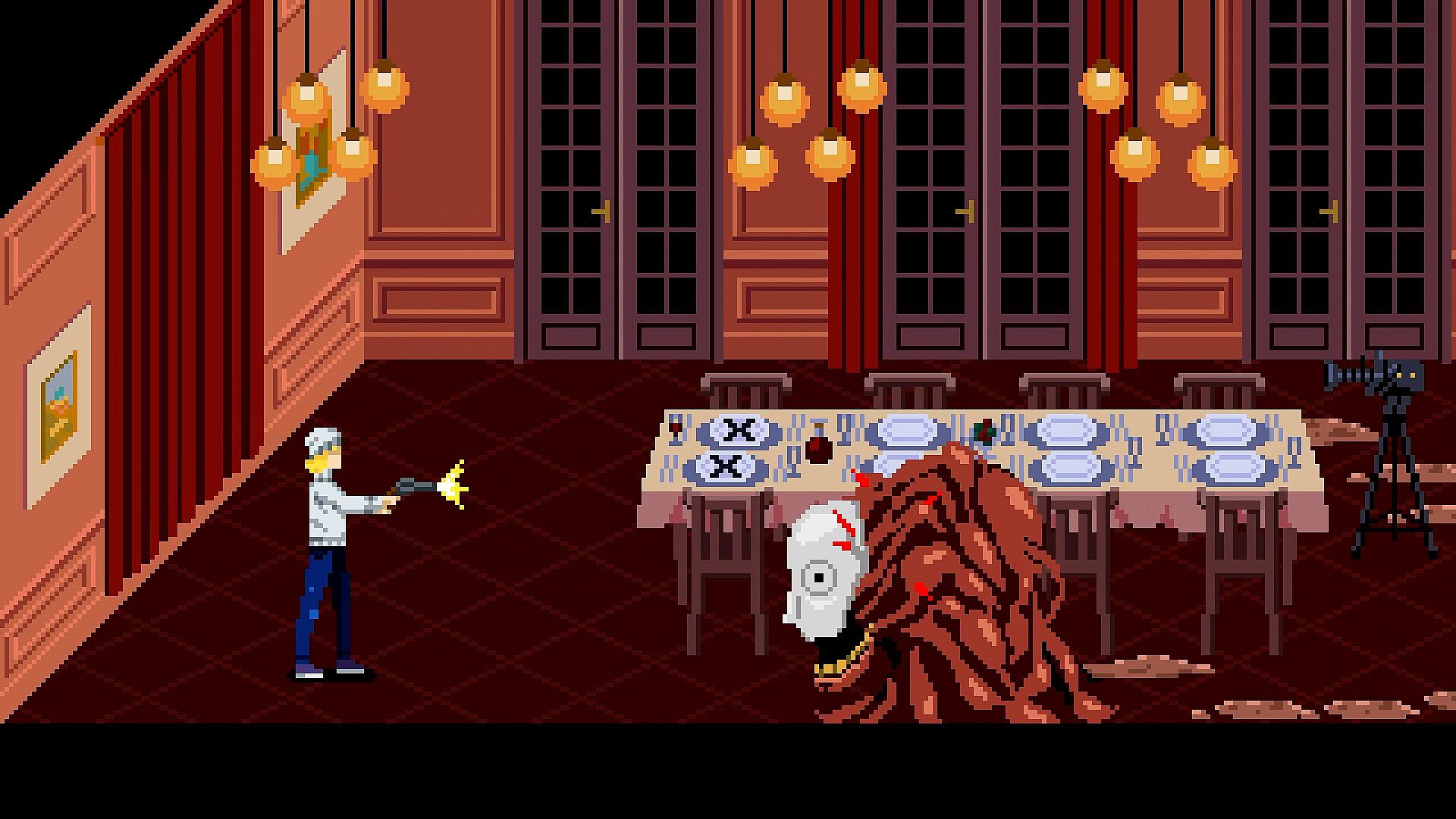
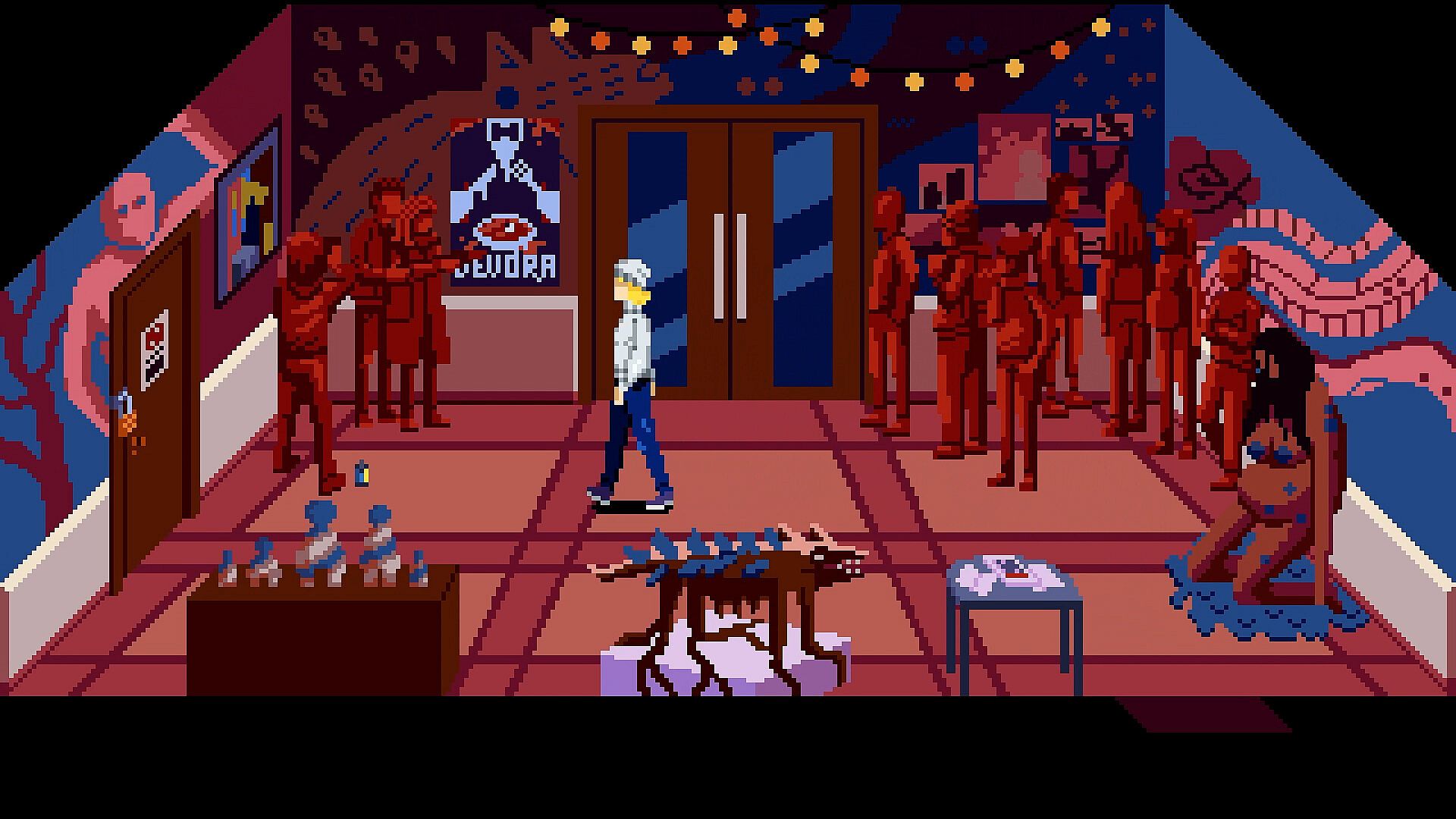
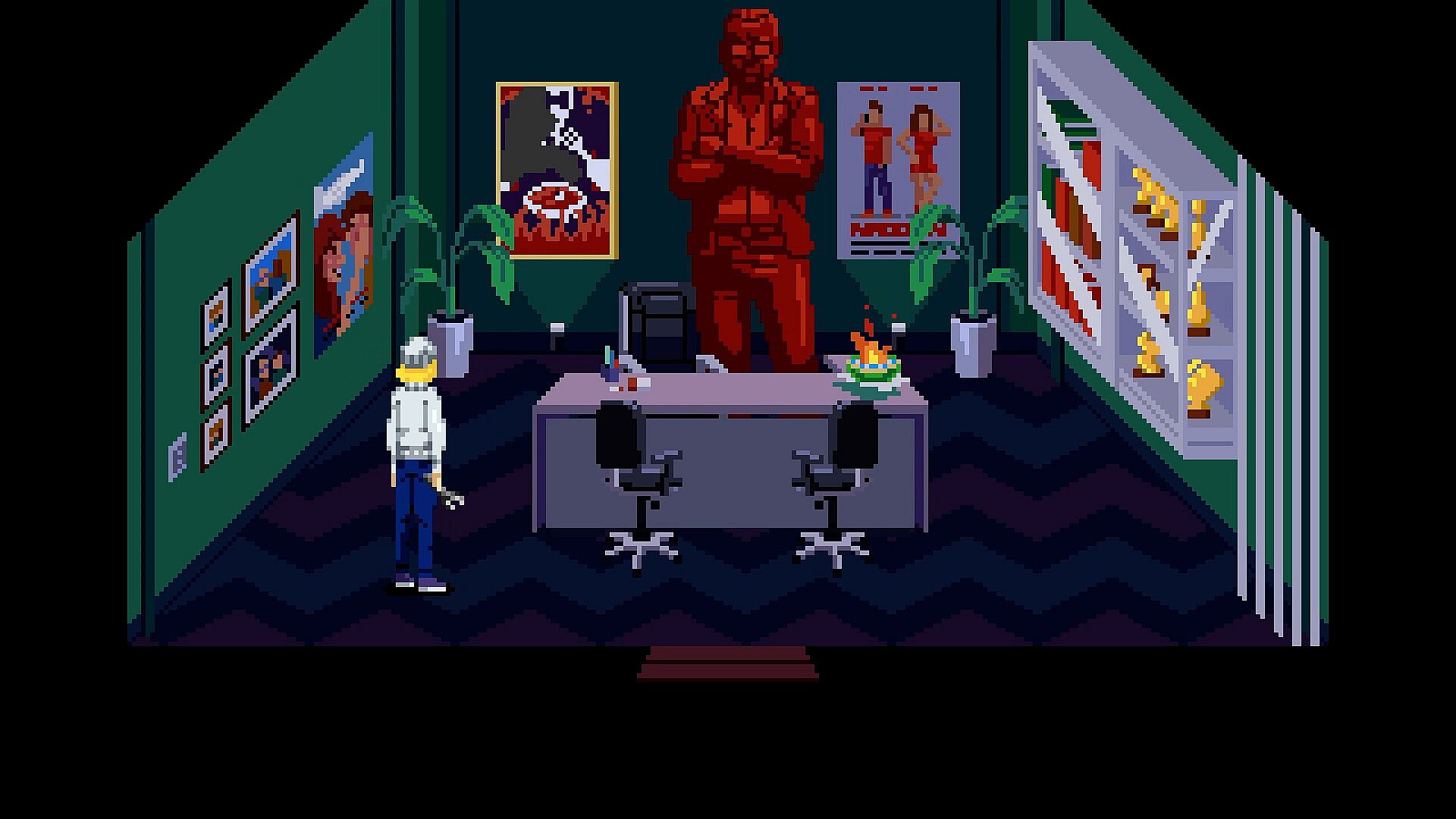

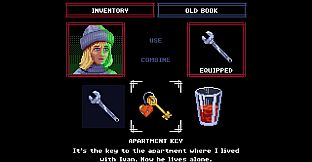
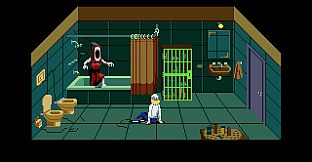
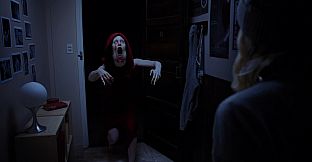
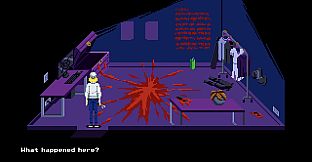
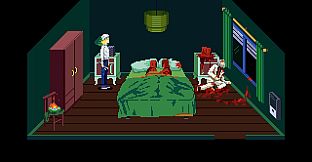
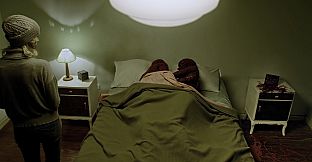

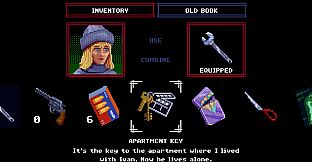
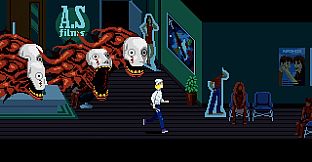
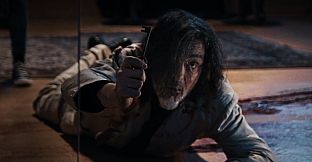

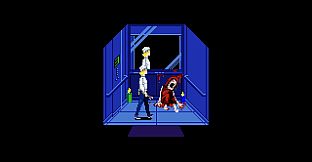

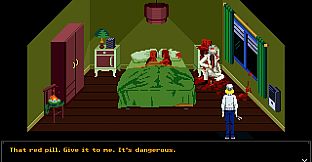
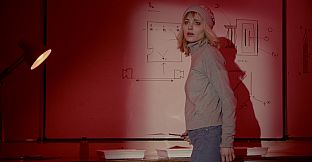
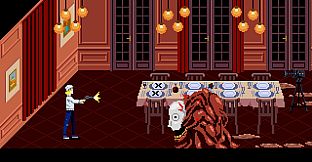

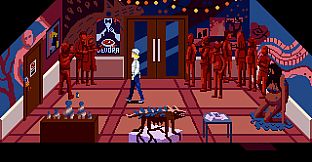

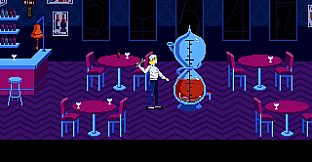


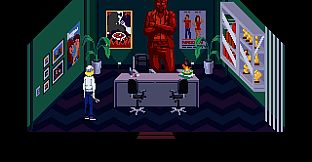

Tenebris Somnia est un jeu d'aventure survival horror en solo qui mêle pixel art 2D rétro et séquences live-action. Développé en indépendant, il s'inspire des classiques du genre tout en proposant un contraste visuel marqué grâce à ses cinématiques. Le joueur évolue dans un récit troublant en explorant des environnements, en gérant des ressources limitées et en affrontant des menaces dans un style 8-bit ou 16-bit.
Gameplay
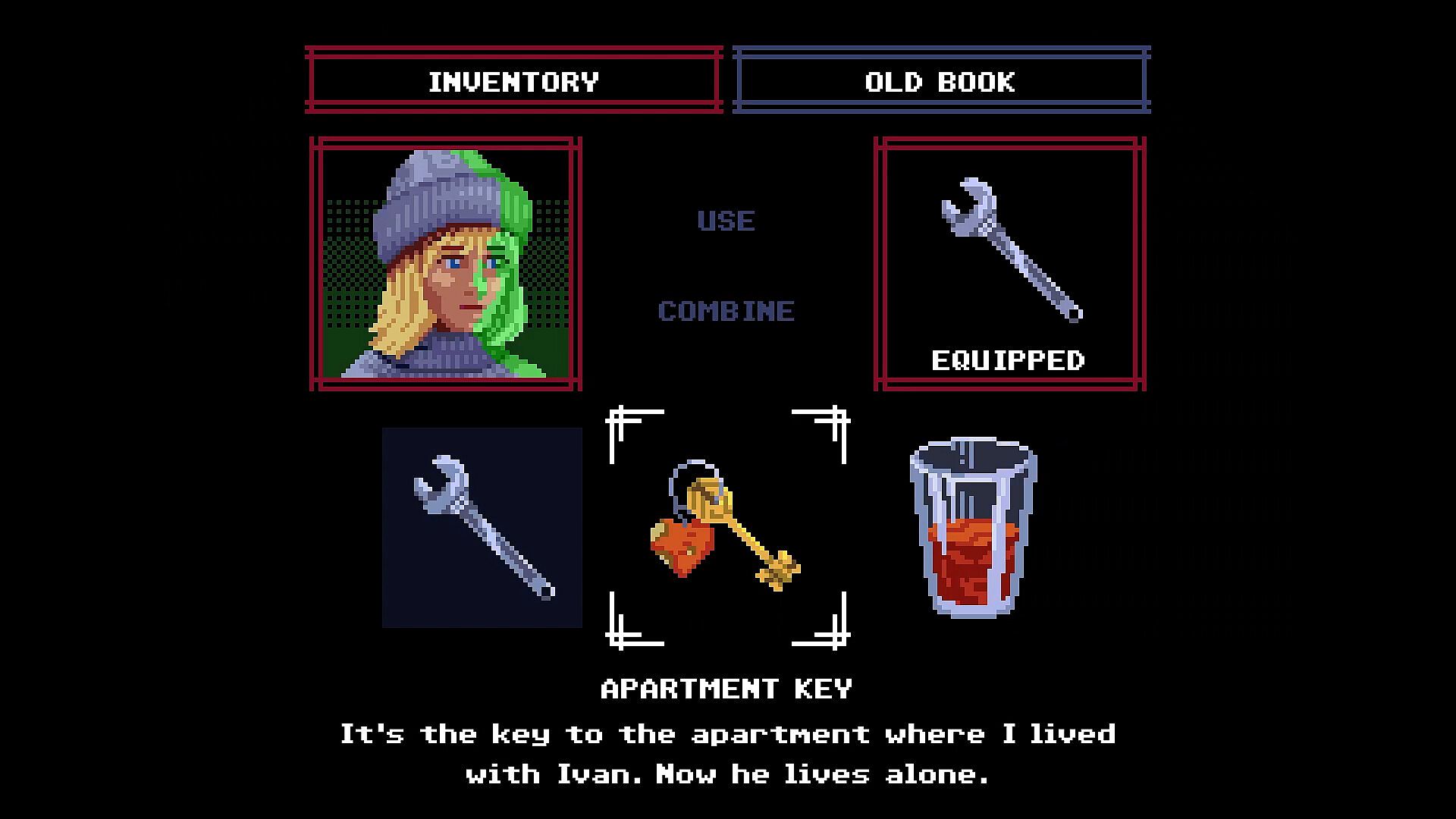
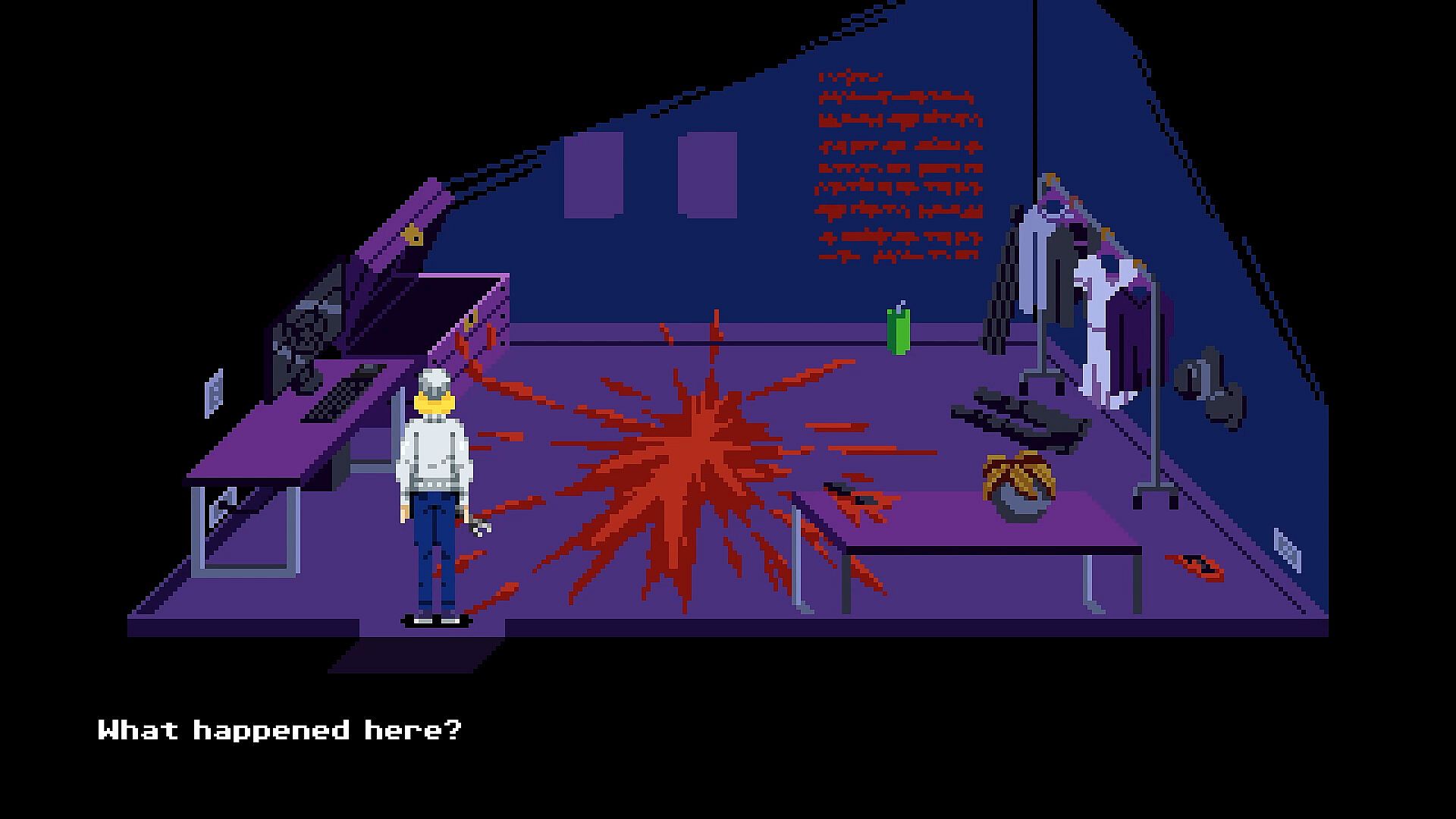
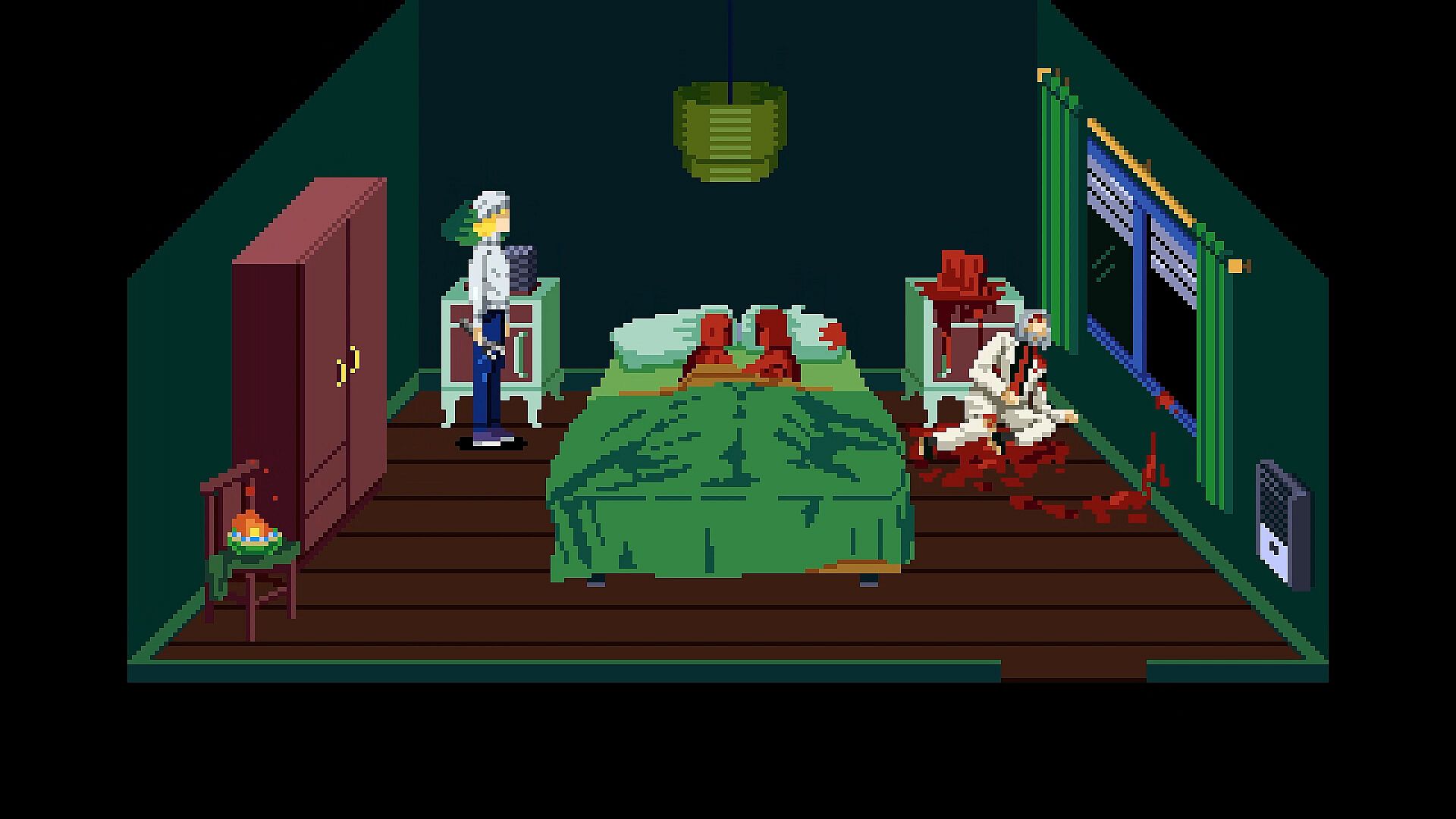
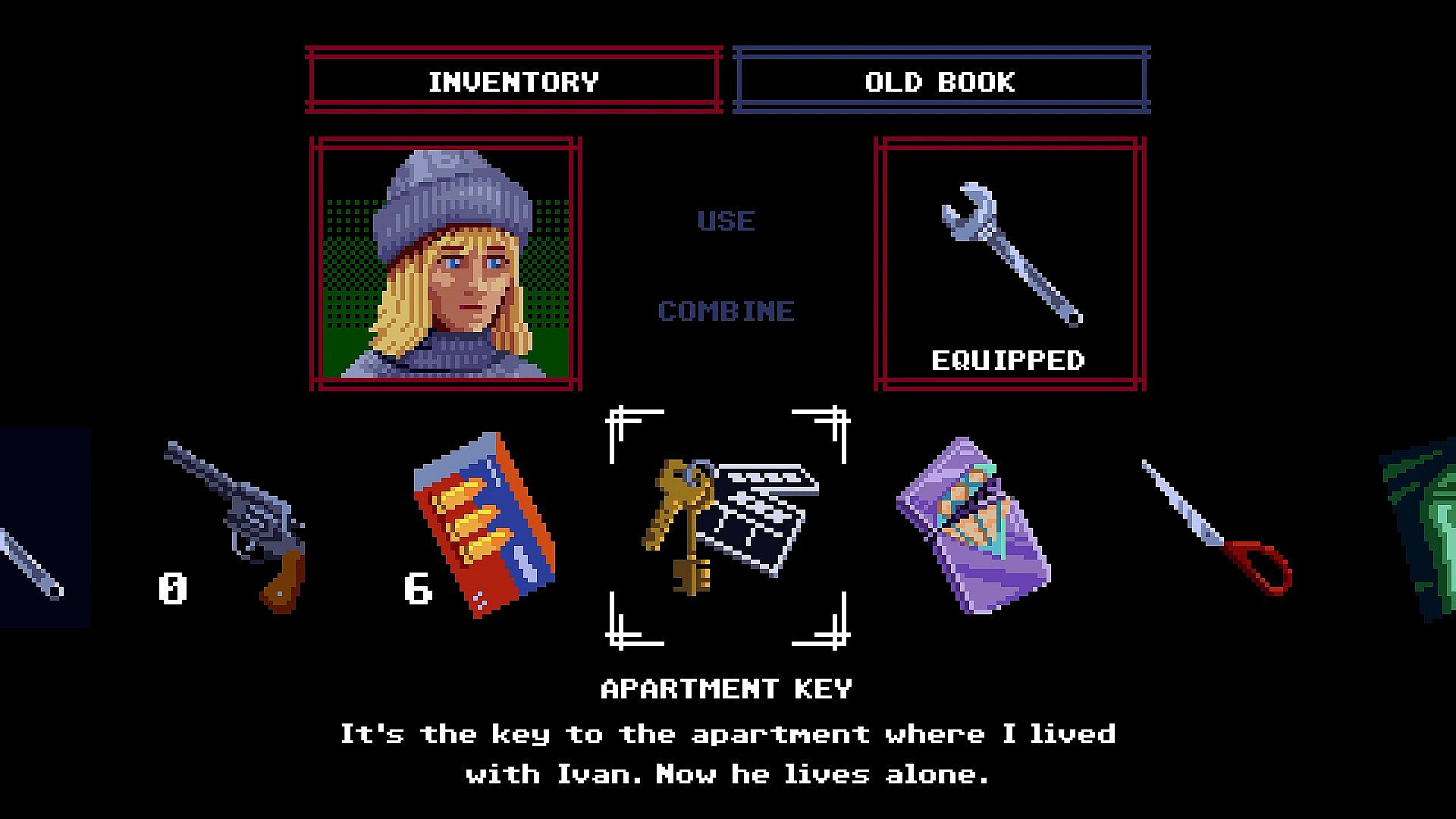
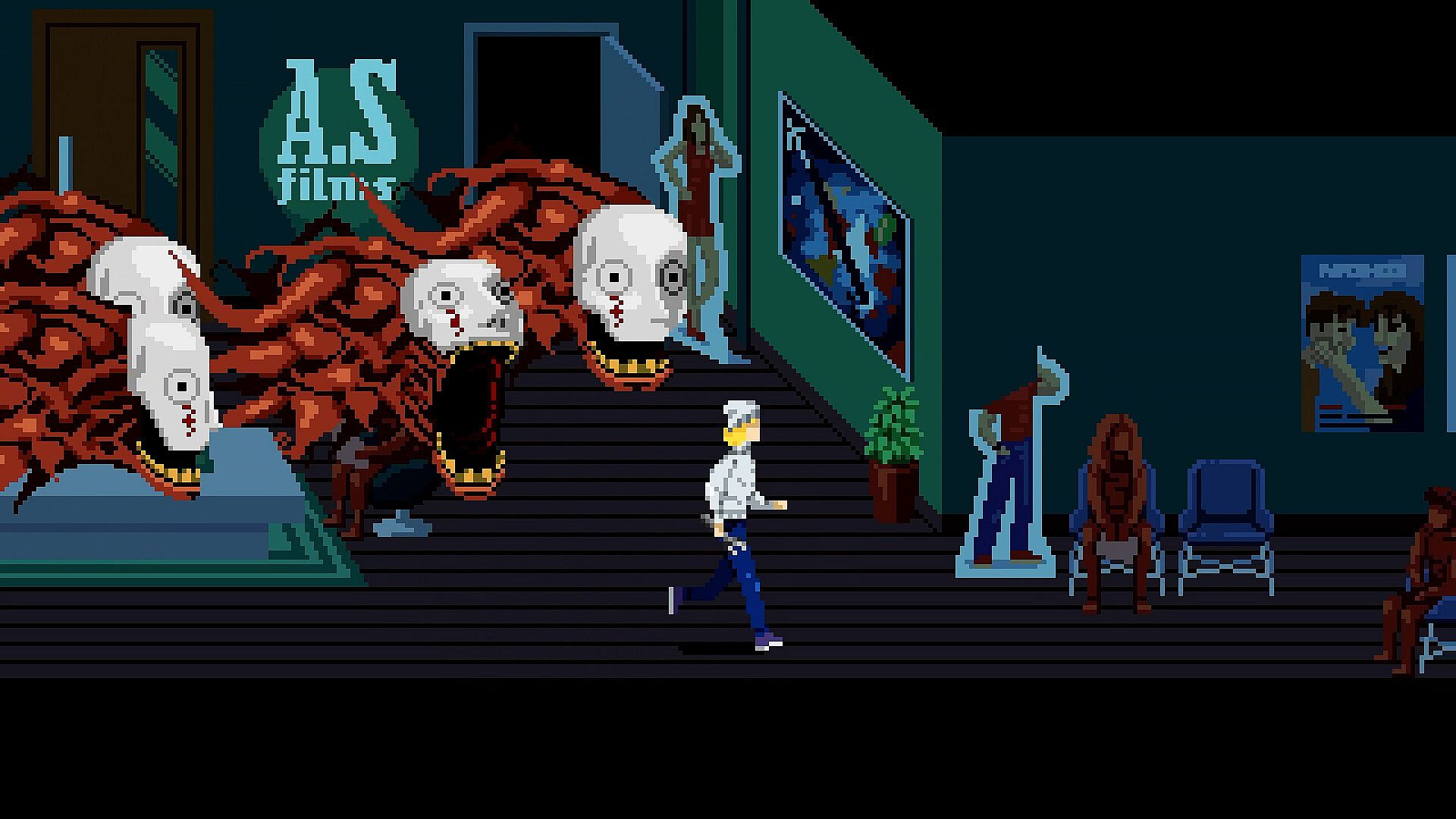
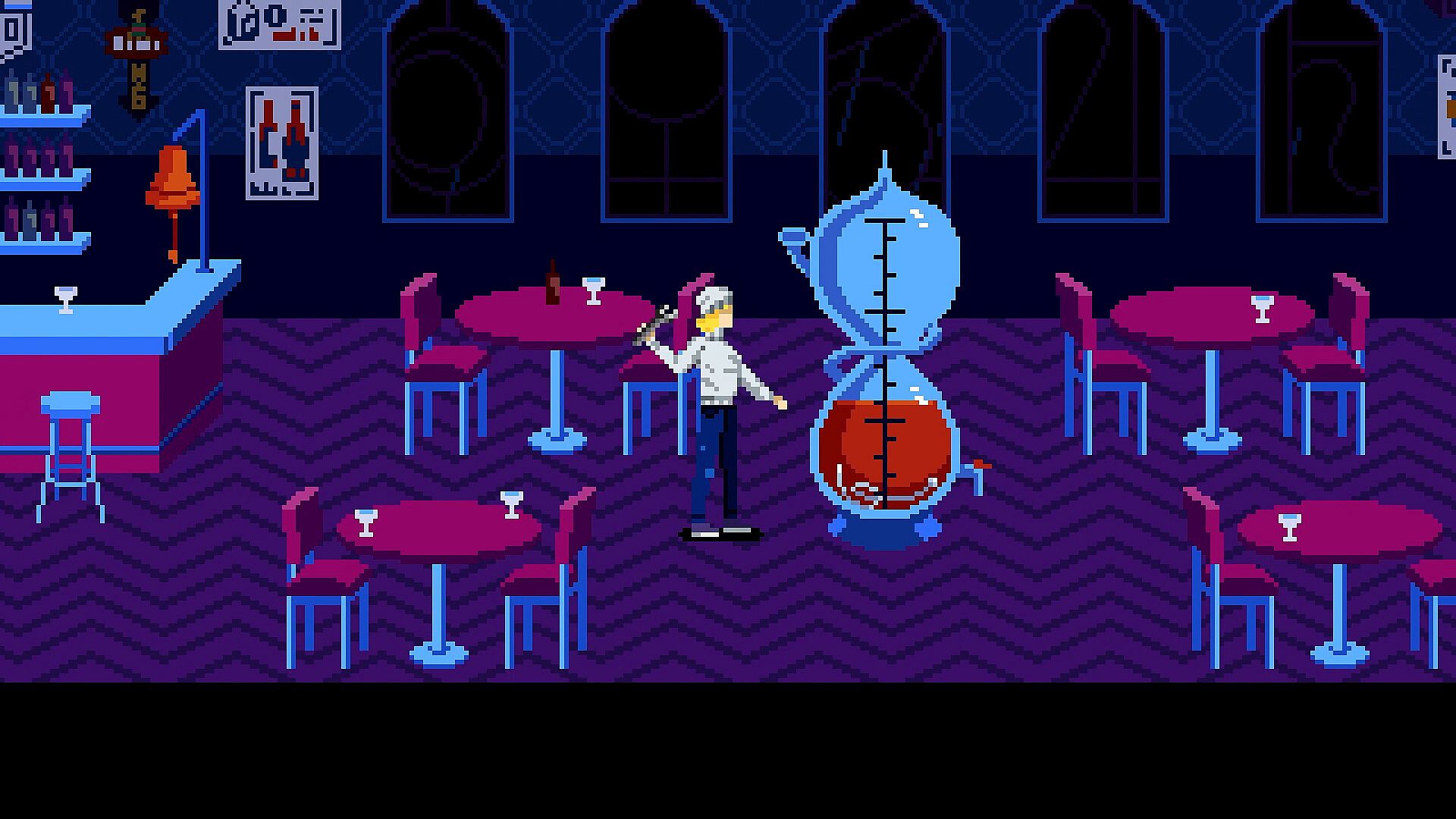
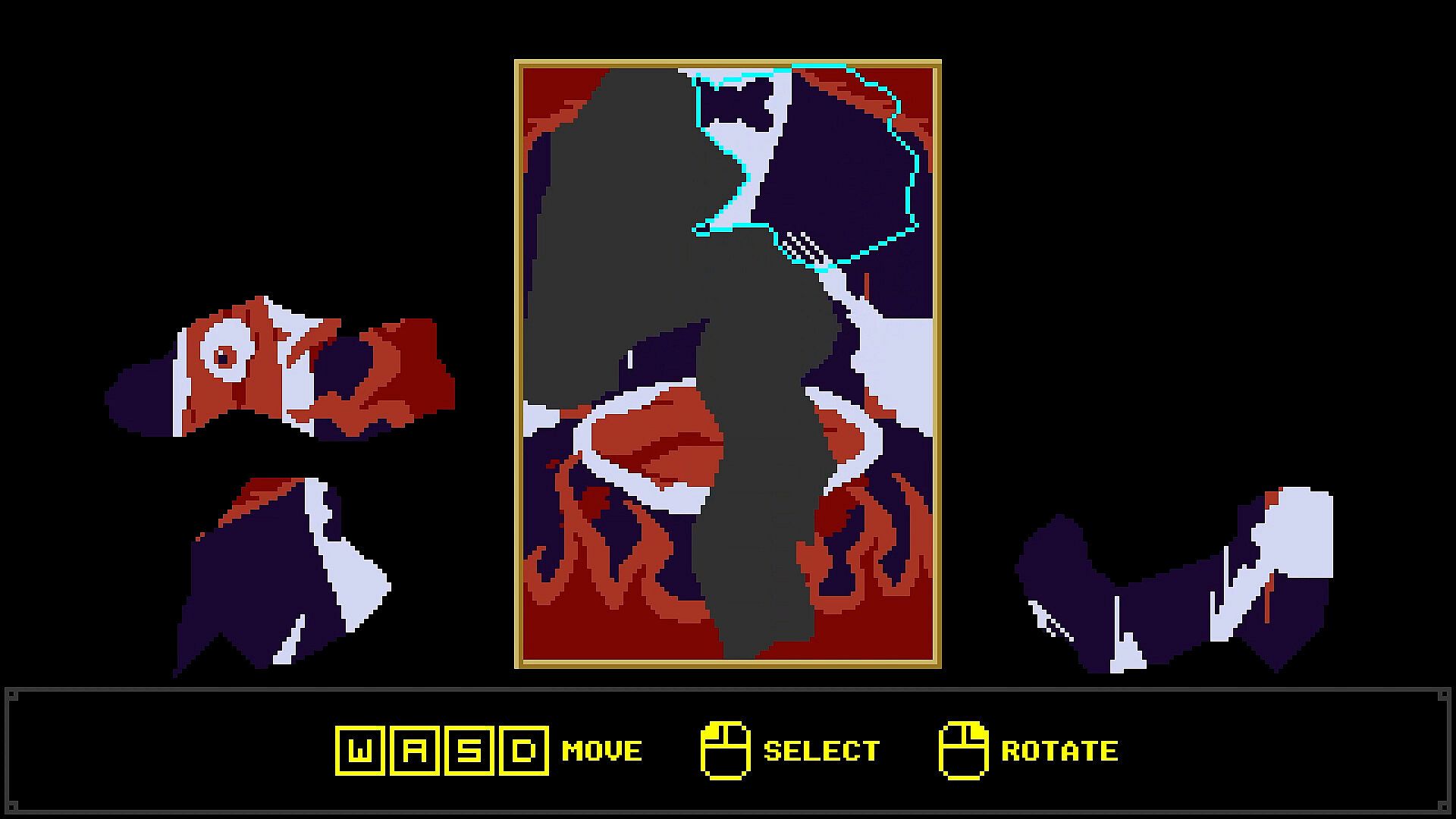
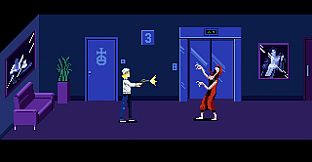
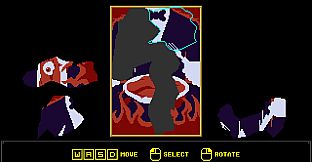
Le cœur du jeu repose sur la survie dans des lieux confinés et oppressants, où l'exploration permet de découvrir indices et objets nécessaires à la progression. Le joueur ramasse des éléments, consulte leurs descriptions pour obtenir des indices et les combine afin de résoudre des énigmes environnementales qui bloquent l'avancée. Les combats se déroulent en affrontements directs contre des créatures grotesques, exigeant un bon timing et un positionnement précis pour survivre avec peu de munitions et de soins.
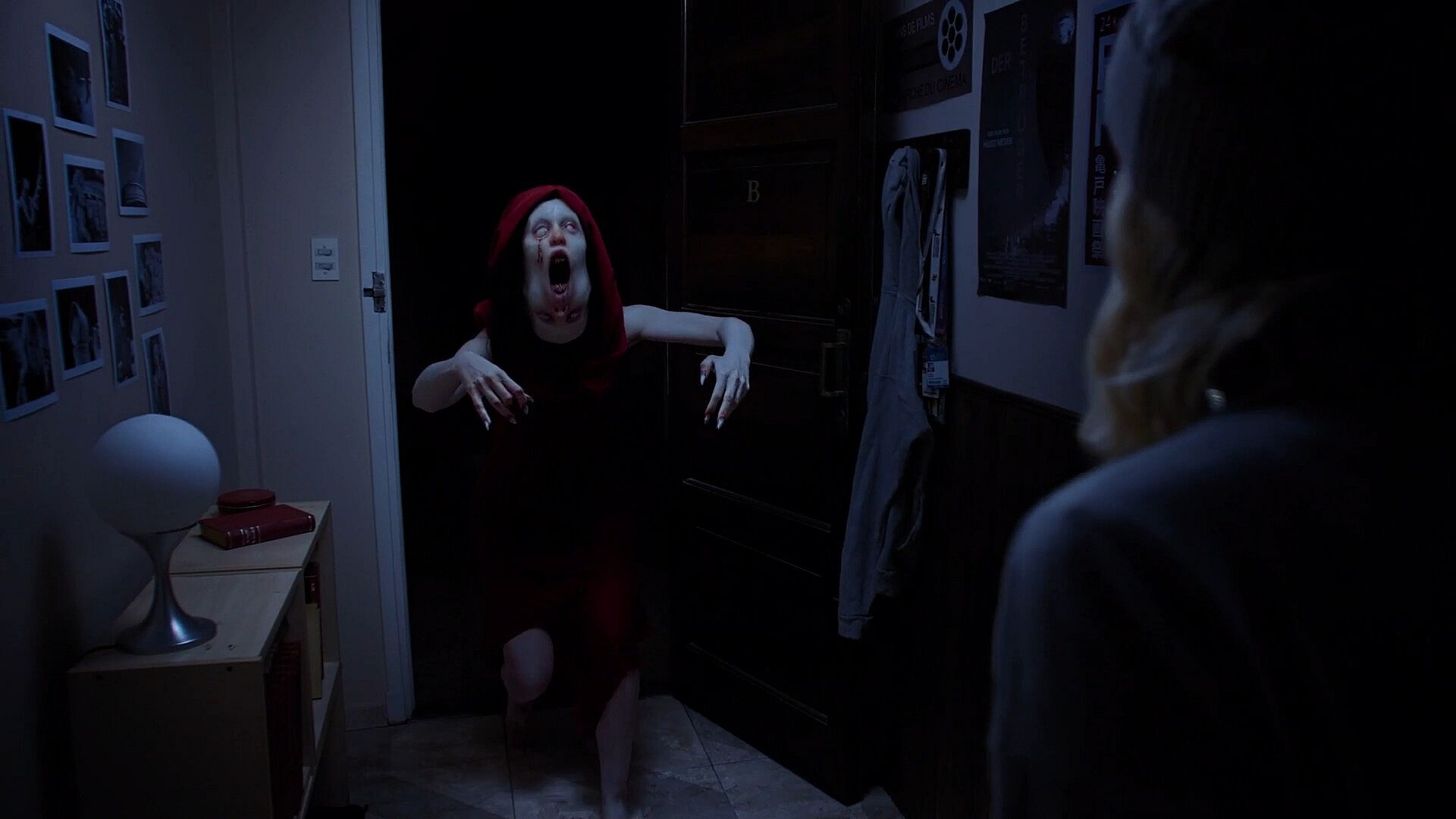
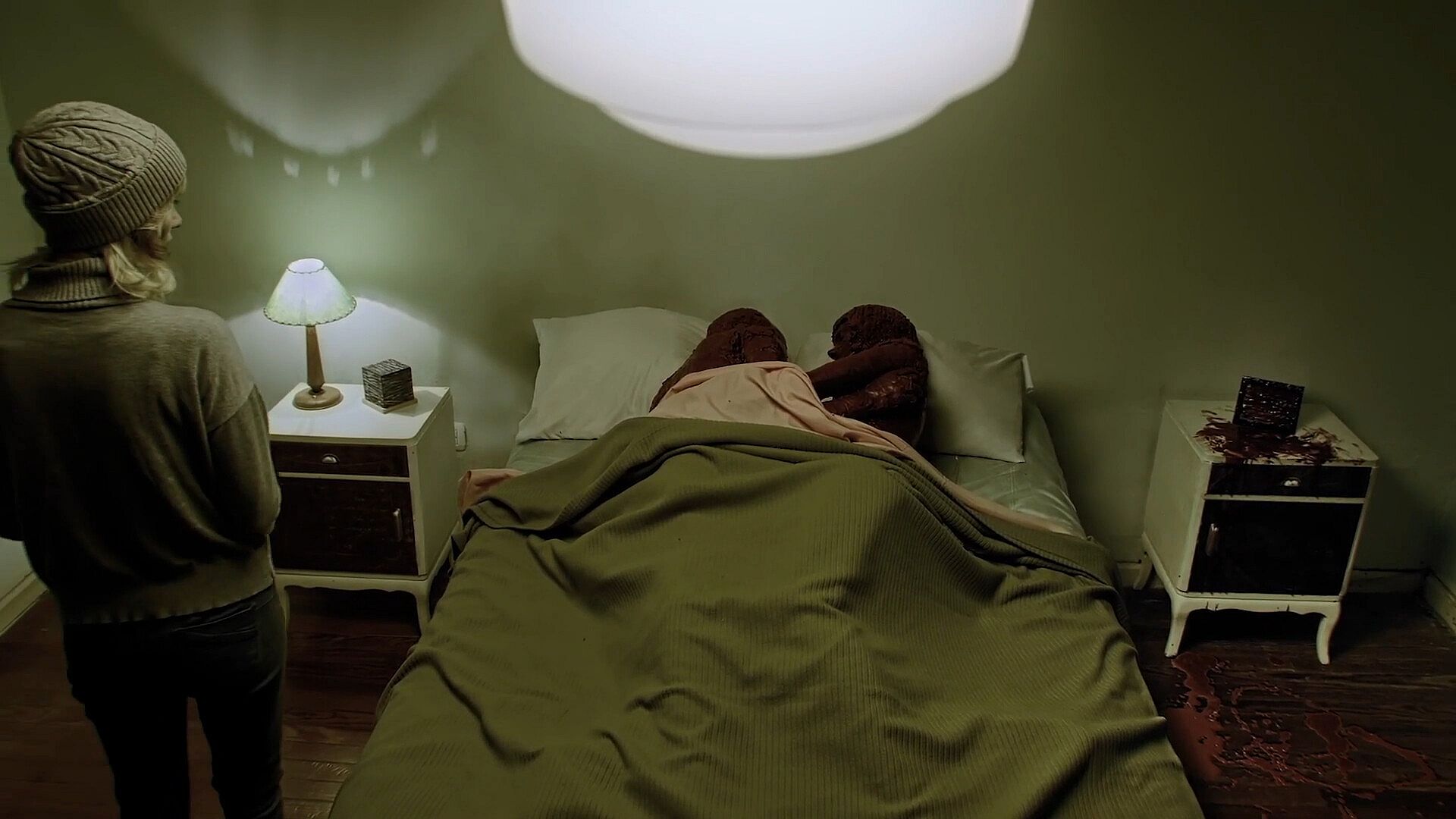
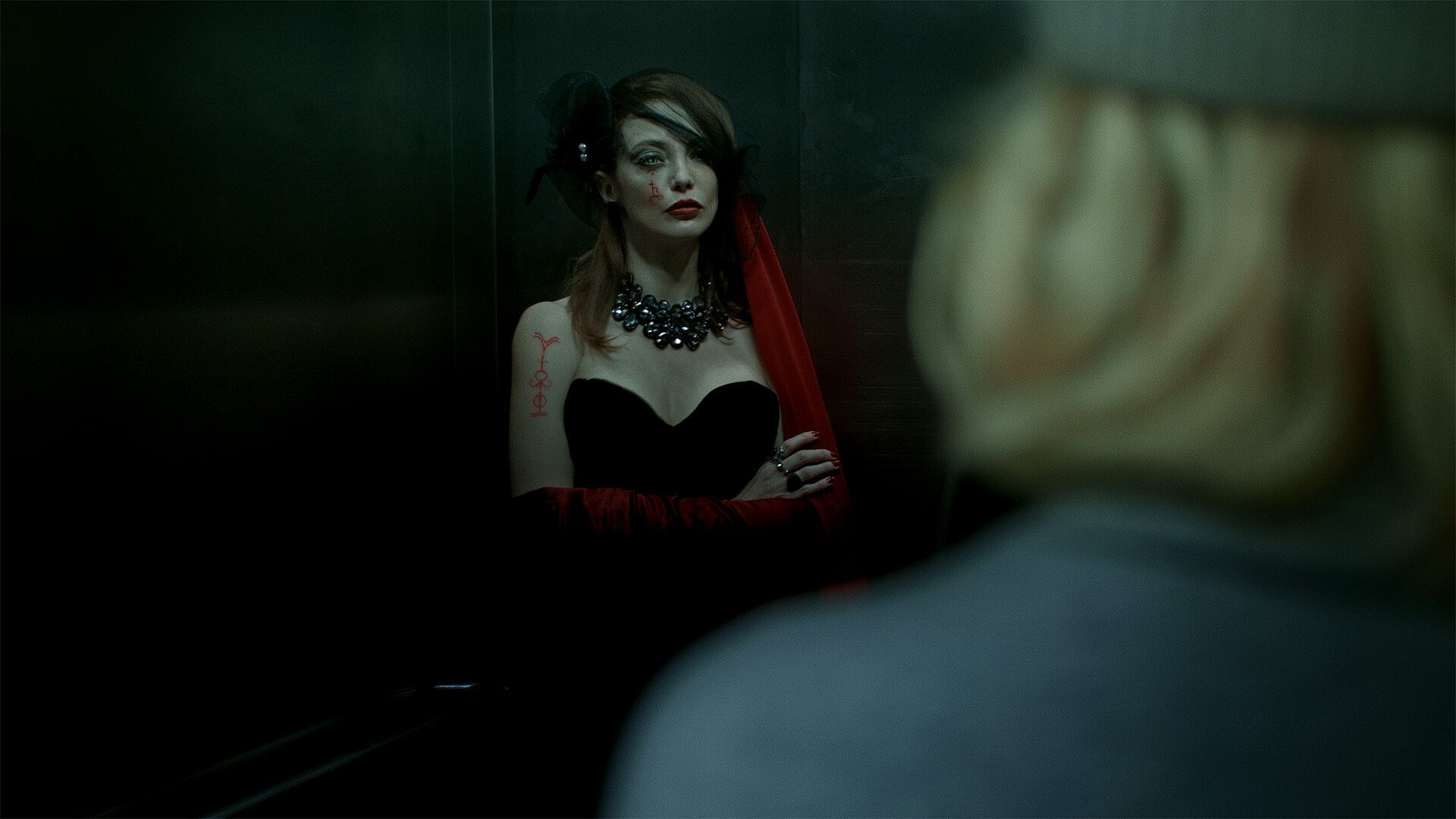
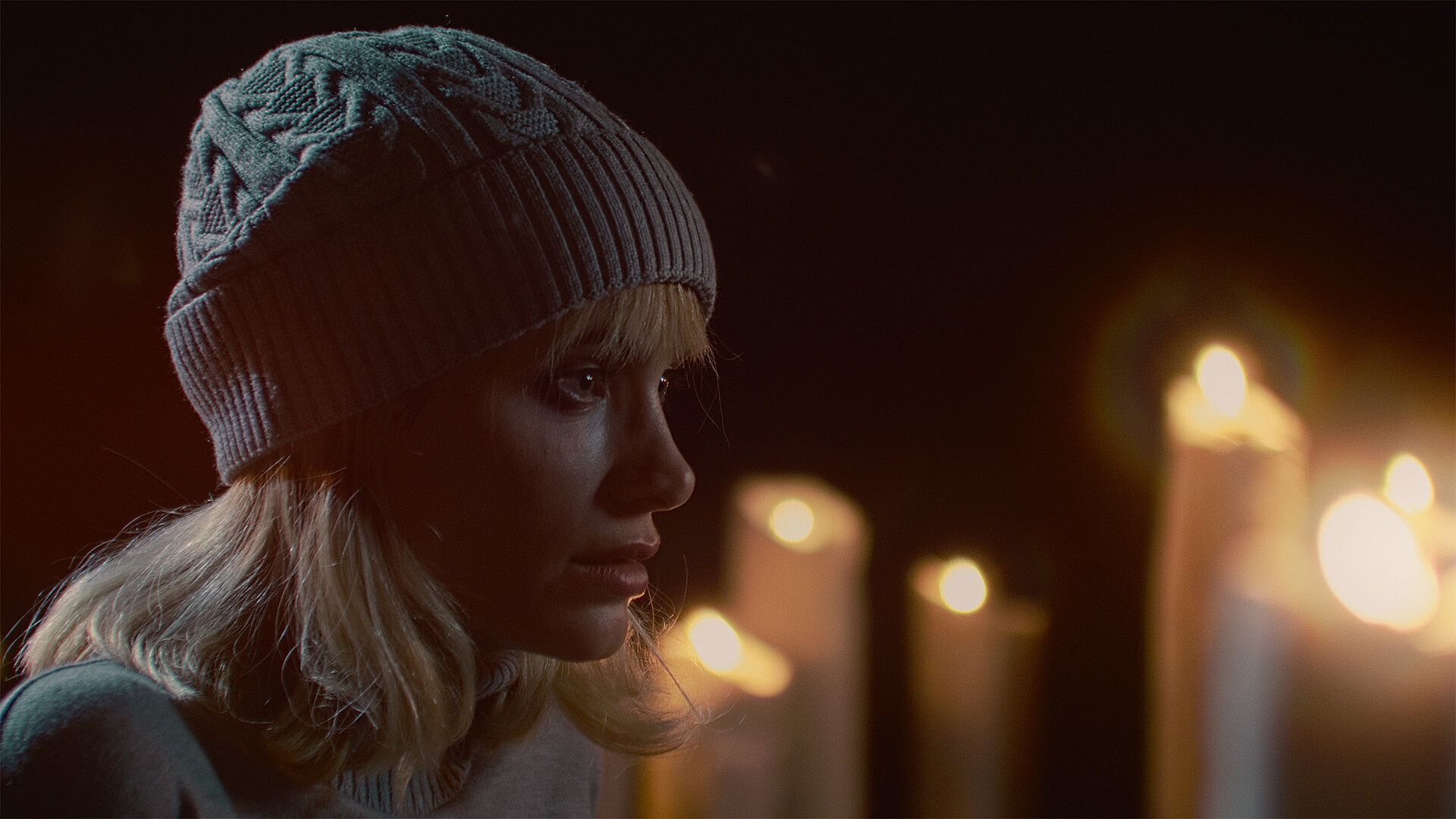
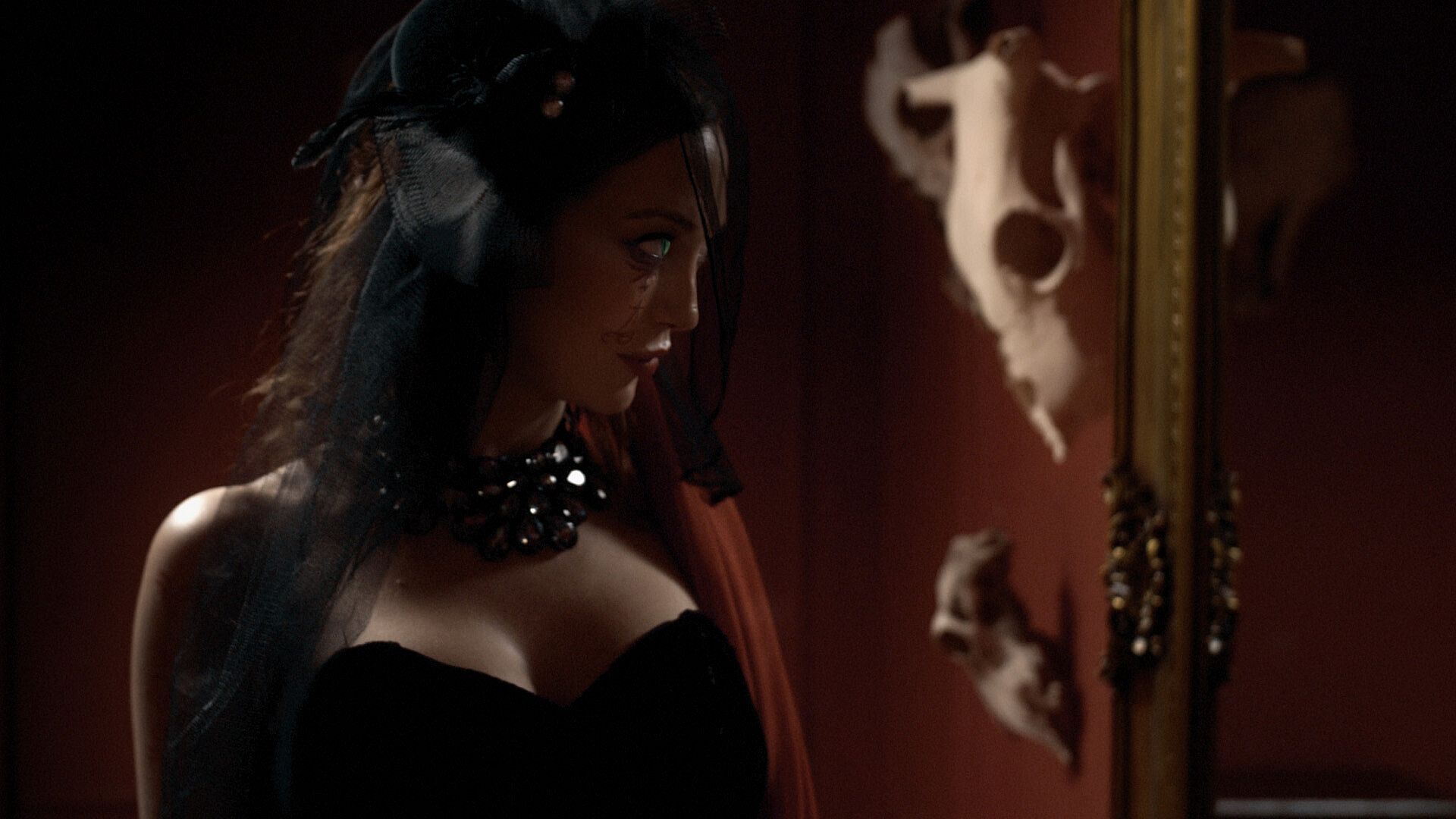
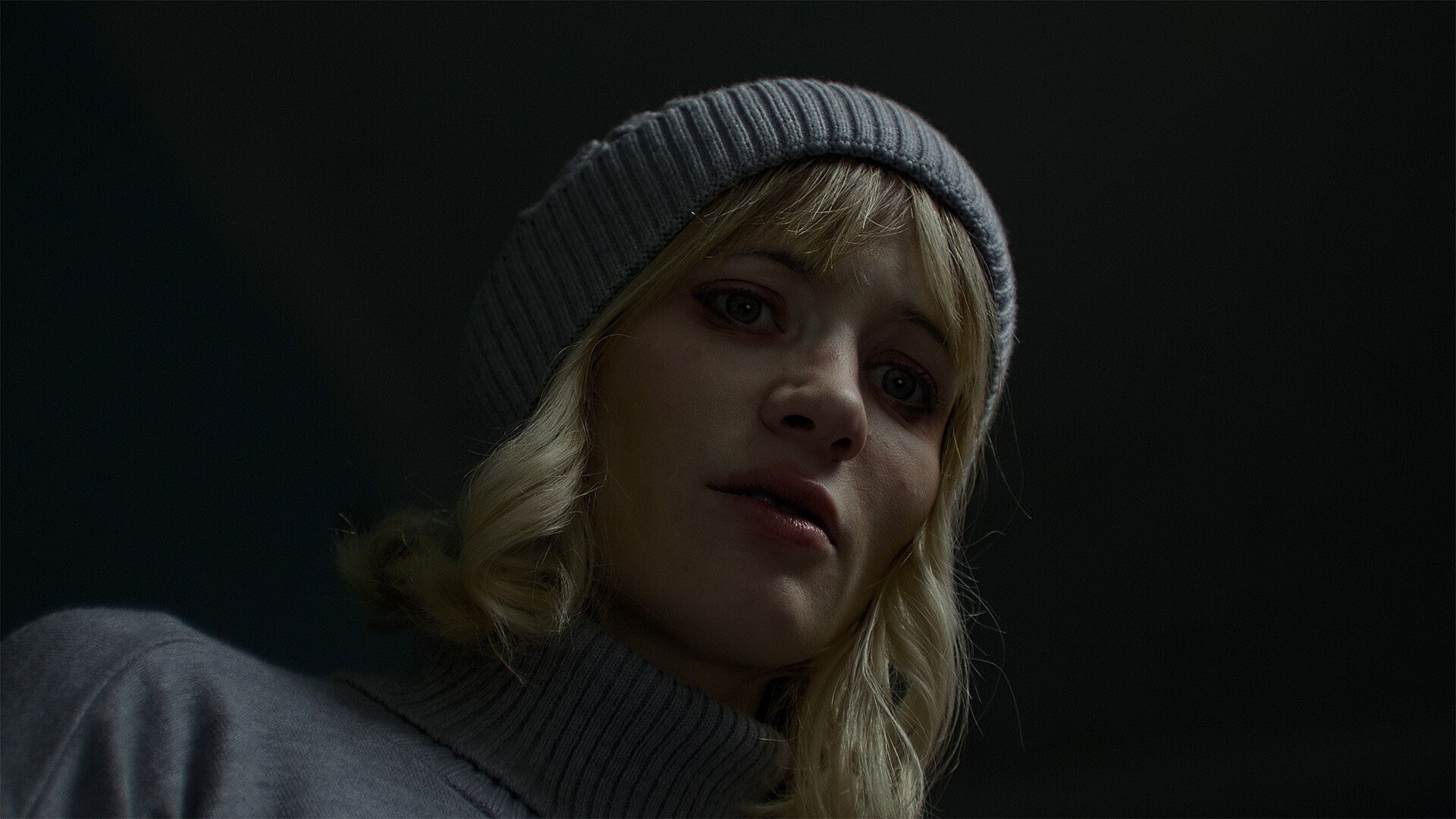
L'atmosphère se construit par une visibilité réduite, un sound design inquiétant et la menace permanente d'être poursuivi. Les visuels rétro mettent en avant des couleurs vives et artificielles qui accentuent le malaise plutôt que la nostalgie. À certains moments clés, le jeu bascule soudainement vers des plans live-action tournés avec de vrais acteurs et des effets pratiques, avant de revenir sans transition dans l'univers pixelisé. Cette intégration maintient la tension, car les menaces des séquences cinématiques se prolongent directement dans le monde 2D.
Modes de jeu
Tenebris Somnia propose uniquement une campagne solo, sans mode multijoueur ni variantes. L'expérience se déroule comme une aventure narrative continue centrée sur la progression de l'histoire à travers des puzzles et des rencontres. Les choix effectués en fin de parcours influencent plusieurs fins possibles, chacune accompagnée de cinématiques spécifiques. Des secrets disséminés dans les environnements débloquent des séquences live-action supplémentaires pour les joueurs les plus curieux.
Story and Presentation
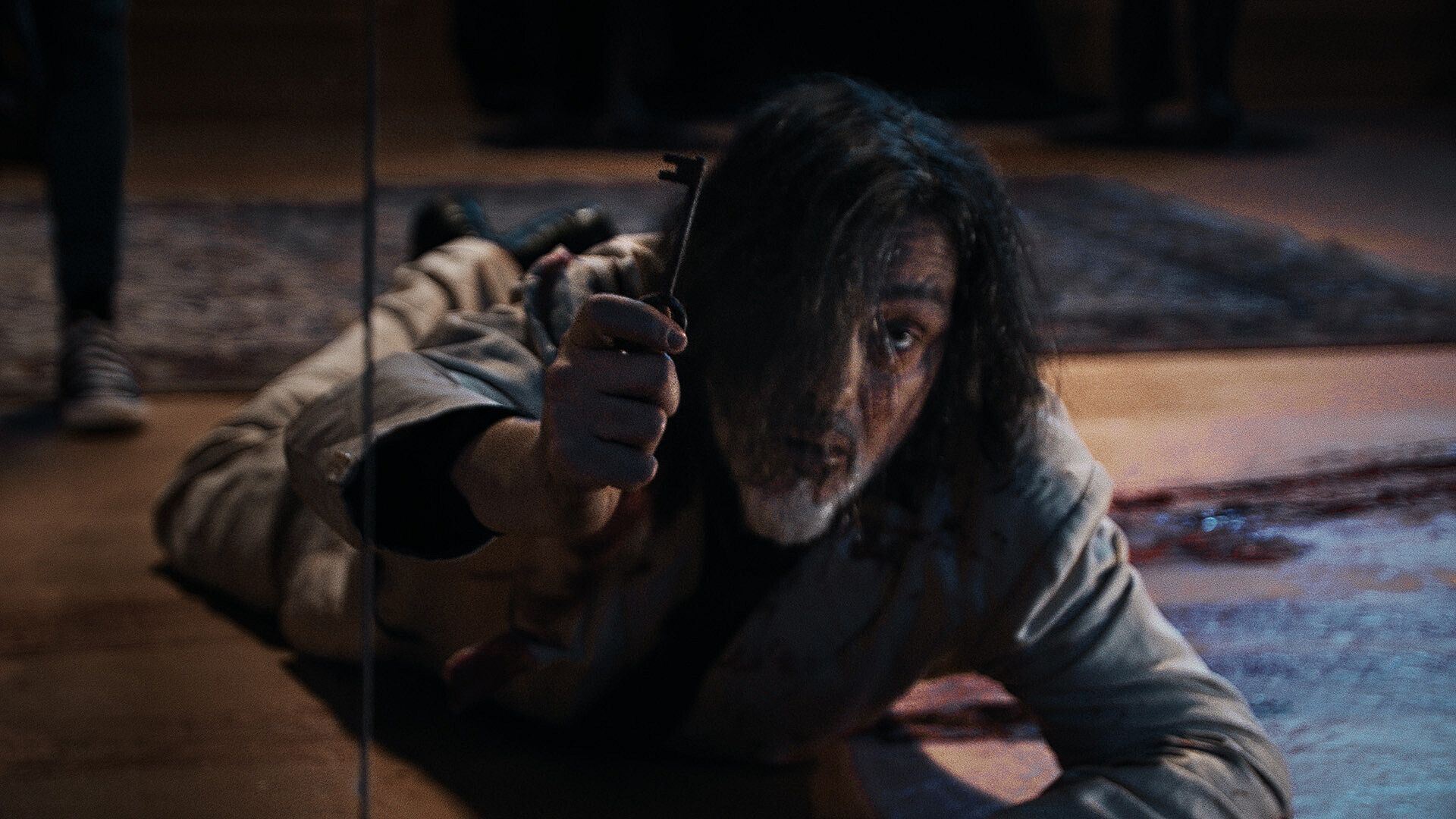
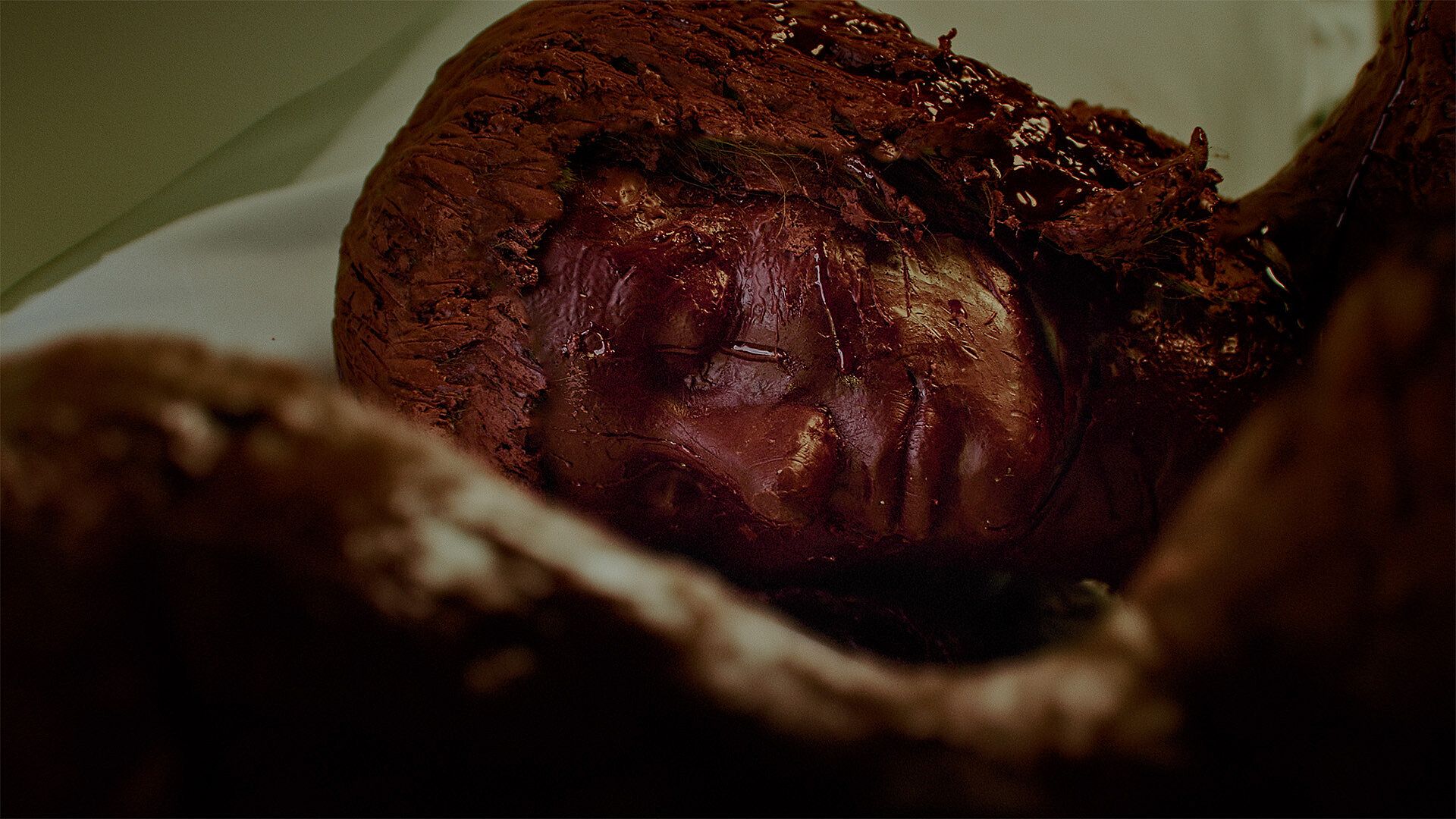
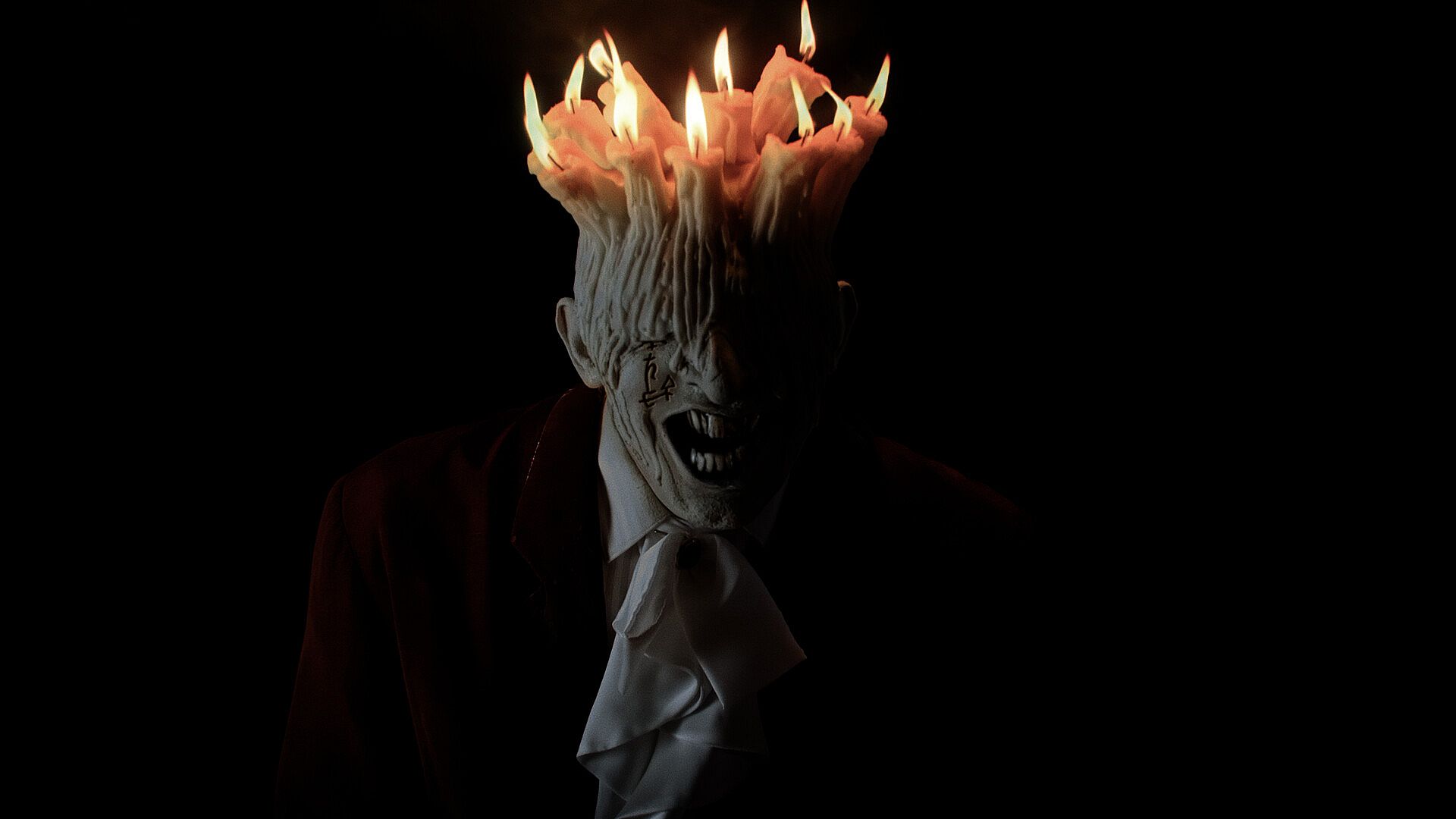
L'histoire suit un protagoniste dont les expériences brouillent la frontière entre cauchemar et réalité, révélée progressivement par les interactions avec les objets et le level design. Les passages live-action, réalisés par une équipe argentine primée, offrent des plans serrés réalistes et dérangeants qui tranchent avec l'esthétique abstraite du pixel art. Cette approche évite les coupures traditionnelles de cinématiques en intégrant les séquences de façon fluide, permettant au joueur de reprendre le contrôle immédiatement après chaque plan.
Les effets pratiques des parties live-action mettent l'accent sur des éléments tangibles comme les ombres, l'obscurité et les accessoires physiques, renforçant l'angoisse sans recourir à des effets numériques. La bande-son rétro et la palette de couleurs limitée accentuent le sentiment d'isolement et de danger imminent.
Vaut-il le coup ?
Les démos ont reçu un accueil positif pour leur mélange de styles innovant et la tension constante qu'elles maintiennent, les joueurs soulignant notamment l'atmosphère réussie et les transitions surprenantes. Le jeu s'adresse aux amateurs de survival horror classique qui privilégient les énigmes et la gestion des ressources plutôt que l'action. Son format solo convient à ceux qui recherchent une expérience narrative contenue, sans mises à jour régulières ni composante compétitive.
Avec une date de sortie confirmée et des améliorations continues de la démo, dont l'ajout de langues, le projet avance de façon régulière. Ceux qui apprécient une présentation originale et des mécaniques inspirées du rétro trouveront le concept intéressant, tandis que les joueurs en quête de graphismes modernes ou de multijoueur se tourneront ailleurs. L'accent mis sur les effets pratiques et les transitions fluides entre styles distingue le titre auprès des amateurs de horror expérimental.