

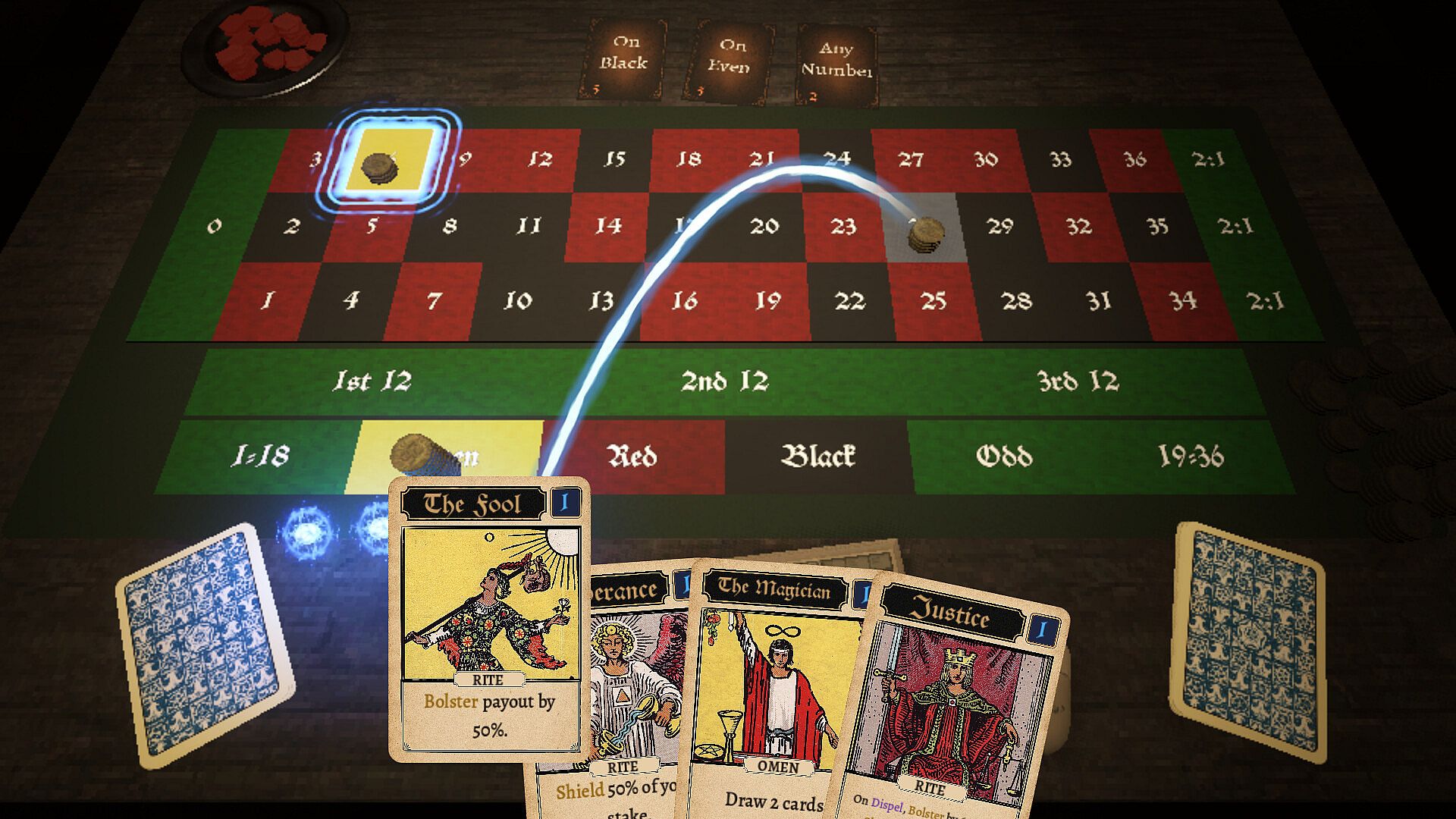
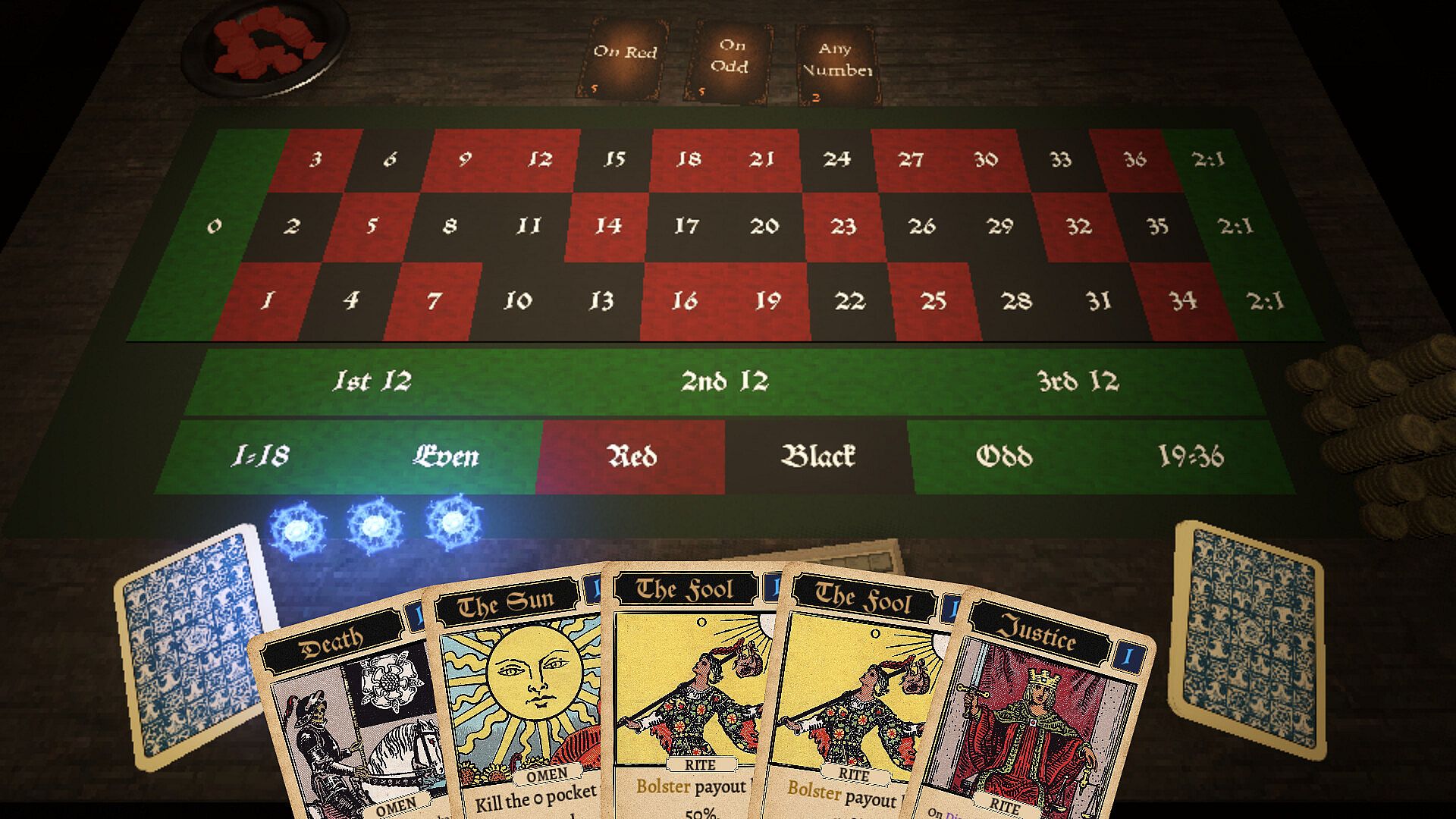
Teufelskreis est un roguelike de construction de deck en solo qui mêle stratégie et éléments casual autour d'une table de roulette déréglée. Les joueurs misent sur les couleurs, les numéros ou les colonnes, puis utilisent des cartes pour modifier les gains, ajouter des multiplicateurs, poser des protections ou déclencher des relances. L'objectif principal consiste à bâtir un deck capable de retourner l'avantage de la maison en sa faveur, tandis qu'une force adverse place ses propres paris à chaque tour. La réussite repose sur la gestion du risque à travers plusieurs tables et sur l'adaptation aux conditions changeantes plutôt que sur la chance seule.
Gameplay
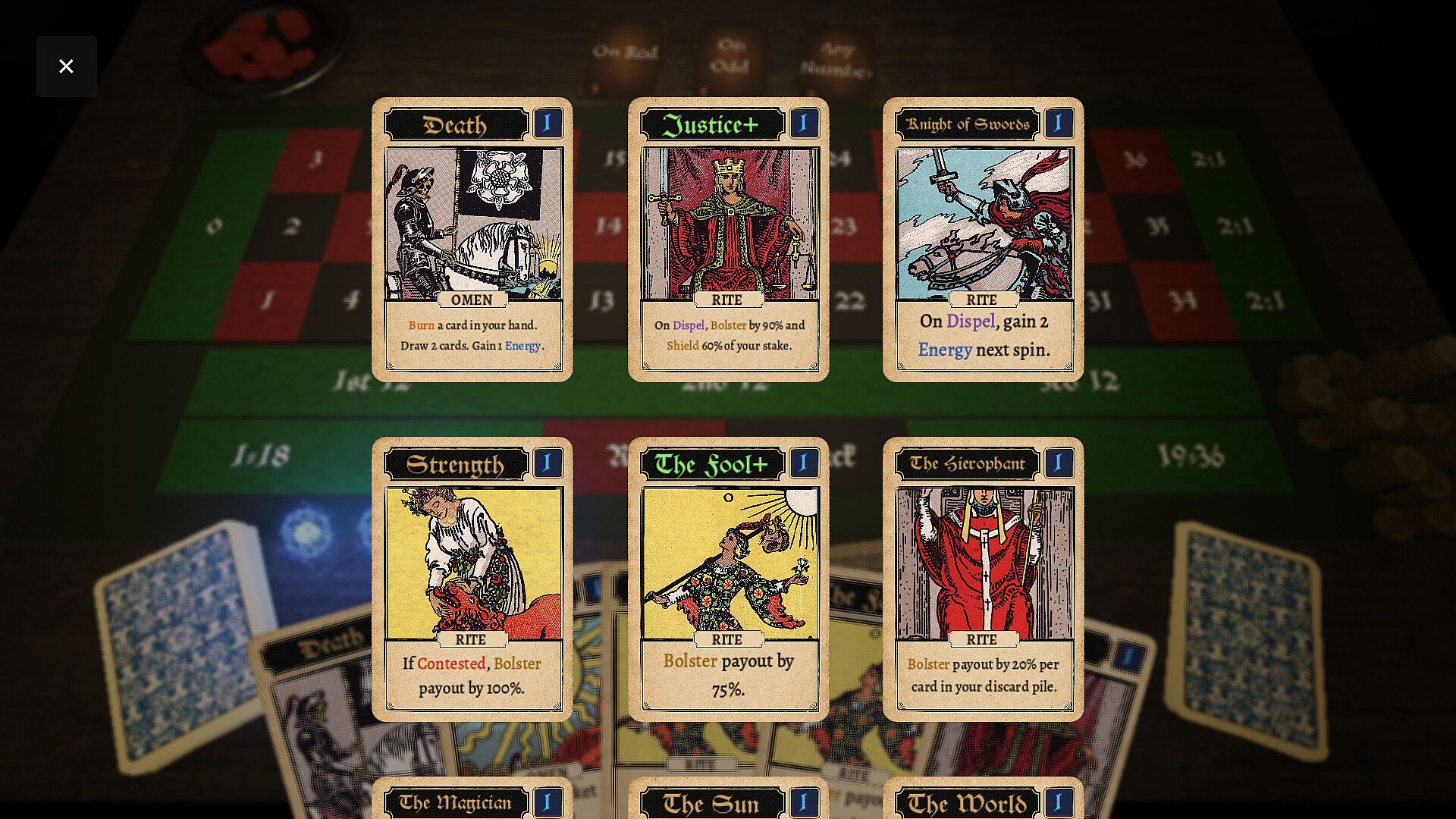
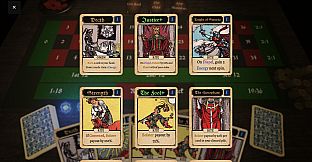
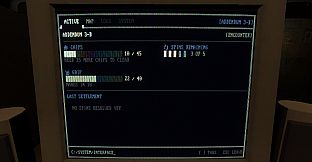
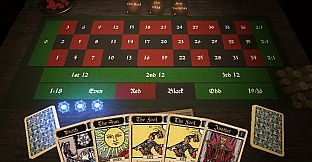
Le cœur du jeu commence par les mises sur la roue. Une fois les paris placés, les cartes interviennent pour transformer leur valeur par multiplication, protection ou relances successives. La construction du deck se fait après chaque rencontre : de nouvelles cartes sont sélectionnées et des ressources sont dépensées pour améliorer ou retirer des cartes entre les manches. La pression augmente lorsque les paris adverses réussissent, générant une ressource qui renforce certaines cartes mais met fin à la partie si elle devient trop élevée. Ce système récompense les joueurs qui prennent des risques calculés au bord de l'échec, car certains effets gagnent en puissance en fonction du danger accumulé.
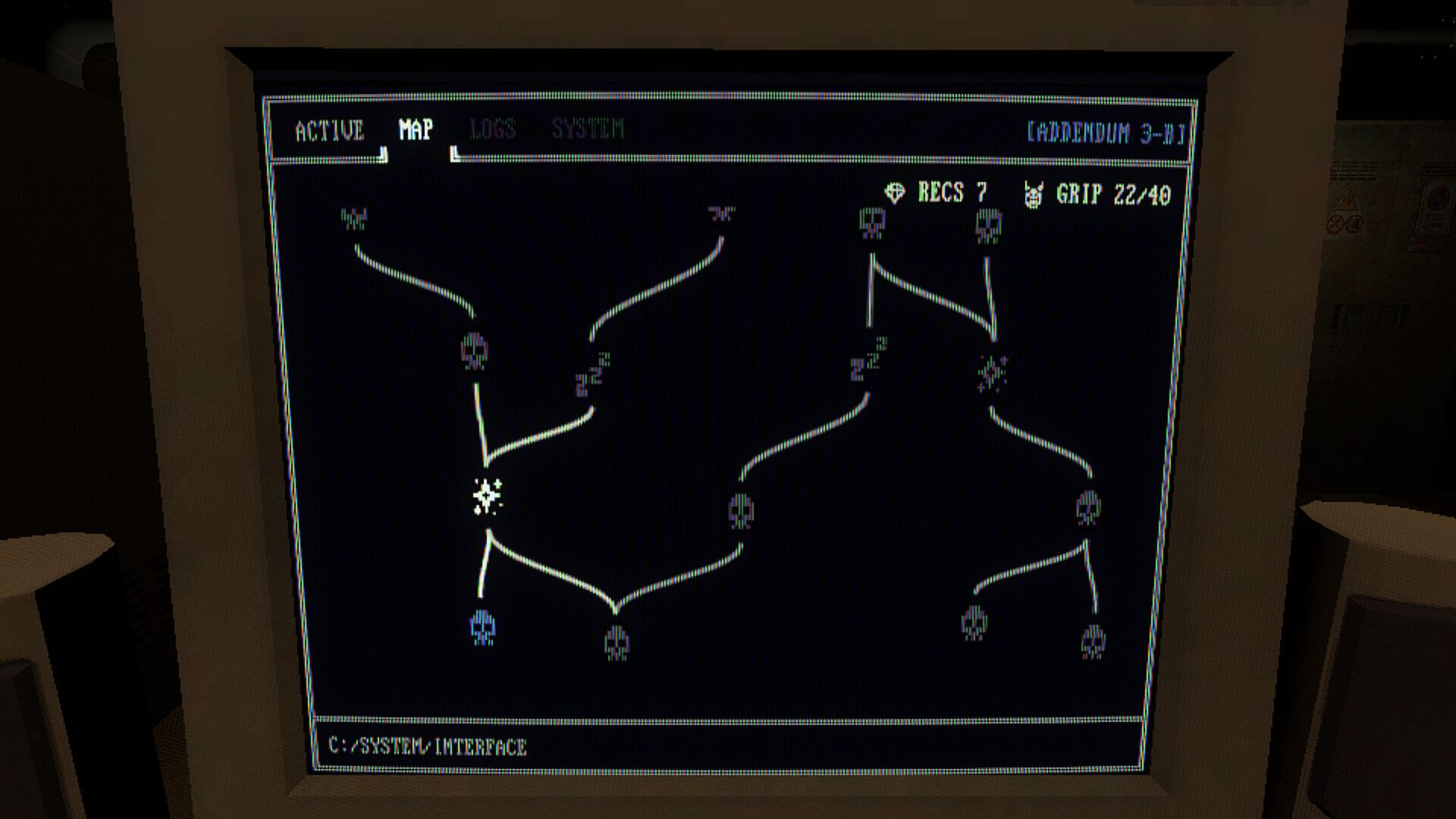
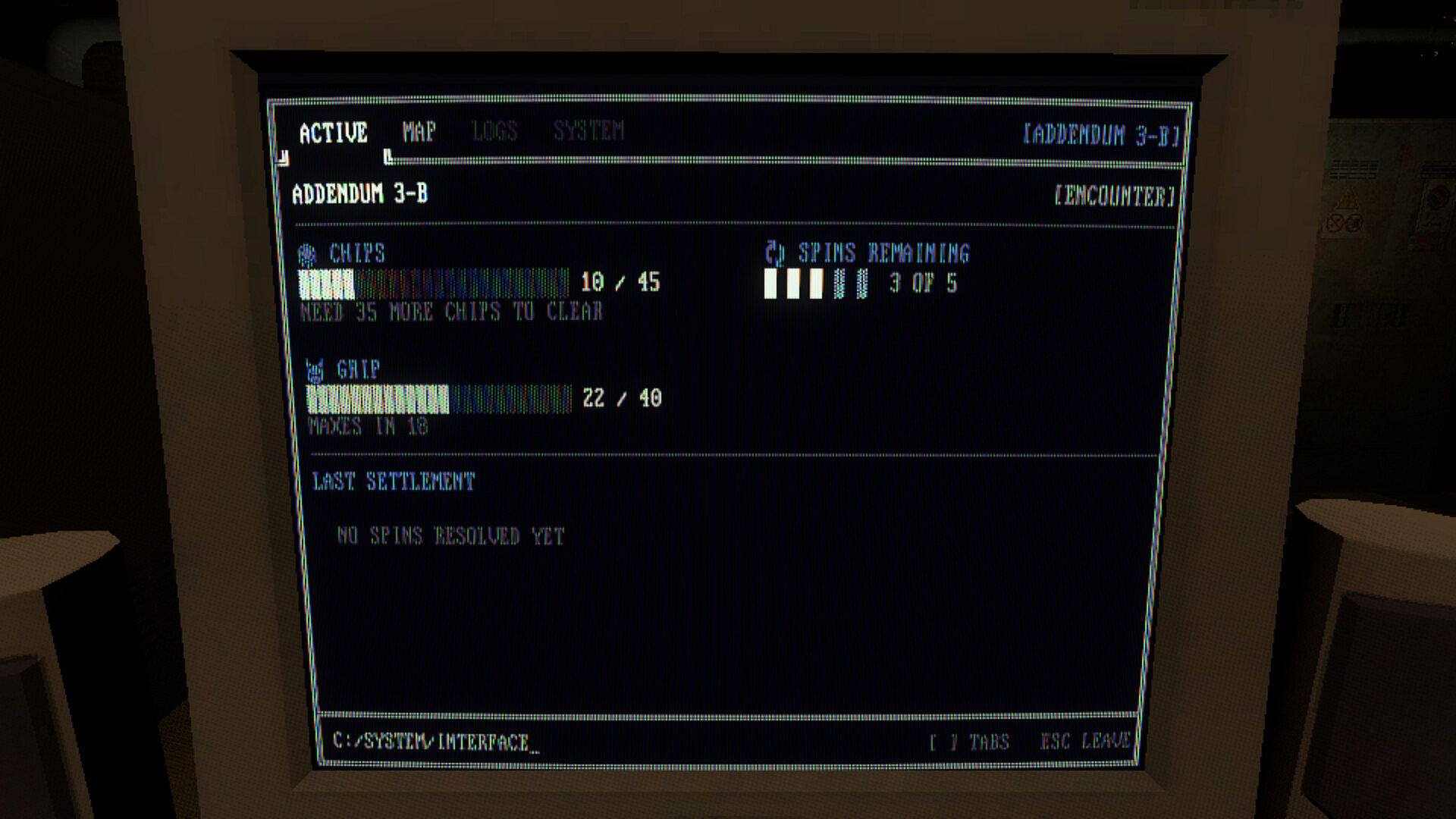
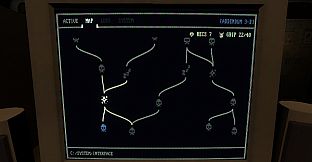
Les artefacts apparaissent comme des modifications permanentes qui changent les règles de mise, le comportement des tours, les gains ou les options de survie. Ils interagissent avec les effets des cartes pour créer des combinaisons complexes lors d'un même tour. Entre les tables, une carte propose différents choix : rencontres classiques, options plus risquées mais plus lucratives, objets cachés et lieux de repos permettant d'affiner le deck. La progression suit un contrat qui suit l'avancée à travers ces étapes, avec un risque d'échec à tout moment si la pression ou les pertes deviennent incontrôlables.
Game Modes
Teufelskreis est un roguelike solo sans mode multijoueur ni coopération. Chaque partie suit le chemin du contrat sur la carte, où des éléments procéduraux déterminent la succession des tables et les choix disponibles. Les parties mettent l'accent sur l'adaptation du deck et la gestion du risque plutôt que sur des scénarios fixes, permettant à différentes stratégies d'émerger à partir des mêmes règles de départ. L'expérience repose sur des tentatives répétées pour terminer le contrat tout en découvrant les différentes couches du jeu autour de la table principale.
Core Systems and Progression
La construction de deck constitue la base du jeu. Les cartes s'obtiennent après les rencontres et s'améliorent par des achats ou des suppressions. Le système de pression est directement lié aux succès de l'adversaire : il alimente la puissance de certaines cartes tout en agissant comme un compte à rebours vers l'échec. Des éléments d'exploration apparaissent en dehors de la roue, sous forme d'interactions proches du puzzle qui révèlent des mécaniques cachées ou des améliorations permanentes. Le choix des itinéraires sur la carte ajoute une couche stratégique en obligeant à arbitrer entre sécurité et potentiel de récompense avant l'activation de la clause suivante.
Les effets des cartes visent à modifier les résultats des mises en temps réel, par exemple en enchaînant des relances ou en protégeant les enjeux contre les contre-paris de la machine. Cela crée des moments où un seul tour peut basculer radicalement selon la préparation effectuée. Le système encourage l'expérimentation de combinaisons impossibles dans une roulette classique, transformant la table truquée en outil de survie et de gains.
Is It Worth Playing?
Teufelskreis s'adresse aux joueurs qui apprécient les roguelikes de construction de deck centrés sur le calcul du risque et la progression progressive en puissance. Le thème de la roulette apporte une touche originale au jeu de cartes, où chaque décision entraîne des conséquences immédiates liées au résultat de la roue. Ceux qui recherchent des jeux de stratégie récompensant une construction soignée du deck et une tolérance aux parties à forte variance trouveront la boucle de jeu captivante. L'absence de multijoueur concentre l'attention sur la progression solo à travers le contrat, ce qui convient aux sessions axées sur les tentatives répétées et l'affinage plutôt que sur le jeu compétitif. Disponible sur PC, le jeu offre un accès simple à ceux qui souhaitent découvrir ces mécaniques.