




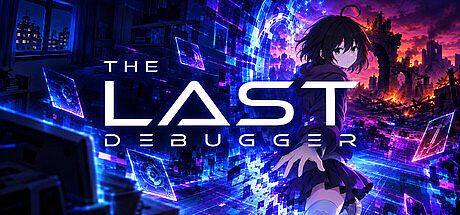



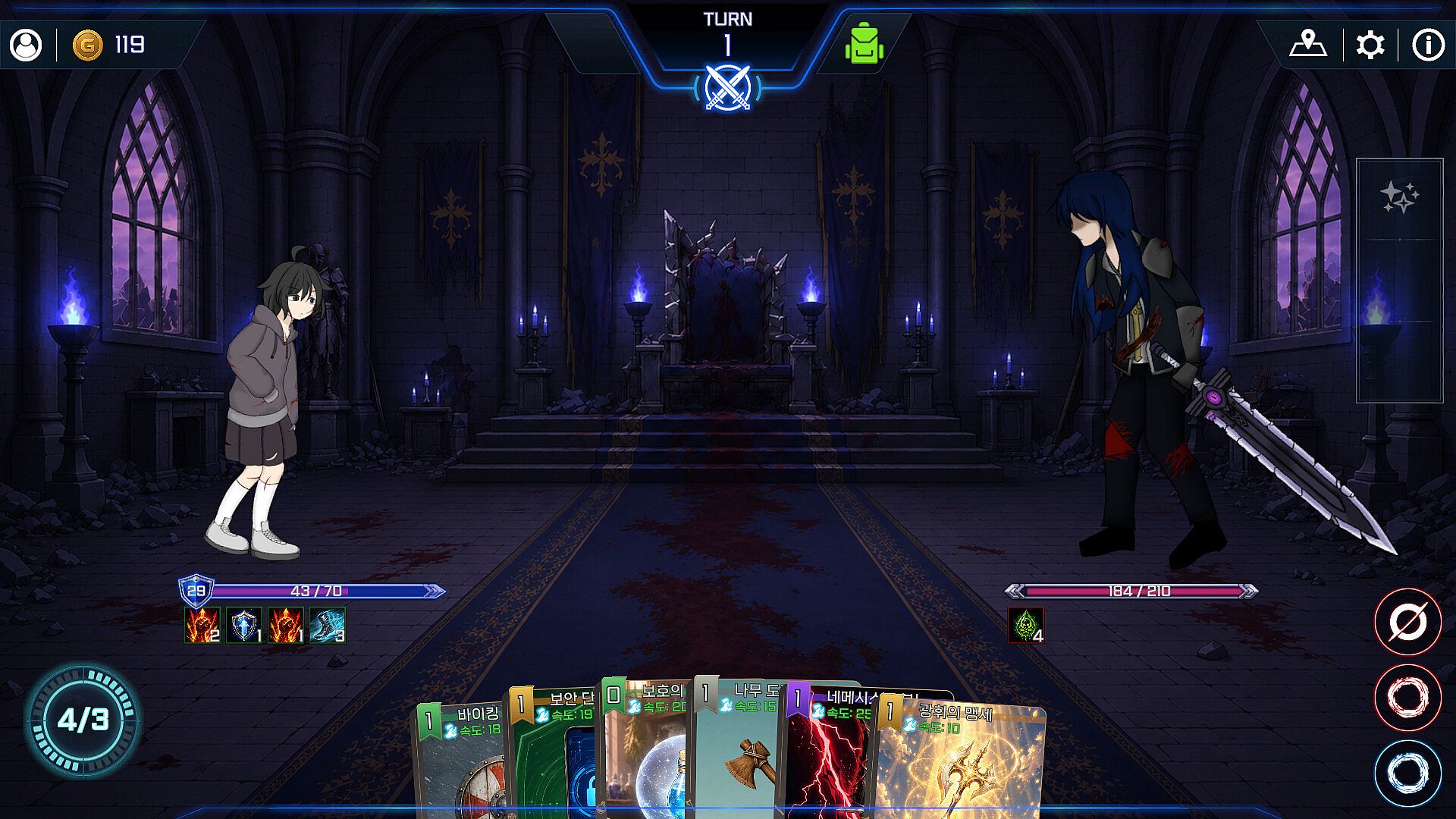
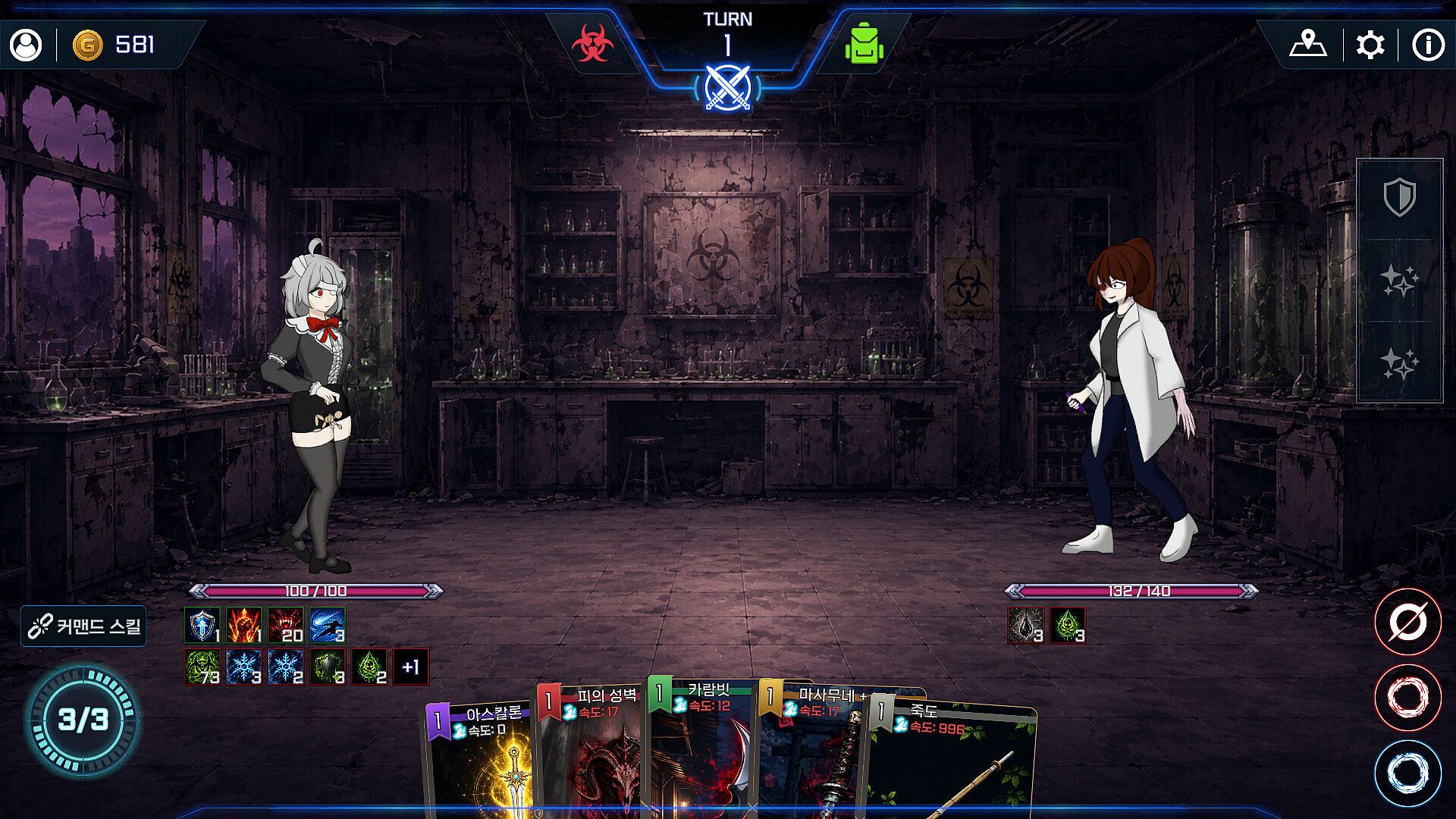
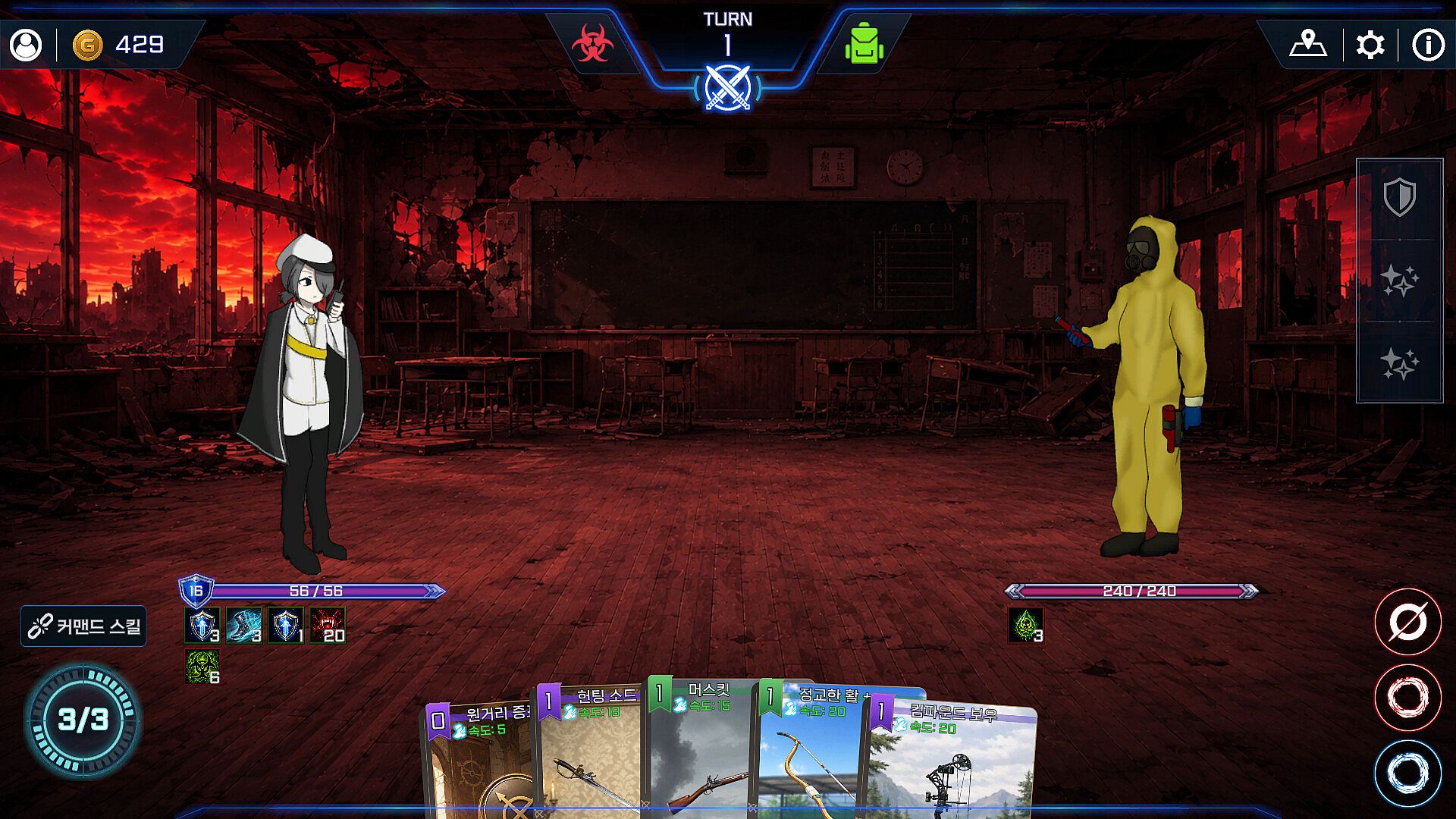

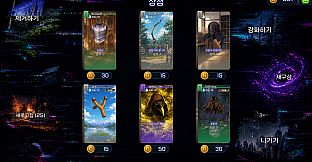



The Last Debugger is a single-player turn-based roguelite deckbuilding strategy RPG available on PC. Players take on the role of Jua, a student trapped inside a broken game world filled with glitches and corruption, and must build decks from equipment cards to survive encounters while progressing through ruined environments.
Gameplay
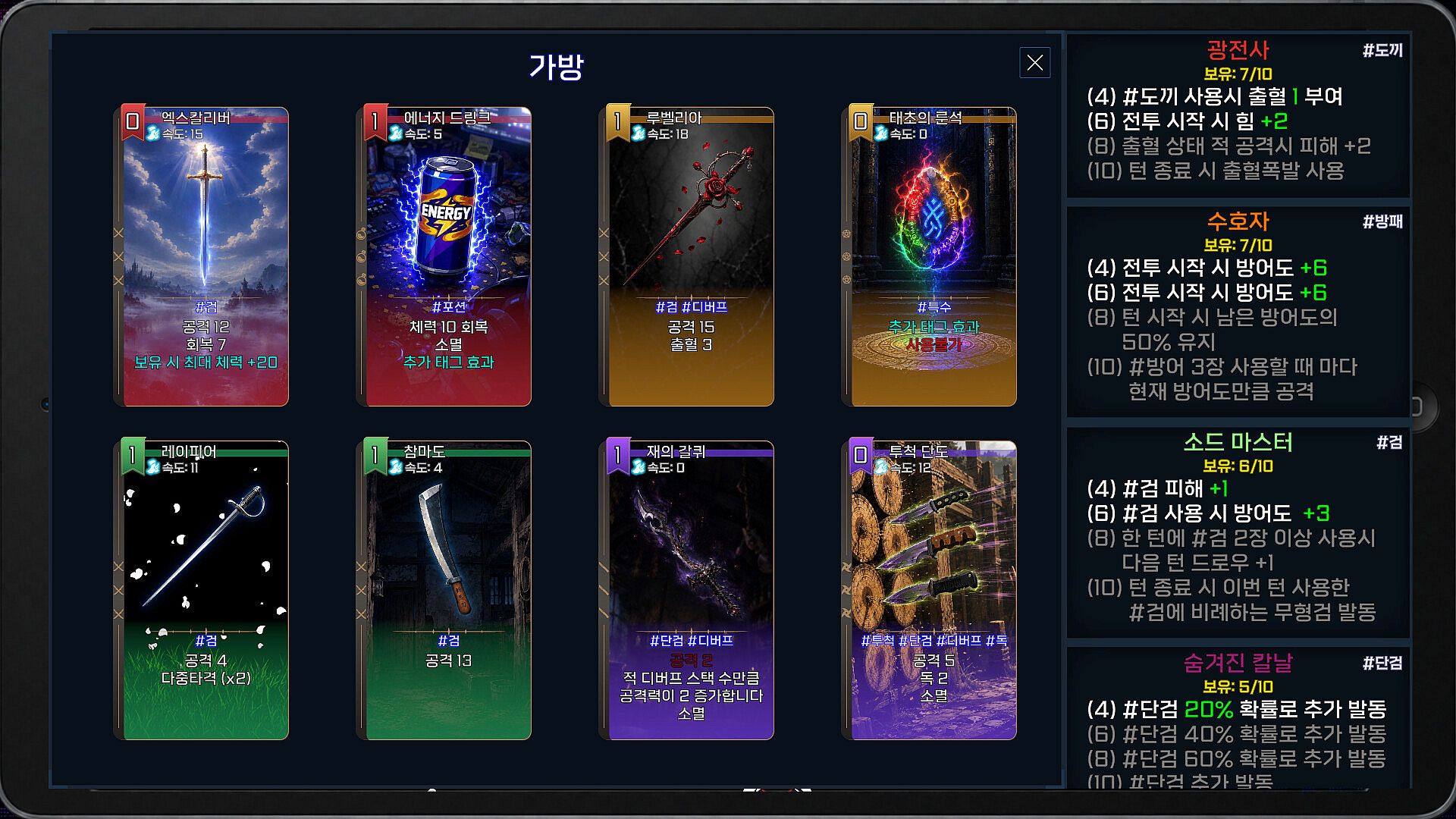
Combat revolves around careful planning of card activation order rather than raw power. Each card carries its own cost, speed value, and effects, so success depends on reading enemy intentions and sequencing actions to interrupt threats or chain synergies. Attacks, defenses, buffs, and debuffs interact through status effects and resource management, making timing as important as card selection.
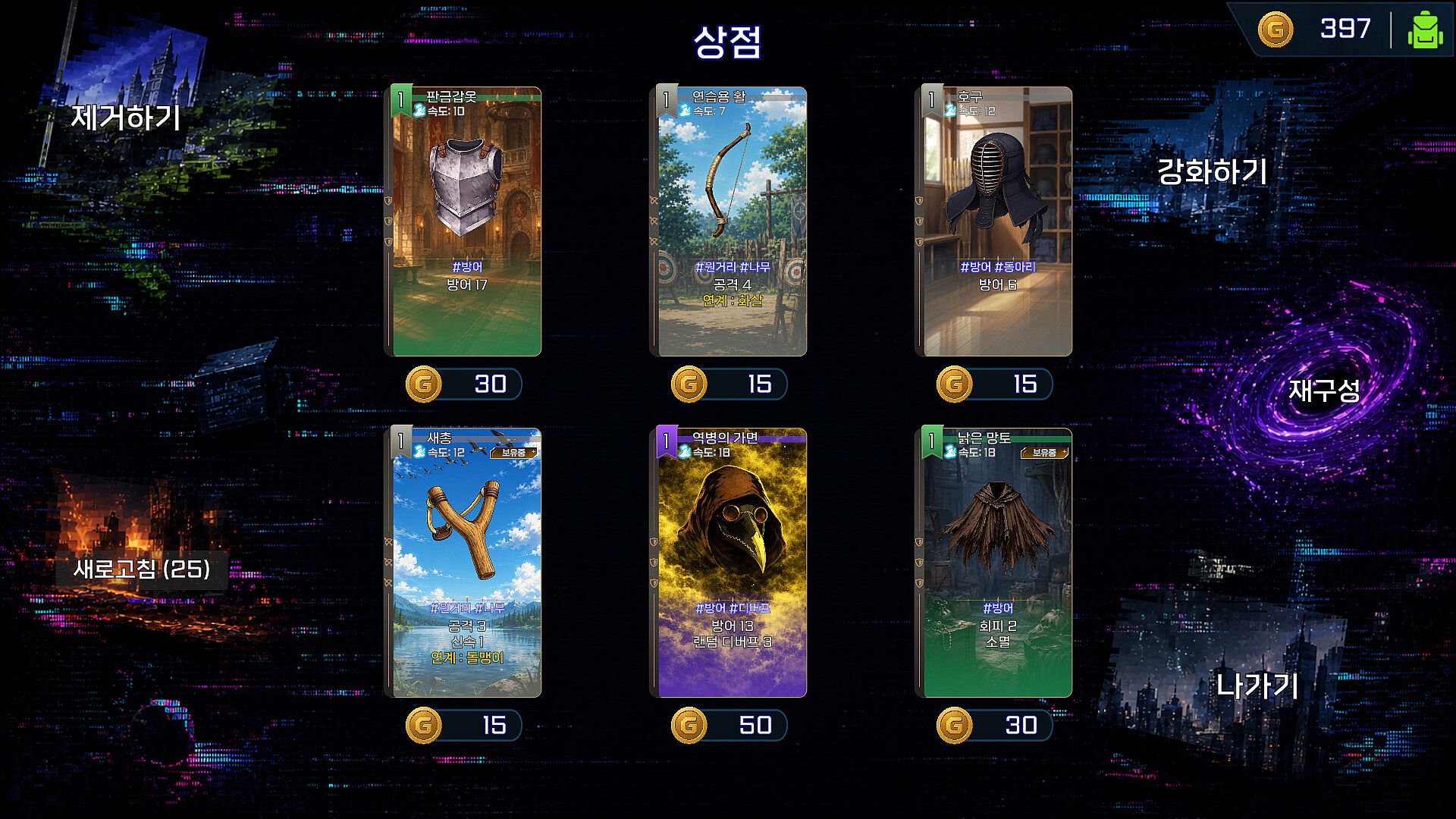
Equipment cards cover categories such as swords, daggers, axes, shields, ranged weapons, ammunition, potions, and soul equipment. Matching items from the same category triggers set bonuses that strengthen runs. Between fights, players add cards, remove weaker ones, and upgrade favorites to refine the deck for future encounters. Failed runs still grant resources that unlock new characters, abilities, artifacts, and progression options for subsequent attempts.
Four playable characters each bring distinct cards, passive abilities, resources, and combat mechanics. Starting with Jua, players unlock the others and experiment with entirely different strategies and deck archetypes suited to varied playstyles.
Game Modes
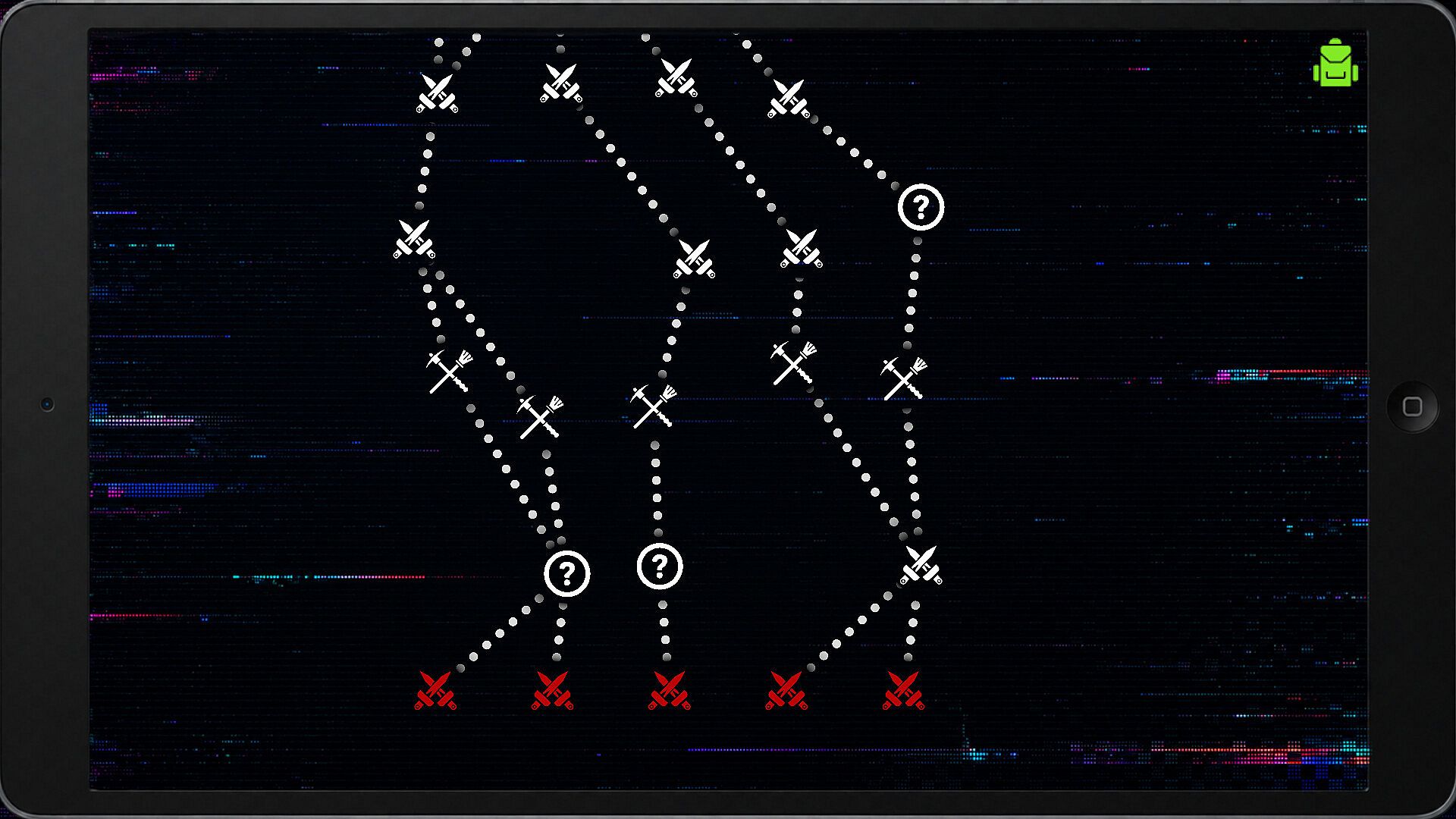
The core experience follows a roguelite structure of repeated runs through procedurally influenced areas. Players navigate a ruined kingdom, a mysterious school, and glitch-twisted zones by choosing paths that lead to battles, elite encounters, events, shops, or rest sites. Each choice alters the route and available rewards, so the same character can face very different sequences across runs.
Progression centers on deck optimization and meta-unlocks earned from resources collected during runs. There are no separate multiplayer or competitive modes; the focus remains on single-player runs where strategic decisions and deck synergy determine how far each attempt reaches.
Exploration and Progression
Exploration emphasizes branching decision points over linear levels. After each encounter, the next destination is selected from a set of options that include combat, special events, trading at shops, or recovery at rest sites. Rewards and path choices compound, allowing one successful or failed run to open entirely new options for the next attempt through permanent unlocks.
Resource management extends beyond individual battles into long-term advancement. Materials gathered during runs fund character unlocks and ability expansions, encouraging repeated play to access the full roster and deeper deck-building possibilities.
Is It Worth Playing?
The Last Debugger suits players who enjoy deliberate, timing-focused deckbuilding in a roguelite format. Its emphasis on card speed, enemy prediction, and set-bonus synergies rewards careful planning over quick reflexes or simple power spikes. With four characters offering distinct mechanics and a single-player structure built around repeatable runs with meaningful progression, the game appeals to fans of strategic indie titles who value experimentation and adaptation across multiple attempts. As a free-to-play PC release still approaching launch, it offers an accessible entry point for those interested in roguelite deckbuilders centered on equipment combinations and turn-order tactics.












