




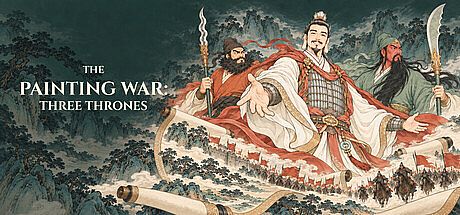


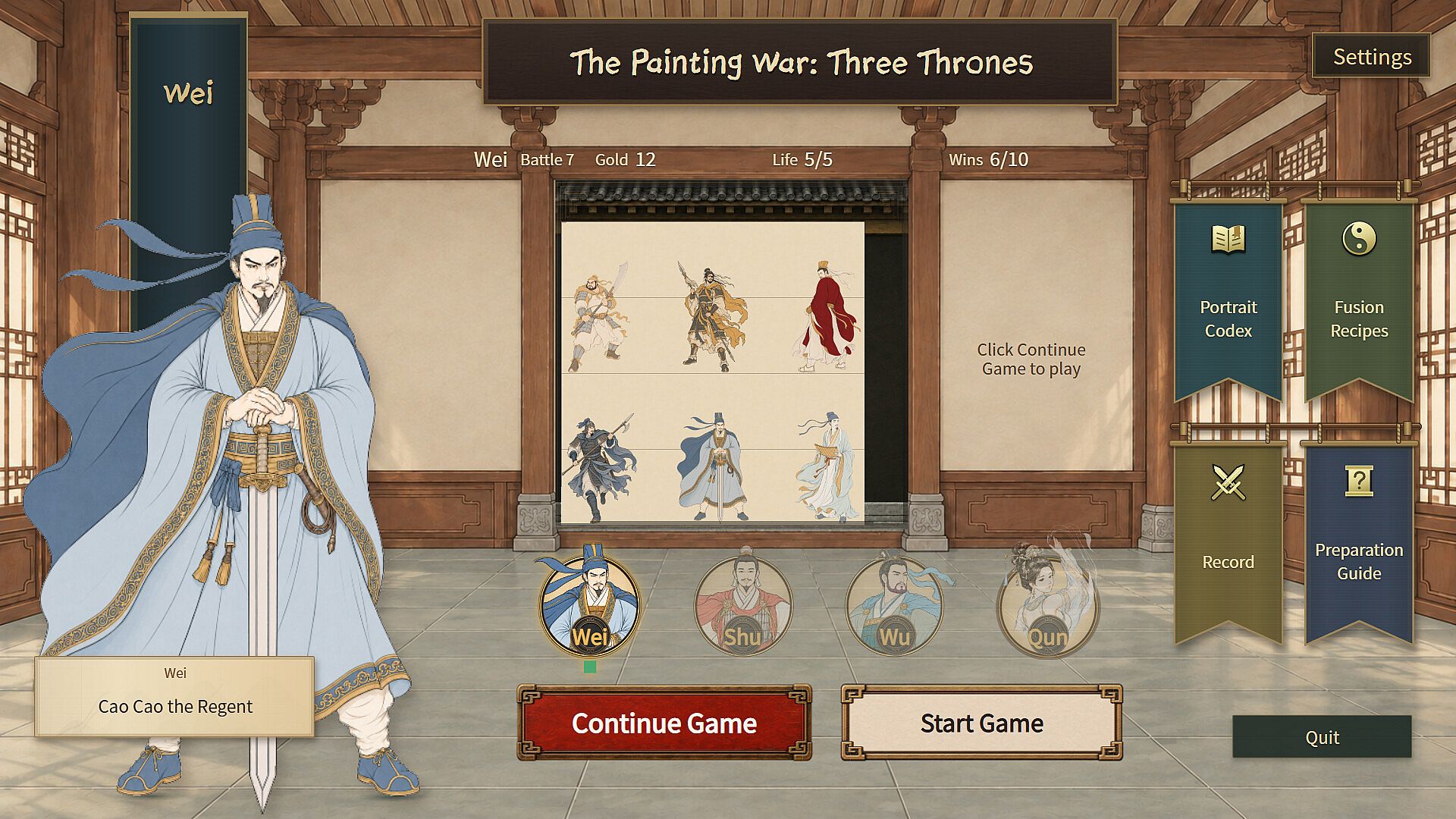

The Painting War: Three Thrones is an indie strategy game on PC that blends formation building with autobattler combat. Players construct armies on paper grids inspired by Three Kingdoms history, then watch those formations come to life in automatic battles.
Gameplay
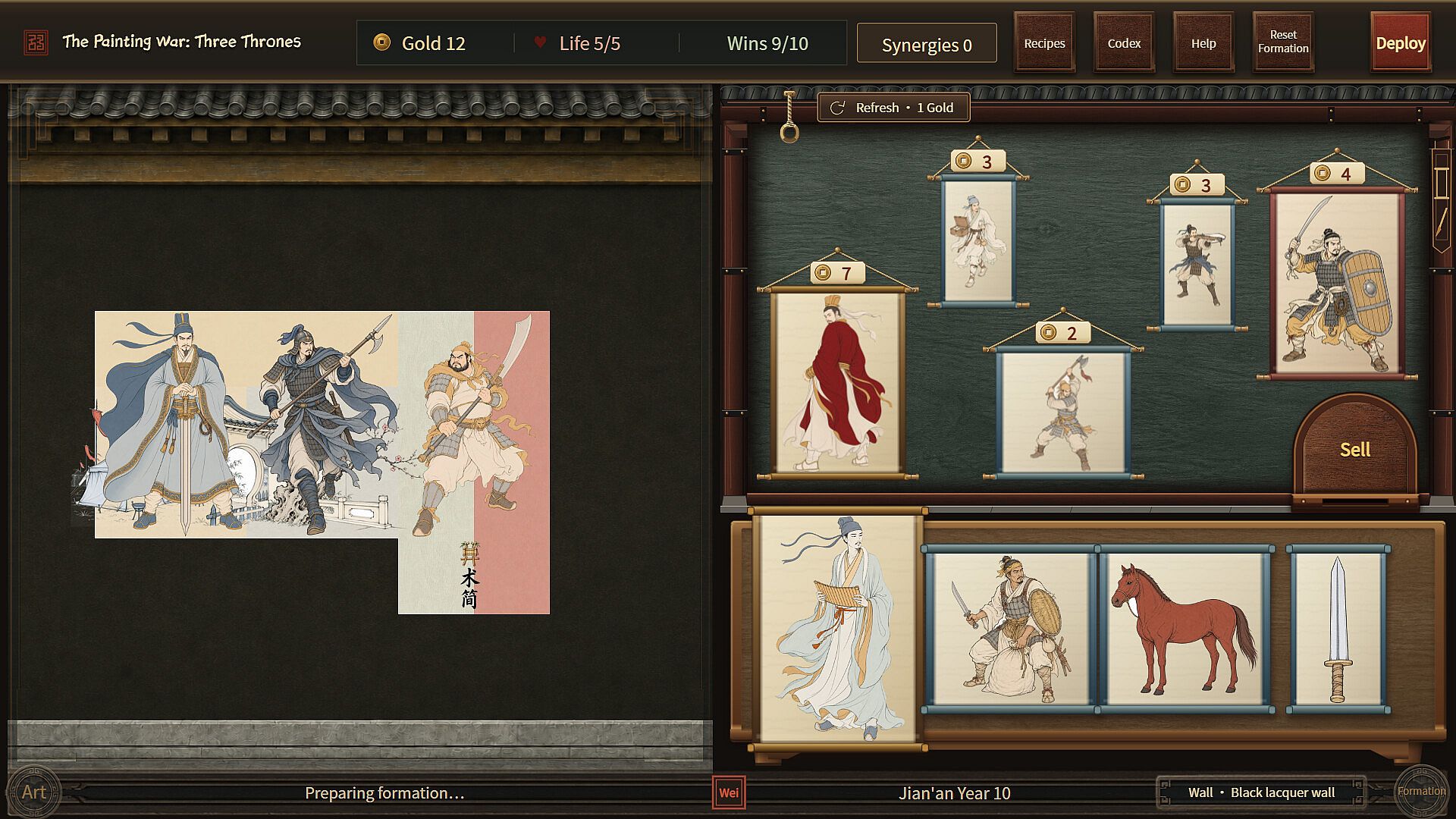
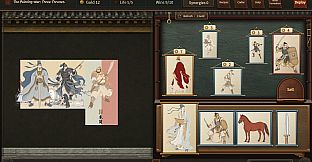
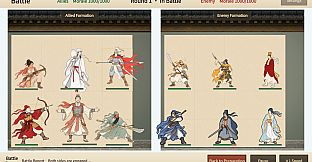
Every encounter starts with arranging pieces on a limited grid. Sheets of paper define valid space, while scenery and portraits occupy separate layers. Each unit, item, or tome carries its own shape and orientation, so rotation or repositioning alters the entire layout and available room for other elements.
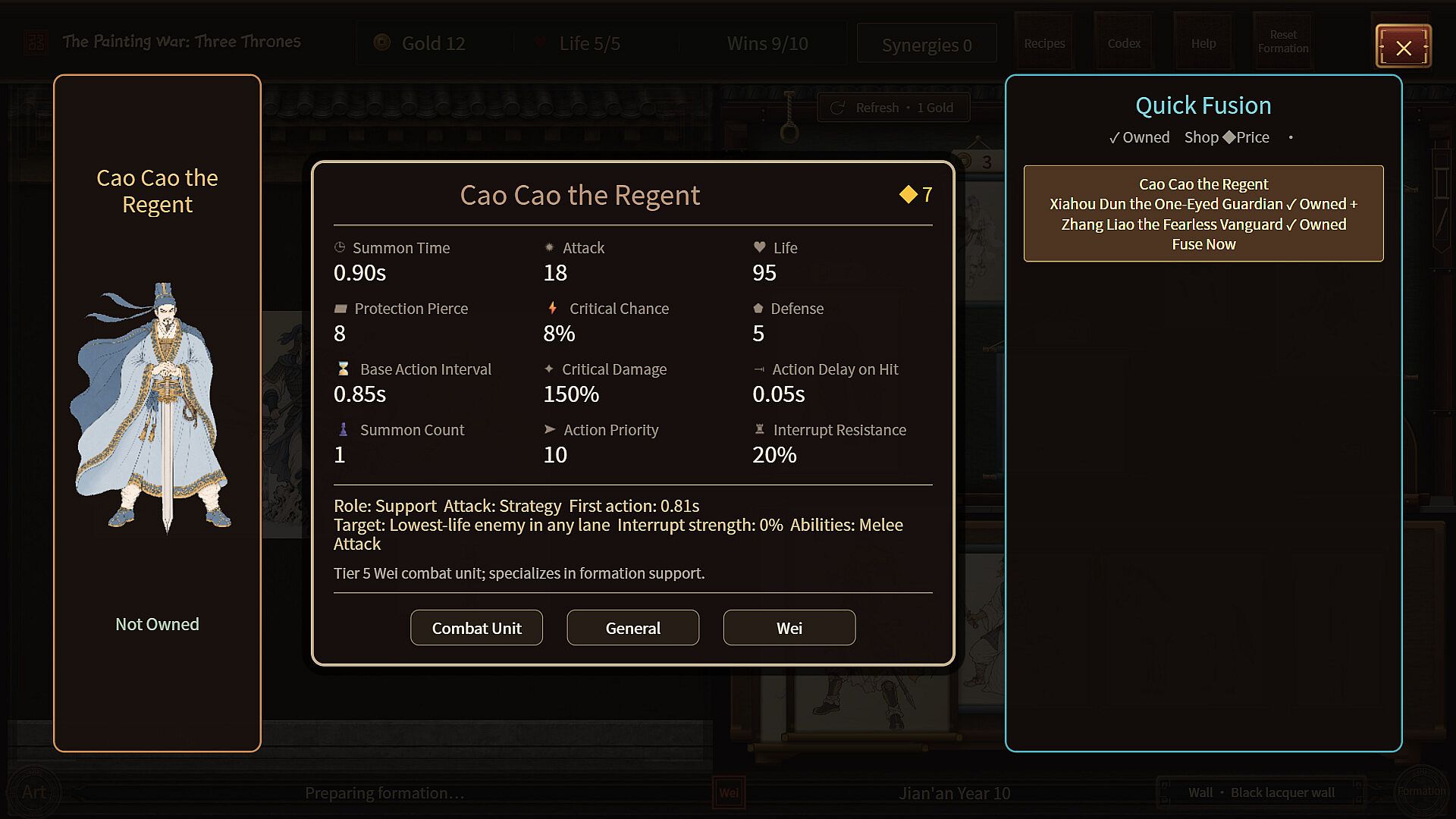
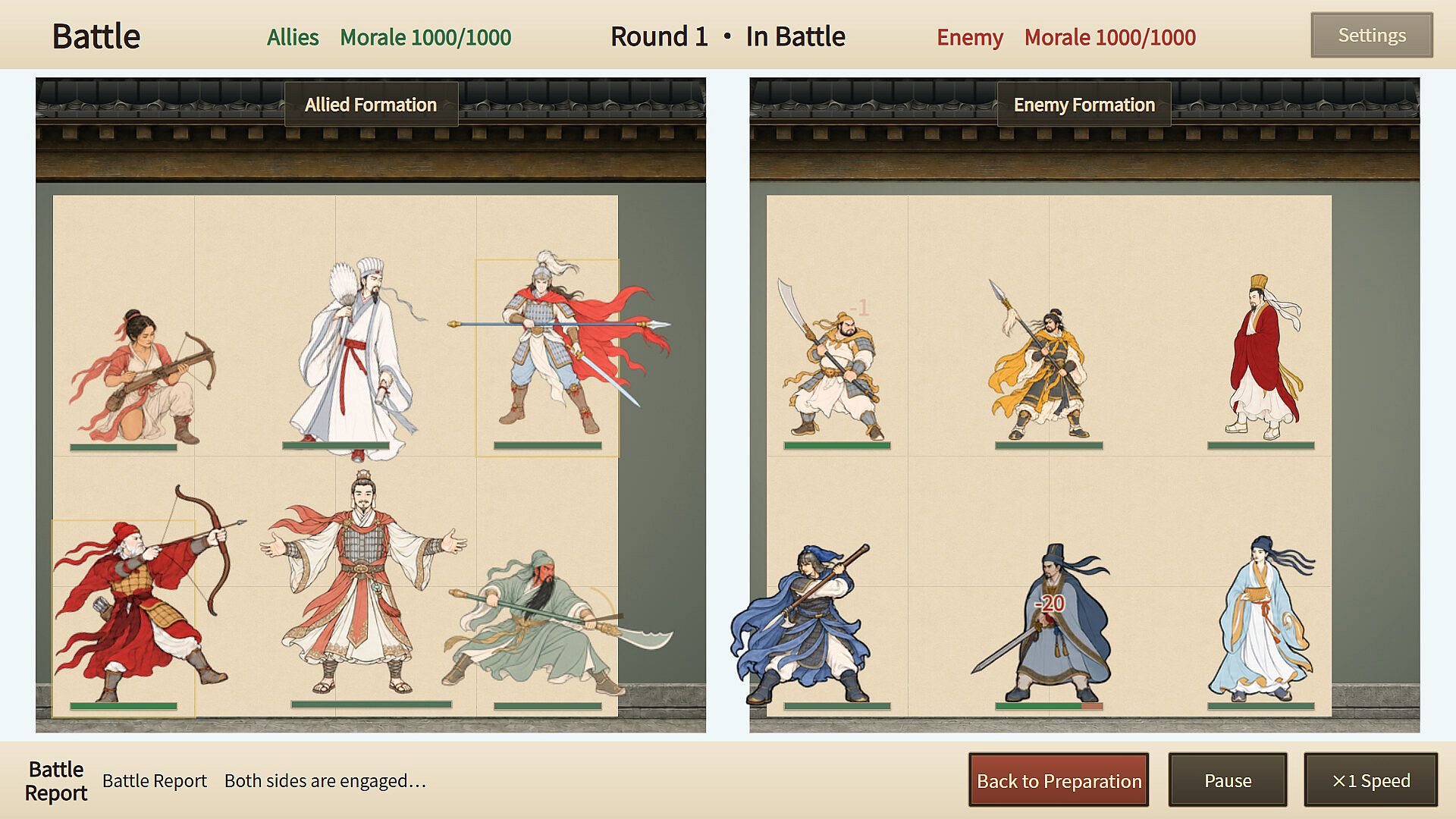
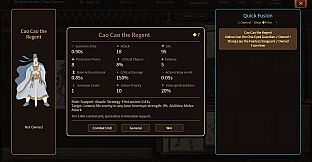
Connections matter more than individual strength. Weapons, mounts, and tomes link to generals or soldiers to unlock attributes, targeting ranges, and abilities. Tomes stay on the formation and trigger effects automatically based on those pre-battle links. Once deployed, units fight from their exact starting tiles. Front-line protection, attack reach, and ability coverage all trace back to the prepared positions rather than free movement across the field.
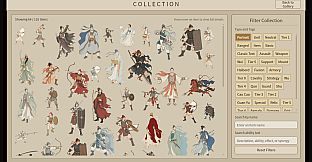
After each battle, detailed feedback shows damage dealt, targets hit, and which connections activated. Players then adjust the grid, refine links, and prepare the next formation using the same collection of illustrated pieces.
Game Modes
Core play revolves around iterative formation building followed by automatic combat resolution. Matches emphasize preparation over real-time control, with outcomes determined by how well the grid layout supports front-line defense, ranged coverage, and ability reach.
Four distinct strategic paths shape army composition and playstyle. Wei focuses on defense, control, and steady advancement. Shu emphasizes synergy, recovery, and coordinated lines. Wu prioritizes attack speed, ranged pressure, and sustained offense. Qun delivers explosive power, summoning options, and high-risk rewards. Each path influences which pieces and connections prove most effective during preparation and combat.
Battles unfold without player input once formations deploy, shifting attention to post-fight analysis and rebuilding for subsequent encounters.
Art and Theme
The visual style draws from Wu Daozi figure paintings, combining expressive ink linework with delicate mineral colors. Formations appear as living Three Kingdoms scenes on silk that rise from the page when combat begins. Every arrangement serves dual purposes as both a tactical layout and an artistic composition.
Is It Worth Playing?
This title suits players who enjoy deliberate strategy and iterative problem solving over fast-paced action. The formation grid and connection mechanics reward careful planning and repeated refinement after each automatic battle. Those drawn to autobattlers with a strong emphasis on positioning and visual customization will find the limited grid and layered pieces create focused decision making. Availability on PC makes it accessible for sessions centered on building, testing, and adjusting armies across multiple encounters.











