

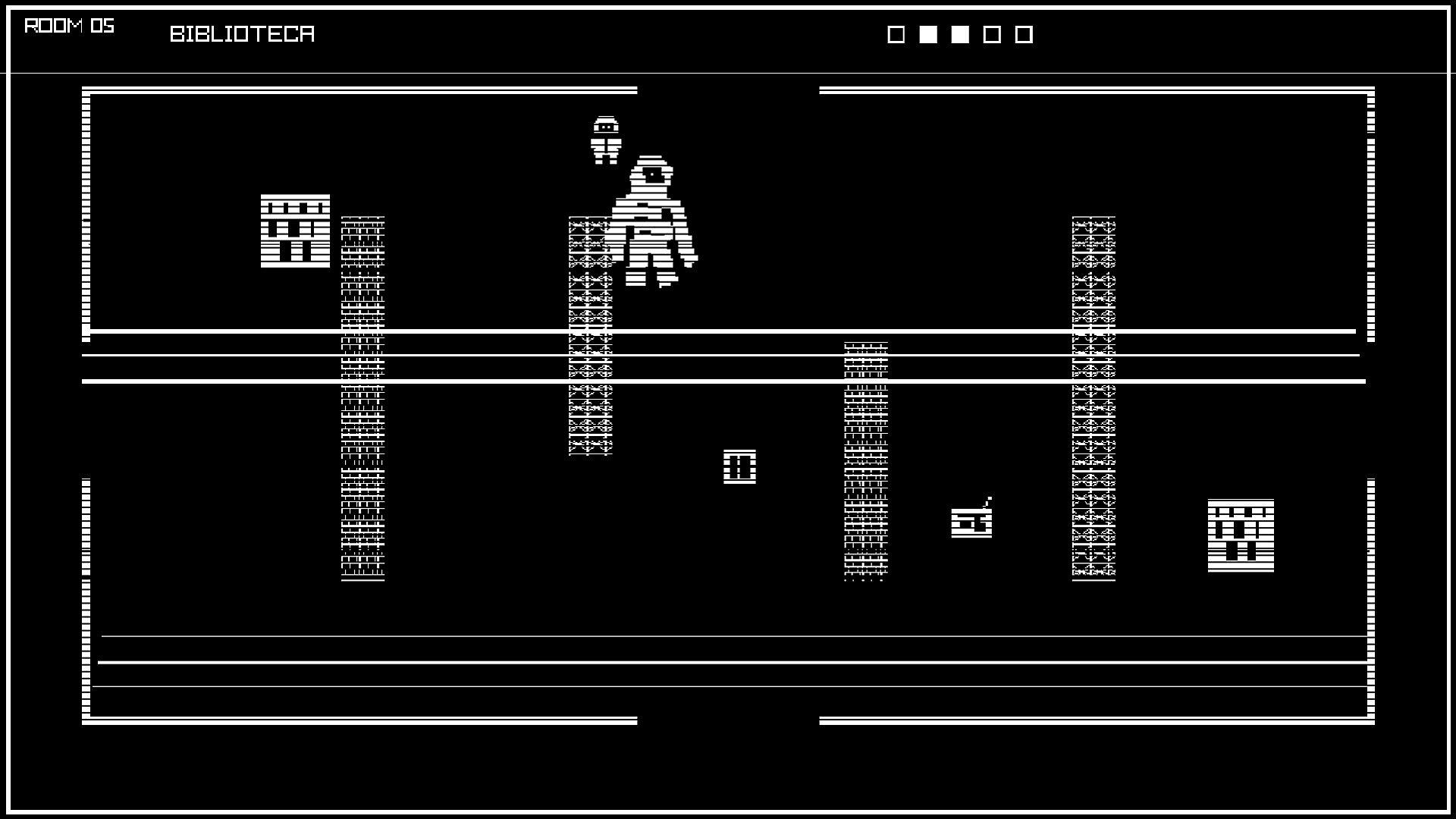
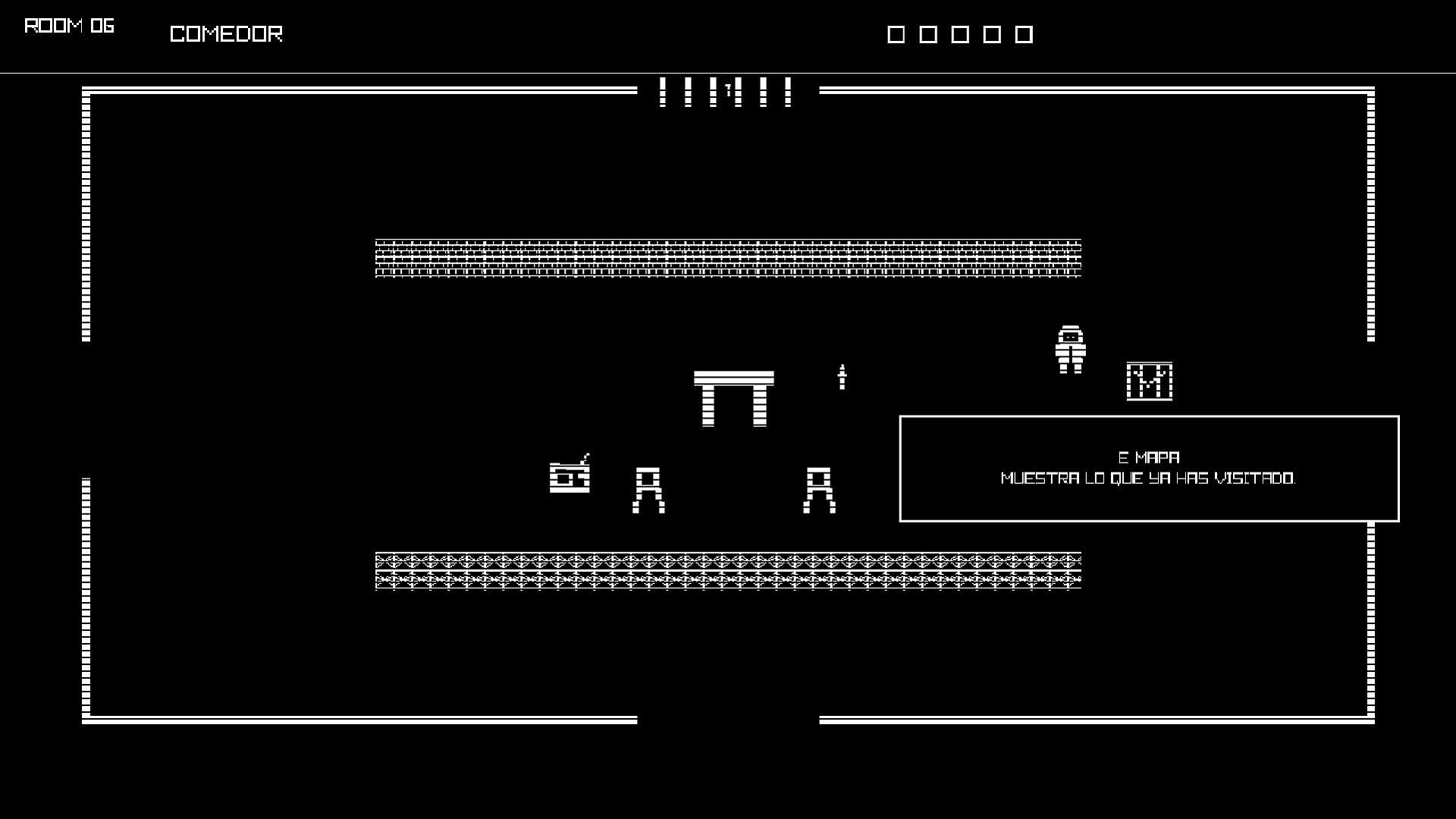
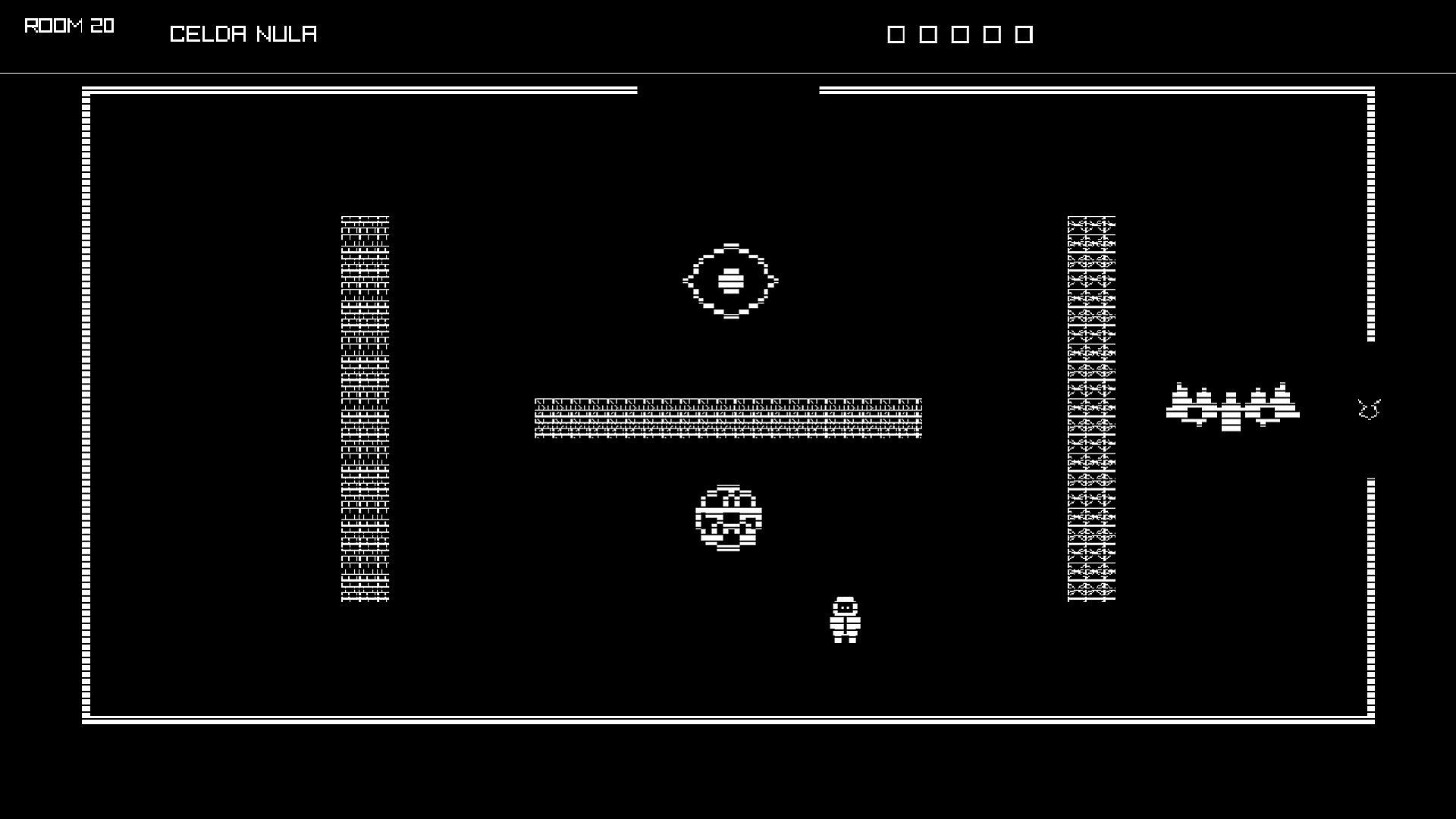
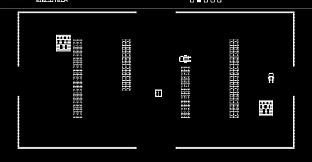
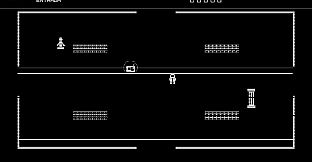
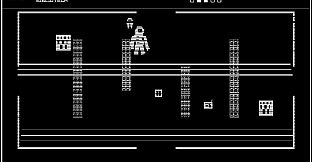
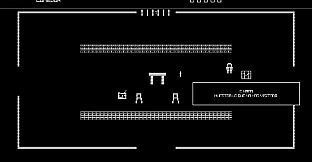
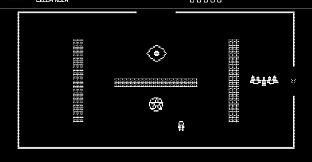
THERE IS NO ROOM 0 is a single-player 1-bit horror adventure game for PC that places players inside a numbered house where objects and connections shift when unobserved. The experience draws from classic adventure game simplicity while centering on persistent changes and unseen inhabitants that alter the environment independently of the player.
Gameplay
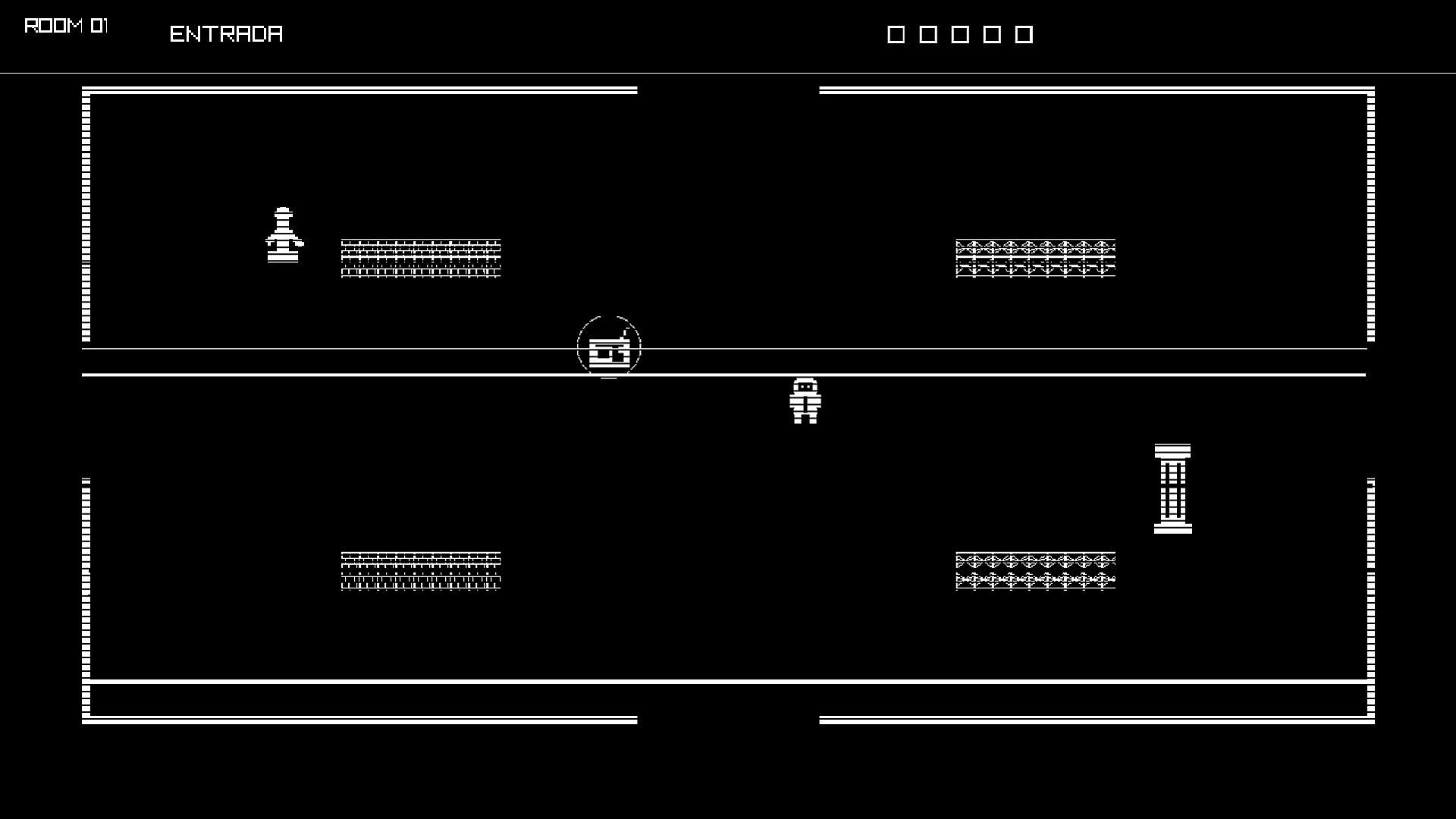
Players begin in a structure of connected rooms without memory of arrival. Basic interactions follow expected rules at first, with doors opening to new spaces and keys fitting locks. Items remain where placed until external forces intervene. The core loop involves exploration, object management, and rule discovery as the environment stops behaving predictably.
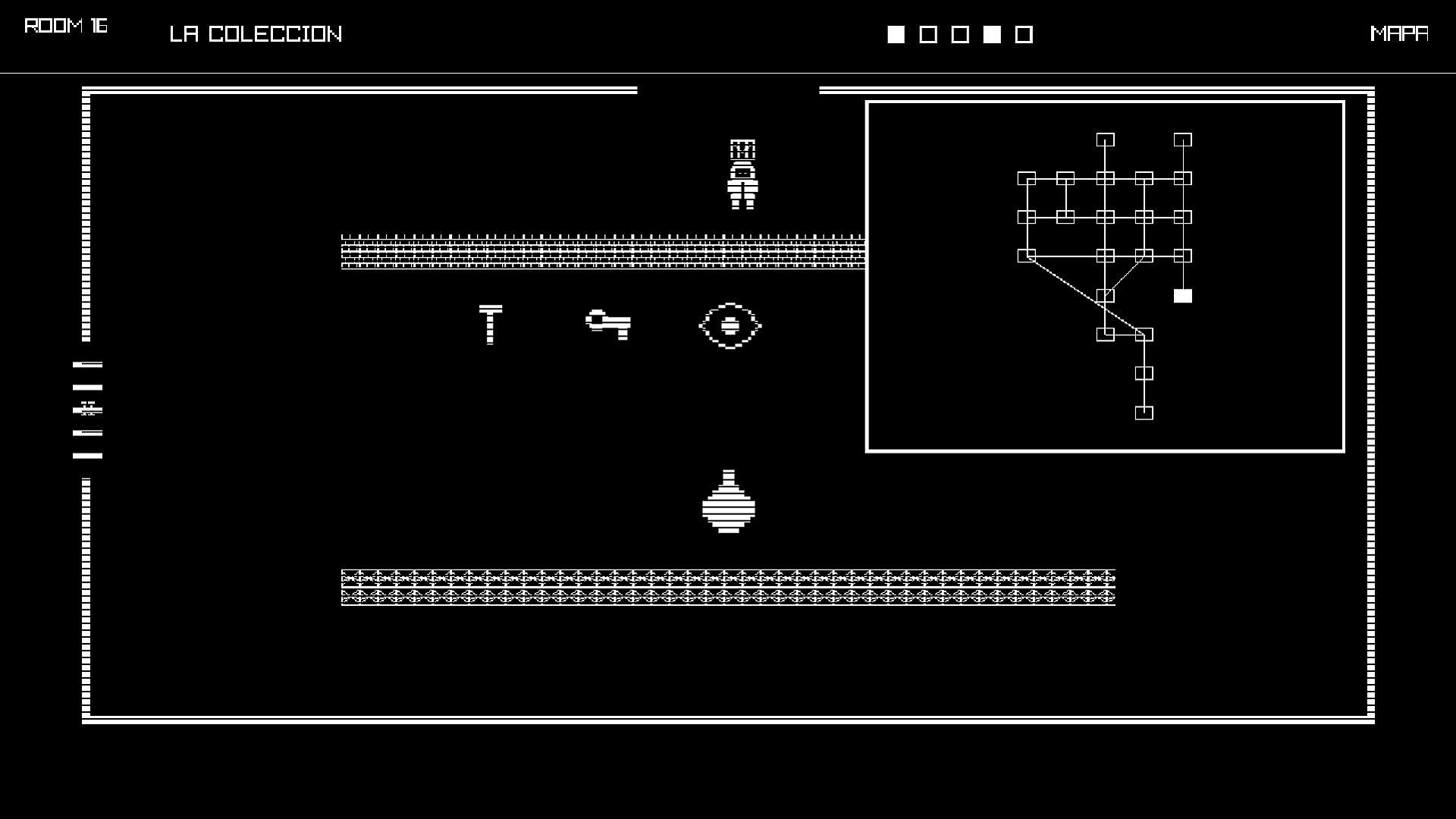
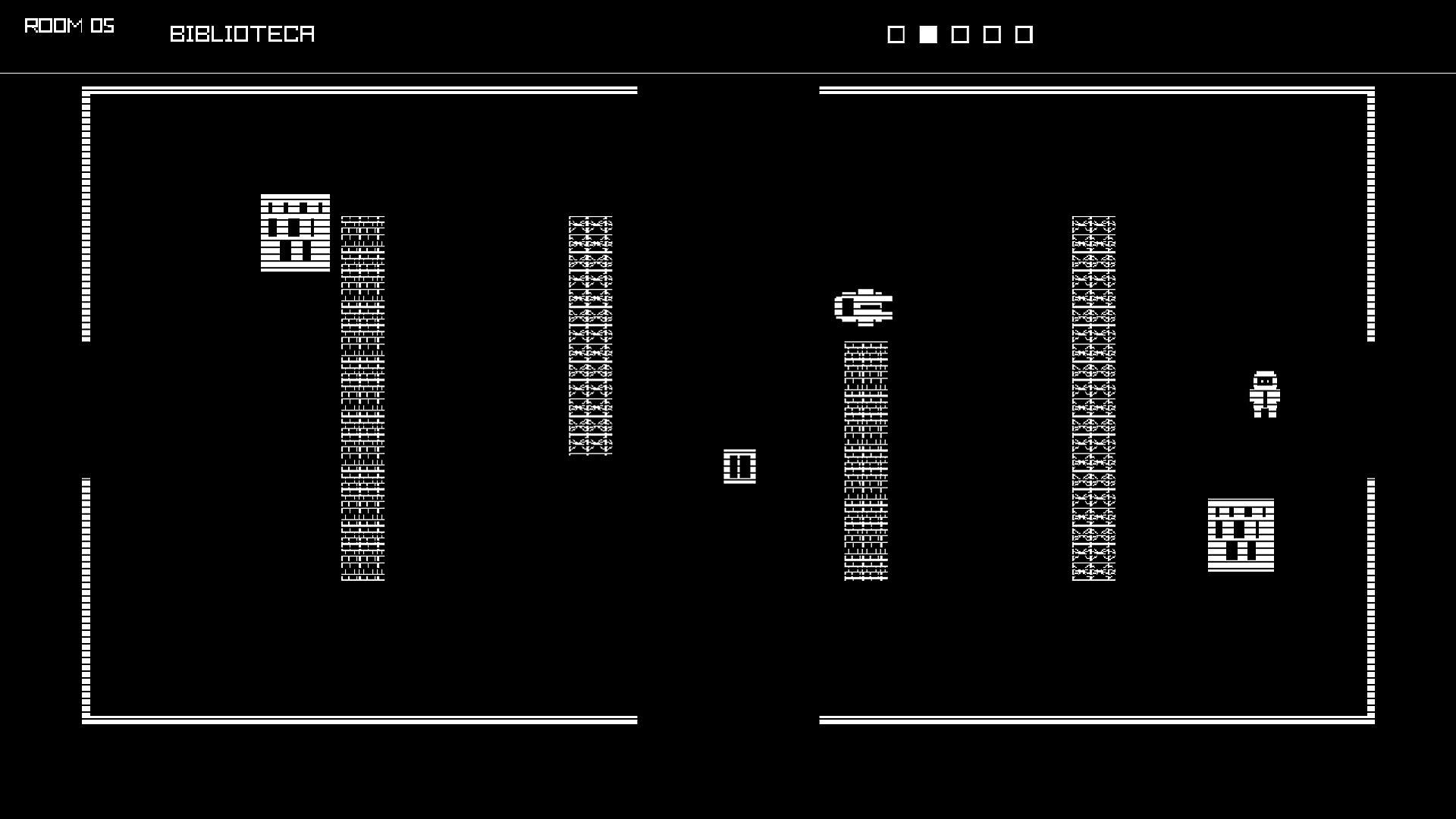
A single carried item forces constant decisions about what to keep and what to abandon in any given room. The lantern reveals hidden details or lights absolute darkness. The radio draws attention from distant threats. The bell repels certain presences. The nail stabilizes shifting connections. The map exposes anomalies that should not register on any chart. Scattered eyes throughout the house uncover concealed elements when observed.
Two distinct entities operate on the same map. The Resident moves through rooms even when far away, producing audible cues such as knocks or whispers that may originate from the house itself rather than the entity. The Collector targets unattended objects and relocates them to a personal collection, turning loss into a retrieval task rather than permanent failure.
Death leaves the world state intact. Open doors stay open. Dropped items remain in place. The player's body stays in the room of death until moved by another presence. Persistent memory of prior actions carries forward across attempts.
Game Modes
The primary experience unfolds as a single continuous adventure without separate difficulty selectors at the start. After reaching the conclusion, Cycles activate. Each new cycle rearranges object positions, alters room connections, and modifies the ending based on accumulated knowledge from previous runs. Players track progress through numbered cycles that suggest repeated entries into the same structure under evolving conditions.
Nightmare unlocks as a post-completion challenge. In this mode the house anticipates known strategies. The Resident acts with greater speed and aggression. The Collector begins activity sooner. Connections destabilize more often. Multiple rooms remain in total darkness without active light sources.
Core Mechanics and House Behavior
Connections between rooms prove unstable. A doorway that previously led to a hallway may redirect elsewhere on subsequent visits. Memory of the layout becomes unreliable, requiring players to retest paths rather than rely on prior navigation. No external guide exists, so all solutions emerge from direct experimentation with the listed objects and observed patterns.
Every item exists physically in the world rather than in an abstract inventory. Leaving an object behind keeps it available for later interaction or collection by the Collector. This system turns resource management into spatial planning across multiple rooms.
Is It Worth Playing?
The game suits players who enjoy deliberate puzzle-solving and atmospheric horror built around observation and consequence rather than combat or fast action. Its single-player focus and emphasis on persistent world changes reward careful attention to how the house and its residents behave over repeated attempts. With no confirmed player reviews or post-launch updates available prior to release, expectations should center on the described systems of one-item carrying, entity movement, and cycle-based replay. Those drawn to short, self-contained indie adventures that reward learning hidden rules will find the structure aligns closely with that preference. Availability remains limited to the PC platform at launch.