




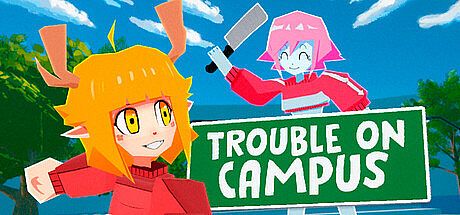


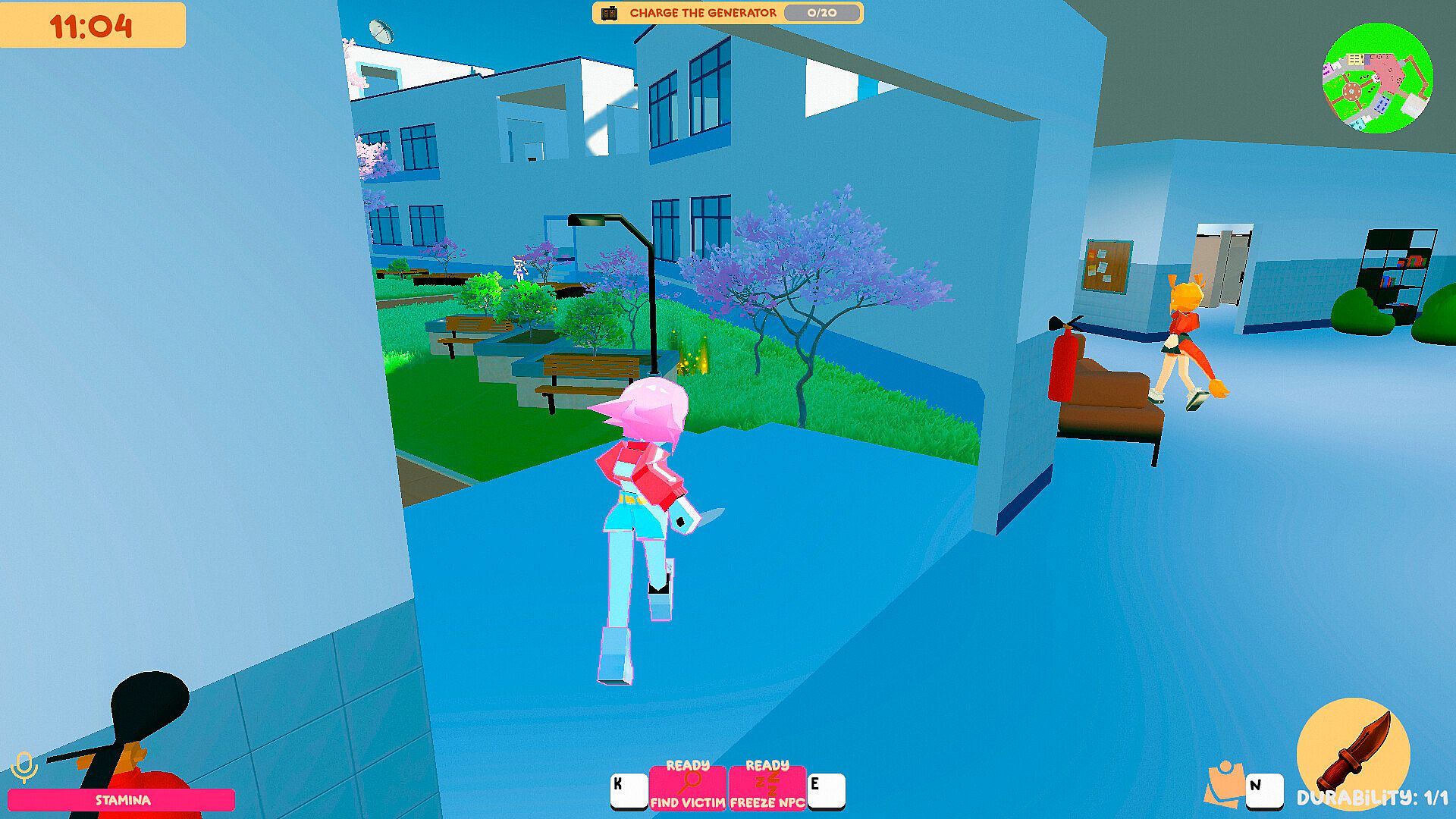
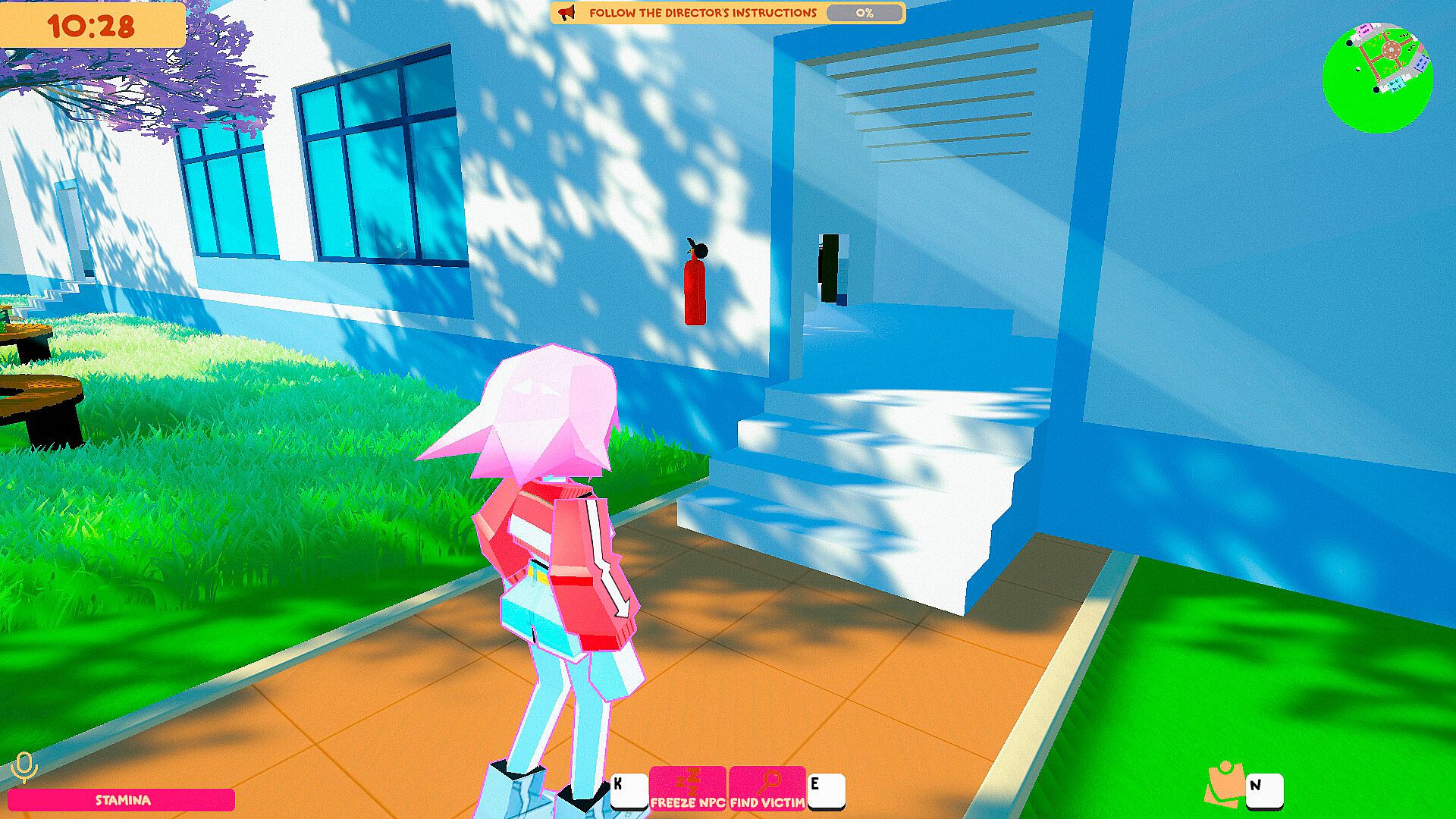
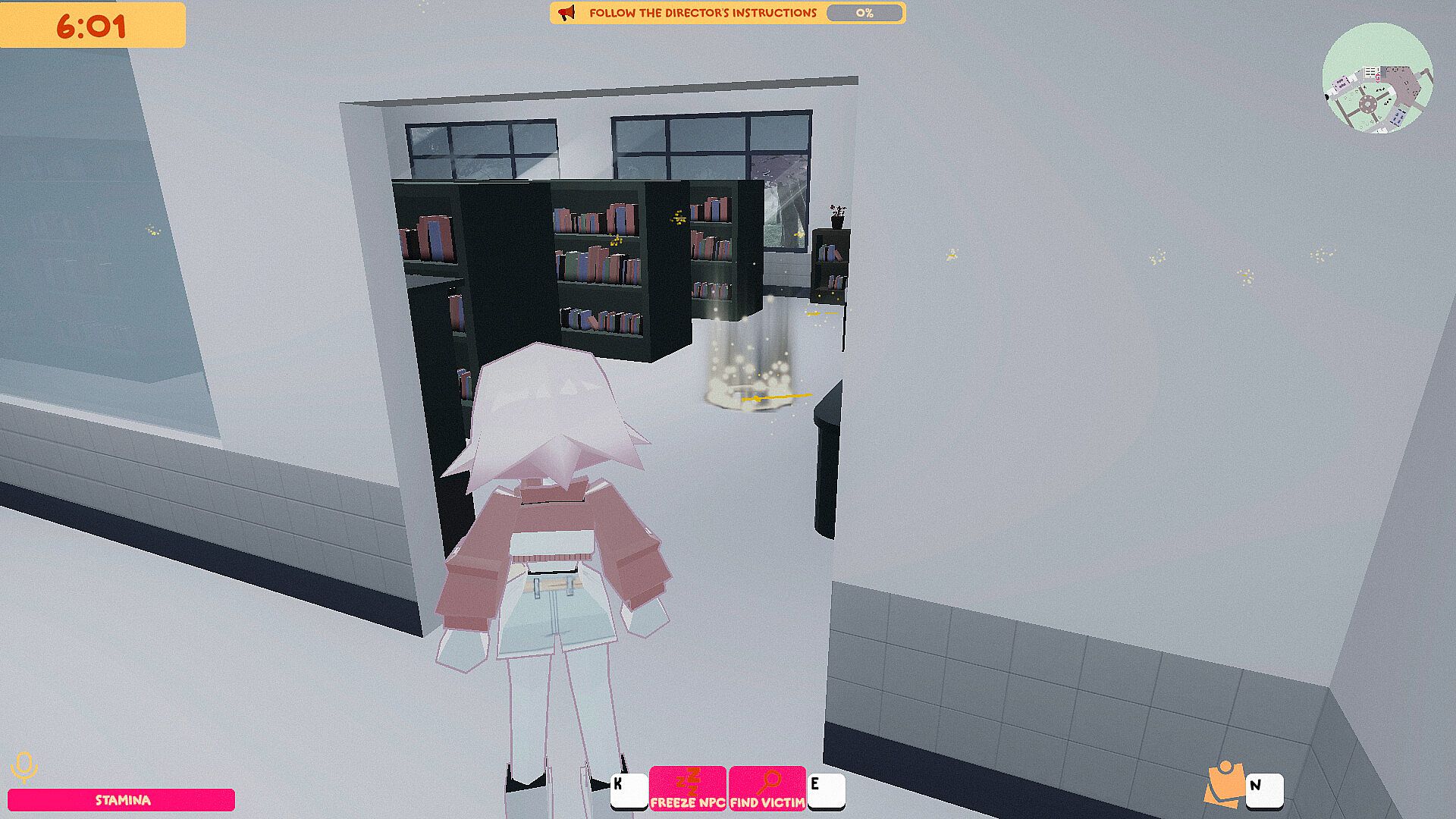
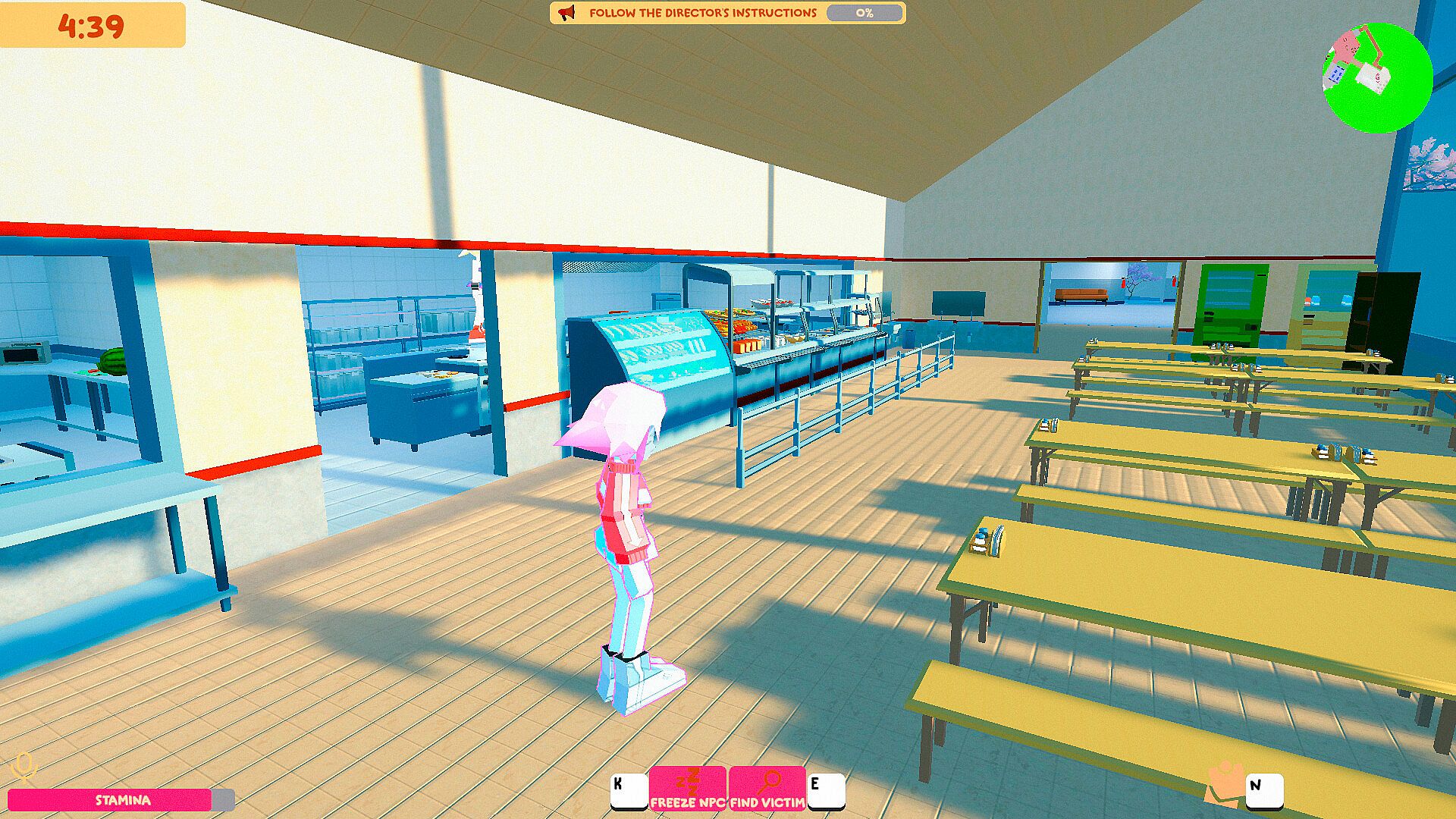
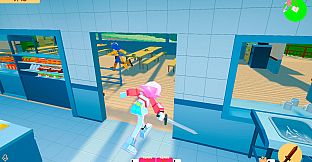
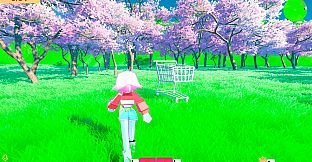

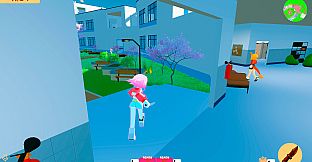
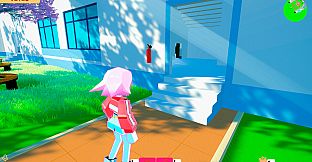

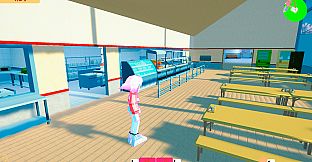
Trouble on Campus est un jeu multijoueur de déduction sociale mêlant action, indie et casual sur PC. Les joueurs incarnent des étudiants durant une journée universitaire qui dégénère rapidement : il faut accomplir ses tâches tout en démasquant le traître caché qui cherche à tout perturber.
Gameplay
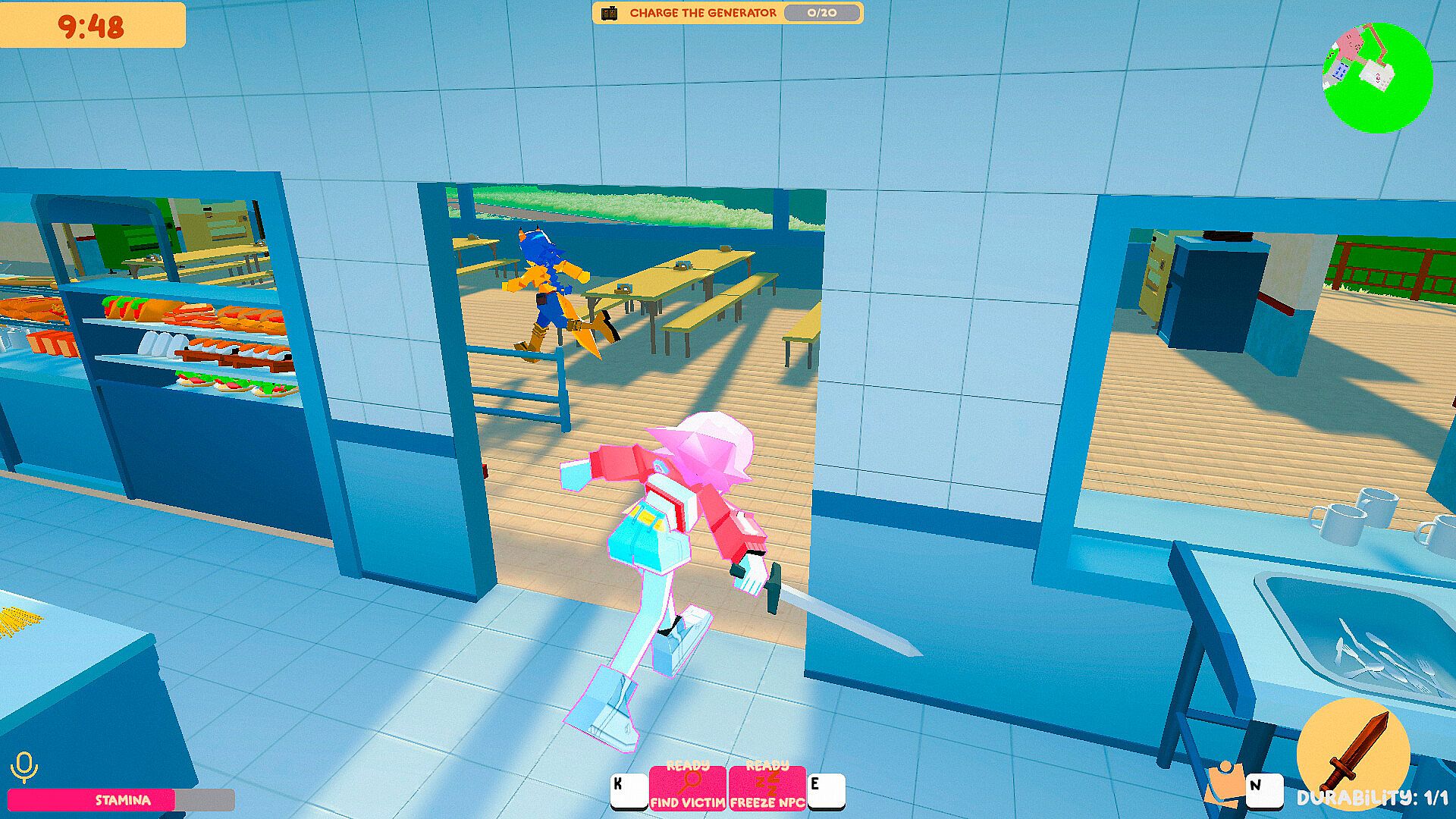
Le cœur du jeu repose sur l'exploration collective du campus et l'exécution de tâches sous contrainte de temps. L'équipe doit coordonner ses efforts pour terminer ses objectifs avant que la situation ne s'emballe. La suspicion naît naturellement, car tout le monde ne poursuit pas les mêmes buts. Les déplacements et les interactions sont directs, avec une importance particulière accordée à la proximité des autres, que ce soit pour coopérer ou confronter. Les joueurs doivent décider en temps réel qui mérite leur confiance en se fiant uniquement aux comportements observés.
L'élimination constitue un levier essentiel pour trancher les conflits. N'importe qui peut supprimer un autre joueur au moment opportun, ce qui rend chaque rencontre décisive. Le traître doit se fondre dans le groupe tout en créant des occasions de sabotage ou de désinformation. Cette mécanique valorise l'observation et la réactivité plutôt que les réflexes purs.
Game Modes
L'expérience principale se concentre sur une session unique où les rôles sont attribués dès le départ. Un joueur endosse le rôle du traître tandis que les autres forment l'équipe chargée de terminer les tâches. Le traître agit par des interférences discrètes, en semant la confusion et en orientant les soupçons. Les membres de l'équipe doivent avancer sur leurs objectifs tout en repérant les incohérences de comportement.
Les décisions de confiance s'opèrent de manière organique. Chacun choisit ses alliés ou son isolement selon ce qu'il perçoit. La structure permet de rejouer plusieurs manches avec des rôles qui changent, offrant ainsi de nouvelles stratégies à chaque partie. Aucun mode distinct n'est proposé, l'accent restant mis sur cette dynamique traître contre groupe.
Multiplayer Dynamics
Le jeu en ligne permet de combiner coopération et compétition au sein des mêmes sessions. Les parties nécessitent une connexion internet et fonctionnent mieux avec des groupes utilisant les outils de communication intégrés. L'étiquette casual renvoie à des commandes accessibles et des sessions courtes, tandis que l'aspect action provient de la tension générée par les éliminations soudaines et les sabotages de dernière minute. Le développement indie concentre l'expérience sur l'interaction sociale plutôt que sur un contenu solo étendu.
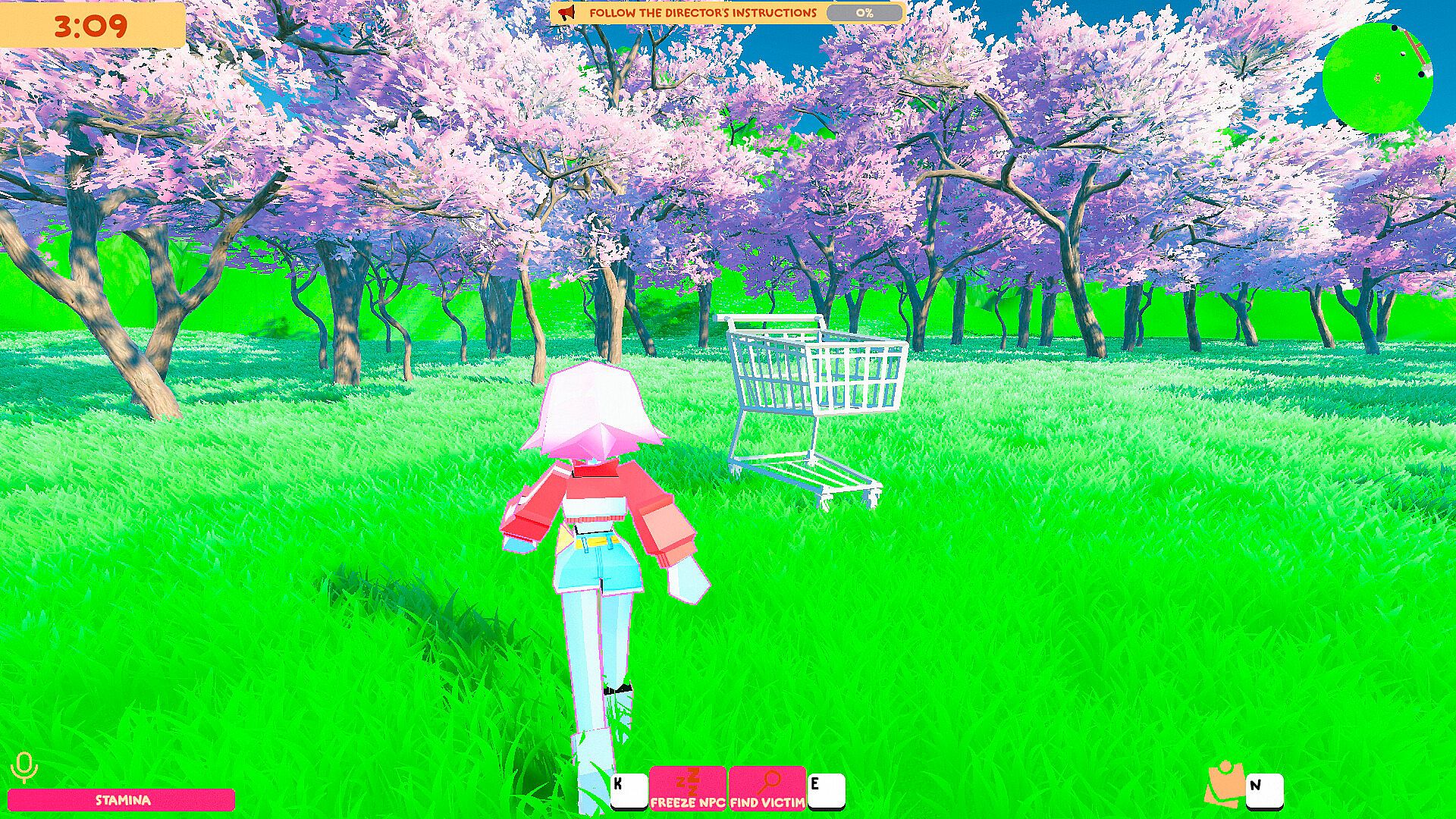
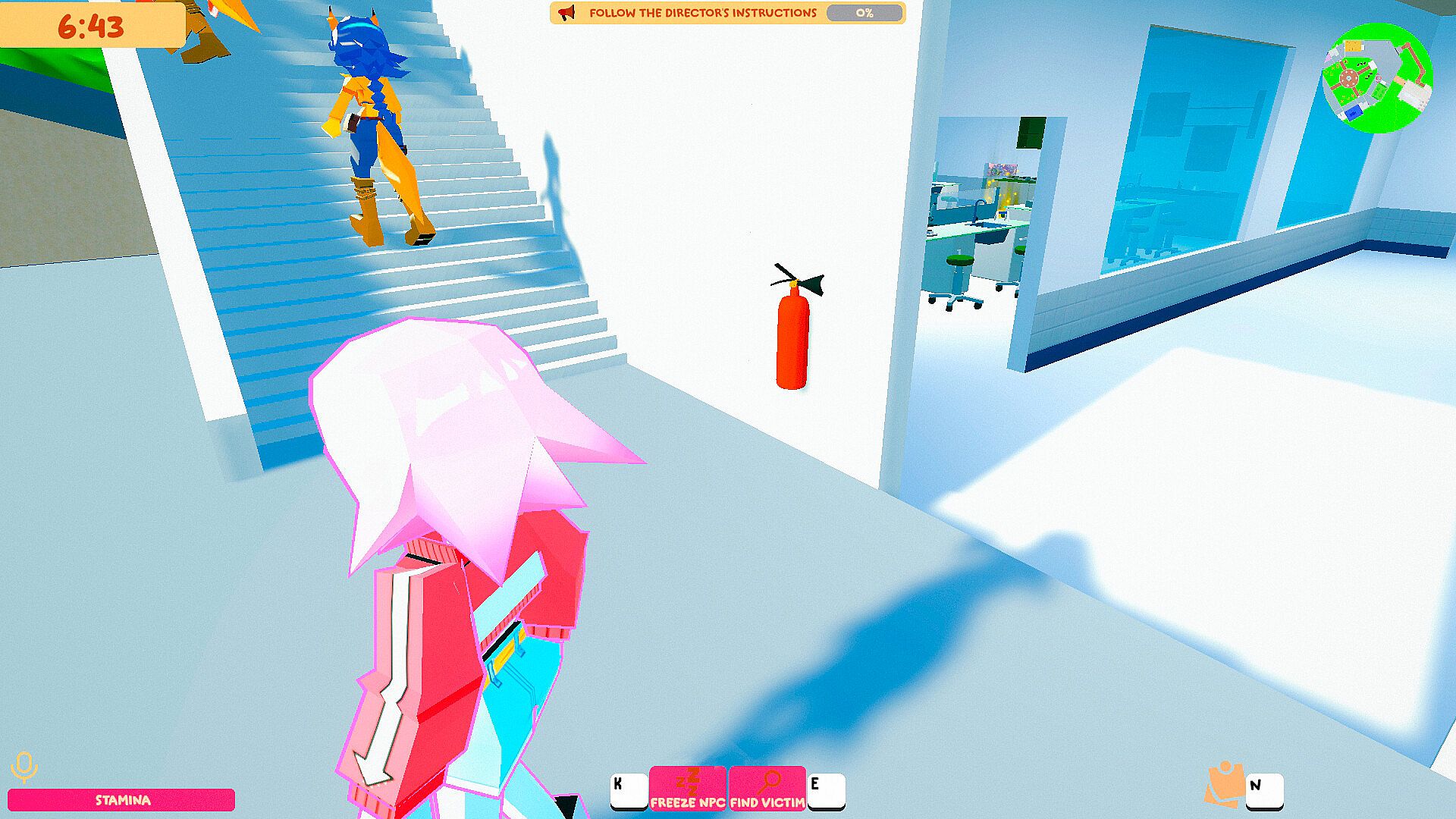
L'exploration du campus apporte de la variété grâce à différents lieux qui influencent le déroulement des tâches et des confrontations. Les joueurs apprennent à repérer les schémas de déplacement et de progression pour identifier les menaces. Le travail d'équipe étant facultatif, une partie peut passer d'une progression ordonnée au chaos total selon qui incarne le traître.
Is It Worth Playing?
Trouble on Campus s'adresse aux amateurs de jeux de déduction sociale qui apprécient les rôles cachés et la psychologie de groupe. Le jeu est encore en phase de pré-sortie et ne dispose d'aucun avis utilisateur pour l'instant. Son concept simple et son accent mis sur les décisions en direct conviennent aux joueurs à l'aise avec le chat vocal ou textuel en petit comité. Ceux qui recherchent des campagnes solo abouties ou des systèmes de progression élaborés risquent de trouver le contenu actuel limité. Le mélange de gestion de tâches et de mécanique de trahison propose une alternative ciblée dans le genre, à condition que l'aspect social vous attire. Disponible sur PC via les plateformes numériques habituelles, il sera facile à tester une fois sorti.











