


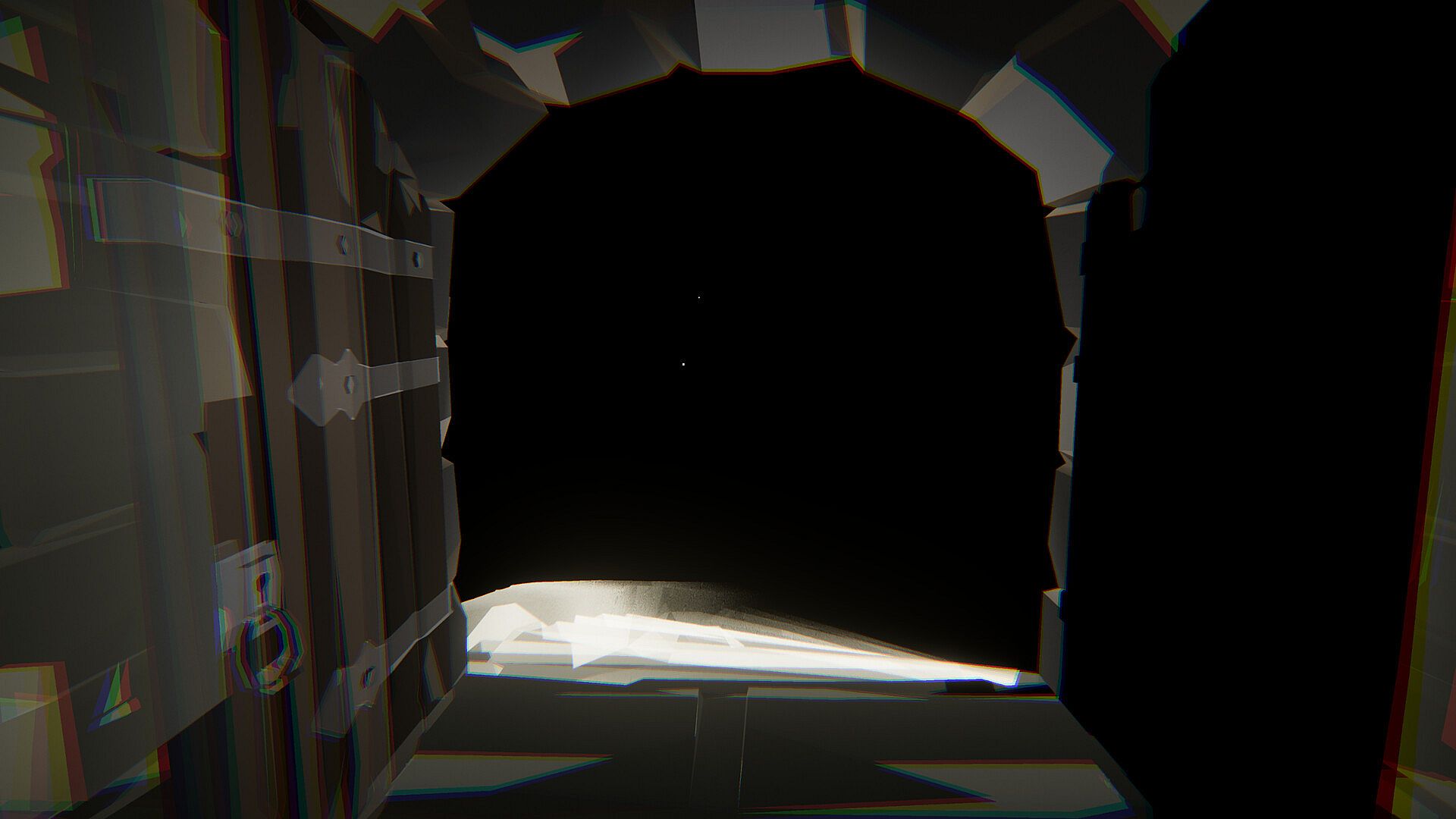
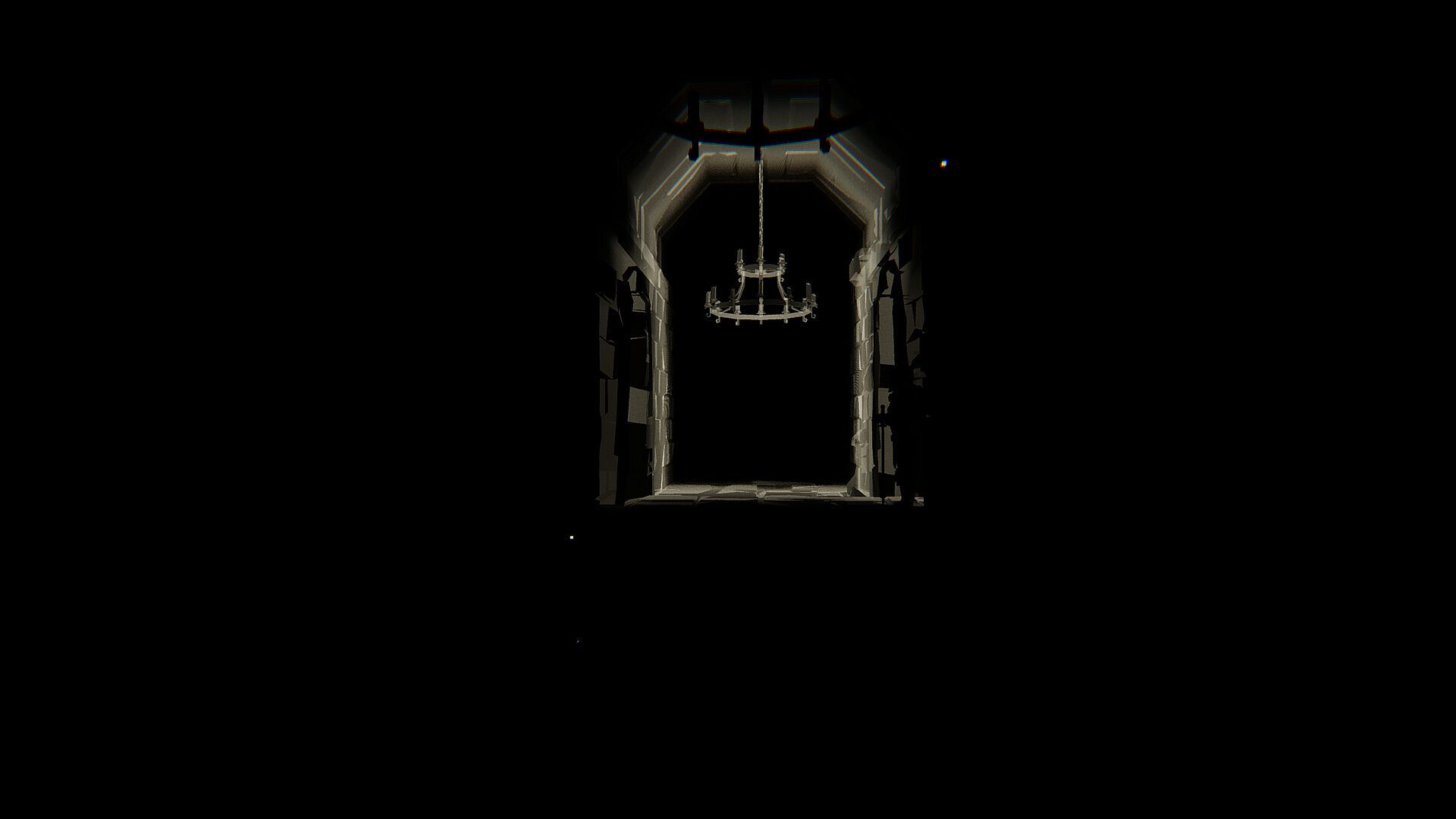
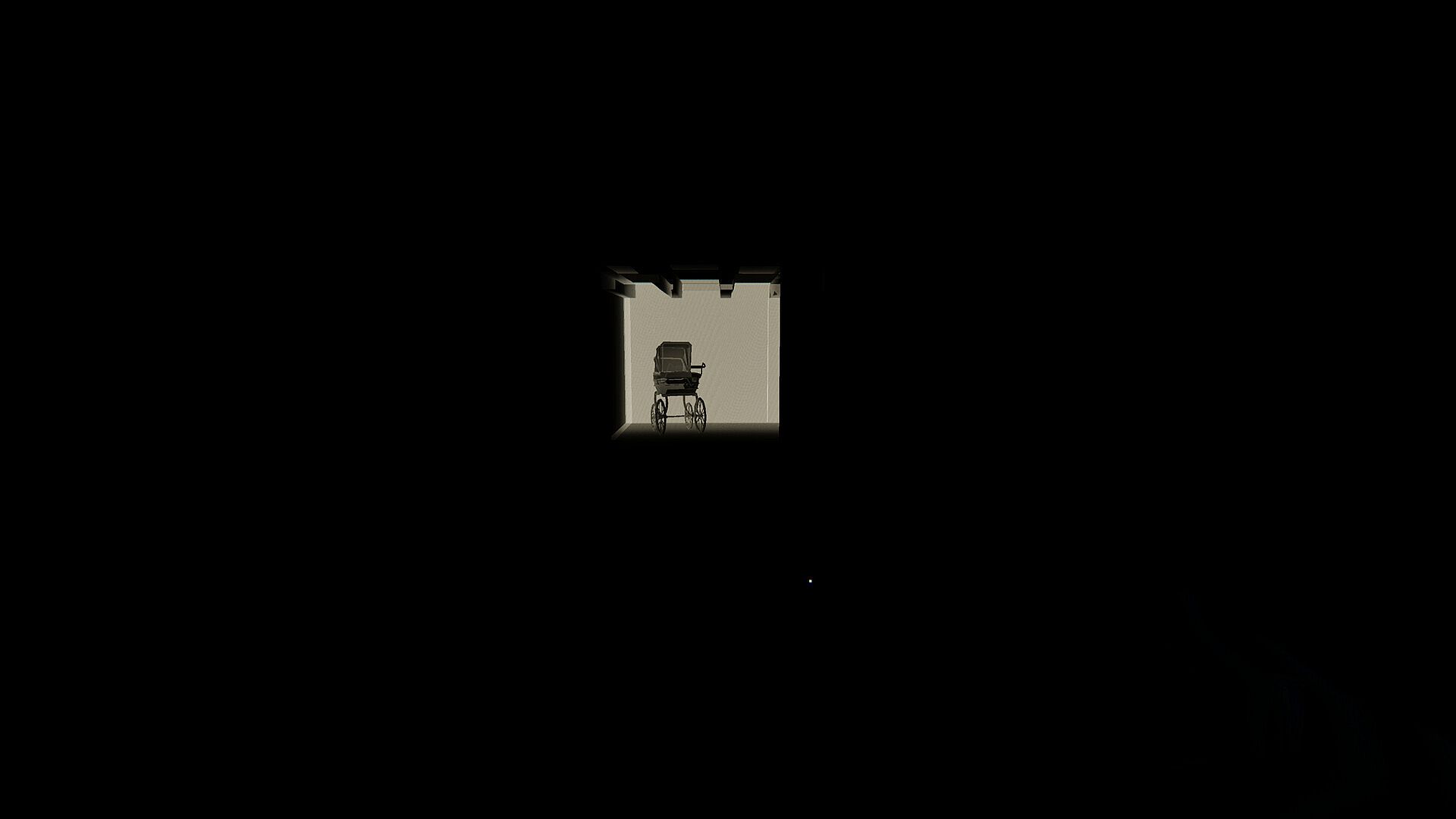
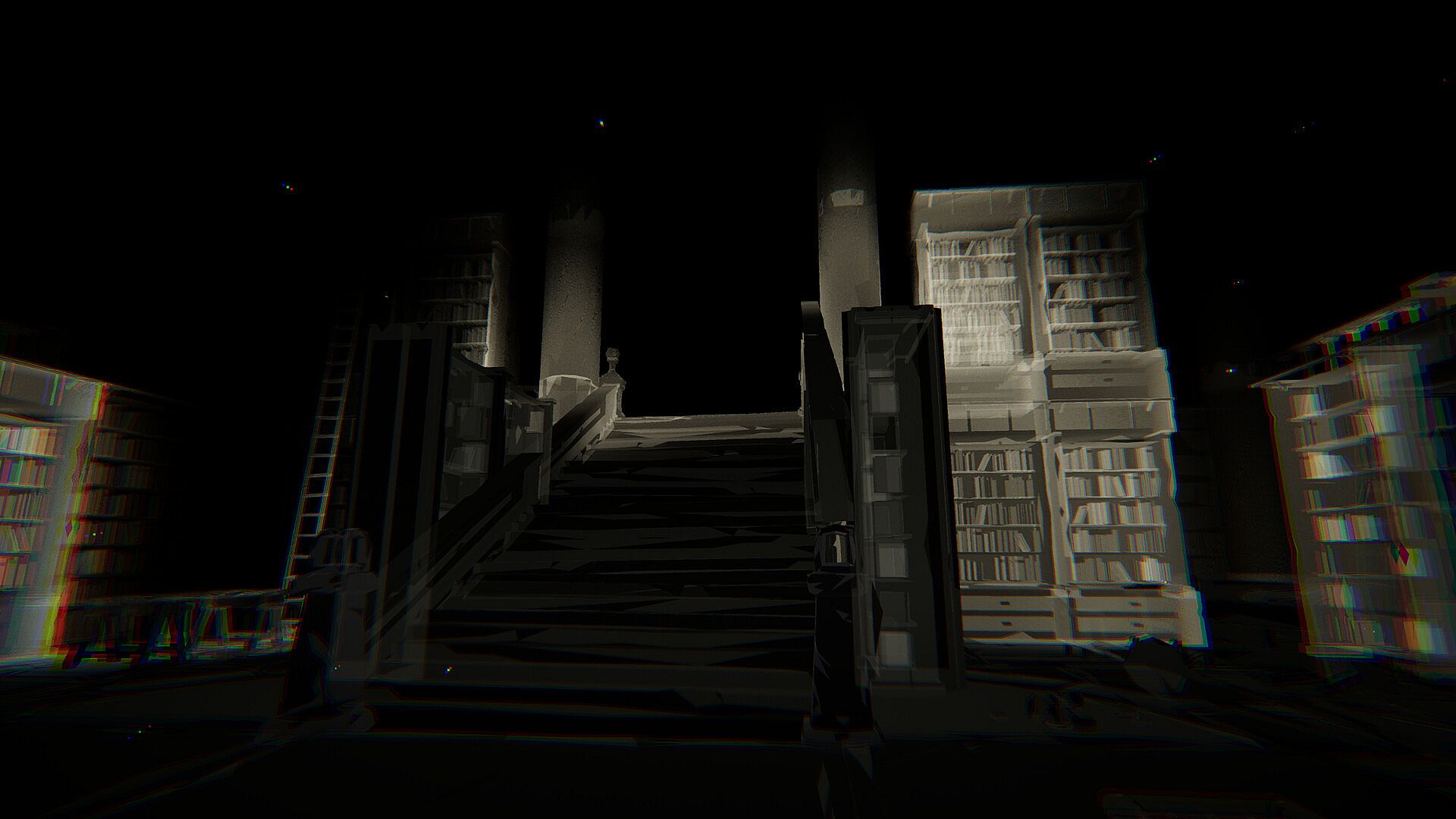

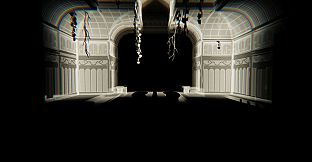
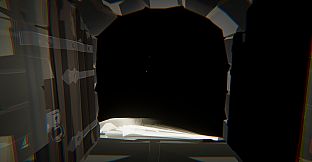
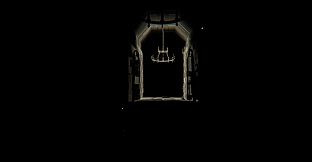

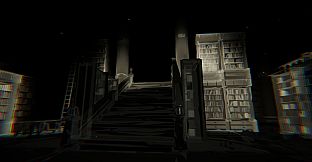
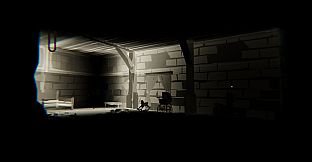
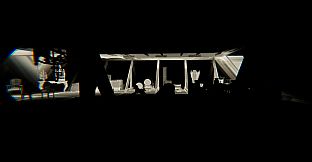
Wake est un jeu d'aventure horrifique en vue subjective, développé pour PC. Le joueur évolue dans une obscurité totale, sans lampe ni vision nocturne, et doit entièrement se fier au son pour percevoir son environnement et survivre.
Gameplay
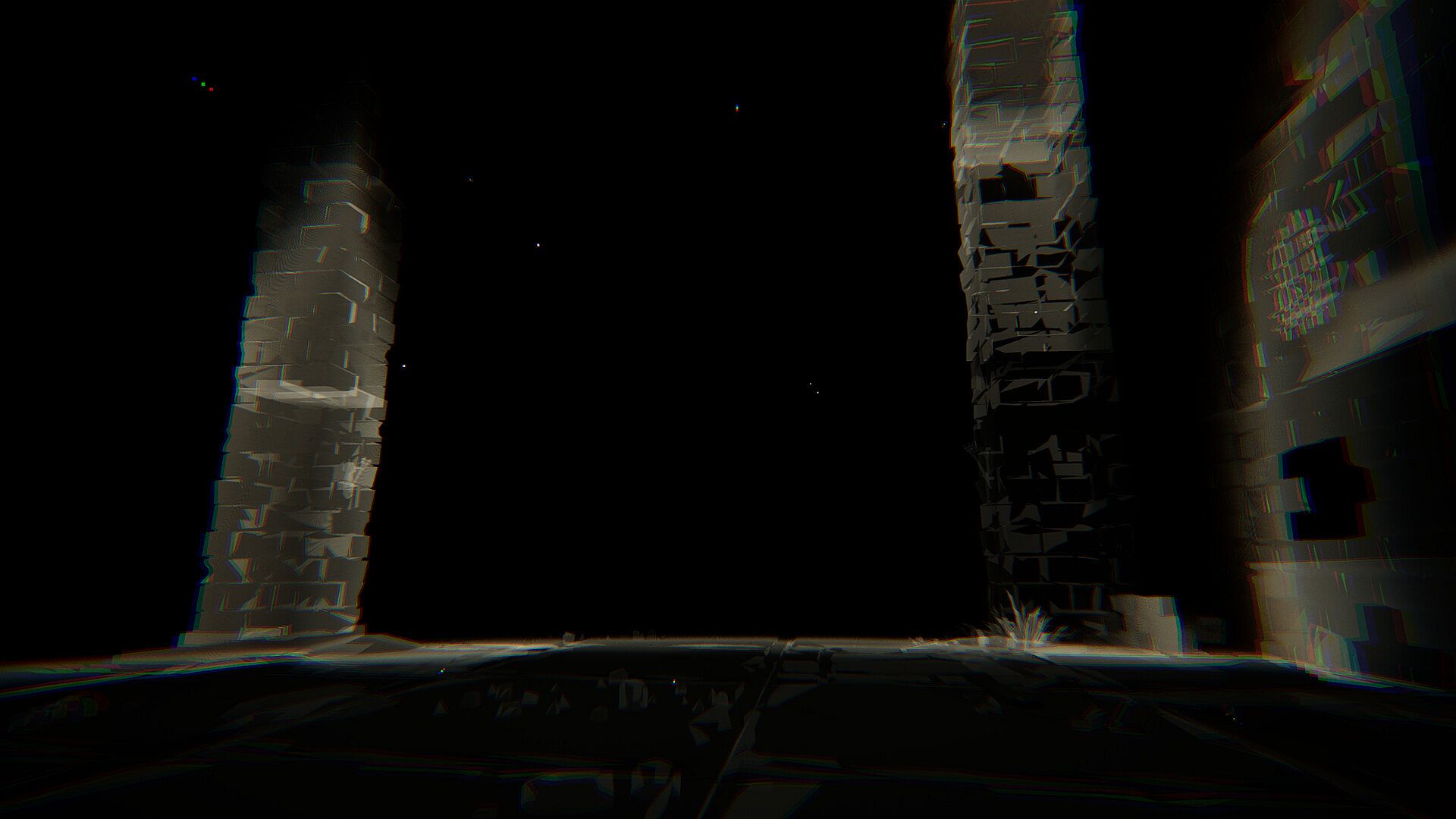
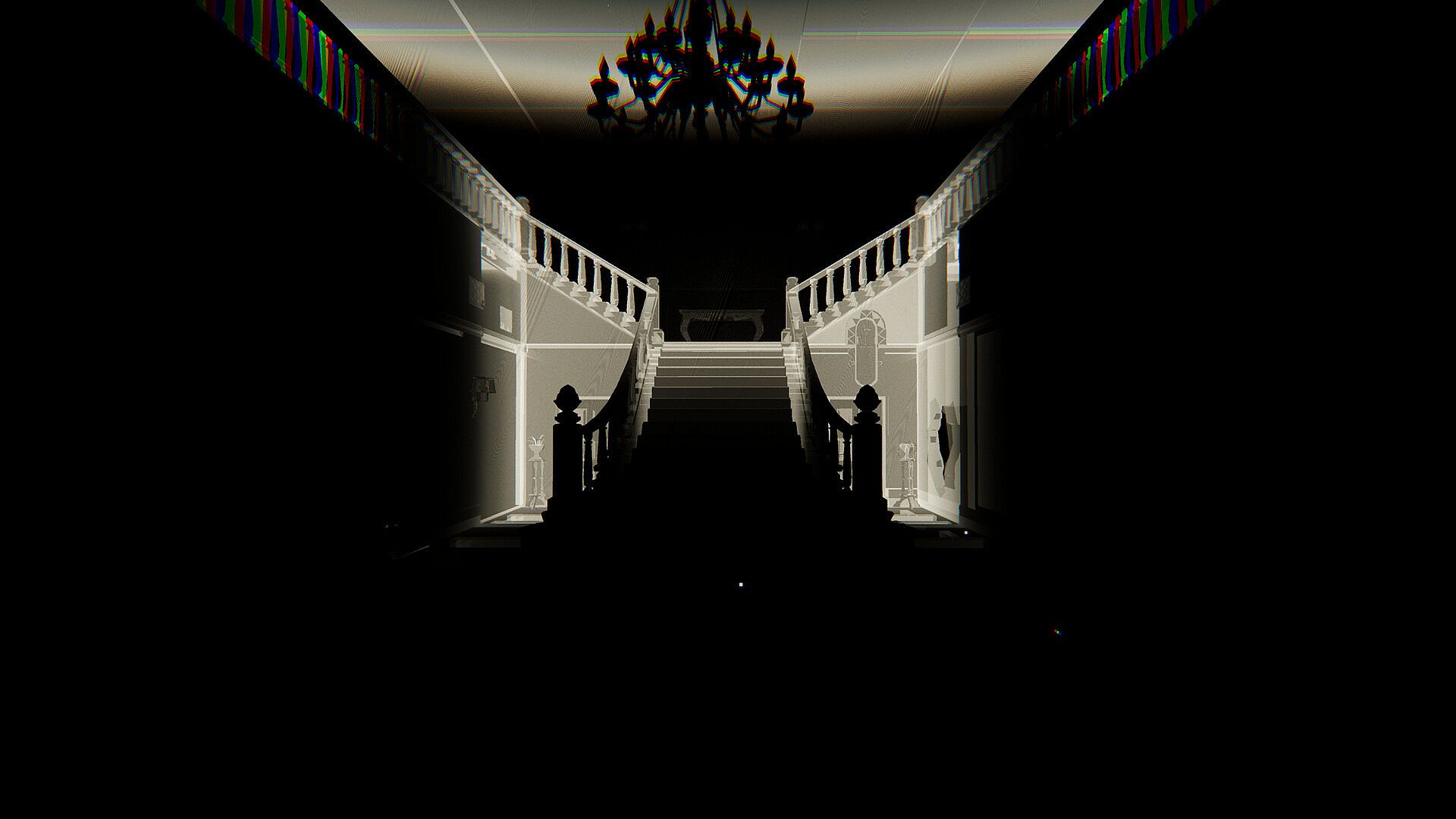
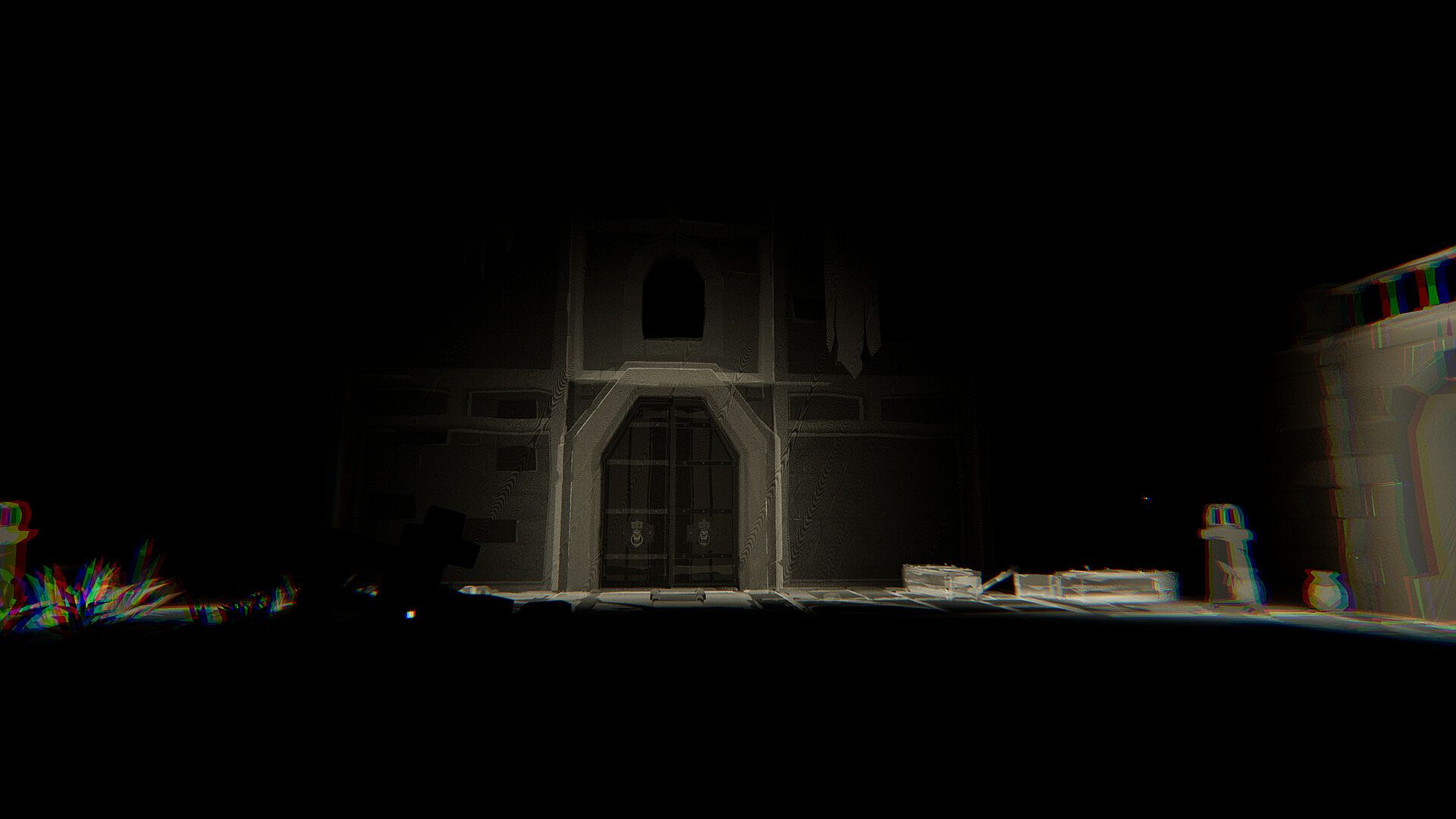
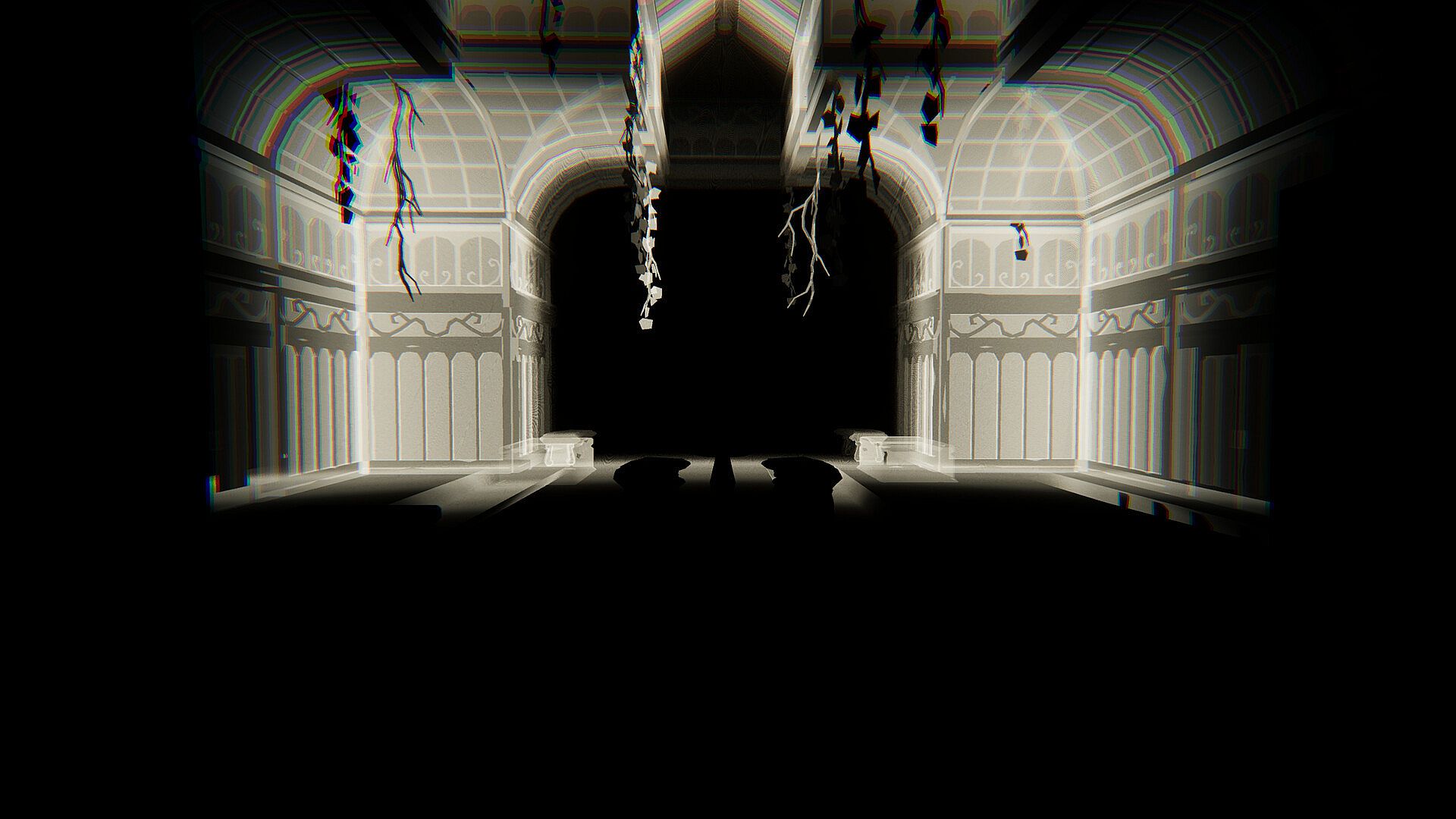
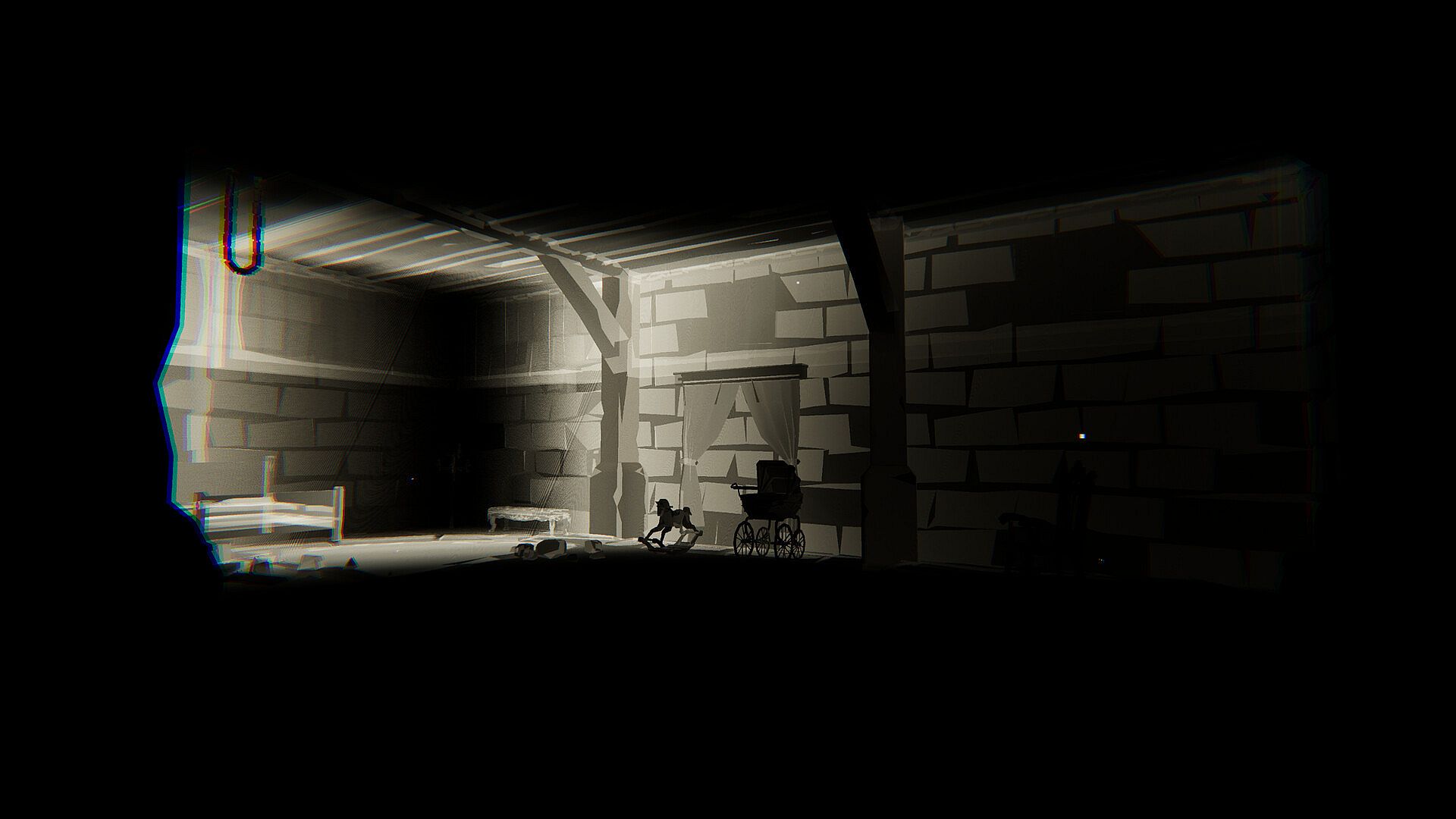
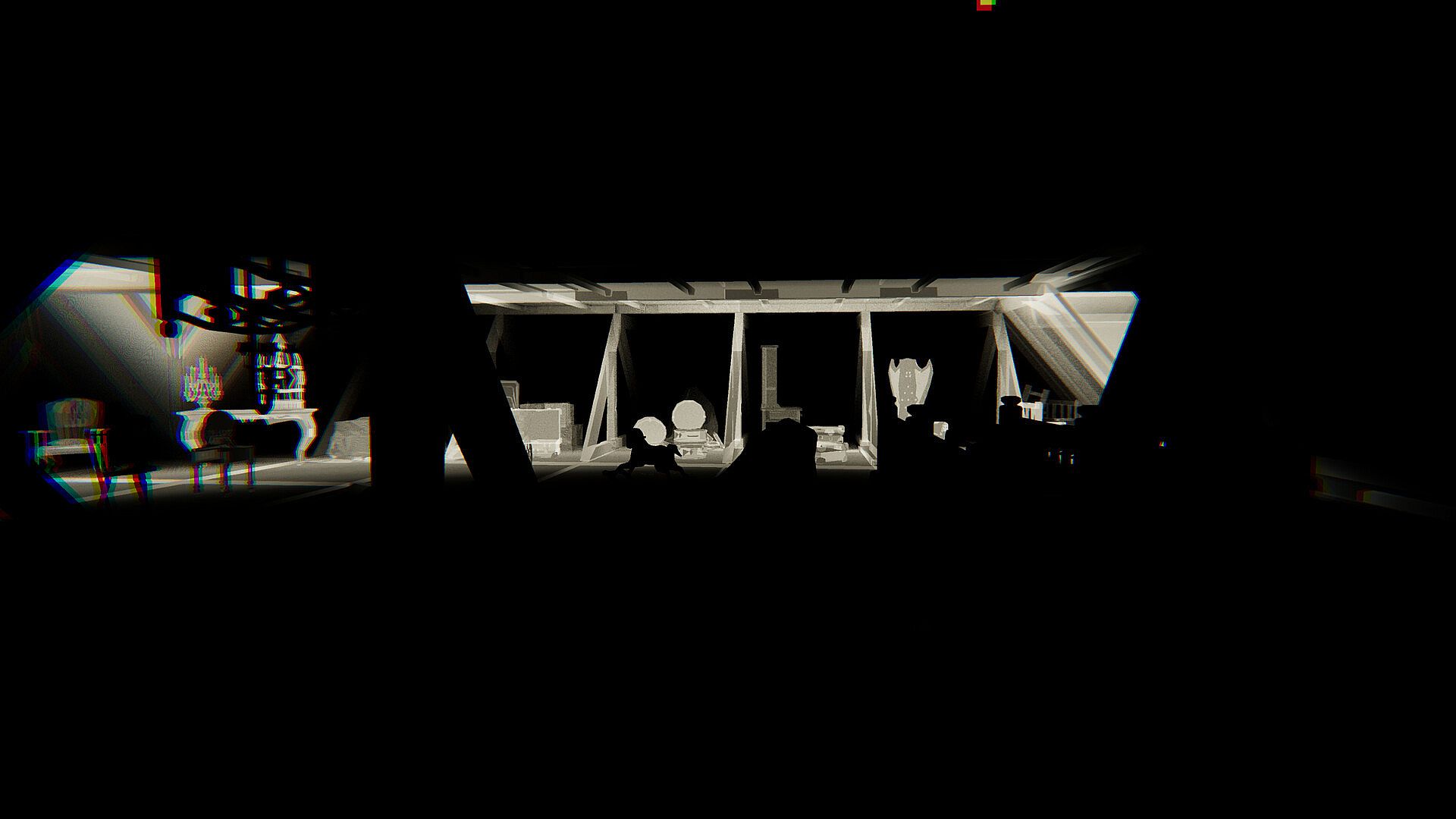
Le cœur du jeu repose sur l'interprétation des indices sonores pour reconstituer l'espace. Pas, objets lancés et échos éclairent brièvement les zones proches, tout en attirant des menaces invisibles. Le son positionnel est primordial : un casque est indispensable pour distinguer directions et distances avec précision.
La tension naît de l'incertitude plutôt que de sursauts. L'environnement réagit aux actions du joueur : le silence se déplace, des murmures induisent en erreur. La réalité se déforme progressivement, obligeant à remettre sans cesse en question ce qui est réel. Chaque bruit représente un risque, car il trahit la présence du joueur à tout ce qui écoute dans le noir.
Modes de jeu
Wake sortira d'abord en expérience solo complète, centrée sur l'exploration et la survie. Un mode coopératif en ligne est prévu en mise à jour gratuite après le lancement ; il étendra les mécaniques sonores à des sessions partagées sans modifier la structure initiale du jeu.
Mécaniques sonores et de perception
Chaque action - marcher, interagir avec un objet - génère des ondes qui révèlent le monde par pulsations. Ces mêmes ondes attirent l'attention des entités hostiles, obligeant à trouver un équilibre constant entre collecte d'informations et préservation de soi. Le système récompense les déplacements mesurés et l'usage stratégique des outils limités pour progresser dans des espaces instables et trompeurs.
Est-ce que ça vaut le coup ?
Wake s'adresse aux joueurs qui recherchent un survival horror audio, dépourvu d'aides visuelles traditionnelles et d'événements scénarisés. Sa campagne solo propose une expérience resserrée autour de la paranoïa et des réactions de l'environnement, avec l'ajout futur du mode coopératif. Ceux qui souhaitent un titre autonome dès le lancement y trouveront leur compte, tandis que l'extension multijoueur apportera une valeur supplémentaire aux amateurs de jeu partagé. L'accent mis sur le son positionnel et la tension psychologique en fait une proposition singulière dans le registre de l'horreur indépendante, pour un public à l'aise avec l'incertitude et l'écoute attentive comme principaux piliers du gameplay.