






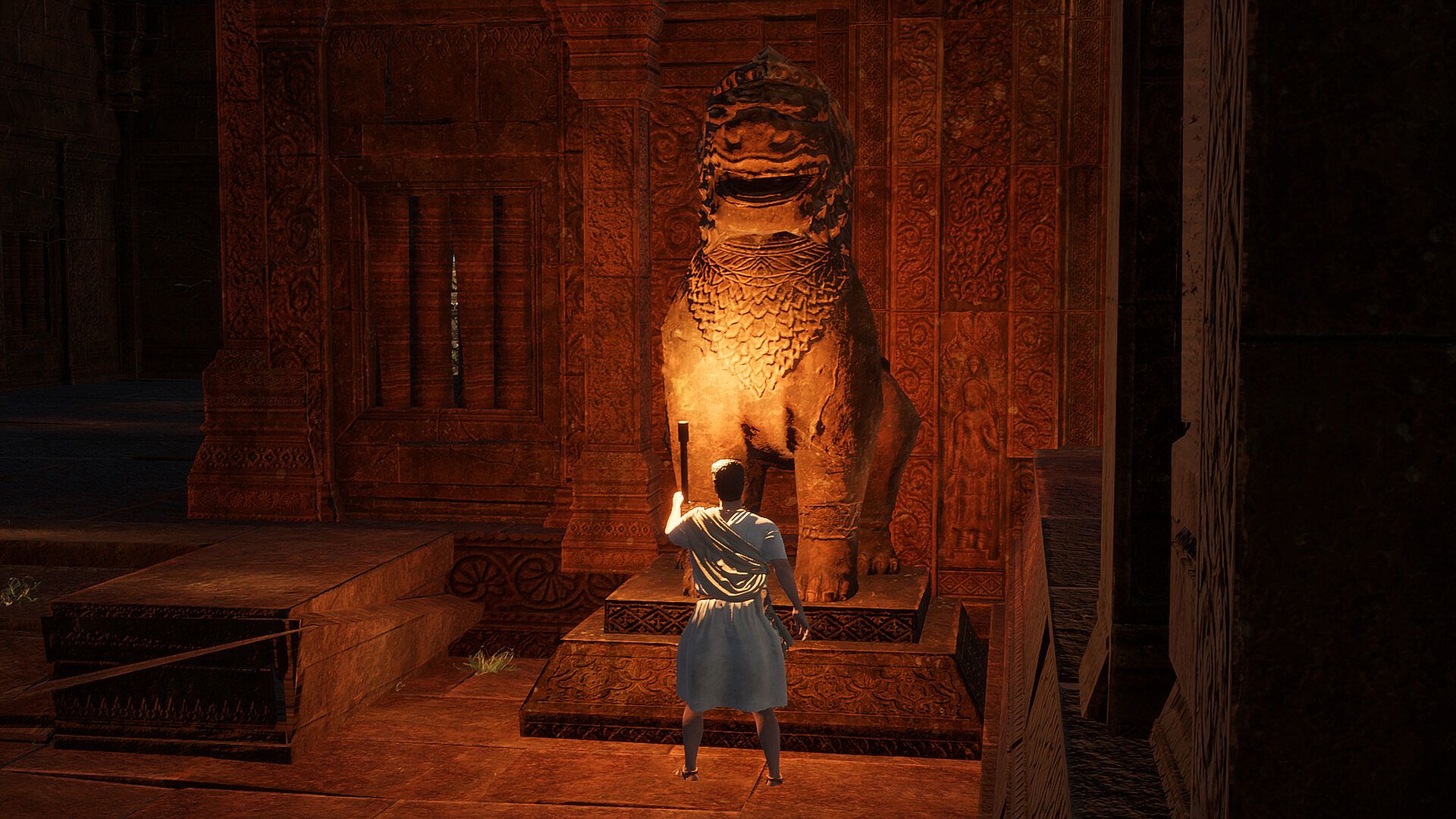
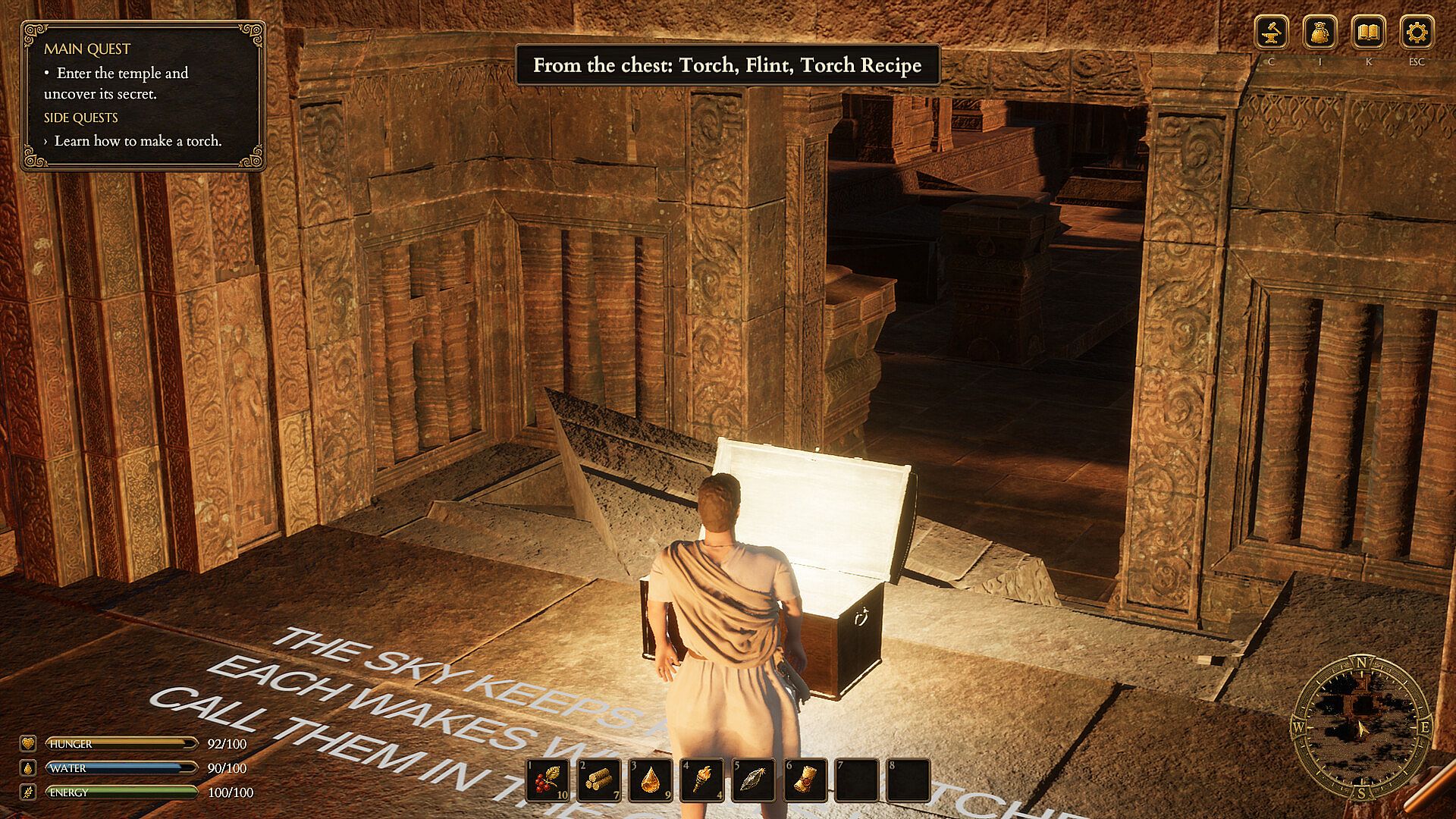
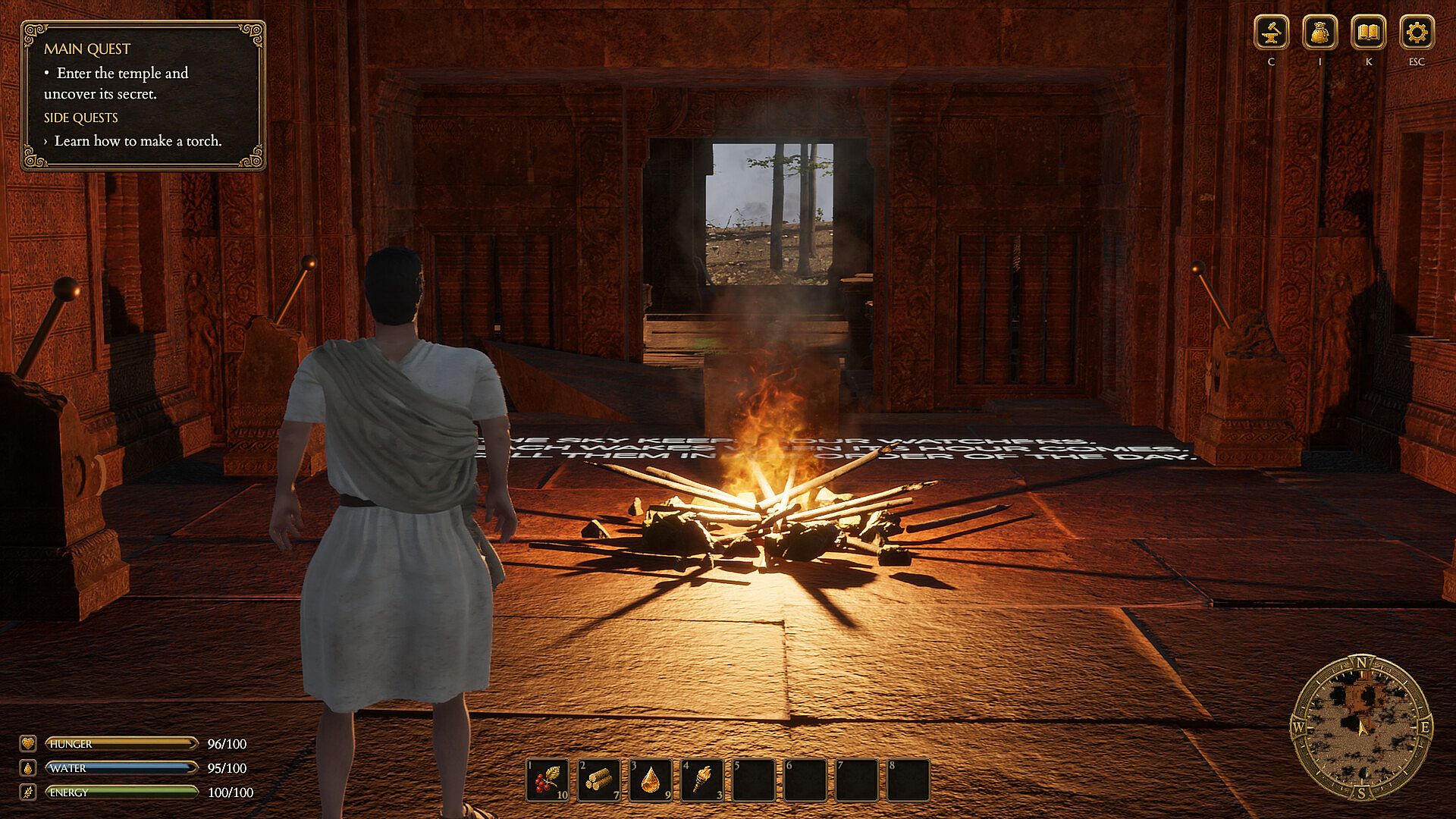
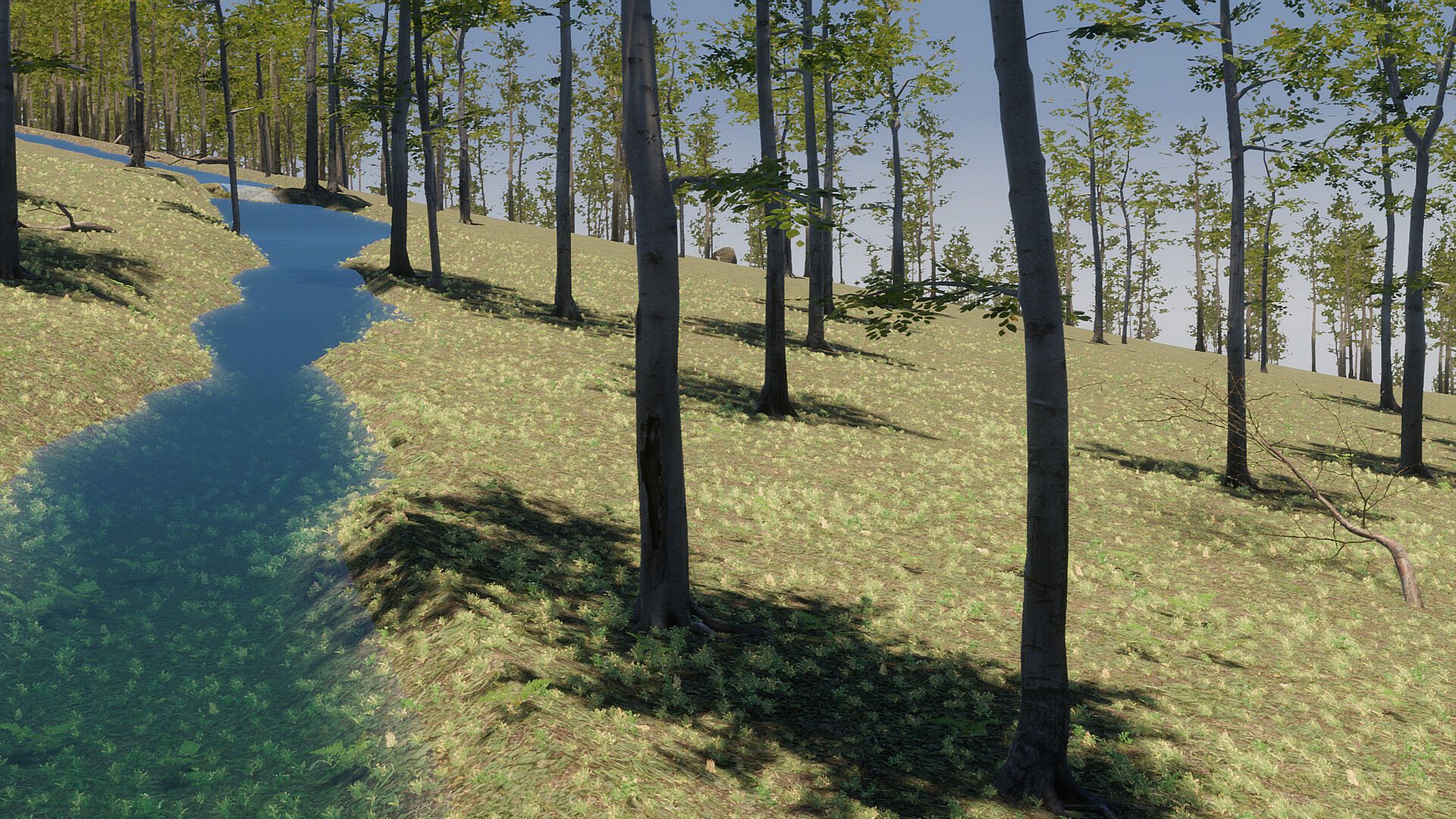

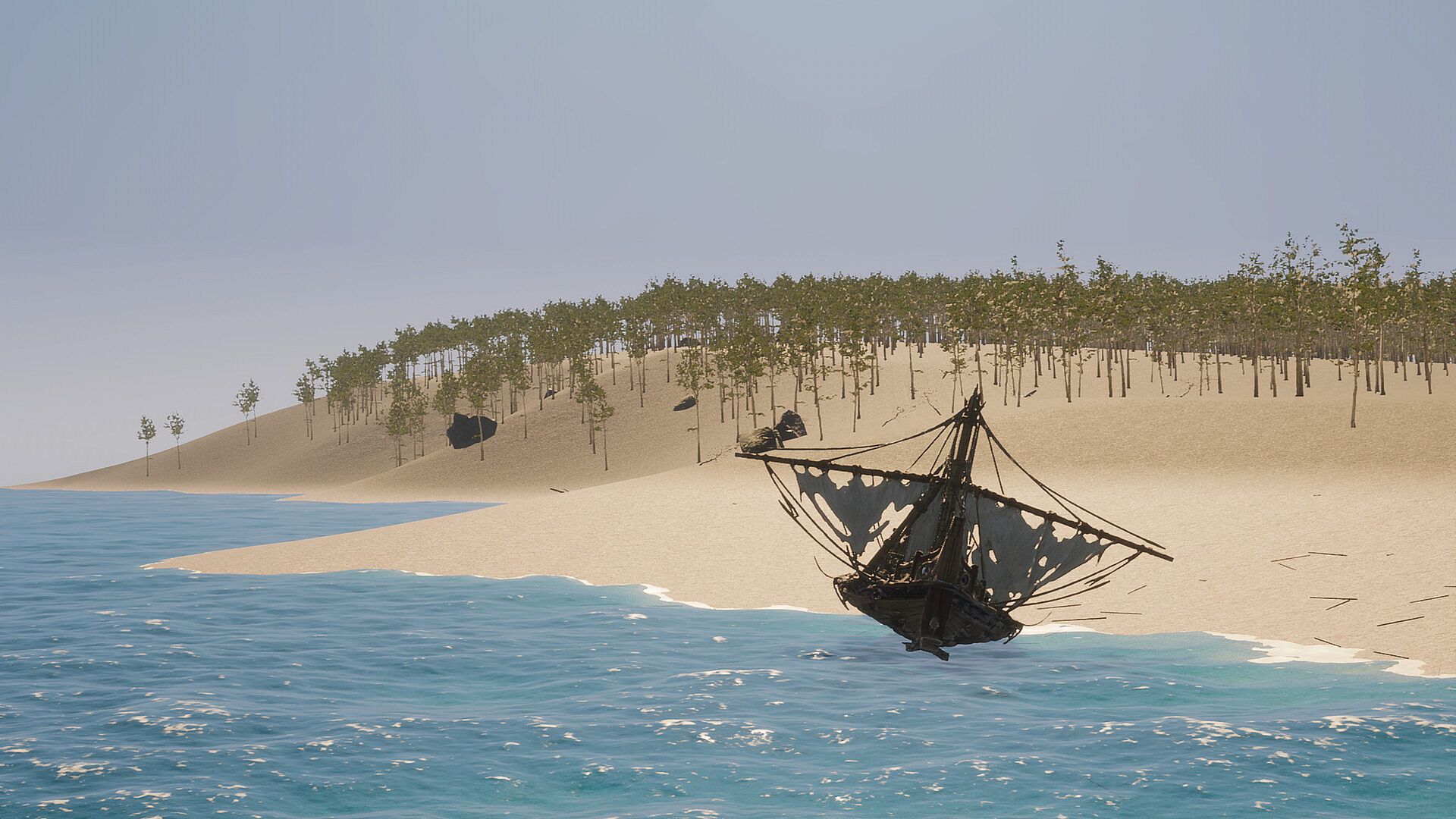
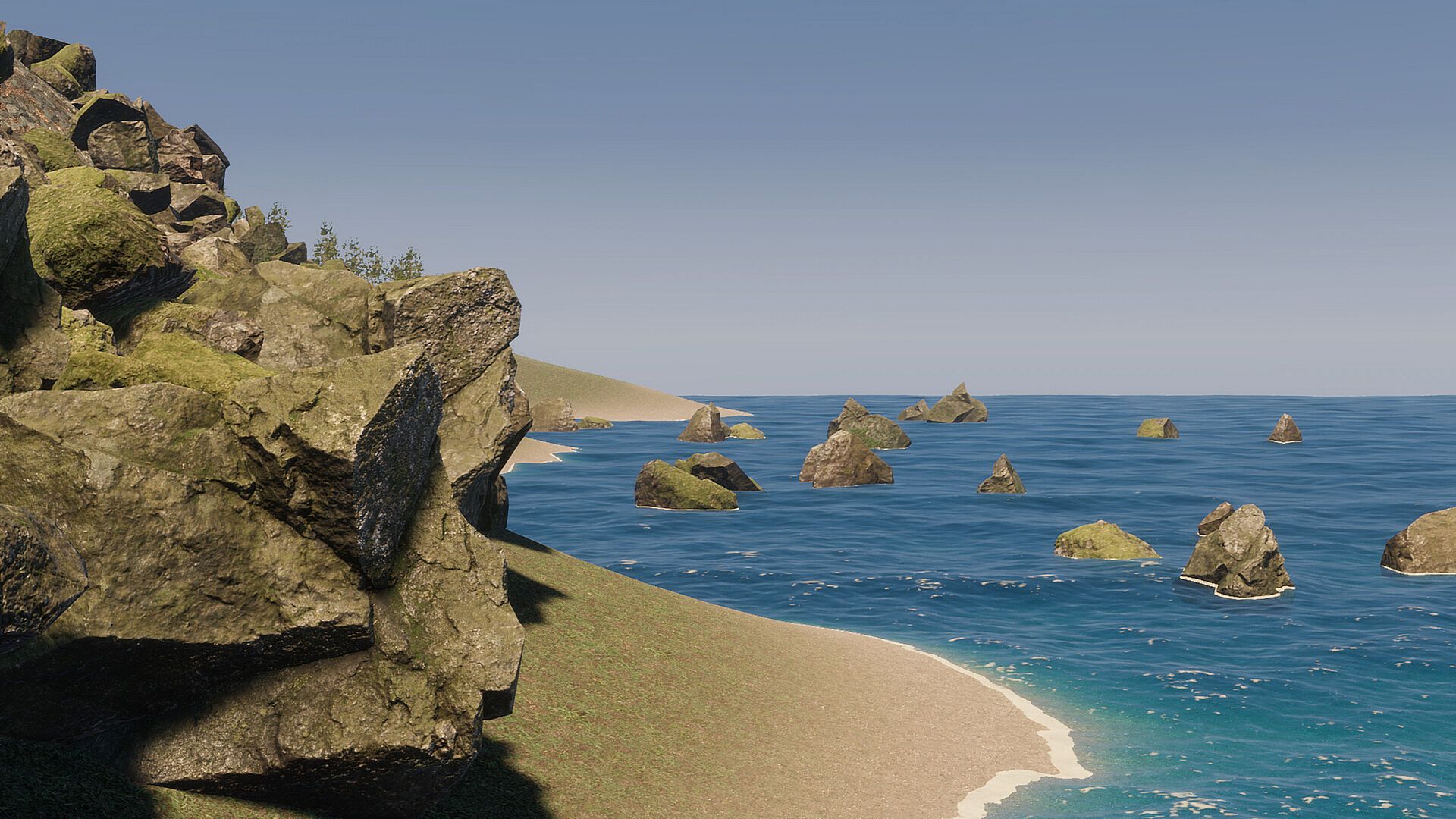
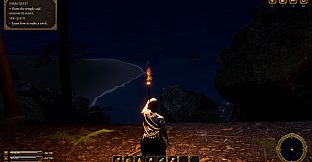
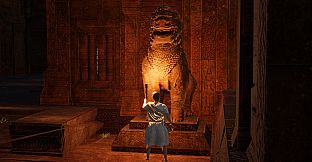
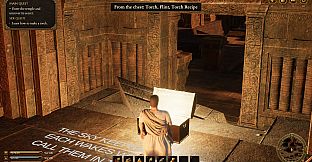
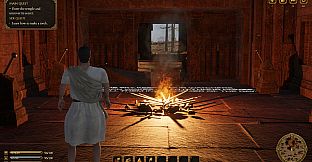
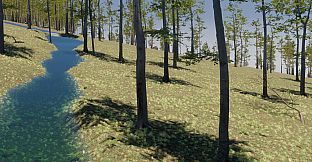

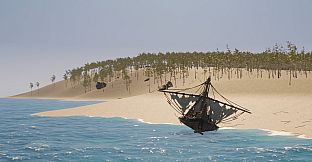
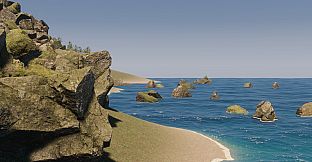
Waking Elara is an action adventure indie game set on a single handcrafted island in the Aegean. Players take the role of Heron, a shipwrecked engineer from the Ptolemaic era, who must uncover the secrets of a vanished civilization while protecting a stone queen named Elara from arriving threats. The experience blends puzzle solving, resource management, construction, and defensive combat on one detailed map modeled after real elevation data.
Gameplay
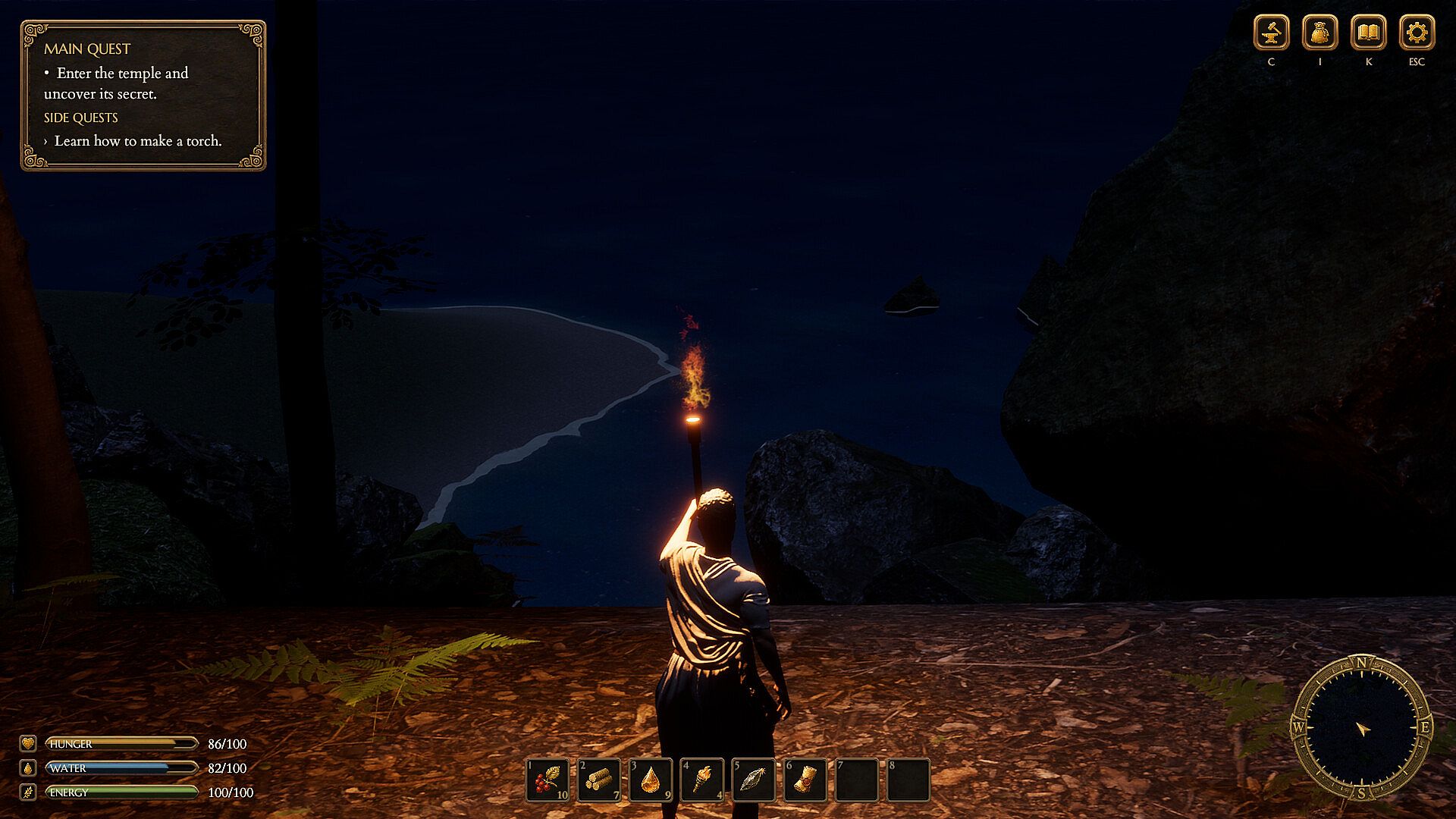
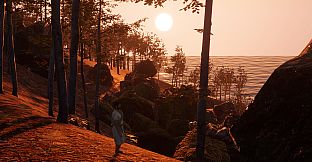
The core loop centers on exploration across the island's ridges, bays, and cliffs. Players manage basic survival needs by locating fresh water sources, identifying edible plants, and maintaining a fire through the night amid changing weather. Each solved temple reveals fragments of ancient knowledge that translate directly into practical builds, such as waterwheels for power, lifting cranes for heavy work, black powder for explosives, and a bronze cannon positioned on a cliff overlooking the bay.
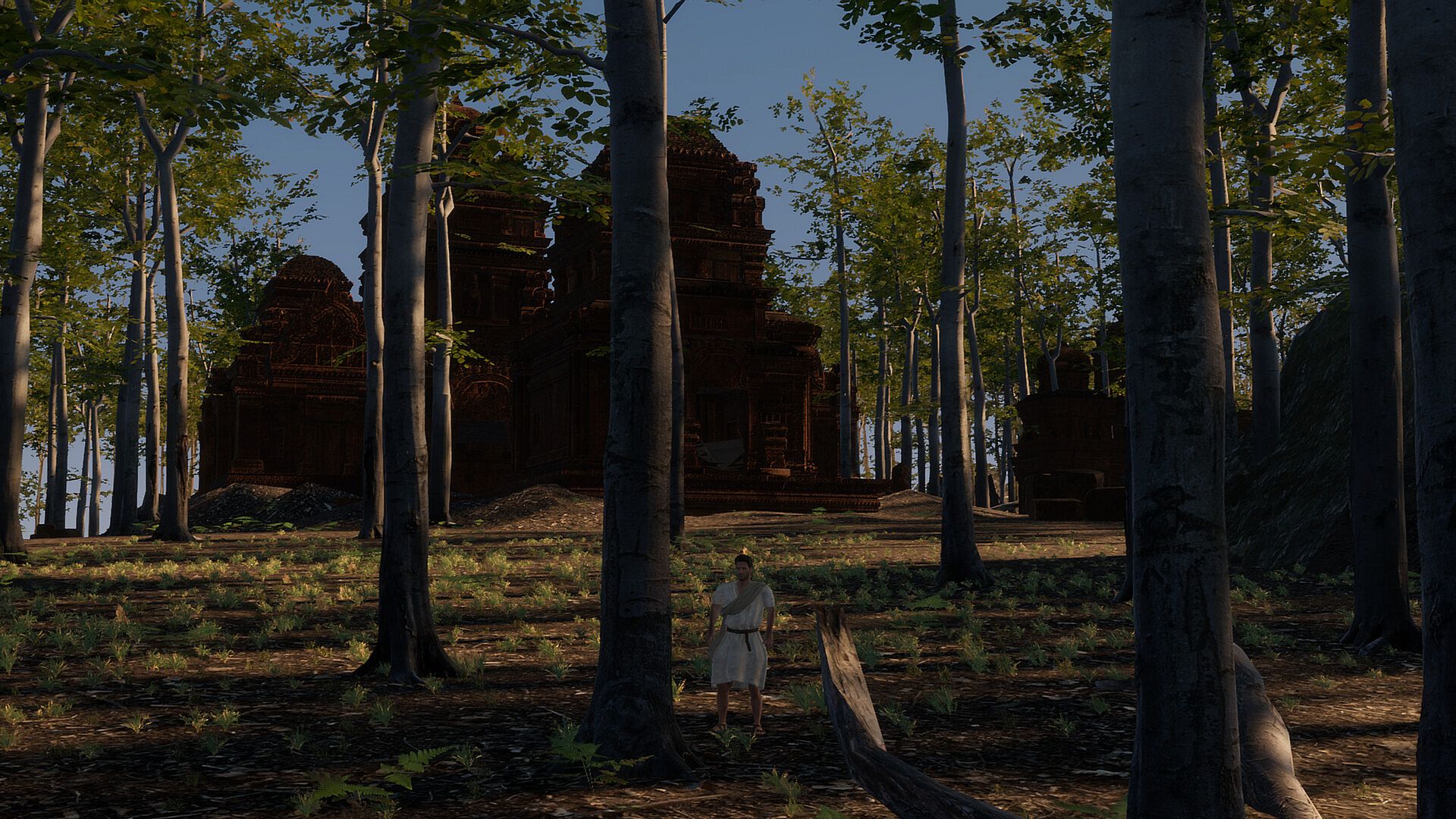
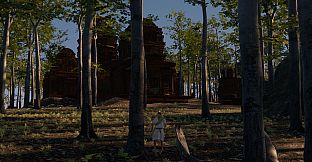
Temple challenges require understanding lost scientific principles rather than collecting keys. Puzzles involve manipulating light and shadow, controlling water pressure, tracking celestial alignments, and balancing weights and counterweights. Solving one temple advances the story through dream sequences where Elara communicates her history and points to the next location. The bond formed with her influences the outcome. Defensive phases occur when ships bring explorers and mercenaries, forcing players to apply temple knowledge to traps, fortifications, and direct confrontations using crafted weapons and terrain advantages.
Game Modes
Waking Elara offers a focused single-player campaign without separate multiplayer or competitive modes. The entire experience unfolds on one persistent island where progression ties puzzle solutions to survival improvements and defensive capabilities. Players advance by completing the fourteen temples in an order guided by dream fragments, gathering resources, constructing tools and defenses, and responding to periodic ship arrivals. The structure emphasizes thoughtful progression over repeated playthroughs, with the final confrontation shaped by earlier choices in temple solutions and the relationship built with Elara.
Island Design and Atmosphere
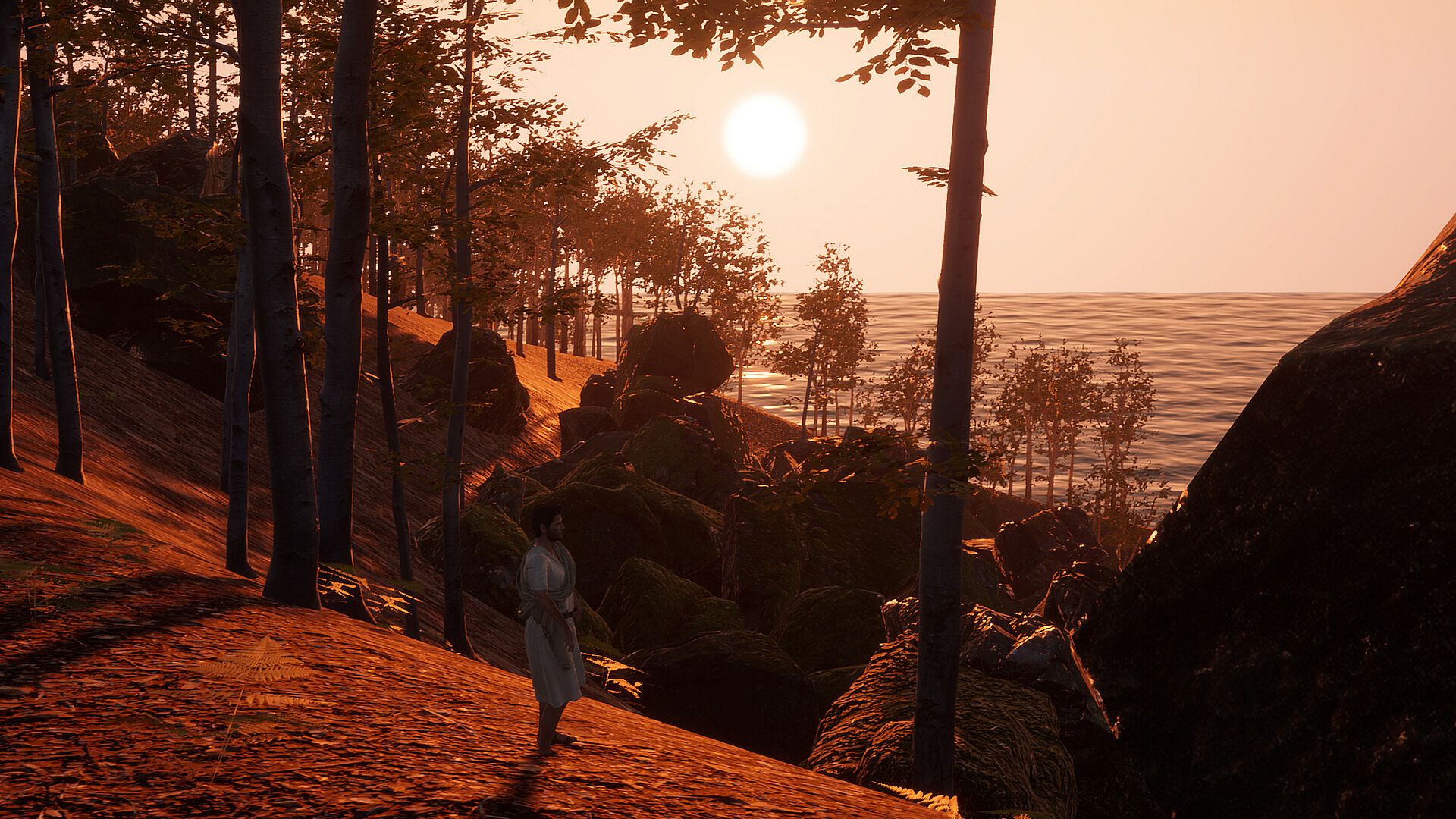
The island stands out for its handcrafted nature. Developers used real Aegean elevation data to shape ridges, bays, and cliffs, then rebuilt every detail manually without procedural generation. This creates a consistent world where navigation relies on landmarks and player understanding rather than on-screen markers. Storms, heat, and darkness add tension to daily routines, while the absence of artificial guidance encourages observation and experimentation. The setting draws from ancient history, placing the vanished civilization before the founding of Athens and integrating elements like the Tower of Hanoi as one temple challenge.
Is It Worth Playing?
Waking Elara suits players who enjoy deliberate puzzle solving combined with survival and light construction in a single-player setting. The game rewards careful observation and logical thinking over fast reflexes, with each temple solution feeding into tangible building and defense options. Because it remains in development with a coming-soon release date and no user reviews available yet, interested players can follow updates from the developer MutlakGame. Those drawn to mystery-driven adventures on a compact, detailed map with meaningful progression from knowledge to practical tools will find the described systems align closely with that preference. The absence of filler content and emphasis on one cohesive island make it a targeted experience rather than a broad open world.












