







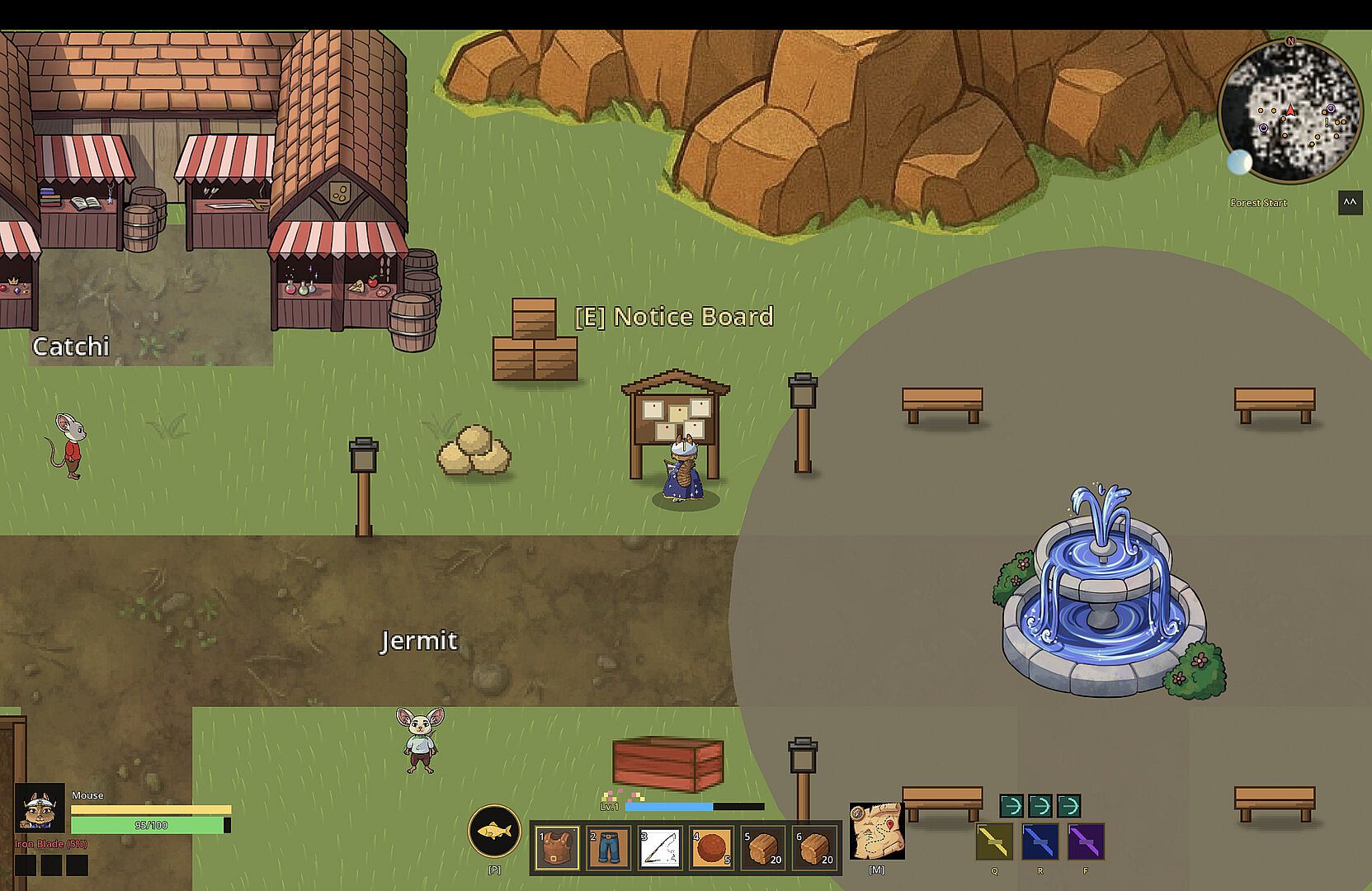
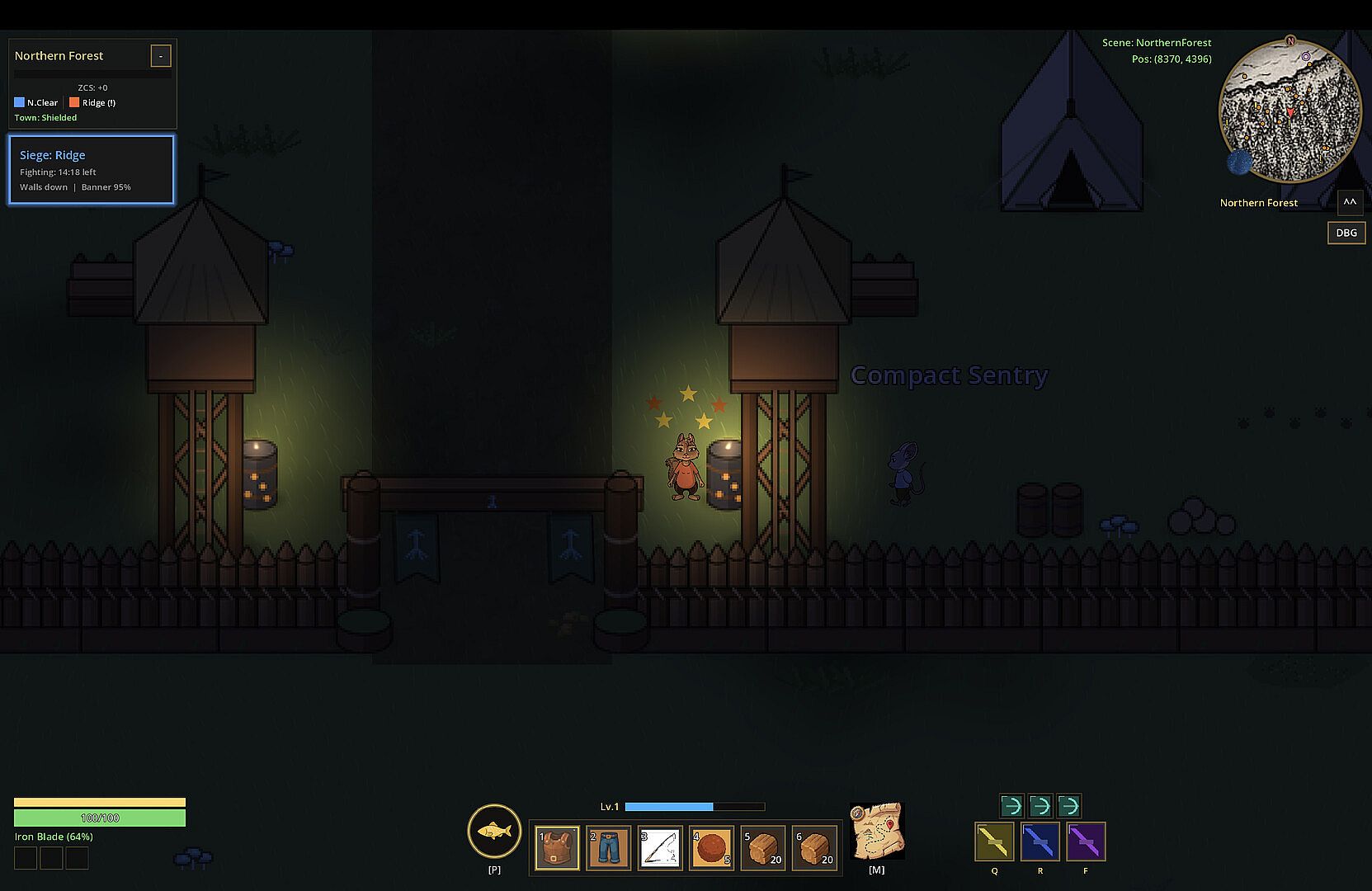
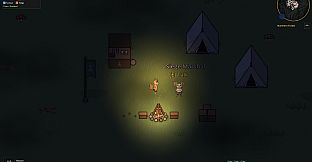
Wavertree Mountain is a massively multiplayer online role-playing game set on an island where six species from two rival factions compete for control of the ruins left behind by vanished humans. Players select a faction and species at the start, then shape their own burrow while pursuing personal goals or contributing to larger conflicts over territory and resources. The experience blends crafting, exploration, combat, and social elements in a persistent world shared with hundreds of other players on each server.
Gameplay
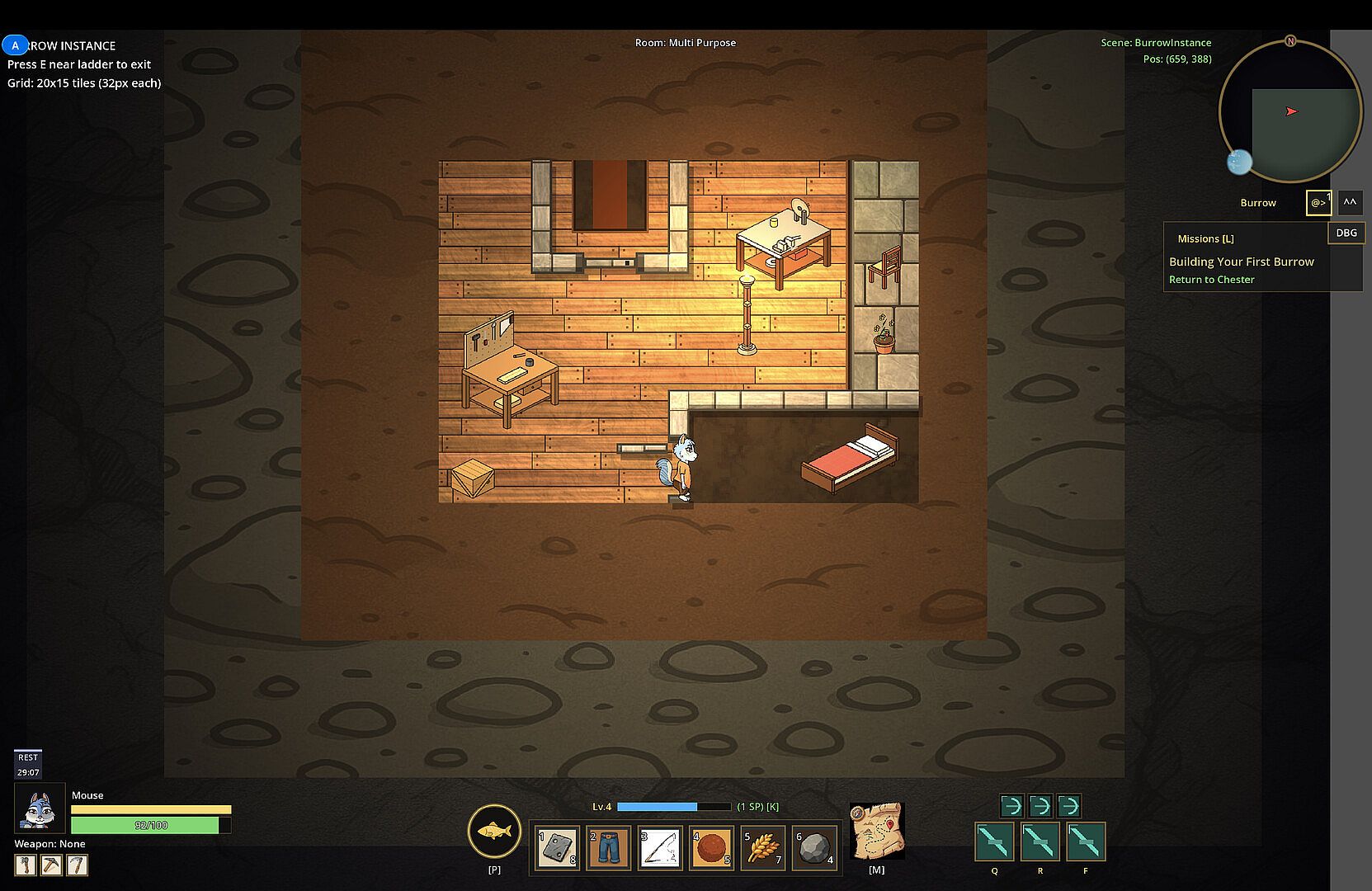
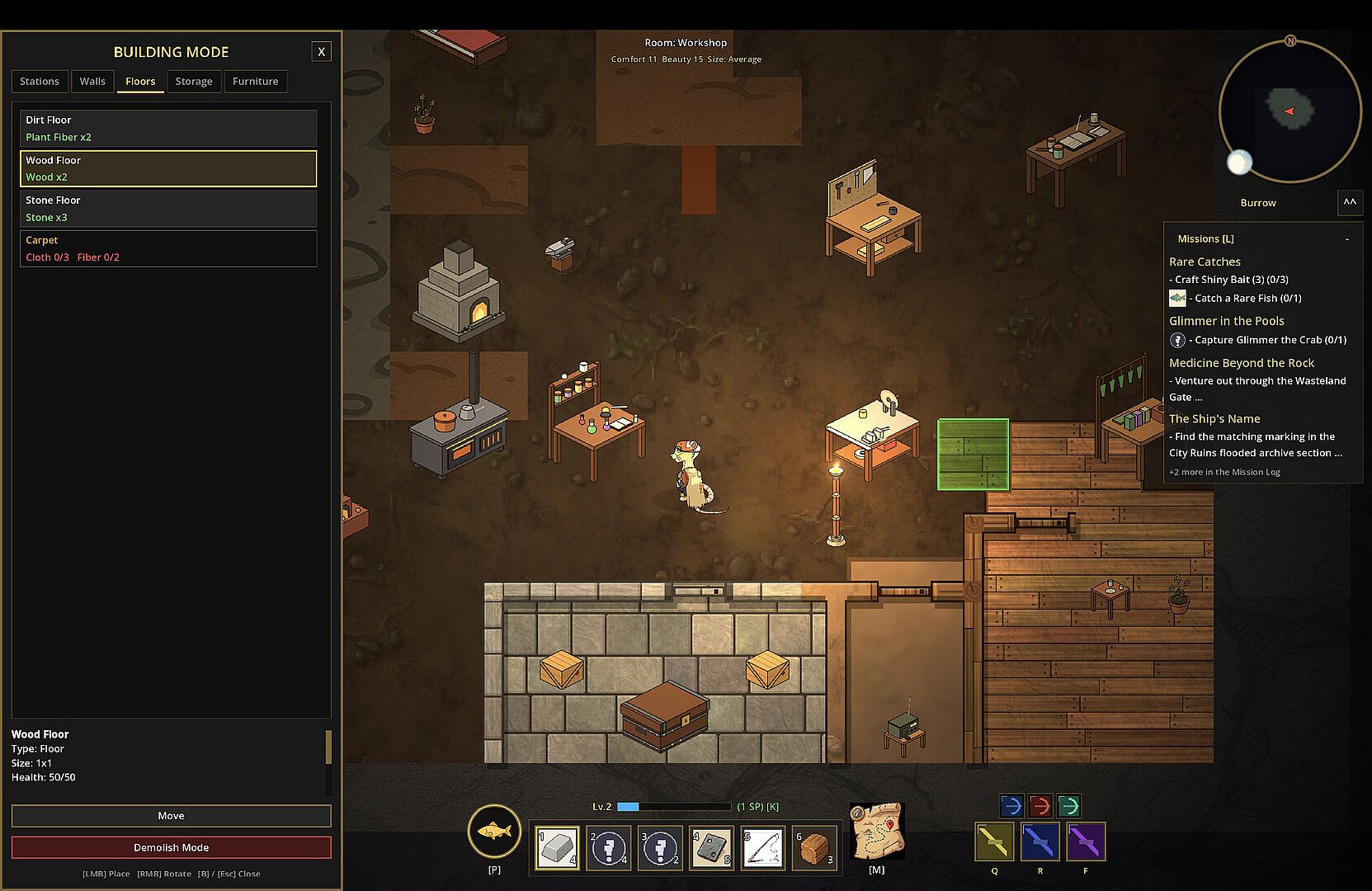
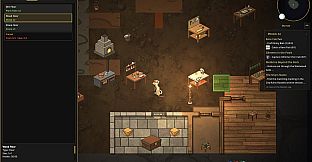
Characters begin with a basic scrape in the dirt that expands into a full burrow through digging and construction. Rooms receive walls of dirt, wood, or stone along with furnishings such as beds, workstations, and storage. Additional structures like barns, smithies, greenhouses, or triage tents support specialized activities. Tunnels connect personal burrows to faction outposts for shared benefits.
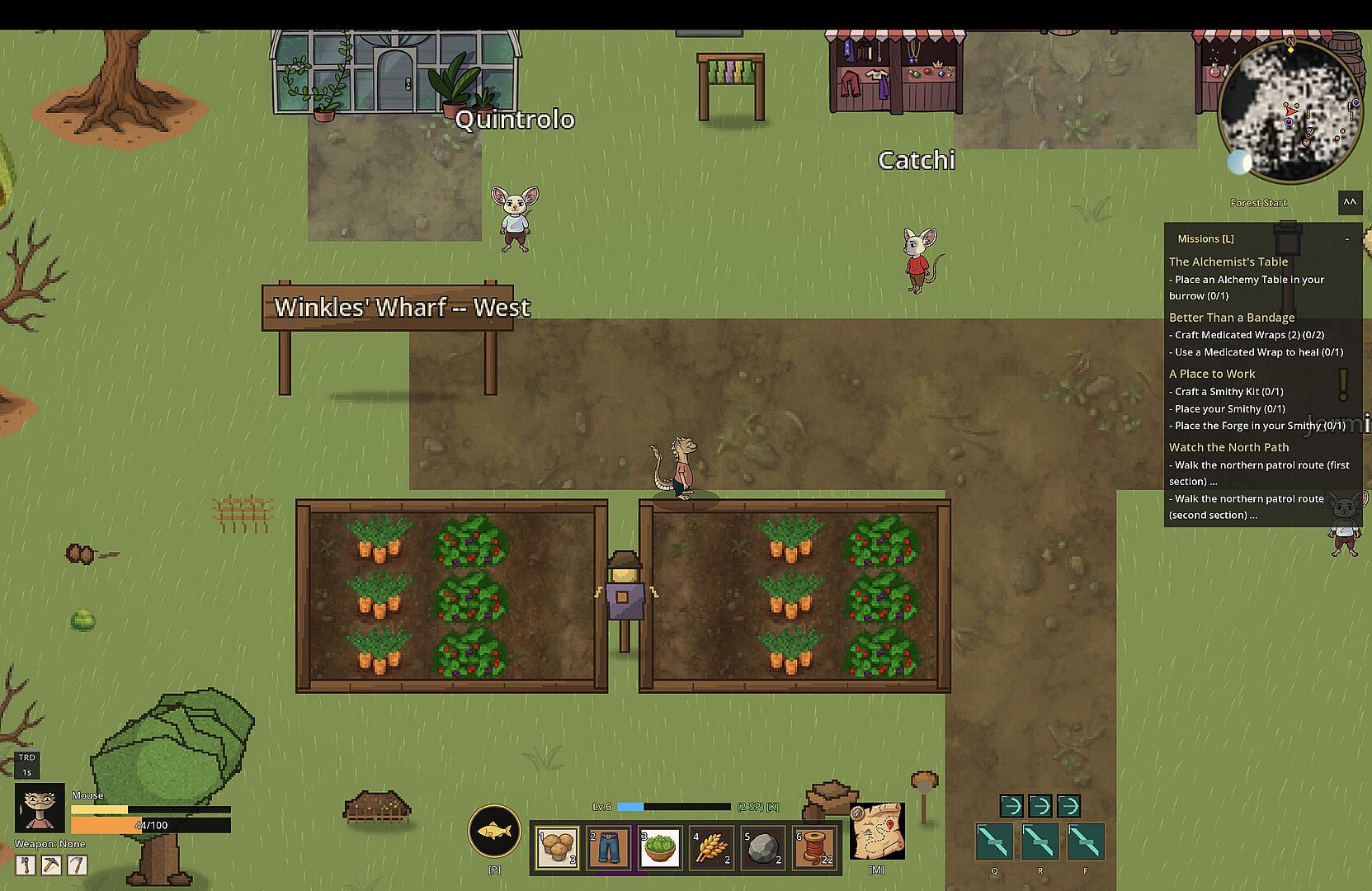
Specializations determine how a creature contributes to the island economy. Options range from farmer and angler to engineer, doctor, and smith. Each role produces goods or services needed by others, enabling trade at regional auction houses. Players raise crops, fish, tend bugs in barns, and cook meals. Crafting covers armor, weapons, and gadgets for personal use or sale to fellow players. Pacifist approaches remain viable through these production and trade systems.
Exploration covers nine distinct zones including misty cliffs at Rock Point, the City Ruins, and the smoldering Charred Forest. Instanced dungeons appear in every zone and feature puzzles, bosses, and rare loot. Hundreds of missions guide progression from initial foraging tasks through specialization chains and character-specific questlines. Non-player characters retain memory of player actions and provide unique recipes as rewards. Day and night cycles, weather patterns, and changing tides affect access to certain areas such as sea caves reachable only at low water.
Game Modes
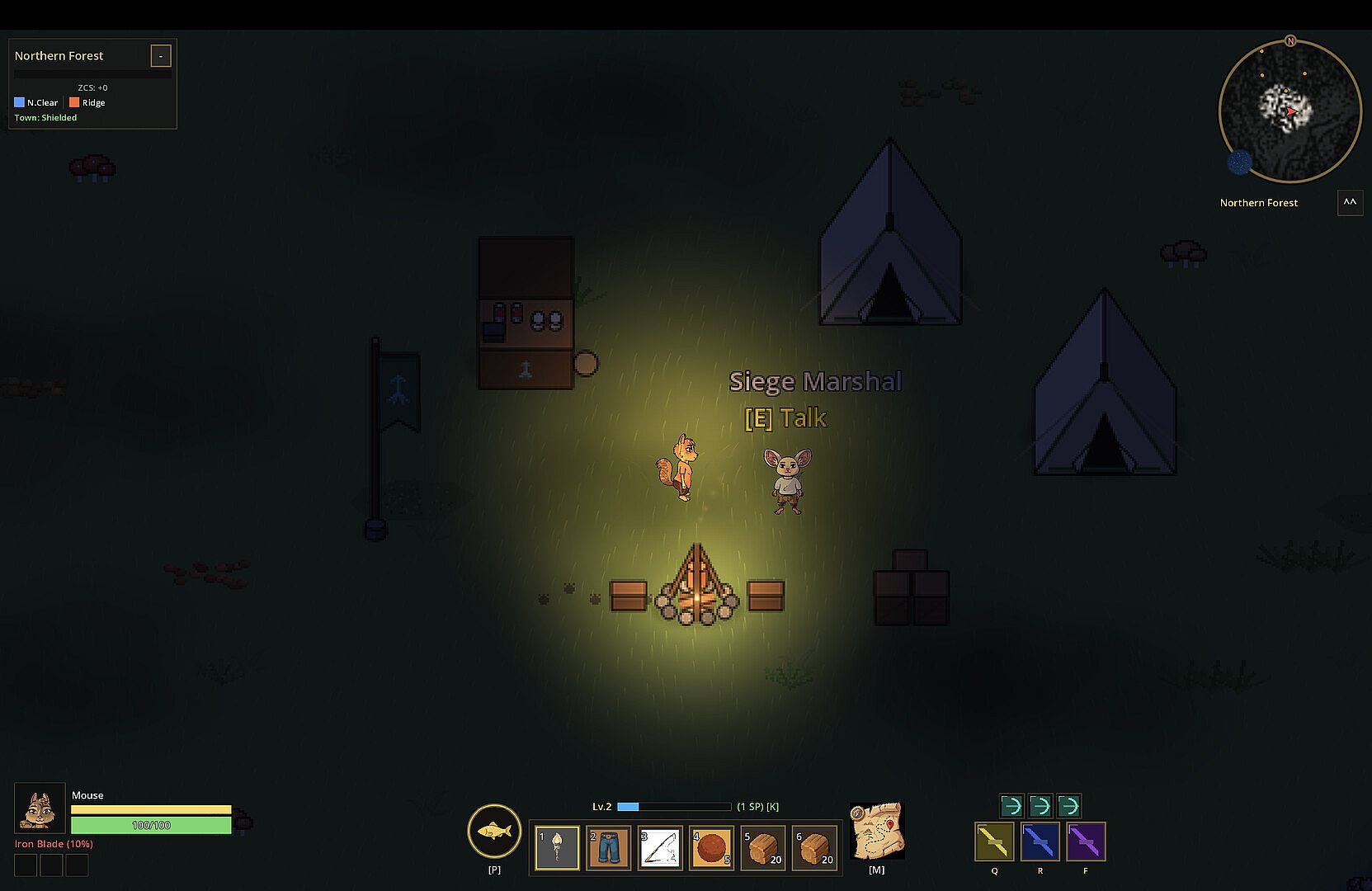
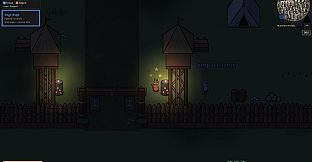
Core activities center on burrow development and resource management alongside optional combat. Players claim and fortify outposts for their faction, which improves resource nodes, crafting speed, creature behavior, and merchant prices for all allies. These holdings face challenges through player-versus-player skirmishes and sieges, with control shifting rewards accordingly.
Combat employs weapons including swords, spears, slingshots, and boomerangs, each carrying distinct abilities. Players block, perform shield bashes, and switch weapon sets during fights. Defeated allies can receive aid from teammates to return to action. Group play supports guild formation, shared hall construction, and coordinated efforts with friends across the island.
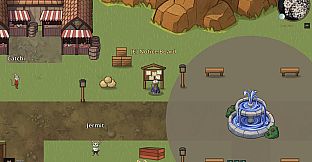
Non-combat paths emphasize home-building, gardening on the edge of the Southern Forest, trading rare seeds at neutral beach locations, and socializing at taverns. Auction houses facilitate buying and selling across factions in designated areas. The overall structure allows individual pacing between solitary crafting sessions, small-group dungeon runs, and larger faction efforts to secure outposts.
Factions and Species
The Warren Compact includes mice, squirrels, and chipmunks as burrowers and builders who control forests and lowlands. Their approach favors endurance and sustained presence. The Ashborne League consists of rats, lizards, and gerbils as scavengers and raiders who hold the wasteland and coastal cliffs. Their strategy emphasizes speed and early arrival at key locations. Each species carries its own history that influences starting options and narrative flavor.
Faction membership determines access to certain outposts and shared bonuses from controlled territory. Neutral trading spots allow interaction between rivals without immediate conflict. The central mountain holds secrets tied to every species' past, driving both factions to explore its depths.
Is It Worth Playing?
Wavertree Mountain suits players who enjoy building personal spaces, managing production chains, and participating in optional territory control within a shared world. Those who prefer flexible pacing between solo crafting, social trading, and group combat will find multiple viable paths. The emphasis on burrows as homes and the variety of specializations support long-term engagement without requiring constant combat. Faction-based outpost battles add stakes for players interested in larger-scale coordination. Availability on PC allows access through standard storefronts, and the described systems remain consistent with the core experience outlined for the title.











