




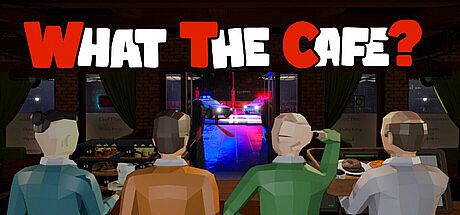


What The Cafe? is an indie casual simulation game that blends cafe management with criminal undertones on PC. Players run a struggling establishment while juggling customer service, staff roles, and escalating pressure from the local mafia and police.
Gameplay
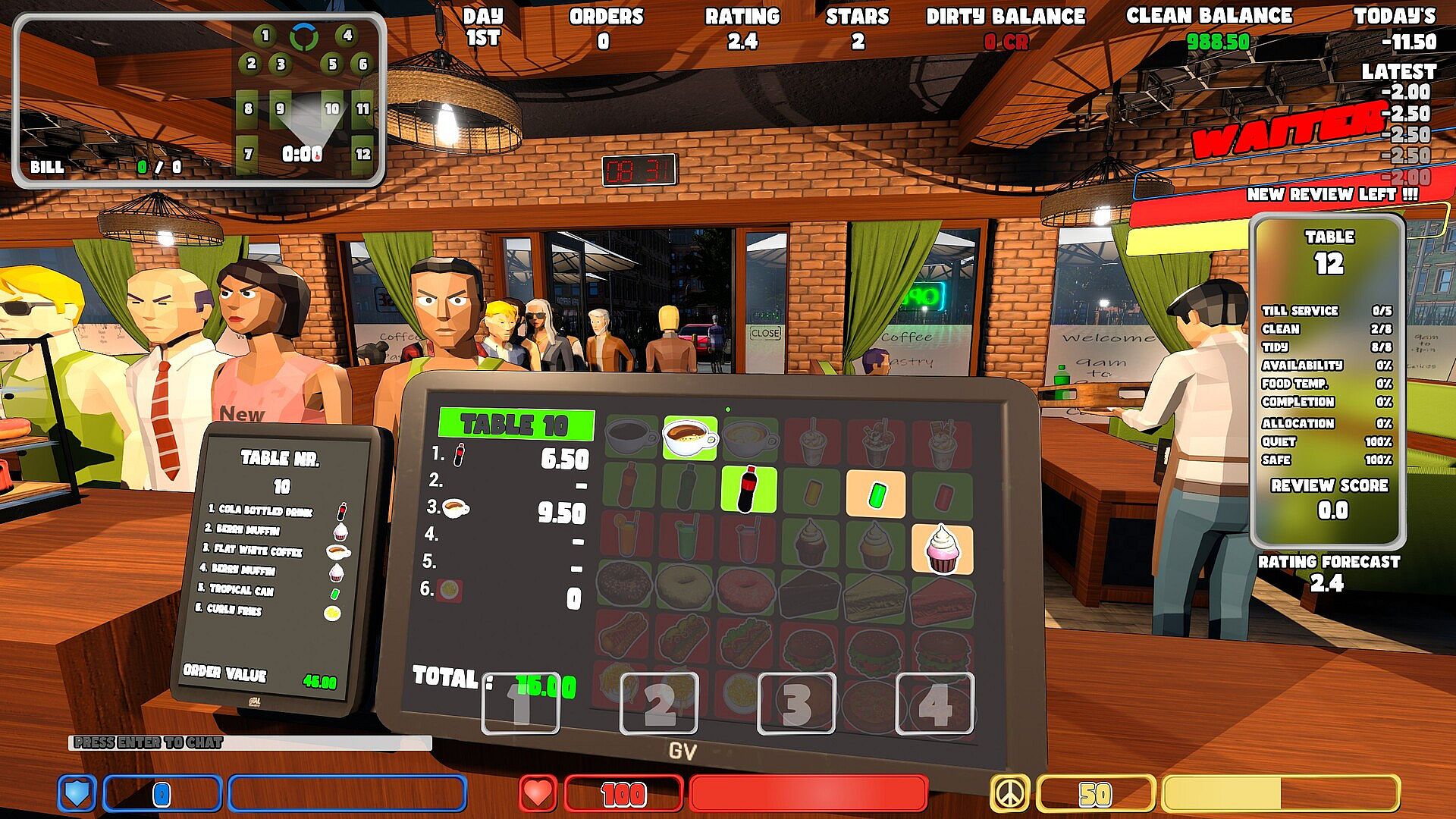
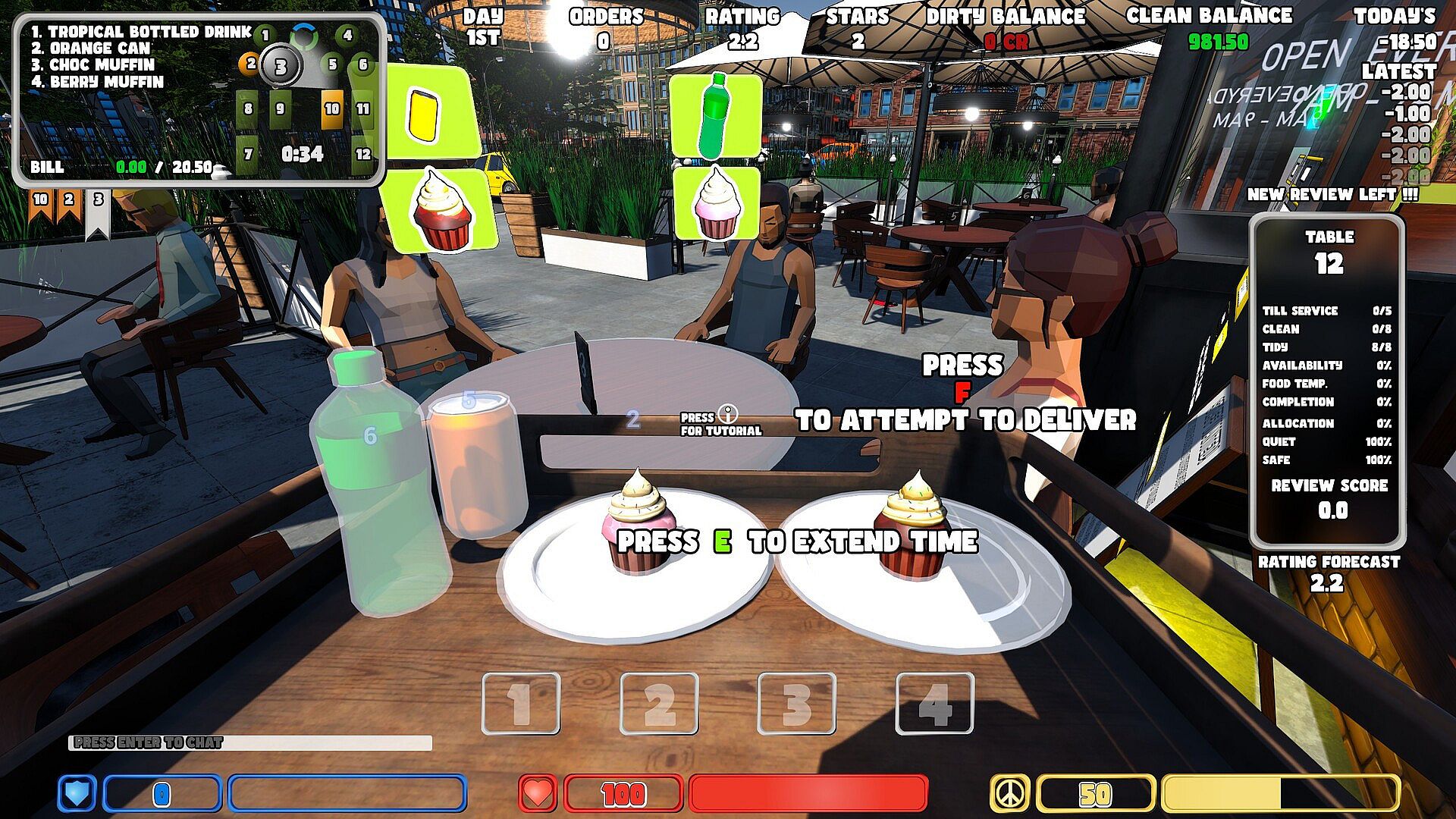
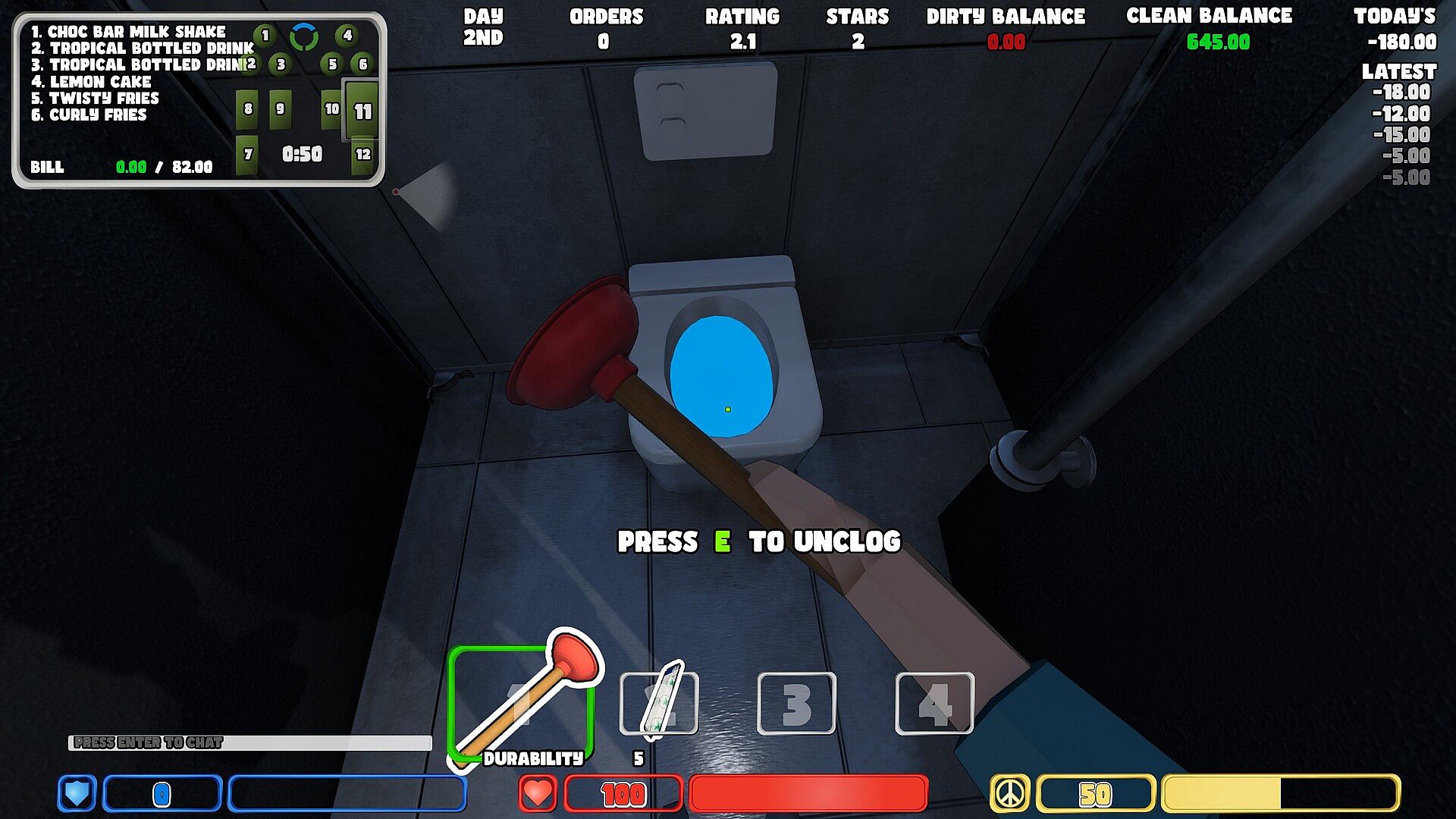
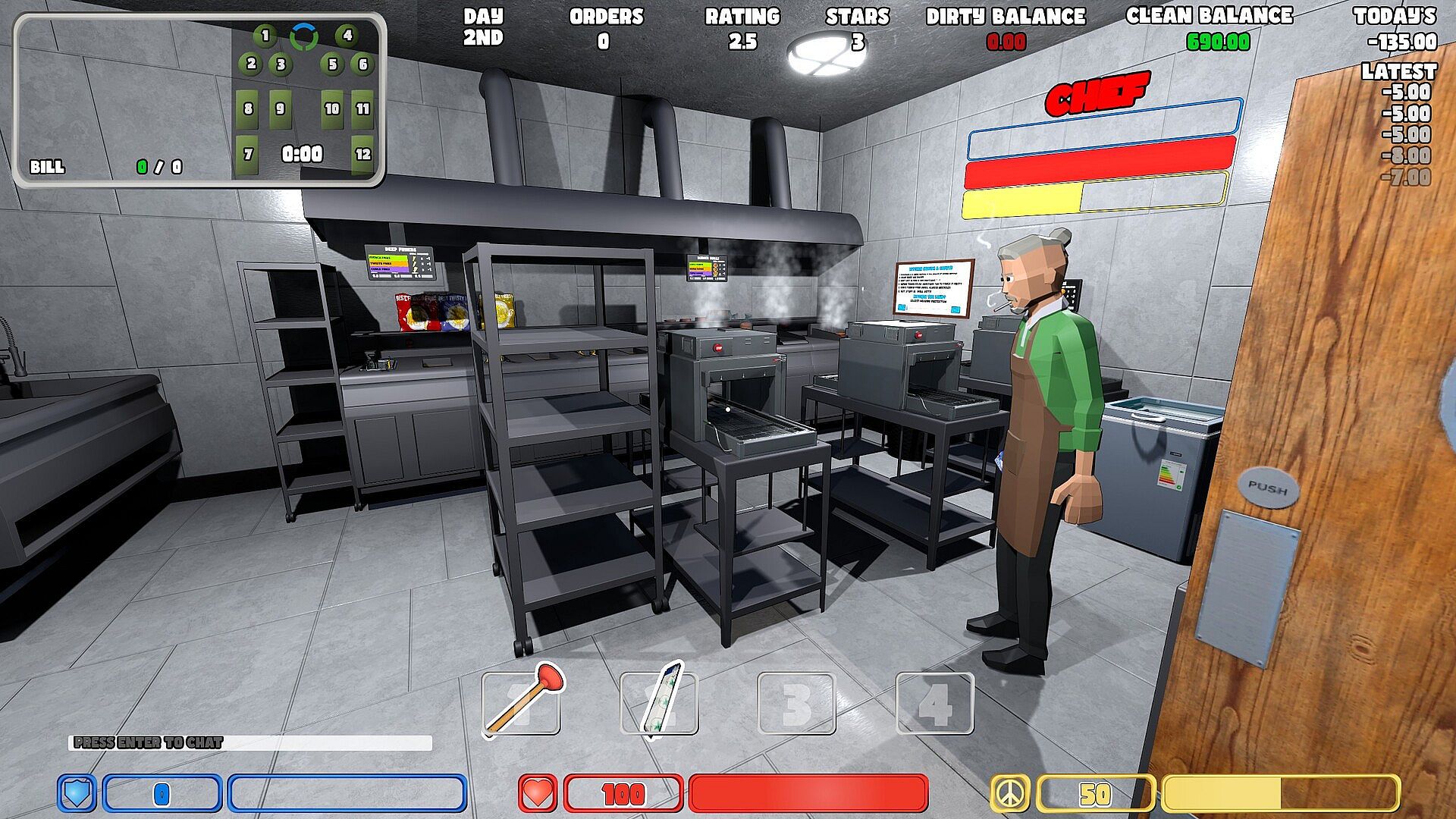
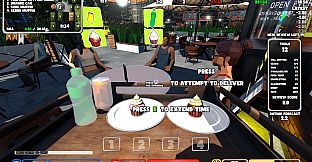
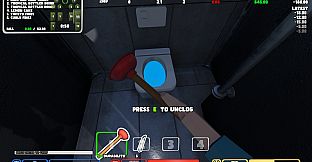
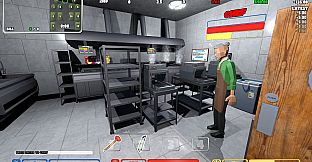
The core loop centers on daily operations in a busy cafe. Up to four players divide tasks such as taking orders as cashier, preparing food as chef, delivering meals as waiter, or maintaining cleanliness as janitor. Everyone can switch roles or handle everything collectively to meet customer demands efficiently.
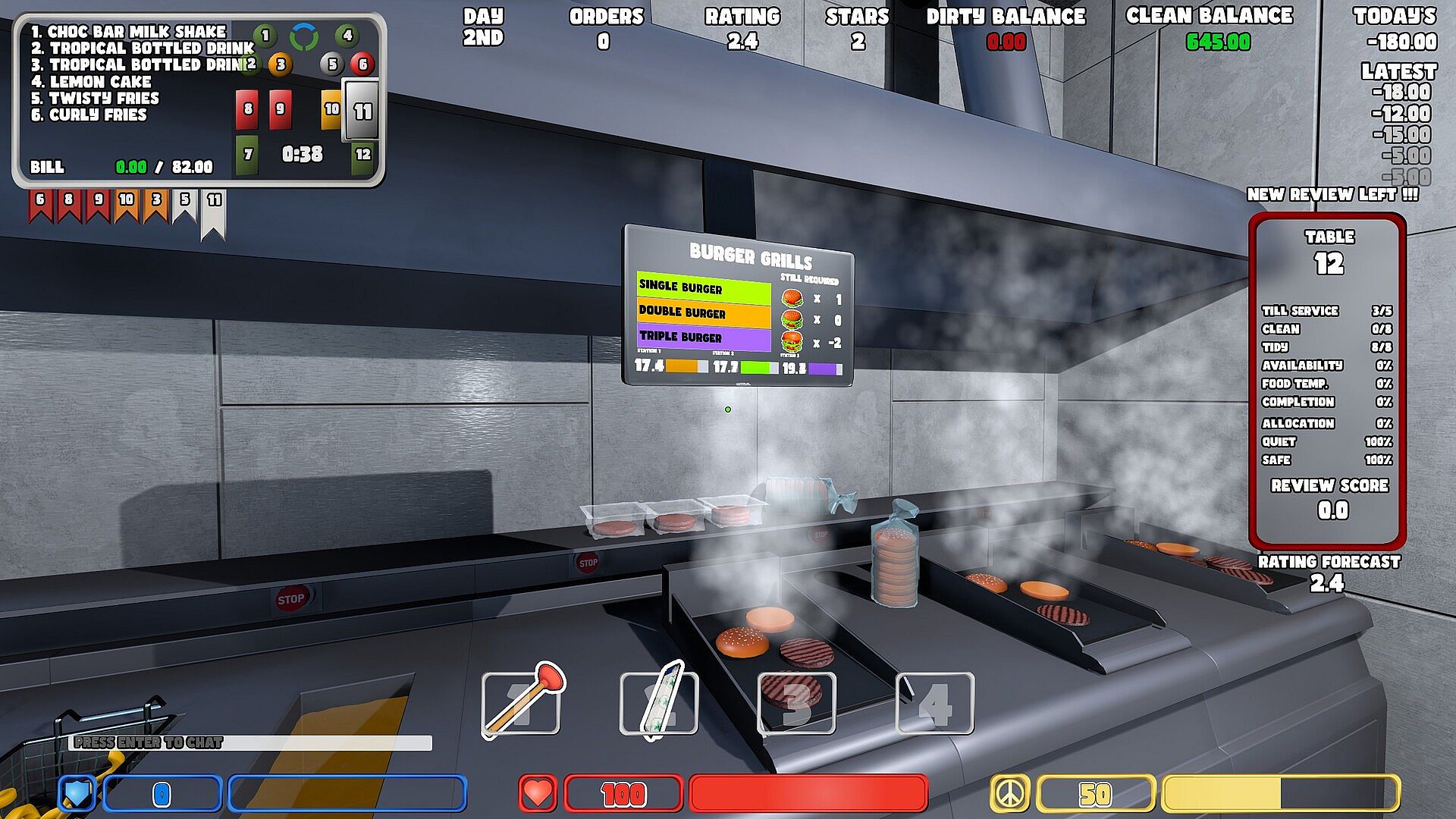
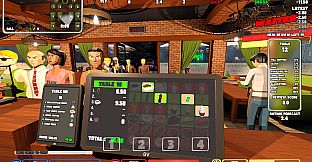
Customer patience acts as a key pressure point. When it expires, patrons leave without paying and post negative reviews that lower the cafe's star rating. Fewer stars mean reduced foot traffic and lower earnings, creating a direct chain from service quality to financial results. A specialized UI helps by consolidating table information, orders, and preparation needs into one scrollable view, with machine screens showing remaining requirements.
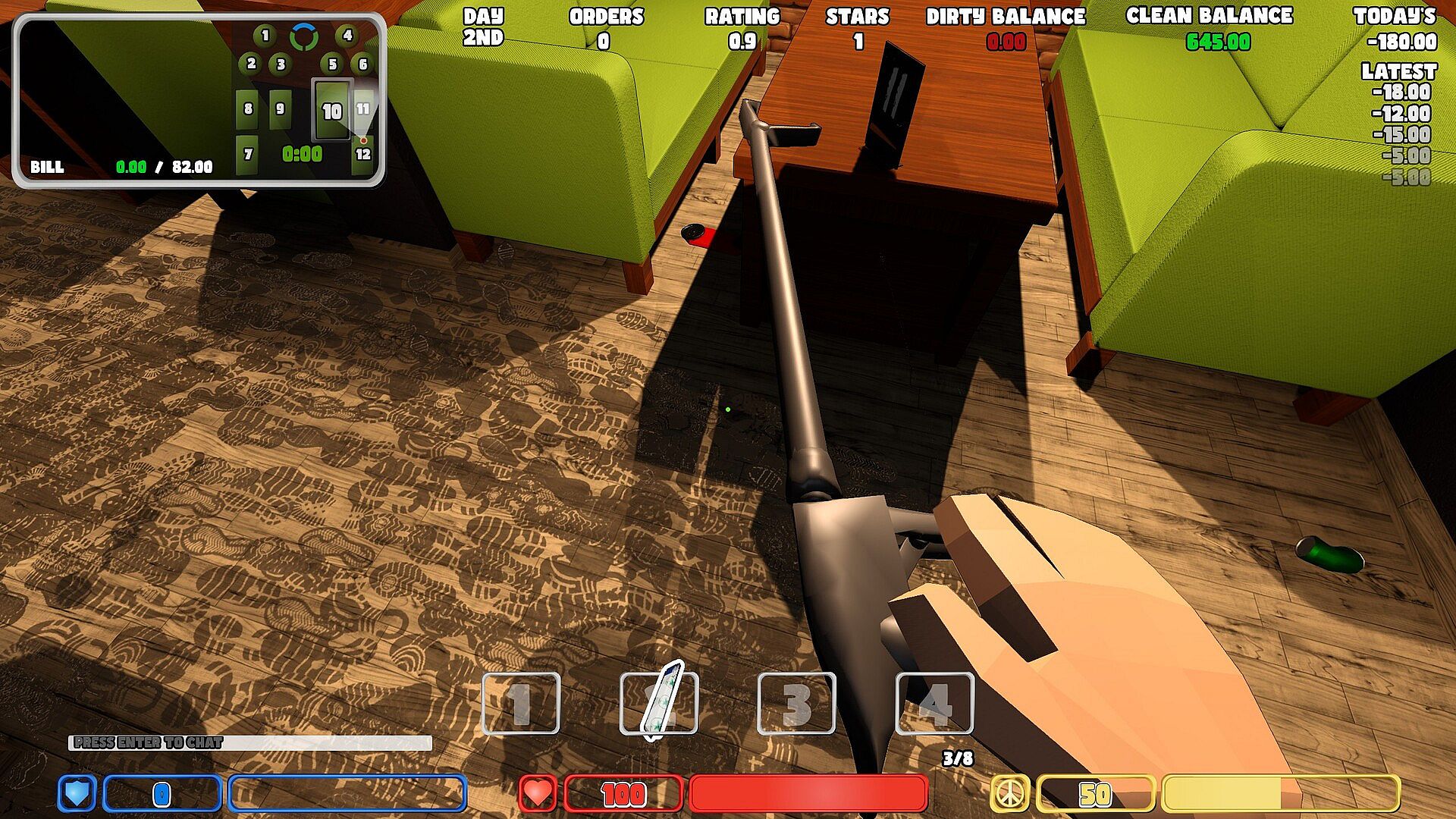
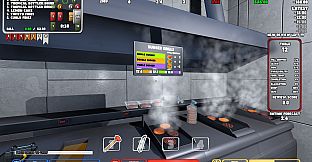
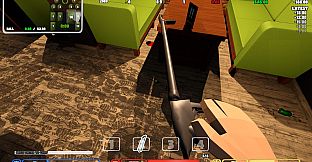
Progression comes through character stats that players adjust to fit chosen roles, plus purchases of tools like mops, grabbers, and trays that boost productivity and ease teamwork. Kitchen machines vary in preparation time and profit, so choices about expansions carry real weight. Table reservations let teams control customer flow to match their pace and group size. Evenings focus on planning purchases that arrive the next day, while daytime requires quick reactions to keep service smooth.
Game Modes
The game supports online co-op sessions for one to four players alongside single-player options. Scalable mechanics adjust customer volume based on reserved tables, allowing solo runs or full-team coordination without forcing a rigid structure. No separate named modes exist beyond this flexible co-op framework that scales difficulty and pace to the number of participants.
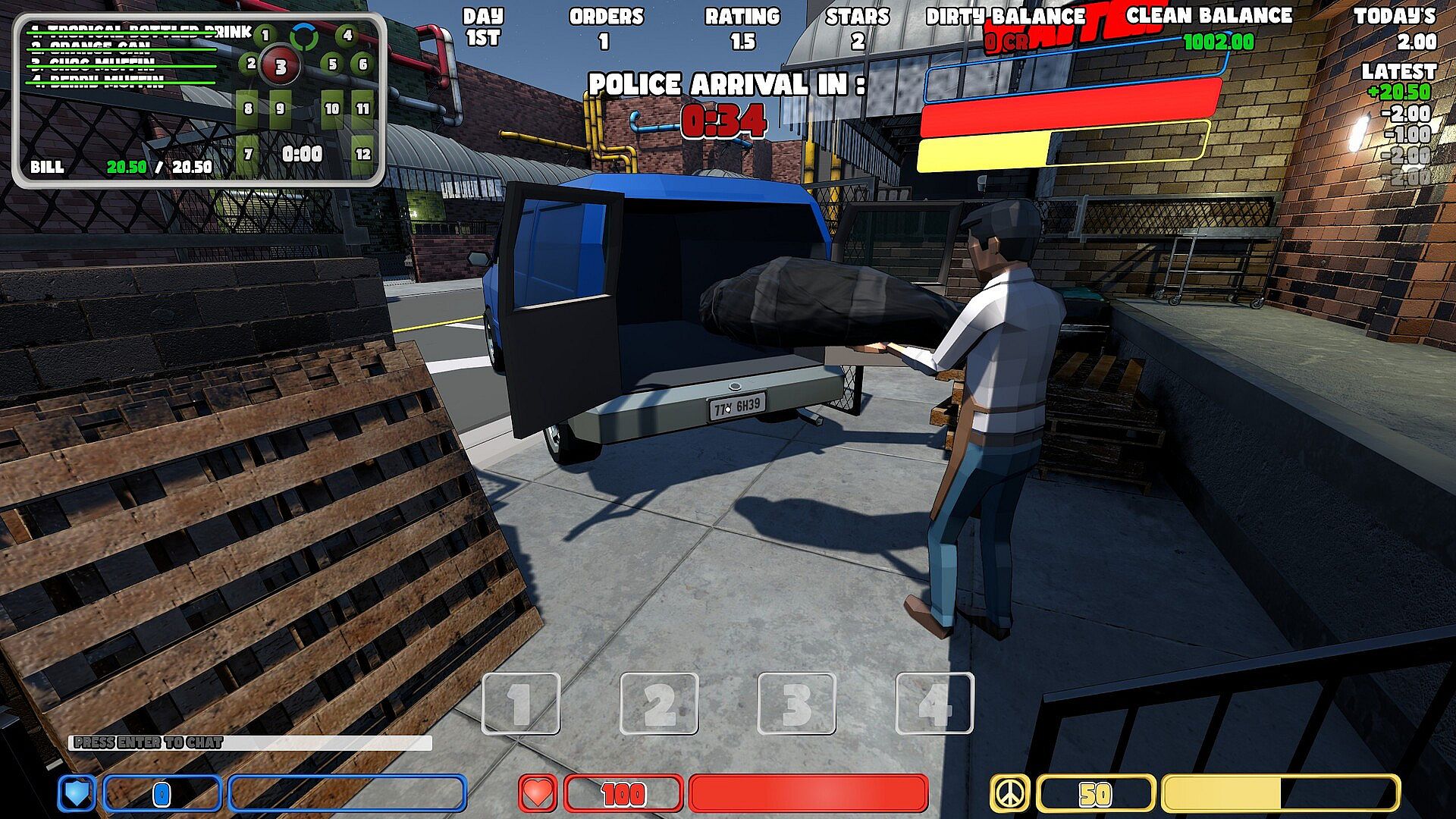
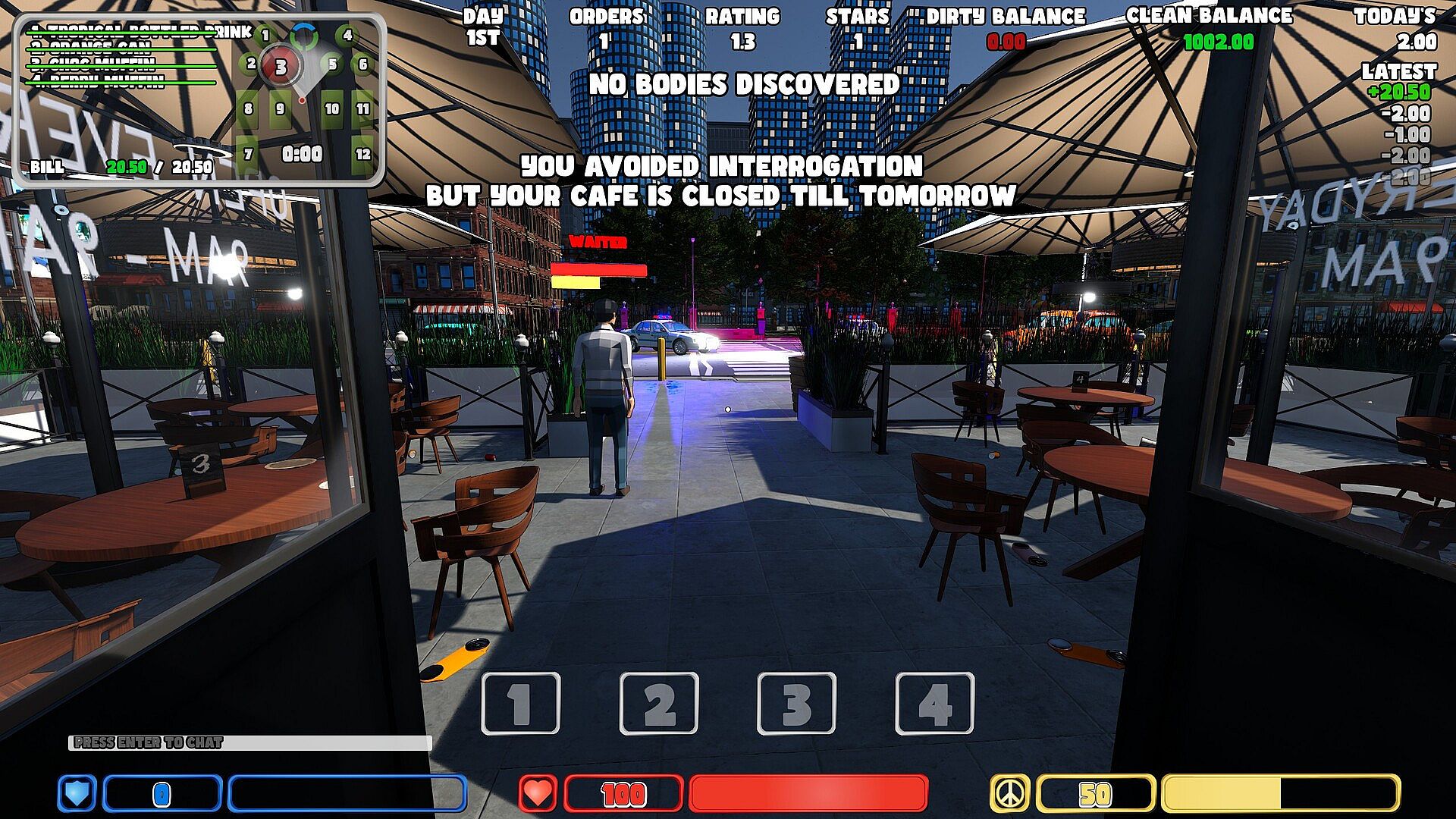
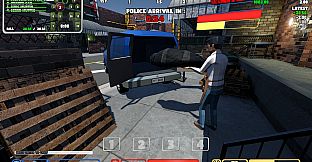
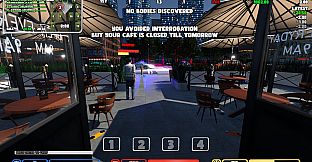
Crime elements integrate into the main experience rather than forming isolated modes. Mafia demands for protection money appear regularly, and higher star ratings unlock optional jobs that bring special guests and dirty money. Players can launder or reverse-launder funds as needed. Public witnesses may alert police, triggering raids that require careful planning to avoid interrogation or jail time. The number of discovered bodies increases risk, turning the interrogation sequence into a high-stakes minigame.
Character and Cafe Progression
Customization options cover clothing colors, hairstyles, and accessories for each player character. Stats can be tuned to emphasize different responsibilities, encouraging specialization or versatile playstyles. Upgrades focus on practical tools that improve efficiency across roles, while kitchen expansions introduce machines with distinct timing and payout profiles.
The ultimate objective involves clearing mafia obligations and purchasing the cafe outright. This long-term goal ties daily management, customer satisfaction, and criminal side activities into a single narrative thread of working toward independence.
Is It Worth Playing?
What The Cafe? targets players who enjoy management simulations with added tension from external threats. The combination of cooperative task division, review-driven progression, and mafia-police mechanics creates a distinct loop that rewards quick thinking during service hours and strategic planning afterward.
Because the title remains in development and has not yet entered Early Access, no player reviews or ratings are available. The described systems emphasize meaningful choices in roles, tools, and risk management, which should appeal to those seeking a cafe simulator with narrative stakes rather than pure relaxation. Teams that like dividing labor and adapting to unexpected events will find the co-op focus particularly engaging. Solo players can still participate through the scalable pacing options.
Those drawn to light-hearted cafe tasks paired with occasional high-pressure crime sequences may find the experience rewarding once it launches. The game avoids overcomplicating core service work while layering on progression and risk elements that encourage repeated sessions.











